Can God forgive anything?

Isaiah 1:18
18 “Come now, let us settle the matter,” says the LORD. “Though your sins are like scarlet, they shall be as white as snow; though they are red as crimson, they shall be like wool.
New International Version (NIV)
The answer
Yes—God can forgive any sin, no matter how great, when the sinner repents and comes to Him through Jesus Christ. No one’s past is beyond the power of Christ’s atoning sacrifice. Jesus’ warning about blasphemy against the Holy Spirit is a real and fearful exception, but it gives no repentant sinner reason to despair.
God Himself makes this invitation in Isaiah 1:18: “Though your sins are as scarlet, they shall be as white as snow. Though they are red like crimson, they shall be as wool.” Scarlet and crimson suggest sin at its deepest stain; God promises cleansing at His own hand. Likewise, Isaiah 44:22 says, “I have blotted out, as a thick cloud, thy transgressions, and, as a cloud, thy sins: return unto me; for I have redeemed thee.” David therefore prays in Psalm 51:7, “wash me, and I shall be whiter than snow.”
This forgiveness rests on Jesus Christ, not on pretending sin is small. First John 2:2 calls Him “the atoning sacrifice for our sins, and not for ours only, but also for the whole world.” Revelation 7:14 describes those who have “washed their robes, and made them white in the blood of the Lamb.” The stain is removed because Christ gave Himself for sinners. Romans 5:20-21 declares that where sin abounded, grace abounded even more, and that grace reigns through righteousness to eternal life through Jesus Christ.
Paul’s own life demonstrates how far that grace reaches. He had been “a blasphemer, a persecutor, and insolent,” yet received mercy. He then announces in 1 Timothy 1:15, “Christ Jesus came into the world to save sinners, of whom I am chief.” His mercy became an example of Christ’s patience toward others who would believe in Him (1 Timothy 1:16).
The solemn exception is blasphemy against the Holy Spirit. In Mark 3:28-30, Jesus first says that all sins and blasphemies will be forgiven, then warns: “but whoever may blaspheme against the Holy Spirit never has forgiveness, but is subject to eternal condemnation.” The context identifies what His opponents were doing: they said, “He has an unclean spirit.” They were hardened in calling the Spirit’s work in Christ demonic. That warning must not be softened. But neither should it be confused with a terrible sin that someone confesses and repents of, because God expressly promises: “If we confess our sins, he is faithful and righteous to forgive us the sins and to cleanse us from all unrighteousness” (1 John 1:9).
The response God commands is clear: “Repent and be baptized, every one of you, in the name of Jesus Christ for the forgiveness of sins” (Acts 2:38). Forgiveness is not permission to continue in sin. First Corinthians 6:9-10 plainly warns that the unrighteous will not inherit God’s kingdom, but verse 11 then says, “Some of you were such, but you were washed. You were sanctified. You were justified in the name of the Lord Jesus, and in the Spirit of our God.” The grace that pardons also cleanses and gives new life.
Answered from Scripture · reviewed November 11, 2026
Scripture declares plainly that God can forgive any sin, no matter how deep its stain, when a sinner turns to Him in genuine repentance through Jesus Christ. The atoning blood of the Lamb possesses infinite cleansing power, triumphing over the darkest human failures. To understand the boundless reach of divine mercy, we must look to how God's Word defines the scope of atonement, the call to repentance, and the sole solemn exception Jesus named.
Deepest Stains Cleansed
God promises total pardon for the scarlet stain

“Come now, let us settle the matter,” says the LORD. “Though your sins are like scarlet, they shall be as white as snow; though they are red as crimson, they shall be like wool.
Isaiah 1:18 (NIV)
God explicitly invites deep-dyed sinners to reason with Him, promising that sins as red as scarlet will become white as snow.
The prophet summons humanity to hear an astonishing offer of absolute cleansing in Isaiah 1:18, where the Lord says, "Come now, let us reason together... though your sins are like scarlet, they shall be as white as snow; though they are red like crimson, they shall become like wool." Scarlet and crimson were fixed, double-dyed colors that no ancient launderer could draw out of raw cloth, yet the living God pledges that repentance washes the darkest guilt completely clean.
This total eradication of guilt is precisely what David cried out for in Psalms 51:7 after his grievous acts of adultery and murder: "Purge me with hyssop, and I shall be clean; wash me, and I shall be whiter than snow." God does not merely overlook moral ruin; He cancels it entirely. In Isaiah 43:25, the Sovereign declares, "I, I am he who blots out your transgressions for my own sake, and I will not remember your sins." The Lord removes the dark canopy of human rebellion, proclaiming in Isaiah 44:22, "I have blotted out your transgressions like a cloud and your sins like mist; return to me, for I have redeemed you."
God's disposition toward the brokenhearted is boundless compassion. The prophet asks in Micah 7:18-19, "Who is a God like you, pardoning iniquity... He will again have compassion on us; he will tread our iniquities underfoot. You will cast all our sins into the depths of the sea." His mercy places an infinite distance between the believer and their past offenses, as Psalms 103:12 celebrates: "as far as the east is from the west, so far does he remove our transgressions from us." Under the new covenant announced in Jeremiah 31:34, God cements this eternal promise: "I will forgive their iniquity, and I will remember their sin no more." Therefore, Romans 8:1 stands as the definitive verdict for all who run to Him: "There is therefore now no condemnation for those who are in Christ Jesus."
| Passage | What it says |
|---|---|
| Isaiah 1:18 | God promises that sins dyed deep as scarlet and crimson will be made pure as snow and wool upon repentance. |
| Psalms 51:7 | David begs to be purged with hyssop and washed so that he might be whiter than snow after grievous moral failure. |
| Isaiah 43:25 | The Lord Himself blots out transgressions for His own sake and remembers sins no more. |
| Isaiah 44:22 | God has swept away transgressions like a thick cloud, calling His redeemed people to return unto Him. |
| Micah 7:18-19 | God pardons iniquity, delights in steadfast mercy, treads down sins, and casts them into the depths of the sea. |
| Psalms 103:12 | As far as the east is from the west, so far does the Lord remove our transgressions from us. |
| Jeremiah 31:34 | God promises in the new covenant to forgive iniquity and remember sins no more. |
| Romans 8:1 | There is no condemnation for those who are in Christ Jesus. |
The Blood of Christ
The cross provides complete atonement for all sin
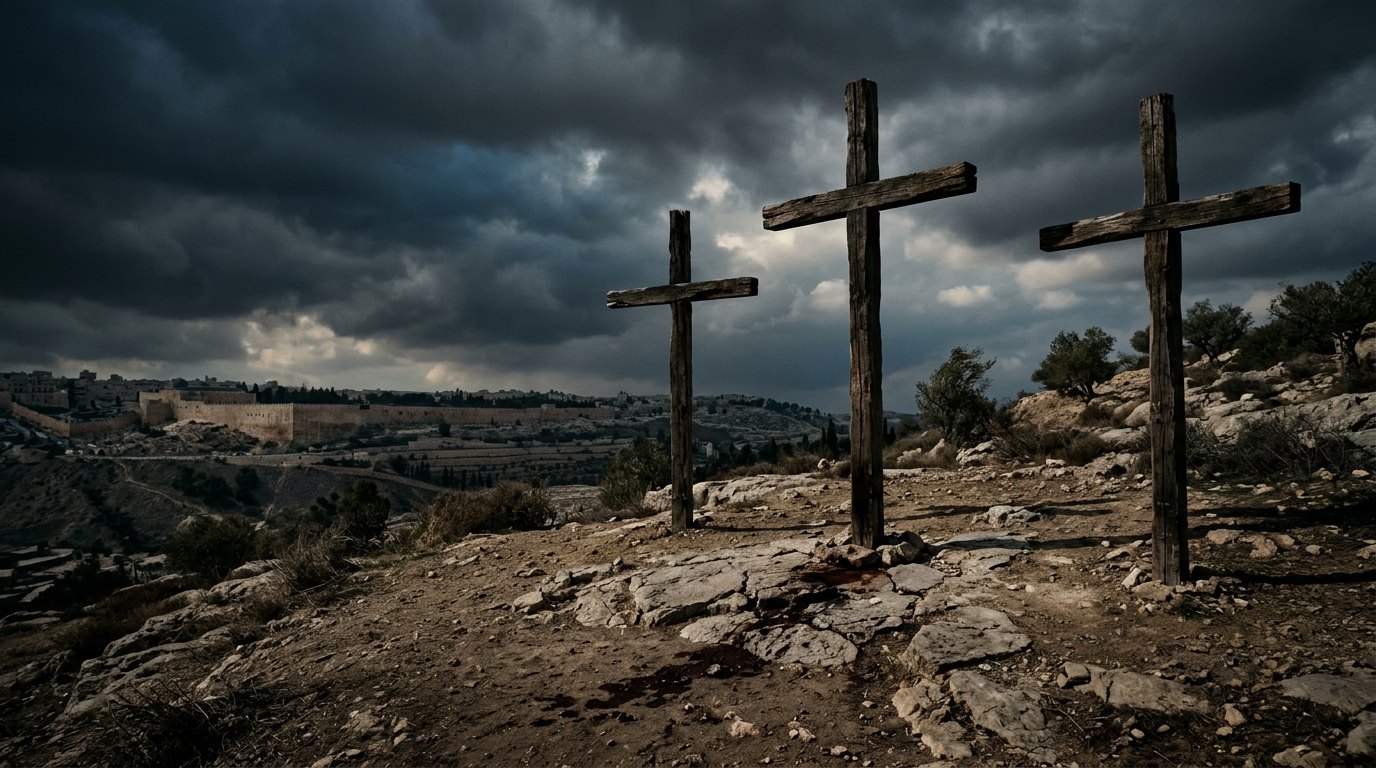
But if we walk in the light, as he is in the light, we have fellowship with one another, and the blood of Jesus, his Son, purifies us from all sin.
1 John 1:7 (NIV)
John confirms that walking in the light brings total cleansing through the shed blood of Jesus Christ, leaving no remaining stain.
The ground of all divine pardon rests in the sacrificial work of Calvary, summarized in 1 John 1:7: "the blood of Jesus his Son cleanses us from all sin." The apostle does not write that the blood cleanses from some offenses or merely minor faults, but cleanses us from all sin without reservation. Christ alone stands as our advocate before the Father, for 1 John 2:1-2 declares that "he is the propitiation for our sins, and not for ours only but also for the sins of the whole world," exhausting the holy wrath of God against human rebellion.
No measure of wickedness outstrips the redemptive reach of the cross. As Paul explains in Romans 5:20-21, "where sin increased, grace abounded all the more," ensuring that grace reigns through righteousness leading to eternal life. We possess this deliverance as a present reality; Ephesians 1:7 affirms, "In him we have redemption through his blood, the forgiveness of our trespasses, according to the riches of his grace." In heaven's courts, Revelation 7:14 portrays the redeemed multitude as those who "have washed their robes and made them white in the blood of the Lamb."
Because Jesus offered a final, unrepeatable sacrifice, Hebrews 7:25 assures us that "he is able to save to the uttermost those who draw near to God through him." His shed blood reaches the inner recesses of the human heart, where Hebrews 9:14 explains that the blood of Christ purifies our conscience from dead works to serve the living God. Our record of debt has been utterly destroyed, as Colossians 2:13-14 proclaims: God made us alive together with Him, having forgiven us all our trespasses by canceling the record of debt that stood against us, nailing it to the cross.
| Passage | What it says |
|---|---|
| 1 John 1:7 | The blood of Jesus Christ, God's Son, cleanses believers from all sin as they walk in the light. |
| 1 John 2:1-2 | Jesus Christ the righteous serves as the propitiation not only for our sins but for the whole world. |
| Romans 5:20-21 | Where sin abounded, grace abounded all the more, reigning through righteousness to eternal life in Christ Jesus. |
| Ephesians 1:7 | We have redemption through His blood and the forgiveness of our trespasses according to the riches of His grace. |
| Revelation 7:14 | The redeemed have washed their robes and made them white in the blood of the Lamb. |
| Hebrews 7:25 | Jesus is able to save completely and to the uttermost those who draw near to God through Him. |
| Hebrews 9:14 | Christ's blood purifies the conscience from dead works to serve the living God. |
| Colossians 2:13-14 | God forgave all trespasses by canceling the record of debt at the cross. |
The Chief of Sinners
Extreme sinners stand as trophies of Christ's mercy
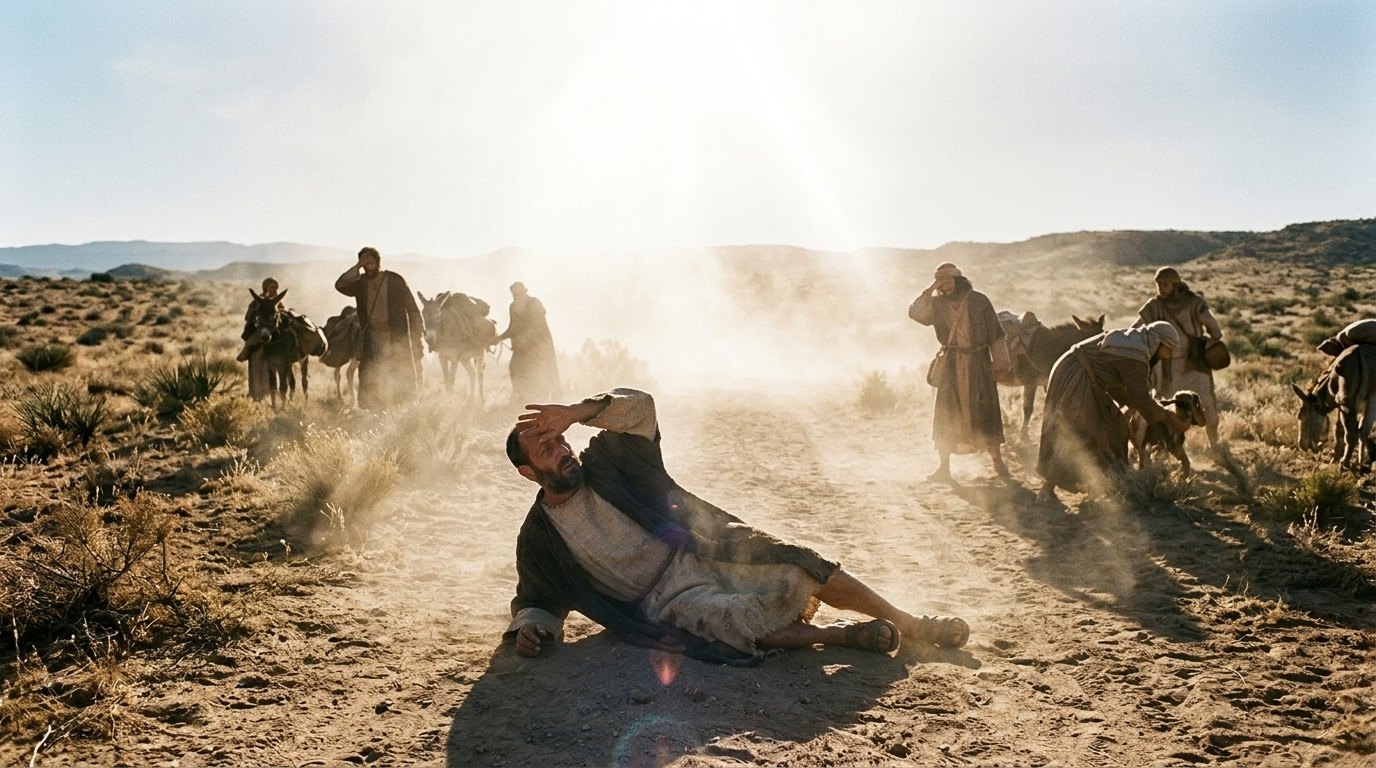
Here is a trustworthy saying that deserves full acceptance: Christ Jesus came into the world to save sinners—of whom I am the worst. But for that very reason I was shown mercy so that in me, the worst of sinners, Christ Jesus might display his immense patience as an example for those who would believe in him and receive eternal life.
1 Timothy 1:15-16 (NIV)
Paul identifies himself as the foremost sinner to demonstrate that Christ's perfect patience extends to save any repentant person.
Lest anyone believe their own history has placed them beyond hope, Scripture sets forth extreme examples of divine mercy, headlined by the apostle in 1 Timothy 1:15-16: "Christ Jesus came into the world to save sinners, of whom I am the foremost. But I received mercy for this reason, that in me, as the foremost, Jesus Christ might display his perfect patience as an example." Before his conversion, Saul of Tarsus had spent his strength destroying the church, as Acts 9:1-5 recounts him "still breathing threats and murder against the disciples" until the resurrected Lord arrested him on the Damascus road.
This pattern runs throughout the sacred record. In the Old Testament, 2 Chronicles 33:12-13 records that King Manasseh—who filled Jerusalem with innocent blood, sacrificed his own children, and practiced horrific sorcery—humbled himself greatly in his affliction, cried out to God, and was restored by abundant mercy. In the Gospels, Luke 7:47-48 records Jesus defending a weeping woman of notorious public sin, declaring that "her sins, which are many, are forgiven—for she loved much," before telling her directly, "Your sins are forgiven."
Even in the final agony of crucifixion, Luke 23:42-43 shows a condemned criminal pleading, "Jesus, remember me when you come into your kingdom," receiving the immediate guarantee, "Truly, I say to you, today you will be with me in paradise." Similarly, after Simon Peter cursed and swore that he never knew the Lord in Matthew 26:74-75, he wept bitterly in repentance, and the risen Savior sought him out personally on the shore of Galilee in John 21:15-17 to reinstate him into pastoral service. No sinner who repents has ever been turned away.
| Passage | What it says |
|---|---|
| 1 Timothy 1:15-16 | Paul records that Christ came to save sinners, displaying supreme patience toward the foremost sinner as a lasting pattern. |
| Acts 9:1-5 | Saul breathes threats and murder against the disciples of the Lord before being arrested by Christ's mercy. |
| 2 Chronicles 33:12-13 | King Manasseh, despite heinous idolatry, witchcraft, and bloodshed, humbled himself and was entreatable when he prayed to God. |
| Luke 7:47-48 | Jesus forgives a woman of many notorious sins, showing that her great love springs from having much forgiven. |
| Luke 23:42-43 | A dying criminal facing state execution receives the immediate promise of paradise from Jesus on the cross. |
| Matthew 26:74-75 | Peter vehemently denies Christ with curses yet receives restoration and mercy. |
| John 21:15-17 | The risen Christ personally restores Peter after his public denial. |
The Unforgivable Sin
Blasphemy against the Spirit remains the fearful exception
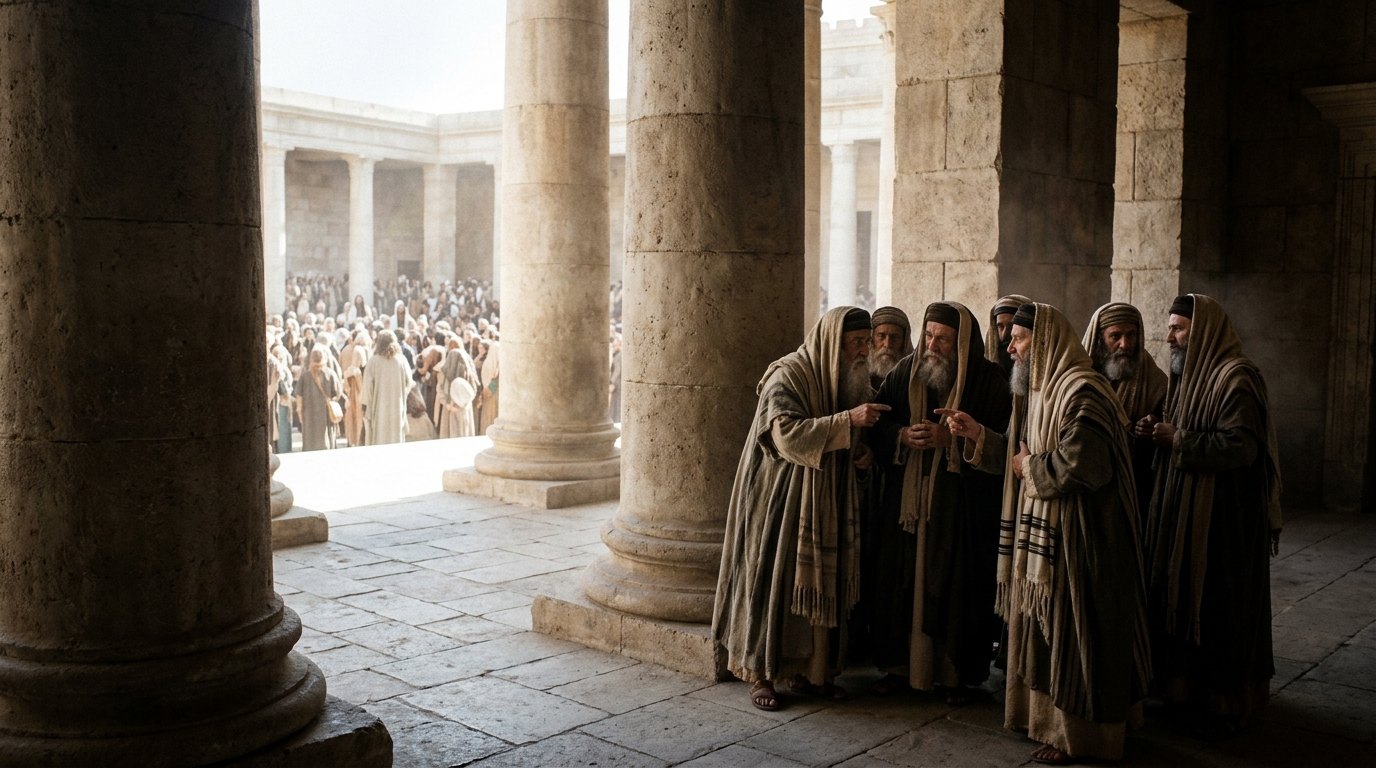
Truly I tell you, people can be forgiven all their sins and every slander they utter, but whoever blasphemes against the Holy Spirit will never be forgiven; they are guilty of an eternal sin.” He said this because they were saying, “He has an impure spirit.”
Mark 3:28-30 (NIV)
Jesus explicitly contrasts the broad forgiveness available for all human sins with the eternal condemnation of calling His Spirit demonic.
Amid the magnificent promises of universal pardon for repentant souls, the Lord delivers a sobering warning regarding the unpardonable sin in Mark 3:28-30: "Truly, I say to you, all sins will be forgiven the children of man, and whatever blasphemies they utter, but whoever blasphemes against the Holy Spirit never has forgiveness, but is guilty of an eternal sin." Jesus spoke these words specifically because the religious leaders attributed the Holy Spirit's manifest works of divine deliverance to Beelzebul, the prince of demons. Matthew 12:31-32 reinforces this absolute boundary, stating that while speaking against the Son of Man can be forgiven, speaking against the Holy Spirit will not be forgiven, "either in this age or in the age to come."
Similarly, Luke 12:10 reiterates that "everyone who speaks a word against the Son of Man will be forgiven, but the one who blasphemes against the Holy Spirit will not be forgiven." This terrifying state is not an accidental slip of the tongue or a fleeting thought of panic, but a hardened, definitive, and deliberate rejection of the Spirit's testimony to Jesus Christ. The warning is echoed in Hebrews 10:26-29, which declares that if we go on sinning deliberately after receiving the knowledge of the truth, "there no longer remains a sacrifice for sins," because such an apostate has "spurned the Son of God, and has profaned the blood of the covenant... and has outraged the Spirit of grace."
In Hebrews 6:4-6, the writer explains that those who have tasted the heavenly gift and then definitively repudiate Christ cannot be restored to repentance, since they crucify the Son of God afresh. It is this final, impenitent defiance that 1 John 5:16 designates as "a sin leading to death." The unpardonable sin is unpardonable precisely because it seals the heart against the only Spirit who convicts of sin and grants repentance; anyone who genuinely longs for mercy has not committed it.
| Passage | What it says |
|---|---|
| Mark 3:28-30 | Jesus warns that while all sins and blasphemies may be forgiven, blaspheming the Holy Spirit incurs eternal guilt. |
| Matthew 12:31-32 | Speaking against the Son of Man will be forgiven, but speaking against the Holy Spirit will not be forgiven forever. |
| Hebrews 10:26-29 | No sacrifice remains for willful apostasy that tramples the Son, profanes the blood of the covenant, and outrages the Spirit. |
| 1 John 5:16 | John recognizes the existence of a sin leading to death, distinguishing it from ordinary sins that do not lead to death. |
| Luke 12:10 | Speaking against the Son of Man is forgiven, but blasphemy against the Holy Spirit is not. |
| Hebrews 6:4-6 | Those who taste the heavenly gift and deliberately fall away cannot be restored to repentance. |
Repentance and Transformation
Divine forgiveness demands confession and produces holiness
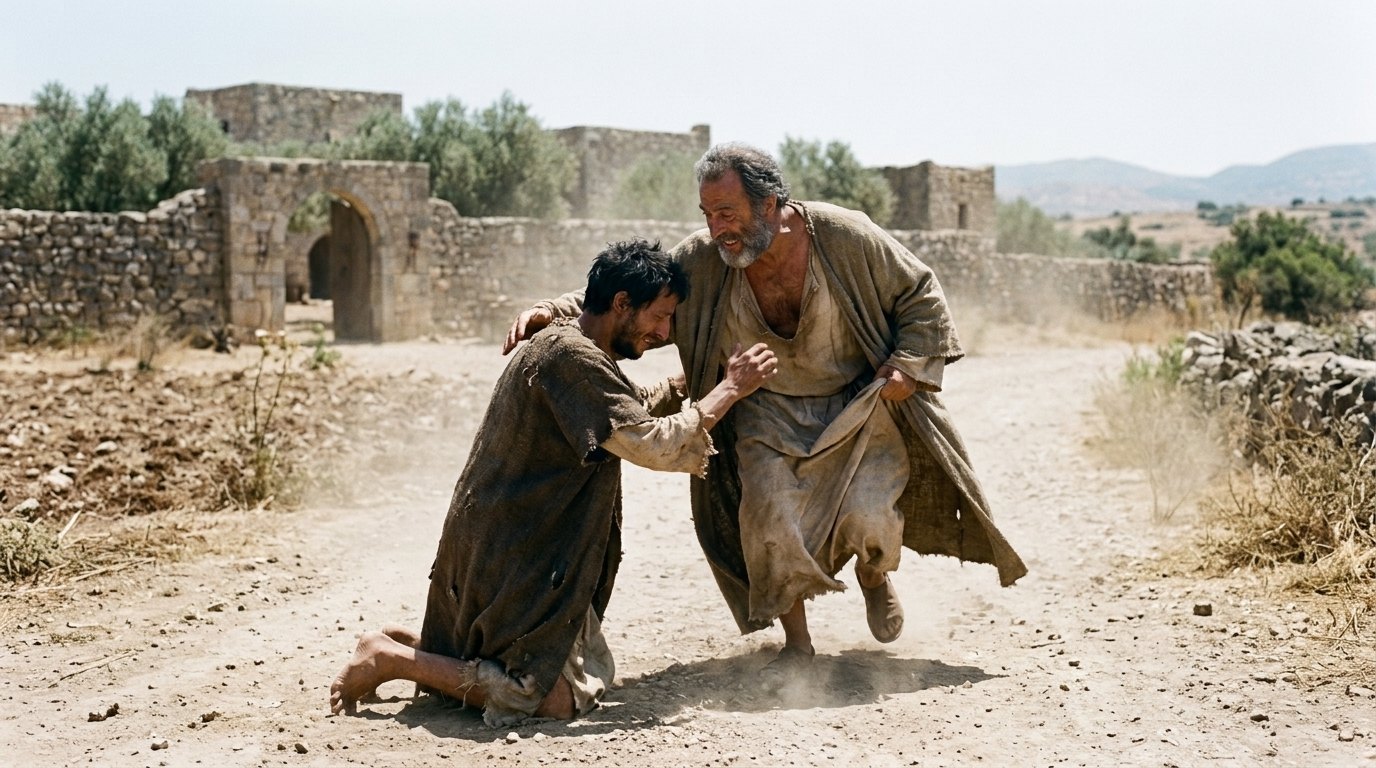
Or do you not know that wrongdoers will not inherit the kingdom of God? Do not be deceived: Neither the sexually immoral nor idolaters nor adulterers nor men who have sex with men nor thieves nor the greedy nor drunkards nor slanderers nor swindlers will inherit the kingdom of God. And that is what some of you were. But you were washed, you were sanctified, you were justified in the name of the Lord Jesus Christ and by the Spirit of our God.
1 Corinthians 6:9-11 (NIV)
Paul lists severe categories of unrighteousness barred from God's kingdom, then announces that repentant believers are washed and justified.
In 1 Corinthians 6:9-11, the apostle Paul confronts the church with an uncompromising catalog of depravity—sexual immorality, idolatry, adultery, homosexual practice, thievery, and greed—and warns that those who practice such things will not inherit the kingdom of God. Yet he immediately anchors divine pardon in the transforming reality of the cross: "And such were some of you. But you were washed, you were sanctified, you were justified in the name of the Lord Jesus Christ and by the Spirit of our God." Divine grace is never an excuse to remain comfortable in wickedness; it is a complete break from its tyranny.
Scripture insists that true forgiveness is joined to genuine repentance. As Proverbs 28:13 declares, "Whoever conceals his transgressions will not prosper, but he who confesses and forsakes them will obtain mercy." This same standard echoes in 1 John 1:9, where God is revealed as faithful and just to forgive our sins and cleanse us from all unrighteousness when we honestly confess them before Him. When the crowds at Pentecost were pierced to the heart, Peter did not offer cheap solace; he cried out, "Repent and be baptized every one of you in the name of Jesus Christ for the forgiveness of your sins" (Acts 2:38). Turning away from sin is the essential doorway to divine pardon, as Acts 3:19 promises that when we repent, our sins are blotted out and times of refreshing arrive from the presence of the Lord.
This call resounds through the ancient prophets to the teachings of Jesus Himself. In Ezekiel 18:21-23, God reveals His heart, asking whether He takes any pleasure in the death of the wicked, rather than that they should turn from their ways and live. In Luke 15:20-24, the father runs to meet the prodigal son while he is still a long way off, covering his rags with the best robe. Yet that returning son came home in broken humility, leaving the swine behind. As Paul affirms in Romans 6:1-2, we who died to sin can no longer live in it.
| Passage | What it says |
|---|---|
| 1 Corinthians 6:9-11 | Paul lists gross sins that exclude from the kingdom, declaring that believers were once such, but were washed and sanctified. |
| 1 John 1:9 | God is faithful and just to forgive our sins and cleanse us from all unrighteousness when we confess them. |
| Acts 2:38 | Peter commands every hearer to repent and be baptized in the name of Jesus Christ for the forgiveness of sins. |
| Acts 3:19 | Peter urges repentance and turning back to God so that sins may be blotted out and times of refreshing may come. |
| Proverbs 28:13 | Whoever conceals transgressions will not prosper, but the one who confesses and forsakes them finds mercy. |
| Romans 6:1-2 | Believers must never continue in sin so that grace may abound, having died completely to its dominion. |
| Ezekiel 18:21-23 | If a wicked person turns from all sins, they will surely live and not die. |
| Luke 15:20-24 | The father welcomes the returning prodigal son with immediate embrace and full restoration. |
Where in the Bible
| Book | Passages |
|---|---|
| 2 Chronicles | 1 · 2 Chronicles 33:12-13 |
| Psalms | 2 · Psalms 51:7, Psalms 103:12 |
| Proverbs | 1 · Proverbs 28:13 |
| Isaiah | 3 · Isaiah 1:18, Isaiah 43:25, Isaiah 44:22 |
| Jeremiah | 1 · Jeremiah 31:34 |
| Ezekiel | 1 · Ezekiel 18:21-23 |
| Micah | 1 · Micah 7:18-19 |
| Matthew | 2 · Matthew 26:74-75, Matthew 12:31-32 |
| Mark | 1 · Mark 3:28-30 |
| Luke | 4 · Luke 7:47-48, Luke 23:42-43, Luke 12:10, Luke 15:20-24 |
| John | 1 · John 21:15-17 |
| Acts | 3 · Acts 9:1-5, Acts 2:38, Acts 3:19 |
| Romans | 3 · Romans 8:1, Romans 5:20-21, Romans 6:1-2 |
| 1 Corinthians | 1 · 1 Corinthians 6:9-11 |
| Ephesians | 1 · Ephesians 1:7 |
| Colossians | 1 · Colossians 2:13-14 |
| 1 Timothy | 1 · 1 Timothy 1:15-16 |
| Hebrews | 4 · Hebrews 7:25, Hebrews 9:14, Hebrews 10:26-29, Hebrews 6:4-6 |
| 1 John | 4 · 1 John 1:7, 1 John 2:1-2, 1 John 5:16, 1 John 1:9 |
| Revelation | 1 · Revelation 7:14 |
The story in order
- David's repentance (c. 1000 BC) · Psalms 51:7 · A plea for cleansing from deep sin.
- Manasseh's repentance (c. 697-642 BC) · 2 Chronicles 33:12-13 · A king's heinous sins forgiven upon repentance.
- Prophet's call to return (c. 700 BC) · Isaiah 44:22 · God blots out transgressions and calls for return.
- New covenant promise (c. 580 BC) · Jeremiah 31:34 · God promises to remember sins no more.
- Jesus calls Saul (c. AD 33-36) · Acts 9:1-5 · The chief of sinners encounters Christ's mercy.
- Jesus' teaching on blasphemy (c. AD 28-30) · Mark 3:28-30 · Warning about the unforgivable sin against the Spirit.
- Peter's denial and restoration (AD 30) · Matthew 26:74-75 · Restoration after vehement denial.
- Criminal on the cross (AD 30) · Luke 23:42-43 · Immediate paradise for a dying thief.
- Pentecost call to repent (AD 30) · Acts 2:38 · Repentance and baptism for forgiveness.
- Paul's testimony (c. AD 62) · 1 Timothy 1:15-16 · Christ saves sinners, especially the foremost.
- Cleansing blood of Christ (c. AD 90-95) · 1 John 1:7 · Jesus' blood cleanses from all sin.
- No condemnation (c. AD 57) · Romans 8:1 · Freedom from condemnation for those in Christ.
Divine Pardon for Sin
| Sin's Depth | God's Action | Condition | Passage |
|---|---|---|---|
| Scarlet and crimson stains | Made pure as snow and wool | Repentance | Isaiah 1:18 |
| Grievous moral failure | Purged and made whiter than snow | Implied repentance | Psalms 51:7 |
| Transgressions | Blotted out and remembered no more | For His own sake | Isaiah 43:25 |
| Iniquity | Pardoned, trodden down, cast into the sea | God's mercy | Micah 7:18-19 |
| Transgressions | Swept away like a thick cloud | Return to Him | Isaiah 44:22 |
| All sins | Cleanse believers | Walking in the light | 1 John 1:7 |
| All trespasses | Forgiven, canceled by the cross | God's grace | Colossians 2:13-14 |
Forgiveness and Transformation
| Past Sin | Divine Action | New State | Passage |
|---|---|---|---|
| Gross sins (listed) | Washed and sanctified | No longer excluded from the kingdom | 1 Corinthians 6:9-11 |
| Sins | Forgiven and cleansed | Righteousness | 1 John 1:9 |
| Sins | Forgiven | Times of refreshing | Acts 3:19 |
| Transgressions | Confessed and forsaken | Mercy found | Proverbs 28:13 |
| Wickedness | Turned from | Shall surely live | Ezekiel 18:21-23 |
| Prodigal son's sin | Embraced and restored | Celebration and new life | Luke 15:20-24 |
The Exception: Blasphemy Against the Spirit
| Action | Forgiveness | Consequence | Passage |
|---|---|---|---|
| Speaking against the Holy Spirit | Will not be forgiven forever | Eternal guilt | Matthew 12:31-32 |
| Blaspheming the Holy Spirit | No forgiveness | Eternal guilt | Mark 3:28-30 |
| Willful apostasy | No sacrifice remains | Cannot be restored to repentance | Hebrews 6:4-6 |
| Trampling the Son, profaning the covenant blood, outraging the Spirit | No sacrifice remains | No forgiveness | Hebrews 10:26-29 |
| Sin leading to death | Not forgiven | Death | 1 John 5:16 |
Key words
- Repentance (metanoia (μετάνοια))
- A change of mind and heart leading to a change of direction and action. · Acts 2:38
- Atonement (hilasmos (ἱλασμός))
- The reconciliation of God and humanity through the sacrificial death of Jesus Christ. · 1 John 2:2
- Propitiation (hilasmos (ἱλασμός))
- An offering that turns away wrath; a sacrifice that appeases God's anger. · 1 John 2:2
- Redemption (apolytrōsis (ἀπολύτρωσις))
- The act of being bought back or set free, especially from sin and its consequences. · Ephesians 1:7
- Blasphemy (blasphemia (βλασφημία))
- Irreverence or contempt towards God or sacred things. · Mark 3:28
No matter what acts stain your past, no sin confessed and brought to the cross lies outside the reach of Christ's cleansing blood. The Lord commands all people everywhere to turn from evil, to cast their burden upon His mercy, and to walk in the freedom of true holiness. Come to Him in repentance and faith today, and you will find His promise unfailing: your sins are washed whiter than snow.
37 passages, each cited once.
Scripture cited
- Isaiah 1:18
- Isaiah 44:22
- Revelation 7:14
- Psalms 51:7
- Mark 3:28-30
- 1 Timothy 1:12-16
- Acts 2:38-39
- 1 John 1:8-10
- 1 John 2:1-2
- Romans 5:20-21
- 1 Corinthians 6:9-11