Did people really live 900 years in Genesis?
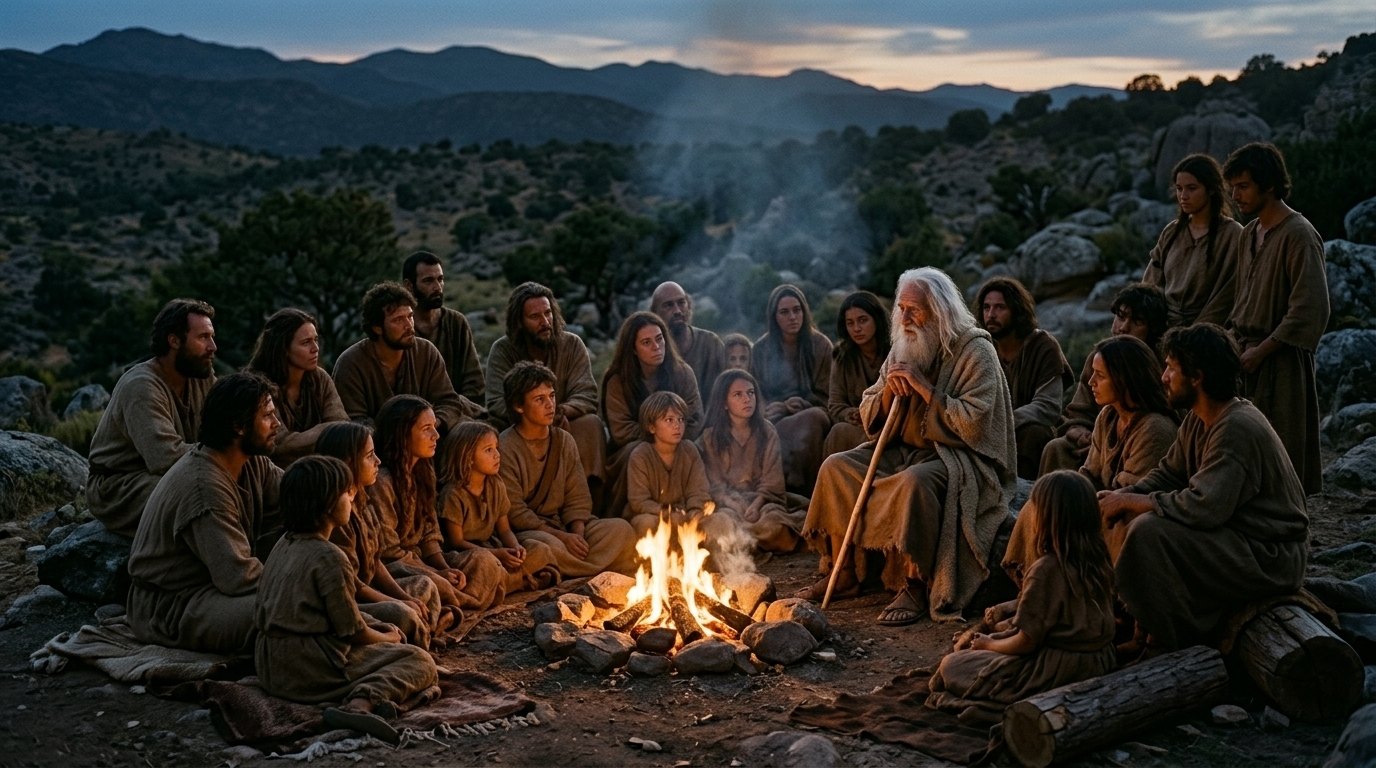
Genesis 5:27
27 Altogether, Methuselah lived a total of 969 years, and then he died.
New International Version (NIV)
The answer
Yes. Genesis records these lifespans as real history, not myth or symbolism. Genesis 5:27 states: “All the days of Methuselah were nine hundred sixty-nine years, then he died.” The total is exact, and the verse plainly records his death.
The surrounding genealogy has the same concrete pattern: Adam lived 930 years and Jared lived 962 (Genesis 5:5, 20). These figures belong to a connected record of named ancestors, not to a poem. Luke’s genealogy of Jesus also includes names from this early line, treating them as real people (Luke 3:36-38).
Their long lives did not cancel death. Methuselah lived 969 years, then he died (Genesis 5:27). Enoch is the chapter’s stated exception: he walked with God, and God took him (Genesis 5:24).
Scripture does not give a biological explanation for these lifespans, so speculation is unnecessary. Its plain testimony is that these people really lived for the ages recorded.
Answered from Scripture · reviewed November 12, 2026
Scripture presents the immense lifespans of the patriarchs before the Flood as sober, literal history rather than myth, poetry, or symbolic code. From Adam to Methuselah, Genesis records exact numerical ages for fathers at the birth of their sons, the years lived afterward, and the total span of their lives. Examining the biblical text reveals that these figures testify both to God's early blessing of human vitality and the inexorable reality of the curse of death.
Antediluvian Vitality
Nine centuries of life were recorded before the Flood.
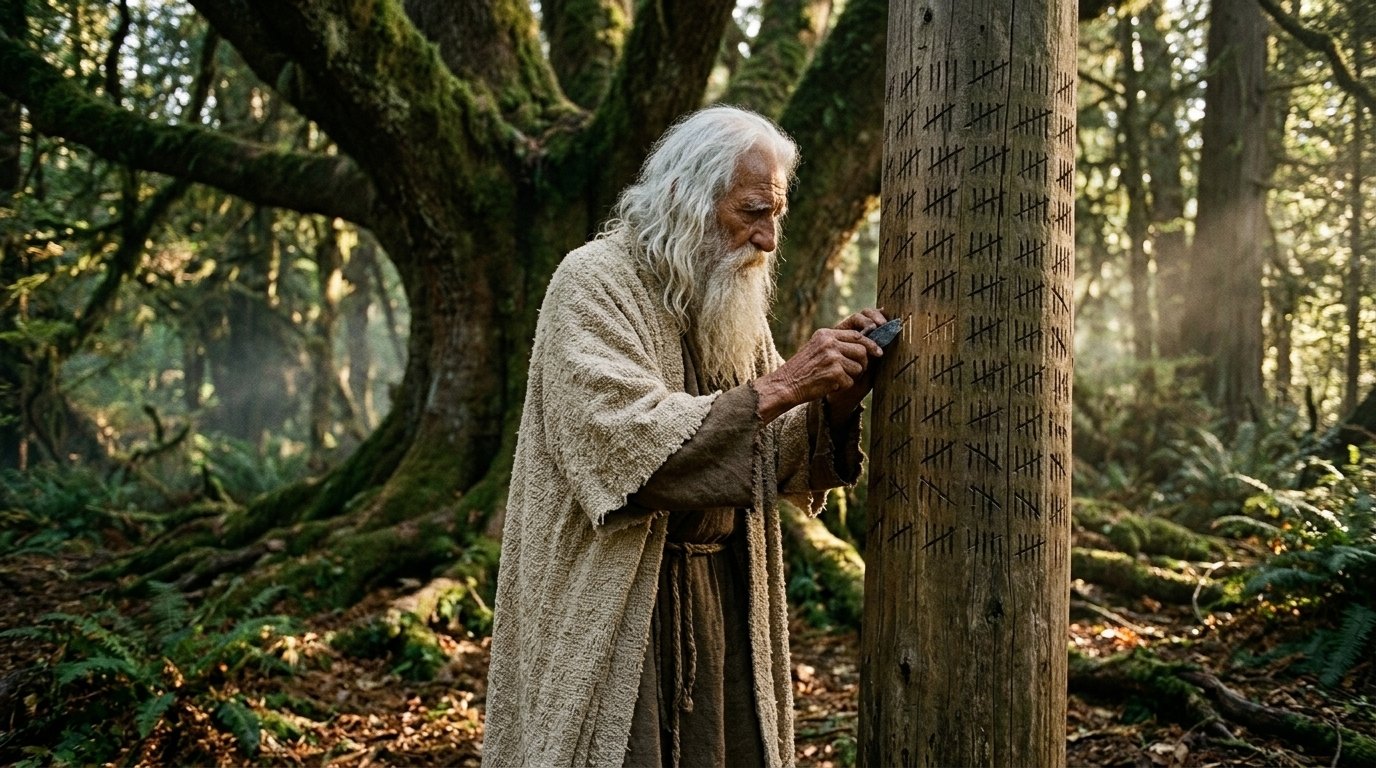
Altogether, Methuselah lived a total of 969 years, and then he died.
Genesis 5:27 (NIV)
It records the longest human lifespan in Scripture while emphasizing the sober reality that Methuselah eventually died.
The monumental lifespans recorded before the Flood center on the unyielding refrain of mortality, culminating in Genesis 5:27, where Methuselah reaches nine hundred and sixty-nine years, yet the verse concludes with absolute finality: "and he died." Scripture presents these numbers not as poetic allegories or symbolic exaggerations, but as straightforward chronological data tracking the created vitality of humanity before the cataclysm of the Flood.
From the beginning, the generational records establish this extraordinary longevity. Adam lived nine hundred and thirty years (Genesis 5:5), imparting a vigorous constitution to his offspring despite the entrance of sin. His son Seth attained nine hundred and twelve years (Genesis 5:8), followed by Enosh who lived nine hundred and five years (Genesis 5:11), and Kenan who walked the earth for nine hundred and ten years (Genesis 5:14). The sequence continues without disruption through Mahalalel at eight hundred and ninety-five years (Genesis 5:17) and Jared at nine hundred and sixty-two years (Genesis 5:20).
Amid this march of centuries stands Enoch, whose earthly life totaled three hundred and sixty-five years (Genesis 5:23) before God took him directly into His presence. Following Enoch, his son Methuselah attained the longest recorded lifespan, while his grandson Lamech lived seven hundred and seventy-seven years (Genesis 5:31). Finally, Noah bridged the antediluvian world and the new, living nine hundred and fifty years (Genesis 9:29). Every lifespan stands as sober, literal history, testifying to an era of astonishing physical endurance that still bowed before the universal sentence of death.
| Passage | What it says |
|---|---|
| Genesis 5:5 | Adam lives a total of 930 years before dying. |
| Genesis 5:8 | Seth lives a total of 912 years before dying. |
| Genesis 5:11 | Enosh lives a total of 905 years before dying. |
| Genesis 5:14 | Kenan lives a total of 910 years before dying. |
| Genesis 5:17 | Mahalalel lives a total of 895 years before dying. |
| Genesis 5:20 | Jared lives a total of 962 years before dying. |
| Genesis 5:27 | Methuselah lives a total of 969 years before dying. |
| Genesis 5:31 | Lamech lives a total of 777 years before dying. |
| Genesis 9:29 | Noah lives a total of 950 years before dying. |
| Genesis 5:23 | Enoch's total earthly lifespan was recorded as three hundred and sixty-five years before God took him. |
The Universal Curse
No length of life escaped the sentence of death.
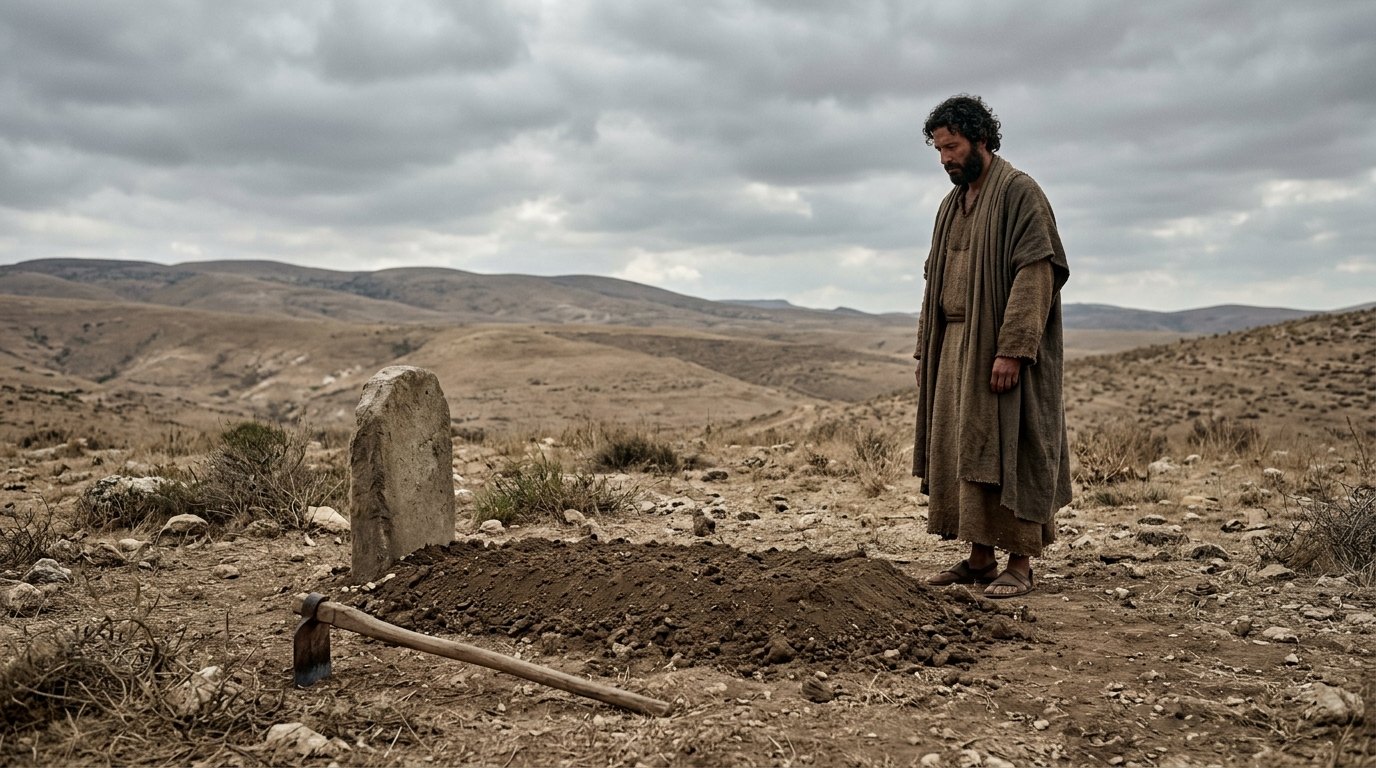
but you must not eat from the tree of the knowledge of good and evil, for when you eat from it you will certainly die.”
Genesis 2:17 (NIV)
It establishes the divine decree that disobedience brings the certainty of death to all mankind.
The sobering lesson beneath nine centuries of life is that longevity cannot cancel God's righteous judgment against sin. In Genesis 2:17, the Lord laid down the foundational decree: "in the day that you eat of it you shall surely die." Though Adam lived for centuries after the fall, spiritual death was immediate, and the irreversible sentence of physical corruption entered human biology.
God confirmed this inescapable reality after the disobedience in Eden, declaring, "for dust you are, and to dust you shall return" (Genesis 3:19). No biological vigor could stay this sentence; century after century, every patriarch succumbed to the grave. The singular exception in the pre-Flood narrative is Enoch, who "walked with God, and he was not, for God took him" (Genesis 5:24), providing an early, physical witness of deliverance from the grave for those who please the Lord by faith.
The New Testament confirms this sobering theology. The apostle Paul explains that sin entered the world through one man, and death through sin (Romans 5:12), spreading to all men because all sinned. Even nine hundred years is merely an extended stay of execution, for it remains "appointed for man to die once, and after that comes judgment" (Hebrews 9:27). Long life in the flesh is no substitute for eternal life in Jesus Christ.
| Passage | What it says |
|---|---|
| Genesis 2:17 | God warns that eating of the tree of the knowledge of good and evil brings death. |
| Genesis 3:19 | God pronounces that man is dust and to dust he shall return. |
| Genesis 5:24 | Enoch is taken by God and does not die, standing as the singular pre-Flood exception. |
| Romans 5:12 | Paul confirms that sin entered the world through one man and death through sin. |
| Hebrews 9:27 | Scripture declares that it is appointed for man once to die, and after that judgment. |
Post-Flood Decline
Human longevity steadily declined after the global Flood.
Then the LORD said, “My Spirit will not contend with humans forever, for they are mortal; their days will be a hundred and twenty years.”
Genesis 6:3 (NIV)
God declares an upcoming limit on human lifespan as man's rebellion increases before the judgment of the Flood.
A decisive turning point in human longevity arrived when the Lord declared in Genesis 6:3 that His Spirit would not strive with man forever, decreeing, "his days shall be 120 years." While this initially served as a prophetic countdown to the global Deluge, it foreshadowed the dramatic curtailment of human lifespans in the altered world that followed.
The decline unfolded methodically across the generations. Shem lived six hundred years (Genesis 11:10-11), but his son Arphaxad lived four hundred and thirty-eight years (Genesis 11:12-13), and Shelah lived four hundred and thirty-three years (Genesis 11:14-15). Longevity dropped again with Peleg to two hundred and thirty-nine years (Genesis 11:18-19), a span matched by Reu (Genesis 11:20-21), followed by Serug at two hundred and thirty years (Genesis 11:22-23) and Eber at four hundred and sixty-four years (Genesis 11:16-17). Nahor reached only one hundred and forty-eight years (Genesis 11:24-25), and Terah died in Haran at two hundred and five (Genesis 11:32).
By the patriarchal era, lifespans settled into modern proportions. Abraham died "at a good old age, an old man and full of years" at one hundred and seventy-five (Genesis 25:7), Isaac lived one hundred and eighty years (Genesis 35:28), and Jacob lamented that his one hundred and thirty years had not attained the years of his fathers (Genesis 47:9). Joseph reached one hundred and ten (Genesis 50:26), and Moses died at one hundred and twenty (Deuteronomy 34:7), having recorded in Psalms 90:10 that the ordinary boundary of life had contracted to seventy or eighty years.
| Passage | What it says |
|---|---|
| Genesis 6:3 | The Lord declares that His Spirit will not strive with man forever, limiting his days to 120 years. |
| Genesis 11:10-11 | Shem lives 600 years, marking the beginning of the post-Flood drop in longevity. |
| Genesis 11:16-17 | Eber lives 464 years, reflecting the continuing generational decline. |
| Genesis 11:24-25 | Nahor lives 148 years, demonstrating the rapid fall toward modern lifespans. |
| Genesis 25:7 | Abraham lives 175 years and dies at an old age, full of years. |
| Genesis 47:9 | Jacob testifies to Pharaoh that his 130 years have not attained to the years of his fathers. |
| Psalms 90:10 | Moses observes that the general lifespan of man has become seventy or eighty years. |
| Genesis 11:12-13 | Arphaxad lived four hundred and thirty-eight years, marking the immediate post-Flood generational drop. |
| Genesis 11:14-15 | Shelah lived four hundred and thirty-three years following the Flood. |
| Genesis 11:18-19 | Peleg lived two hundred and thirty-nine years, when the earth was divided. |
| Genesis 11:20-21 | Reu lived two hundred and thirty-nine years. |
| Genesis 11:22-23 | Serug lived two hundred and thirty years. |
| Genesis 11:32 | Terah lived two hundred and five years and died in Haran. |
| Genesis 35:28 | Isaac lived one hundred and eighty years. |
| Genesis 50:26 | Joseph died at one hundred and ten years old in Egypt. |
| Deuteronomy 34:7 | Moses died at one hundred and twenty years old with undimmed eyes and natural force unabated. |
Historical Testimony
The New Testament treats these early figures as historical.
the son of Enosh, the son of Seth, the son of Adam, the son of God.
Luke 3:38 (NIV)
Luke places the pre-Flood patriarchs in the uninterrupted physical lineage of Jesus Christ back to Adam.
Scripture permits no reading that reduces the pre-Flood patriarchs to mythological archetypes or symbolic tribal banners. In Luke 3:38, the physician Luke anchors the physical lineage of Jesus Christ directly into this history, tracing his genealogy through "the son of Enos, the son of Seth, the son of Adam, the son of God." To spiritualize away the long-lived patriarchs would unravel the literal human descent of the Messiah.
The inspired New Testament authors treat each of these figures as literal men living through literal historical events. Luke names Noah, Methuselah, and Jared alongside Adam in the messianic record (Luke 3:36-38). Jude identifies the author of early prophecy by exact genealogical order, citing "Enoch, the seventh from Adam" (Jude 1:14), while Hebrews honors Enoch's physical translation as an act of genuine faith (Hebrews 11:5).
Likewise, Christ Himself affirms the historical reality of the Flood generation, declaring that the days of the Son of Man will mirror the days when Noah entered the ark before the flood took them all away (Matthew 24:37-39). Peter reinforces this historical soberness, writing that God spared not the ancient world but preserved Noah, a preacher of righteousness (2 Peter 2:5), bringing eight literal souls through the waters (1 Peter 3:20). The New Testament builds its gospel hope upon the factual reality of these early men, pointing from the first Adam to the resurrected Christ.
| Passage | What it says |
|---|---|
| Luke 3:36-38 | The genealogy of Christ traces through Noah, Methuselah, Jared, Enoch, and Adam as literal historical ancestors. |
| Hebrews 11:5 | The author of Hebrews affirms the historical reality of Enoch's translation without experiencing death. |
| Jude 1:14 | Jude identifies Enoch historically as the seventh from Adam in the genealogical line. |
| 1 Peter 3:20 | Peter affirms that eight literal persons were saved through the water of the Flood in the days of Noah. |
| Matthew 24:37-39 | Jesus affirms the historical reality of Noah and the Flood before His return. |
| Hebrews 11:7 | Noah is listed as a historical heir of righteousness by faith. |
| 2 Peter 2:5 | Scripture affirms the ancient world, preserving Noah as a preacher of righteousness. |
Created Vitality and Restoration
God designed creation with vitality that points toward renewal.
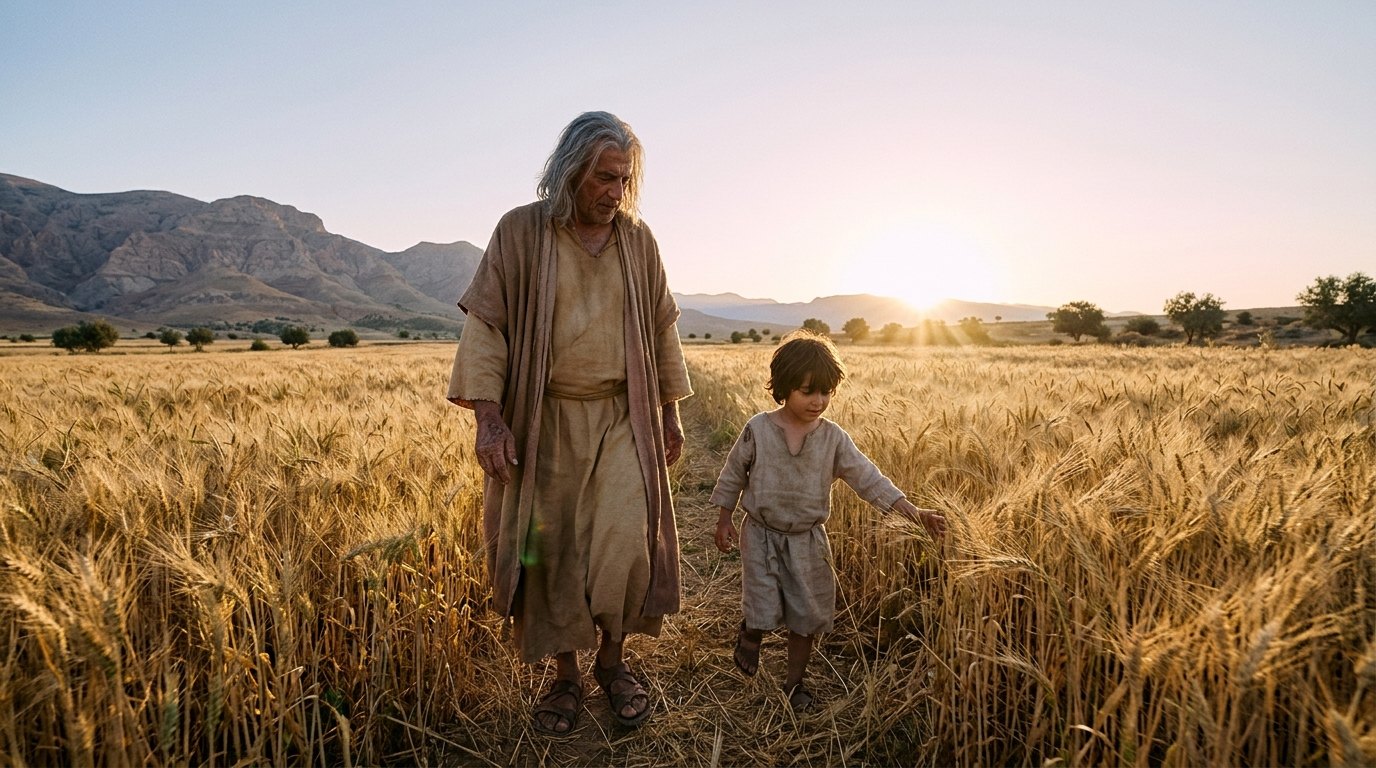
“Never again will there be in it an infant who lives but a few days, or an old man who does not live out his years; the one who dies at a hundred will be thought a mere child; the one who fails to reach a hundred will be considered accursed.
Isaiah 65:20 (NIV)
The prophet envisions the restoration of remarkable lifespans, demonstrating that extreme longevity is consistent with God's created order.
Isaiah looks forward to the new heavens and the new earth, declaring that "no more shall there be in it an infant who lives but a few days, or an old man who does not fill out his days, for the young man shall die a hundred years old" (Isaiah 65:20). Extreme longevity is not a mythological embellishment of the past, but a genuine dimension of human vitality consistent with God's original design and prophetic restoration. In Eden, God established human sustenance upon abundant vegetation, declaring, "I have given you every herb that yields seed which is on the face of all the earth, and every tree whose fruit yields seed; to you it shall be for food" (Genesis 1:29-30). After the catastrophic global judgment of the Flood drastically altered the earth's climate and environment, God expanded humanity's provision: "Every moving thing that lives shall be food for you. I have given you all things, even as the green herbs" (Genesis 9:3). While post-Flood conditions and genetic decay reduced human lifespans to the brief decades known today, Isaiah 65:20 proves that vast physical life spans remain integral to God's vision of redeemed vitality, pointing ultimately to the complete triumph over death through Jesus Christ.
| Passage | What it says |
|---|---|
| Genesis 1:29-30 | God originally gave seed-bearing plants and fruit trees for human food. |
| Genesis 9:3 | Every moving thing that lives is given for food after the Flood. |
| Isaiah 65:20 | In the renewed creation, a person dying at one hundred years old will be considered a youth. |
Where in the Bible
| Book | Passages |
|---|---|
| Genesis | 29 · Genesis 5:5, Genesis 5:8, Genesis 5:11, Genesis 5:14, Genesis 5:17, Genesis 5:20, Genesis 5:27, Genesis 5:31, Genesis 9:29, Genesis 5:23, Genesis 2:17, Genesis 3:19, Genesis 5:24, Genesis 6:3, Genesis 11:10-11, Genesis 11:16-17, Genesis 11:24-25, Genesis 25:7, Genesis 47:9, Genesis 11:12-13, Genesis 11:14-15, Genesis 11:18-19, Genesis 11:20-21, Genesis 11:22-23, Genesis 11:32, Genesis 35:28, Genesis 50:26, Genesis 1:29-30, Genesis 9:3 |
| Deuteronomy | 1 · Deuteronomy 34:7 |
| Psalms | 1 · Psalms 90:10 |
| Isaiah | 1 · Isaiah 65:20 |
| Matthew | 1 · Matthew 24:37-39 |
| Luke | 1 · Luke 3:36-38 |
| Romans | 1 · Romans 5:12 |
| Hebrews | 3 · Hebrews 9:27, Hebrews 11:5, Hebrews 11:7 |
| 1 Peter | 1 · 1 Peter 3:20 |
| 2 Peter | 1 · 2 Peter 2:5 |
| Jude | 1 · Jude 1:14 |
The story in order
- Creation and Fall (c. 4000 BC) · Genesis 2:17 · God warns of death upon disobedience.
- Adam lives 930 years (c. 4000 BC) · Genesis 5:5 · Early human vitality before the Flood.
- Enoch taken by God (c. 3000 BC) · Genesis 5:24 · A singular exception to death before the Flood.
- Methuselah lives 969 years (c. 3000 BC) · Genesis 5:27 · The longest recorded lifespan.
- Noah lives 950 years (c. 3000 BC) · Genesis 9:29 · Noah's long life spans before and after the Flood.
- Flood judgment (c. 2350 BC) · 1 Peter 3:20 · Eight souls saved through the Flood.
- Shem lives 600 years (c. 2300 BC) · Genesis 11:10-11 · Marks the beginning of post-Flood longevity decline.
- Arphaxad lives 438 years (c. 2250 BC) · Genesis 11:12-13 · Continued decline in lifespan.
- Peleg lives 239 years (c. 2200 BC) · Genesis 11:18-19 · Lifespan continues to decrease.
- Abraham lives 175 years (c. 1800 BC) · Genesis 25:7 · Abraham's long life is noted as 'full of years'.
- Jacob lives 130 years (c. 1700 BC) · Genesis 47:9 · Jacob notes his shorter life compared to patriarchs.
- Moses dies at 120 years (c. 1400 BC) · Deuteronomy 34:7 · A significant lifespan in the Mosaic era.
- Psalmist notes 70-80 years (c. 1400 BC) · Psalms 90:10 · General lifespan of man is now seventy or eighty.
- Christ's genealogy (c. AD 30) · Luke 3:36-38 · Traces lineage through literal historical ancestors.
Lifespans Before and After the Flood
| Name | Lifespan | Era | Passage |
|---|---|---|---|
| Adam | 930 years | Pre-Flood | Genesis 5:5 |
| Seth | 912 years | Pre-Flood | Genesis 5:8 |
| Methuselah | 969 years | Pre-Flood | Genesis 5:27 |
| Noah | 950 years | Pre-Flood/Flood | Genesis 9:29 |
| Shem | 600 years | Post-Flood | Genesis 11:10-11 |
| Arphaxad | 438 years | Post-Flood | Genesis 11:12-13 |
| Peleg | 239 years | Post-Flood | Genesis 11:18-19 |
| Abraham | 175 years | Post-Flood | Genesis 25:7 |
| Jacob | 130 years | Post-Flood | Genesis 47:9 |
| Moses | 120 years | Post-Flood | Deuteronomy 34:7 |
Key words
- Vitality (chayyim, חַיִּים)
- The state of being strong and active; liveliness. · Genesis 5:5
- Curse (alah, אָלָה)
- A solemn utterance intended to invoke supernatural punishment. · Genesis 2:17
- Death (maveth, מָוֶת)
- The cessation of life; the final end of all earthly existence. · Genesis 2:17
- Longevity (chayyim, חַיִּים)
- A long duration of life. · Genesis 5:5
The biblical record of nine-hundred-year lifespans reminds us that our earthly days, however long they may seem, are finite and under the sentence of mortality until Christ redeems us. While longevity before the Flood showcased the physical strength of humanity near its unfallen origin, even Methuselah ultimately died. True eternal life is not measured by earthly centuries, but received as a gift through Jesus Christ.
41 passages, each cited once.
Scripture cited
- Genesis 5:27
- Genesis 5