Does the Bible mention climate and the seasons?
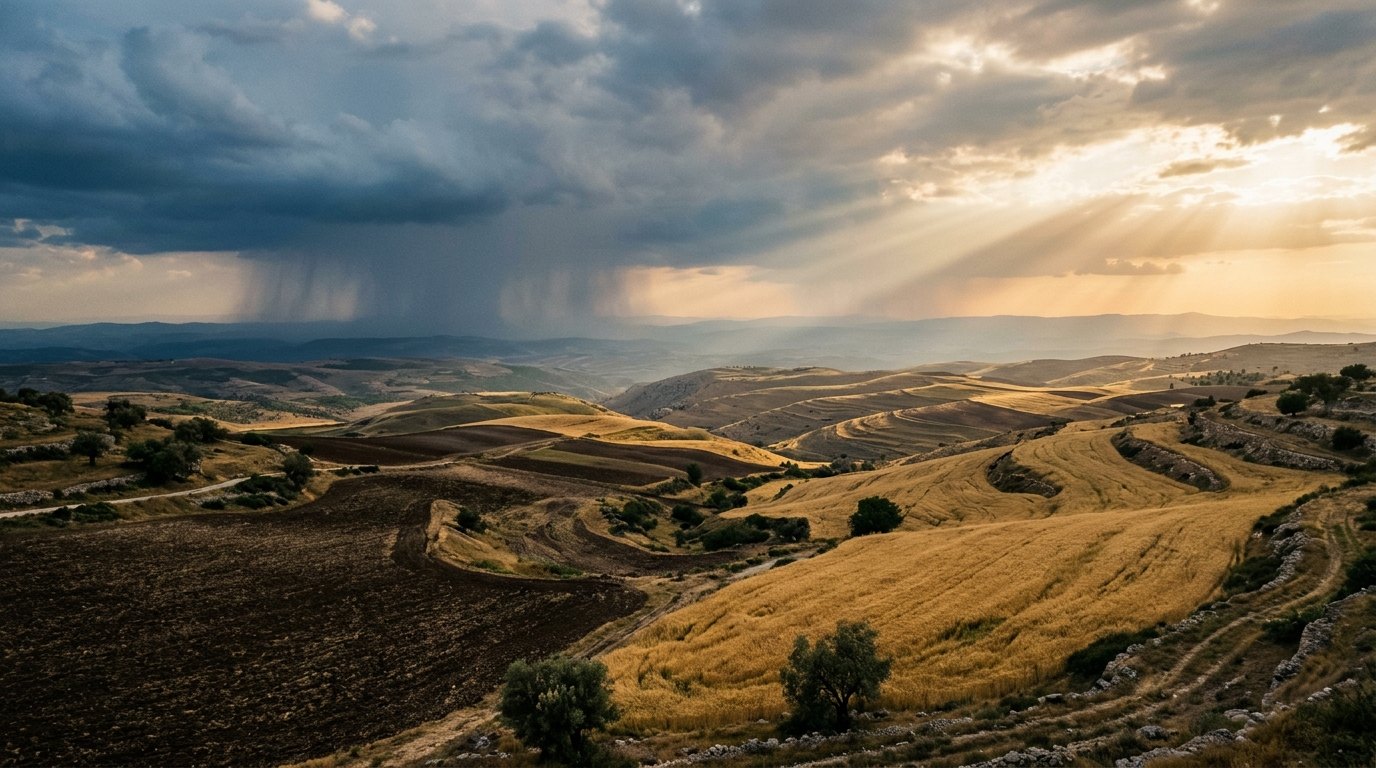
Genesis 8:22
22 “As long as the earth endures, seedtime and harvest, cold and heat, summer and winter, day and night will never cease.”
New International Version (NIV)
The answer
Yes — from its very first pages, Scripture treats the climate God set in place as part of His orderly rule over creation. The clearest single line is Genesis 8:22, where God promises Noah that "while the earth remains, seed time and harvest, and cold and heat, and summer and winter, and day and night will not cease." That verse is not a weather report; it is a covenant — God binds Himself to keep the regular patterns of rain, temperature, summer, winter, and the daily cycle unbroken until the end of the present world.
What Scripture says about seasons
- The four-turning year is fixed by God. Genesis 8:22 names cold and heat, summer and winter, seedtime and harvest as the steady shape of life on earth — a truth James 5:7 echoes when it pictures the farmer "waiting for the precious fruit of the earth … until he receive the early and latter rain."
- Rain comes in its season. "Neither say they in their heart, Let us now fear the LORD our God, that giveth rain, both the former and the latter, in his season: he reserveth unto us the appointed weeks of the harvest" (Jeremiah 5:24). Weather is not chance; it is governed by the Lord's timing.
- Day and night are His covenant. "The day is thine, the night also is thine: thou hast prepared the light and the sun" (Psalm 74:16). Jeremiah 33:20-26 makes this even stronger: God's "covenant of the day, and … of the night" is so firm that He says if it could be broken, Israel too could be cast off — it cannot.
- Seasons shape ordinary life. "For, lo, the winter is past, the rain is over and gone" (Song of Solomon 2:11-12) — love is set against the yearly round, showing how deeply seasons are woven into the rhythms Scripture assumes its readers live by.
- The sun, moon, and stars are assigned their orders. "Thus saith the LORD, which giveth the sun for a light by day, and the ordinances of the moon and of the stars for a light by night" (Jeremiah 31:35). The whole climate system — light, heat, darkness, seasons — runs on ordinances God Himself set at creation (Genesis 1:14-18) and renewed after the flood.
Why this matters
The Bible doesn't treat weather as background scenery. Climate and seasons are divine gifts, governed by God's word and bound up in His covenant with creation. To trust Him is to pray, "Give us this day our daily bread" and to believe that the rains and the harvest are not slipping out of His hands.
A verse to carry
"While the earth remains, seed time and harvest, and cold and heat, and summer and winter, and day and night will not cease." — Genesis 8:22
Answered from Scripture · reviewed November 7, 2026
Scripture explicitly addresses climate, seasonal cycles, and the ordered rhythms of the natural world from its opening pages to its final visions. Far from viewing the weather as mere background scenery or chaotic happenstance, the biblical writers present climate and the seasons as perpetual ordinances established and upheld by God's sovereign covenant. Tracing these passages shows that God governs temperature, precipitation, and seasonal turnover as dependable testimonies of His faithfulness to all creation.
Creation and Covenant
God Established the Cosmic Rhythms and Guaranteed Their Continuance
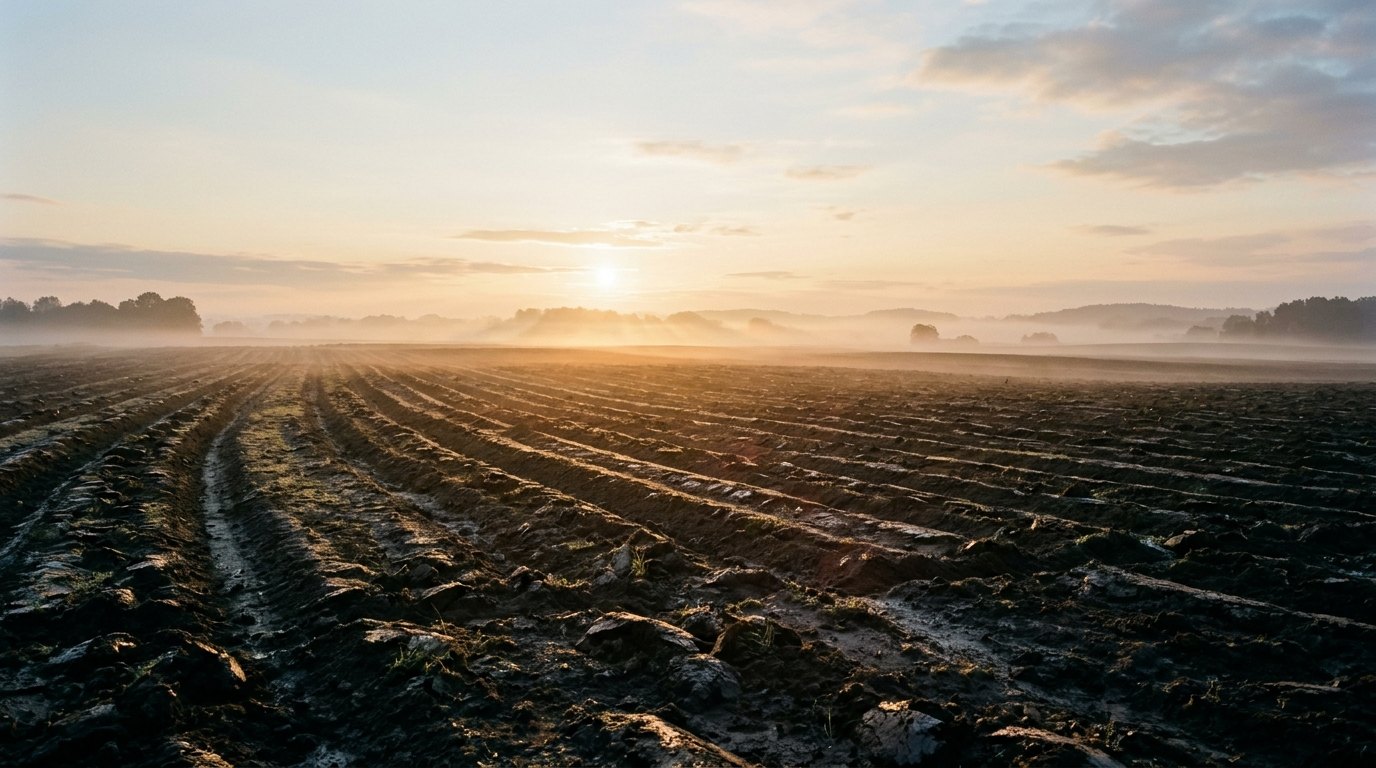
“As long as the earth endures, seedtime and harvest, cold and heat, summer and winter, day and night will never cease.”
Genesis 8:22 (NIV)
It forms God's unconditional covenant oath that seasonal transitions and earth's agricultural cycles will never cease while history endures.
Genesis 8:22 anchors the entire biblical doctrine of climate: "While the earth remains, seedtime and harvest, cold and heat, summer and winter, day and night, shall not cease." In this post-flood covenant, God Himself guarantees the enduring stability of earth's seasonal systems until the end of redemptive history. Seasonal variation is neither an accidental byproduct of mindless nature nor a fragile mechanism left to chance; it is an explicit divine promise sealed with the Creator's own word.
This structural foundation begins at creation itself. In Genesis 1:14, God commands the heavenly lights to exist "for signs and for seasons, and for days and years," establishing celestial timekeeping before man ever placed seed into ground. Genesis 1:15 affirms that these luminaries exist to give perpetual light upon the earth, and Genesis 1:16 records the creation of the sun and moon to govern day and night. Genesis 1:17 notes that God stationed these bodies in the celestial expanse, and Genesis 1:18 highlights their ongoing task to rule over light and darkness under His sovereign gaze.
Centuries later, the prophets lean heavily upon this inviolable arrangement. Jeremiah 31:35 appeals to the fixed order of the sun, moon, and stars as an unshakeable proof of God's preserving power. In Jeremiah 33:20, the Lord insists that His redemptive covenant is as secure as His covenant with day and night. Jeremiah 33:25 and Jeremiah 33:26 declare that just as no human hand can break the heavenly ordinances that maintain seasonal order, so no earthly rebellion can nullify God's promised mercies.
| Passage | What it says |
|---|---|
| Genesis 1:14 | God ordains heavenly lights to divide day from night and serve for signs, seasons, days, and years. |
| Genesis 1:15 | The celestial luminaries are set in the firmament to give light upon the earth continuously. |
| Genesis 1:16 | God creates the sun and moon to govern day and night respectively, along with the stars. |
| Genesis 1:17 | God places the heavenly bodies within the heavens to illuminate the earthly landscape. |
| Genesis 1:18 | The lights rule day and night and separate light from darkness under God's sovereign evaluation. |
| Genesis 8:22 | God promises that seedtime, harvest, cold, heat, summer, winter, day, and night will never cease. |
| Jeremiah 31:35 | The Lord establishes the fixed ordinances of sun, moon, and stars governing light and ocean tides. |
| Jeremiah 33:20 | God points to His unbreakable covenant with day and night as a pledge of His unwavering promises. |
| Jeremiah 33:25 | The Lord declares that His covenant with day and night and the ordinances of heaven stand firm. |
| Jeremiah 33:26 | God links the permanence of His Davidic covenant directly to the fixed order of day and night. |
Sovereign Rule
The Lord Directs Every Weather Pattern and Seasonal Shift

It was you who set all the boundaries of the earth; you made both summer and winter.
Psalms 74:17 (NIV)
This verse directly credits God with fixing the borders of the earth and fashioning both summer and winter.
Psalms 74:17 declares the direct craftsmanship of the Creator: "You have fixed all the borders of the earth; you have made summer and winter." The Scriptures never treat weather as an autonomous machine operating apart from its Maker. Day and night belong exclusively to God because He formed the sun and light (Psalms 74:16). He fashioned the moon to mark appointed feasts and cycles, while the sun unfailingly observes its setting (Psalms 104:19). As Daniel 2:21 affirms, God alone "changes times and seasons" according to His holy counsel.
Nowhere is this divine superintendence described with greater majesty than in the wisdom literature. God spreads snow over the land like a mantle of wool and scatters hoarfrost like fine ash (Psalms 147:16). He hurls forth ice in morsels, leaving human beings shivering before His unendurable cold (Psalms 147:17). Yet as soon as His command goes out, the warm wind blows and the frozen torrents melt into flowing streams (Psalms 147:18). In Psalms 148:8, fire, hail, snow, mist, and storm winds are praised as faithful servants that execute His sovereign decree.
In Job, Elihu observes that God commands snow and torrential rain to fall upon the earth (Job 37:6), bringing the whirlwind from its chamber and winter cold from scattering winds (Job 37:9). By the mere breath of God, frost binds the waters into solid plates (Job 37:10), just as the oppressive south wind later causes human garments to burn with heat (Job 37:17). When God speaks from the whirlwind, He challenges Job to explain the storehouses of snow and hail reserved for times of trouble (Job 38:22; Job 38:23). "From whose womb did the ice come forth?" the Lord asks, pointing to the waters that freeze hard as stone across the surface of the deep (Job 38:29; Job 38:30). Weather is the living theater of God's majestic power.
| Passage | What it says |
|---|---|
| Psalms 74:16 | The psalmist confesses that both day and night belong to God, who established light and sun. |
| Psalms 74:17 | The Lord has fixed all the borders of the earth and made both summer and winter. |
| Psalms 104:19 | God appointed the moon to mark the appointed seasons, while the sun knows its setting time. |
| Psalms 147:16 | The Lord gives snow like wool and scatters the frosty hoarfrost like ashes across the earth. |
| Psalms 147:17 | God casts forth His ice as morsels, sending cold that none can stand before. |
| Psalms 147:18 | God sends His word and melts the ice, making His wind blow so that waters flow. |
| Job 37:9 | The tempest emerges from its chamber and bitter cold sweeps down from the scattering winds. |
| Job 37:10 | By the breath of God frost is given, freezing the broad expanse of water solid. |
| Job 38:22 | God questions Job regarding whether he has entered the storehouses of the snow and hail. |
| Job 38:29 | The Lord asks out of whose womb the ice and the hoarfrost of heaven came forth. |
| Daniel 2:21 | God changes the times and the seasons, exercising total sovereignty over nature and human history. |
| Job 37:6 | God commands the snow and the violent downpour of rain to fall upon the earth. |
| Job 37:17 | Elihu speaks of garments becoming hot when the earth grows still under the south wind. |
| Job 38:23 | God reserves the storehouses of snow and hail for times of distress and battle. |
| Job 38:30 | Water becomes hard like stone when the surface of the deep freezes. |
| Psalms 148:8 | Fire, hail, snow, mist, and stormy winds obey the word and command of the Lord. |
Rain and Harvest
Seasonal Rains Provide Sustenance and Teach Spiritual Patience
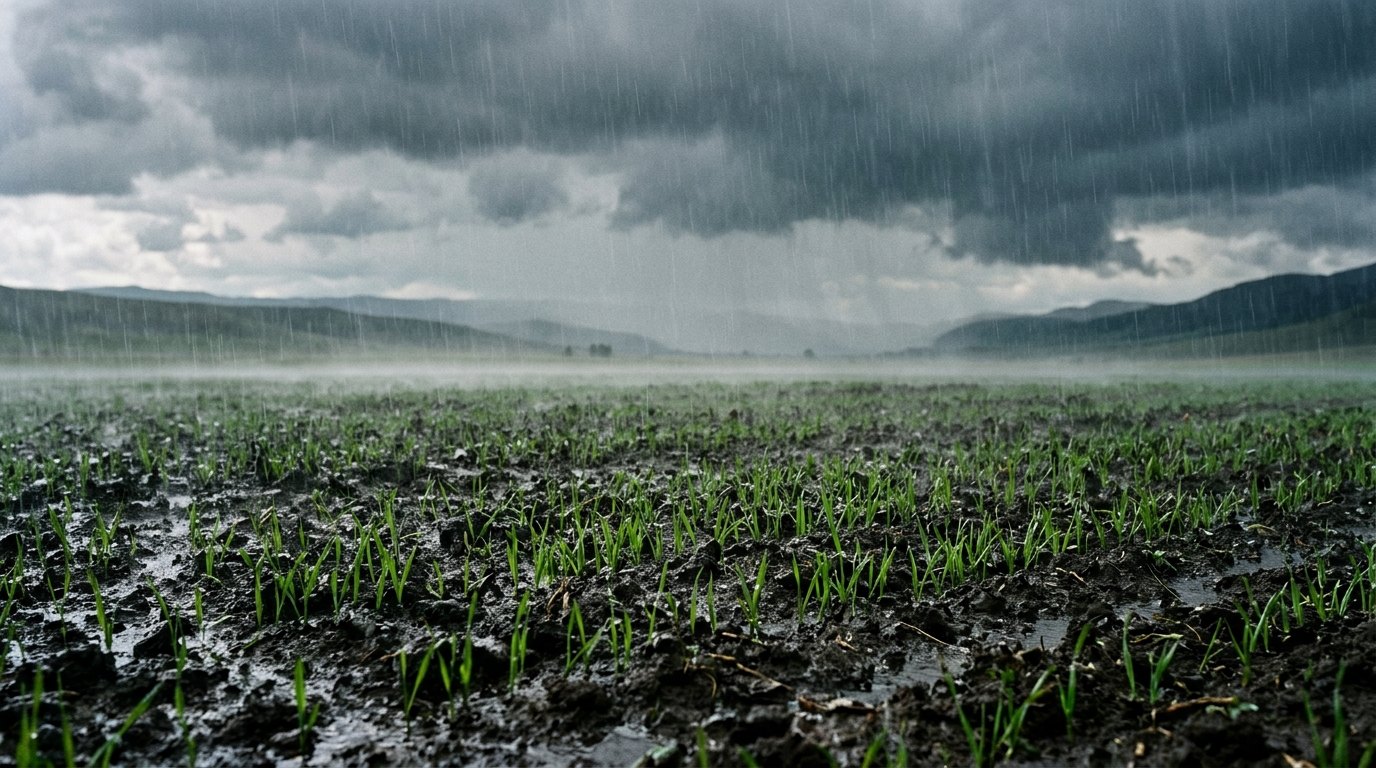
They do not say to themselves, ‘Let us fear the LORD our God, who gives autumn and spring rains in season, who assures us of the regular weeks of harvest.’
Jeremiah 5:24 (NIV)
Jeremiah rebukes unbelief by highlighting that God faithfully provides the early and latter rains in their proper seasons.
In Jeremiah 5:24, the prophet exposes the spiritual blindness of the nation: "They do not say in their hearts, 'Let us fear the Lord our God, who gives the rain in its season, the autumn rain and the spring rain, and keeps for us the weeks appointed for the harvest.'" In the agrarian landscape of the biblical world, survival depended upon two distinct moisture cycles: the early rains of October and November that softened hard ground for plowing, and the latter rains of March and April that filled out the ripening grain before summer drought set in.
Throughout the Torah, God explicitly binds these seasonal rains to His covenantal care. In Leviticus 26:4, He promises seasonal showers that cause trees to yield rich fruit and fields to produce abundant harvests. Deuteronomy 11:14 confirms that the early and latter rains are a direct gift to nourish grain, wine, and oil, while Deuteronomy 28:12 promises that the Lord will open His heavenly storehouse to supply rain in due season. Conversely, God warns in Amos 4:7 that He may withhold rain three months prior to harvest, sending downpours on one village while another shrivels in drought.
Yet when God's people turn to Him, seasonal rain becomes a vivid picture of divine redemption. Joel 2:23 summons Zion to celebrate because God pours down the autumn and spring rains in abundance. Zechariah 10:1 urges the flock to ask rain from the Lord in the spring season, and Hosea 6:3 promises that the Lord's coming to His people is as sure and life-giving as spring showers. In 1 Kings 18:41 and 1 Kings 18:45, after years of judgment, Elijah hears the rush of approaching rain as skies turn black with storm clouds. Centuries later, Acts 14:17 reminds the nations that God's goodness is proven through "rains from heaven and fruitful seasons," providing the very patience that James 5:7 commends to every believer waiting for the final harvest.
| Passage | What it says |
|---|---|
| Deuteronomy 11:14 | God promises the rain of the land in its due season, the early and latter rain for crops. |
| Deuteronomy 28:12 | The Lord promises to open His rich treasury in the heavens to send rain on the land in season. |
| Leviticus 26:4 | God pledges to send seasonal rains so the land yields increase and the trees produce fruit. |
| Jeremiah 5:24 | God gives the former and latter rain in its season and reserves the appointed weeks of harvest. |
| Joel 2:23 | Zion is called to rejoice in the Lord who pours down abundant autumn and spring rains. |
| Zechariah 10:1 | The people are urged to ask rain from the Lord in the season of the spring rain. |
| Acts 14:17 | God witnesses to His goodness by giving rains from heaven and fruitful seasons to satisfy human hearts. |
| James 5:7 | The farmer waits patiently for earth's harvest until it receives the early and late rains. |
| 1 Kings 18:41 | Elijah announces the sound of the rush of rain ending a devastating multi-year drought. |
| 1 Kings 18:45 | The sky grows black with storm clouds and wind as heavy rain pours down. |
| Amos 4:7 | The Lord withholds rain three months before harvest, showering one city while withholding from another. |
| Hosea 6:3 | The Lord's coming is as certain as the spring rains that water the earth. |
Human Life and Wisdom
The Seasonal Turn Shapes Earthly Experience and Spiritual Truth
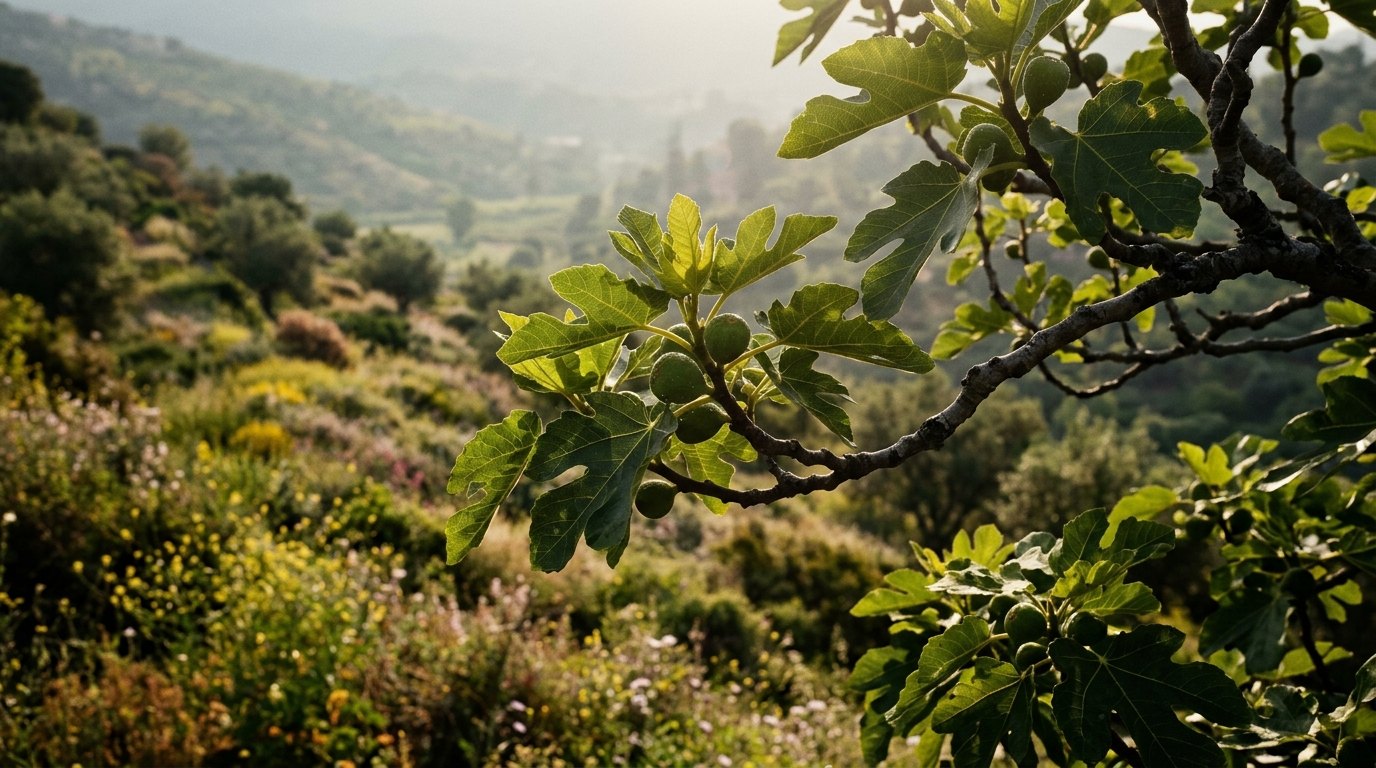
See! The winter is past; the rains are over and gone.
Song of Solomon 2:11 (NIV)
It vividly captures the concrete shift from winter's cold rains to the flourishing of springtime in human experience.
The arrival of spring brings an unmistakable renewal in Song of Solomon 2:11: "For behold, the winter is past; the rain is over and gone." The biblical authors knew the sensory shifts of their climate, celebrating the abrupt transformation from dreary, chilled downpours to vibrant life. Song of Solomon 2:12 and Song of Solomon 2:13 capture this awakening: wild blossoms carpet the pastures, turtle doves sing through the valleys, fig trees produce their tender sweet figs, and blooming vines fill the air with sweet fragrance.
Everyday observation of climatic changes shapes practical wisdom throughout Scripture. Ecclesiastes 3:1 reminds us that "for everything there is a season, and a time for every matter under heaven." Proverbs 20:4 warns the lazy laborer that if he refuses to plow during the chill of autumn, he will beg for bread at harvest and receive nothing. Proverbs 25:13 observes that a dependable messenger brings relief to his sender like the crisp chill of snow during the sweltering heat of summer harvest, while Proverbs 26:1 notes that honor given to an ungodly fool is as unnatural as snow in midsummer or rain during the dry reaping season. In Proverbs 27:15, the persistent drip of an inescapable rainy day paints an unforgettable portrait of relentless household strife.
Our Lord Himself drew directly from the weather patterns of Judea to teach divine truth. In Luke 12:54 and Luke 12:55, Jesus points out that when crowds see a raincloud building over the Mediterranean to the west, they accurately predict rain, and when the scorching south wind blows from the desert, they know intense heat is imminent. In Matthew 24:32 and Mark 13:28, Christ directs our attention to the fig tree: when its branches grow tender and begin to unfurl broad green leaves, all know that summer is near.
| Passage | What it says |
|---|---|
| Ecclesiastes 3:1 | For everything there is an appointed season, and a time for every matter under heaven. |
| Proverbs 20:4 | The sluggard refuses to plow in autumn during cold weather and finds nothing at harvest time. |
| Song of Solomon 2:11 | The beloved speaks of winter passing away and the cold rains ceasing. |
| Song of Solomon 2:12 | Flowers appear on the earth, the time of singing arrives, and turtledoves are heard in spring. |
| Matthew 24:32 | Jesus points to the tender branches of the fig tree putting out leaves as a sign of approaching summer. |
| Proverbs 25:13 | A faithful messenger refreshes his masters like the cold of snow in harvest time. |
| Proverbs 26:1 | Snow in summer and rain in harvest are as unfitting as honor given to a fool. |
| Proverbs 27:15 | A quarrelsome wife is compared to the persistent dripping of rain on a stormy day. |
| Song of Solomon 2:13 | The budding fig tree and fragrant grapevines signal that the winter has passed. |
| Mark 13:28 | The budding branches of the fig tree signal that summer is near. |
| Luke 12:54 | Jesus notes people predict rain whenever they see a cloud rising in the west. |
| Luke 12:55 | When the south wind blows, people rightly foresee scorching heat. |
Where in the Bible
| Book | Passages |
|---|---|
| Genesis | 6 · Genesis 1:14, Genesis 1:15, Genesis 1:16, Genesis 1:17, Genesis 1:18, Genesis 8:22 |
| Leviticus | 1 · Leviticus 26:4 |
| Deuteronomy | 2 · Deuteronomy 11:14, Deuteronomy 28:12 |
| 1 Kings | 2 · 1 Kings 18:41, 1 Kings 18:45 |
| Job | 8 · Job 37:9, Job 37:10, Job 38:22, Job 38:29, Job 37:6, Job 37:17, Job 38:23, Job 38:30 |
| Psalms | 7 · Psalms 74:16, Psalms 74:17, Psalms 104:19, Psalms 147:16, Psalms 147:17, Psalms 147:18, Psalms 148:8 |
| Proverbs | 4 · Proverbs 20:4, Proverbs 25:13, Proverbs 26:1, Proverbs 27:15 |
| Ecclesiastes | 1 · Ecclesiastes 3:1 |
| Song of Solomon | 3 · Song of Solomon 2:11, Song of Solomon 2:12, Song of Solomon 2:13 |
| Jeremiah | 5 · Jeremiah 31:35, Jeremiah 33:20, Jeremiah 33:25, Jeremiah 33:26, Jeremiah 5:24 |
| Daniel | 1 · Daniel 2:21 |
| Hosea | 1 · Hosea 6:3 |
| Joel | 1 · Joel 2:23 |
| Amos | 1 · Amos 4:7 |
| Zechariah | 1 · Zechariah 10:1 |
| Matthew | 1 · Matthew 24:32 |
| Mark | 1 · Mark 13:28 |
| Luke | 2 · Luke 12:54, Luke 12:55 |
| Acts | 1 · Acts 14:17 |
| James | 1 · James 5:7 |
The story in order
- God ordains cosmic rhythms (c. 1450 BC) · Genesis 1:14 · Establishes lights for signs, seasons, days, and years.
- Promise of perpetual cycles (c. 1450 BC) · Genesis 8:22 · God guarantees seedtime, harvest, and seasons will continue.
- God fixes earth's borders and seasons (c. 970 BC) · Psalms 74:17 · The Lord established summer and winter.
- Moon marks seasons, sun knows its setting (c. 970 BC) · Psalms 104:19 · God appointed the moon for seasons.
- God commands snow and ice (c. 450 BC) · Psalms 147:16 · God sends snow and frost.
- God gives rain for the land (c. 1400 BC) · Deuteronomy 11:14 · God provides early and latter rain for crops.
- God's word melts ice (c. 450 BC) · Psalms 147:18 · God's word causes ice to melt and waters to flow.
- Fixed ordinances of heaven (c. 580 BC) · Jeremiah 31:35 · God established ordinances of sun, moon, and stars.
- Covenant with day and night (c. 580 BC) · Jeremiah 33:25 · God's covenant with day and night stands firm.
- Every season has its time (c. 450 BC) · Ecclesiastes 3:1 · There is an appointed season for everything.
- Fig tree signals summer (AD 30) · Matthew 24:32 · Budding leaves of the fig tree indicate summer's approach.
- Predicting weather (AD 30) · Luke 12:54 · People can predict rain and heat from natural signs.
- Farmer waits for rains (AD 50) · James 5:7 · The farmer patiently awaits the early and late rains.
Key words
- Seasons (mo'edim (Hebrew))
- The regular divisions of the year marked by changes in weather, ecology, and hours of daylight. · Genesis 1:14
- Ordinances (ḥuqqah (Hebrew))
- Fixed laws or commands, established by God for the regular functioning of creation. · Jeremiah 31:35
- Covenant (berit (Hebrew))
- A solemn agreement or promise, often sealed by a sign or ritual, between God and humanity or His people. · Genesis 8:22
- Rain (geshem (Hebrew))
- Water falling from the atmosphere, essential for agriculture and life. · Deuteronomy 11:14
- Harvest (qatsir (Hebrew))
- The gathering of ripe crops, a time of provision and fulfillment. · Genesis 8:22
- Sovereign (ruling over all)
- Having supreme power or authority; ruling over all things. · Daniel 2:21
Recognizing that God created and maintains the climate anchors our trust in His unfailing sovereignty and care. The steady march of summer, winter, seedtime, and harvest serves as an enduring sermon written across the skies, reminding us that the God who orders the cosmos will unfailingly preserve His people.
50 passages, each cited once.
Scripture cited
- Genesis 8:22
- James 5:7
- Jeremiah 5:24
- Jeremiah 31:35
- Song of Solomon 2:11-12
- Jeremiah 33:20-26