How do I know if God has forgiven me?

1 John 1:9
9 If we confess our sins, he is faithful and just and will forgive us our sins and purify us from all unrighteousness.
New International Version (NIV)
The answer
You know God has forgiven you by taking Him at His word: if you have confessed your sins and trusted in Jesus Christ, He has forgiven you — not because you feel forgiven, but because He is faithful and righteous and has promised it. "If we confess our sins, he is faithful and righteous to forgive us the sins and to cleanse us from all unrighteousness" (1 John 1:9).
Forgiveness rests on God's character, not your feelings
Notice why John says God forgives: He is faithful — He keeps His promise — and righteous — He is just to forgive, because Jesus has already borne the penalty of the sin confessed. Forgiveness is not God overlooking sin; it is God pardoning it on the basis of Christ's finished work. That means your assurance stands on something outside yourself: the unchanging character of God and the shed blood of His Son. "The blood of Jesus Christ his Son cleanseth us from all sin" (1 John 1:7).
Feelings of guilt can linger after forgiveness is real. David knew crushing guilt, yet his testimony was simple: "I said, I will confess my transgressions unto the LORD; and thou forgavest the iniquity of my sin" (Psalms 32:5). He did not work his way into forgiveness; he confessed, and God forgave.
What confession looks like
Confession is more than admitting you did wrong. It is agreeing with God about your sin — naming it honestly, not hiding or excusing it — and turning from it. "He that covereth his sins shall not prosper: but whoso confesseth and forsaketh them shall have mercy" (Proverbs 28:13). You do not need to remember every sin you have ever committed; you bring to God what He brings to your mind, and His cleansing reaches "all unrighteousness," including what you have forgotten.
How assurance grows
- Return to the promise, not the feeling. When condemnation rises, answer it with 1 John 1:9. God's word is more reliable than your emotions.
- Look at the direction of your life. Forgiveness and cleansing go together. A heart that has been forgiven grieves over sin rather than making peace with it. That grief is itself evidence of God's work in you.
- Keep confessing. This verse is written to believers. Ongoing confession is not a sign that forgiveness failed; it is the ongoing experience of walking in the light with Him.
If you have genuinely confessed and turned to Christ, the verdict of Scripture is settled: you are forgiven and cleansed. Let His faithfulness, not your performance, be the ground of your peace.
Answered from Scripture · reviewed November 11, 2026
Assurance of God's forgiveness does not rest on fluctuating emotions or inner impressions, but on the unbreakable promise and character of God Himself. Scripture grounds pardon in the finished atonement of Jesus Christ and the steadfast faithfulness of God to cleanse all who confess their sins in faith.
God's Faithfulness
God is faithful and just to pardon the confessed
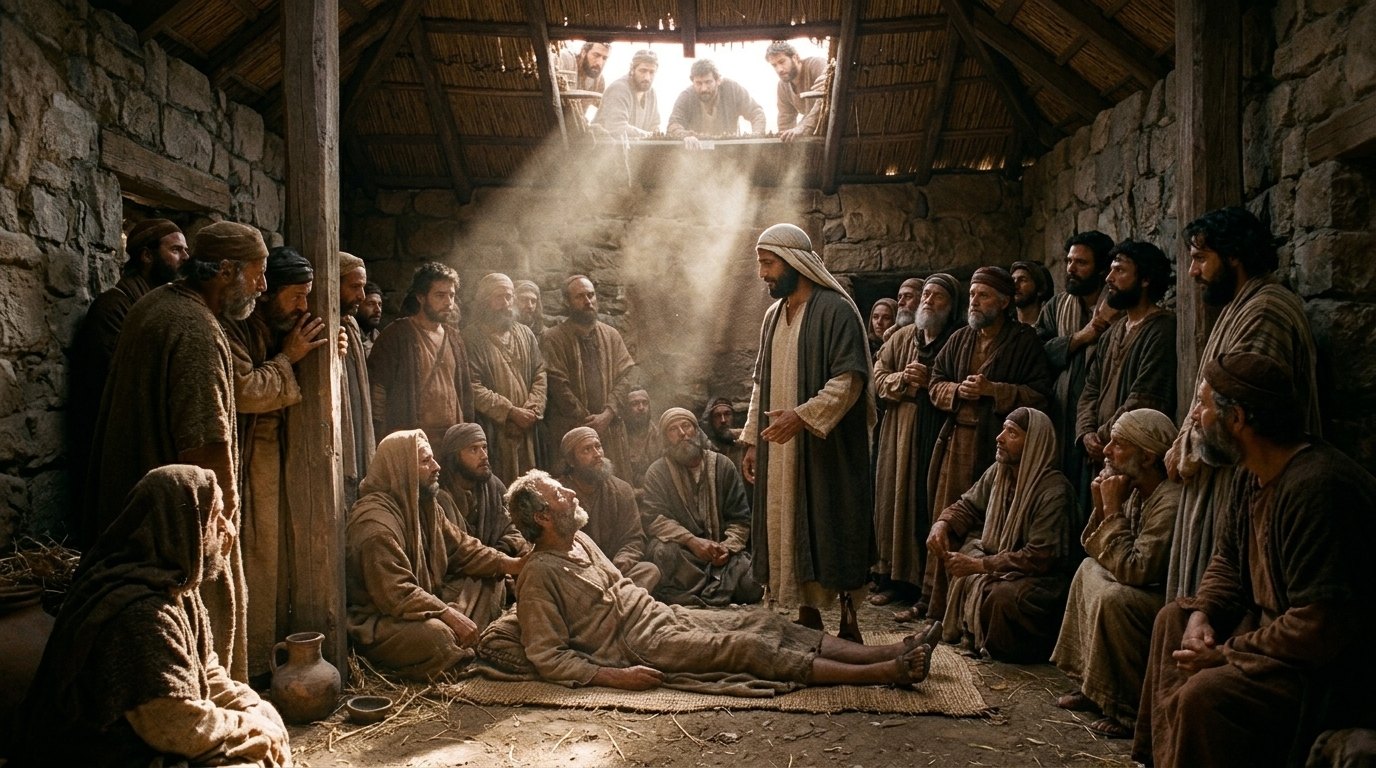
If we confess our sins, he is faithful and just and will forgive us our sins and purify us from all unrighteousness.
1 John 1:9 (NIV)
This verse establishes that God forgives not out of arbitrary whim, but in faithfulness to His promise and justice satisfied in Christ.
First John 1:9 anchors assurance not in transient emotional impressions, but in the immutable character of God: "If we confess our sins, he is faithful and just to forgive us our sins and to cleanse us from all unrighteousness." When you bring a specific failure honestly before God, He does not weigh His pardon against the depth of your remorse or the quality of your feelings. God is faithful to His own spoken word, and He is just because the penalty for that transgression has already been fully satisfied in Jesus Christ. Genuine assurance begins with radical self-honesty; 1 John 1:8 warns that claiming to be free from sin is self-deception, while 1 John 1:10 adds that denying personal guilt makes God out to be a liar. True comfort does not come from minimizing wrongdoing, but from seeing where our guilt is taken.
When conviction strikes and shame threatens to silence prayer, 1 John 2:1 directs our eyes to the courtroom of heaven: we have Jesus Christ the righteous acting as our heavenly Advocate before the Father. He does not plead our innocence; He presents His own finished sacrifice, for 1 John 2:2 declares that Christ Himself is the propitiation for our sins. During His earthly ministry, Jesus demonstrated that divine pardon is a clear, audible reality meant to be received with absolute confidence. In Matthew 9:2, before addressing physical paralysis, Jesus directly declared to the afflicted man that his sins were forgiven. Later, in Luke 7:47, He observed that the depth of a person's love directly mirrors their understanding of how much they have been pardoned. He then turned to the weeping woman at His feet in Luke 7:48 to speak unequivocal peace: "Your sins are forgiven." Forgiveness is not a private guess; it is God's declared verdict.
| Passage | What it says |
|---|---|
| 1 John 1:9 | God promises faithful and righteous pardon and complete cleansing from all unrighteousness when we confess our sins. |
| 1 John 1:8 | Denying personal sin is self-deception, showing that assurance begins with honest acknowledgment of guilt before God. |
| 1 John 1:10 | Claiming sinlessness makes God out to be a liar and proves His word is not within us. |
| 1 John 2:1 | Jesus Christ the righteous acts as our heavenly Advocate before the Father when we fall into sin. |
| 1 John 2:2 | Christ Himself is the propitiation for our sins and the sins of the whole world. |
| Matthew 9:2 | Jesus directly declares the forgiveness of sins to the paralytic before healing him physically. |
| Luke 7:47 | Jesus affirms that great forgiveness produces abundant love in the forgiven sinner. |
| Luke 7:48 | Jesus pronounces explicit assurance of pardon to the repentant woman weeping at His feet. |
Honest Confession
Hiding sin brings sorrow, while uncovering it finds mercy

Then I acknowledged my sin to you and did not cover up my iniquity. I said, “I will confess my transgressions to the LORD.” And you forgave the guilt of my sin.
Psalms 32:5 (NIV)
David records the immediate release of divine pardon the moment concealment gives way to frank acknowledgment of guilt.
David knew the exhausting torment of hidden transgression, recording in Psalm 32:5 the immediate freedom that followed full disclosure: "I acknowledged my sin to you, and I did not cover my iniquity; I said, 'I will confess my transgressions to the Lord,' and you forgave the iniquity of my sin." Psalm 32:1–2 pronounces supreme blessedness upon the person whose transgression is forgiven, whose sin is covered, and to whom the Lord imputes no iniquity. Conversely, concealing failure extracts a severe physical and spiritual toll. In Psalm 32:3–4, David recalls how remaining silent caused his bones to waste away through continual groaning, with God's heavy conviction sapping his vitality like the dry heat of summer. Proverbs 28:13 summarizes this principle with absolute clarity: whoever conceals sin will not prosper, but the one who confesses and forsakes it finds mercy.
In Psalm 51:1–2, David appeals entirely to God's steadfast lovingkindness and abundant tender mercy to blot out his transgressions and wash away his iniquity. Confession means coming out into the open, admitting in Psalm 51:3 that our sin is continually before us, and acknowledging in Psalm 51:4 that every transgression is ultimately against God alone. David does not plead for partial relief; in Psalm 51:7, he asks to be purged with hyssop so he will be whiter than snow, knowing from Psalm 51:17 that God never despises a broken spirit and a contrite heart. In Psalm 130:3–4, the psalmist recognizes that if the Lord kept a strict ledger of iniquities, no human could endure; yet pardon belongs uniquely to God that He may be revered. Jesus illustrated this exact posture in Luke 18:13–14, contrasting the proud Pharisee with the broken tax collector who beat his chest, pleaded for divine mercy, and walked down to his home justified.
| Passage | What it says |
|---|---|
| Psalms 32:1 | Blessed is the person whose transgression is forgiven and whose sin is covered by God. |
| Psalms 32:2 | Blessed is the man to whom the Lord imputes no iniquity and in whose spirit there is no deceit. |
| Psalms 32:3 | Keeping silent about sin results in wasting bones and inward groaning all day long. |
| Psalms 32:4 | God's heavy conviction dries up vital strength when sin is harbored in unconfessed secrecy. |
| Psalms 32:5 | Confessing transgression directly to the Lord brings immediate pardon for the iniquity of sin. |
| Proverbs 28:13 | The one who conceals sin fails to prosper, but whoever confesses and forsakes sin receives mercy. |
| Psalms 51:1 | David appeals to God's steadfast lovingkindness and abundant tender mercy to blot out transgressions. |
| Psalms 51:2 | The penitent asks God for thorough washing from iniquity and cleansing from guilt. |
| Psalms 51:3 | True confession openly admits transgressions and keeps personal guilt ever before the mind. |
| Psalms 51:4 | All sin is fundamentally against God alone, justifying His judgment and blameless verdict. |
| Psalms 51:7 | Purging with hyssop and washing by God leaves the sinner whiter than freshly fallen snow. |
| Psalms 51:17 | God does not despise the sacrifices of a broken spirit and a contrite, humble heart. |
| Psalms 130:3 | The psalmist observes that if the Lord kept an account of iniquities, no one could stand. |
| Psalms 130:4 | Pardon belongs to God so that He may be revered and trusted by the penitent. |
| Luke 18:13 | The tax collector beats his breast and pleads for mercy as a sinner. |
| Luke 18:14 | Jesus testifies that the humble penitent went home justified rather than the self-righteous Pharisee. |
The Cleansing Blood
The blood of Jesus cleanses the believer from all sin

But if we walk in the light, as he is in the light, we have fellowship with one another, and the blood of Jesus, his Son, purifies us from all sin.
1 John 1:7 (NIV)
John ties continuous fellowship in divine light directly to the ongoing cleansing power of Christ's shed blood.
Your confidence of pardon is not anchored in subjective peace or mental resolve, but in the shed blood of Jesus. In 1 John 1:7, the apostle declares that "if we walk in the light, as he is in the light, we have fellowship with one another, and the blood of Jesus his Son cleanses us from all sin." Walking in the light does not mean living in flawless sinless perfection, but bringing every failure into the open where the blood of Christ continually purifies. The author of Hebrews explains the profound efficacy of this sacrifice: in Hebrews 9:14, the eternal blood of Christ purifies the human conscience from dead works to serve the living God, fulfilling the ancient legal reality of Hebrews 9:22 that without the shedding of blood there is no forgiveness of sins.
Because the ransom price has been paid in full, our approach to God is marked by liberty rather than dread. Hebrews 10:19 invites us to possess bold confidence to enter the holy sanctuary by the blood of Jesus, while Hebrews 10:22 commands us to draw near in full assurance of faith, having our hearts sprinkled clean from an evil, self-condemning conscience. In Ephesians 1:7 and Colossians 1:14, Paul reiterates that in Christ we possess actual redemption through His blood—the definitive forgiveness of all trespasses according to the riches of His grace. Colossians 2:13–14 paints an arresting legal image: when we were spiritually dead, God made us alive together with Christ, having forgiven every trespass by canceling the written record of debt that stood condemned against us, nailing it permanently to the cross. First Peter 2:24 confirms that Christ bore our sins in His own physical body on that tree, forever removing the barrier between the penitent sinner and the Father.
| Passage | What it says |
|---|---|
| 1 John 1:7 | Walking in the light brings mutual fellowship, and Jesus' blood cleanses believers from all sin. |
| Hebrews 9:14 | Christ's blood purifies our conscience from dead works to serve the living God. |
| Hebrews 9:22 | Under the law almost everything is purified with blood, and without shedding blood there is no forgiveness. |
| Hebrews 10:19 | Believers possess bold confidence to enter the holy sanctuary by the blood of Jesus. |
| Hebrews 10:22 | We draw near in full assurance of faith with hearts sprinkled clean from an evil conscience. |
| Ephesians 1:7 | In Christ we have redemption through His blood, the forgiveness of trespasses by grace. |
| Colossians 1:14 | In the beloved Son we possess our redemption, the actual forgiveness of our sins. |
| Colossians 2:13 | God made believers alive together with Christ, having forgiven all their trespasses. |
| Colossians 2:14 | Christ canceled the record of debt standing against us by nailing it to the cross. |
| 1 Peter 2:24 | Christ bore our sins in His own body on the tree that we might live to righteousness. |
Covenant Promises
God promises total removal and absolute pardon of iniquity
I will cleanse them from all the sin they have committed against me and will forgive all their sins of rebellion against me.
Jeremiah 33:8 (NIV)
This covenant pledge demonstrates God's sovereign determination both to cleanse the defilement and pardon the crime.
When doubt questions whether pardon can truly survive repeated failure, Scripture points to the absolute finality of God's covenant oaths. In Jeremiah 33:8, the Lord establishes His resolute purpose: "I will cleanse them from all the guilt of their sin against me, and I will forgive all the guilt of their sin and their rebellion against me." This is not a hesitant concession; it is sovereign, definitive redemption. Ezekiel 36:25 promises that God Himself will sprinkle clean water upon His people to wash away all uncleanness. In Isaiah 1:18, the Lord invites us to reason together with Him, pledging that though our sins be as bright scarlet, they shall be made white as snow, and though red like crimson, they shall become as wool. Furthermore, Isaiah 43:25 reveals God's ultimate motive: He blots out transgressions for His own name's sake and refuses to remember them against us.
Scripture uses vivid geographical and natural pictures to illustrate how completely your sin is banished once confessed. Psalm 103:12 proclaims that as far as the east is from the west, so far has He removed our transgressions from us. Micah 7:18–19 rejoices that no god pardons iniquity like the Lord, who delights in steadfast mercy, treads our iniquities underfoot, and casts all our sins into the depths of the sea. Under the new covenant inaugurated in Jeremiah 31:34, God gives His personal guarantee to forgive iniquity and remember it no more. Psalm 103:2–3 instructs our souls never to forget His benefits, chief among them that He forgives all our iniquities. As King Hezekiah celebrated in Isaiah 38:17, God casts all our sins behind His back, and as Isaiah 44:22 affirms, He has swept away our offenses like a morning cloud.
| Passage | What it says |
|---|---|
| Jeremiah 33:8 | God promises to cleanse all iniquity committed against Him and pardon every rebellious transgression. |
| Ezekiel 36:25 | The Lord promises to sprinkle clean water upon His people to purify them from all uncleanness and idols. |
| Isaiah 1:18 | Though sins are like scarlet or crimson, the Lord reasons that they shall become white as snow and wool. |
| Isaiah 43:25 | The Lord blots out transgressions for His own sake and explicitly remembers sins no more. |
| Psalms 103:12 | As far as the east is from the west, so far has the Lord removed our transgressions from us. |
| Micah 7:19 | God will have compassion, tread down iniquities, and cast all our sins into the ocean depths. |
| Jeremiah 31:34 | Under the new covenant, God forgives their iniquity and declares He will remember their sin no more. |
| Psalms 103:2 | The soul is commanded to remember all the Lord's benefits without forgetting His goodness. |
| Psalms 103:3 | God forgives all iniquities and heals all the spiritual diseases of His people. |
| Isaiah 38:17 | Hezekiah praises God for casting all his sins behind His back. |
| Isaiah 44:22 | The Lord has blotted out transgressions like a cloud and redeemed His servant. |
| Micah 7:18 | No god pardons iniquity and delights in steadfast mercy like the Lord. |
No Condemnation
Justified believers stand secure against every accusation

Therefore, there is now no condemnation for those who are in Christ Jesus,
Romans 8:1 (NIV)
Paul proclaims the definitive legal status of the believer: no condemnation remains for those united to Jesus Christ.
The bedrock of Christian assurance is that there is therefore now no condemnation for those who are in Christ Jesus (Romans 8:1). Paul does not base this verdict on moral performance or emotional strength, but on the settled legal reality established at the cross. Because the penalty due to sin was exhausted in the Savior, God's courtroom has rendered a definitive and irreversible acquittal for everyone united to His Son.
This judicial peace transforms our present standing. Having been justified by faith, we have peace with God through our Lord Jesus Christ (Romans 5:1). God is no longer an estranged judge pursuing a debt, but a Father welcoming His redeemed children. David recognized this immense grace, declaring, blessed are those whose lawless deeds are forgiven, and whose sins are covered (Romans 4:7), and blessed is the man against whom the Lord will not count his sin (Romans 4:8). The record of guilt is not merely suspended; it is permanently removed from the divine ledger.
Consequently, no accusing voice can ever overturn the believer's standing. Paul asks, who shall bring any charge against God's elect? It is God who justifies (Romans 8:33). Nor can any prosecutor succeed, for Christ Jesus is the one who died—more than that, who was raised—who is at the right hand of God, who indeed is interceding for us (Romans 8:34). Even when our subjective feelings falter, Scripture reassures us: if our heart condemns us, God is greater than our heart, and he knows all things (1 John 3:20). His objective word overrules our lingering self-accusation.
Therefore, our security remains unshakable. If God is for us, who can be against us? (Romans 8:31). Paul rejoices that neither death nor life, nor angels nor rulers, nor things present nor things to come (Romans 8:38), nor height nor depth, nor anything else in all creation, will be able to separate us from the love of God in Christ Jesus our Lord (Romans 8:39). Our pardon is as secure as the Christ who preserves it.
| Passage | What it says |
|---|---|
| Romans 8:1 | There is now no condemnation for those who are in Christ Jesus, walking by the Spirit. |
| Romans 5:1 | Having been justified by faith, we have peace with God through our Lord Jesus Christ. |
| Romans 8:33 | No one can bring any charge against God's elect, since it is God who justifies. |
| Romans 8:34 | No one can condemn, because Christ died, rose again, and intercedes at the right hand of God. |
| 1 John 3:20 | Whenever our heart condemns us, God is greater than our heart and knows all things. |
| Romans 4:7 | Blessed are those whose lawless deeds are forgiven and whose sins are covered. |
| Romans 4:8 | Blessed is the person against whom the Lord will never count sin. |
| Romans 8:31 | If God is for us, no adversary can prevail against His elect. |
| Romans 8:38 | Neither death nor life can separate believers from God's love in Christ. |
| Romans 8:39 | No created power can sever the redeemed from the love of God in Christ Jesus. |
Fruit and Witness
The Spirit and love testify that we belong to God
The Spirit himself testifies with our spirit that we are God’s children.
Romans 8:16 (NIV)
It shows that assurance rests not on bare human feeling, but on the inner testimony of the Holy Spirit confirming adoption.
While our legal pardon is anchored in the objective work of the cross, God provides intimate and subjective confirmation through His indwelling presence: the Spirit himself bears witness with our spirit that we are children of God (Romans 8:16). Assurance is not a cold logical deduction; it is the living testimony of God within the believer, granting an internal confidence that we are indeed His redeemed family.
This witness is marked by filial tenderness rather than slavish dread. Believers have not received a spirit of slavery leading again to fear, but you have received the Spirit of adoption as sons, by whom we cry, 'Abba! Father!' (Romans 8:15). The Holy Spirit tenderly inclines the heart toward God in genuine prayer and dependent trust. As the apostle John affirms, by this we know that we abide in him and he in us, because he has given us of his Spirit (1 John 4:13). The presence of the Helper within us is God's personal seal that we belong to Him.
This interior reality produces undeniable external fruit. A heart that has tasted the depths of divine pardon naturally overflows with mercy toward fellow sinners. Paul instructs the church to be kind to one another, tenderhearted, forgiving one another, as God in Christ forgave you (Ephesians 4:32). We are commanded to be bearing with one another and, if one has a complaint against another, forgiving each other; as the Lord has forgiven you, so you also must forgive (Colossians 3:13). Our willingness to release grudges mirrors the mercy we have received.
Love for other Christians serves as tangible proof of spiritual regeneration: we know that we have passed out of death into life, because we love the brothers (1 John 3:14). When our own hearts reflect the character, mercy, and compassion of our forgiving Father, we possess visible evidence that His saving grace is actively at work within our souls.
| Passage | What it says |
|---|---|
| Romans 8:15 | Believers received the Spirit of adoption, by whom they cry out, 'Abba! Father!' |
| Romans 8:16 | The Holy Spirit bears witness with our spirit that we are God's children. |
| Ephesians 4:32 | Believers are called to forgive one another just as God in Christ forgave them. |
| Colossians 3:13 | Bearing with each other flows directly from having received the Lord's full pardon. |
| 1 John 3:14 | Passing from death to life is evidenced by sincere love for the brethren. |
| 1 John 4:13 | The gift of the indwelling Spirit confirms that we abide in God and He in us. |
Where in the Bible
| Book | Passages |
|---|---|
| Psalms | 16 · Psalms 32:1, Psalms 32:2, Psalms 32:3, Psalms 32:4, Psalms 32:5, Psalms 51:1, Psalms 51:2, Psalms 51:3, Psalms 51:4, Psalms 51:7, Psalms 51:17, Psalms 130:3, Psalms 130:4, Psalms 103:12, Psalms 103:2, Psalms 103:3 |
| Proverbs | 1 · Proverbs 28:13 |
| Isaiah | 4 · Isaiah 1:18, Isaiah 43:25, Isaiah 38:17, Isaiah 44:22 |
| Jeremiah | 2 · Jeremiah 33:8, Jeremiah 31:34 |
| Ezekiel | 1 · Ezekiel 36:25 |
| Micah | 2 · Micah 7:19, Micah 7:18 |
| Matthew | 1 · Matthew 9:2 |
| Luke | 4 · Luke 7:47, Luke 7:48, Luke 18:13, Luke 18:14 |
| Romans | 11 · Romans 8:1, Romans 5:1, Romans 8:33, Romans 8:34, Romans 4:7, Romans 4:8, Romans 8:31, Romans 8:38, Romans 8:39, Romans 8:15, Romans 8:16 |
| Ephesians | 2 · Ephesians 1:7, Ephesians 4:32 |
| Colossians | 4 · Colossians 1:14, Colossians 2:13, Colossians 2:14, Colossians 3:13 |
| Hebrews | 4 · Hebrews 9:14, Hebrews 9:22, Hebrews 10:19, Hebrews 10:22 |
| 1 Peter | 1 · 1 Peter 2:24 |
| 1 John | 9 · 1 John 1:9, 1 John 1:8, 1 John 1:10, 1 John 2:1, 1 John 2:2, 1 John 1:7, 1 John 3:20, 1 John 3:14, 1 John 4:13 |
The story in order
- Creation and Fall (c. 4000 BC) · Genesis 3 · Introduces sin and the need for forgiveness.
- Abrahamic Covenant (c. 2000 BC) · Genesis 12:1-3 · God's promise of blessing through Abraham.
- Exodus and Law (c. 1450 BC) · Exodus 20 · The Law reveals sin and the need for atonement.
- David's Confession (c. 1000 BC) · Psalms 51 · A model of confession and plea for cleansing.
- Prophetic Promises (c. 600 BC) · Jeremiah 31:34 · Promise of a new covenant with forgiveness.
- Jesus' Ministry (AD 27-30) · Matthew 9:2 · Jesus declares sins forgiven before healing.
- Christ's Atonement (AD 30-33) · 1 Peter 2:24 · Christ bore our sins on the cross.
- Apostolic Teaching (c. AD 90) · 1 John 1:9 · Teaching on confession and God's faithful pardon.
- New Creation (Future) · Revelation 21:4 · God will wipe away every tear; no more sin.
Confession and Pardon
| Hiding Sin | Confession and Forsaking | Result | Passage |
|---|---|---|---|
| Wasting bones and inward groaning | Confessing transgression directly to the Lord | Immediate pardon | Psalms 32:3-5 |
| Concealing sin | Confesses and forsakes sin | Receives mercy | Proverbs 28:13 |
| Self-deception, denying sin | Honest acknowledgment of guilt | Assurance begins | 1 John 1:8-9 |
God's Promise of Cleansing
| The Promise | The Action | The Result | Passage |
|---|---|---|---|
| Cleanse all iniquity and pardon every transgression | Sprinkle clean water | Purify from all uncleanness and idols | |
| Sins like scarlet/crimson shall be white as snow | Blot out transgressions | Remember sins no more | |
| Remove our transgressions | Cast all our sins into the ocean depths | Have compassion | |
| Forgive their iniquity | Remember their sin no more | Establish a new covenant | Jeremiah 31:34 |
The Cleansing Blood
| The Source | The Action | The Benefit | Passage |
|---|---|---|---|
| Jesus' blood | Cleanses believers from all sin | Fellowship with God | 1 John 1:7 |
| Christ's blood | Purifies our conscience | Serve the living God | Hebrews 9:14 |
| His blood | Redemption and forgiveness of trespasses | In Christ | Ephesians 1:7 |
| Christ bore our sins | In His own body on the tree | Live to righteousness | 1 Peter 2:24 |
Key words
- Forgiveness (aphesis, ἄφεσις)
- Pardon and release from the penalty of sin. · Ephesians 1:7
- Confession (homologia, ὁμολογία)
- Acknowledging and admitting sins to God. · 1 John 1:9
- Cleansing (katharismos, καθαρισμός)
- Purification from sin and its defilement. · 1 John 1:7
- Righteousness (dikaiosunē, δικαιοσύνη)
- Being just and morally upright; God's standard. · 1 John 1:9
- Faithfulness (pistis, πίστις)
- God's steadfast loyalty and commitment to His promises. · 1 John 1:9
- Justification (dikaiōsis, δικαίωσις)
- Being declared righteous by God through faith in Christ. · Romans 5:1
You know you are forgiven because God cannot lie, and Christ's sacrifice never loses its power. Turn from hiding, confess your sins freely to your Father, and rest your conscience entirely on His sworn Word.
62 passages, each cited once.
How the major Christian traditions read this
All major Christian traditions confess that God freely pardons every repentant sinner who trusts in the atoning blood of Jesus Christ, promising complete cleansing from sin to those who confess their transgressions (1 John 1:9; Psalm 32:5).
Catholic
We know God has forgiven us through the sacramental life of the Church, particularly the Sacrament of Reconciliation instituted by Christ (John 20:21-23). While true contrition turns the heart toward God, Christ entrusted the authority to forgive sins to His apostles and their successors. When we confess our sins with sincere sorrow and purpose of amendment, the priest pronounces Christ's absolution: 'I absolve you from your sins.' This objective, sacramental word, grounded in James 5:16 and Matthew 16:19, assures our conscience that our sins are truly washed away by the blood of Christ.
Scripture: John 20:21-23, Matthew 16:19, James 5:16
Orthodox
In the Orthodox Church, assurance of forgiveness is experienced within the mystery of holy confession before Christ and His priest as witness. Christ gave His apostles the power to bind and loose sins (Matthew 18:18). When we stand before the icon of Christ with a broken and contrite heart (Psalm 51:17) and confess our failures, the Church prays the prayer of absolution over us. We know we are forgiven not by fleeting emotional states, but by participating in the healing mysteries of the Church and experiencing reconciliation with the whole body of Christ.
Scripture: Matthew 18:18, Psalms 51:17, 1 John 1:9
Lutheran
We know God has forgiven us because His external Word says so. Repentance consists of contrition over sin and faith born of the Gospel (Augsburg Confession 12). Faith clings to Christ's promise: 'He who believes and is baptized will be saved' (Mark 16:16). Furthermore, Christ provided the Office of the Keys, commanding pastors to speak absolution directly into our ears (John 20:23). When we hear the pastor pronounce forgiveness, we hear Christ Himself speaking. Our assurance does not rest on our emotional strength, but entirely outside ourselves in God's objective Word and sacraments.
Scripture: John 20:23, Mark 16:16, 1 John 1:9
Reformed & Presbyterian
We know God has forgiven us through the promises of the Gospel confirmed in our hearts by the Holy Spirit. As Heidelberg Catechism Q. 21 confesses, true faith is 'a hearty trust which the Holy Ghost works in me by the Gospel, that not only to others, but to me also, forgiveness of sins... are freely given by God.' Assurance rests securely on the perfect, once-for-all sacrifice of Christ on the cross (Hebrews 10:14) and the steadfast promise of God (1 John 1:9). As we walk in repentance, the Spirit bears witness with our spirit that we are God's children (Romans 8:16).
Scripture: 1 John 1:9, Hebrews 10:14, Romans 8:16
Anglican & Episcopal
We receive assurance of forgiveness through God's trustworthy promises proclaimed in Scripture, declared in general absolution in the liturgy, and offered in pastoral confession. As Article 16 reminds us, those who fall into sin after Baptism may arise again by the grace of God through repentance. When we confess our sins directly to God, or seek the counsel and absolution of a minister (John 20:23; James 5:16), Christ assures us of His pardon. True faith produces good works as its natural fruit (Article 12), confirming the reality of our reconciliation with God.
Scripture: 1 John 1:9, John 20:23, James 5:16
Baptist
We know we are forgiven because Scripture plainly declares it, and God cannot lie (Titus 1:2). Every believer is a priest before God (1 Peter 2:9) and has direct access to the throne of grace through Jesus Christ our only Mediator (1 Timothy 2:5; Hebrews 4:16). When we confess our sins directly to the Lord, we take Him at His written Word: 'He is faithful and righteous to forgive us' (1 John 1:9). Assurance is not mediated by a human priest or ritual, but comes through personal faith in the finished work of Christ testified in the Holy Scriptures.
Scripture: 1 John 1:9, 1 Timothy 2:5, Hebrews 4:16, 1 Peter 2:9, Titus 1:2
Methodist & Wesleyan
We know God has forgiven us through the direct witness of the Holy Spirit alongside the objective promises of Scripture. When a person repents and trusts Christ, the Holy Spirit bears immediate witness with their spirit that they are pardoned and adopted (Romans 8:15-16). This inward assurance produces peace, love, and a transformed life that bears the fruit of the Spirit (Galatians 5:22-23). As Article 12 affirms, when we fall into sin, God's grace enables us to arise again, confess, and amend our lives, walking forward in holiness and the conscious knowledge of His pardoning love.
Scripture: Romans 8:15-16, 1 John 1:9, Galatians 5:22-23
Pentecostal & Charismatic
We know God has forgiven us because His Word guarantees it and His Spirit confirms it in our hearts. When we confess our sins, the cleansing blood of Jesus washes us clean immediately (1 John 1:7, 9). The Holy Spirit provides an internal witness of peace and adoption (Romans 8:16), delivering us from the spirit of fear and condemnation (Romans 8:1). Furthermore, the ongoing presence and power of the Holy Spirit in our daily walk empowers us to live in victory over sin, giving living proof of God's redemptive pardon and transforming grace.
Scripture: 1 John 1:7, 1 John 1:9, Romans 8:1, Romans 8:16
Non-denominational & Evangelical
We hold the same biblical truth shared by evangelical believers: assurance rests entirely on the authority of God's Word, not our shifting emotions. When we bring our sin to God in honest confession, He promises complete forgiveness and cleansing (1 John 1:9). Christ has paid the penalty for every sin on the cross once for all (Colossians 2:13-14). Because God is faithful, we know we are forgiven the moment we confess and trust Him, standing righteous in Christ regardless of feelings or doubts.
Scripture: 1 John 1:9, Colossians 2:13-14, Romans 5:1
Where they differ
The means of receiving absolution
- Catholic
- Christ grants pardon through the sacramental absolution pronounced by an ordained priest.
- Orthodox
- Forgiveness is imparted through holy confession before Christ witnessed by a priest.
- Lutheran
- Absolution is received through pastoral proclamation of the Word and personal faith.
- Reformed & Presbyterian
- Pardon is received directly from God through faith in Christ's finished work.
- Anglican & Episcopal
- Pardon is declared through liturgical absolution and direct confession to God.
- Baptist
- Forgiveness is received directly from God without any human ministerial mediation.
- Methodist & Wesleyan
- Pardon is received directly from God through faith and heartfelt repentance.
- Pentecostal & Charismatic
- Pardon is received directly from God through faith in Christ's cleansing blood.
- Non-denominational & Evangelical
- Forgiveness is received directly by personal confession to God based on Scripture.
Scripture: John 20:23, 1 Timothy 2:5, 1 John 1:9
The primary ground of assurance
- Catholic
- The objective sacrament of penance and valid absolution given by the Church.
- Orthodox
- Reconciliation with Christ's body through the ongoing sacramental mystery of confession.
- Lutheran
- The external Word of promise spoken in preaching, absolution, and baptism.
- Reformed & Presbyterian
- God's unconditional promises in the Gospel confirmed internally by the Holy Spirit.
- Anglican & Episcopal
- Scripture's promises confirmed by sacramental grace and the fruits of faith.
- Baptist
- The inerrant written promises of Scripture accepted by personal faith alone.
- Methodist & Wesleyan
- The direct inner witness of the Spirit accompanying scriptural promises and holiness.
- Pentecostal & Charismatic
- The scriptural promise confirmed by the inward peace and power of the Spirit.
- Non-denominational & Evangelical
- The factual promises of God's Word trusted over subjective human emotions.
Scripture: Romans 8:16, 1 John 1:9, Hebrews 10:22
Your pastor can tell you where your church stands.
Scripture cited
- 1 John 1:9
- Psalms 32:5
- Proverbs 28:13
- 1 John 1:7