Is God male or female?

Genesis 1:26-27
26 Then God said, “Let us make mankind in our image, in our likeness, so that they may rule over the fish in the sea and the birds in the sky, over the livestock and all the wild animals, and over all the creatures that move along the ground.”
27 So God created mankind in his own image, in the image of God he created them; male and female he created them.
New International Version (NIV)
The answer
God is neither male nor female, because he is spirit, not a body. Jesus says, “God is spirit” (John 4:24), and Numbers 23:19 says plainly, “God is not a man.” Being male or female belongs to bodily creation; the Creator is not confined to either.
Yet Scripture always speaks of God in the masculine, as Father, Son, King, “he.” Jesus taught prayer to “Our Father in heaven” (Matthew 6:9), and Psalm 103:13 compares his compassion to a father’s: “Like a father has compassion on his children, so Yahweh has compassion on those who fear him.” This is how God makes himself known, and it is the language his people receive, not a label to be revised.
At the same time, both masculine and feminine qualities reflect what God is like, because both come from him. He says in Isaiah 66:13, “As one whom his mother comforts, so I will comfort you.” A mother’s tenderness and a father’s compassion each show something true of his character.
That is why Genesis 1:27 says, “God created man in his own image. In God’s image he created him; male and female he created them.” Both man and woman bear his image, so neither sex is closer to God than the other, and neither can claim to be what God is. And when the Son came to save, he truly took flesh: “The Word became flesh and lived among us” (John 1:14) — the eternal Son, born of Mary, a man, without ceasing to be God.
Answered from Scripture · reviewed November 11, 2026
Scripture reveals that God is spirit, eternal and infinite, existing beyond created biological sex. Yet in His perfect design, He created humanity as male and female to together reflect His image, while revealing Himself relationally throughout redemptive history as Father and through His incarnate Son.
The Divine Nature
God is spirit and not a creature of flesh
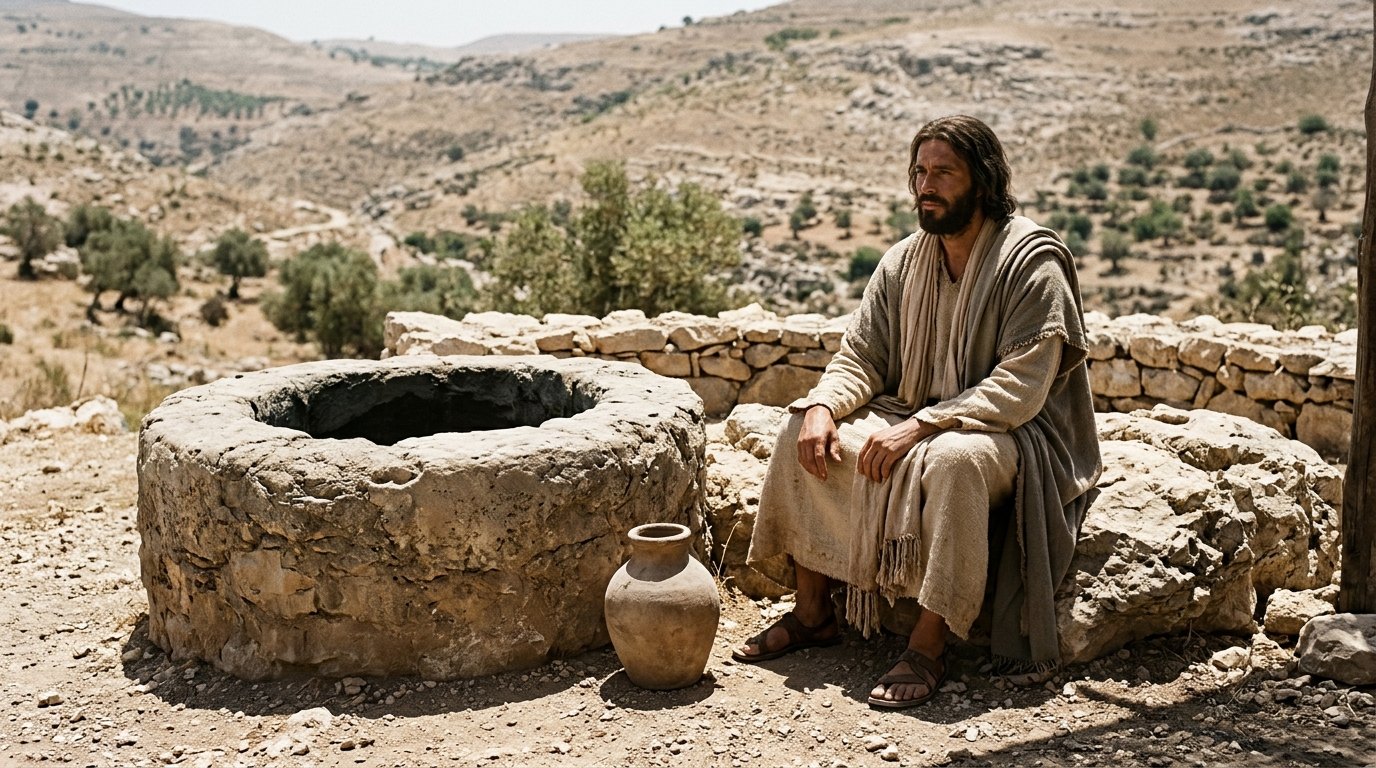
God is spirit, and his worshipers must worship in the Spirit and in truth.”
John 4:24 (NIV)
Jesus plainly defines the essence of God as spirit rather than physical or biological substance.
In John 4:24, the Lord Jesus speaks with definitive clarity regarding the essence of Almighty God: "God is spirit, and those who worship Him must worship in spirit and truth." Because God is spirit, He is neither biologically male nor female. Physical sex belongs exclusively to the created order of embodied creatures, whereas the Creator exists eternally outside physical form, flesh, and biological biology. As the Lord affirmed to His astonished disciples after His resurrection in Luke 24:39, "a spirit does not have flesh and bones." Scripture guards this transcendent creator-creature distinction with unyielding resolve.
Throughout the Old Testament, God repeatedly rebukes any attempt to conflate His sovereign, incorporeal being with humanity. Numbers 23:19 declares without hesitation, "God is not a man, that He should lie, nor a son of man, that He should repent." Samuel echoes this exact truth in 1 Samuel 15:29, affirming that "the Glory of Israel will not lie nor relent. For He is not a man, that He should relent." Likewise, through the prophet Hosea, the Lord proclaims His exalted transcendence: "For I am God, and not man, the Holy One in your midst" (Hosea 11:9). To attribute biological gender or physical sexuality to the transcendent Godhead is to drag the eternal Creator down to the level of creaturely anatomy. Paul magnifies this divine reality in 1 Timothy 1:17, directing our praise to "the King eternal, immortal, invisible, to God who alone is wise." In 1 Timothy 6:16, the apostle repeats that God alone "has immortality, dwelling in unapproachable light, whom no man has seen or can see." God's very nature is purely spiritual, uncreated, and infinite.
| Passage | What it says |
|---|---|
| John 4:24 | Jesus declares that God is spirit, requiring all who worship Him to worship in spirit and truth. |
| Numbers 23:19 | Scripture emphasizes that God is not a man, establishing the absolute distinction between Creator and created human beings. |
| 1 Samuel 15:29 | The Glory of Israel is declared to not be a man, showing His unchangeable divine nature. |
| Hosea 11:9 | The Lord declares He is God and not man, the Holy One in the midst of His people. |
| Luke 24:39 | Christ affirms that a spirit does not possess physical flesh and bones as embodied humans do. |
| 1 Timothy 1:17 | Paul praises the eternal King as immortal, invisible, and the only wise God. |
| 1 Timothy 6:16 | God alone possesses immortality, dwelling in unapproachable light, unseen by human eyes. |
The Divine Image
Male and female both reflect the image of God
So God created mankind in his own image, in the image of God he created them; male and female he created them.
Genesis 1:27 (NIV)
This foundational passage explicitly roots both male and female humanity equally in the image of God.
In Genesis 1:27, Scripture records the foundational decree of human creation: "So God created man in His own image; in the image of God He created him; male and female He created them." This sacred text establishes that biological sex was specifically instituted by God, and that both male and female equally share in the dignity of bearing the divine image. In Genesis 1:26, the triune God declared, "Let Us make man in Our image, according to Our likeness; let them have dominion." Neither sex possesses a greater degree of God's image than the other; rather, both reflect His glory and character within the created realm.
Moses reasserts this principle in Genesis 5:1-2, writing that "in the day that God created man, He made him in the likeness of God. He created them male and female, and blessed them and called them Mankind." The sanctity of every human life is rooted in this truth. Following the flood, the Lord reaffirmed in Genesis 9:6 that human blood must not be shed lightly, "for in the image of God He made man." The New Testament vigorously upholds this unalterable honor. James 3:9 rebukes the duplicity of the tongue, pointing out the grave wickedness of cursing fellow human beings "who have been made in the similitude of God." Because God's image is stamped equally upon man and woman, both reflect aspects of His wisdom, righteousness, and authority, while the Lord Himself remains transcendent spirit over all.
| Passage | What it says |
|---|---|
| Genesis 1:26 | God determines to make man in His own image and likeness with dominion over the earth. |
| Genesis 1:27 | God creates humanity in His image, distinctly creating them male and female. |
| Genesis 5:1 | Adam's genealogy begins by recalling that God created man in the likeness of God. |
| Genesis 5:2 | God created them male and female, blessed them, and called their name Adam. |
| Genesis 9:6 | Human life is protected under the sanctity of being made directly in God's image. |
| James 3:9 | Scripture forbids cursing people who have been made in the similitude of God. |
The Created Order
God designed biological sex as an unalterable gift

“Haven’t you read,” he replied, “that at the beginning the Creator ‘made them male and female,’
Matthew 19:4 (NIV)
Jesus points directly back to creation to establish that biological sex is God's foundational design.
In Matthew 19:4, the Lord Jesus Christ answers inquiries concerning marriage by anchoring biological sex firmly in God's unbending sovereign design: "Have you not read that He who made them at the beginning 'made them male and female'?" Mark 10:6 records this same vital declaration. Our biological sex is never an accident of nature, an internal psychological feeling, or a mutable social preference; it is a good, permanent design bestowed directly by the Creator. David confesses this intimate divine craftsmanship in Psalm 139:13-14, declaring, "For You formed my inward parts; You covered me in my mother's womb. I will praise You, for I am fearfully and wonderfully made."
Because God's design is sacred, Scripture strictly condemns every attempt to reject, alter, or confuse the distinct sexes. Deuteronomy 22:5 declares, "A woman shall not wear anything that pertains to a man, nor shall a man put on a woman's garment, for all who do so are an abomination to the Lord your God." Paul demonstrates in Romans 1:26-27 that abandoning natural sexual distinctions constitutes open rebellion against the Creator's manifest order. In 1 Corinthians 6:9-10, Scripture warns that practicing sexual immorality or effeminacy excludes unrepentant sinners from the kingdom of God. Yet the gospel offers washing and full justification through the blood of Christ (1 Corinthians 6:11). Our bodies are redeemed and made the very temple of the Holy Spirit (1 Corinthians 6:19). Believers are therefore solemnly commanded in 1 Corinthians 6:20 to "glorify God in your body and in your spirit, which are God's."
| Passage | What it says |
|---|---|
| Matthew 19:4 | Jesus affirms that the Creator made humanity male and female from the beginning. |
| Mark 10:6 | Jesus repeats that God made humanity male and female from the beginning of creation. |
| Psalms 139:13 | David confesses that the Lord formed his inward parts and knit him together in his mother's womb. |
| Psalms 139:14 | The psalmist praises God for being fearfully and wonderfully made in His marvelous works. |
| Deuteronomy 22:5 | The law forbids blurring sexual distinction through dress, calling it an abomination to God. |
| Romans 1:26 | Scripture identifies the abandonment of natural sexual function as rebellion against God's design. |
| Romans 1:27 | Men abandoning natural relations with women face the judgment due to their error. |
| 1 Corinthians 6:9 | Paul lists sexual sin and effeminacy among practices that bar inheritance of God's kingdom. |
| 1 Corinthians 6:19 | Believers are reminded that their bodies are temples of the Holy Spirit bought with a price. |
| 1 Corinthians 6:20 | Believers are commanded to glorify God in their physical bodies, which belong to Him. |
Divine Self-Revelation
God reveals Himself using masculine relational names
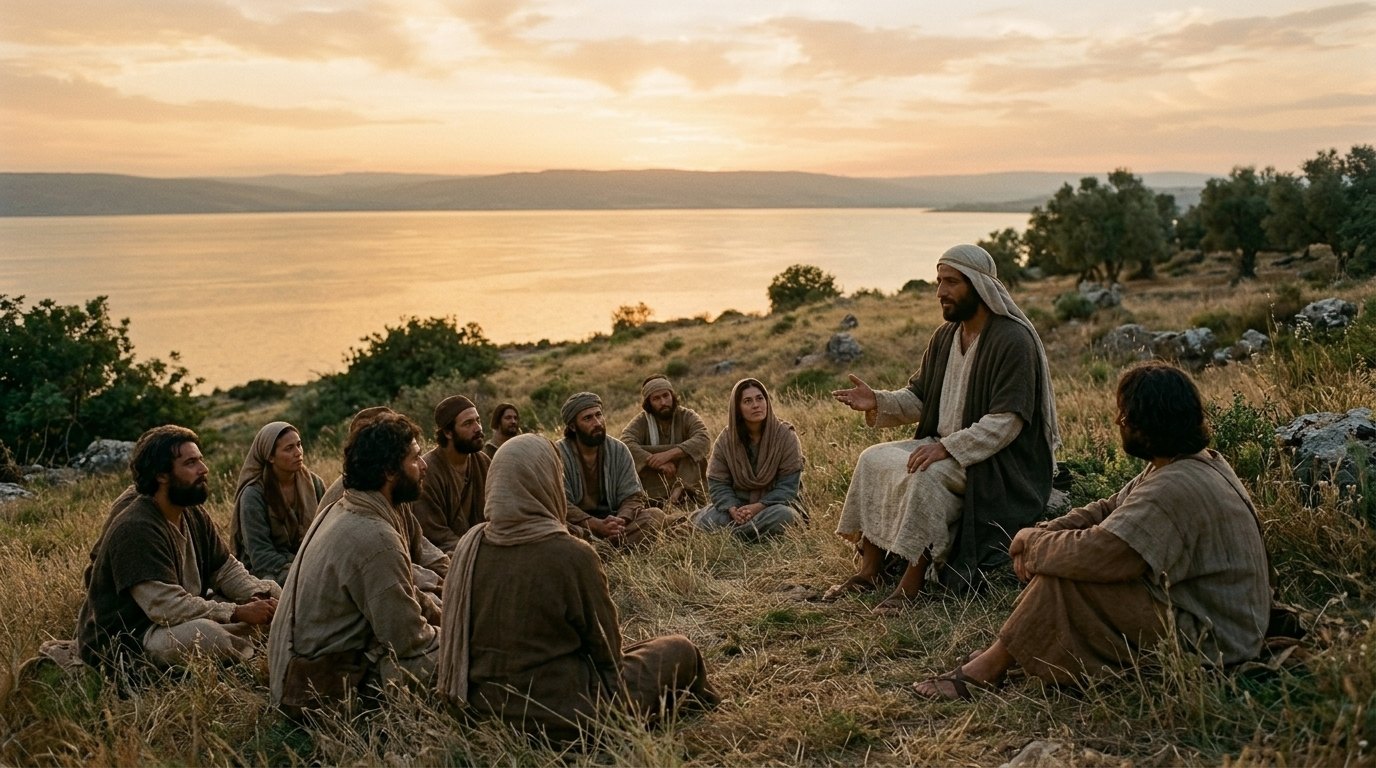
“This, then, is how you should pray: “ ‘Our Father in heaven, hallowed be your name,
Matthew 6:9 (NIV)
The Lord Jesus teaches His disciples to address Almighty God specifically as our Father.
In Matthew 6:9, the Lord Jesus instructs His disciples in the foundational pattern of prayer: "In this manner, therefore, pray: Our Father in heaven, hallowed be Your name." While God is spirit and lacks physical gender, He does not permit humanity to invent titles or forms of address for Him. Instead, God has revealed Himself across redemptive history through authoritative masculine relational titles. He reveals Himself as Father, King, and Husband to His covenant people, and He entered human history through the incarnation of His only begotten Son, Jesus Christ. In Matthew 28:19, believers are commanded to be baptized into the singular, revealed name: "of the Father and of the Son and of the Holy Spirit."
Christ's entire earthly mission centered upon making known the Father who sent Him. In John 5:18, Jesus spoke of God as His own personal Father, demonstrating His eternal equality with the Godhead. Through Christ's atoning work on the cross, believers receive the full reality of adoption, crying out by the Holy Spirit, "Abba, Father" (Romans 8:15). Paul repeatedly glorifies "the God and Father of our Lord Jesus Christ" (Ephesians 1:3). The Old Testament consistently anticipated this tender, authoritative relationship. Psalm 103:13 rejoices that "as a father pities his children, so the Lord pities those who fear Him." Isaiah confesses in Isaiah 63:16 and Isaiah 64:8, "You, O Lord, are our Father, our Redeemer from of old is Your name... we are the clay, and You our potter." God must be known, addressed, and worshiped precisely as He has revealed Himself.
| Passage | What it says |
|---|---|
| Matthew 6:9 | Jesus instructs believers to pray addressing God as our Father in heaven. |
| Matthew 28:19 | Disciples are baptized into the singular name of the Father, Son, and Holy Spirit. |
| John 5:18 | Jesus called God His own Father, making Himself equal with God. |
| Romans 8:15 | The Spirit of adoption causes believers to cry out to God as Abba, Father. |
| Ephesians 1:3 | Paul blesses the God and Father of our Lord Jesus Christ. |
| Psalms 103:13 | The Lord pities those who fear Him just as a father shows compassion to his children. |
| Isaiah 63:16 | Israel acknowledges the Lord as their true Father and Redeemer from everlasting. |
| Isaiah 64:8 | The prophet confesses that the Lord is Father and potter over His people. |
Scriptural Metaphors
God uses maternal imagery without implying female deity

As a mother comforts her child, so will I comfort you; and you will be comforted over Jerusalem.”
Isaiah 66:13 (NIV)
God employs the tender comfort of a nursing mother as an analogy for His divine care.
In Isaiah 66:13, the Lord declares, "As one whom his mother comforts, so I will comfort you." God uses the tenderest human affection to illustrate His steadfast love, yet Scripture consistently uses these maternal figures as similes and metaphors, never as titles or ontology. God is not a goddess, nor is He divided into female aspects; rather, all creaturely tenderness originates in His sovereign goodness.
In Isaiah 49:15, God asks whether a nursing woman can forget her nursing child, immediately adding that even if she should forget, "yet I will not forget you." Divine compassion is not bounded by biological motherhood; it utterly surpasses it. Similarly, Isaiah 42:14 describes the Lord crying out like a woman in labor, depicting the sudden, unstoppable exertion of His holy power when He moves to deliver His people. In Deuteronomy 32:18, Moses convicts Israel of neglecting the Rock that fathered them and forgetting the God who gave them birth, using the agony of childbearing as an image of God's patient formation of a covenant nation.
This protective warmth extends to the quiet trust of the believer. In Psalms 131:2, David confesses that his soul is calmed and quieted like a weaned child resting against its mother, finding absolute peace in the presence of the Lord. In Matthew 23:37, the Lord Jesus weeps over rebellious Jerusalem, expressing His divine longing to gather her scattered children "as a hen gathers her brood under her wings." Christ borrows this vivid natural figure to depict holy protection, demonstrating that while God reveals Himself authoritatively as Father, His infinite care embraces and fulfills every form of pure, self-giving love.
| Passage | What it says |
|---|---|
| Isaiah 66:13 | The Lord compares His comforting of Jerusalem to a mother comforting her child. |
| Isaiah 49:15 | God declares His enduring compassion surpasses even that of a nursing mother for her child. |
| Isaiah 42:14 | The Lord compares His sudden, mighty intervention to the gasping cry of a woman in labor. |
| Deuteronomy 32:18 | Moses rebukes unfaithful Israel for forgetting the God who gave them birth. |
| Psalms 131:2 | David describes his soul's quiet rest in God like a weaned child with its mother. |
| Matthew 23:37 | Jesus laments over Jerusalem, desiring to gather her children as a hen gathers her brood. |
The Incarnation
The Son took human flesh as a true man
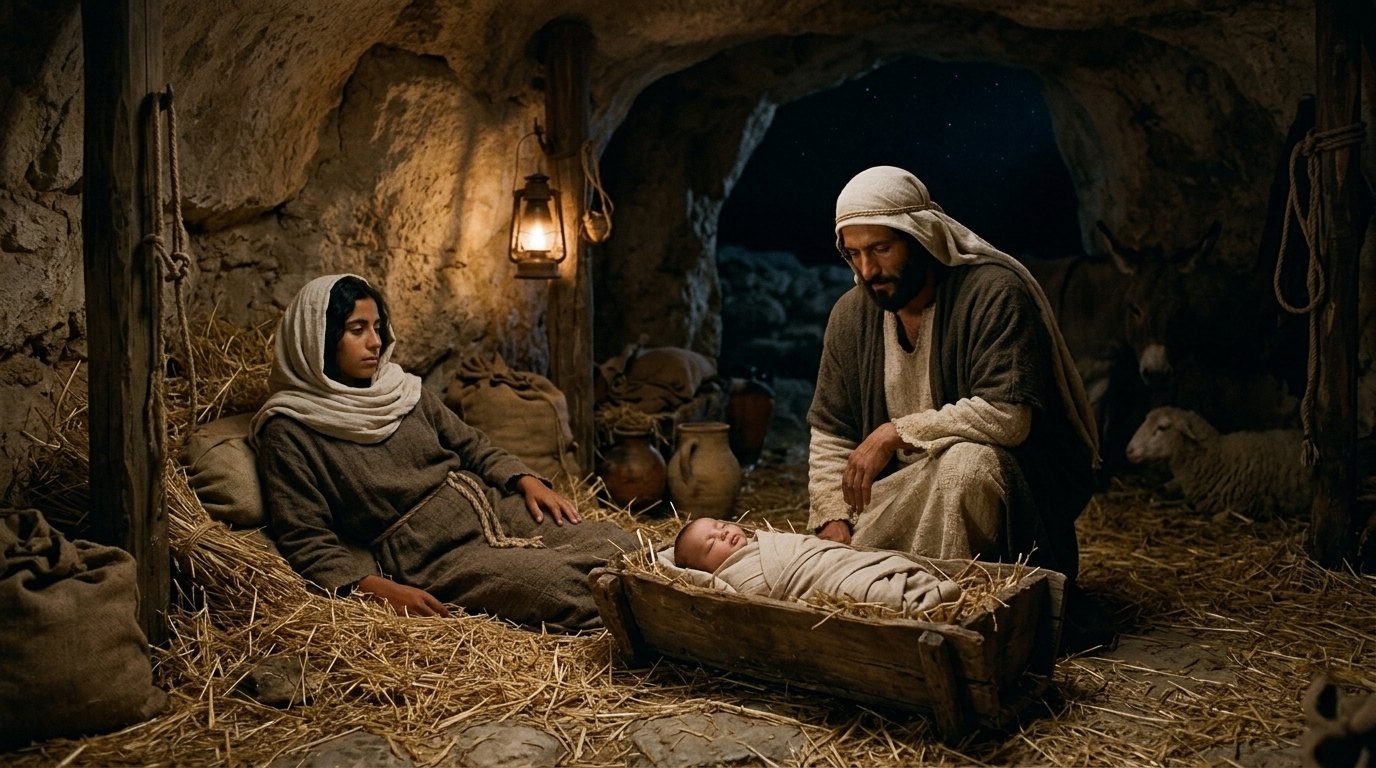
The Word became flesh and made his dwelling among us. We have seen his glory, the glory of the one and only Son, who came from the Father, full of grace and truth.
John 1:14 (NIV)
The Word became actual flesh in the historical, embodied male person of Jesus of Nazareth.
In John 1:14, the apostle announces the center of redemptive history: "And the Word became flesh and dwelt among us." God did not enter creation as an abstract spirit or an ambiguous apparition. The second person of the Trinity took genuine human nature into personal union with His eternal deity, arriving specifically as Jesus of Nazareth, a true and living man.
This incarnate reality was planned from before the foundation of the world. In Galatians 4:4, Paul writes that "when the fullness of time had come, God sent forth his Son, born of woman, born under the law." Luke 2:7 records His humble birth in Bethlehem, where Mary wrapped her firstborn son in cloths and laid Him in a manger. As a male descendant of David, Jesus fulfilled every covenant promise made to Israel's kings, standing as the second Adam who undoes the ruin of the first. In Romans 5:15, Scripture highlights that the free gift of grace abounds through the obedience of this "one man Jesus Christ."
His manhood remains central to His ongoing priestly work. In 1 Timothy 2:5, the Word affirms that there is one mediator between God and men, "the man Christ Jesus." Philippians 2:7 shows that He emptied Himself by taking the form of a bondservant, being made in the likeness of men, while Hebrews 2:14 explains that because the children share in flesh and blood, He likewise partook of the exact same nature to destroy the devil through death. Hebrews 2:17 concludes that He had to be made like His brothers in every respect, so that He might be a merciful and faithful high priest, offering full atonement for the sins of His people.
| Passage | What it says |
|---|---|
| John 1:14 | The eternal Word became flesh and dwelt among humanity, full of grace and truth. |
| Galatians 4:4 | In the fullness of time, God sent forth His Son, born of a woman under the law. |
| Luke 2:7 | Mary gave birth to her firstborn son, wrapping Him in swaddling clothes in Bethlehem. |
| Romans 5:15 | The gift of God's abundant grace abounded through the one man, Jesus Christ. |
| 1 Timothy 2:5 | There is one mediator between God and men, the man Christ Jesus. |
| Philippians 2:7 | Christ made Himself of no reputation, taking the form of a servant in the likeness of men. |
| Hebrews 2:14 | Since children share flesh and blood, Christ partook of the exact same human nature. |
| Hebrews 2:17 | Christ was made like His brothers in all things to be a faithful high priest. |
Where in the Bible
| Book | Passages |
|---|---|
| Genesis | 5 · Genesis 1:26, Genesis 1:27, Genesis 5:1, Genesis 5:2, Genesis 9:6 |
| Numbers | 1 · Numbers 23:19 |
| Deuteronomy | 2 · Deuteronomy 22:5, Deuteronomy 32:18 |
| 1 Samuel | 1 · 1 Samuel 15:29 |
| Psalms | 4 · Psalms 139:13, Psalms 139:14, Psalms 103:13, Psalms 131:2 |
| Isaiah | 5 · Isaiah 63:16, Isaiah 64:8, Isaiah 66:13, Isaiah 49:15, Isaiah 42:14 |
| Hosea | 1 · Hosea 11:9 |
| Matthew | 4 · Matthew 19:4, Matthew 6:9, Matthew 28:19, Matthew 23:37 |
| Mark | 1 · Mark 10:6 |
| Luke | 2 · Luke 24:39, Luke 2:7 |
| John | 3 · John 4:24, John 5:18, John 1:14 |
| Romans | 4 · Romans 1:26, Romans 1:27, Romans 8:15, Romans 5:15 |
| 1 Corinthians | 3 · 1 Corinthians 6:9, 1 Corinthians 6:19, 1 Corinthians 6:20 |
| Galatians | 1 · Galatians 4:4 |
| Ephesians | 1 · Ephesians 1:3 |
| Philippians | 1 · Philippians 2:7 |
| 1 Timothy | 3 · 1 Timothy 1:17, 1 Timothy 6:16, 1 Timothy 2:5 |
| Hebrews | 2 · Hebrews 2:14, Hebrews 2:17 |
| James | 1 · James 3:9 |
The story in order
- God creates humanity male and female (c. 4000 BC) · Genesis 1:27 · God's design for humanity reflects His image in distinct male and female.
- God is not a man (c. 1400 BC) · Numbers 23:19 · Establishes the absolute distinction between Creator and created human beings.
- God is spirit (c. AD 30) · John 4:24 · Jesus declares God is spirit, requiring worship in spirit and truth.
- God is eternal King (c. AD 65) · 1 Timothy 1:17 · Paul praises the eternal, immortal, invisible God.
- God dwells in unapproachable light (c. AD 65) · 1 Timothy 6:16 · God alone possesses immortality, unseen by human eyes.
- Jesus affirms male and female creation (c. AD 30) · Matthew 19:4 · Jesus repeats that God made humanity male and female from the beginning.
- God forms us in the womb (c. 1000 BC) · Psalms 139:13 · David confesses the Lord formed his inward parts and knit him together.
- God is Father (c. AD 30) · Matthew 6:9 · Jesus instructs believers to pray addressing God as our Father.
- The Word became flesh (c. AD 30) · John 1:14 · The eternal Word became flesh and dwelt among humanity.
- Son born of a woman (c. AD 55) · Galatians 4:4 · In the fullness of time, God sent forth His Son, born of a woman.
- Christ is the man Jesus (c. AD 65) · 1 Timothy 2:5 · There is one mediator between God and men, the man Christ Jesus.
Key words
- Spirit (pneuma, πνεῦμα)
- God is not a physical being, existing beyond human limitations. · John 4:24
- Image of God (tzelem, צֶלֶם)
- Humanity's capacity to reflect God's character and rule. · Genesis 1:26
- Male and Female (zakhar u'neqevah, זָכָר וּנְקֵבָה)
- God's created design for humanity's biological sex. · Genesis 1:27
- Father (Ab, אָב)
- God's relational role, expressing care, authority, and provision. · Matthew 6:9
- Man (anthropos, ἄνθρωπος)
- Jesus Christ, the incarnate Son of God, fully human. · 1 Timothy 2:5
Knowing that God is spirit guards us from reducing the infinite Creator to creaturely limits, while honoring His revealed names draws us into true worship. Embracing His distinct, unchanging design for male and female leads us to walk faithfully before Him, resting in the redeeming grace of Christ.
45 passages, each cited once.
Scripture cited
- John 4:24
- Numbers 23:19
- Isaiah 66:13
- Matthew 6:9
- Psalms 103:13
- John 1:14