Is the Bible sexist?

Genesis 1:27
27 So God created mankind in his own image, in the image of God he created them; male and female he created them.
New International Version (NIV)
The answer
No—if “sexist” means treating women as less human, less valuable, or less capable of knowing God, Scripture is not sexist. It teaches that women and men equally bear God’s image and equally inherit salvation in Christ. It also teaches real differences between male and female, including some differences of role. Difference is not the same as inferiority, and Scripture never gives men permission to despise, exploit, or abuse women.
Equal worth from creation
Genesis 1:27 says, “God created man in his own image. In God’s image he created him; male and female he created them.” Both sexes therefore possess the same created dignity. In Genesis 1:28, God blesses them both and gives them both responsibility for fruitfulness and dominion.
The woman’s creation in Genesis 2 reinforces this. She is a “helper comparable to” the man (Genesis 2:18)—someone corresponding to him, not an inferior species or a possession. Adam recognizes their shared humanity when he calls her “bone of my bones, and flesh of my flesh” (Genesis 2:23). Their union is “one flesh” (Genesis 2:24).
God deliberately creates humanity male and female, not interchangeable. Jesus reaffirms that created design in Matthew 19:4. Biblical equality is equality of worth, not the erasure of sexual difference.
What about the difficult passages?
Genesis 3:16 describes judgment after sin, not permission for male tyranny. The statement that the husband “will rule over you” occurs amid the pain and disorder introduced by the fall. It cannot be used to excuse harshness or domination; the chapter is explaining what sin has damaged, not licensing men to damage it further.
Ephesians 5 assigns wives submission and husbands sacrificial love. Wives are told to be subject to their own husbands, not to men generally (Ephesians 5:22). The husband’s corresponding command is radically demanding: “Husbands, love your wives, even as Christ also loved the assembly and gave himself up for her” (Ephesians 5:25). He must love his wife as his own body, nourishing and cherishing her (Ephesians 5:28-29). A man who uses “headship” to justify selfishness, coercion, or contempt is disobeying this passage, not applying it.
First Peter 3:7 commands honour, not condescension. Although it calls the woman the “weaker vessel,” the husband must live understandingly with his wife and give her honour because she is a fellow “heir of the grace of life.” Neither physical vulnerability nor any other difference makes her spiritually inferior. God even warns that mistreating her will hinder the husband’s prayers.
First Timothy 2:11-14 does restrict teaching and governing authority in the church and appeals to Adam and Eve. Christians principally read its application in two ways:
- Complementarians understand qualified men to bear elder or pastoral authority, while women remain equal in worth and exercise substantial spiritual gifts and ministries.
- Egalitarians understand the restriction as addressing particular circumstances rather than permanently excluding women from every teaching or governing office.
Whichever reading is adopted, Paul’s reasoning cannot responsibly be reduced to women being unintelligent or spiritually inferior, and any interpretation must be measured against the whole of Scripture.
How Jesus and the apostles treat women
Women accompany Jesus and financially support his ministry in Luke 8:1-3. They are not merely background figures. At the resurrection, Jesus appears to Mary Magdalene and entrusts her with announcing his resurrection to the disciples in John 20:17-18.
At Pentecost, the promise of the Spirit explicitly includes both sexes: “your sons and your daughters will prophesy,” and God pours out his Spirit on both “servants” and “handmaidens” (Acts 2:17-18). Women genuinely receive and exercise spiritual gifts.
Most decisively, Galatians 3:28 declares, “There is neither Jew nor Greek, there is neither slave nor free man, there is neither male nor female; for you are all one in Christ Jesus.” In context, this concerns standing before God: all who belong to Christ are God’s children and “heirs according to promise” (Galatians 3:26-29). It does not make sexual differences disappear, but it excludes any claim that men have a superior salvation or inheritance.
The Bible therefore does not endorse contempt for women or male entitlement. Its standard is shared creation in God’s image, shared inheritance in Christ, honour for women, and male authority exercised only as self-giving responsibility. Men who use Scripture to justify belittling or abusing women are sinning against the very Scripture they invoke.
Answered from Scripture · reviewed November 12, 2026
Scripture is not sexist: it reveals that woman and man are created equally in the image of God, sharing identical human dignity and standing together as co-heirs of eternal life. The Bible affirms profound distinction and ordered harmony between male and female without implying moral, intellectual, or spiritual inferiority. By examining creation, redemption, and domestic order, God's Word establishes an unshakeable foundation for honoring, protecting, and cherishing women.
Equal Created Dignity
Man and woman equally bear the image of God.
So God created mankind in his own image, in the image of God he created them; male and female he created them.
Genesis 1:27 (NIV)
This foundational verse establishes that both male and female are fashioned in God's divine image with identical dignity and value.
Opening at the dawn of human history, Genesis 1:27 settles the foundational truth of human nature: God created man in His own image, making them male and female. This is not an afterthought or an unequal distribution of spiritual value, but a definitive decree that both sexes equally reflect the infinite majesty, wisdom, and righteousness of their Maker. Before any human culture arose, the Lord established that woman bears His divine likeness with the exact same fullness and moral standing as man.
The broader narrative of creation underscores this shared glory. In Genesis 1:26, God speaks within the triune fellowship, determining to make mankind in His image and granting dominion over the created order to both sexes together. When the blessing is pronounced in Genesis 1:28, the mandate to be fruitful, multiply, fill the earth, and exercise stewardship is given jointly to the man and the woman; neither is excluded, and neither is subordinated in inherent value. Genesis 5:1–2 reiterates this fundamental reality, affirming that in the day God created humanity, He blessed both male and female and called their name Man.
When Jesus addresses the nature of marriage and human dignity during His earthly ministry, He refuses to let fallen human traditions dictate the measure of a woman’s worth. In Matthew 19:4, Christ silences hypocritical disputants by directing them back to the original architecture of creation, asking, “Have you not read that He who made them at the beginning made them male and female?” He repeats this authoritative affirmation in Mark 10:6, establishing that marital permanence and human value rest on the Creator’s purposeful, equal fashioning of both sexes. Scripture never treats woman as a secondary or lesser creature, but as an indispensable, image-bearing counterpart, designed from the beginning to share the earth in dignity before God.
| Passage | What it says |
|---|---|
| Genesis 1:26 | God plans the creation of mankind, decreeing joint dominion over the earth for both male and female. |
| Genesis 1:27 | God creates humanity in His own image, creating them intentionally male and female. |
| Genesis 1:28 | God blesses the man and the woman jointly, charging them to be fruitful, multiply, and rule creation. |
| Genesis 5:1-2 | God blesses both male and female in the day they were created in His divine likeness. |
| Matthew 19:4 | Jesus reaffirms God's original creation design, reminding that the Creator made humanity male and female. |
| Mark 10:6 | Christ anchors marital permanence in God making mankind male and female from the beginning. |
Designed in Harmony
Woman is formed as man's essential partner.

The LORD God said, “It is not good for the man to be alone. I will make a helper suitable for him.”
Genesis 2:18 (NIV)
God declares man's solitude not good, fashioning a corresponding partner of equal essence and complementary purpose.
Turning to the detailed account of Eden, Genesis 2:18 captures God’s declaration over unfallen creation: “It is not good that man should be alone; I will make him a helper fit for him.” The Hebrew term rendered helper (ezer) is never a title of inferiority or servile status; indeed, Scripture repeatedly uses this very word to describe the Lord God Himself when He rescues and sustains His people in times of desperate need (Psalm 121:1–2). The woman was designed to be man’s corresponding equal, standing opposite him as an indispensable partner.
The manner of her formation reinforces this unique, tender design. In Genesis 2:21–22, God does not fashion Eve from the dust of the ground like the beasts, nor from Adam’s head to rule over him, nor from his feet to be trampled by him, but from his side, close to his heart and under his protecting arm. Upon waking, Adam recognizes this inherent equality, crying out in Genesis 2:23 with poetic joy: “This at last is bone of my bones and flesh of my flesh; she shall be called Woman, because she was taken out of Man.”
This unity is the divine blueprint for every home. Genesis 2:24 commands that a man leave his father and mother to hold fast to his wife, forming a one-flesh union where two distinct persons are knit together into a harmonious life. Genesis 2:25 records that the man and his wife were both naked and unashamed, living in unhindered fellowship, mutual transparency, and perfect safety without fear of domination or exploitation. In God's original, holy design, woman was honored, cherished, and treasured as man's essential partner.
| Passage | What it says |
|---|---|
| Genesis 2:18 | The LORD God declares that it is not good for man to be alone, purposing a suitable helper. |
| Genesis 2:21-22 | God forms the woman from the man's rib, fashioning her directly from his own side. |
| Genesis 2:23 | Adam rejoices over Eve, naming her bone of his bones and flesh of his flesh. |
| Genesis 2:24 | A man leaves father and mother to hold fast to his wife, becoming one flesh. |
| Genesis 2:25 | The man and his wife are unashamed in their innocent, unfallen created partnership. |
Fall and Restoration
The curse describes sin's ruin, not God's ideal.

To the woman he said, “I will make your pains in childbearing very severe; with painful labor you will give birth to children. Your desire will be for your husband, and he will rule over you.”
Genesis 3:16 (NIV)
This text details the tragic relational disorder and struggle introduced by the fall rather than prescribing tyranny.
When humanity fell into rebellion, the pristine harmony of Eden was shattered, and Genesis 3:16 describes the devastating consequences of sin upon human relationships. When God declares to the woman that her desire shall be for her husband and he shall rule over her, He is not issuing a moral ideal or commanding male harshness; rather, He is accurately diagnosing the tragic disorder that sin brings into the home. Selfish grasping, harsh domineering, and bitter conflict entered the world through the fall, corrupting the tender partnership God originally ordained.
The tragedy begins in Genesis 3:6, where the woman eats the forbidden fruit and gives it to her husband, who was with her and also ate, plunging mankind into guilt and alienation. Yet right amid judgment, God delivers the first beam of redemptive grace in Genesis 3:15, promising that the seed of the woman will ultimately crush the serpent’s head. This gospel prophecy establishes that through the woman, the Savior of the world—Jesus Christ—would enter human history to defeat sin and death, destroying the devil's work entirely.
Even under the weight of Eden’s expulsion, woman's sacred value is immediately upheld. In Genesis 3:20, Adam responds to God's promise of preservation by naming his wife Eve, which means life, because she was the mother of all living. Though fallen world history would be marked by cruelty and oppression, Scripture never sanctifies the abuse or subjugation of women as God’s will. Instead, God reveals the fall’s damage precisely to prepare our hearts for the redemption accomplished in Christ, who removes the curse and restores sacrificial love, honor, and purity to human relationships.
| Passage | What it says |
|---|---|
| Genesis 3:6 | The woman and the man both eat of the forbidden fruit in rebellion against God. |
| Genesis 3:15 | God promises the seed of the woman who will crush the serpent's head. |
| Genesis 3:16 | God pronounces the fall's curse, exposing marital friction and struggle under fallen human rule. |
| Genesis 3:20 | Adam names his wife Eve because she is the mother of all living. |
God's Protection Under Law
God defends women against abuse and exploitation.
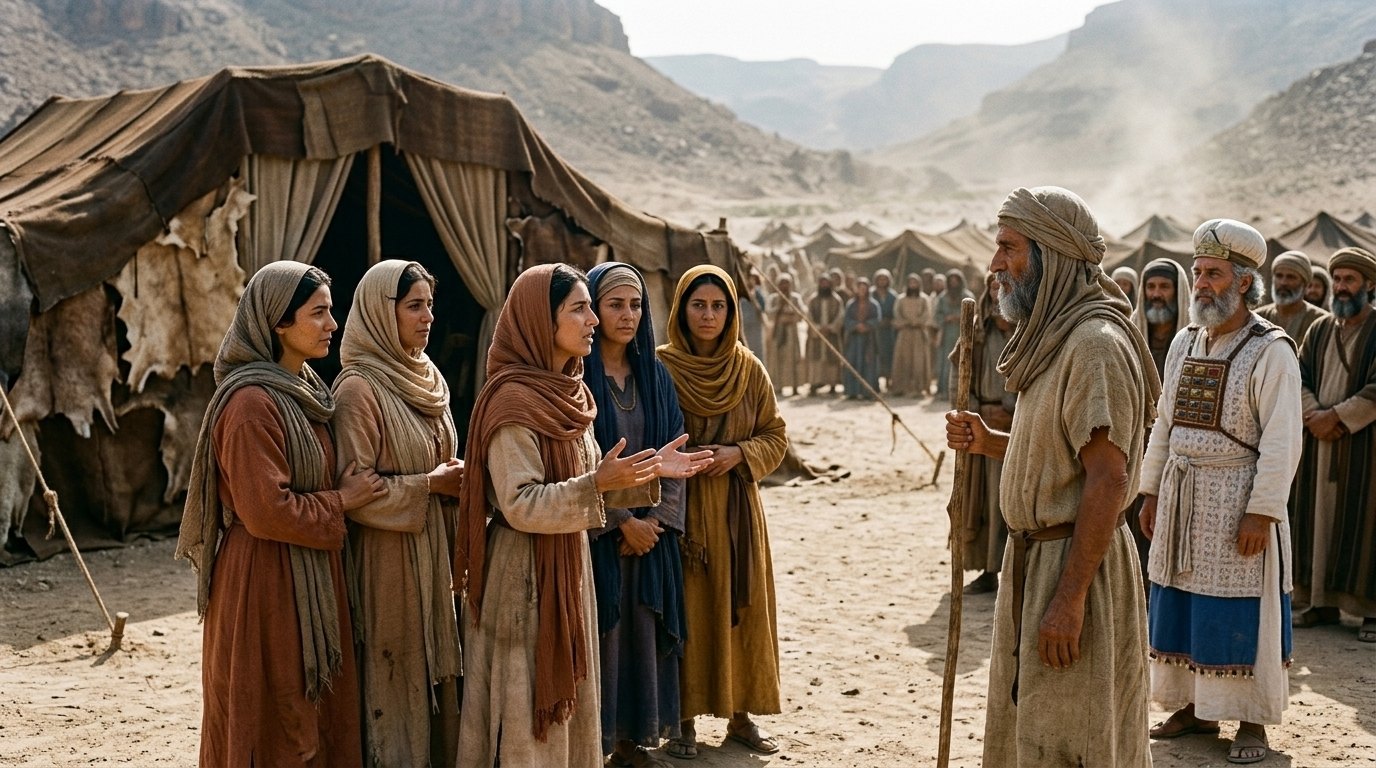
“Honor your father and your mother, so that you may live long in the land the LORD your God is giving you.
Exodus 20:12 (NIV)
The fifth commandment commands identical, binding honor for the mother as well as the father.
While surrounding ancient nations treated women as disposable property without legal recourse, God’s holy law established extraordinary statutes to guard their dignity, safety, and rights. At the center of the moral law, Exodus 20:12 commands every child to honor father and mother with equal reverence, a requirement reinforced in Leviticus 19:3 and accompanied by a solemn covenant curse in Deuteronomy 27:16 upon anyone who treats either parent with contempt. Mothers were never relegated to a secondary plane; they commanded binding honor across Israelite society.
God’s civil ordinances systematically dismantled abusive practices that were pervasive throughout the pagan ancient Near East. In Exodus 21:10–11, the law explicitly dictates that if a man takes another wife, he must never diminish the food, clothing, or marital rights of the first, securing her economic and relational security under penalty of emancipation. In Numbers 27:6–8, when the daughters of Zelophehad step forward to petition for their family's portion, the Lord commands Moses to grant them a real, permanent inheritance among their father’s brothers, codifying their legal rights into Israel’s national statutes.
Furthermore, the law demonstrated meticulous concern for a woman's physical protection and marital joy. Deuteronomy 22:25–27 provides a vital legal safeguard, decreeing that a woman attacked in the countryside must be presumed entirely innocent and defended, while her attacker faces capital punishment. Under Deuteronomy 24:5, a newlywed man was excused from all military service and public duty for a full year solely to bring happiness to his wife, elevating domestic devotion over national utility. Even in the harsh context of ancient warfare, Deuteronomy 21:10–14 strictly forbade treating captive women as plunder, demanding genuine marriage rights and prohibiting their sale as slaves. Far from being sexist, the law of the Lord was an unmatched fortress defending women from cruelty and neglect.
| Passage | What it says |
|---|---|
| Exodus 20:12 | The Decalogue commands children to honor father and mother equally that days may be long. |
| Exodus 21:10-11 | The law forbids depriving a second wife of food, clothing, or marital rights, demanding justice. |
| Leviticus 19:3 | Every person must revere both his mother and his father, holding them in equal reverence. |
| Numbers 27:6-8 | God commands that the daughters of Zelophehad inherit real land possession among their father's brothers. |
| Deuteronomy 22:25-27 | The law defends an attacked woman, declaring her guiltless and ordering the perpetrator put to death. |
| Deuteronomy 24:5 | Exempts a newly married husband from military service and public duty for one year to bring happiness to his wife. |
| Deuteronomy 21:10-14 | Restricts capturing soldiers, requiring honor, time for mourning, marriage rights, and strictly forbidding treating a captive woman as slave or property. |
| Deuteronomy 27:16 | Pronounces a formal covenant curse on anyone who dishonors or dishonorably treats either their father or their mother. |
Faithful Women of Renown
Women lead, prophesy, and deliver God's covenant people.
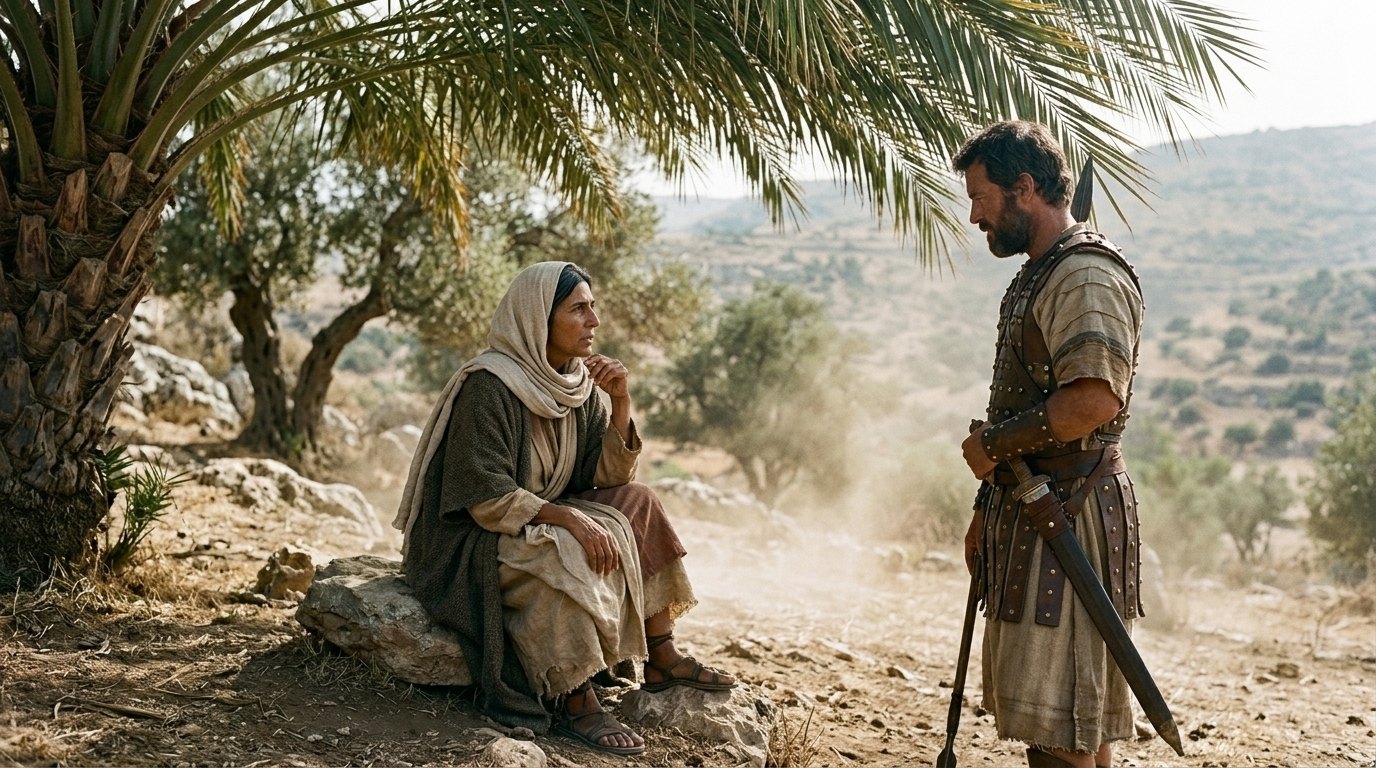
Now Deborah, a prophet, the wife of Lappidoth, was leading Israel at that time. She held court under the Palm of Deborah between Ramah and Bethel in the hill country of Ephraim, and the Israelites went up to her to have their disputes decided.
Judges 4:4-5 (NIV)
Deborah judges Israel and proclaims God's word with decisive authority when men faltered.
Judges 4:4-5 introduces Deborah, a prophetess and wife of Lappidoth, who sat beneath her palm tree judging Israel and declaring God's righteous decrees when Israelite men faltered. Deborah's public, decisive civil and prophetic leadership dismantles the modern myth that God views women as spiritually or mentally inferior. When military general Barak hesitated, Deborah announced the divine decree in Judges 4:9 that the glory of crushing their oppressor Sisera would belong to a woman—a word brought to fulfillment when Jael drove a tent peg into the oppressor's temple in Judges 4:21.
Throughout the Old Testament, God repeatedly elevated faithful women to guide, preserve, and inspire His people. Miriam took a tambourine in Exodus 15:20-21 and led the daughters of Israel in holy praise following the sea crossing. In 1 Samuel 2:1-10, Hannah's magnificent prophetic prayer articulated God's overturning of the proud and His exaltation of the humble, setting the thematic pattern for the monarchy. Later, King Josiah sent royal officials directly to Huldah the prophetess in 2 Kings 22:14-20, trusting her authoritative declaration of God's word to turn an entire kingdom to repentance.
Similarly, Esther risked her life in Esther 4:14-16 to deliver her nation from genocide, while Ruth 1:16-17 displays Ruth's unswerving covenant loyalty, weaving her into the messianic line of David and Christ. Proverbs 1:8 instructs sons never to forsake the authoritative teaching of their mothers, and Proverbs 31:10-31 crowns the canon's wisdom literature with a portrait of an industrious, wise, and courageous woman honored in her home and city gates.
| Passage | What it says |
|---|---|
| Exodus 15:20-21 | Miriam the prophetess leads the women in worship after God delivers Israel through the sea. |
| Judges 4:4-5 | Deborah, a prophetess and wife of Lappidoth, judges Israel under her palm tree. |
| Judges 4:9 | Deborah prophesies that the Lord will sell Sisera into the hand of a woman. |
| Judges 4:21 | Jael drives a tent peg into Sisera's temple, delivering Israel from the oppressor. |
| 1 Samuel 2:1-10 | Hannah prays an inspired, prophetic song celebrating God's exaltation of the poor and humble. |
| 2 Kings 22:14-20 | Huldah the prophetess proclaims God's judgment and mercy to King Josiah's royal emissaries. |
| Esther 4:14-16 | Esther risks her life to intercede before the king for the salvation of her people. |
| Proverbs 31:10-31 | The virtuous woman is honored for strength, wisdom, industry, generosity, and the fear of the Lord. |
| Ruth 1:16-17 | Ruth pledges lifelong covenant faithfulness to Naomi and Yahweh, becoming an honored direct forebear of David and Christ. |
| Proverbs 1:8 | Commands children to value and obey the authoritative instruction of their mother alongside that of their father. |
Christ's Countercultural Honor
Jesus defends, disciples, and honors women.
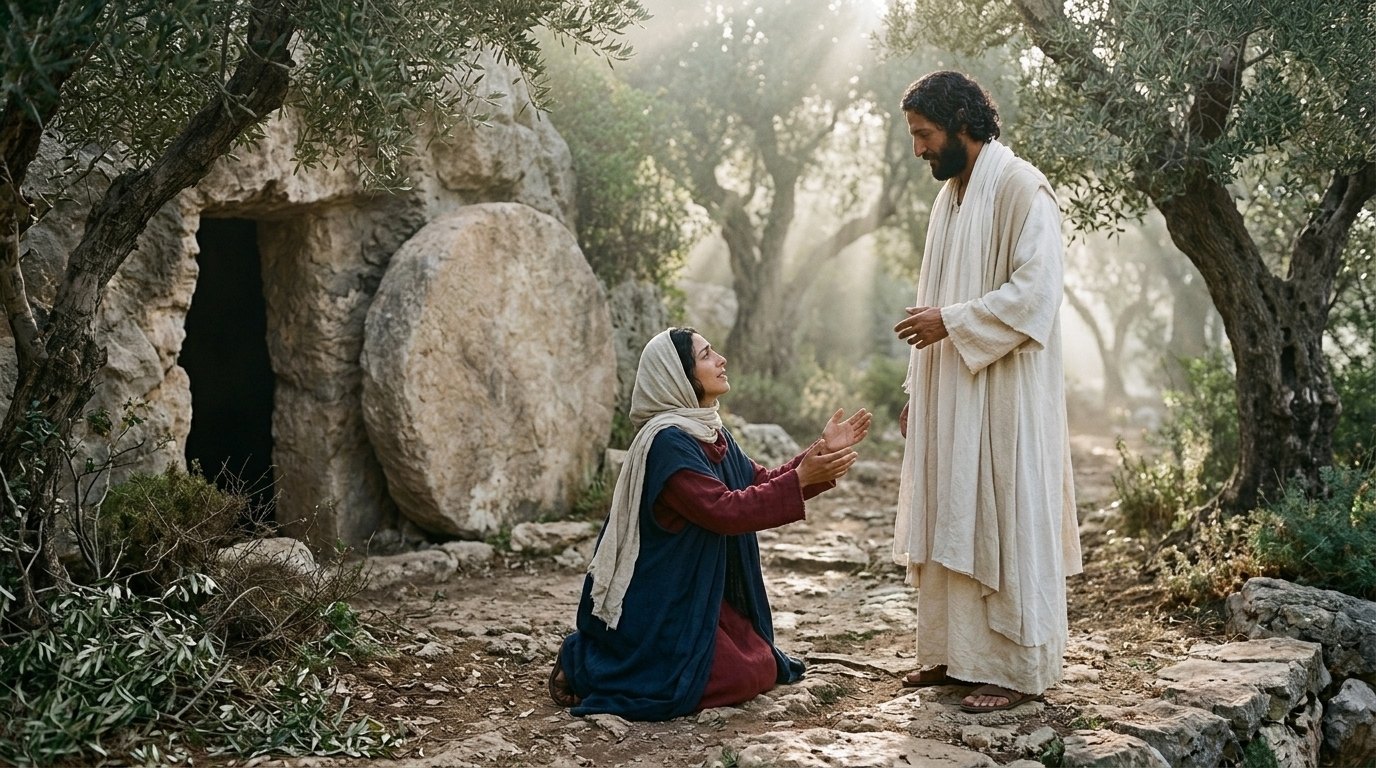
Jesus said, “Do not hold on to me, for I have not yet ascended to the Father. Go instead to my brothers and tell them, ‘I am ascending to my Father and your Father, to my God and your God.’ ” Mary Magdalene went to the disciples with the news: “I have seen the Lord!” And she told them that he had said these things to her.
John 20:17-18 (NIV)
The risen Lord entrusts Mary Magdalene as the first human witness and proclaimer of His resurrection.
In John 20:17-18, the risen Lord Jesus commissions Mary Magdalene to serve as the very first proclaimer of His resurrection to the apostles. In a first-century Mediterranean world where a woman's testimony was routinely discounted in civil courts, Christ chose faithful women to bear primary witness to the gospel's foundation. Matthew 28:8-10 confirms this divine honor, as Jesus met the returning women at dawn and entrusted them with His message before appearing to the Eleven.
Every encounter in Christ's ministry overturned prevailing cultural contempt. In Luke 7:44-50, Jesus defended a weeping, repentant woman against the cynical disgust of Simon the Pharisee, praising her deep love and public devotion. Luke 8:1-3 reveals that prominent women traveled alongside the disciples, providing financial support and hospitality for the Lord's mission out of their private resources. At Bethany, Luke 10:38-42 records Jesus defending Mary against Martha's domestic complaints, explicitly validating a woman's right to sit at the Rabbi's feet as a theological disciple.
Jesus crossed ethnic and cultural barriers in John 4:25-27 to disclose His messianic identity to the Samaritan woman at the well, stunning His disciples. In John 11:25-27, He revealed to Martha that He is the resurrection and the life, receiving her profound confession of faith. In Luke 13:10-16, He openly rebuked synagogue rulers on the Sabbath to heal a bent-over daughter of Abraham, restoring her sacred standing. Finally, while dying in excruciating agony upon the cross in John 19:26-27, Jesus secured tender filial protection and care for His mother Mary.
| Passage | What it says |
|---|---|
| Luke 7:44-50 | Jesus defends a repentant woman against Simon's contempt, praising her faith and forgiving her sins. |
| Luke 8:1-3 | Mary Magdalene, Joanna, Susanna, and many other women travel with and support Jesus' ministry. |
| Luke 10:38-42 | Jesus affirms Mary of Bethany sitting at His feet learning, choosing the one needful thing. |
| John 4:25-27 | Jesus reveals His messianic identity to the Samaritan woman at the well, astonishing His disciples. |
| John 11:25-27 | Jesus discloses Himself as the resurrection and life to Martha, who confesses Him as Christ. |
| John 19:26-27 | From the cross, Jesus provides devoted filial protection and care for His mother Mary. |
| John 20:17-18 | Jesus commissions Mary Magdalene to announce His resurrection and ascension to the apostles. |
| Luke 13:10-16 | Jesus heals a disabled woman on the Sabbath, directly honoring her publicly as a daughter of Abraham. |
| Matthew 28:8-10 | Jesus meets the women after His resurrection and commissions them to be the first witnesses to His apostles. |
Equal Heirs in Christ
Salvation unites men and women as co-heirs.
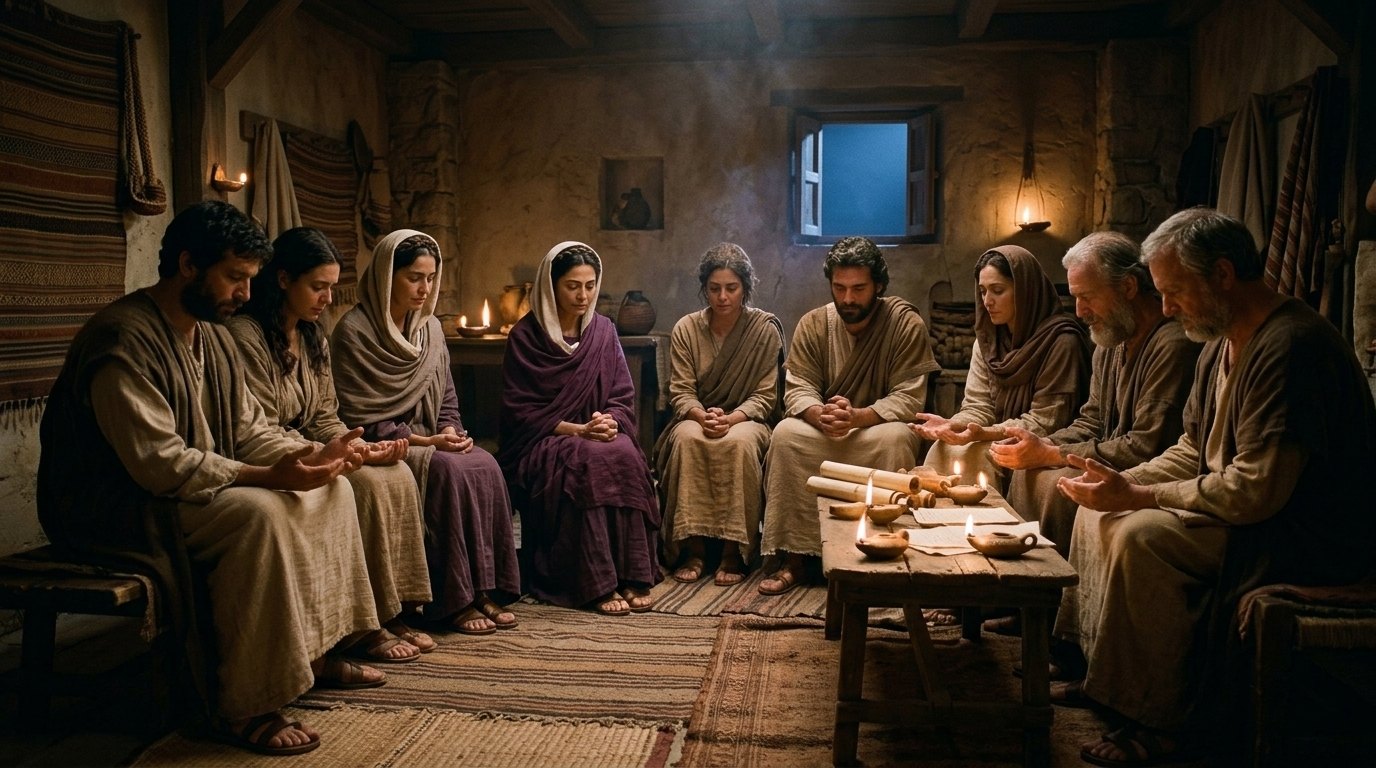
There is neither Jew nor Gentile, neither slave nor free, nor is there male and female, for you are all one in Christ Jesus.
Galatians 3:28 (NIV)
Paul proclaims that all ethnic, social, and gender divisions regarding spiritual standing are demolished in Christ.
Galatians 3:28 proclaims that in Jesus Christ there is neither Jew nor Greek, slave nor free, male nor female, for all are one in Christ Jesus. The New Testament unequivocally establishes that men and women possess equal spiritual dignity, shared status, and identical inheritance in God's eternal covenant. Paul does not abolish created biological reality, but he strikes at all sinful notions of superior spiritual worth or partiality before God.
The early church immediately reflected this shared standing. In Acts 1:14, the women gathered alongside the apostles and Mary the mother of Jesus in united, persevering prayer. On Pentecost, Peter stood in Acts 2:17-18 quoting Joel to declare that the Holy Spirit is poured out without distinction upon sons and daughters, men and maidservants. The mission spread through prominent women: Lydia's heart was opened by the Lord in Acts 16:14-15, establishing the first European church in her Philippian home.
In Acts 18:26, Priscilla alongside her husband Aquila pulled the eloquent Apollos aside to explain the way of God more accurately. Philip's household in Acts 21:8-9 featured four unmarried daughters endowed with the Holy Spirit's prophetic gift. In Romans 16:1-3, Paul entrusted his theological magnum opus to Phoebe, a deacon and servant of the church at Cenchreae, and praised Priscilla as his trusted fellow worker in Christ. Philippians 4:2-3 honors Euodia and Syntyche as valued laborers who contended beside Paul in the gospel, while Titus 2:3-5 directs mature Christian women to shepherd and mentor younger women in godly virtue.
| Passage | What it says |
|---|---|
| Acts 1:14 | Women join the apostles and Mary the mother of Jesus in steadfast united prayer. |
| Acts 2:17-18 | Peter proclaims Joel's prophecy that the Holy Spirit pours out on both sons and daughters. |
| Acts 16:14-15 | The Lord opens Lydia's heart to the gospel, and she provides hospitality for the missionaries. |
| Acts 18:26 | Priscilla alongside Aquila accurately explains the way of God to Apollos in Ephesus. |
| Acts 21:8-9 | Philip the evangelist has four unmarried daughters who possess and exercise the gift of prophecy. |
| Romans 16:1-3 | Paul commends Phoebe a servant of the church, and greets Priscilla his fellow worker. |
| Galatians 3:28 | There is neither Jew nor Greek, slave nor free, male nor female, for all are one in Christ Jesus. |
| Philippians 4:2-3 | Paul honors Euodia and Syntyche as valued fellow workers who labored beside him in the gospel. |
| Titus 2:3-5 | Commands older women to be reverent teachers of what is good, mentoring younger women in godliness. |
Sacrificial Marital Love
God commands husbands to honor and sacrifice.
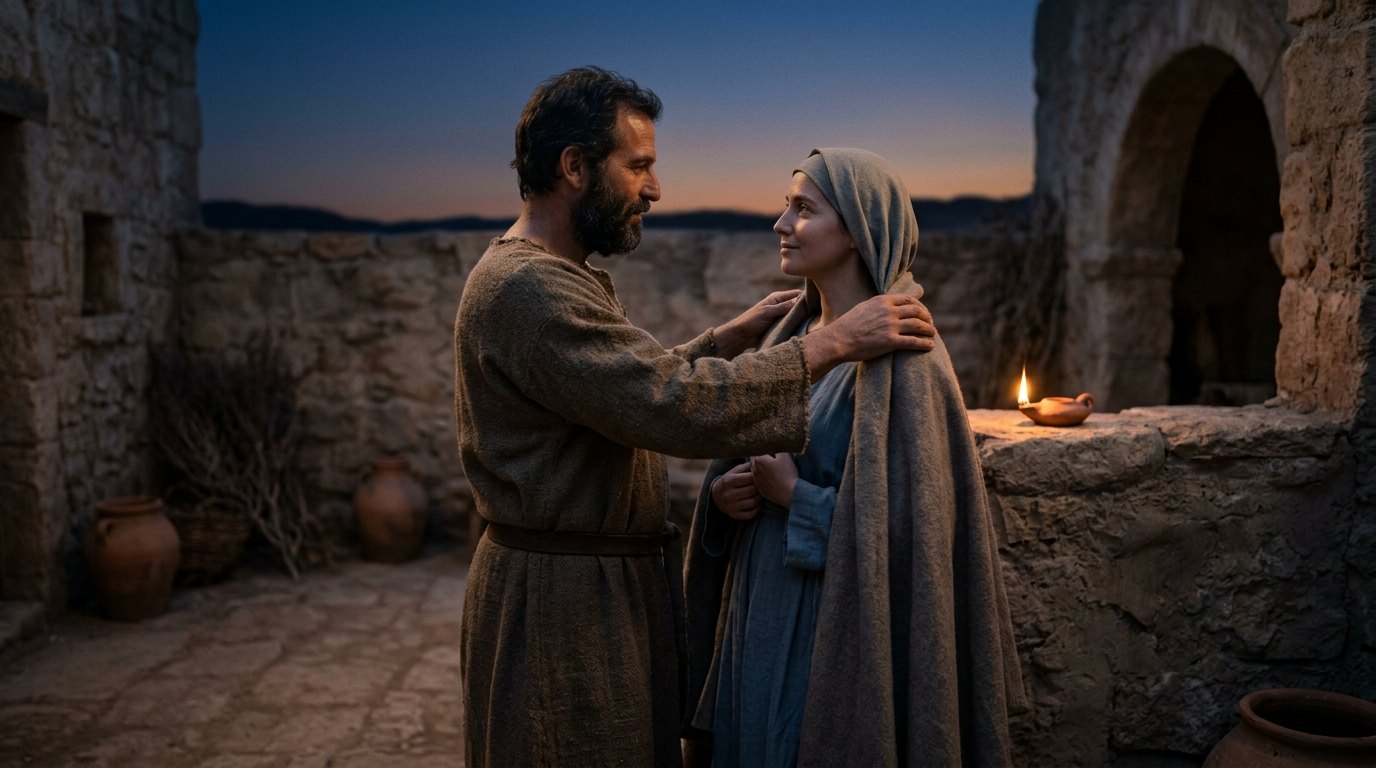
Husbands, love your wives, just as Christ loved the church and gave himself up for her
Ephesians 5:25 (NIV)
Husbands are strictly commanded to love wives self-sacrificially, measuring headship by the cross rather than dominance.
Ephesians 5:25 commands husbands to love their wives just as Christ loved the church and gave Himself up for her. Far from endorsing patriarchal cruelty or tyrannical dominance, Christian marriage models masculine headship after the self-emptying, sacrificial love of the cross. Paul redefines authority as humble servant-hearted protection, demanding that a man lay down his personal desires and life to nourish, cherish, and sanctify his bride.
Christian marriage is founded on mutual deference and honor. Ephesians 5:21 sets the overarching framework of submitting to one another out of reverent fear of Christ. In Ephesians 5:22-24, the wife is called to voluntary respect and submission to her husband as to the Lord, reflecting the church's devotion to her Savior. Yet the husband's mandate in Ephesians 5:28-29 is entirely cross-shaped: he must care for his wife as his own flesh, banishing all harshness, selfish neglect, or heavy-handed abuse. Colossians 3:19 explicitly reinforces this imperative, commanding husbands never to be bitter or harsh toward their wives.
Furthermore, 1 Corinthians 7:3-4 establishes radical equality in the marital bed, declaring that a husband does not have exclusive rights over his own body, but his wife shares authority with him, and likewise the wife over the husband. In 1 Corinthians 11:11-12, Scripture reminds us that man is not independent of woman nor woman of man, for all things originate from God. Finally, 1 Peter 3:7 issues a sober warning to husbands: treat your wives with understanding and give them honor as co-heirs of the grace of life, lest your prayers be completely hindered before God's throne.
| Passage | What it says |
|---|---|
| 1 Corinthians 7:3-4 | Paul commands reciprocal marital rights, stating a husband does not have sole authority over his own body. |
| 1 Corinthians 11:11-12 | Paul insists woman is not independent of man nor man of woman, for all things originate from God. |
| Ephesians 5:21 | Believers are instructed to submit to one another out of reverent fear of Christ. |
| Ephesians 5:22-24 | Wives are commanded to submit to their own husbands as to the Lord. |
| Ephesians 5:25-27 | Husbands are commanded to love their wives as Christ loved the church and gave Himself for her. |
| Ephesians 5:28-29 | A husband must love his wife as his own body, nourishing and cherishing her faithfully. |
| Colossians 3:19 | Husbands are directly commanded to love their wives and never treat them harshly or embittered. |
| 1 Peter 3:7 | Husbands must honor wives as fellow heirs of grace, lest their prayers be hindered by God. |
Where in the Bible
| Book | Passages |
|---|---|
| Genesis | 13 · Genesis 1:26, Genesis 1:27, Genesis 1:28, Genesis 5:1-2, Genesis 2:18, Genesis 2:21-22, Genesis 2:23, Genesis 2:24, Genesis 2:25, Genesis 3:6, Genesis 3:15, Genesis 3:16, Genesis 3:20 |
| Exodus | 3 · Exodus 20:12, Exodus 21:10-11, Exodus 15:20-21 |
| Leviticus | 1 · Leviticus 19:3 |
| Numbers | 1 · Numbers 27:6-8 |
| Deuteronomy | 4 · Deuteronomy 22:25-27, Deuteronomy 24:5, Deuteronomy 21:10-14, Deuteronomy 27:16 |
| Judges | 3 · Judges 4:4-5, Judges 4:9, Judges 4:21 |
| Ruth | 1 · Ruth 1:16-17 |
| 1 Samuel | 1 · 1 Samuel 2:1-10 |
| 2 Kings | 1 · 2 Kings 22:14-20 |
| Esther | 1 · Esther 4:14-16 |
| Proverbs | 2 · Proverbs 31:10-31, Proverbs 1:8 |
| Matthew | 2 · Matthew 19:4, Matthew 28:8-10 |
| Mark | 1 · Mark 10:6 |
| Luke | 4 · Luke 7:44-50, Luke 8:1-3, Luke 10:38-42, Luke 13:10-16 |
| John | 4 · John 4:25-27, John 11:25-27, John 19:26-27, John 20:17-18 |
| Acts | 5 · Acts 1:14, Acts 2:17-18, Acts 16:14-15, Acts 18:26, Acts 21:8-9 |
| Romans | 1 · Romans 16:1-3 |
| 1 Corinthians | 2 · 1 Corinthians 7:3-4, 1 Corinthians 11:11-12 |
| Galatians | 1 · Galatians 3:28 |
| Ephesians | 4 · Ephesians 5:21, Ephesians 5:22-24, Ephesians 5:25-27, Ephesians 5:28-29 |
| Philippians | 1 · Philippians 4:2-3 |
| Colossians | 1 · Colossians 3:19 |
| Titus | 1 · Titus 2:3-5 |
| 1 Peter | 1 · 1 Peter 3:7 |
The story in order
- God creates male and female in His image (c. 4000 BC) · Genesis 1:27 · Establishes equal dignity and value for both sexes.
- Woman formed as man's partner (c. 4000 BC) · Genesis 2:18 · Highlights the complementary design of male and female.
- The Fall brings relational friction (c. 4000 BC) · Genesis 3:16 · Describes the curse's impact on marriage and authority.
- Law protects women from abuse (c. 1400 BC) · Deuteronomy 22:25-27 · Demonstrates God's care for women's safety and justice.
- Miriam leads worship (c. 1440 BC) · Exodus 15:20-21 · Shows women functioning as prophets and leaders.
- Deborah judges Israel (c. 1200 BC) · Judges 4:4-5 · Illustrates women in positions of significant authority and wisdom.
- Hannah's prophetic prayer (c. 1000 BC) · 1 Samuel 2:1-10 · Highlights a woman's inspired prophetic voice.
- Esther risks life for her people (c. 470 BC) · Esther 4:14-16 · Shows courage and intercession by a woman for national salvation.
- Jesus honors the Samaritan woman (c. AD 30) · John 4:25-27 · Jesus reveals Himself to a woman, breaking social barriers.
- Jesus affirms Mary's learning (c. AD 30) · Luke 10:38-42 · Jesus validates a woman's desire for spiritual instruction.
- Women are first witnesses of resurrection (AD 30) · Matthew 28:8-10 · Jesus commissions women to announce His resurrection.
- Spirit poured out on sons and daughters (AD 30) · Acts 2:17-18 · Prophecy of women receiving and exercising spiritual gifts.
- Paul commends Phoebe and Priscilla (c. AD 57) · Romans 16:1-3 · Recognizes women as deacons and fellow workers in the gospel.
- All are one in Christ (c. AD 50-55) · Galatians 3:28 · Declares equality and unity of male and female in Christ.
Key words
- Image of God (tsalmēn, צַלְמֵן)
- The inherent dignity, value, and representation of God in humanity. · Genesis 1:26
- Suitable Helper (ezer kenegdo, עֵזֶר כְּנֶגְדּוֹ)
- A partner designed to complement and assist man, reflecting God's provision. · Genesis 2:18
- One Flesh (basar echad, בָּשָׂר אֶחָד)
- The profound union and intimacy established in marriage between husband and wife. · Genesis 2:24
- Daughter of Abraham (thygater Abraam, θυγάτηρ Ἀβραάμ)
- One restored to full fellowship and dignity through Christ's healing work. · Luke 13:10-16
- One in Christ (heis en Christō Iesou, εἷς ἐν Χριστῷ Ἰησοῦ)
- The spiritual unity and equality of all believers, transcending social distinctions. · Galatians 3:28
- Fellow Heirs (klēronomēs tou charitos, κληρονόμοι τῆς χάριτος)
- Sharing equally in the inheritance of God's grace and future promises. · 1 Peter 3:7
Far from demeaning women, God's Word elevates them to the highest place of honor as essential image-bearers of God and co-heirs of His eternal kingdom. When understood through the whole counsel of Scripture, biblical commands repudiate worldly exploitation and tyranny, calling every man and woman into sacred, loving obedience to Christ. Walking in this divine design brings true flourishing, mutual joy, and lasting honor under the grace of God.
59 passages, each cited once.
Scripture cited
- Genesis 1:27
- Matthew 19:4
- Genesis 1:26-28
- Genesis 2:18-25
- Genesis 3:16
- Galatians 3:26-29
- Ephesians 5:21-33
- 1 Peter 3:7
- Luke 8:1-3
- 1 Timothy 2:8-15
- John 20:11-18
- Acts 2:14-18