What does Isaiah 43:2 mean?
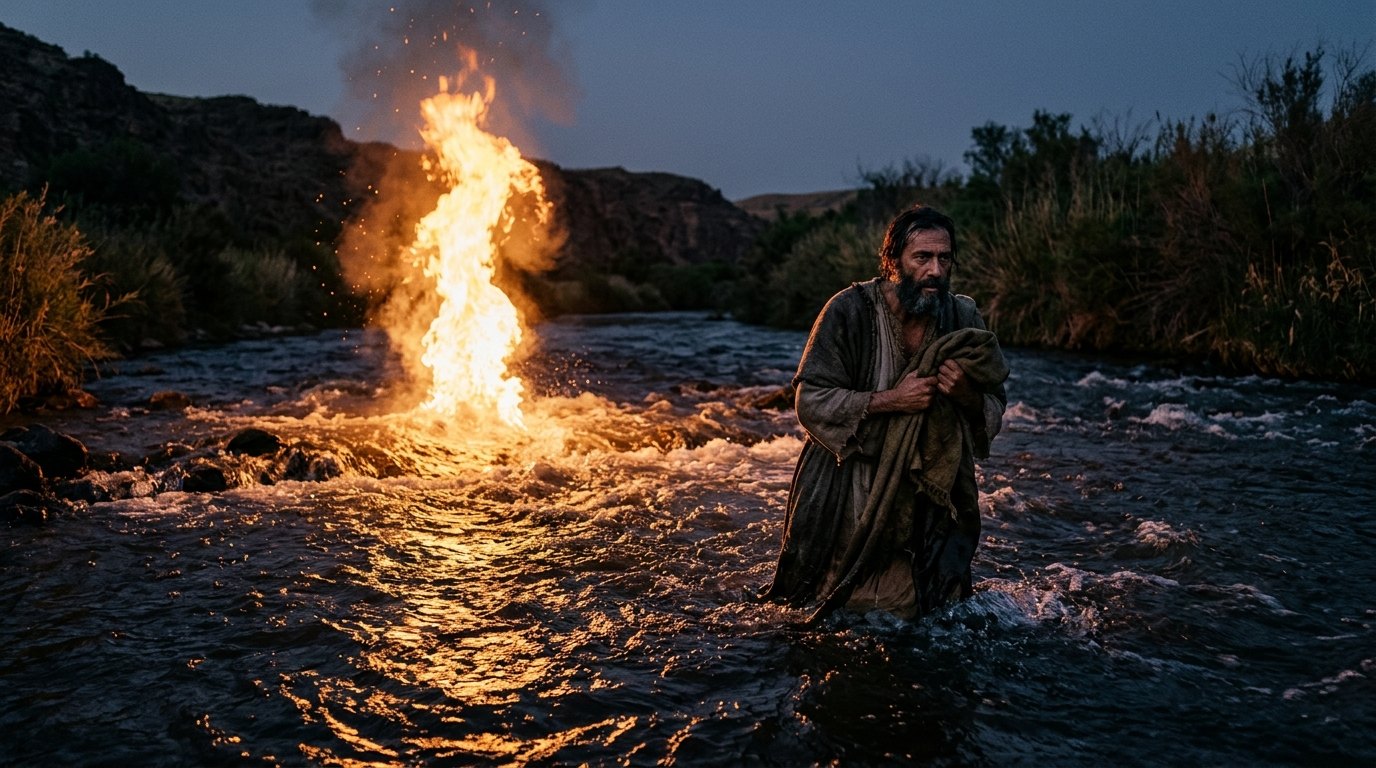
Isaiah 43:1-3
1 But now, this is what the LORD says— he who created you, Jacob, he who formed you, Israel: “Do not fear, for I have redeemed you; I have summoned you by name; you are mine.
2 When you pass through the waters, I will be with you; and when you pass through the rivers, they will not sweep over you. When you walk through the fire, you will not be burned; the flames will not set you ablaze.
3 For I am the LORD your God, the Holy One of Israel, your Savior; I give Egypt for your ransom, Cush and Seba in your stead.
New International Version (NIV)
The answer
Isaiah 43:2 promises God’s presence and preserving care in overwhelming trials—not a life without trials. Its central assurance is “I will be with you”: dangers may be deep and painful, but they will not have the final word over the people God has redeemed.
The promise in its setting
God first addresses these words to Jacob and Israel, the people He created, redeemed, and personally called. Isaiah 43:1 grounds their security in His ownership: “You are mine.” He is also “the Holy One of Israel, your Savior” in Isaiah 43:3, and Isaiah 43:5-7 promises to gather His scattered people. Their confidence therefore rests on God’s character and redeeming commitment, not on their own strength.
What the waters and fire represent
Waters and rivers picture dangers that threaten to engulf; fire and flame picture dangers that threaten to consume. The repeated emphasis is on passing through them, not necessarily escaping them altogether. Psalm 66:12 uses the same paired imagery: “we went through fire and through water: but thou broughtest us out into a wealthy place.” Likewise, Psalm 23:4 places courage in God’s companionship in the valley, rather than in the absence of the valley.
What this means for believers now
The verse is not a blanket guarantee that every crisis will be short or that every instance of physical danger will end identically. Daniel 3:25-27 shows God miraculously preserving men unharmed in a literal fire, while 2 Corinthians 12:9-10 shows His grace sustaining Paul through continuing weakness. Sometimes God removes or overrules the danger; sometimes He supplies sufficient grace within it. In both cases, His presence is real.
This promise therefore allows suffering to be named honestly without interpreting it as abandonment. It encourages believers to ask for courage, endurance, and faithfulness, resting in Isaiah 41:10: “I will strengthen thee; yea, I will help thee; yea, I will uphold thee with the right hand of my righteousness.”
Answered from Scripture · reviewed November 11, 2026
Isaiah 43:2 is not a pledge that believers will escape deep waters and raging fires, but an absolute promise that God walks with them through both. Rooted in covenant ownership and redemption, the text guarantees preservation and divine presence rather than exemption from suffering. Understanding this passage anchors the Christian in times of severe trial, showing that God's presence transforms our darkest afflictions.
Covenant Ownership
The Promise Rests on God's Redeeming Love
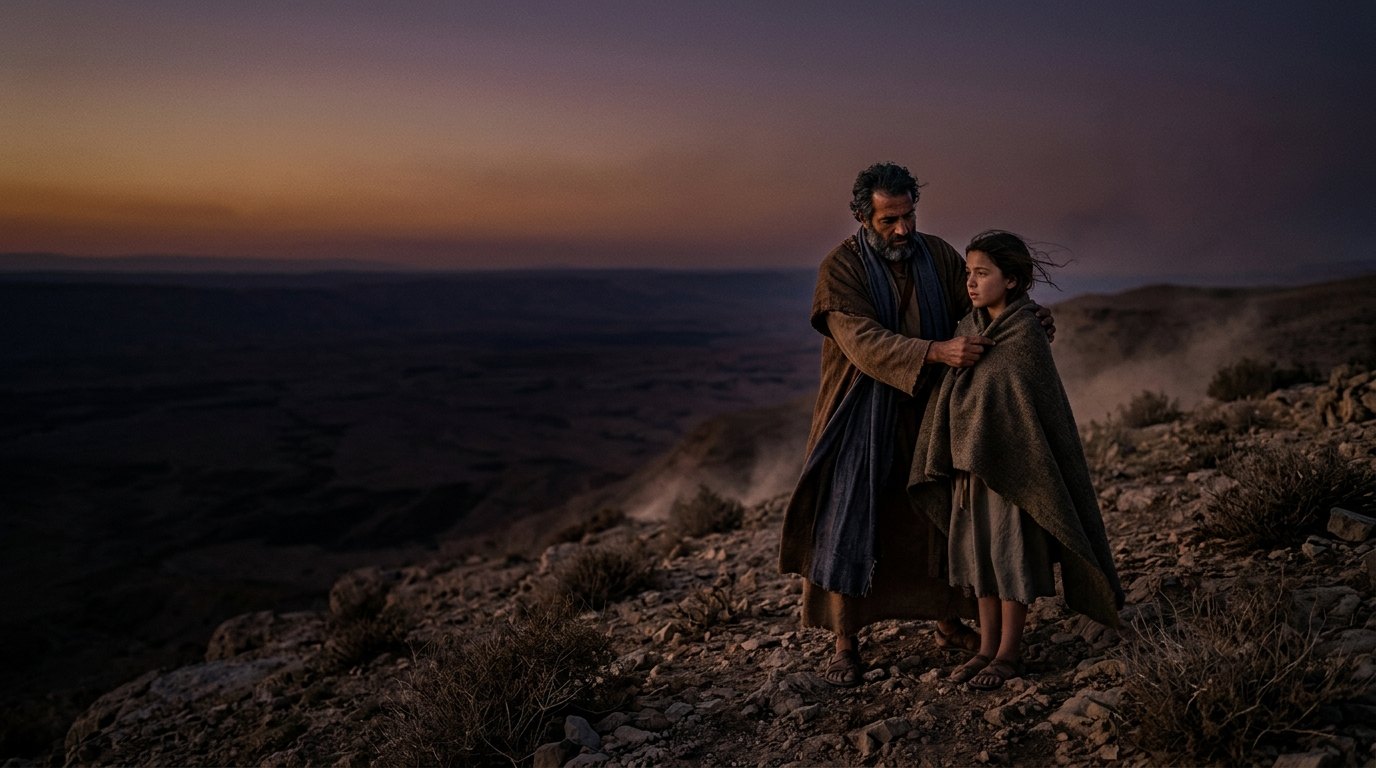
But now, this is what the LORD says— he who created you, Jacob, he who formed you, Israel: “Do not fear, for I have redeemed you; I have summoned you by name; you are mine.
Isaiah 43:1 (NIV)
God grounds his preservation of his people in the fact that he created, redeemed, and called them by name as his own possession.
Before the Lord describes the deep waters or the fierce flames, he establishes the foundation of his mercy in Isaiah 43:1, declaring: 'Fear not, for I have redeemed you; I have called you by name; you are mine.' The promises of divine protection do not float unattached; they rest entirely on the bedrock of God's covenant ownership. Because he fashioned Israel as his chosen instrument and paid the ultimate price to deliver them from bondage, his people do not face affliction as forgotten orphans, but as treasured sons and daughters. In Isaiah 43:3, the Lord underscores his sovereign authority and tender care, reminding Israel that he is Yahweh, their Savior, who yielded nations to secure their redemption. God does not measure his people by worldly stature or external strength; rather, Isaiah 43:4 reveals that they are precious and honored in his sight, deeply cherished by an everlasting love that refuses to let them perish. This unshakeable love removes all cause for panic amid exile and suffering. Moving forward, Isaiah 43:5-7 commands total freedom from fear, promising that God will gather his scattered offspring from the four corners of the earth—from east, west, north, and south—bringing every soul created for his glory safely home under his watchful eye.
| Passage | What it says |
|---|---|
| Isaiah 43:1 | God commands Israel not to fear because he has created, redeemed, called them by name, and declared them his own. |
| Isaiah 43:3 | Yahweh identifies himself as Israel's God, the Holy One and Savior, who gave nations as a ransom for them. |
| Isaiah 43:4 | The Lord declares his people precious and honored in his sight, reaffirming his unfailing covenant love. |
| Isaiah 43:5-7 | God commands fearlessness because he gathers his redeemed sons and daughters from every direction for his glory. |
Presence in Peril
Passing Through Waters and Fire Without Destruction
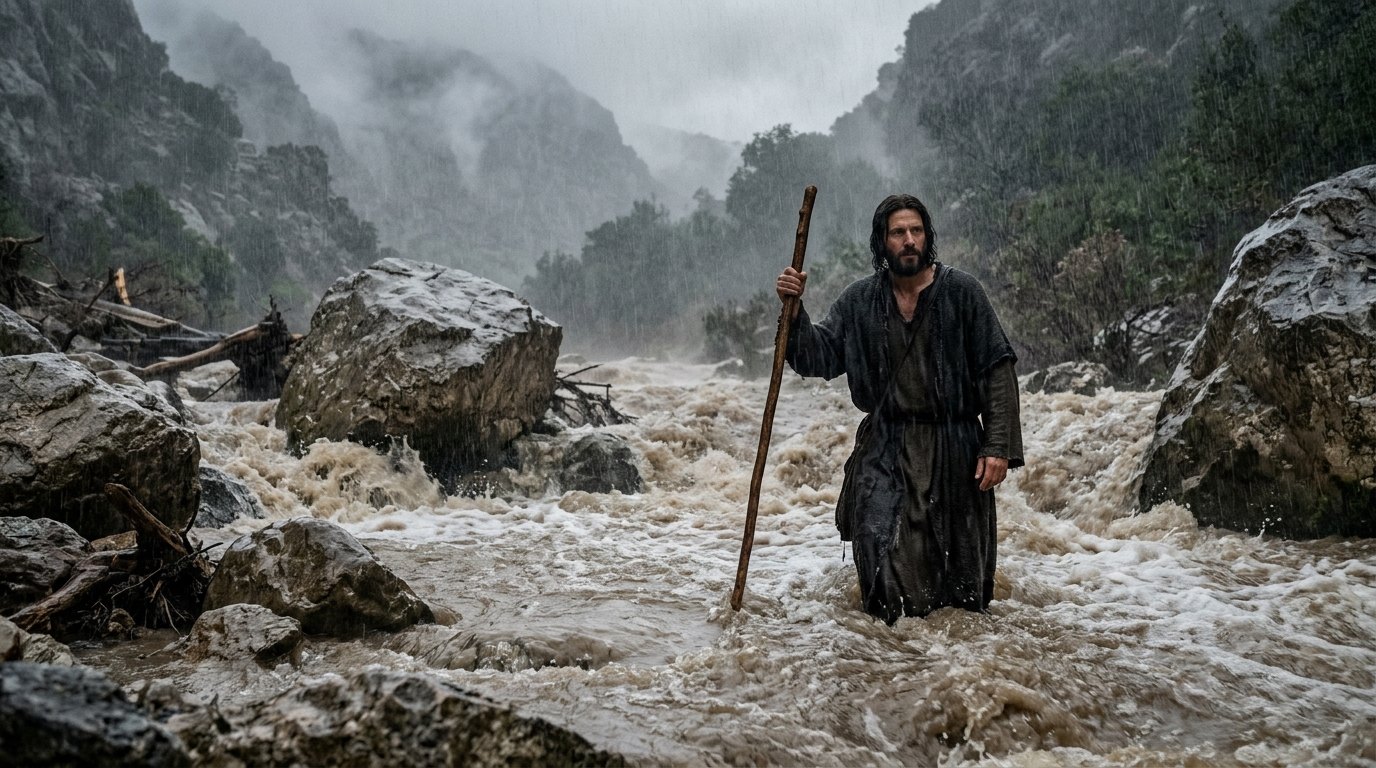
When you pass through the waters, I will be with you; and when you pass through the rivers, they will not sweep over you. When you walk through the fire, you will not be burned; the flames will not set you ablaze.
Isaiah 43:2 (NIV)
This verse reveals the core reality that God accompanies his people in unavoidable waters and protects them from being consumed by flames.
The famous pledge of Isaiah 43:2 does not promise an easy path around tragedy, but guarantees God's personal presence directly within the crisis: 'When you pass through the waters, I will be with you; and through the rivers, they shall not overwhelm you; when you walk through fire you shall not be burned, and the flame shall not consume you.' Scripture nowhere teaches that the faithful are spared hardship; instead, the text uses 'when,' not 'if.' As the psalmist testifies in Psalm 66:12, God allowed men to ride over their heads and led them through fire and water, yet ultimately brought them out to a place of rich abundance. David echoes this serene confidence in Psalm 23:4, walking through the dark valley of the shadow of death without dread precisely because the Lord's rod and staff accompany him. That divine companionship was commanded to Joshua in Joshua 1:9 and renewed to Israel in Deuteronomy 31:6, where Moses declared that God would neither fail nor abandon his flock. In Isaiah 41:10, Yahweh commands his servant not to be dismayed, pledging his righteous right hand to uphold him. This very presence takes flesh in the New Covenant: the risen Lord promises in Matthew 28:20 to be with his disciples always, even to the end of the age, while Hebrews 13:5-6 assures every believer that God will never leave or forsake them.
| Passage | What it says |
|---|---|
| Isaiah 43:2 | God promises his presence through deep waters and guarantees that rivers will not overflow nor flames scorch his people. |
| Psalms 66:12 | The psalmist recounts passing through fire and water before God brought his people out into a place of rich abundance. |
| Psalms 23:4 | David expresses fearlessness walking through the valley of the shadow of death because the Lord is personally present with him. |
| Joshua 1:9 | Joshua is commanded to be strong and courageous because the Lord his God is with him wherever he goes. |
| Isaiah 41:10 | God urges his servant not to fear, promising personal presence, strength, divine help, and upholding with his righteous right hand. |
| Deuteronomy 31:6 | Moses charges Israel to be strong and courageous because the Lord goes with them and will not leave them. |
| Matthew 28:20 | Christ promises his enduring personal presence with his disciples to the very end of the age. |
| Hebrews 13:5-6 | God promises never to leave or forsake his people, freeing them from fear of what man can do. |
Historic and New Covenant Fulfilment
Physical Preservations Pointing to Eternal Sustaining Grace
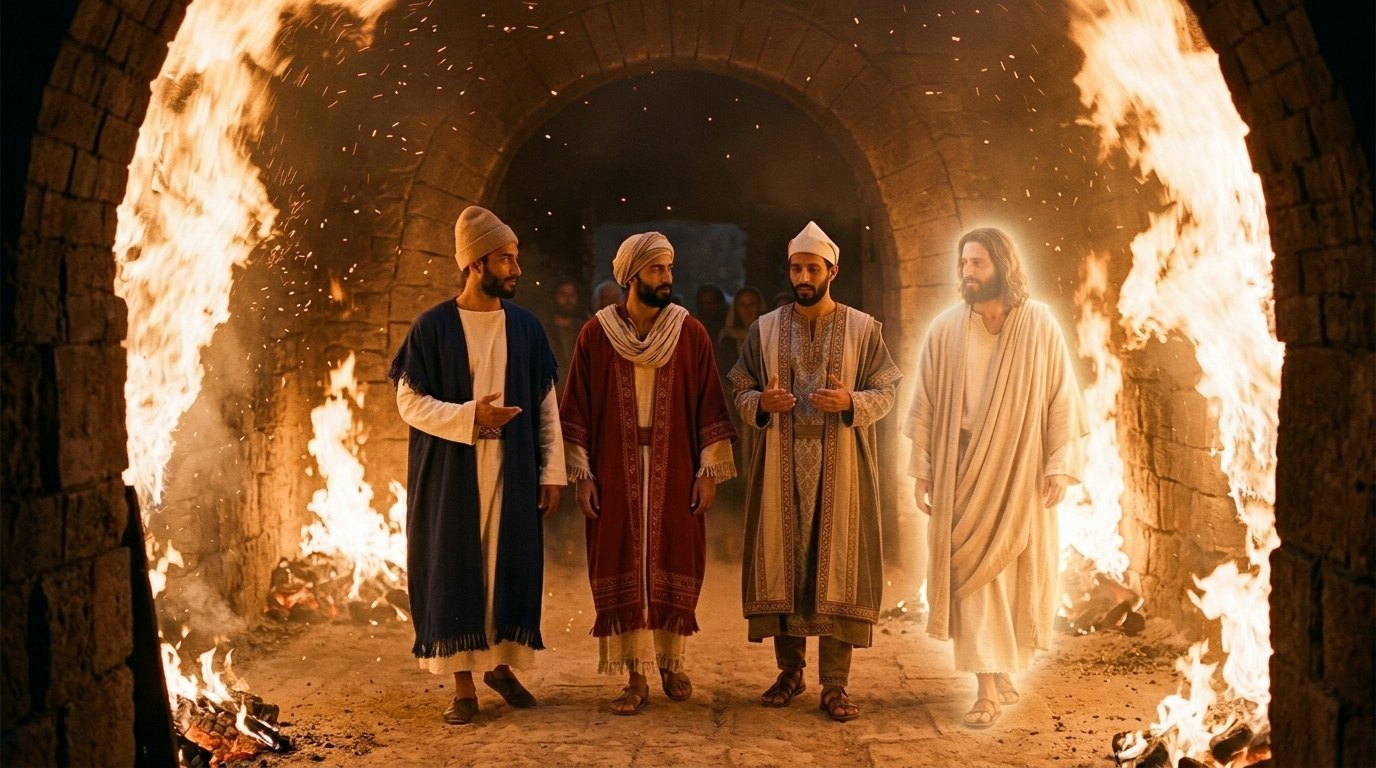
He said, “Look! I see four men walking around in the fire, unbound and unharmed, and the fourth looks like a son of the gods.”
Daniel 3:25 (NIV)
Nebuchadnezzar sees a fourth figure resembling the Son of God walking unbound alongside faithful men in the scorching furnace.
The reality of God walking with his people through deadly elements reached visible, historical heights in Babylon, recorded in Daniel 3:25, when King Nebuchadnezzar gasped in shock: 'I see four men unbound, walking in the midst of the fire, and they are not hurt; and the appearance of the fourth is like a son of the gods.' This miraculous deliverance was anticipated centuries earlier in Exodus 14:21-22, where Yahweh parted the Red Sea, turning surging walls of water into dry avenues of salvation—a type fulfilled in the spiritual baptism and deliverance of the New Covenant Church (1 Corinthians 10:1-2). In the Babylonian furnace, Shadrach, Meshach, and Abednego proved that faith extinguishes the violence of fire (Hebrews 11:34), so that when satraps and governors gathered in Daniel 3:27, not a hair on their heads was singed and no smell of smoke lingered on their robes—a vivid foretaste of our total victory in Christ over every tribulation (Romans 8:37-39). Just as the Jordan stood still in heaps before the priests carrying the ark in Joshua 3:15-17, and just as Psalm 46:1-2 extols God as an ever-present refuge when earth gives way (fulfilled in Christ's sustaining power in 2 Corinthians 12:9-10), the believer knows that neither distress, famine, peril, nor sword can sever us from God's love (Romans 8:35-39). Refined rather than destroyed, the Christian's tested faith emerges more precious than perishable gold (1 Peter 1:6-7).
| Passage | What it says | Fulfilled |
|---|---|---|
| Exodus 14:21-22 | Israel crosses the divided waters of the Red Sea on dry land under God's direct guidance and preservation. | 1 Corinthians 10:1-2 |
| Daniel 3:25 | Three Hebrew faithful walk unharmed in the blazing furnace accompanied by a fourth person like the Son of God. | Hebrews 11:34 |
| Daniel 3:27 | Rulers inspect the three men and observe that the fire had no power over their bodies, hair, or garments. | Romans 8:37-39 |
| Psalms 46:1-2 | God is declared an ever-present help in trouble, removing fear even if the earth gives way and mountains fall. | 2 Corinthians 12:9-10 |
| Joshua 3:15-17 | Israel crosses the overflowing Jordan on dry ground while priests bear the ark of the covenant. | |
| Romans 8:35-39 | No distress, peril, or sword can separate believers from the love of God in Christ Jesus. | |
| 1 Peter 1:6-7 | Trials of various kinds and refining fire test and prove genuine faith for Christ's glory. |
Where in the Bible
| Book | Passages |
|---|---|
| Exodus | 1 · Exodus 14:21-22 |
| Deuteronomy | 1 · Deuteronomy 31:6 |
| Joshua | 2 · Joshua 1:9, Joshua 3:15-17 |
| Psalms | 3 · Psalms 66:12, Psalms 23:4, Psalms 46:1-2 |
| Isaiah | 6 · Isaiah 43:1, Isaiah 43:3, Isaiah 43:4, Isaiah 43:5-7, Isaiah 43:2, Isaiah 41:10 |
| Daniel | 2 · Daniel 3:25, Daniel 3:27 |
| Matthew | 1 · Matthew 28:20 |
| Romans | 1 · Romans 8:35-39 |
| Hebrews | 1 · Hebrews 13:5-6 |
| 1 Peter | 1 · 1 Peter 1:6-7 |
The story in order
- Creation and Fall (c. 4000 BC) · Genesis 1:1 · God's sovereign power in creation.
- The Flood (c. 2350 BC) · Genesis 7:11-12 · God's judgment through water.
- Exodus from Egypt (c. 1446 BC) · Exodus 14:21-22 · God's people pass through water on dry land.
- Wilderness Wanderings (c. 1406 BC) · Deuteronomy 31:6 · God promises to be with his people.
- Conquest of Canaan (c. 1406 BC) · Joshua 3:15-17 · God's people cross the overflowing Jordan.
- David's Reign (c. 1000 BC) · Psalms 23:4 · Fearlessness in death's shadow due to God's presence.
- Babylonian Exile (c. 605 BC) · Daniel 3:25 · Faithful in the fire, God's presence preserves.
- Isaiah's Ministry (c. 700 BC) · Isaiah 43:2 · Promise of presence through water and fire.
- Return from Exile (c. 500 BC) · Psalms 46:1-2 · God is a present help in trouble.
- Jesus' Ministry (AD 30) · Matthew 28:20 · Christ promises his enduring presence.
- Early Church (AD 60) · Hebrews 13:5-6 · God will never leave or forsake his people.
- Apostolic Age (AD 65) · 1 Peter 1:6-7 · Trials test faith like fire.
- Eternal Security (AD 60) · Romans 8:35-39 · Nothing separates believers from God's love.
God's Presence Through Trials
| Trial | God's Action/Promise | Outcome | Passage |
|---|---|---|---|
| Deep waters and rivers | God promises his presence, they will not overflow | Preservation | Isaiah 43:2 |
| Fire | God promises his presence, flames will not scorch | Preservation | Isaiah 43:2 |
| Fire and water | God brings his people through | Abundance | Psalms 66:12 |
| Valley of the shadow of death | The Lord is personally present | Fearlessness | Psalms 23:4 |
| Blazing furnace | God's Son walks with them, they are unharmed | Preservation | Daniel 3:25 |
| Trials of various kinds | God's presence and testing | Genuine faith proven | 1 Peter 1:6-7 |
God's Covenant Promises
| Promise | Basis | Assurance | Passage |
|---|---|---|---|
| Not to fear | God has created, redeemed, called by name, declared his own | Divine ownership | Isaiah 43:1 |
| God's presence through trials | God is Israel's God, Holy One, Savior | Divine protection | Isaiah 43:3 |
| People are precious and honored | God's unfailing covenant love | Divine regard | Isaiah 43:4 |
| Gathered from all directions | God gave nations for ransom | Redemption | |
| Never leave or forsake | God's promise | Freedom from fear of man | Hebrews 13:5-6 |
Key words
- Fear
- Anxiety, distress, or terror caused by danger or threat. · Isaiah 43:1
- Redeemed
- To buy back or set free by paying a ransom. · Isaiah 43:1
- Waters
- Symbolic of overwhelming troubles, distress, or judgment. · Isaiah 43:2
- Fire
- Symbolic of trials, purification, or judgment. · Isaiah 43:2
- Presence
- The state of being with someone; God's personal companionship. · Psalms 23:4
- Covenant
- A solemn agreement or promise between parties, especially God and his people. · Isaiah 43:4
Believers are not spared the river or the flame, but they are guaranteed that the water will not drown them and the fire will not destroy them. The Holy One of Israel walks beside his redeemed people through every calamity, proving his power and love until he brings them safely home. Resting in Isaiah 43:2 means fixing our eyes on the Lord who commands the storm and walks beside us in the furnace.
19 passages, each cited once.
Scripture cited
- Isaiah 43:2
- Isaiah 41:10
- Psalms 66:12
- Psalms 23:4
- Daniel 3:25-27
- 2 Corinthians 12:9-10
- Isaiah 43:1-7