What does the Bible say about funerals?
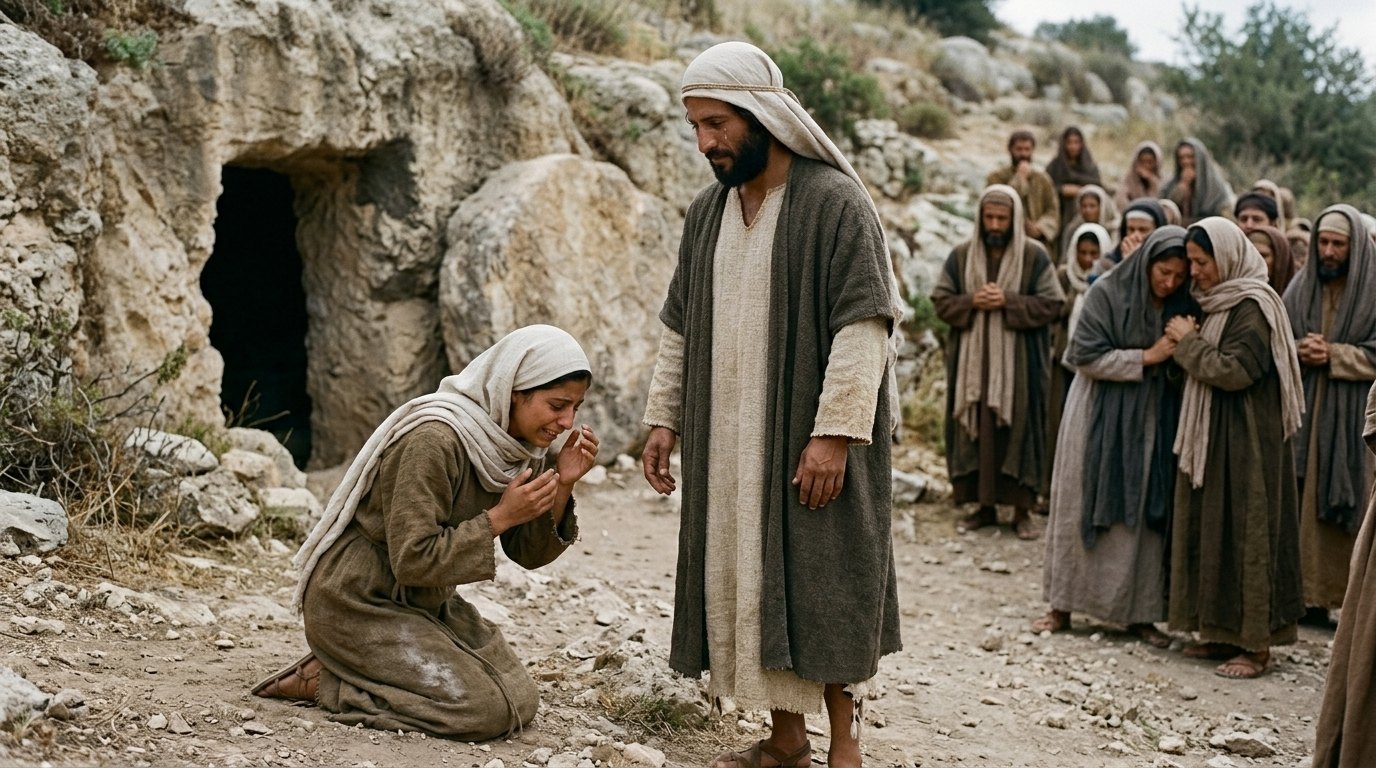
Ecclesiastes 7:2-4
2 It is better to go to a house of mourning than to go to a house of feasting, for death is the destiny of everyone; the living should take this to heart.
3 Frustration is better than laughter, because a sad face is good for the heart.
4 The heart of the wise is in the house of mourning, but the heart of fools is in the house of pleasure.
New International Version (NIV)
The answer
The Bible presents funerals as occasions for truthful mourning, respectful care for the dead, comfort for the bereaved, and serious reflection on death, judgment, and resurrection. It records God’s people mourning and burying their dead, but it does not prescribe one required funeral ceremony, order of service, or set of ritual words.
Mourning is right, not a failure of faith
Abraham mourned and wept for Sarah before arranging her burial (Genesis 23:2-4). After Stephen was killed, devout men buried him and lamented greatly over him (Acts 8:2). At Lazarus’s tomb, Jesus saw the grief of Mary and those with her, was deeply moved, and wept—even though he was about to raise Lazarus (John 11:33-35). Tears therefore do not contradict trust in God. Romans 12:15 expressly calls believers to weep with those who weep.
A funeral teaches the living to face reality
Ecclesiastes 7:2-4 says that going to the house of mourning is better than going to the house of feasting, because death comes to everyone and the living should take it to heart. Its statement that sorrow is better than laughter does not condemn every pleasure or require perpetual sadness. It exposes the folly of a heart absorbed in mirth while refusing to consider mortality. Wise sorrow can make the heart good by teaching what careless amusement conceals.
That is the prayer of Psalms 90:12: “So teach us to number our days, that we may apply our hearts unto wisdom.” A funeral reminds the living that life is brief and must not be wasted. It also confronts everyone with an eternal reality: death is followed by judgment (Hebrews 9:27). Jesus gives the only sure hope in the face of both, promising life to those who believe in him because he is the resurrection and the life (John 11:25-26).
Scripture shows care for the body without imposing detailed rules
Abraham obtained a burial place for Sarah (Genesis 23:4), and Jesus’ disciples carefully wrapped his body with linen and spices and laid it in a tomb (John 19:38-42). Such examples show loving, respectful treatment of the dead. They should not be turned into ceremonial requirements that Scripture itself does not give.
Christians grieve, but not without hope
First Thessalonians 4:13-18 does not forbid grief; it teaches believers not to grieve like those who have no hope. Because Jesus died and rose again, those who have died in Christ will be raised when he returns. Paul therefore instructs believers to comfort one another with these words.
The Christian hope is more than surviving in someone’s memory. At the last trumpet, the dead will be raised incorruptible, and death will be swallowed up in victory through Jesus Christ (1 Corinthians 15:52-57). A Christian funeral can therefore hold together real tears and real hope: sorrow over death and separation, alongside confidence in Christ’s resurrection and his promise to raise his people.
Answered from Scripture · reviewed November 11, 2026
Scripture does not mandate a rigid liturgy for funerals, but it establishes clear patterns of honest mourning, dignified burial, and comfort rooted in the resurrection. Rather than indulging in pagan customs or despair, biblical funerals call the living to number their days and fix their hope entirely on Jesus Christ.
Honest Mourning
Grief Is Real, Natural, and Shared
Jesus wept.
John 11:35 (NIV)
Jesus weeping at the tomb of Lazarus demonstrates that godly grief is entirely consistent with divine faith.
The shortest verse in the English Bible reveals the depth of the Savior's heart: Jesus wept (John 11:35). Standing outside the tomb of Lazarus, Christ did not rebuke Mary and the mourners for their tears, nor did His absolute sovereignty over death stifle His genuine sorrow. In John 11:33-35, Jesus is deeply moved in spirit and groans within Himself, demonstrating that holy grief honors God rather than displaying a lack of faith. Godly men and women throughout Scripture wept bitterly over the departure of loved ones. When Sarah died in Hebron, Abraham openly wept and mourned for his wife before securing her burial place (Genesis 23:2). When the patriarch Jacob breathed his last, Joseph fell upon his father's face, wept over him, and observed seventy days of Egyptian mourning (Genesis 50:1-3), culminating in a solemn, seven-day national lamentation at the threshing floor of Atad (Genesis 50:10-11). Israel likewise observed thirty days of structured, communal weeping upon the plains of Moab when Moses died (Deuteronomy 34:8).
Scripture portrays public funeral lamentation as an honorable, righteous duty toward the departed. David tore his garments and wept publicly at the graveside of Abner, refusing to eat bread until evening fell (2 Samuel 3:31-35), just as he and his men had previously wept, fasted, and composed a solemn dirge over Saul and Jonathan (2 Samuel 1:11-12). When Stephen was stoned outside Jerusalem, devout men did not hush their sorrow out of stoic bravado; they carried him to his rest and made great lamentation over him (Acts 8:2). Even as Christ walked toward Golgotha, a multitude of women lamented and wailed aloud (Luke 23:27). So essential is honorable funeral mourning in Scripture that being denied tears and burial was pronounced as a terrifying divine curse upon wicked King Jehoiakim, who was discarded like a dead donkey without anyone crying, 'Ah, my brother!' (Jeremiah 22:18-19). God made human hearts to feel the sting of physical separation, and biblical funerals provide a consecrated space where honest grief and steadfast faith meet without contradiction.
| Passage | What it says |
|---|---|
| Genesis 23:2 | Abraham openly weeps and mourns for Sarah upon her death in Hebron. |
| Genesis 50:1-3 | Joseph weeps over his father Jacob, and the Egyptians mourn him for seventy days. |
| Deuteronomy 34:8 | The sons of Israel weep and mourn for Moses in the plains of Moab for thirty days. |
| 2 Samuel 1:11-12 | David and his men tear their clothes, mourning and weeping over Saul and Jonathan. |
| Acts 8:2 | Devout men bury Stephen and make great lamentation over his death. |
| John 11:33-35 | Jesus is deeply moved in spirit and weeps alongside those mourning Lazarus. |
| Luke 23:27 | A great multitude of people and women mourn and lament Jesus on the road to Calvary. |
| 2 Samuel 3:31-35 | King David leads the funeral lamentation for Abner, tearing his clothes and weeping openly at the graveside. |
| Genesis 50:10-11 | Joseph observes a profound seven-day mourning for Jacob at the threshing floor of Atad, witnessed by the Canaanites. |
| Jeremiah 22:18-19 | Being denied mourning lamentations and a proper funeral is pronounced as a terrible divine judgment upon Jehoiakim. |
Wisdom and Mortality
The Living Must Consider Their End
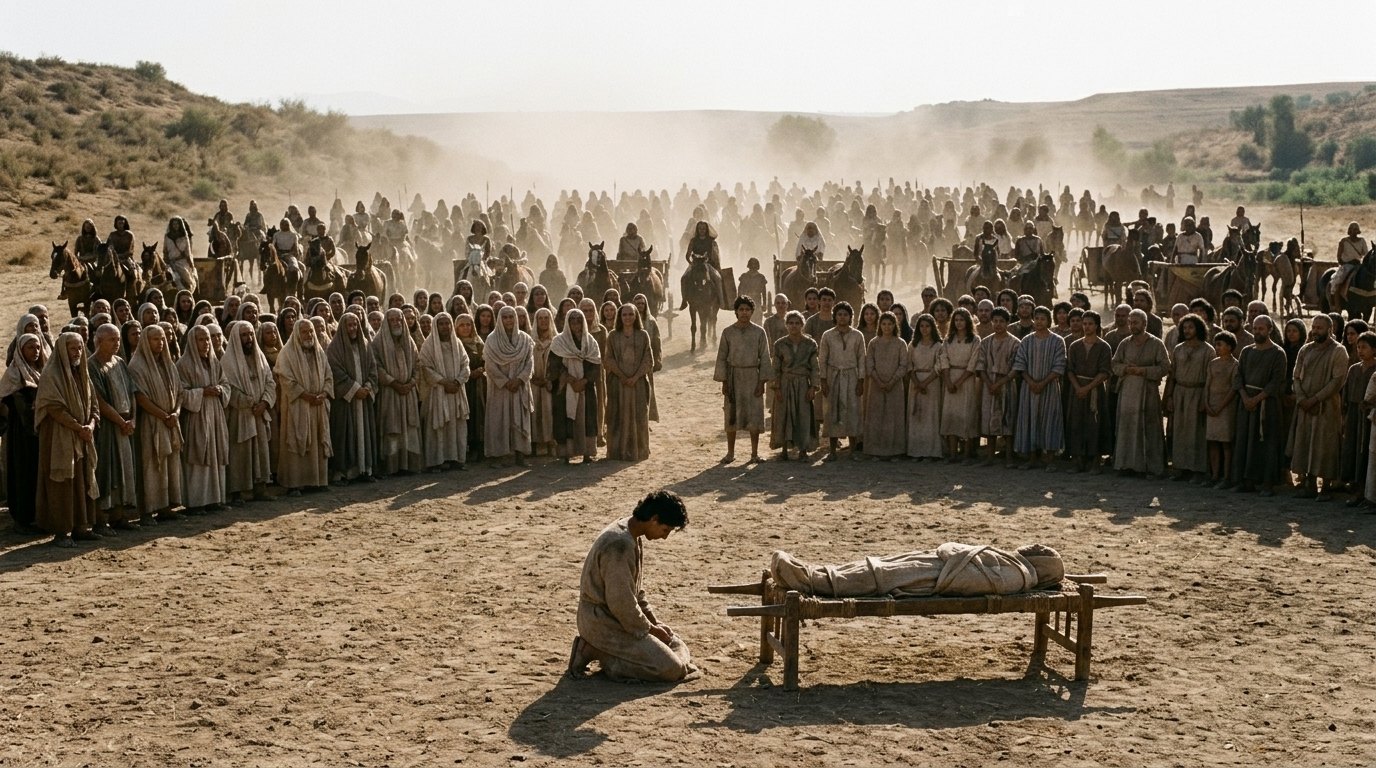
It is better to go to a house of mourning than to go to a house of feasting, for death is the destiny of everyone; the living should take this to heart.
Ecclesiastes 7:2 (NIV)
Solomon shows that entering the house of mourning produces enduring wisdom regarding human mortality.
Solomon cuts through worldly triviality with a piercing declaration: it is better to go to the house of mourning than to go to the house of feasting (Ecclesiastes 7:2). A funeral strips away earthly vanity, forcing every attendee to confront their own impending departure, 'for that is the end of all men; and the living will lay it to his heart' (Ecclesiastes 7:2-4). God has appointed a specific season for every matter under heaven, explicitly establishing 'a time to weep, and a time to laugh; a time to mourn, and a time to dance' (Ecclesiastes 3:1-4). A biblical funeral is therefore designed by God to sober the mind and reorient the wandering affections of the living toward eternity.
Because the grave awaits every descendant of Adam, Moses prayed in the wilderness, 'So teach us to number our days, that we may apply our hearts unto wisdom' (Psalms 90:12). God Himself grieved over a stubborn nation that refused this reflection, pleading, 'O that they were wise, that they understood this, that they would consider their latter end!' (Deuteronomy 32:29). Solomon vividly paints the close of mortal existence in Ecclesiastes 12:5-7, where the silver cord is loosed, mourners walk through the public streets, the dust returns to the earth as it was, and the human spirit returns to God who gave it. James echoes this brevity, reminding us that mortal life is merely a vapor that appears for a little while and then vanishes away (James 4:14). Scripture establishes with absolute finality that it is appointed unto men once to die, but after this the judgment (Hebrews 9:27). A funeral that merely flatters the deceased or entertains the spectators fails its God-given purpose. The house of mourning exists to awaken the living to their fleeting days, calling every soul to repentance and preparation to meet their holy Maker.
| Passage | What it says |
|---|---|
| Ecclesiastes 7:2-4 | Sorrow in the house of mourning instructs the heart of the wise far better than feasting. |
| Psalms 90:12 | Moses prays that God teach us to number our days to gain a heart of wisdom. |
| Deuteronomy 32:29 | God laments that Israel lacks the wisdom to consider their latter end. |
| Hebrews 9:27 | Scripture declares that it is appointed for man once to die, and after that the judgment. |
| Ecclesiastes 12:5-7 | Mourners go about the streets when man goes to his eternal home as the spirit returns to God. |
| Ecclesiastes 3:1-4 | God has appointed a specific season and time for every purpose, including a time to mourn and weep. |
| James 4:14 | Human life is described as a brief vapor that appears for a little time and then vanishes. |
Dignified Burial
Caring for the Body in Hope
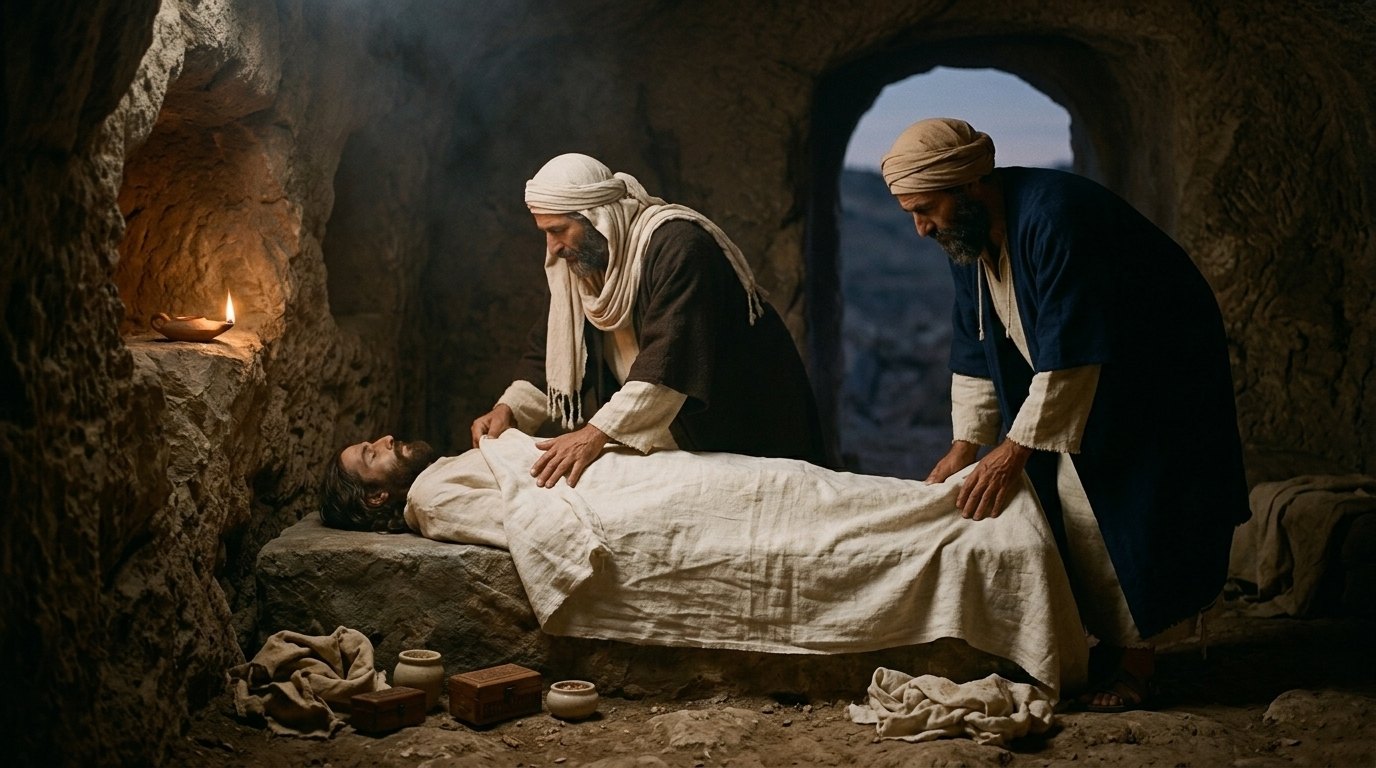
He was accompanied by Nicodemus, the man who earlier had visited Jesus at night. Nicodemus brought a mixture of myrrh and aloes, about seventy-five pounds. Taking Jesus’ body, the two of them wrapped it, with the spices, in strips of linen. This was in accordance with Jewish burial customs.
John 19:39-40 (NIV)
Nicodemus and Joseph wrap Jesus in linen cloths with spices, honoring the body according to sacred custom.
Christian burial rests upon the supreme pattern given at Calvary, where they took the body of Jesus, and wound it in linen clothes with the spices, as the manner of the Jews is to bury (John 19:40). Nicodemus brought a hundred-pound mixture of myrrh and aloes, joining Joseph of Arimathaea, who boldly requested the Lord's corpse, wrapped it in a clean linen shroud, and placed it inside his own unused rock-hewn tomb (Matthew 27:57-60; John 19:38-42). Faithful women came early at dawn with sweet spices to complete the anointing of His holy body (Mark 16:1). In biblical practice, the physical body of a saint is never treated as disposable refuse; it is an earthen vessel redeemed by God, tenderly laid in the earth as seed awaiting the harvest.
From the dawn of redemptive history, the covenant people placed great value upon dignified physical burial. Abraham insisted on paying full silver weight to buy the field and cave of Machpelah from the Hittites to guarantee a permanent, legally deeded family resting place for Sarah (Genesis 23:19-20), where Isaac and Ishmael later laid Abraham himself (Genesis 25:9-10). When King Asa passed, his people prepared a magnificent resting place filled with sweet perfumed spices and aromatic balms (2 Chronicles 16:14). When King Saul and Jonathan were slain and dishonored by the Philistines, the valiant men of Jabesh-gilead marched all night across the Jordan to rescue their corpses and give them a dignified burial beneath a tamarisk tree (1 Samuel 31:12-13). Joseph, dying in Egypt, gave commandment by faith concerning his bones, commanding that they accompany Israel to Canaan centuries later (Genesis 50:24-26). In the early church, young men wrapped and carried out the dead for immediate burial (Acts 5:6-10). The physical act of interment visibly preaches the gospel, for we are buried with Him by baptism into death, anticipating the bodily resurrection when the trumpet sounds (Romans 6:4).
| Passage | What it says |
|---|---|
| Genesis 25:9-10 | Isaac and Ishmael bury Abraham in the cave of Machpelah alongside his wife Sarah. |
| 1 Samuel 31:12-13 | Valiant men recover the bodies of Saul and his sons to provide an honorable burial. |
| Matthew 27:57-60 | Joseph of Arimathaea wraps the body of Jesus in clean linen and lays it in his new tomb. |
| John 19:38-42 | Joseph and Nicodemus prepare the Lord's body with myrrh and aloes for burial. |
| Romans 6:4 | Burial is presented as an image of being united with Christ in His death and new life. |
| Genesis 23:19-20 | Abraham purchases the cave of Machpelah to secure a deeded burying place for Sarah and his family. |
| Genesis 50:24-26 | Joseph gives command by faith regarding his bones, ensuring his eventual burial in the Promised Land. |
| 2 Chronicles 16:14 | King Asa is laid in his tomb filled with sweet spices and fragrant ointments prepared by perfumers. |
| Mark 16:1 | The women bring sweet spices to anoint the body of Jesus in keeping with funeral customs. |
| Acts 5:6-10 | Young men wrap the bodies of Ananias and Sapphira, carry them out, and bury them. |
Pagan Rites Forbidden
Rejecting Despair and Unholy Customs
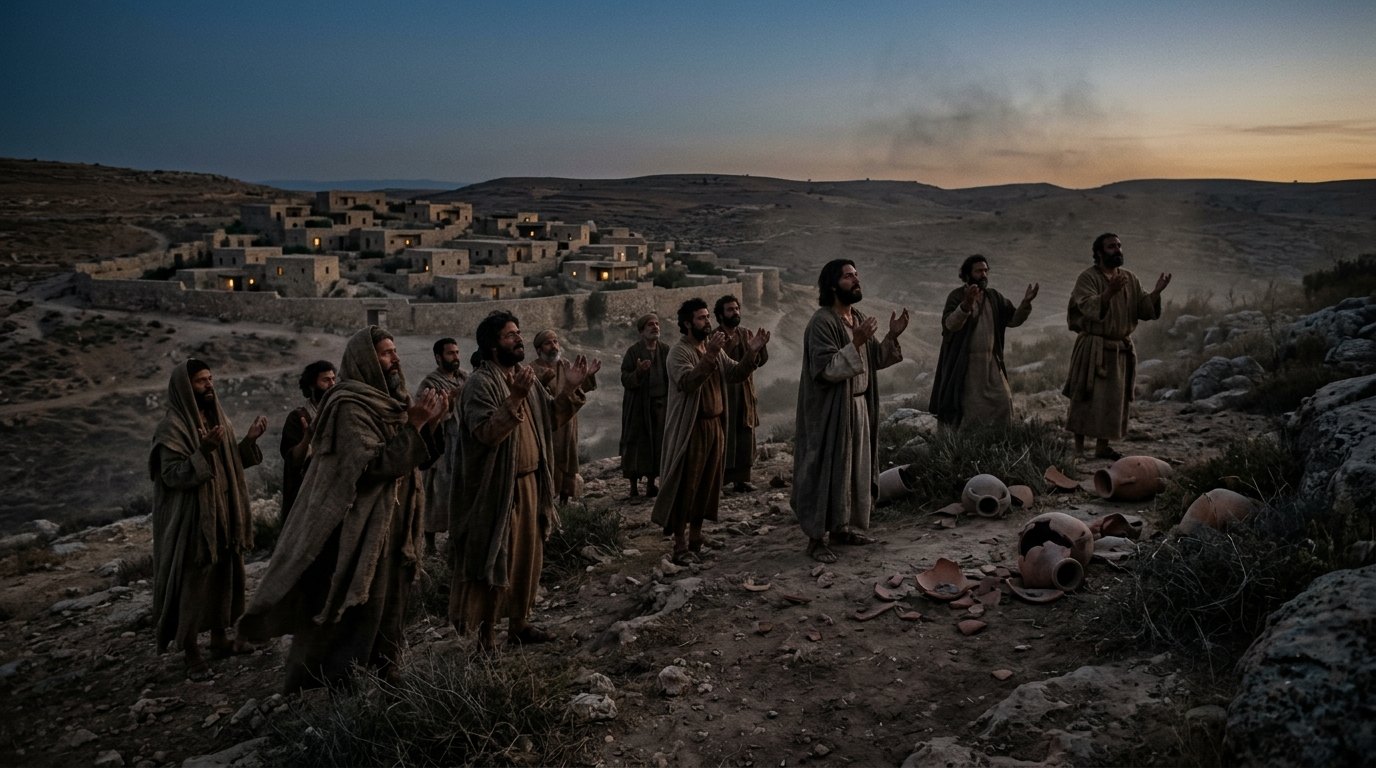
“ ‘Do not cut your bodies for the dead or put tattoo marks on yourselves. I am the LORD.
Leviticus 19:28 (NIV)
God explicitly commands His covenant people never to cut their flesh or tattoo marks for the dead.
The Lord placed strict boundaries around funeral practices to keep His covenant people separate from the darkness of surrounding paganism: Ye shall not make any cuttings in your flesh for the dead, nor print any marks upon you: I am the LORD (Leviticus 19:28). Canaanite mourning rites were marked by wild hysteria, self-mutilation, and bloodletting in desperate bids to appease deities or spirits. God dismantled this pagan mindset at its root, declaring to Israel, 'Ye are the children of the LORD your God: ye shall not cut yourselves, nor make any baldness between your eyes for the dead' (Deuteronomy 14:1-2). His people belong to Him body and soul; their grief must remain pure, dignified, and governed by holiness. When Jeremiah pronounced judgment upon apostate Judah, he cited the terrible withdrawal of God's peace by noting that men would die without proper mourning and without the pagan lacerations and head-shaving they had wickedly adopted (Jeremiah 16:6-7).
God equally detests any attempt to interact with, feed, or consult the deceased. In Deuteronomy 26:14, the faithful Israelite had to swear solemnly that he had never offered any portion of the sacred harvest to or for the dead. Seeking secret knowledge from the departed through séances, mediums, or necromancy is condemned as an utter abomination (Deuteronomy 18:10-12). When King Saul abandoned God to consult a medium at En-dor to conjure Samuel from the dead, he sealed his own destruction (1 Samuel 28:7-15). Isaiah confronted this pagan delusion with holy logic: should not a people seek unto their God? for the living to the dead? (Isaiah 8:19). God also established strict purification laws for Aaron's priesthood regarding contact with corpses (Leviticus 21:1-4), maintaining an absolute divide between the defilement of death and the spotless life of the sanctuary. True biblical funerals shun superstitious rituals, praying to or for the dead, and hopeless pagan despair, fixing the heart instead upon the living God.
| Passage | What it says |
|---|---|
| Leviticus 19:28 | The law forbids cutting the flesh for the dead or tattooing marks on the body. |
| Deuteronomy 14:1-2 | As holy children of the Lord, Israel is forbidden from cutting themselves or shaving their foreheads for the dead. |
| Jeremiah 16:6-7 | God denounces pagan mourning practices such as laceration, head-shaving, and drinking the cup of consolation for wicked dead. |
| 1 Samuel 28:7-15 | Seeking counsel from or attempting contact with the dead through necromancy is condemned as an abomination. |
| Leviticus 21:1-4 | Priests are given specific boundaries concerning ceremonial defilement for dead relatives during funeral preparations. |
| Deuteronomy 18:10-12 | Consulting mediums, necromancers, or inquiring of the dead is strictly forbidden as an abomination to God. |
| Deuteronomy 26:14 | Israelites confess they have not offered any part of the sacred tithe to or for the dead. |
| Isaiah 8:19 | God's people are commanded not to consult the dead on behalf of the living. |
Resurrection Hope
Christ Transfigures the Grave into Hope
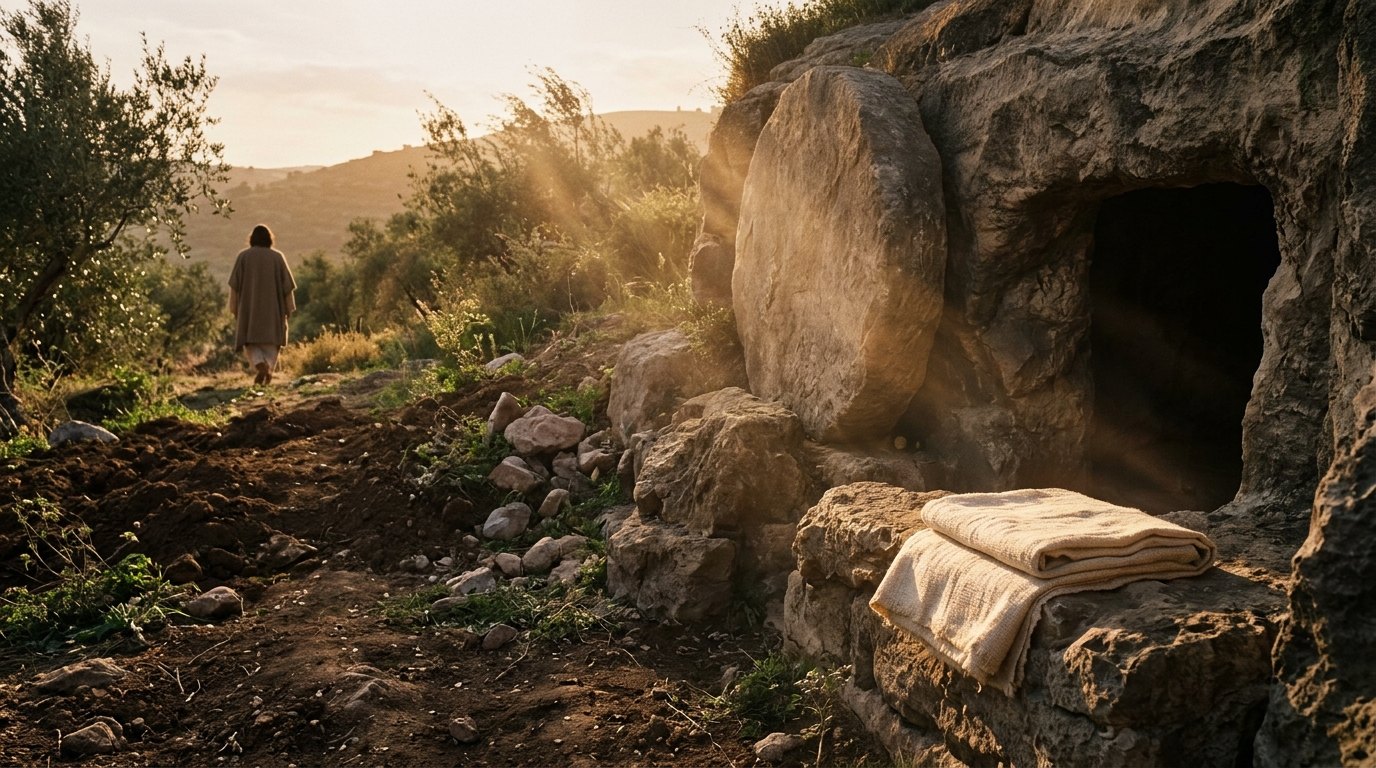
Brothers and sisters, we do not want you to be uninformed about those who sleep in death, so that you do not grieve like the rest of mankind, who have no hope. For we believe that Jesus died and rose again, and so we believe that God will bring with Jesus those who have fallen asleep in him.
1 Thessalonians 4:13-14 (NIV)
Paul instructs believers not to grieve like those without hope, because Jesus died and rose again.
First Thessalonians 4:13–14 transforms how the people of God stand at the edge of an open grave. The Apostle Paul does not forbid weeping, but he commands believers not to grieve as others who have no hope, grounding our comfort in the historical fact that Jesus died and rose again. When death strikes, the Christian mourns real loss, yet that sorrow is anchored in the absolute promise of bodily resurrection. This truth fulfills the bold declaration of our Lord in John 11:25–26, where He revealed to Martha that He Himself is the resurrection and the life, ensuring that everyone who believes in Him shall never truly perish.
Because the grave cannot hold the redeemed, funeral gatherings become sanctuaries of divine reassurance. In 1 Thessalonians 4:13–18, Paul instructs the church to encourage one another with the reality of Christ’s return, when the dead in Christ will rise first. First Corinthians 15:51–57 proclaims that death will be swallowed up in total victory, stripping the grave of its final sting through our Lord Jesus Christ. Revelation 14:13 pronounces a divine blessing on those who die in the Lord, for they rest from their earthly labors and their deeds follow them.
Every burial of a believer is an act of planting in faith. First Corinthians 15:42–44 explains that the physical body is sown in corruption, dishonor, and weakness, but it will be raised in incorruption, glory, and power. Therefore, believers maintain unshakable courage; 2 Corinthians 5:8 assures us that to be absent from the body is to be present with the Lord. The Apostle Paul echoed this joy in Philippians 1:21–23, confessing that departing to be with Christ is far better. Ultimately, Revelation 21:4 guarantees that God will wipe every tear from our eyes, abolishing death, mourning, and sorrow forever.
| Passage | What it says |
|---|---|
| John 11:25-26 | Jesus declares He is the resurrection and the life, granting eternal life beyond physical death. |
| 1 Thessalonians 4:13-18 | Believers comfort one another with the certainty of the Lord's return and the resurrection of the dead. |
| 1 Corinthians 15:51-57 | Death is swallowed up in victory through the resurrection accomplished by our Lord Jesus Christ. |
| Revelation 14:13 | The Spirit pronounces blessed those who die in the Lord, for they rest from their labors. |
| 1 Corinthians 15:42-44 | The physical body is sown in corruption, dishonor, and weakness, but raised in incorruption, glory, and power. |
| 2 Corinthians 5:8 | Believers possess confidence knowing that to be absent from the body is to be present with the Lord. |
| Philippians 1:21-23 | To live is Christ and to die is gain, departing to be with Christ which is far better. |
| Revelation 21:4 | God shall wipe away every tear, and death, sorrow, crying, and pain shall be no more. |
Christ Halts Death
Jesus Confronts the Funeral Procession with Life
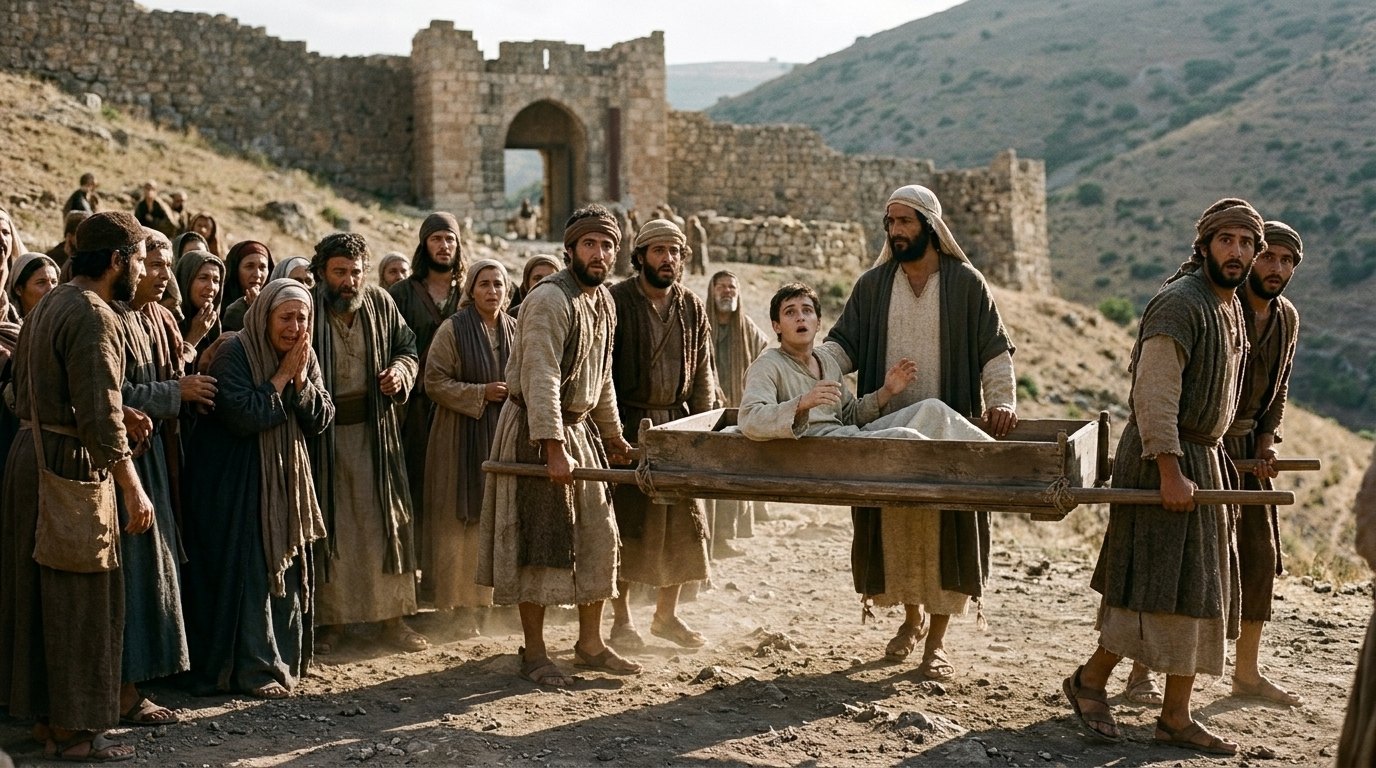
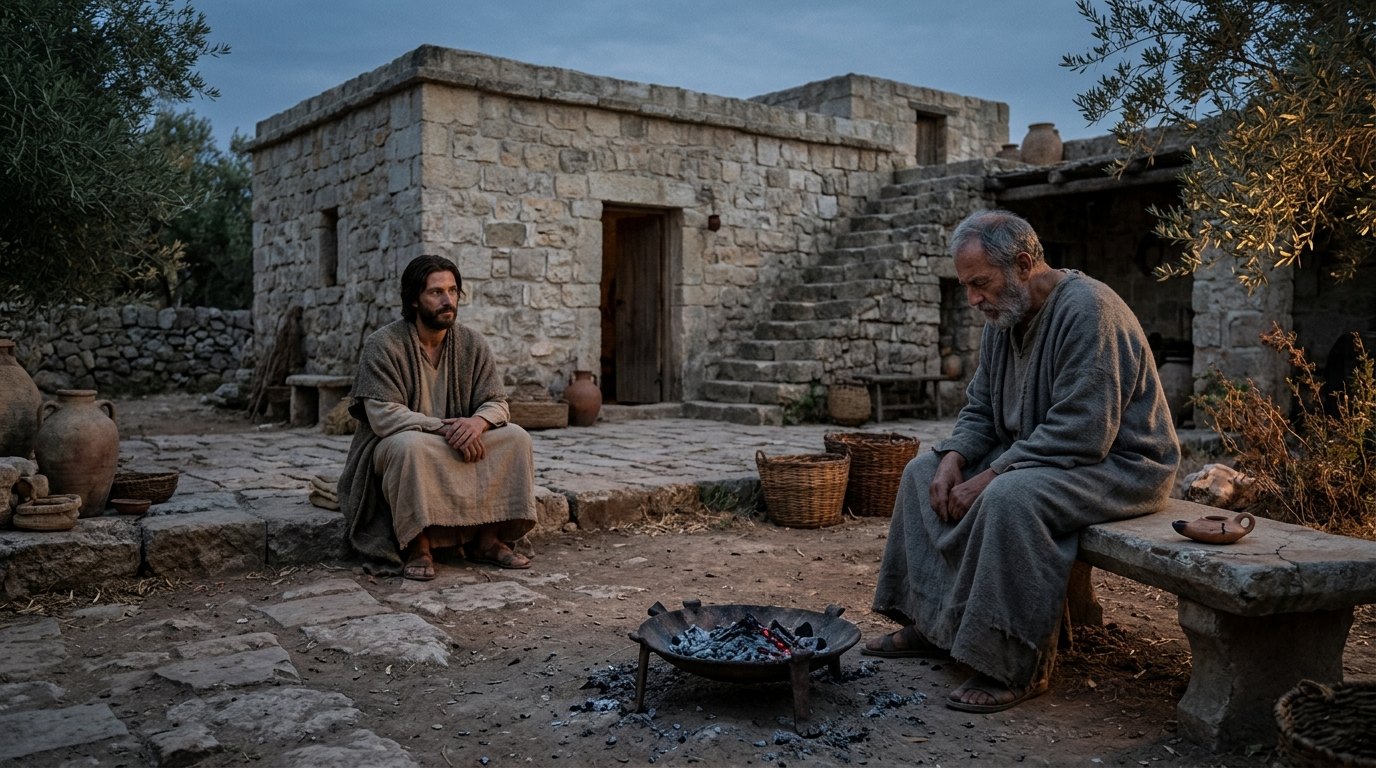
Then he went up and touched the bier they were carrying him on, and the bearers stood still. He said, “Young man, I say to you, get up!”
Luke 7:14 (NIV)
Jesus touches the open funeral bier and by divine authority commands the dead youth to arise.
Luke 7:14 displays the sovereign authority of the Son of God as He deliberately halts a funeral march. Approaching the city gate of Nain, Jesus reached out, touched the open funeral bier and commanded the young man to arise, causing the bearers to stand completely still. Under the Law, touching a corpse or an open bier conveyed ceremonial uncleanness, yet Christ’s divine holiness did not contract defilement; instead, His absolute life drove back death itself. In Luke 7:11–15, Christ saw the grieving mother, a destitute widow who had now lost her only son, had compassion on her, and gave the restored young man back into her arms.
The Gospels demonstrate that wherever Christ encountered funerals, death lost its dominion. In Matthew 9:23–25, when Jesus arrived at the house of Jairus, He confronted the commotion of hired flute players and professional mourners. He dismissed the theatrical lamentations, declared that the girl was only sleeping, took her by the hand, and raised her up alive. In doing so, He exposed the hollowness of frantic, faithless mourning in the presence of the Lord of Life.
This unmatched authority reorders every earthly priority. In Matthew 8:21–22, when a disciple asked to first go and bury his father before following Christ, Jesus replied with the challenging command to follow Him and let the spiritually dead bury their own dead. Christ was not abolishing natural familial care, but declaring that no earthly custom or social obligation can take precedence over allegiance to the living King.
| Passage | What it says |
|---|---|
| Luke 7:11-15 | Jesus interrupts a funeral procession in Nain, touches the open bier, and restores the widow's son to life. |
| Matthew 9:23-25 | Jesus enters Jairus's home, dismisses the hired flute players and noisy mourners, and raises the maiden. |
| Matthew 8:21-22 | Jesus calls disciples to absolute spiritual priority over ordinary funeral delays and cultural burial obligations. |
Where in the Bible
| Book | Passages |
|---|---|
| Genesis | 6 · Genesis 23:2, Genesis 50:1-3, Genesis 50:10-11, Genesis 25:9-10, Genesis 23:19-20, Genesis 50:24-26 |
| Leviticus | 2 · Leviticus 19:28, Leviticus 21:1-4 |
| Deuteronomy | 5 · Deuteronomy 34:8, Deuteronomy 32:29, Deuteronomy 14:1-2, Deuteronomy 18:10-12, Deuteronomy 26:14 |
| 1 Samuel | 2 · 1 Samuel 31:12-13, 1 Samuel 28:7-15 |
| 2 Samuel | 2 · 2 Samuel 1:11-12, 2 Samuel 3:31-35 |
| 2 Chronicles | 1 · 2 Chronicles 16:14 |
| Psalms | 1 · Psalms 90:12 |
| Ecclesiastes | 3 · Ecclesiastes 7:2-4, Ecclesiastes 12:5-7, Ecclesiastes 3:1-4 |
| Isaiah | 1 · Isaiah 8:19 |
| Jeremiah | 2 · Jeremiah 22:18-19, Jeremiah 16:6-7 |
| Matthew | 3 · Matthew 27:57-60, Matthew 9:23-25, Matthew 8:21-22 |
| Mark | 1 · Mark 16:1 |
| Luke | 2 · Luke 23:27, Luke 7:11-15 |
| John | 3 · John 11:33-35, John 19:38-42, John 11:25-26 |
| Acts | 2 · Acts 8:2, Acts 5:6-10 |
| Romans | 1 · Romans 6:4 |
| 1 Corinthians | 2 · 1 Corinthians 15:51-57, 1 Corinthians 15:42-44 |
| 2 Corinthians | 1 · 2 Corinthians 5:8 |
| Philippians | 1 · Philippians 1:21-23 |
| 1 Thessalonians | 1 · 1 Thessalonians 4:13-18 |
| Hebrews | 1 · Hebrews 9:27 |
| James | 1 · James 4:14 |
| Revelation | 2 · Revelation 14:13, Revelation 21:4 |
The story in order
- Abraham mourns Sarah (c. 2000 BC) · Genesis 23:2 · Honest mourning is a natural and shared human experience.
- Jacob mourned for seventy days (c. 1805 BC) · Genesis 50:1-3 · Mourning rituals can be extensive and observed by many.
- Moses mourned for thirty days (c. 1406 BC) · Deuteronomy 34:8 · A period of mourning is a sign of respect for leaders.
- David mourns Saul and Jonathan (c. 1012 BC) · 2 Samuel 1:11-12 · Grief is expressed through tearing clothes and weeping.
- David mourns Abner (c. 1010 BC) · 2 Samuel 3:31-35 · Leaders can lead public lamentations with visible grief.
- Israel forbidden pagan mourning (c. 1406 BC) · Deuteronomy 14:1-2 · God's people must reject unholy customs and despair.
- Jesus weeps for Lazarus (c. AD 30) · John 11:33-35 · Jesus shares in human grief, showing empathy.
- Jesus halts Nain funeral (c. AD 30) · Luke 7:11-15 · Jesus confronts death, offering life and hope.
- Joseph of Arimathea buries Jesus (AD 30) · Matthew 27:57-60 · Dignified burial of Christ in hope of resurrection.
- Stephen is buried and mourned (c. AD 34) · Acts 8:2 · Devout believers mourn and bury their dead.
- Paul on dying and resurrection (c. AD 55) · 1 Corinthians 15:51-57 · Death is overcome by Christ's resurrection power.
- Paul on being with Christ (c. AD 61) · Philippians 1:21-23 · To die is gain, to be with Christ is better.
- New Heavens and New Earth (c. AD 95) · Revelation 21:4 · Final hope: no more death, sorrow, crying, or pain.
Mourning and Lamentation
| Event | Action | Note | Passage |
|---|---|---|---|
| Abraham mourns Sarah | Weeps and mourns | Open grief | Genesis 23:2 |
| Joseph mourns Jacob | Weeps, Egyptians mourn 70 days | Extensive mourning | Genesis 50:1-3 |
| Israel mourns Moses | Weep and mourn for 30 days | Respect for leader | Deuteronomy 34:8 |
| David mourns Saul and Jonathan | Tear clothes, mourn, weep | Shared grief | 2 Samuel 1:11-12 |
| David mourns Abner | Tears clothes, weeps openly | Public lamentation | 2 Samuel 3:31-35 |
| Devout men bury Stephen | Make great lamentation | Faithful grief | Acts 8:2 |
Burial in Hope
| Person Buried | Action | Hope/Significance | Passage |
|---|---|---|---|
| Abraham | Buried by sons in Machpelah | Family burial place secured | Genesis 25:9-10 |
| Saul and sons | Recovered and honorably buried | Respect for the dead | 1 Samuel 31:12-13 |
| Jesus | Wrapped in linen, laid in tomb | Image of union with Christ | Matthew 27:57-60 |
| Jesus | Prepared with spices | Honoring the body | John 19:38-42 |
| Joseph | Bones commanded to be buried in Promised Land | Faith in God's promise | Genesis 50:24-26 |
| Asa | Laid in tomb with spices | Royal burial | 2 Chronicles 16:14 |
Pagan vs. Biblical Mourning
| Biblical Practice | Pagan Practice | Biblical Principle | Passage |
|---|---|---|---|
| Honest weeping and lamentation | Cutting the flesh | Rejecting self-harm | Leviticus 19:28 |
| Mourning for the dead | Shaving the forehead | Distinction as God's children | Deuteronomy 14:1-2 |
| Comfort in resurrection hope | Drinking the cup of consolation for the wicked dead | Focus on Christ's victory | Jeremiah 16:6-7 |
| Trust in God | Consulting mediums or necromancers | Abomination to God | Deuteronomy 18:10-12 |
| Life is a vapor | Seeking contact with the dead | Life is brief | James 4:14 |
Key words
- Mourning (אָבַל ('āḇal))
- Expressing grief and sorrow over a death. · Genesis 50:10
- Lamentation (מִסְפֵּד (misspēḏ))
- An expression of grief or sorrow, often public. · 2 Samuel 3:31
- Burial (קְבוּרָה (qəḇûrāh))
- The act of placing a dead body in the ground or a tomb. · Genesis 23:4
- Resurrection (ἀνάστασις (anastasis))
- The act of rising from the dead. · 1 Corinthians 15:42
- Hope (ἐλπίς (elpís))
- A confident expectation of future good, especially in Christ. · 1 Thessalonians 4:13
- Judgment (κρίσις (krísis))
- The divine sentence on human actions after death. · Hebrews 9:27
Christian funerals strip away vanity to confront our mortality and proclaim the triumphant hope of the gospel. In the presence of death, believers grieve with sincere tears while resting assured that Christ has broken the grave and will raise all who sleep in Him.
46 passages, each cited once.
How the major Christian traditions read this
All major Christian traditions agree that funerals are sacred occasions to grieve with hope, honour the body as God's creation awaiting resurrection, and proclaim Christ's victory over death (1 Thessalonians 4:13-14; 1 Corinthians 15:54-57).
Catholic
In the Catholic Church, the Order of Christian Funerals centres on the Mass of the Resurrection, offering the Eucharistic sacrifice for the departed soul's final purification and eternal rest. We pray directly for the deceased, remembering that it is a holy and wholesome thought to pray for the dead that they may be loosed from sins (2 Maccabees 12:46; 2 Timothy 1:16-18). The body, having been a temple of the Holy Spirit, is reverently incensed and sprinkled with holy water in remembrance of baptism (1 Corinthians 6:19). The liturgical rites commend the soul into the hands of a merciful God while offering sure hope of the bodily resurrection to the grieving faithful (John 11:25-26).
Scripture: 1 Corinthians 6:19, 2 Timothy 1:16-18, John 11:25-26, 2 Maccabees 12:46
Orthodox
Orthodox funeral services are solemn liturgical prayers commending the departed brother or sister to the boundless mercy of God, asking that their soul be granted rest 'where the righteous dwell.' We do not view physical death as breaking the communion of the saints; thus, we sing hymns of resurrection while offering heartfelt intercessions and memorial services (Panikhida) for the departed (Romans 14:7-9). The body is treated with the highest veneration as an anointed temple destined for eternal life, facing east in anticipation of Christ's second coming (1 Corinthians 15:42-44). Grieving is embraced honestly, but transformed by Paschal joy because Christ has trampled down death by death.
Scripture: Romans 14:7-9, 1 Corinthians 15:42-44, John 5:24-25
Lutheran
In the Lutheran tradition, a funeral is fundamentally a service of Word and Sacrament that proclaims Christ's completed triumph over sin, death, and the grave. Because a person's eternal state is sealed in Christ at death, we do not pray to change the status of the departed, but instead praise God for His gifts and comfort the bereaved with the Gospel promise of resurrection (Hebrews 9:27; John 11:25). The pastor preaches Christ crucified and risen, reminding the congregation that through holy baptism the deceased was united to Jesus' death and will share His bodily resurrection (Romans 6:3-5). The service directs sorrowing hearts away from despair to the certain hope of eternal life.
Scripture: Romans 6:3-5, John 11:25, Hebrews 9:27
Reformed & Presbyterian
Reformed and Presbyterian churches understand the funeral as a public service of worship focused on the sovereign grace and comfort of Almighty God. Scripture alone guides our practice: because death immediately fixes the soul's destiny in heaven or hell, we offer no prayers for the dead or invocations of saints (Hebrews 9:27; Luke 16:22-26). Instead, we gather to hear the preaching of God's Word, to praise Him for His faithfulness to His covenant people, and to call the living to number their days and apply their hearts to wisdom (Psalm 90:12). The body is reverently committed to the ground in full assurance of the final resurrection of the just (1 Corinthians 15:20-23).
Scripture: Psalms 90:12, Hebrews 9:27, Luke 16:22-26, 1 Corinthians 15:20-23
Anglican & Episcopal
The Anglican Burial Office in the Book of Common Prayer weaves together rich scriptural sentences, solemn psalmody, and liturgical prayers of thanksgiving and commendation. We commit the earthly body to the ground—earth to earth, ashes to ashes, dust to dust—in sure and certain hope of the resurrection to eternal life through our Lord Jesus Christ (Philippians 3:20-21). While historic formularies reject purgatory and propitiatory masses for the dead, our services commend the departed to God's eternal keeping while asking for grace to run our own race faithfully (Hebrews 12:1-2). Holy Communion is often celebrated to proclaim the Lord's death until He comes (1 Corinthians 11:26).
Scripture: Philippians 3:20-21, 1 Corinthians 11:26, Hebrews 12:1-2
Baptist
In Baptist churches, a funeral or memorial service is an occasion to celebrate the grace of God in the life of the deceased, comfort the sorrowing family, and urgently preach the Gospel to the living. Scripture teaches that to be absent from the body is to be present with the Lord for the believer (2 Corinthians 5:8), and that after death comes judgment (Hebrews 9:27). We therefore offer no prayers for the dead. Instead, the pastor uses the occasion of the 'house of mourning' (Ecclesiastes 7:2) to call every hearer to personal faith and repentance in Jesus Christ, the only Savior who delivers from eternal condemnation (John 3:16).
Scripture: 2 Corinthians 5:8, Hebrews 9:27, Ecclesiastes 7:2, John 3:16
Methodist & Wesleyan
Methodist and Wesleyan traditions conduct funeral services to celebrate the sanctifying grace of God and to extend Christian comfort to those who weep (Romans 12:15). Guided by our liturgy and pastoral care, the service highlights the assurance of faith: nothing can separate the believer from the love of God in Christ Jesus (Romans 8:38-39). We do not pray for the forgiveness or status of the dead, knowing that salvation is determined in this life; rather, we give thanks for the life lived in holiness and love, committing the body to the grave and challenging the living to continue running the race set before them (Hebrews 12:1).
Scripture: Romans 8:38-39, Romans 12:15, Hebrews 12:1
Pentecostal & Charismatic
Pentecostal and Charismatic believers hold funeral services marked by fervent praise, thanksgiving, and the presence of the Holy Spirit, often calling them 'homegoing celebrations.' We believe firmly that the believer's spirit passes immediately into the presence of Jesus (Philippians 1:21-23; 2 Corinthians 5:8). While mourning is natural and supported, the tone is dominated by joyful song and victorious proclamation because Christ has conquered the grave. Prayers focus on the comfort of the Spirit for the grieving family (John 14:16-18) and the bold preaching of salvation, inviting unbelievers present to receive the baptism of the Holy Spirit and eternal life before the Lord returns (1 Thessalonians 4:16-17).
Scripture: 2 Corinthians 5:8, Philippians 1:21-23, 1 Thessalonians 4:16-17, John 14:16-18
Non-denominational & Evangelical
Non-denominational and Evangelical funerals focus on personal remembrance, honoring the deceased person's legacy, and clearly sharing the Gospel of Jesus Christ. Following Scripture, we recognize that physical death immediately brings the believer into the presence of God (2 Corinthians 5:6-8). We do not follow prescribed sacramental liturgies or offer prayers for the deceased, as death irrevocably seals one's eternal destiny (Hebrews 9:27). Rather, the service provides an open door to comfort the family with God's Word and urge all who attend to place their personal trust in Jesus Christ as Lord and Savior (John 11:25-26).
Scripture: 2 Corinthians 5:6-8, Hebrews 9:27, John 11:25-26
Where they differ
Prayers offered for the deceased
- Catholic
- Offers prayers and Masses for the soul's purification and rest.
- Orthodox
- Offers intercessory prayers and memorial services for God's mercy upon them.
- Lutheran
- Rejects prayers for the dead; eternal destiny is fixed at death.
- Reformed & Presbyterian
- Strictly forbids prayers for the dead as unbiblical and ineffective.
- Anglican & Episcopal
- Commends the departed to God without propitiatory prayer for purgation.
- Baptist
- Rejects all prayers for the departed; focuses prayers solely on living.
- Methodist & Wesleyan
- Prays only for the bereaved, not for the departed soul's status.
- Pentecostal & Charismatic
- Rejects prayers for the dead; destiny is sealed upon physical death.
- Non-denominational & Evangelical
- Does not pray for the deceased; prays only for surviving mourners.
Scripture: Hebrews 9:27, Luke 16:25-26, 2 Timothy 1:16-18
Primary purpose of the service
- Catholic
- Eucharistic sacrifice commending the soul to God and consoling mourners.
- Orthodox
- Liturgical prayer commending the departed and anticipating Christ's resurrection victory.
- Lutheran
- Proclamation of Word and Gospel assurance of the bodily resurrection.
- Reformed & Presbyterian
- Worship of sovereign God and admonition for the living to prepare.
- Anglican & Episcopal
- Liturgical committal of body and corporate worship proclaiming Christian resurrection.
- Baptist
- Evangelistic proclamation of salvation alongside personal celebration of the deceased.
- Methodist & Wesleyan
- Giving thanks for sanctifying grace and comforting the bereaved family.
- Pentecostal & Charismatic
- Celebratory homegoing worship, Spirit-filled praise, and evangelistic Gospel appeal.
- Non-denominational & Evangelical
- Honoring personal life legacy and evangelizing living attendees with Gospel.
Scripture: Ecclesiastes 7:2, 1 Corinthians 15:51-57, John 11:25-26
Your pastor can tell you where your church stands.
Scripture cited
- Ecclesiastes 7:2-4
- Psalms 90:12
- Hebrews 9:27
- John 11:17-44
- 1 Thessalonians 4:13-18
- Genesis 23:1-4
- Acts 8:1-2
- 1 Corinthians 15:20-23
- 1 Corinthians 15:51-58
- John 19:38-42
- Romans 12:15