What does the Bible say about the environment and caring for creation?
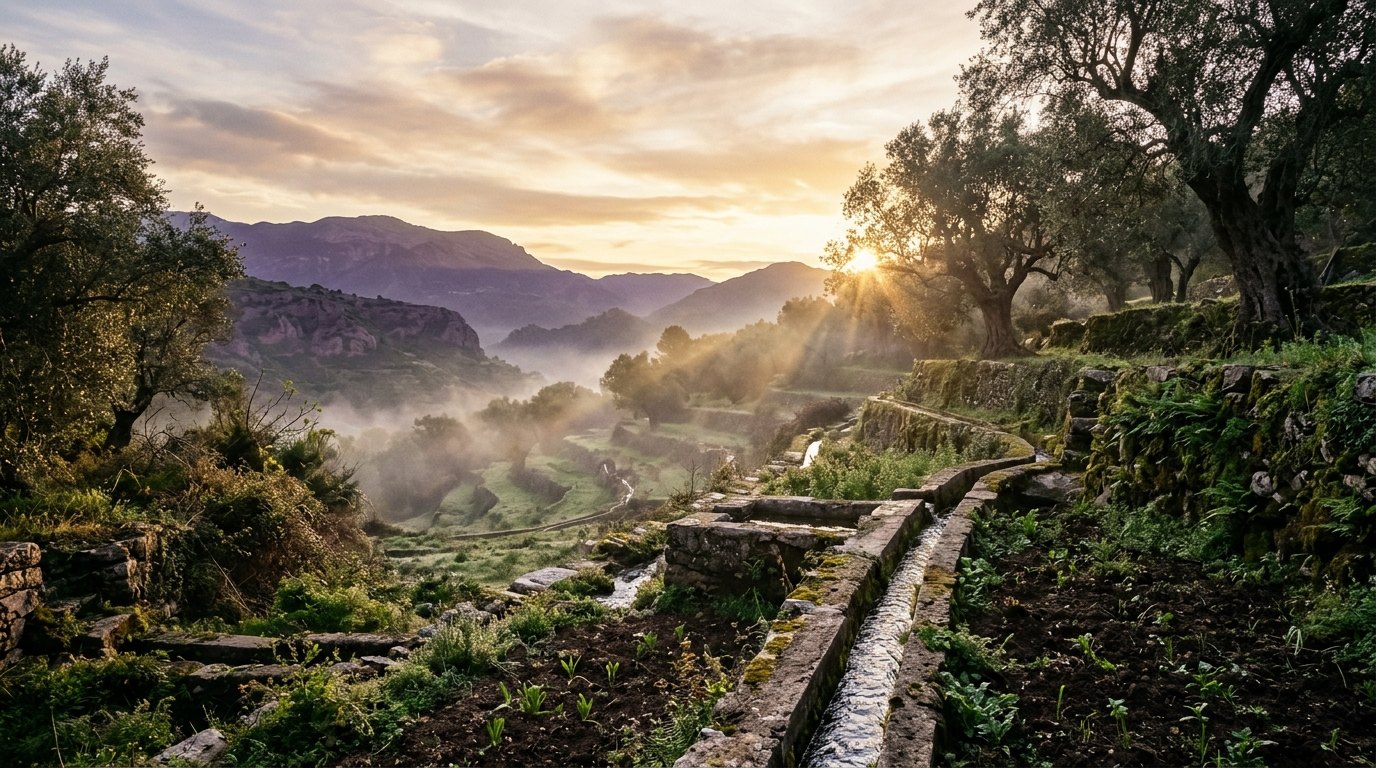
Genesis 2:15
15 The LORD God took the man and put him in the Garden of Eden to work it and take care of it.
New International Version (NIV)
The answer
Scripture calls people to care for creation as God’s good world: humanity may cultivate and use its resources, but must also guard what belongs to God, never treating nature either as worthless or as an object of worship.
Creation belongs to God and is good
Psalms 24:1 establishes ownership: “The earth is Yahweh’s, with its fullness; the world, and those who dwell in it.” Humanity therefore does not possess the earth independently of God. Genesis 1:26-31 also records God’s assessment of everything He had made: it was “very good.” Mountains, seas, plants, animals and people have value because God created them, not merely because they are useful.
God’s concern for living creatures continues after the flood. In Genesis 9:9-17, He establishes His covenant not only with Noah and his descendants, but also with “every living creature,” and sets the rainbow as a sign of His covenant between Himself and the earth.
Humanity’s dominion includes cultivation and protection
Genesis 1:26-28 gives humanity dominion over the animals and commands people to fill and subdue the earth. This is delegated authority under God, not permission for unrestrained exploitation. Genesis 1:29 also expressly gives plants for food, so Scripture does not require nature to be left untouched.
Genesis 2:15 shows what responsible dominion looks like: “Yahweh God took the man, and put him into the garden of Eden to cultivate and keep it.” This work began before the fall; work itself is good, not a consequence of sin. The Hebrew behind “cultivate” means to work or serve, while shamar, translated “keep,” means to guard, protect and attend to. Productive work and protective care belong together.
The same righteousness governs treatment of animals. Proverbs 12:10 says, “A righteous man respects the life of his animal, but the tender mercies of the wicked are cruel.” Using animals within God’s provision is therefore different from treating them cruelly.
Sin has damaged creation, but God will renew it
Genesis 3:17-19 teaches that the ground was cursed because of Adam’s sin, bringing thorns, painful labor and death. Romans 8:19-23 describes creation as subjected to futility and decay, groaning as it awaits deliverance. Environmental brokenness is therefore part of a world affected by sin; better management alone cannot remove sin, death or decay.
Creation’s final hope is God’s redemption. Romans 8:21 promises that creation itself will be delivered from decay, and Revelation 21:1-5 looks forward to a new heaven and a new earth. There God declares in Revelation 21:5, “Behold, I am making all things new.”
Keeping creation in its proper place
Care for the earth must never become worship of the earth. Romans 1:25 condemns those who “worshiped and served the creature rather than the Creator.” Creation care is obedience to God, not a substitute for the gospel or for reconciliation with Him. Faithful stewardship means using His gifts fruitfully, guarding what He entrusts to humanity, rejecting cruelty, and looking to Him—not to nature or human achievement alone—for ultimate renewal.
Answered from Scripture · reviewed November 11, 2026
Scripture declares from its opening chapter that the earth belongs wholly to God, who created it good and appointed mankind not as sovereign owners, but as accountable stewards. Far from a passing cultural issue, caring for creation is woven into humanity's original commission, mirrored in God's covenant laws, and tied directly to the redemptive work of Jesus Christ who sustains and will ultimately renew all things.
Divine Ownership
The earth and everything in it belong to God
The earth is the LORD’s, and everything in it, the world, and all who live in it;
Psalms 24:1 (NIV)
This verse establishes that God possesses the earth by sovereign right, leaving humanity as tenants rather than proprietors.
The foundational truth of Christian environmental stewardship rests upon Psalms 24:1: "The earth is the Lord's, and the fullness thereof; the world, and they that dwell therein." God has never abdicated His title deed over what His hands have framed. From the opening verse of Scripture, Genesis 1:1 declares that God created the heavens and the earth out of nothing, establishing His sovereign prerogative over every element of the cosmos. When His creative work was finished, Genesis 1:31 records that God saw everything He had made, and indeed it was very good. God takes intrinsic delight in His creation, a reality reaffirmed in Psalms 104:24-31, where the psalmist marvels at the innumerable creatures that fill the earth and notes that the Lord rejoices in all His works.
Because God is the maker and sustainer of all things, Deuteronomy 10:14 reminds Israel that even the highest heavens, the earth, and all within it belong exclusively to the Lord. In the dialogue with Job, God silences human presumption by asking who has preceded Him that He should repay, declaring in Job 41:11 that whatever is under the whole heaven is His. The skies themselves participate in this continuous witness; Psalms 19:1-4 proclaims that the heavens declare the glory of God and the skies display His handiwork, pouring forth speech without a spoken word. God needs nothing from human hands, for as Psalms 50:10-12 reminds us, every beast of the forest is His, along with the cattle upon a thousand hills. He established the world upon His own power, as celebrated in Psalms 89:11 and echoed in the prayer of Nehemiah 9:6, where the Levites worship the Lord who alone made and preserves the seas, skies, and all living creatures. This unbroken Old Testament witness carries directly into apostolic teaching, where 1 Corinthians 10:26 cites the Psalms to ground Christian liberty and conscience in the unalterable fact that the earth and its fullness remain the Lord's. Humanity lives not as unfettered proprietors, but as accountable guests within God's vast, sacred sanctuary.
| Passage | What it says |
|---|---|
| Genesis 1:1 | God created the heavens and the earth at the beginning. |
| Genesis 1:31 | God evaluated everything He had made and saw that it was very good. |
| Job 41:11 | God declares that everything under the whole heaven is His. |
| Psalms 24:1 | The earth, its fullness, and all who dwell upon it belong to the Lord. |
| Psalms 50:10-12 | God claims the cattle on a thousand hills and every creature of the field as His own. |
| Psalms 104:24-31 | The earth is filled with God's creatures, and the Lord rejoices in all His works. |
| 1 Corinthians 10:26 | Paul confirms from the Psalms that the earth and its fullness remain the Lord's. |
| Deuteronomy 10:14 | Affirms that heaven and the highest heavens, the earth and all in it, belong solely to the Lord. |
| Psalms 19:1-4 | Proclaims that the heavens declare God's glory and the skies display His handiwork day and night. |
| Psalms 89:11 | Declares that the heavens and earth are the Lord's because He founded the world and all its fullness. |
| Nehemiah 9:6 | Praises God as the sole creator and preserver of heaven, earth, seas, and all living creatures. |
Original Mandate
Humanity was created to serve and guard the earth

The LORD God took the man and put him in the Garden of Eden to work it and take care of it.
Genesis 2:15 (NIV)
The Hebrew words for cultivate and keep describe priestly, watchful service within God's holy creation.
God did not leave His good world unattended, nor did He hand it over to reckless exploitation; rather, Genesis 2:15 reveals the exact nature of humanity's original vocation: "The Lord God took the man, and put him into the garden of Eden to dress it and to keep it." The two Hebrew verbs employed here—abad (to serve, cultivate, or work) and shamar (to guard, watch over, or preserve)—are the precise terms later used to describe the sacred duties of the Levitical priests ministering within the tabernacle. Eden was a sanctuary, and Adam was stationed within it not to plunder its resources for selfish indulgence, but to serve and protect the environment entrusted to him.
This high calling unfolds against the backdrop of Genesis 1:26-28, where God created man in His own image and blessed male and female to be fruitful, multiply, fill the earth, and exercise dominion over every living thing. Godly dominion is not ruthless tyranny; it is the righteous reflection of God's benevolent rule, meant to cause life and flourishing to abound. In Genesis 2:8, the Lord planted a garden eastward in Eden and situated the man within that lush habitat. God immediately invited Adam to understand and relate to the living world; according to Genesis 2:19-20, the Lord brought every beast of the field and bird of the air to the man to see what he would call them, establishing orderly taxonomy and respectful relationship rather than impersonal consumption. David marvels at this elevated status in Psalms 8:6-8, contemplating how God crowned frail mankind with glory and honor, setting him over the works of His hands, including flocks, oxen, the beasts of the field, the birds of the heavens, and the fish of the sea. Biblical dominion is royal stewardship under divine accountability, requiring humanity to mirror the gentleness, wisdom, and protective care of the Creator Himself.
| Passage | What it says |
|---|---|
| Genesis 1:26-28 | God blessed humanity to multiply and exercise godly dominion over all other living creatures. |
| Genesis 2:8 | The Lord God planted a garden eastward in Eden and placed the man there. |
| Genesis 2:15 | God placed the man in Eden specifically to cultivate and keep it. |
| Genesis 2:19-20 | Adam was tasked with naming every beast and bird under God's watchful eye. |
| Psalms 8:6-8 | God crowned mankind with dignity, placing sheep, oxen, birds, and fish under his charge. |
Covenant Law
God commanded rest and mercy for the land and animals
“ ‘The land must not be sold permanently, because the land is mine and you reside in my land as foreigners and strangers. Throughout the land that you hold as a possession, you must provide for the redemption of the land.
Leviticus 25:23-24 (NIV)
The law forbids treating land as permanent private property because God's people are merely sojourners with Him.
When God formed Israel into a covenant nation at Sinai, He embedded ecological restraint and animal welfare directly into civil and moral law, crowned by the principle in Leviticus 25:23-24: "The land shall not be sold for ever: for the land is mine; for ye are strangers and sojourners with me." Because the soil belonged to Yahweh, the Israelites were forbidden from treating real estate as permanent, disposable capital; perpetual rights of redemption were preserved to ensure the land stayed healthy and free. The moral law itself guarded non-human life; in the fourth commandment of the Decalogue (Exodus 20:8-11), the Sabbath day ensured weekly cessation of labor not only for family members and servants, but also for domestic working beasts, an emphasis repeated in Exodus 23:12 where the rest is explicitly designed so that oxen and donkeys may be refreshed.
God extended this rest to the very dirt. Exodus 23:10-11 and Leviticus 25:2-5 established the agricultural Sabbath, commanding that every seventh year the fields, vineyards, and olive groves lie unplowed and unharvested, allowing the soil to regenerate while offering spontaneous produce to the poor and wild beasts. God took this ecological rest so seriously that Leviticus 26:34-35 warned that persistent disobedience would lead to exile, forcing the land to enjoy the Sabbaths it had been denied. Practical mercy toward working animals was repeatedly codified: Exodus 23:4-5 commanded that even an enemy's burdened donkey or stray ox be helped and relieved, while Deuteronomy 25:4 outlawed muzzling an ox while it threshed grain. Biodiversity and ecological sustainability were protected even in crisis: Deuteronomy 20:19-20 forbade destroying fruit-bearing trees during military sieges, and Deuteronomy 22:6-7 preserved wild populations by outlawing the taking of a mother bird alongside her eggs. Scripture summarizes this ethos in Proverbs 12:10, stating that a righteous man regards the life of his beast, while Proverbs 27:23-27 commends knowing the state of one's flocks. Finally, in Jonah 4:11, God rebukes the prophet's hard-heartedness by pointing to His compassion for Nineveh's many inhabitants and its abundant cattle.
| Passage | What it says |
|---|---|
| Exodus 20:8-11 | The Sabbath commandment guarantees rest not only for humans but also for working livestock. |
| Exodus 23:10-11 | Every seventh year the fields and vineyards rested so the poor and wild animals could eat. |
| Leviticus 25:2-5 | The land itself was granted a Sabbath of complete rest unto the Lord. |
| Leviticus 25:23-24 | The land belongs to God, meaning redemption rights must always be preserved. |
| Deuteronomy 20:19-20 | Israel was forbidden from cutting down fruit trees during warfare. |
| Deuteronomy 22:6-7 | Taking a mother bird together with her fledglings or eggs from a nest was prohibited. |
| Deuteronomy 25:4 | An ox treading out the corn was not to be muzzled from eating. |
| Proverbs 12:10 | A righteous man cares for the life and needs of his beast. |
| Jonah 4:11 | God expresses His compassionate concern for the inhabitants and many cattle of Nineveh. |
| Exodus 23:4-5 | Commands helping an enemy's fallen donkey or wandering ox, requiring practical mercy toward beasts of burden. |
| Exodus 23:12 | Specifies that the Sabbath rest is intentionally designed so domestic working animals may be refreshed. |
| Leviticus 26:34-35 | Warns that exile will enforce the land's Sabbath rest if the people deny the soil its appointed rest. |
| Proverbs 27:23-27 | Urges diligent care for flocks and attentiveness to herds, aligning sustainable stewardship with daily provision. |
Fall and Groaning
Human rebellion fractured creation and brought a curse
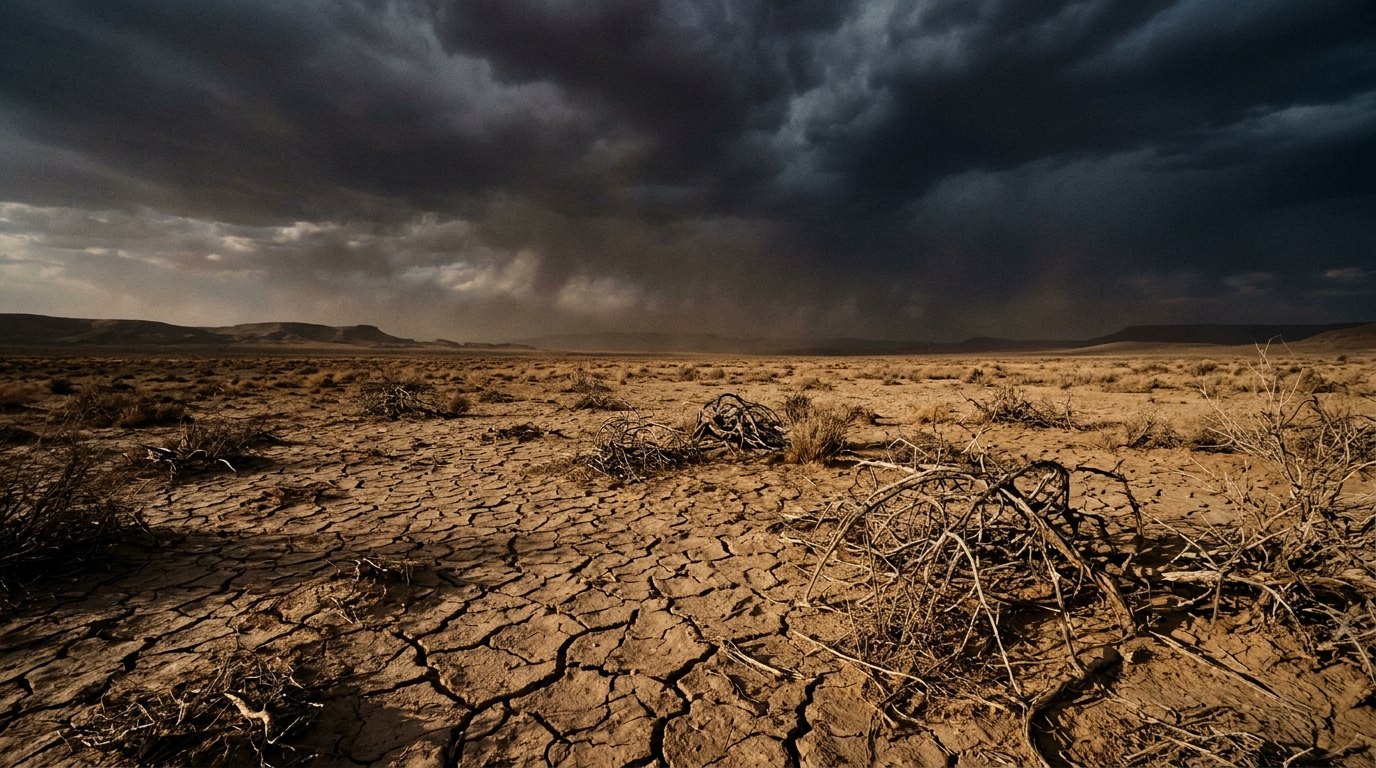
For the creation was subjected to frustration, not by its own choice, but by the will of the one who subjected it, in hope that the creation itself will be liberated from its bondage to decay and brought into the freedom and glory of the children of God. We know that the whole creation has been groaning as in the pains of childbirth right up to the present time.
Romans 8:20-22 (NIV)
Paul reveals that creation was subjected to futility due to human sin and groans for redemption.
The ecological distress visible across our world today is neither an accident of nature nor a mere technical problem; it is the catastrophic consequence of human rebellion against God, as articulated in Romans 8:20-22: "For the creature was made subject to vanity, not willingly, but by reason of him who hath subjected the same in hope... For we know that the whole creation groaneth and travaileth in pain together until now." When Adam sinned, the physical universe was subjected to futility and frustration. In Genesis 3:17-19, God pronounced the tragic sentence: cursed is the ground for man's sake, yielding thorns and thistles in place of effortless abundance, turning human labor into sweat and sorrow until the mortal body returns to the dust.
Throughout the Old Testament, the prophets repeatedly demonstrate that moral apostasy brings immediate ecological ruin. In Isaiah 24:4-6, the earth mourns and fades, the world languishes, and the earth is defiled under its inhabitants because they have transgressed the laws, changed the ordinance, and broken the everlasting covenant. Jeremiah witnesses this same tragic connection in Jeremiah 12:4, crying out over how long the land must mourn and the herbs of every field wither because of the wickedness of those who live in it. In a horrifying vision of moral collapse, Jeremiah 4:23-28 describes the earth looking desolate, the fruitful places turning into wilderness, the mountains trembling, and the birds of heaven fleeing under God's righteous wrath. Hosea similarly indicts Israel in Hosea 4:1-3, showing that swearing, lying, killing, and stealing cause the whole land to lament, dragging down the beasts of the field, the birds of heaven, and even the fish of the sea into suffering. God holds human rapacity directly accountable; in Habakkuk 2:17, divine judgment falls upon violent empires for the destruction of Lebanon's forests and the brutal slaughter of beasts that terrified them. Creation suffers under human sin, yet it waits in eager labor pains for the ultimate day of deliverance.
| Passage | What it says |
|---|---|
| Genesis 3:17-19 | The ground was cursed because of Adam's disobedience, bringing forth thorns and thistles. |
| Isaiah 24:4-6 | The earth languishes and is defiled because humanity broke the everlasting covenant. |
| Jeremiah 12:4 | The land mourns and its herbs wither because of the wickedness of its dwellers. |
| Hosea 4:1-3 | The land laments while beasts, birds, and fish languish under widespread unfaithfulness. |
| Romans 8:19-22 | Creation groans in labor pains, longing to be set free from corruption into glorious liberty. |
| Jeremiah 4:23-28 | Describes creation mourning, the fruitful land turning desolate, and birds fleeing due to human wickedness and divine judgment. |
| Habakkuk 2:17 | Pronounces judgment on Babylon for cutting down the forests of Lebanon and slaughtering animals violently. |
Christ and Renewal
Jesus sustains all things and will make them new

For in him all things were created: things in heaven and on earth, visible and invisible, whether thrones or powers or rulers or authorities; all things have been created through him and for him. He is before all things, and in him all things hold together. And he is the head of the body, the church; he is the beginning and the firstborn from among the dead, so that in everything he might have the supremacy. For God was pleased to have all his fullness dwell in him, and through him to reconcile to himself all things, whether things on earth or things in heaven, by making peace through his blood, shed on the cross.
Colossians 1:16-20 (NIV)
Jesus is the agent of creation, the sustainer of the physical cosmos, and the reconciler of all things.
In Colossians 1:16-20, the Apostle Paul sets forth an expansive vision of Jesus Christ, declaring that all things in heaven and on earth were created by Him, through Him, and for Him, and that in Him all things hold together. Scripture refuses to detach creation from redemption; Christ is both the architect who framed the cosmos and the sovereign who now sustains its ongoing existence (Colossians 1:16-17). Hebrews 1:2-3 underscores this cosmic lordship, revealing the Son as the appointed heir of all things who continually upholds the universe by the word of His power. Because the cross reconciles all things on earth and in heaven to God (Colossians 1:20), redemption is not the abandonment of the physical world but its ultimate restoration.
This promised renewal echoes the ancient prophets. In Isaiah 65:17-25, the Lord foretells a new heavens and a new earth where physical joy, labor, and a transformed animal kingdom flourish together under His peace. This peace finds its Messianic fulfillment in Isaiah 11:6-9, where the predator lies down with the prey and the earth is filled with the knowledge of the Lord. God takes stewardship over this world with severe seriousness; Ezekiel 34:18-19 warns those who selfishly graze the rich pastures and foul the clear waters, leaving muddy ruin for others. In Revelation 11:18, divine judgment falls decisively on those who destroy the earth.
The culmination of redemptive history brings total physical and spiritual wholeness. John witnesses the climax in Revelation 21:1-5, where the New Jerusalem descends and God proclaims that He makes all things new, wiping away every tear and banishing death. In Revelation 22:1-2, the river of life flows past the tree of life bearing fruit each month and leaves for the healing of the nations. All creation was fashioned by God's will and for His glory (Revelation 4:11), and history moves toward that glorious moment in Revelation 5:13 when every creature in heaven, on earth, under the earth, and in the sea unites in eternal praise to the Lamb.
| Passage | What it says |
|---|---|
| Colossians 1:16-17 | All things in heaven and earth were created through Christ and are held together in Him. |
| Colossians 1:20 | God purposed through Christ's blood on the cross to reconcile all things on earth and heaven. |
| Hebrews 1:2-3 | The Son upholds the universe by His powerful word as appointed heir of all things. |
| Isaiah 65:17-25 | God promises new heavens, a new earth, and peaceful harmony across the animal kingdom. |
| Revelation 11:18 | God's wrath arrives to judge the dead and destroy those who destroy the earth. |
| Revelation 21:1-5 | John sees a new heaven and new earth where the Lord declares He makes all things new. |
| Revelation 22:1-2 | The river of the water of life and the tree of life bring healing to the nations. |
| Isaiah 11:6-9 | Prophesies Messianic peace across animal and human realms on God's holy mountain. |
| Ezekiel 34:18-19 | Rebukes shepherds who graze the best pasture, drink clear water, and trample and foul what remains for the flock. |
| Revelation 4:11 | Declares the Lord worthy of glory and honor because He created all things by His will. |
| Revelation 5:13 | Envisions every creature in heaven, earth, under earth, and in the sea praising God and the Lamb. |
Covenant and Providence
God faithfully feeds, shelters, and covenants with every creature
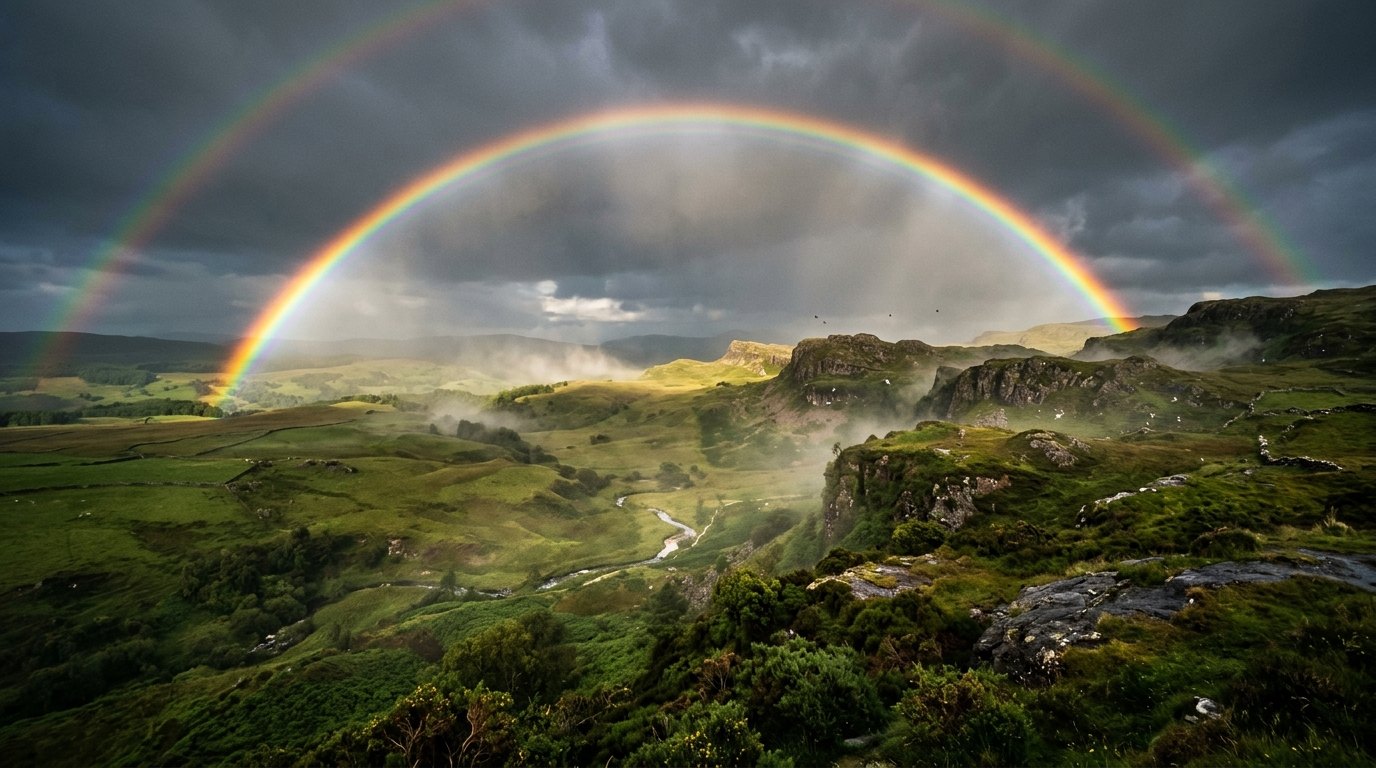
“I now establish my covenant with you and with your descendants after you and with every living creature that was with you—the birds, the livestock and all the wild animals, all those that came out of the ark with you—every living creature on earth.
Genesis 9:9-10 (NIV)
It shows that God's covenant after the flood explicitly includes every bird, livestock, and wild animal alongside mankind.
In Genesis 9:9-10, God speaks words of profound cosmic grace when He declares to Noah that His post-flood covenant encompasses not only human beings, but every living creature that stepped out of the ark. The Lord binds Himself by solemn oath to the birds, the livestock, and every wild beast of the earth. Even before establishing the sign of the rainbow, God pledges in Genesis 8:21-22 that as long as the earth endures, seedtime and harvest, cold and heat, summer and winter, day and night shall not cease. The covenant formalized in Genesis 9:8-17 reminds humanity that God preserves the natural cycles of the earth out of faithfulness to all life, placing His bow in the clouds as an everlasting reminder of His commitment to the physical realm.
This covenantal preservation reveals the very heart and character of the Creator. As David proclaims in Psalm 145:9, the Lord is good to all, and His tender mercies are over all His works. God is not an absent watchmaker who leaves His creatures to fend for themselves; Psalm 145:15-16 describes all eyes looking expectantly to Him as He opens His hand and satisfies the desire of every living thing in due season. The earth thrives because God remains intimately engaged with its daily needs. In Psalm 147:8-9, the psalmist praises the Lord who covers the heavens with clouds, prepares rain for the earth, makes grass grow upon the hills, and provides food for the beasts and the young ravens when they cry.
Jesus Himself draws upon this steady providence to teach His disciples how to live without anxiety. In Matthew 6:26-30, our Lord points directly to the natural order as visible evidence of the Father's love, noting that God feeds the birds of the air though they neither sow nor reap, and arrays the wild lilies with greater splendor than Solomon. The ongoing care that God extends to the humblest elements of nature demonstrates the high value He places upon His creation and charges His children to walk in the same watchful, tender care.
| Passage | What it says |
|---|---|
| Genesis 8:21-22 | God promises never again to destroy every living thing, pledging the enduring cycle of seedtime, harvest, seasons, and days. |
| Genesis 9:8-17 | God establishes His everlasting covenant with Noah, his descendants, and every living creature on the earth, marked by the rainbow. |
| Psalms 145:9 | Affirms that the Lord is good to all and His mercies extend over all His creation. |
| Psalms 145:15-16 | Celebrates the Lord opening His hand to satisfy the desires of every living thing in due season. |
| Psalms 147:8-9 | Praises God for providing rain, making grass grow on the hills, and feeding wild animals and young ravens. |
| Matthew 6:26-30 | Jesus points to God feeding birds of the air and clothing lilies of the field as proof of His ongoing providence. |
Where in the Bible
| Book | Passages |
|---|---|
| Genesis | 9 · Genesis 1:1, Genesis 1:31, Genesis 1:26-28, Genesis 2:8, Genesis 2:15, Genesis 2:19-20, Genesis 3:17-19, Genesis 8:21-22, Genesis 9:8-17 |
| Exodus | 4 · Exodus 20:8-11, Exodus 23:10-11, Exodus 23:4-5, Exodus 23:12 |
| Leviticus | 3 · Leviticus 25:2-5, Leviticus 25:23-24, Leviticus 26:34-35 |
| Deuteronomy | 4 · Deuteronomy 10:14, Deuteronomy 20:19-20, Deuteronomy 22:6-7, Deuteronomy 25:4 |
| Nehemiah | 1 · Nehemiah 9:6 |
| Job | 1 · Job 41:11 |
| Psalms | 9 · Psalms 24:1, Psalms 50:10-12, Psalms 104:24-31, Psalms 19:1-4, Psalms 89:11, Psalms 8:6-8, Psalms 145:9, Psalms 145:15-16, Psalms 147:8-9 |
| Proverbs | 2 · Proverbs 12:10, Proverbs 27:23-27 |
| Isaiah | 3 · Isaiah 24:4-6, Isaiah 65:17-25, Isaiah 11:6-9 |
| Jeremiah | 2 · Jeremiah 12:4, Jeremiah 4:23-28 |
| Ezekiel | 1 · Ezekiel 34:18-19 |
| Hosea | 1 · Hosea 4:1-3 |
| Jonah | 1 · Jonah 4:11 |
| Habakkuk | 1 · Habakkuk 2:17 |
| Matthew | 1 · Matthew 6:26-30 |
| Romans | 1 · Romans 8:19-22 |
| 1 Corinthians | 1 · 1 Corinthians 10:26 |
| Colossians | 2 · Colossians 1:16-17, Colossians 1:20 |
| Hebrews | 1 · Hebrews 1:2-3 |
| Revelation | 5 · Revelation 11:18, Revelation 21:1-5, Revelation 22:1-2, Revelation 4:11, Revelation 5:13 |
The story in order
- Creation of the Earth (c. 4000 BC) · Genesis 1:1 · God establishes His ownership and goodness of all creation.
- Humanity's Mandate (c. 4000 BC) · Genesis 1:26-28 · Mankind is commissioned to rule and care for the earth.
- The Fall (c. 4000 BC) · Genesis 3:17-19 · Human sin brings a curse upon the ground.
- Covenant with Noah (c. 2350 BC) · Genesis 9:8-17 · God promises to sustain creation and never again destroy all life.
- Sabbath Laws (c. 1450 BC) · Exodus 20:8-11 · Rest for the land and animals is commanded.
- Land Sabbath (c. 1450 BC) · Leviticus 25:2-5 · The land itself is to observe a year of rest.
- Prophetic Lament (c. 700 BC) · Isaiah 24:4-6 · The earth suffers due to humanity's broken covenant.
- Jesus Sustains All (AD 30) · Colossians 1:16-17 · Christ is the agent and sustainer of all creation.
- Creation Groans (AD 60) · Romans 8:19-22 · All creation awaits redemption from corruption.
- New Heavens and Earth (c. 700 BC) · Isaiah 65:17 · God promises a future renewal of creation.
- New Jerusalem (c. AD 95) · Revelation 21:1-5 · God makes all things new in a renewed creation.
- River of Life (c. AD 95) · Revelation 22:1-2 · Healing flows from God's throne in the new creation.
Key words
- Stewardship
- Humanity's role as accountable caretakers of God's creation. · Genesis 1:26-28
- Dominion
- God-given authority to rule and care for the earth and its creatures. · Genesis 1:26-28
- Covenant (berit, בְּרִית)
- God's binding promise, extending to all creation after the flood. · Genesis 9:8-17
- Sabbath
- A commanded rest for humans, animals, and the land itself. · Exodus 20:8-11
- Groaning
- Creation's suffering and longing for redemption due to the fall. · Romans 8:19-22
- Renewal
- God's future promise to restore and make all things new. · Revelation 21:1-5
Believers care for creation not out of despair, but in joyful obedience to the God who owns and loves every detail of His handiwork. Every act of faithful stewardship, from honest labor to compassionate care for living creatures, honors our Creator while we look forward in living hope to the resurrection day when He makes all things new.
53 passages, each cited once.
Scripture cited
- Genesis 2:15
- Genesis 1:26-31
- Genesis 3:17-19
- Genesis 9:8-17
- Psalms 24:1
- Proverbs 12:10
- Romans 1:25
- Romans 8:19-23
- Revelation 21:1-5