What does the Bible say about the human soul?

Genesis 2:7
7 Then the LORD God formed a man from the dust of the ground and breathed into his nostrils the breath of life, and the man became a living being.
New International Version (NIV)
The answer
Scripture’s foundational answer is that a human being becomes a living soul through God’s creative work and gift of life. The soul is not self-created, divine, or independent of God.
Formed from dust, given life by God
Genesis 2:7 says that God formed man from the dust, breathed the breath of life into him, and man became a living soul. Adam is not described as a lifeless body into which an independently existing soul was inserted. The formed man, animated by God’s gift of life, became a living soul. Body and life belong together in this account of creation.
Job 33:4 likewise attributes human creation and life to God’s Spirit and breath. Acts 17:25 adds that God gives everyone life, breath, and all things. Human existence therefore remains dependent on its Creator rather than sustaining itself.
Isaiah 64:8 uses the picture of clay in a potter’s hand. Human beings are God’s workmanship: their lives come from Him, belong under His authority, and are meant for His purposes.
Bodily death is not escape from God
Ecclesiastes 12:7 says that at death the dust returns to the earth, while the spirit returns to God who gave it. Genesis emphasizes the whole living person as a living soul; Ecclesiastes emphasizes the God-given spirit returning to its source. These are not competing accounts, and neither verse treats bodily death as mere disappearance into nothing. The body returns to dust, but the person remains answerable to God.
Adam received life; Christ gives life
First Corinthians 15:45 contrasts the first Adam, who became a living soul, with the last Adam, Christ, who is a life-giving spirit. First Corinthians 15:47 further contrasts Adam’s earthly origin with Christ as the Lord from heaven. Adam received created life; Christ gives resurrection life.
The soul’s lasting hope therefore does not rest in an inherently self-sufficient human nature or in permanent escape from bodily existence. It rests in Jesus Christ, who gives life beyond death and whose resurrection secures the resurrection of His people. Every human life is God’s gift, and its final destiny must be settled in relation to Him.
Answered from Scripture · reviewed November 11, 2026
Scripture reveals that the human soul is neither an illusion nor a self-existent spark, but a real creation brought into being by the breath of the living God. From our physical formation to our eternal destiny, the Bible teaches that man is an embodied creature accountable to his Maker, whose spirit endures beyond bodily death to stand before God.
Creation of Man
God Breathed Life into the Dust of the Earth

Then the LORD God formed a man from the dust of the ground and breathed into his nostrils the breath of life, and the man became a living being.
Genesis 2:7 (NIV)
This verse marks the origin of the human soul, showing that man became a living being through God's direct breath uniting with formed dust.
The origin of the human soul is established at creation, where man became a living soul through the direct breath of God. In Genesis 2:7, the Lord formed man of the dust of the ground and breathed into his nostrils the breath of life, uniting physical clay with immaterial life in an unrepeatable act of personal design. Job 33:4 echoes this foundational reality as Elihu confesses that the Spirit of God made him and the breath of the Almighty gave him life. Humanity does not exist by chance, blind cosmic processes, or self-origination; rather, Isaiah 64:8 reminds us that the Lord is our Father and the potter, while we are the clay fashioned by His sovereign hand. This divine dependency is universal: Acts 17:25 declares that God gives to all life, breath, and all things, needing nothing from human hands.
Because man was made in the image and likeness of God according to Genesis 1:26-27, the human soul possesses a distinct dignity, moral accountability, and spiritual capacity unknown to the animal kingdom. While animals possess temporal biological breath, Job 12:10 distinguishes the life of every living thing from the breath of all mankind held in the Lord's hand. Zechariah 12:1 confirms that alongside stretching out the heavens and laying the foundation of the earth, Yahweh forms the spirit of man within him. The human soul is neither a fragment of deity nor an illusion; it is an enduring, created spiritual reality formed directly by the Almighty.
| Passage | What it says |
|---|---|
| Genesis 2:7 | God forms man from dust and breathes into his nostrils the breath of life, making him a living soul. |
| Job 33:4 | Elihu affirms that the Spirit of God made him and the breath of the Almighty sustains his life. |
| Isaiah 64:8 | God is declared as the Father and potter, while humanity is the clay formed entirely as His handiwork. |
| Acts 17:25 | Paul proclaims in Athens that God is not served by human hands, since He gives life, breath, and all things to everyone. |
| Genesis 1:26-27 | God creates humanity in His own image and likeness, establishing man as a spiritual and moral being distinct from the animals. |
| Job 12:10 | In the Lord's hand is the soul of every living thing and the breath of all mankind. |
| Zechariah 12:1 | The Lord stretches out the heavens, lays the foundation of the earth, and forms the human spirit within man. |
Death and Immortality
The Body Returns to Dust While the Spirit Endures
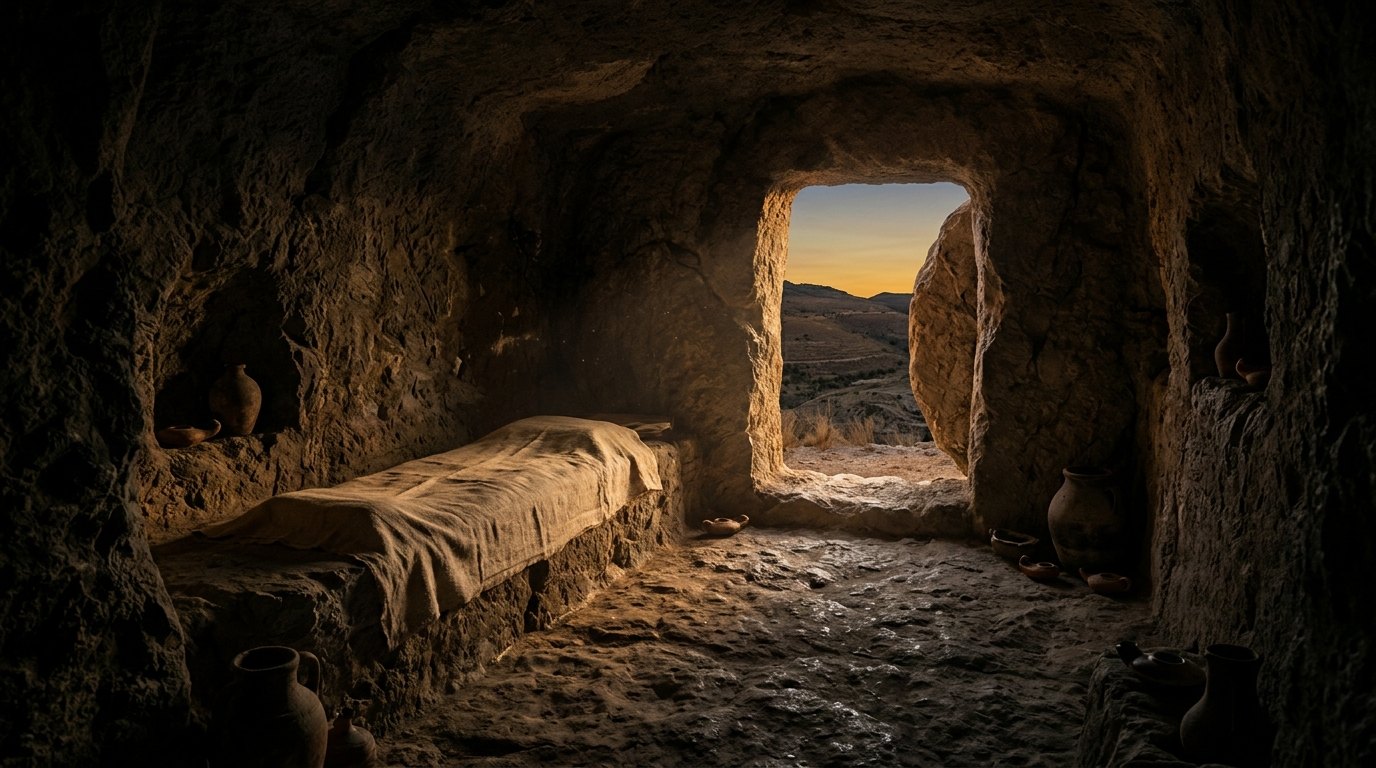
and the dust returns to the ground it came from, and the spirit returns to God who gave it.
Ecclesiastes 12:7 (NIV)
The passage clearly refutes the concept of annihilation by showing that the human spirit survives bodily death and returns to God.
Physical death does not mark the extinction of the human person, for the spirit survives bodily demise and returns to God. Ecclesiastes 12:7 states with absolute clarity that when life ends, the dust returns to the earth as it was, and the spirit returns to God who gave it. The soul continues in conscious existence after the grave, awaiting judgment. Jesus Himself commands us in Matthew 10:28 not to fear those who can kill only the mortal body, but rather to fear God who has authority to destroy both soul and body in hell. The reality of immediate post-mortem consciousness is graphically described in Luke 16:22-23, where both the rich man and Lazarus remain conscious, self-aware, and sensible in their intermediate states.
Believers enter immediate fellowship with the Lord at death. In 2 Corinthians 5:8, Paul affirms that to be absent from the body is to be present with the Lord, a truth reflected in Philippians 1:21-23 where departing this world to be with Christ is called far better. Job 19:26-27 anchored the resurrection hope, testifying that even after worms destroy the skin, in the flesh he shall see God. In Psalm 16:10, David prophesied that the Lord's Holy One would not be abandoned to Sheol nor undergo corruption, a promise fulfilled in Christ's bodily resurrection. From the cross, Jesus promised the repentant thief in Luke 23:43 that they would be together that day in paradise, before crying out in Luke 23:46 as He committed His spirit into the Father's hands. Today, Hebrews 12:23 speaks of the heavenly assembly where the spirits of the righteous are made perfect, while Revelation 6:9-10 portrays the conscious souls of the martyrs crying aloud before God's altar.
| Passage | What it says |
|---|---|
| Ecclesiastes 12:7 | At death, the physical dust returns to the earth while the spirit returns directly to God who gave it. |
| Matthew 10:28 | Jesus warns to fear God rather than men, because men can kill only the body but God can destroy both soul and body in hell. |
| Luke 16:22-23 | Following physical death, both the rich man and Lazarus remain conscious in their respective post-mortem realities. |
| 2 Corinthians 5:8 | Paul describes being absent from the physical body as being consciously present with the Lord. |
| Job 19:26-27 | Even after the skin is destroyed, in the flesh Job knows he shall see God with his own eyes. |
| Psalms 16:10 | God will not leave the soul of His holy one in Sheol nor allow Him to see corruption. |
| Luke 23:43 | Jesus promises the repentant thief that on that very day his conscious soul will be with Him in paradise. |
| Luke 23:46 | At death Jesus commits His spirit into the hands of the Father. |
| Philippians 1:21-23 | Paul speaks of departing to be with Christ after bodily death as far better than remaining in the flesh. |
| Hebrews 12:23 | Believers come to the heavenly Jerusalem and to the spirits of the righteous made perfect. |
| Revelation 6:9-10 | John sees under the altar the conscious souls of those slain for the word of God, crying out for justice. |
Redemption in Christ
The Last Adam Becomes a Life-Giving Spirit
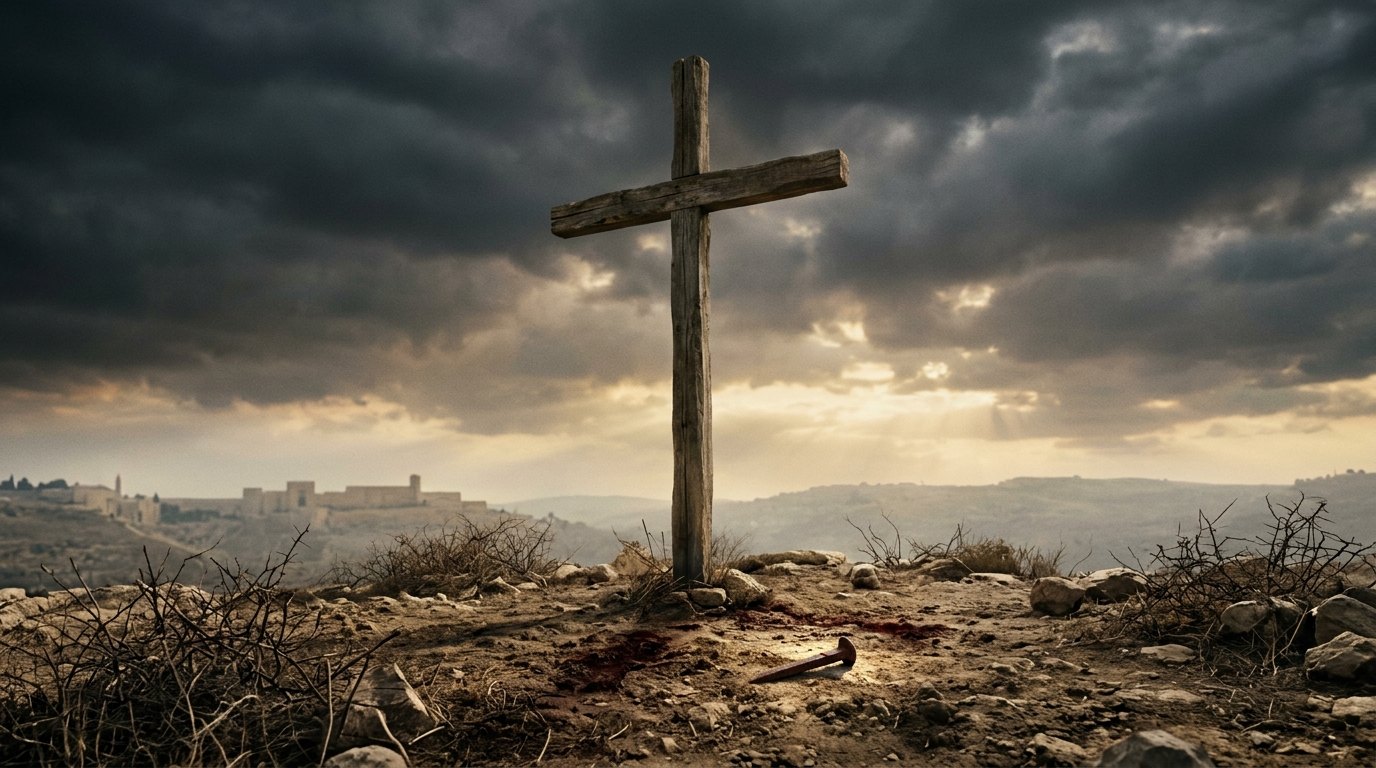
So it is written: “The first man Adam became a living being”; the last Adam, a life-giving spirit.
1 Corinthians 15:45 (NIV)
Paul contrasts Adam's created mortal nature with Christ's quickening power that imparts eternal resurrection life to believers.
The deepest necessity of the human soul is redemption from sin, achieved when the last Adam became a life-giving spirit to impart eternal life. In 1 Corinthians 15:45, Scripture contrasts the first Adam, who was merely made a living being from the dust, with Christ the last Adam, who gives spiritual and eternal vitality to dead souls—a promise fulfilled through His quickening power in John 5:21 and John 6:63. Paul continues in 1 Corinthians 15:47 by showing that the first man was of the earth, earthy, while the second man is the Lord from heaven, fulfilling John 3:31. In John 6:63, Christ confirms that the flesh profits nothing, pointing forward to Romans 8:11, where the Spirit who raised Jesus from the dead gives life to mortal bodies.
This salvation is the comprehensive rescue of the whole person. In 1 Peter 1:9, believers obtain the outcome of their faith, the salvation of their souls, mirroring Hebrews 10:39 where the faithful preserve their souls through faith in the Son of God. Psalm 19:7 declares that the law of the Lord is perfect, reviving the soul. Mark 8:36-37 exposes the supreme tragedy of earthly ambition, asking what it profits a man to gain the whole world yet forfeit his own soul. Therefore, James 1:21 commands believers to receive with meekness the implanted word which is able to save their souls, while James 5:20 shows that turning a sinner from error saves a soul from death. Walking in this rescue requires vigilance: 1 Peter 2:11 urges abstaining from fleshly lusts that wage war against the soul, resting in 1 Peter 2:25 under the care of Jesus Christ, the Shepherd and Overseer of our souls.
| Passage | What it says | Fulfilled |
|---|---|---|
| 1 Corinthians 15:45 | Scripture contrasts the first Adam who became a living soul with the last Adam who became a life-giving Spirit. | John 5:21, John 6:63 |
| 1 Corinthians 15:47 | The first man is identified as earthly and made of dust, while the second man is the Lord from heaven. | John 3:31 |
| John 6:63 | Jesus declares that the flesh profits nothing, while the Spirit gives life through His spoken words. | Romans 8:11 |
| 1 Peter 1:9 | Believers receive the ultimate goal and outcome of their faith, which is the complete salvation of their souls. | Hebrews 10:39 |
| Psalms 19:7 | The perfect law of the Lord revives and restores the human soul. | |
| Mark 8:36-37 | Gaining the whole world cannot compensate for forfeiting or losing one's own soul. | |
| Hebrews 10:39 | The faithful do not shrink back to destruction, but have faith to the preserving and saving of the soul. | |
| James 1:21 | Believers are told to receive with meekness the implanted word, which is able to save their souls. | |
| James 5:20 | Whoever turns a sinner from the error of his way saves that person's soul from death. | |
| 1 Peter 2:11 | Believers are urged to abstain from fleshly lusts that wage war against the soul. | |
| 1 Peter 2:25 | Straying sheep have now returned to the Shepherd and Overseer of their souls. |
Inner Life and Worship
The Soul Seeks, Longs For, and Rejoices in God

As the deer pants for streams of water, so my soul pants for you, my God. My soul thirsts for God, for the living God. When can I go and meet with God?
Psalms 42:1-2 (NIV)
It shows the inner human soul as consciously yearning for communion with the living God above all earthly needs.
The human soul is formed with an innate capacity and moral duty to know its Creator, for the inner life finds true satisfaction only in God. Psalm 42:1-2 captures this intense thirst, comparing the yearning soul to a deer panting for streams of water, crying out for the living God. The first and greatest commandment in Deuteronomy 6:5 requires loving the Lord our God with all our heart, with all our soul, and with all our strength. In seasons of anguish, the soul is poured out in raw petition, just as Hannah did in 1 Samuel 1:15 when she described her prayer as pouring out her soul before the Lord. True peace is discovered nowhere else: Psalm 62:1 announces that the soul waits in silence for God alone, from whom salvation comes, while Psalm 103:1-2 commands the soul and all within to bless the Lord's holy name and forget not His benefits.
This inward capacity also enters deep sorrow and ultimate rest. In Matthew 11:28-29, Jesus calls all who labor and are heavy laden to take His yoke and learn from Him, promising rest for their souls. When bearing the agonizing weight of our sin in Gethsemane, Jesus declared in Matthew 26:38 that His soul was exceedingly sorrowful, even unto death, demonstrating the reality of His human nature. Yet in redeemed communion, the soul breaks forth into adoration, as Mary proclaims in Luke 1:46-47 that her soul magnifies the Lord and her spirit rejoices in God her Savior. The soul is the seat of worship, repentance, and everlasting delight in God.
| Passage | What it says |
|---|---|
| Deuteronomy 6:5 | Israel is commanded to love the Lord their God with all their heart, soul, and might. |
| 1 Samuel 1:15 | Hannah describes pouring out her soul in prayer and grief before the Lord. |
| Psalms 42:1-2 | The psalmist's soul pants and thirsts for the living God like a deer thirsting for water. |
| Psalms 62:1 | The soul finds rest and stillness in God alone, from whom salvation comes. |
| Psalms 103:1-2 | David commands his inner soul and all that is within him to bless the Lord's holy name. |
| Matthew 11:28-29 | Jesus invites the weary to take His yoke and find rest for their souls. |
| Matthew 26:38 | Jesus declares in Gethsemane that His soul is exceedingly sorrowful, even unto death. |
| Luke 1:46-47 | Mary magnifies the Lord with her soul, rejoicing in God her Savior with her spirit. |
Constitution and Wholeness
The Whole Person Sanctified Across Spirit, Soul, and Body

May God himself, the God of peace, sanctify you through and through. May your whole spirit, soul and body be kept blameless at the coming of our Lord Jesus Christ.
1 Thessalonians 5:23 (NIV)
It sets the whole constitution of man under God's sanctifying power until the return of Christ.
Paul’s benediction in 1 Thessalonians 5:23 establishes that God claims the whole human being—spirit, soul, and body—sanctifying every part to be kept entirely blameless at the coming of the Lord Jesus Christ. Scripture does not treat the body as a disposable shell or the inward life as detached from physical existence; rather, the God of peace works His sanctifying grace across the fullness of our created personhood.
Because the inward man possesses profound depth and complexity, Hebrews 4:12 describes how the living, active word of God pierces straight to the division between soul and spirit, joint and marrow. The sharpest instrument known to man cannot separate the inner elements of human consciousness, but God’s Word exposes the thoughts and intents of the heart, bringing divine clarity where human self-deception hides.
Amid the storms of suffering and temptation, this inner life requires an immovable foundation. Hebrews 6:19 declares that believers possess an anchor of the soul, both sure and steadfast, entering into the inner place behind the veil where Jesus has gone as our forerunner. True security rests outside our subjective feelings, anchored directly in the finished work and perpetual intercession of Christ in heaven.
Finally, the apostle John illustrates the vital harmony of the believer's life in 3 John 1:2, praying that Gaius would prosper and be in good physical health, even as his soul prospers. Spiritual vitality in truth and obedience remains primary, yet God cares for our physical well-being as we serve Him in this present world. Redemption does not discard our physical nature, but preserves the whole person in holiness for eternal fellowship with God.
| Passage | What it says |
|---|---|
| 1 Thessalonians 5:23 | Paul prays that God sanctify believers completely across spirit, soul, and body blameless at Christ's coming. |
| Hebrews 4:12 | The living word of God pierces to the division of soul and spirit, joints and marrow, discerning the heart's intent. |
| Hebrews 6:19 | The hope believers have in Christ is an anchor for the soul, sure and steadfast within the veil. |
| 3 John 1:2 | John prays that Gaius may prosper in all things and be in health, just as his soul prospers. |
Where in the Bible
| Book | Passages |
|---|---|
| Genesis | 2 · Genesis 2:7, Genesis 1:26-27 |
| Deuteronomy | 1 · Deuteronomy 6:5 |
| 1 Samuel | 1 · 1 Samuel 1:15 |
| Job | 3 · Job 33:4, Job 12:10, Job 19:26-27 |
| Psalms | 5 · Psalms 16:10, Psalms 19:7, Psalms 42:1-2, Psalms 62:1, Psalms 103:1-2 |
| Ecclesiastes | 1 · Ecclesiastes 12:7 |
| Isaiah | 1 · Isaiah 64:8 |
| Zechariah | 1 · Zechariah 12:1 |
| Matthew | 3 · Matthew 10:28, Matthew 11:28-29, Matthew 26:38 |
| Mark | 1 · Mark 8:36-37 |
| Luke | 4 · Luke 16:22-23, Luke 23:43, Luke 23:46, Luke 1:46-47 |
| John | 1 · John 6:63 |
| Acts | 1 · Acts 17:25 |
| 1 Corinthians | 2 · 1 Corinthians 15:45, 1 Corinthians 15:47 |
| 2 Corinthians | 1 · 2 Corinthians 5:8 |
| Philippians | 1 · Philippians 1:21-23 |
| 1 Thessalonians | 1 · 1 Thessalonians 5:23 |
| Hebrews | 4 · Hebrews 12:23, Hebrews 10:39, Hebrews 4:12, Hebrews 6:19 |
| James | 2 · James 1:21, James 5:20 |
| 1 Peter | 3 · 1 Peter 1:9, 1 Peter 2:11, 1 Peter 2:25 |
| 3 John | 1 · 3 John 1:2 |
| Revelation | 1 · Revelation 6:9-10 |
The story in order
- God forms man and breathes life (c. 4000 BC) · Genesis 2:7 · Establishes man as a living soul, created by God's breath.
- Man created in God's image (c. 4000 BC) · Genesis 1:26-27 · Defines humanity as spiritual and moral beings, distinct from animals.
- God sustains all life (c. 1500 BC) · Job 12:10 · Affirms God's sovereign control over the soul and breath of all.
- Spirit formed within man (c. 520 BC) · Zechariah 12:1 · Highlights God's direct creation of the human spirit.
- Paul preaches God gives life (c. AD 50) · Acts 17:25 · Declares God as the source of life, breath, and all things.
- Death: spirit returns to God (c. 450 BC) · Ecclesiastes 12:7 · Describes the physical body returning to dust and the spirit to God.
- Jesus warns of soul destruction (c. AD 30) · Matthew 10:28 · Jesus teaches God has authority over both body and soul.
- Conscious existence after death (c. AD 30) · Luke 16:22-23 · Parable showing conscious awareness in the afterlife.
- Jesus commits His spirit to Father (AD 30) · Luke 23:46 · Jesus' final act of entrusting His spirit to God.
- Adam a living soul, Christ a life-giving Spirit (c. AD 55) · 1 Corinthians 15:45 · Contrasts the first Adam with Christ, the source of spiritual life.
- Salvation of the soul (c. AD 65) · 1 Peter 1:9 · The ultimate goal of faith is the complete salvation of the soul.
- Believers' spirits made perfect (c. AD 65) · Hebrews 12:23 · The heavenly reality includes the spirits of the righteous.
- Souls under the altar (c. AD 95) · Revelation 6:9-10 · Vision of conscious souls awaiting justice in heaven.
Adam and Christ Contrasted
| First Adam | Last Adam (Christ) | Passage |
|---|---|---|
| Became a living soul | Became a life-giving Spirit | 1 Corinthians 15:45 |
| Earthly, made of dust | Lord from heaven | 1 Corinthians 15:47 |
Key words
- Soul (nephesh (נֶפֶשׁ))
- The immaterial, conscious essence of a person, created by God. · Genesis 2:7
- Spirit (ruach (רוּחַ))
- The divine breath or animating principle given by God; the inner person. · Job 33:4
- Life-giving Spirit (pneuma zōopoioun (πνεῦμα ζωοποιοῦν))
- Christ, who imparts spiritual life to believers. · 1 Corinthians 15:45
- Salvation of souls (sōtēria tōn psychōn (σωτηρία τῶν ψυχῶν))
- The complete deliverance and preservation of the soul from sin and death. · 1 Peter 1:9
Your soul is not an accident of nature or an independent possession, but God's deliberate design sustained by His breath each moment. Because physical death leads directly to standing before the God who gave your spirit, salvation in Jesus Christ—the life-giving Spirit—is the only way your soul can be redeemed and preserved for eternal glory.
41 passages, each cited once.
How the major Christian traditions read this
All Christian traditions confess that God created human beings as a living unity of physical and spiritual realities, and that the immaterial soul is immortal and answerable to its Maker (Genesis 2:7; Matthew 10:28).
Catholic
We teach that the human person is a unified whole of body and spiritual soul, created immediately by God rather than generated by parents. The soul is the substantial form of the body, making the material human frame a living person (Genesis 2:7). Though distinct from the body and capable of conscious existence after physical death (Luke 23:43), the soul is naturally ordered toward bodily resurrection on the last day. Scripture distinguishes the body that can be killed from the immortal soul that God sustains (Matthew 10:28). Thus, human life possesses sacred dignity in both its spiritual and corporeal dimensions from conception onward.
Scripture: Genesis 2:7, Matthew 10:28, Luke 23:43
Orthodox
We confess that the human person is created in God's image as an indivisible psychosomatic whole, uniting the visible dust of the earth with the invisible breath of heaven (Genesis 2:7). The soul is not trapped in an alien physical shell; body and soul are created together to share in divine transfiguration and deification. While physical death causes a temporary, unnatural tearing apart of this union—where the spirit returns to God who gave it (Ecclesiastes 12:7)—the whole person awaits the bodily resurrection. We venerate the soul as the seat of the noetic faculty, through which man communes directly with God in unceasing prayer.
Scripture: Genesis 2:7, Ecclesiastes 12:7
Lutheran
We hold that God created man as a living soul, consisting of two primary aspects: body and soul (Genesis 2:7). While Scripture occasionally uses terms like 'soul' and 'spirit' to highlight different facets of man's inner life (Hebrews 4:12), these describe the same immaterial nature in contrast to the physical flesh. Because the fall corrupted our entire nature, Christ took on our complete humanity—a true human body and a rational soul—to redeem both from eternal ruin (Matthew 26:38). At death, the believer's soul departs to be with Christ (Philippians 1:23), awaiting the bodily resurrection promised through His gospel.
Scripture: Genesis 2:7, Matthew 26:38, Philippians 1:23, Hebrews 4:12
Reformed & Presbyterian
We affirm the biblical dichotomy of human nature: man is composed of a material body and an immaterial, immortal soul or spirit (Genesis 2:7; Matthew 10:28). Terms like 'soul' and 'spirit' are interchangeable in Scripture, describing the same rational, spiritual essence viewed from different aspects. Christ bore the wrath of God in both body and soul to secure our total redemption. Upon death, the souls of believers are immediately made perfect in holiness and received into paradise with Christ (Luke 23:43; 2 Corinthians 5:8), where they consciously wait for the full redemption of their bodies at the general resurrection.
Scripture: Genesis 2:7, Matthew 10:28, Luke 23:43, 2 Corinthians 5:8
Anglican & Episcopal
We acknowledge the classic Christian understanding that God made humanity in His image, forming our dust and quickening us with life (Genesis 2:7). Scripture reveals our nature as a unified whole of body and soul. We avoid speculative divisions between soul and spirit, recognizing that both words name the inner person who repents, believes, and loves God (Mark 12:30). Christ fully assumed our human nature, body and soul, to reconcile us to the Father. The soul remains conscious in God's presence between death and resurrection (Philippians 1:23), finding its ultimate destiny in the renewal of all creation at the last day.
Scripture: Genesis 2:7, Mark 12:30, Philippians 1:23
Baptist
We hold that God formed man from the dust and gave him the breath of life, making each human a living soul responsible directly to Him (Genesis 2:7). Scripture consistently presents human nature in two parts: the outward physical body and the inward soul or spirit (Matthew 10:28; 2 Corinthians 4:16). While distinct, soul and spirit represent the same immaterial self that stands accountable before God. At death, the physical body returns to dust, while the soul immediately enters either conscious joy with Christ or conscious torment (Luke 16:22-23; 2 Corinthians 5:8), awaiting the bodily resurrection and final judgment.
Scripture: Genesis 2:7, Matthew 10:28, Luke 16:22-23, 2 Corinthians 4:16, 2 Corinthians 5:8
Methodist & Wesleyan
We teach that God created humanity as living souls capable of loving Him with all our heart, mind, and strength (Genesis 2:7; Mark 12:30). The soul is the seat of moral agency, will, and affection, designed to be sanctified entirely by the Holy Spirit. While we generally view humanity as composed of body and soul, Scripture also emphasizes how God's grace permeates the spirit, soul, and body entirely (1 Thessalonians 5:23). The soul is kept by God's power through faith, and when life on earth ends, the redeemed soul enters intermediate rest before the full, bodily resurrection.
Scripture: Genesis 2:7, Mark 12:30, 1 Thessalonians 5:23
Pentecostal & Charismatic
We frequently emphasize a trichotomous understanding of humanity, rooted directly in Paul's prayer that our 'whole spirit and soul and body be preserved blameless' (1 Thessalonians 5:23). Scripture reveals that the word of God pierces to the dividing asunder of soul and spirit (Hebrews 4:12). In this framework, the body interacts with the physical world, the soul contains our mind, will, and emotions, and the spirit is the innermost part regenerated by the Holy Spirit to commune with God (Romans 8:16). All parts remain essential, and the whole person is destined for the final redemption of the body.
Scripture: Genesis 2:7, Romans 8:16, 1 Thessalonians 5:23, Hebrews 4:12
Non-denominational & Evangelical
We emphasize what the text clearly states: God breathed life into man, making him a living soul (Genesis 2:7). Some among us view human nature as bipartite—body and soul/spirit—pointing to verses where inner life is described interchangeably (Matthew 10:28). Others understand human constitution as tripartite, distinguishing spirit, soul, and body based on explicit apostolic descriptions (1 Thessalonians 5:23; Hebrews 4:12). Regardless of precise structural emphasis, we unite on the essential truth that the soul is eternal, redeemed exclusively through faith in Christ's finished sacrifice, and awaits full bodily resurrection.
Scripture: Genesis 2:7, Matthew 10:28, 1 Thessalonians 5:23, Hebrews 4:12
Where they differ
Constituent parts of human nature
- Catholic
- Strict dichotomy: a rational soul as substantial form of the physical body.
- Orthodox
- Unified psychosomatic dichotomy: composite wholeness of physical body and noetic soul.
- Lutheran
- Dichotomy: body and soul/spirit as the two essential constituent parts.
- Reformed & Presbyterian
- Dichotomy: body and soul, with soul and spirit used interchangeably.
- Anglican & Episcopal
- Classic dichotomy: undivided human whole comprising outward body and inward soul.
- Baptist
- Dichotomy: outer material body and inner spiritual soul accountable to God.
- Methodist & Wesleyan
- Predominantly dichotomy, emphasizing entire sanctification across body, soul, and spirit.
- Pentecostal & Charismatic
- Trichotomy: distinct functional division among spirit, soul, and body.
- Non-denominational & Evangelical
- Varies between dichotomy and trichotomy depending on local biblical emphasis.
Scripture: Matthew 10:28, 1 Thessalonians 5:23, Hebrews 4:12
Origin of the individual soul
- Catholic
- Creationism: each spiritual soul is created immediately ex nihilo by God.
- Orthodox
- Mystery of creation: soul and body come into existence together.
- Lutheran
- Traducianism: soul and body are both transmitted through human generation.
- Reformed & Presbyterian
- Creationism: God directly creates each soul at conception.
- Anglican & Episcopal
- Commonly creationist, leaving exact transmission mechanism as an open mystery.
- Baptist
- Commonly creationism, with some holding traducianism to explain original sin.
- Methodist & Wesleyan
- Tends toward creationism while affirming universal corruption inherited from Adam.
- Pentecostal & Charismatic
- Direct creation by God's life-giving breath at the point of conception.
- Non-denominational & Evangelical
- Affirms God as Creator without dogmatic commitment between creationism and traducianism.
Scripture: Genesis 2:7, Ecclesiastes 12:7, Zechariah 12:1
Your pastor can tell you where your church stands.
Scripture cited
- Genesis 2:7
- Ecclesiastes 12:7
- Job 33:4
- 1 Corinthians 15:45
- Isaiah 64:8
- Acts 17:25
- 1 Corinthians 15:47
- 1 Corinthians 15:42-49