What is a covenant in the Bible?

Genesis 17:1-8
1 When Abram was ninety-nine years old, the LORD appeared to him and said, “I am God Almighty; walk before me faithfully and be blameless.
2 Then I will make my covenant between me and you and will greatly increase your numbers.”
3 Abram fell facedown, and God said to him,
4 “As for me, this is my covenant with you: You will be the father of many nations.
5 No longer will you be called Abram; your name will be Abraham, for I have made you a father of many nations.
6 I will make you very fruitful; I will make nations of you, and kings will come from you.
7 I will establish my covenant as an everlasting covenant between me and you and your descendants after you for the generations to come, to be your God and the God of your descendants after you.
8 The whole land of Canaan, where you now reside as a foreigner, I will give as an everlasting possession to you and your descendants after you; and I will be their God.”
New International Version (NIV)
The answer
A covenant in the Bible is a solemn, binding commitment that establishes a relationship. It normally includes promises and may also include responsibilities and a visible sign. It is stronger than a casual agreement: Jonathan and David “made a covenant” because Jonathan loved David as his own soul (1 Samuel 18:3).
When God makes a covenant, He is not negotiating with an equal. He graciously takes the initiative, announces His promises, and sets the terms. His covenant purpose is captured in His words to Abraham: “I will establish my covenant between me and you and your offspring after you throughout their generations for an everlasting covenant, to be a God to you and to your offspring after you” (Genesis 17:7).
Major covenants in Scripture
- Covenant — What God establishes
- Noah — God promises Noah, his offspring, and every living creature that another flood will never destroy the earth. The rainbow is the covenant’s sign (Genesis 9:9-13).
- Abraham — God promises Abraham countless offspring, nations and kings, the land of Canaan, and an enduring relationship with his descendants. Abraham is called to walk before God and be blameless (Genesis 17:1-8).
- Israel at Sinai — Having rescued Israel from Egypt, God calls the nation to obey His voice and keep His covenant, promising that they will be His possession, “a kingdom of priests and a holy nation” (Exodus 19:3-6).
- David — God promises David an enduring house, kingdom, and throne through his offspring, while also promising fatherly correction when necessary (2 Samuel 7:12-16).
- The new covenant — God promises to write His law on His people’s hearts, to be their God, and to forgive their iniquity and remember their sin no more (Jeremiah 31:31-34).
Its fulfilment in Jesus
At the Last Supper, Jesus took the cup and said, “This cup is the new covenant in my blood, which is poured out for you” (Luke 22:20). His sacrificial death establishes the promised new covenant, through which God gives forgiveness and a transformed relationship with His people.
The covenants are therefore not isolated ancient contracts. Together, they show God faithfully committing Himself to His purposes and His people, with His promises reaching their fulfilment in Jesus Christ.
Answered from Scripture · reviewed November 11, 2026
A covenant in Scripture is far more than a contract; it is a sacred, binding bond forged by oath and sealed in blood, through which God binds Himself to His people. From Eden to the cross, God's covenants form the structural backbone of redemptive history, revealing His unwavering faithfulness to redeem fallen humanity through Jesus Christ. Understanding what a covenant is illuminates how the sovereign Creator condescends to walk in fellowship with dust and make sinners His everlasting possession.
The Nature of Covenant
A solemn bond sealed in blood and oaths
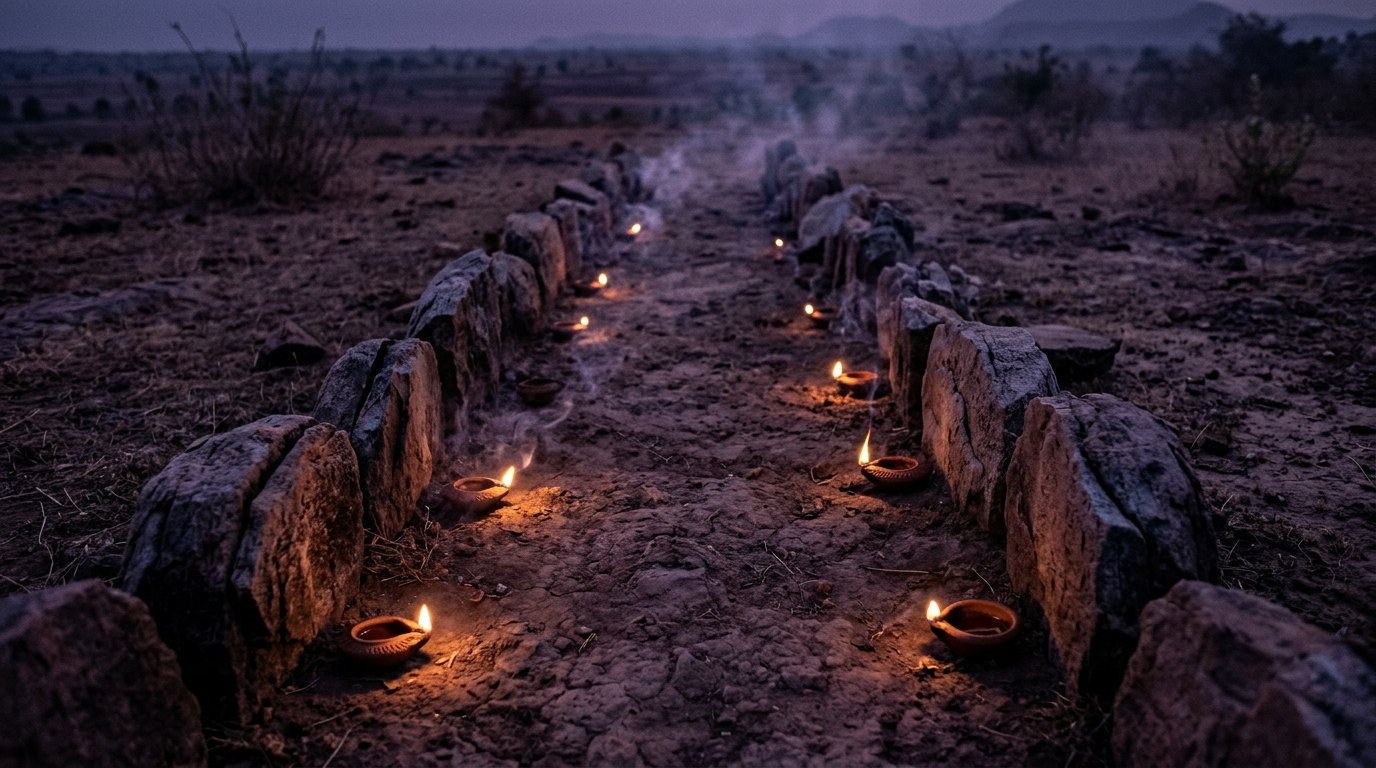
Those who have violated my covenant and have not fulfilled the terms of the covenant they made before me, I will treat like the calf they cut in two and then walked between its pieces.
Jeremiah 34:18 (NIV)
This verse pictures the ancient ceremony of cutting animals in two, demonstrating that a covenant was an oath sworn on pain of death.
In Jeremiah 34:18, the prophet exposes the solemn gravity of biblical covenant-making: a covenant was an oath sworn on pain of death, physically enacted when parties cut an animal in two and walked between the pieces. This stark ceremony declared that whoever violated the agreement called down a similar dismemberment upon their own flesh. Scripture reveals this very ritual when God condescended to Abram in Genesis 15:17, where a smoking furnace and a burning torch passed between the severed carcasses to take the curse entirely upon Himself.
Far from a modern commercial contract where parties negotiate mutual self-interest, a covenant in Scripture establishes a lifelong, consecrated relationship. We witness this horizontal bond when Jonathan stripped himself of his royal robe to make a covenant with David because he loved him as his own soul (1 Samuel 18:3), and when Jacob and Laban erected a heap of stones as an enduring witness of peace (Genesis 31:44). Scripture also applies this sacred framework to holy marriage in Malachi 2:14, where God stands as the legal witness between husband and wife, warning in Proverbs 2:17 against the treacherous spouse who forgets this divine bond.
Ultimately, every covenant possesses an unyielding legal finality that demands blood. As Hebrews 9:16 notes, a covenant takes binding effect only through death; it cannot be altered lightly. Yet for all its terrifying weight, the covenant is God's chosen instrument of grace, leading Nehemiah 9:32 to praise Him as the great, mighty, and awesome God who unfailingly keeps His covenant of steadfast love.
| Passage | What it says |
|---|---|
| Genesis 15:17 | A smoking furnace and a flaming torch pass between cut pieces of sacrificed animals, enacting a solemn oath. |
| Genesis 31:44 | Laban proposes a covenant with Jacob to stand as a mutual witness between them. |
| 1 Samuel 18:3 | Jonathan and David make a solemn covenant because Jonathan loved him as his own soul. |
| Proverbs 2:17 | A treacherous companion forsakes the guide of her youth and forgets the sacred covenant of her God. |
| Jeremiah 34:18 | The Lord pronounces judgment upon men who cut a calf in two and passed between its parts but broke the covenant. |
| Hebrews 9:16 | A testament or covenant requires the death of the one who made it to take binding legal effect. |
| Nehemiah 9:32 | Praises God as the great, mighty, and awesome God who keeps His covenant and steadfast love. |
| Malachi 2:14 | Identifies marriage as a sacred covenant witnessed by God between a husband and his wife. |
The Pre-Fall Foundation
Life offered in Adam through obedience

And the LORD God commanded the man, “You are free to eat from any tree in the garden; but you must not eat from the tree of the knowledge of good and evil, for when you eat from it you will certainly die.”
Genesis 2:16-17 (NIV)
God sets the original terms of life and death before Adam, establishing the covenantal pattern of divine command and accountability.
The entire biblical drama begins with a covenantal framework in Eden, highlighted in Genesis 2:16-17 where God set the terms of life and death before Adam through a direct command. In Genesis 1:28, the Lord blessed humanity and charged Adam and Eve to exercise fruitful dominion over creation. This mandate of unfallen glory finds its true antitype in Hebrews 2:6-9, where Christ, the Last Adam, is crowned with glory and honor, having all things subjected beneath His feet.
Though some readers miss the explicit covenantal structure in the opening chapters of Genesis, the prophet Hosea makes it unmistakable: 'Like Adam, they transgressed the covenant; there they dealt treacherously with me' (Hosea 6:7). That Edenic bond—often called the covenant of works or of life—hinged upon flawless obedience. When Adam ate of the forbidden tree, the threatened curse fell immediately upon all mankind, as Romans 5:12 explains that sin entered the world through one man, and death through sin.
Yet Scripture never leaves humanity stranded in Adam's catastrophic failure. The representative headship established in Eden serves as the mirror for the gospel itself. Just as Adam plunged his natural posterity into condemnation (Romans 5:12-19), the Lord Jesus Christ stood as the second federal Head for His people. Thus 1 Corinthians 15:21-22 declares that while in Adam all die, so in Christ shall all who belong to Him be made eternally alive.
| Passage | What it says | Fulfilled |
|---|---|---|
| Genesis 1:28 | God blesses humanity and commands them to be fruitful, multiply, fill the earth, and exercise dominion. | Hebrews 2:6-9 |
| Genesis 2:16-17 | The Lord commands the man not to eat of the tree of the knowledge of good and evil upon penalty of death. | Romans 5:12-19 |
| Hosea 6:7 | Scripture explicitly states that men transgressed the covenant just like Adam and dealt treacherously. | 1 Corinthians 15:21-22 |
| Romans 5:12 | Explains that sin and death entered the world through one man, establishing federal headship in Adam. | |
| 1 Corinthians 15:22 | States that as in Adam all die, so in Christ shall all be made alive. |
The Noahic Covenant
Universal preservation for a fallen world

I establish my covenant with you: Never again will all life be destroyed by the waters of a flood; never again will there be a flood to destroy the earth.”
Genesis 9:11 (NIV)
God establishes an unconditional promise never again to destroy all flesh by the waters of a flood.
Following the devastation of the universal flood, God established a universal covenant with all creation, grounded in Genesis 9:11: the Lord swore an unconditional promise never again to destroy all flesh by water. When Noah emerged from the ark, building an altar and offering clean sacrifices, the Lord smelled a soothing aroma and vowed never again to strike down every living creature, decreeing that seedtime and harvest, cold and heat, summer and winter, day and night, shall not cease (Genesis 8:21-22). This cosmic preservation provides the theater of world history in which God's redemptive purpose unfolds, holding the present earth in reserve until the final judgment by fire (2 Peter 3:7).
In Genesis 9:9-11, this covenant is inaugurated with Noah, his sons, and every living creature, guaranteed not by human fidelity but solely by divine sovereignty. To confirm this enduring pledge, God set His bow in the clouds as an outward sign (Genesis 9:12-17). Whenever the storm clouds gather over the earth, the rainbow testifies to God's restraint. In Revelation 4:3 and Revelation 10:1, John beholds this very covenant token surrounding the heavenly throne like an emerald, showing that the reigning Lord remains faithful to His ancient pledge.
Centuries later, the prophet Isaiah draws upon this preservation to comfort God's redeemed. In Isaiah 54:9, the Lord declares that just as He swore the waters of Noah should no more cover the earth, so He has sworn never to pour out His wrath on His covenant people, a promise crowned in Romans 8:1 by the absolute assurance of no condemnation for those in Christ.
| Passage | What it says | Fulfilled |
|---|---|---|
| Genesis 8:21-22 | The Lord vows never again to curse the ground for man's sake, preserving seedtime and harvest. | 2 Peter 3:7 |
| Genesis 9:9-11 | God establishes an everlasting covenant with Noah, his seed, and every living creature on earth. | Revelation 4:3 |
| Genesis 9:12-17 | The rainbow is appointed as the visible token of God's covenant with the earth. | Revelation 10:1 |
| Isaiah 54:9 | The Lord compares His unfailing peace to the waters of Noah, swearing never to be angry with His people. | Romans 8:1 |
The Abrahamic Covenant
Unconditional promise of seed and land

I will establish my covenant as an everlasting covenant between me and you and your descendants after you for the generations to come, to be your God and the God of your descendants after you.
Genesis 17:7 (NIV)
The Lord promises an everlasting covenant to be God to Abraham and his offspring through all generations.
The heartbeat of God's redemptive promise beats with sovereign power in Genesis 17:7, where the Lord established an everlasting covenant to be God to Abraham and his offspring. When God summoned Abram out of Ur in Genesis 12:1-3, He promised to make him a great nation, give him land, and bless all the families of the earth through him—a declaration that Galatians 3:8 identifies as the gospel preached beforehand to Abraham. When Abram raised his eyes to the stars and believed God's promise of innumerable heirs, that faith was counted to him as righteousness (Genesis 15:5-6; Romans 4:3).
In Genesis 17:1-8, God confirmed this promise by renaming the patriarch Abraham, establishing an everlasting covenant that would yield kings and nations. As the outward sign and seal of this spiritual bond, God instituted circumcision in the flesh (Genesis 17:9-14), pointing ahead to the true circumcision of the heart performed by Christ without hands, burying believers with Him through faith (Colossians 2:11-12). When Abraham climbed Mount Moriah to offer Isaac, the Lord swore by Himself that in Abraham's seed all nations would be blessed (Genesis 22:16-18; Acts 3:25-26).
The New Testament unveils the ultimate destination of this ancient covenant. The promise was not spoken to many seeds, but to one: Jesus Christ (Galatians 3:16). Therefore, all who are united to Christ by faith are Abraham's true offspring and heirs according to the promise (Galatians 3:29).
| Passage | What it says | Fulfilled |
|---|---|---|
| Genesis 12:1-3 | The Lord calls Abram, promising to make him a great nation and to bless all families of the earth in him. | Galatians 3:8 |
| Genesis 15:5-6 | Abram believes the Lord's promise regarding innumerable offspring, and it is counted to him as righteousness. | Romans 4:3 |
| Genesis 17:1-8 | God commands Abram to walk blamelessly, changes his name to Abraham, and establishes an everlasting covenant of seed and land. | Galatians 3:16 |
| Genesis 17:9-14 | Circumcision is instituted as the mandatory sign and seal of the covenant in Abraham's flesh. | Colossians 2:11-12 |
| Genesis 22:16-18 | God swears by Himself that in Abraham's Seed all the nations of the earth shall be blessed. | Acts 3:25-26 |
| Galatians 3:16 | Identifies Christ as the singular promised seed to whom the promises of the Abrahamic covenant were made. | |
| Galatians 3:29 | Declares that those who belong to Christ are Abraham's offspring and heirs according to the covenant promise. |
The Mosaic Covenant
A holy nation bound at Sinai
Moses then took the blood, sprinkled it on the people and said, “This is the blood of the covenant that the LORD has made with you in accordance with all these words.”
Exodus 24:8 (NIV)
Moses sprinkles the blood of the covenant upon the people, inaugurating Israel's legal and sacrificial standing.
In Exodus 24:8, Moses takes the basin of sacrificial blood and casts it over the gathered assembly, crying out, "Behold the blood of the covenant that the LORD has made with you in accordance with all these words." This solemn ritual binds Israel to Yahweh as His redeemed inheritance. At Mount Sinai, God called His ransomed nation to be a kingdom of priests and a holy people through wholehearted obedience (Exodus 19:5–6), an identity granted in full to the church in 1 Peter 2:9. God Himself spoke the Ten Commandments as the unyielding moral framework of this administration (Exodus 20:1–17), a righteous standard that Christ did not abolish but perfectly fulfilled (Matthew 5:17–18). After reading the Book of the Covenant, Moses splashed half the blood on the altar and half upon the congregation (Exodus 24:3–8), a foreshadowing of the far greater purification secured through the blood of Christ in Hebrews 9:19–21. God also instituted the Sabbath as an ongoing sign of sanctification between Himself and Israel (Exodus 31:16–17), pointing forward to the ultimate rest found in the finished work of Jesus (Hebrews 4:9–10). In the plains of Moab, the covenant was renewed with solemn declarations of blessings for obedience and terrifying curses for rebellion (Deuteronomy 28:1–2, 15; Deuteronomy 29:1). Yet because fallen human nature could not sustain this legal standard, Christ redeemed His people from the curse of the law by becoming a curse for us upon the tree (Galatians 3:13). As Paul affirms, the law was intentionally added to expose transgressions and tutor humanity until the promised Seed arrived (Galatians 3:19).
| Passage | What it says | Fulfilled |
|---|---|---|
| Exodus 19:5-6 | Israel is promised to become a kingdom of priests and a holy nation if they obey God's covenant. | 1 Peter 2:9 |
| Exodus 20:1-17 | The Lord speaks the Ten Commandments as the foundational moral terms of the covenant. | Matthew 5:17-18 |
| Exodus 24:3-8 | The covenant is ratified by the Book of the Covenant and the sprinkling of sacrificial blood. | Hebrews 9:19-21 |
| Exodus 31:16-17 | The Sabbath is appointed as an enduring sign of the covenant between Yahweh and Israel. | Hebrews 4:9-10 |
| Deuteronomy 28:1-2 | Blessings are promised for obedience to the voice and commandments of the Lord. | Ephesians 1:3 |
| Deuteronomy 28:15 | Curses are pronounced upon those who fail to observe and do all the commandments. | Galatians 3:13 |
| Deuteronomy 29:1 | Specifies the covenant made with Israel in Moab in addition to the covenant made at Horeb. | |
| Galatians 3:19 | Explains the Mosaic law was added because of transgressions until the promised Seed should come. |
The Davidic Covenant
An eternal throne and royal dynasty

When your days are over and you rest with your ancestors, I will raise up your offspring to succeed you, your own flesh and blood, and I will establish his kingdom. He is the one who will build a house for my Name, and I will establish the throne of his kingdom forever.
2 Samuel 7:12-13 (NIV)
God promises David an offspring whose royal house and throne will be established forever.
God declares to the shepherd-king in 2 Samuel 7:12–13 that He will raise up David's royal offspring and establish the throne of his kingdom forever. This covenant represents an unconditional divine pledge that David's royal line would culminate in an eternal Monarch. While Solomon built a physical temple and fell into compromise, God’s ultimate design focused on a greater Son whose reign would have no end (2 Samuel 7:12–16), an announcement fulfilled when the angel Gabriel announced the birth of Jesus (Luke 1:32–33). Reflecting on his life at its close, David rejoiced that God had made with him an everlasting covenant, ordered in all things and secure (2 Samuel 23:5), anticipating the sure mercies of David confirmed in the resurrection of Christ (Acts 13:34). The psalmists repeated this unconditional divine oath, celebrating Yahweh's sworn vow that David's throne would endure as long as the sun and moon (Psalm 89:3–4; Psalm 132:11). This royal lineage reached its eternal goal not in an earthly dynasty in Jerusalem, but in the resurrected Lord Jesus, whom Peter proclaimed on Pentecost as the direct heir seated upon the heavenly throne (Acts 2:30). The chronicler recorded the identical pledge to David’s seed (1 Chronicles 17:11–14), and the apostle Paul anchored the gospel itself in Jesus Christ, who was born of the seed of David according to the flesh and declared to be the Son of God with power (Romans 1:3).
| Passage | What it says | Fulfilled |
|---|---|---|
| 2 Samuel 7:12-16 | The Lord promises to build David a house and establish the throne of his kingdom forever. | Luke 1:32-33 |
| 2 Samuel 23:5 | David confesses that God has made with him an everlasting covenant, ordered in all things and sure. | Acts 13:34 |
| Psalms 89:3-4 | The Lord swears to David His servant to build up his throne to all generations. | Acts 2:30 |
| Psalms 132:11 | Yahweh swears in truth that of the fruit of David's body He will set upon the throne. | Romans 1:3 |
| 1 Chronicles 17:11-14 | Reiterates God's covenant pledge to David to establish the throne of his offspring forever. | |
| Acts 2:30 | Cites David's awareness that God swore an oath to set one of his descendants upon his throne. |
The Prophesied Renewal
A new heart and internal law

“The days are coming,” declares the LORD, “when I will make a new covenant with the people of Israel and with the people of Judah. It will not be like the covenant I made with their ancestors when I took them by the hand to lead them out of Egypt, because they broke my covenant, though I was a husband to them,” declares the LORD. “This is the covenant I will make with the people of Israel after that time,” declares the LORD. “I will put my law in their minds and write it on their hearts. I will be their God, and they will be my people.
Jeremiah 31:31-33 (NIV)
The prophet foretells a new covenant distinct from Sinai, writing God's law directly upon human hearts.
In Jeremiah 31:31–33, the prophet delivers one of the most magnificent promises in Scripture, declaring that the days are coming when the Lord will make a new covenant, writing His law directly onto human hearts rather than cold stone tablets. Israel's tragic history of idolatry had proved that external commandments could never conquer internal rebellion; a radical inner transformation was required. Under this renewed bond, God promises to forgive sin completely, remember iniquities no more, and impart intimate knowledge of Himself to every covenant member (Jeremiah 31:31–34), an arrangement explicitly realized in Christ's high-priestly ministry (Hebrews 8:8–12). God further pledged an everlasting covenant wherein He puts the reverent fear of God within the heart so that His redeemed people will never depart from Him (Jeremiah 32:40; Hebrews 13:20–21). Ezekiel amplified this glorious hope, prophesying that God would remove the stony heart of flesh, bestow a new spirit, and place His own Holy Spirit inside His people to cause them to walk in His statutes (Ezekiel 36:26–27). Paul identified the realization of this transformation in the Corinthian believers, who became living letters written by the Spirit of the living God (2 Corinthians 3:3). Through this everlasting covenant of peace, God establishes His holy dwelling among His people forever (Ezekiel 37:26), a peace inaugurated through the reconciled presence of the Savior (John 14:27).
| Passage | What it says | Fulfilled |
|---|---|---|
| Jeremiah 31:31-34 | God promises a new covenant with Israel, forgiving their iniquity and writing His law on their hearts. | Hebrews 8:8-12 |
| Jeremiah 32:40 | The Lord pledges an everlasting covenant to put His fear in their hearts so they do not depart. | Hebrews 13:20-21 |
| Ezekiel 36:26-27 | God promises to give a new heart, put His Spirit within, and cause His people to walk in His statutes. | 2 Corinthians 3:3 |
| Ezekiel 37:26 | A covenant of peace is promised as an everlasting bond, with God's sanctuary set among them forever. | John 14:27 |
The New Covenant Fulfilled
Consummated in the blood of Christ
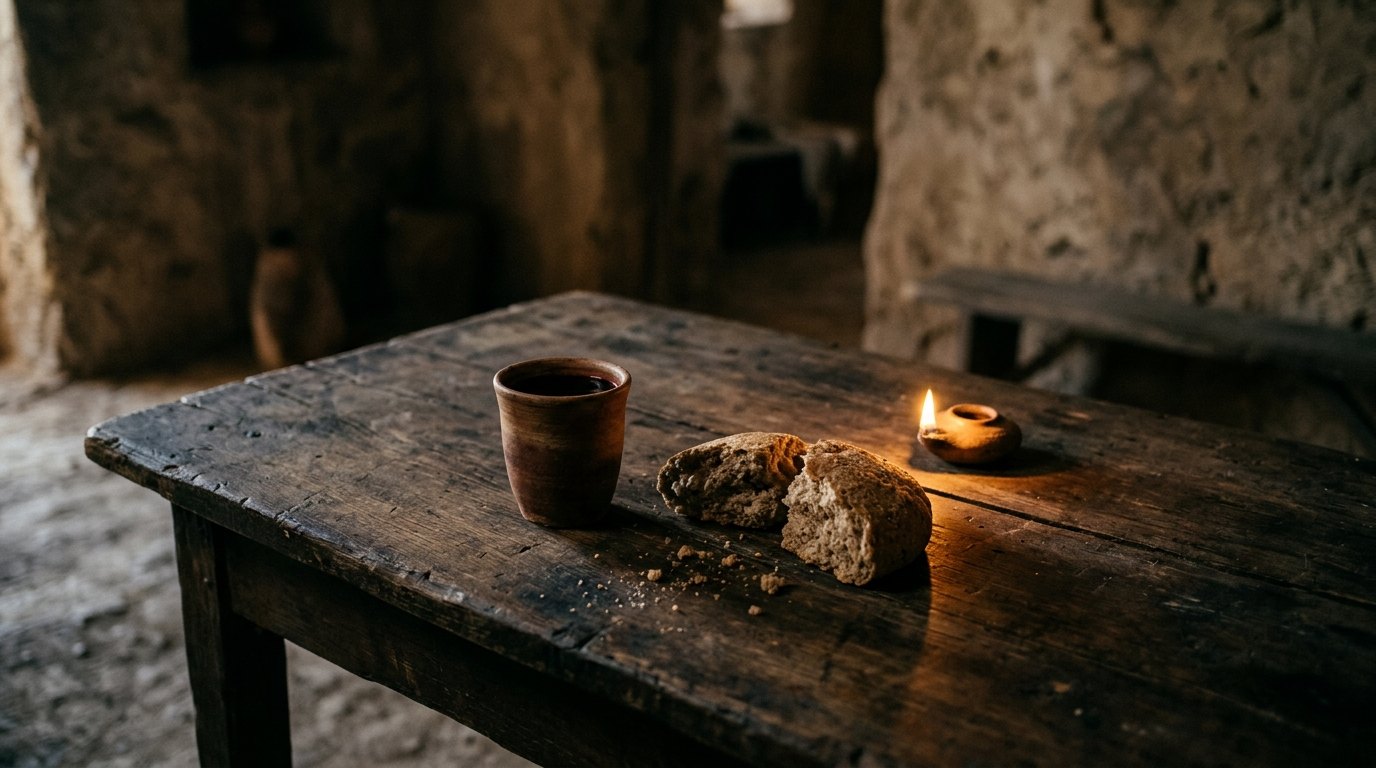
In the same way, after the supper he took the cup, saying, “This cup is the new covenant in my blood, which is poured out for you.
Luke 22:20 (NIV)
Jesus institutes the Lord's Supper, revealing that the cup represents the New Covenant poured out in His blood.
In the Upper Room on the night of His betrayal, our Lord lifted the cup and spoke the definitive words of Luke 22:20: "This cup that is poured out for you is the new covenant in my blood." In this singular moment, centuries of shadows, sacrificial blood, and prophetic longing found their sovereign consummation. Jesus identified the cup with His impending sacrifice, declaring it to be His blood poured out for many for the forgiveness of sins (Matthew 26:28), a remembrance handed down directly to the church to proclaim His death until He comes (1 Corinthians 11:25). The apostle Paul contrasts the killing letter of the old administration with the life-giving ministry of the Holy Spirit under this new order (2 Corinthians 3:6). Because Jesus lives forever and holds an unchangeable priesthood, He has become the guarantor of a vastly superior covenant (Hebrews 7:22), acting as the true Mediator of a better covenant enacted upon better promises (Hebrews 8:6). Through His voluntary self-offering, Christ intervened to pay the redemption price for transgressions committed under the first covenant, securing an eternal inheritance for those called by grace (Hebrews 9:15). Today, believers do not draw near to Mount Sinai in terror, but to Mount Zion, to Jesus the Mediator, and to the sprinkled blood that speaks a better word than the blood of Abel (Hebrews 12:24). The God of peace raised the great Shepherd of the sheep through the blood of this eternal covenant to equip His people in every good thing (Hebrews 13:20).
| Passage | What it says |
|---|---|
| Matthew 26:28 | Jesus declares the cup to be His blood of the new covenant, shed for many for the remission of sins. |
| Luke 22:20 | Christ establishes the new covenant in His blood, poured out for the disciples. |
| 1 Corinthians 11:25 | Paul records Christ's institution of the cup as the new covenant in His blood to be remembered. |
| 2 Corinthians 3:6 | Ministers of the new covenant serve not of the letter that kills, but of the Spirit that gives life. |
| Hebrews 7:22 | Jesus is revealed as the surety and guarantor of a far better covenant. |
| Hebrews 8:6 | Christ is the Mediator of a better covenant enacted on better promises. |
| Hebrews 9:15 | Christ acts as Mediator of the new covenant so that those called may receive the promised eternal inheritance. |
| Hebrews 12:24 | Believers come to Jesus the Mediator of the new covenant and the blood that speaks better than Abel's. |
| Hebrews 13:20 | The God of peace brought back from the dead our Lord Jesus through the blood of the everlasting covenant. |
The Priestly Covenant
An Enduring Priesthood Devoted to God's Service
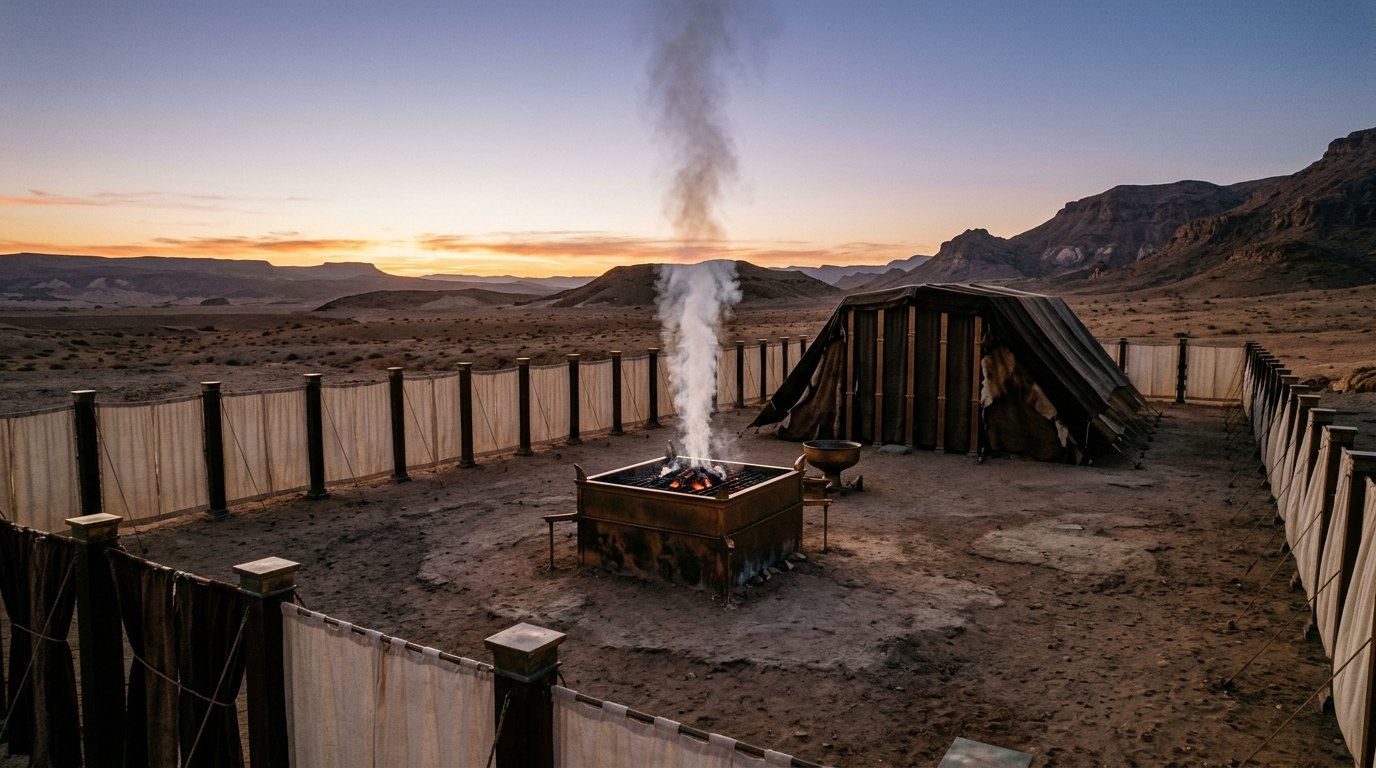
Therefore tell him I am making my covenant of peace with him. He and his descendants will have a covenant of a lasting priesthood, because he was zealous for the honor of his God and made atonement for the Israelites.”
Numbers 25:12-13 (NIV)
God formally grants Phinehas an everlasting covenant of peace and priesthood, highlighting a distinct biblical covenant of ministry.
In Numbers 25:12-13, God responds to holy zeal with an unconditional pledge, establishing with Phinehas an everlasting covenant of peace and priesthood. When Israel strayed into devastating idolatry at Peor, Phinehas stood in the breach to turn away divine wrath, and the Lord rewarded that devotion with a distinct covenantal grant ensuring an unbroken line of ministerial intercession. Scripture treats this priestly bond as an inviolable sacred order. Centuries later, Nehemiah grieved over its violation, rebuking those who had defiled the covenant of the priesthood and of the Levites in Nehemiah 13:29. God's commitment to this priestly line was so profound that Jeremiah 33:20-22 paired the Levitical covenant alongside the Davidic covenant, declaring both as immutable as the fixed cycles of day and night. Through the prophet in Malachi 2:4-7, the Lord looked back to Levi to describe this bond as a covenant of life and peace, established so that His ministers would revere His name and deliver true instruction without partiality.
Yet the historic priesthood under Aaron and Levi pointed beyond itself to a far greater mediator. The repetitive, mortality-bound service of earthly priests was always a shadow, finding its true antitype when Jesus inaugurated a perpetual, indestructible ministry. As Hebrews 7:11-22 explains, the ultimate fulfilment of God's covenant promise arrived not through Levi's imperfect lineage, but through Christ, our permanent High Priest after the order of Melchizedek. His sinless, once-for-all self-offering realised the true peace that Phinehas merely foreshadowed. Because Jesus lives forever, Hebrews 7:23-28 affirms that He holds His priesthood permanently, serving as the guarantor of a better covenant who intercedes continuously for those who draw near to God.
| Passage | What it says | Fulfilled |
|---|---|---|
| Numbers 25:12-13 | God gives Phinehas His covenant of peace and perpetual priesthood because of his zeal for God. | Hebrews 7:23-28 |
| Nehemiah 13:29 | Recalls the sanctity of the covenant of the priesthood and of the Levites. | |
| Jeremiah 33:20-22 | Affirms the covenant with the Levitical priests alongside the covenant with David as unbreakable. | Hebrews 7:11-22 |
| Malachi 2:4-7 | Describes God's covenant with Levi as one of life and peace, charging priests as messengers of truth. | Hebrews 7:26-28 |
Where in the Bible
| Book | Passages |
|---|---|
| Genesis | 12 · Genesis 15:17, Genesis 31:44, Genesis 1:28, Genesis 2:16-17, Genesis 8:21-22, Genesis 9:9-11, Genesis 9:12-17, Genesis 12:1-3, Genesis 15:5-6, Genesis 17:1-8, Genesis 17:9-14, Genesis 22:16-18 |
| Exodus | 4 · Exodus 19:5-6, Exodus 20:1-17, Exodus 24:3-8, Exodus 31:16-17 |
| Numbers | 1 · Numbers 25:12-13 |
| Deuteronomy | 3 · Deuteronomy 28:1-2, Deuteronomy 28:15, Deuteronomy 29:1 |
| 1 Samuel | 1 · 1 Samuel 18:3 |
| 2 Samuel | 2 · 2 Samuel 7:12-16, 2 Samuel 23:5 |
| 1 Chronicles | 1 · 1 Chronicles 17:11-14 |
| Nehemiah | 2 · Nehemiah 9:32, Nehemiah 13:29 |
| Psalms | 2 · Psalms 89:3-4, Psalms 132:11 |
| Proverbs | 1 · Proverbs 2:17 |
| Isaiah | 1 · Isaiah 54:9 |
| Jeremiah | 4 · Jeremiah 34:18, Jeremiah 31:31-34, Jeremiah 32:40, Jeremiah 33:20-22 |
| Ezekiel | 2 · Ezekiel 36:26-27, Ezekiel 37:26 |
| Hosea | 1 · Hosea 6:7 |
| Malachi | 2 · Malachi 2:14, Malachi 2:4-7 |
| Matthew | 1 · Matthew 26:28 |
| Luke | 1 · Luke 22:20 |
| Acts | 1 · Acts 2:30 |
| Romans | 1 · Romans 5:12 |
| 1 Corinthians | 2 · 1 Corinthians 15:22, 1 Corinthians 11:25 |
| 2 Corinthians | 1 · 2 Corinthians 3:6 |
| Galatians | 3 · Galatians 3:16, Galatians 3:29, Galatians 3:19 |
| Hebrews | 6 · Hebrews 9:16, Hebrews 7:22, Hebrews 8:6, Hebrews 9:15, Hebrews 12:24, Hebrews 13:20 |
The story in order
- Creation and Fall (c. 4000 BC) · Genesis 1:28 · God establishes relationship and commands humanity.
- Noahic Covenant (c. 2350 BC) · Genesis 9:9-11 · God promises universal preservation and never to curse the ground again.
- Abrahamic Covenant (c. 2090 BC) · Genesis 12:1-3 · God promises land, seed, and blessing to all nations through Abraham.
- Mosaic Covenant (c. 1446 BC) · Exodus 24:3-8 · Israel is bound to God's law at Sinai, ratified by blood.
- Davidic Covenant (c. 1000 BC) · 2 Samuel 7:12-16 · God promises an eternal throne and dynasty to David.
- Prophesied New Covenant (c. 600 BC) · Jeremiah 31:31-34 · God promises an internal law and forgiveness of iniquity.
- New Covenant Fulfilled (AD 30) · Matthew 26:28 · Jesus institutes the new covenant in His blood.
Key words
- Covenant (berit (Hebrew))
- A solemn, binding bond, often sealed in blood and oaths, through which God establishes relationship with His people. · Genesis 15:17
- Testament (diathēkē (Greek))
- A covenant, especially one that requires the death of the testator to take legal effect. · Hebrews 9:16
- Steadfast Love (ḥesed (Hebrew))
- Unfailing, loyal love and faithfulness, a key attribute of God in His covenant relationship. · Nehemiah 9:32
- Surety (eniggos (Greek))
- A guarantor or mediator who pledges to uphold the terms of a covenant. · Hebrews 7:22
Because God is a covenant-keeping God, His promises never waver or fail, resting not on human merit but on His sovereign character. In the New Covenant sealed by the blood of Christ, believers are brought into eternal union with God and granted every spiritual blessing. Resting in this unbreakable bond, we are freed to walk blamelessly before Him, assured that He will never leave us nor forsake us.
55 passages, each cited once.
Scripture cited
- Genesis 17:1-8
- 1 Samuel 18:3
- Genesis 9:8-13
- Exodus 19:3-6
- 2 Samuel 7:12-16
- Jeremiah 31:31-34
- Luke 22:19-20