What is the book of Genesis about?

Genesis 12:1-3
1 The LORD had said to Abram, “Go from your country, your people and your father’s household to the land I will show you.
2 “I will make you into a great nation, and I will bless you; I will make your name great, and you will be a blessing.
3 I will bless those who bless you, and whoever curses you I will curse; and all peoples on earth will be blessed through you.”
New International Version (NIV)
The answer
The book of Genesis is about the beginnings of everything God made and the birth of the people through whom He would bless the world.
Genesis divides into two great halves:
- Chapters 1–11 tell the universal story: God creates the heavens and the earth (Genesis 1:1), makes man in His image, humanity falls into sin, the flood comes, and the nations scatter at Babel. All of it sets the stage for what God does next.
- Chapters 12–50 focus on one family: Abraham, Isaac, Jacob, and Joseph. God calls Abram out of Ur and says, "Go to the land that I will show you… all the families of the earth will be blessed through you" (Genesis 12:1-3). The rest of Genesis follows that promise down to Egypt, where God's people wait to become a nation.
So Genesis answers two questions: Where did the world come from, and where did Israel come from? The creation gives us the God who speaks; the call of Abraham gives us the family through whom that God would save the world.
That is why Hebrews 11:8 says Abraham "obeyed; and he went out, not knowing whither he went." Genesis opens the long road that leads to Christ.
Answered from Scripture · reviewed November 8, 2026
Genesis is the book of origins, revealing how the living God created a good world, how humanity fell into ruin, and how God launched His eternal plan of redemption. Across fifty chapters, it moves from the vast cosmos down to a single chosen family through whom all the families of the earth will be blessed.
Creation and Purpose
God creates the heavens and the earth in pristine goodness.

In the beginning God created the heavens and the earth.
Genesis 1:1 (NIV)
It establishes the sovereign God as the eternal Creator who precedes and sustains all existing reality.
The opening words of Scripture, Genesis 1:1, announce the eternal sovereignty of the living God: He stands before all time, calling the entire cosmos into being out of nothing by the sheer power of His spoken word. Across Genesis 1:1-2, the Spirit of God moves over the dark, formless waters to bring order, light, and life to what was empty. Every detail reflects His intentional craftsmanship, culminating in Genesis 1:26-28 when God creates humanity as male and female in His own divine image, granting them a noble stewardship to multiply, fill the earth, and govern creation under His reign. When God completes His creative acts, Genesis 1:31 records that He looked upon everything He made and pronounced it very good. He then sets apart the seventh day in Genesis 2:1-3, resting from His creative work to establish a pattern of holy rest for His creatures.
The narrative then shifts from the vast cosmic scale down into the intimate sanctuary of Eden. In Genesis 2:7, the Lord God tenderly fashions man from the dust of the ground and breathes the breath of life directly into his nostrils, creating a living soul. He places Adam in the lush garden according to Genesis 2:15-17, charging him to cultivate and guard it, while imposing one clear moral test: the tree of the knowledge of good and evil must remain untouched, carrying the warning that disobedience brings certain death. Recognizing that it is not good for man to remain alone, God creates woman from Adam's own side in Genesis 2:21-24. In doing so, God institutes holy marriage as an indissoluble, covenantal union of one man and one woman, setting the foundation for all human society and family life in complete harmony with their Creator.
| Passage | What it says |
|---|---|
| Genesis 1:1-2 | God creates the heavens and the earth out of nothing, His Spirit hovering over the waters. |
| Genesis 1:26-28 | God creates mankind in His own image and charges them to be fruitful, multiply, and rule creation. |
| Genesis 1:31 | God surveys everything He has made and declares it very good. |
| Genesis 2:1-3 | God rests on the seventh day from all His creative work and sanctifies it. |
| Genesis 2:7 | The Lord God forms man from the dust and breathes the breath of life into his nostrils. |
| Genesis 2:15-17 | God places the man in Eden to work and keep it, forbidding the tree of knowledge. |
| Genesis 2:21-24 | God forms woman from the man's rib and institutes the covenant of marriage. |
Fall and First Promise
Rebellion enters paradise and God promises a redemptive Seed.

And I will put enmity between you and the woman, and between your offspring and hers; he will crush your head, and you will strike his heel.”
Genesis 3:15 (NIV)
Known as the protoevangelium, it contains the first prophecy of the Messiah crushing the serpent's head.
Paradise was shattered when human rebellion brought sin into the world, but amidst the darkness God sounded the first promise of the gospel. In Genesis 3:15, commonly known as the protoevangelium, God declares war against the serpent, promising that the Seed of the woman would ultimately crush the ancient serpent's head, an oath fulfilled when the Lord Jesus Christ was born of a woman to destroy the devil's power through the cross and resurrection (Galatians 4:4-5, Romans 16:20, Hebrews 2:14). This promised victory followed the catastrophic temptation described in Genesis 3:1-6, where the serpent deceived Eve into doubting God's truth, leading Adam to willingly violate God's command and plunge the human race into moral ruin, guilt, and spiritual alienation.
The judicial consequences of their rebellion followed immediately. In Genesis 3:16-19, God pronounces painful sorrow in childbearing for the woman and agonizing sweat and toil in working an earth now cursed with thistles, culminating in the inescapable reality of physical death: dust you are, and to dust you shall return. Yet God's judgment was intertwined with deep, restorative mercy. In Genesis 3:21, the Lord God makes garments of animal skin to cover the nakedness and shame of the trembling pair, initiating the principle that only through the shedding of innocent blood can human guilt and exposure be covered (Hebrews 9:22). Finally, in Genesis 3:22-24, God expels man from Eden and stations fiery cherubim to guard the way to the tree of life, mercifully barring fallen humanity from living forever in a state of perpetual corruption while preserving the way of redemption through the promised Seed.
| Passage | What it says | Fulfilled |
|---|---|---|
| Genesis 3:1-6 | The serpent deceives Eve and Adam eats, plunging humanity into sin and guilt. | |
| Genesis 3:14-15 | God curses the serpent and promises that the woman's Seed will crush its head. | Galatians 4:4-5, Romans 16:20, Hebrews 2:14 |
| Genesis 3:16-19 | God pronounces pain in childbearing for the woman and painful toil leading to death for the man. | |
| Genesis 3:21 | The Lord God makes garments of skin to clothe Adam and his wife. | Hebrews 9:22 |
| Genesis 3:22-24 | God drives man out of the garden of Eden and stations cherubim to guard the tree of life. |
Judgment and Renewal
Wickedness spreads until God cleanses the earth with a flood.

But Noah found favor in the eyes of the LORD.
Genesis 6:8 (NIV)
It introduces God's saving grace toward Noah amidst a universal rebellion deserving judgment.
Following the fall, the poison of sin spread rapidly across generations, yet God's unmerited favor preserved a holy line. In Genesis 6:8, Scripture provides an anchor of hope in a decaying world, recording that Noah found grace in the eyes of the Lord. The grim progression toward universal judgment began outside Eden in Genesis 4:1-12, when Cain murdered his righteous brother Abel out of envious rage and was cursed to wander as a fugitive. Yet God gave Eve another son, Seth, in Genesis 4:25-26, prompting faithful men to call publicly upon the name of the Lord. Centuries later, amidst a dying race, Genesis 5:21-24 records that Enoch walked faithfully with God and was taken directly into glory without tasting death.
By the time of Noah, human depravity had become total: Genesis 6:5-8 records that every intention of man's heart was only evil continually, grieving the Lord to His heart. In righteous judgment, God unleashed the cataclysmic flood described in Genesis 7:17-23, sweeping away every living terrestrial creature outside the safety of the ark, an event 1 Peter 3:20-21 points to as a type of salvation through the waters of judgment. When the dry land emerged, Noah built an altar in Genesis 8:20-22, presenting soothing sacrifices to the Lord, who promised never again to destroy all living flesh with a deluge. God ratified this in Genesis 9:8-17 by setting His covenant rainbow across the clouds as an enduring pledge to creation. Yet human pride resurfaced at Babel in Genesis 11:1-9, where humanity sought to build a monument to their own glory; God intervened, confusing their common language and scattering them across the earth to prepare for His next redemptive chapter.
| Passage | What it says | Fulfilled |
|---|---|---|
| Genesis 4:1-12 | Cain kills his righteous brother Abel out of jealousy and is cursed as a wanderer. | |
| Genesis 4:25-26 | Seth is born to Eve and men begin to call upon the name of the Lord. | |
| Genesis 5:21-24 | Enoch walks faithfully with God and is taken without seeing death. | |
| Genesis 6:5-8 | Human wickedness grieves the Lord, but Noah finds grace in the eyes of God. | |
| Genesis 7:17-23 | The waters of the flood prevail over the whole earth, blotting out every living substance outside the ark. | 1 Peter 3:20-21 |
| Genesis 8:20-22 | Noah builds an altar and the Lord promises never again to strike down every living creature. | |
| Genesis 9:8-17 | God establishes His covenant with Noah and every living creature, setting the rainbow as a sign. | |
| Genesis 11:1-9 | Mankind builds the tower of Babel in pride, and God confuses their language and scatters them. |
Call of Abraham
God calls Abram and establishes an everlasting covenant of blessing.
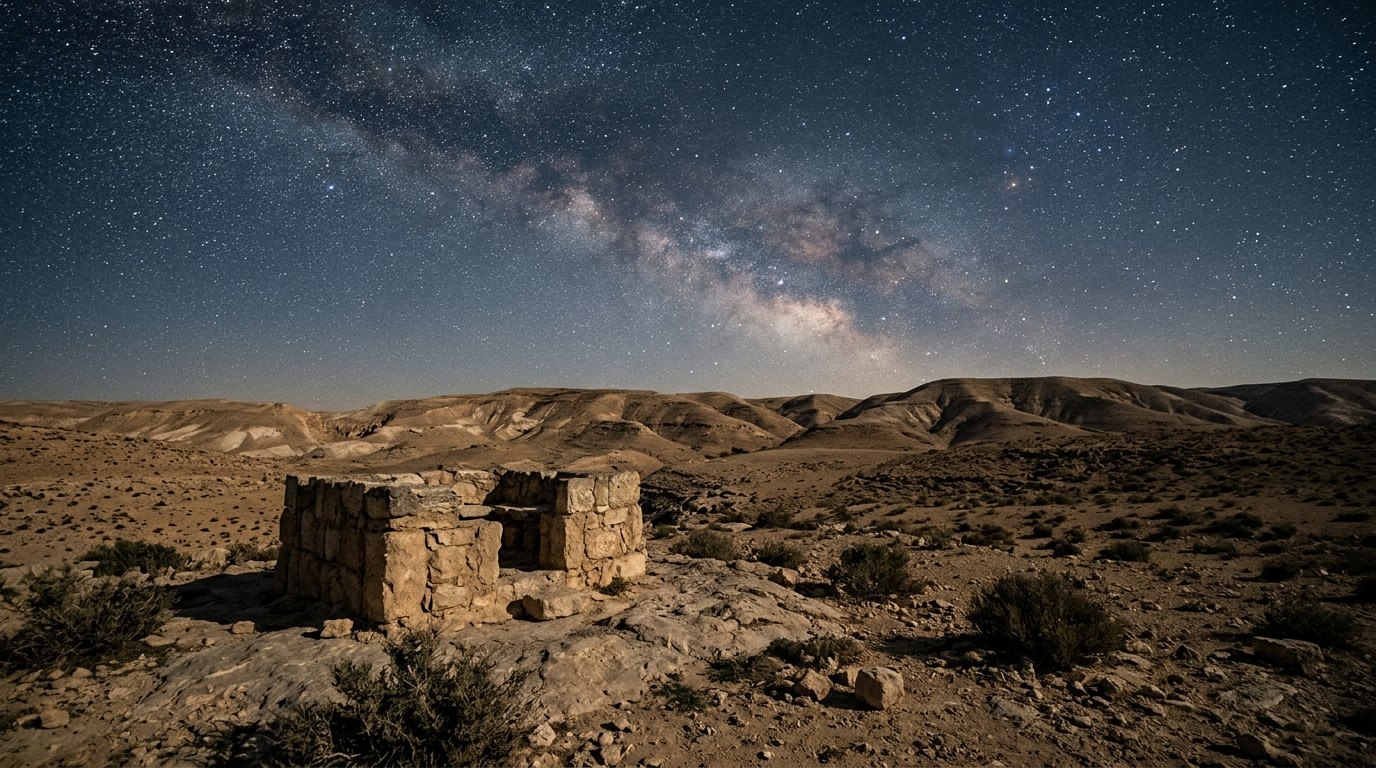
The LORD had said to Abram, “Go from your country, your people and your father’s household to the land I will show you. “I will make you into a great nation, and I will bless you; I will make your name great, and you will be a blessing. I will bless those who bless you, and whoever curses you I will curse; and all peoples on earth will be blessed through you.”
Genesis 12:1-3 (NIV)
It defines the foundational promise that all nations will be blessed through Abraham's line.
Out of the scattered families of the earth, God initiated His covenant strategy to rescue humanity through a single chosen lineage. In Genesis 12:1-3, God commands Abram to leave his homeland for a land He will show him, swearing that in Abram all the families of the earth shall be blessed, a divine oath fulfilled when the gospel of justification by faith was extended to all nations through Jesus Christ, the true Seed of Abraham (Galatians 3:8, Acts 3:25-26). In Genesis 13:14-17, the Lord expands this promise, bidding Abram to look in every direction and giving all the land of Canaan to his descendants forever. Following a military victory, Genesis 14:18-20 records Abram receiving bread, wine, and a blessing from Melchizedek, king of Salem and priest of God Most High, who prefigures Christ's eternal, royal priesthood (Hebrews 7:1-3).
God confirmed these staggering promises through solemn covenant oaths. In Genesis 15:5-6, the Lord directs Abram's gaze to the night sky, promising his offspring will outnumber the stars; Abram believed the Lord, and God credited it to him as righteousness (Romans 4:3, Galatians 3:6). To seal this promise, Genesis 15:17-18 depicts a smoking firepot and flaming torch passing alone between divided animal carcasses, displaying God's unilateral pledge to fulfill His word. Later, in Genesis 17:1-8, God renames him Abraham and institutes circumcision as the sign of this everlasting covenant. Abraham's intimate walk with God is seen in Genesis 18:22-33, where he intercedes for Sodom with bold humility. In Genesis 21:1-3, God fulfills His word as barren Sarah gives birth to Isaac in their old age. Finally, on Mount Moriah in Genesis 22:1-18, God tests Abraham by calling for Isaac's sacrifice; as the knife is raised, God stops Abraham and provides a caught ram in Isaac's stead, demonstrating prophetic typology of the Father offering His only beloved Son on Calvary (Hebrews 11:17-19, John 3:16).
| Passage | What it says | Fulfilled |
|---|---|---|
| Genesis 12:1-3 | God commands Abram to leave his country, promising a great nation, land, and universal blessing. | Galatians 3:8, Acts 3:25-26 |
| Genesis 13:14-17 | The Lord tells Abram to lift up his eyes, giving all the land of Canaan to his offspring forever. | |
| Genesis 14:18-20 | Melchizedek, priest of God Most High, brings bread and wine and blesses Abram. | Hebrews 7:1-3 |
| Genesis 15:5-6 | God numbers the stars as Abram's seed, and Abram believes God, which is counted to him as righteousness. | Romans 4:3, Galatians 3:6 |
| Genesis 15:17-18 | A smoking firepot and flaming torch pass between the animal pieces, sealing God's unilateral land covenant. | |
| Genesis 17:1-8 | God changes Abram's name to Abraham, confirming an everlasting covenant to be God to him and his seed. | |
| Genesis 18:22-33 | Abraham intercedes before the Lord for the preservation of the righteous in Sodom. | |
| Genesis 21:1-3 | Sarah conceives and bears Abraham a son in his old age, whom he names Isaac. | |
| Genesis 22:1-18 | God tests Abraham by commanding the sacrifice of Isaac and provides a substitute ram on Mount Moriah. | Hebrews 11:17-19, John 3:16 |
Isaac and Jacob
The covenant line advances through Isaac and the trials of Jacob.
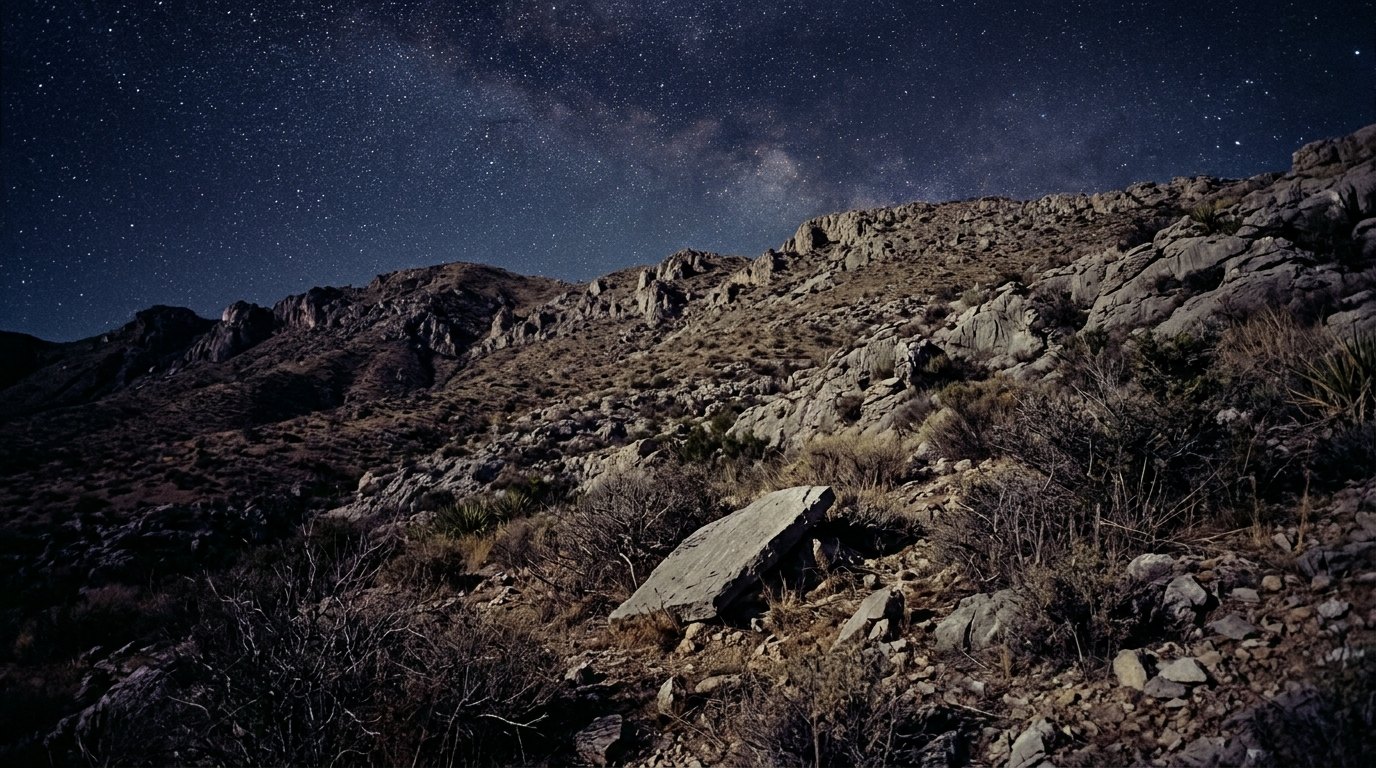
There above it stood the LORD, and he said: “I am the LORD, the God of your father Abraham and the God of Isaac. I will give you and your descendants the land on which you are lying. Your descendants will be like the dust of the earth, and you will spread out to the west and to the east, to the north and to the south. All peoples on earth will be blessed through you and your offspring. I am with you and will watch over you wherever you go, and I will bring you back to this land. I will not leave you until I have done what I have promised you.”
Genesis 28:13-15 (NIV)
It confirms the patriarchal covenant directly to Jacob at Bethel, guaranteeing God's presence and inheritance.
At Bethel, the fugitive deceiver hears the Almighty pledge His steadfast presence: "I am with thee, and will keep thee in all places whither thou goest" (Genesis 28:13–15). God's electing purpose does not depend on human merit, but on sovereign grace that faithfully secures its chosen vessel.
The trajectory of this covenant line begins before birth, when the Lord declares to Rebekah that the elder twin shall serve the younger (Genesis 25:21–26). Despite famine and personal failure, the Lord personally appears to Isaac in Gerar, confirming the solemn oath He swore to Abraham and reiterating the promise of seed and land (Genesis 26:2–5). Through familial maneuvering and maternal collusion, Isaac unwittingly bestows the patriarchal blessing of abundance and rule upon Jacob (Genesis 27:26–29).
Fleeing his brother's murderous wrath, Jacob sleeps under the open sky with a stone for a pillow. There, heaven opens in a vision of angels ascending and descending, as the Lord stands above and binds Himself to the wanderer by covenant promise (Genesis 28:10–15). Decades later, returning to face Esau, Jacob encounters God at the Jabbok ford; after wrestling all night in desperate pursuit of a divine blessing, he receives a limp and a transformed identity as Israel (Genesis 32:24–30). Finally, summoned back to Bethel, Jacob purges his household of idols, and God renews the everlasting covenant to him and his seed after him (Genesis 35:9–12).
| Passage | What it says |
|---|---|
| Genesis 25:21-26 | Rebekah gives birth to twin boys, Esau and Jacob, with the older destined to serve the younger. |
| Genesis 26:2-5 | God appears to Isaac in Gerar and reaffirms the oath sworn to Abraham. |
| Genesis 27:26-29 | Isaac blesses Jacob with the dew of heaven, fatness of earth, and authority over peoples. |
| Genesis 28:10-15 | Jacob dreams of a ladder reaching heaven with angels ascending and descending, and God confirms the covenant. |
| Genesis 32:24-30 | Jacob wrestles with the angel of the Lord at Peniel and his name is changed to Israel. |
| Genesis 35:9-12 | God appears again to Jacob at Bethel, renewing the land and nation promises to Israel. |
Joseph and Providence
God directs human betrayal to preserve life and prepare a nation.
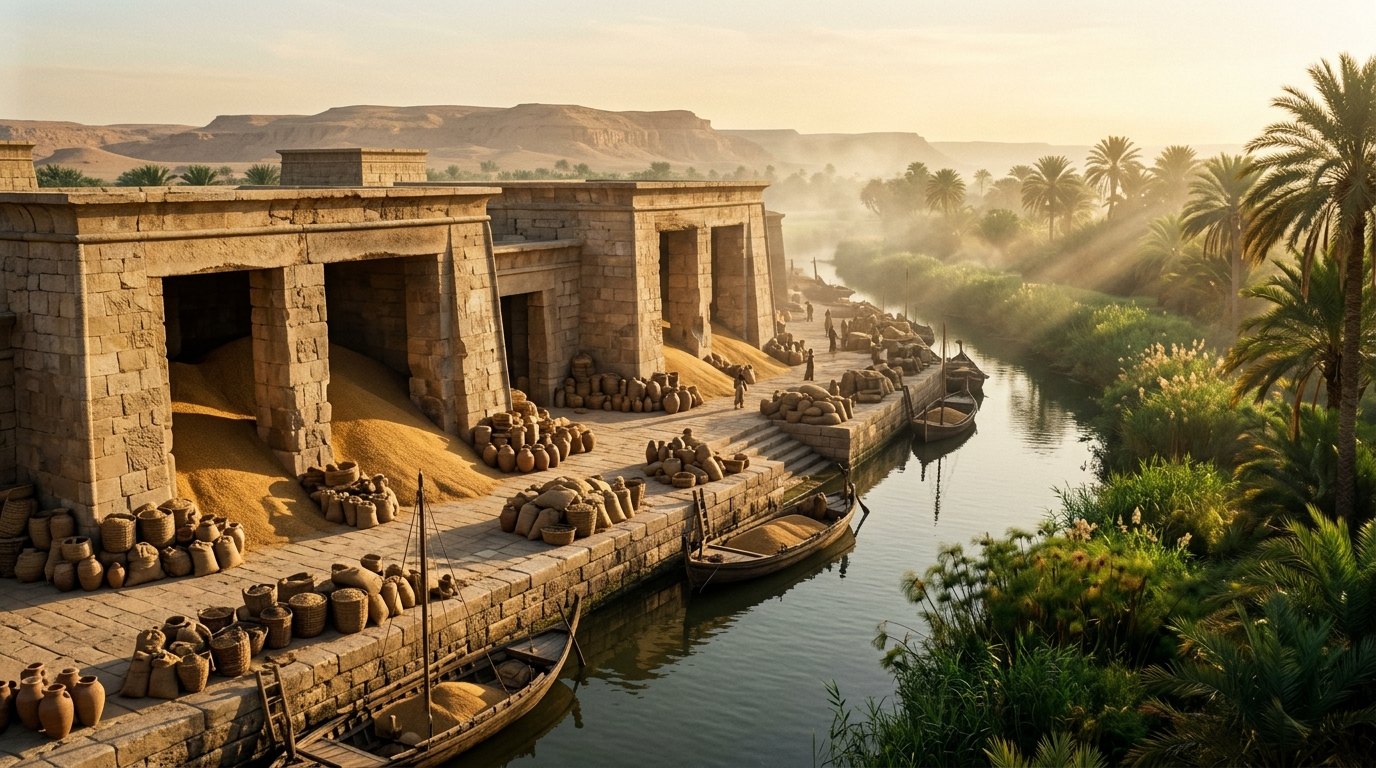
You intended to harm me, but God intended it for good to accomplish what is now being done, the saving of many lives.
Genesis 50:20 (NIV)
It summarizes God's overarching providence across Genesis: transforming evil intentions into salvation.
The dramatic conclusion of Genesis pivots on the grand doctrine of divine providence, captured in Joseph's confession: "Ye thought evil against me; but God meant it unto good, to bring to pass, as it is this day, to save much people alive" (Genesis 50:20). Every twist of human cruelty is overturned by God's sovereign hand to preserve the seed of promise.
Joseph is hated by his brothers, stripped of his robe, and sold into Egyptian slavery for twenty pieces of silver (Genesis 37:26–28), a betrayal that foreshadows Christ's rejection by His own countrymen, as Stephen later proclaims before the Sanhedrin (Acts 7:9–10). Yet even in Potiphar's house and subsequent unjust imprisonment, the Lord is with Joseph, causing all that he touches to prosper (Genesis 39:1–6). Elevated from the dungeon to the right hand of Pharaoh, Joseph becomes the administrator of life-saving bread for the nations (Genesis 41:39–44).
When famine drives his contrite brothers to Egypt, Joseph reveals his identity through tears of mercy, testifying that God, not man, directed his footsteps to preserve a remnant (Genesis 45:4–8). God reassures aged Jacob at Beersheba to journey into Egypt without fear, promising to make him a great nation there and to bring them up again (Genesis 46:1–4). On his deathbed, Jacob utters the crowning messianic prophecy: the royal sceptre shall not depart from Judah until Shiloh comes (Genesis 49:8–10), realized in the Lion of the tribe of Judah, Jesus Christ (Matthew 1:1–3; Revelation 5:5). Concluding his life in faith, Joseph charges his brothers to carry his bones back to Canaan (Genesis 50:24–25), an unshakeable confidence in the resurrection and the promised inheritance commended in Hebrews 11:22.
| Passage | What it says | Fulfilled |
|---|---|---|
| Genesis 37:26-28 | Joseph is sold by his brothers to Midianite traders for twenty pieces of silver and taken to Egypt. | Acts 7:9-10 |
| Genesis 39:1-6 | The Lord is with Joseph in Potiphar's house and prospers everything in his hand. | |
| Genesis 41:39-44 | Pharaoh elevates Joseph as ruler over all Egypt to preserve the land through severe famine. | |
| Genesis 45:4-8 | Joseph reveals himself to his brothers, declaring that God sent him ahead to preserve life. | |
| Genesis 46:1-4 | God speaks to Jacob by night, telling him not to fear going down to Egypt where he will become a great nation. | |
| Genesis 49:8-10 | Jacob blesses Judah, prophesying that the sceptre will not depart until Shiloh comes. | Revelation 5:5, Matthew 1:1-3 |
| Genesis 50:19-20 | Joseph reassures his brothers, affirming that what they meant for evil, God meant for good. | |
| Genesis 50:24-25 | Joseph dies in faith that God will visit Israel and bring them back to the promised land. | Hebrews 11:22 |
Where in the Bible
| Book | Passages |
|---|---|
| Genesis | 43 · Genesis 1:1-2, Genesis 1:26-28, Genesis 1:31, Genesis 2:1-3, Genesis 2:7, Genesis 2:15-17, Genesis 2:21-24, Genesis 3:1-6, Genesis 3:14-15, Genesis 3:16-19, Genesis 3:21, Genesis 3:22-24, Genesis 4:1-12, Genesis 4:25-26, Genesis 5:21-24, Genesis 6:5-8, Genesis 7:17-23, Genesis 8:20-22, Genesis 9:8-17, Genesis 11:1-9, Genesis 12:1-3, Genesis 13:14-17, Genesis 14:18-20, Genesis 15:5-6, Genesis 15:17-18, Genesis 17:1-8, Genesis 18:22-33, Genesis 21:1-3, Genesis 22:1-18, Genesis 25:21-26, Genesis 26:2-5, Genesis 27:26-29, Genesis 28:10-15, Genesis 32:24-30, Genesis 35:9-12, Genesis 37:26-28, Genesis 39:1-6, Genesis 41:39-44, Genesis 45:4-8, Genesis 46:1-4, Genesis 49:8-10, Genesis 50:19-20, Genesis 50:24-25 |
The story in order
- Humanity falls into sin (c. 4000 BC) · Genesis 3:1-19 · Introduces sin, guilt, and God's curse.
- God promises a redemptive Seed (c. 4000 BC) · Genesis 3:14-15 · The first hint of salvation through a descendant.
- Tower of Babel and scattering (c. 2250 BC) · Genesis 11:1-9 · Human pride leads to linguistic division and dispersion.
- God calls Abram (c. 2090 BC) · Genesis 12:1-3 · God promises land, nation, and blessing through Abram.
- Abraham's faith counted as righteousness (c. 2090 BC) · Genesis 15:5-6 · Abraham believes God's promise of descendants.
- God reaffirms covenant with Isaac (c. 2060 BC) · Genesis 26:2-5 · The covenant promises are passed to Isaac.
- Jacob's ladder dream (c. 2050 BC) · Genesis 28:10-15 · God confirms the covenant promises to Jacob.
- Jacob wrestles and is renamed Israel (c. 2030 BC) · Genesis 32:24-30 · Jacob's struggle leads to a new identity.
- Jacob blesses Judah; Shiloh promised (c. 1980 BC) · Genesis 49:8-10 · Prophecy of a ruler from Judah's line.
- Joseph affirms God's providence (c. 1970 BC) · Genesis 50:19-20 · God's good purposes override human evil.
The Seed of the Woman
| Promise | Fulfillment | Passage |
|---|---|---|
| The woman's Seed will crush the serpent's head. | Jesus Christ, the Seed of Abraham and David, crushes sin and death. | Genesis 3:15 |
| Abraham's offspring will be as numerous as the stars. | Through Christ, all nations are blessed and become spiritual offspring of Abraham. | Genesis 15:5 |
| The ruler's sceptre will not depart from Judah until Shiloh comes. | Jesus, from the tribe of Judah, is the promised king. | Genesis 49:10 |
God's Covenant
| Covenant Partner | Key Promises | Sign | Passage |
|---|---|---|---|
| Noah | Never again to destroy all life with a flood; preservation of creation. | Rainbow | Genesis 9:8-17 |
| Abraham | Numerous descendants, promised land, blessing to all nations through his Seed. | Circumcision | Genesis 17:1-8 |
| Jacob (Israel) | Land, numerous descendants, God's presence and protection. | None explicitly stated for Jacob, but implied through Abraham's covenant. | Genesis 35:9-12 |
God's Providence in Human Actions
| Human Action | God's Purpose | Passage |
|---|---|---|
| Brothers sell Joseph into slavery. | God sent Joseph ahead to preserve life and save many. | |
| Brothers meant evil towards Joseph. | God meant it for good, to bring about a good end. | Genesis 50:19-20 |
Key words
- Image of God (demuth, דְּמוּת; tselem, צֶלֶם)
- Humanity's representation of God's character and authority in creation. · Genesis 1:26-28
- Covenant (berit, בְּרִית)
- A solemn, binding agreement between God and humanity, often with promises and signs.
- Seed (zera, זֶרַע)
- Descendant, offspring, often referring to a future redeemer or a lineage.
- Righteousness (tzedakah, צְדָקָה)
- Being right with God, often through faith and obedience. · Genesis 15:6
- Providence (None explicitly in Genesis, but implied.)
- God's sovereign guidance and care over all creation and human events.
Genesis shows that the God who spoke the universe into existence is faithful to preserve His promises across generations of frail and flawed people. By pointing forward to the ultimate Seed who redeems a fallen world, Genesis invites every reader to walk by faith in the unchanging covenant of God.
43 passages, each cited once.
Scripture cited
- Genesis 12:1-3
- Hebrews 11:8
- Genesis 11:31-32
- Genesis 1:1