What is the difference between Pentecostal and Baptist?
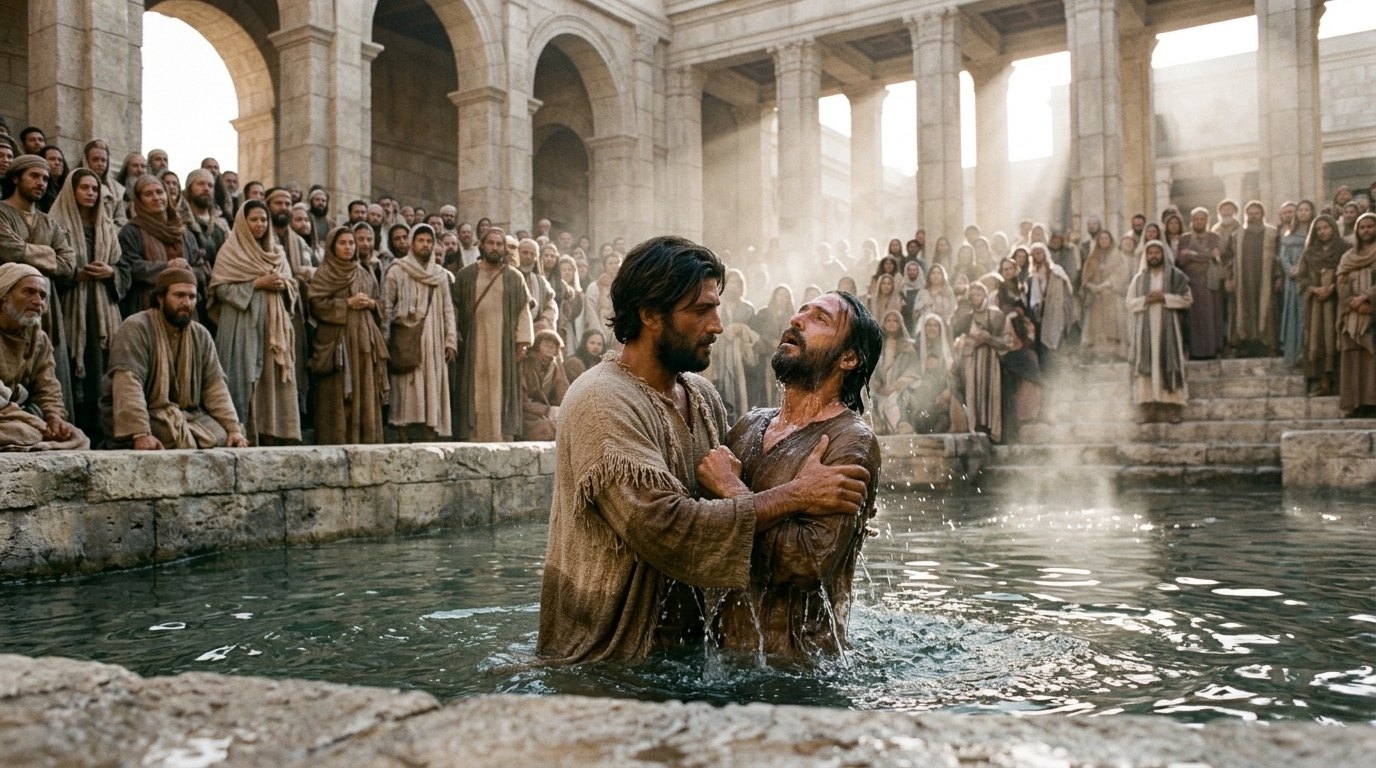
Acts 2:38-39
38 Peter replied, “Repent and be baptized, every one of you, in the name of Jesus Christ for the forgiveness of your sins. And you will receive the gift of the Holy Spirit.
39 The promise is for you and your children and for all who are far off—for all whom the Lord our God will call.”
New International Version (NIV)
The answer
The clearest practical difference is this: Pentecostal churches emphasize the ongoing work and gifts of the Holy Spirit, including baptism in the Holy Spirit and speaking in tongues; Baptist churches especially emphasize believer’s baptism by immersion and Scripture alone as the authority for faith and practice. Both are Christian traditions, and both ordinarily hold to basic biblical truths such as the Trinity, the deity of Christ, salvation by grace through faith, and the authority of Scripture. Their emphases and some of their distinctives differ.
Pentecostal emphasis
Pentecostalism gives special prominence to what happened at Pentecost, when the Holy Spirit came upon believers and they spoke in other languages (Acts 2:1-21). Peter connected baptism, forgiveness of sins, and receiving the gift of the Holy Spirit in Acts 2:38. The Book of Acts also presents the Spirit as the source of power for witness (Acts 1:8).
The New Testament expects believers to desire spiritual gifts (1 Corinthians 14:1), and it promises the Spirit’s gift to those whom God calls (Acts 2:39). The Spirit is also promised to all whom the Lord calls (Acts 2:38-39), and believers are baptized into one body by one Spirit (1 Corinthians 12:13).
Pentecostal churches commonly teach that believers should seek baptism in the Holy Spirit, often with the initial sign of speaking in tongues. They also commonly practice expressive worship, prophecy, healing prayer, and other gifts associated with the Spirit. These practices are not all unique to Pentecostalism; the key distinction is the strong emphasis on the gifts and experience of the Holy Spirit.
Pentecostals generally baptize new believers by immersion after personal faith, like other evangelical churches. Pentecostal churches do not generally practice infant baptism.
Baptist emphasis
Baptist churches are especially known for baptism by immersion following a person’s personal faith in Christ. The biblical pattern in Acts 8:12 is that people believed Philip’s message and then were baptized. Paul gives the same sequence in Acts 10:47-48: the Spirit came, and Peter commanded them to be baptized in the name of Jesus Christ. The converts in Acts 2:38 were told to repent and be baptized.
Baptists also strongly emphasize the authority of Scripture, often summarized as sola Scriptura: Scripture alone is the final authority in matters of faith and practice. That is not a rejection of the Holy Spirit, the Bible commands believers to earnestly desire spiritual gifts (1 Corinthians 14:1), and believers who are sick are instructed to call for the elders to pray (James 5:14-16).
Many Baptist churches, especially those in the Southern Baptist Convention, emphasize the inerrancy and sufficiency of Scripture. Some Baptist groups differ on other matters, including the nature of baptism, church polity, and the precise relationship between baptism and salvation. “Baptist” is not one perfectly uniform organization.
Where they overlap
- Both normally teach — Pentecostals often emphasize — Baptists often emphasize
- The authority of Scripture — The gifts and experience of the Holy Spirit — The authority of Scripture in all doctrine and practice
- Salvation through faith in Christ — Baptism in the Holy Spirit — Believer’s baptism by immersion
- Christ’s saving work — Spiritual gifts, healing, and expressive worship — Preaching, teaching, and disciplined church life
- The need for personal repentance — The power of the Holy Spirit in witness and ministry — The centrality of the Word of God
What Scripture settles
Scripture requires baptism, but it does not make baptism a substitute for faith. Mark 16:16 places faith and baptism together while distinguishing faith from disbelief: “He who believes and is baptized will be saved; but he who disbelieves will be condemned.” Peter likewise joined repentance, baptism, and forgiveness of sins in Acts 2:38. Baptism is an outward response of faith, and Romans 6:3-4 explains its meaning: through baptism into Christ, believers participate in His death and resurrection and are called to newness of life.
The Bible does not command infant baptism. The passages cited here describe people who believed before being baptized. The promise in Acts 2:39 says the promise is “to you and to your children,” but it does not prescribe infant baptism as the means by which that promise is received.
The Bible also does not command cessation of the Spirit’s gifts. Acts 2:39 promises the Spirit’s gift to those God calls; 1 Corinthians 14:1 tells believers to desire spiritual gifts; and James 5:14-16 instructs the sick to call for prayer from the elders. Whatever differences exist among churches, Christians should test every practice by what Scripture teaches and by its purpose of building up the church and glorifying God (1 Corinthians 14:26).
Answered from Scripture · reviewed November 11, 2026
While both Baptist and Pentecostal traditions confess salvation by grace through faith in Christ and the supreme authority of the Word of God, their historic emphases diverge on the ongoing gifts and baptism of the Holy Spirit. Baptists historically center their identity on believer's baptism by immersion, local church autonomy, and Scripture as the sole rule of faith, whereas Pentecostals distinctly highlight the post-conversion baptism in the Holy Spirit evidenced by tongues and the active operation of miraculous gifts. Examining the biblical texts behind both perspectives clarifies how each tradition seeks to faithfully follow the New Testament pattern.
The Shared Foundation
Both Traditions Proclaim Salvation in Christ Alone
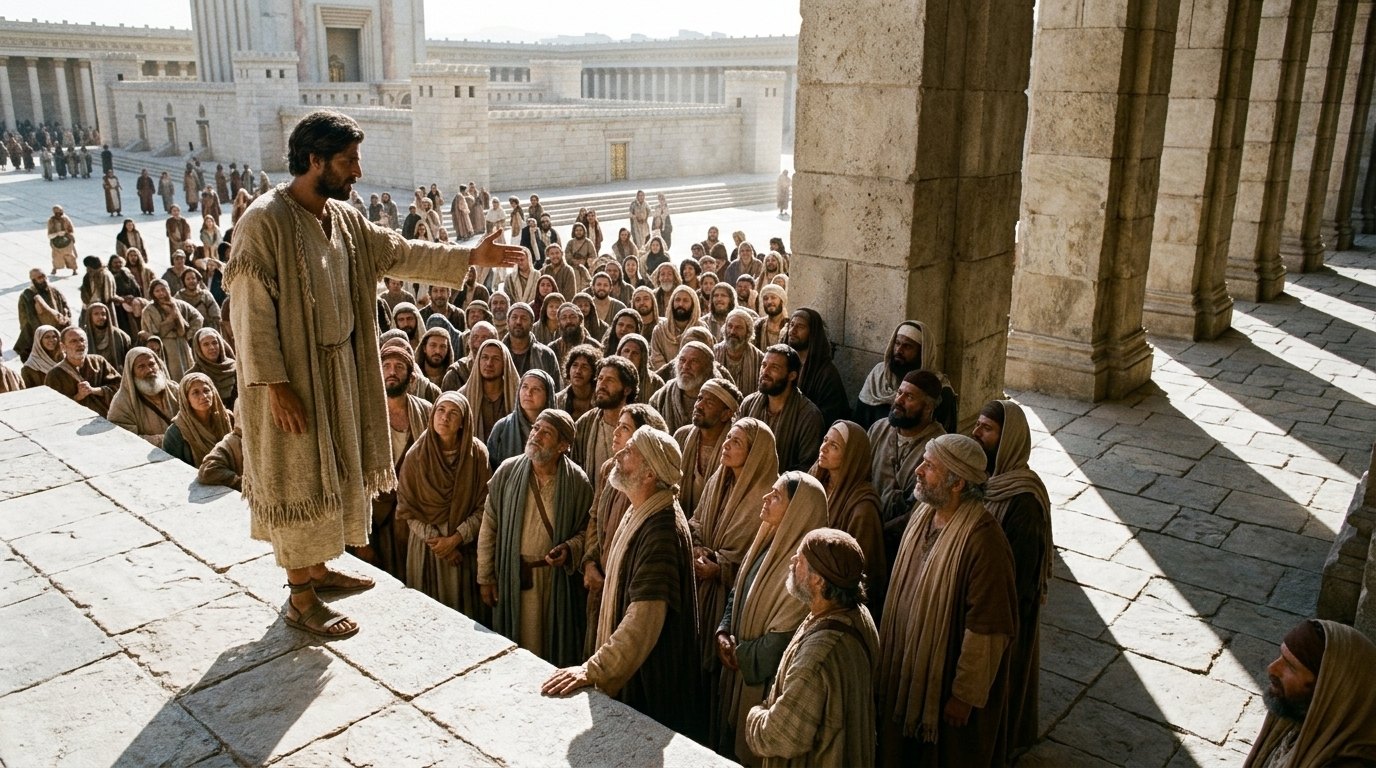
Peter replied, “Repent and be baptized, every one of you, in the name of Jesus Christ for the forgiveness of your sins. And you will receive the gift of the Holy Spirit.
Acts 2:38 (NIV)
Peter unites repentance, faith in Jesus Christ, water baptism, and the promised gift of the Holy Spirit for all believers.
In Acts 2:38, the Apostle Peter proclaims the enduring heart of the gospel: “Repent, and let every one of you be baptized in the name of Jesus Christ for the remission of sins; and you shall receive the gift of the Holy Spirit.” Both Baptists and Pentecostals trace their spiritual convictions to this foundational apostolic mandate. Before any debate over ecclesiastical forms or charismatic manifestations arises, both traditions stand together upon the absolute necessity of personal faith in Jesus Christ. Our Lord Himself commanded in Luke 24:47 that repentance and the remission of sins must be proclaimed in His name among every nation. The call of Acts 3:19 remains unmistakable: when sinners repent and turn to God, their transgressions are entirely blotted out, ushering in true seasons of spiritual refreshing from His presence.
This saving truth is rooted in the sovereign grace of Almighty God. As the golden verse of John 3:16 declares, God so loved the world that He gave His only begotten Son so that whoever believes in Him should not perish but have everlasting life. We contribute nothing to our atonement; Ephesians 2:8-9 establishes forever that we are saved by grace through faith, and that not of ourselves—it is the free gift of God, entirely apart from works. Justification is received through heartfelt trust, for Romans 10:9-10 confirms that confessing Jesus as Lord and believing God raised Him from the dead results in eternal salvation. In Mark 16:16, Jesus pairs belief with baptism, warning plainly that whoever does not believe will be condemned. Moreover, Acts 2:39 extends this promise across all generations to everyone whom the Lord our God calls. Both traditions rejoice that Christ alone is our Redeemer.
| Passage | What it says |
|---|---|
| Luke 24:47 | Jesus commands that repentance and remission of sins be preached in His name among all nations. |
| Acts 2:38 | Peter commands the multitude to repent, be baptized in the name of Jesus Christ, and receive the gift of the Holy Spirit. |
| Acts 2:39 | The promise of the Holy Spirit extends to believers, their children, and all whom the Lord God calls. |
| Acts 3:19 | Repentance and conversion bring forgiveness of sins and times of refreshing from the presence of the Lord. |
| Mark 16:16 | Jesus affirms that whoever believes and is baptized will be saved, while unbelief leads to condemnation. |
| John 3:16 | God gave His only Son so that whoever believes in Him should not perish but have eternal life. |
| Romans 10:9-10 | Confessing Jesus as Lord and believing God raised Him from the dead brings salvation and righteousness. |
| Ephesians 2:8-9 | Salvation is by grace through faith as the gift of God, not earned through any human works. |
The Baptist Distinctive
Believer's Baptism and the Word of God
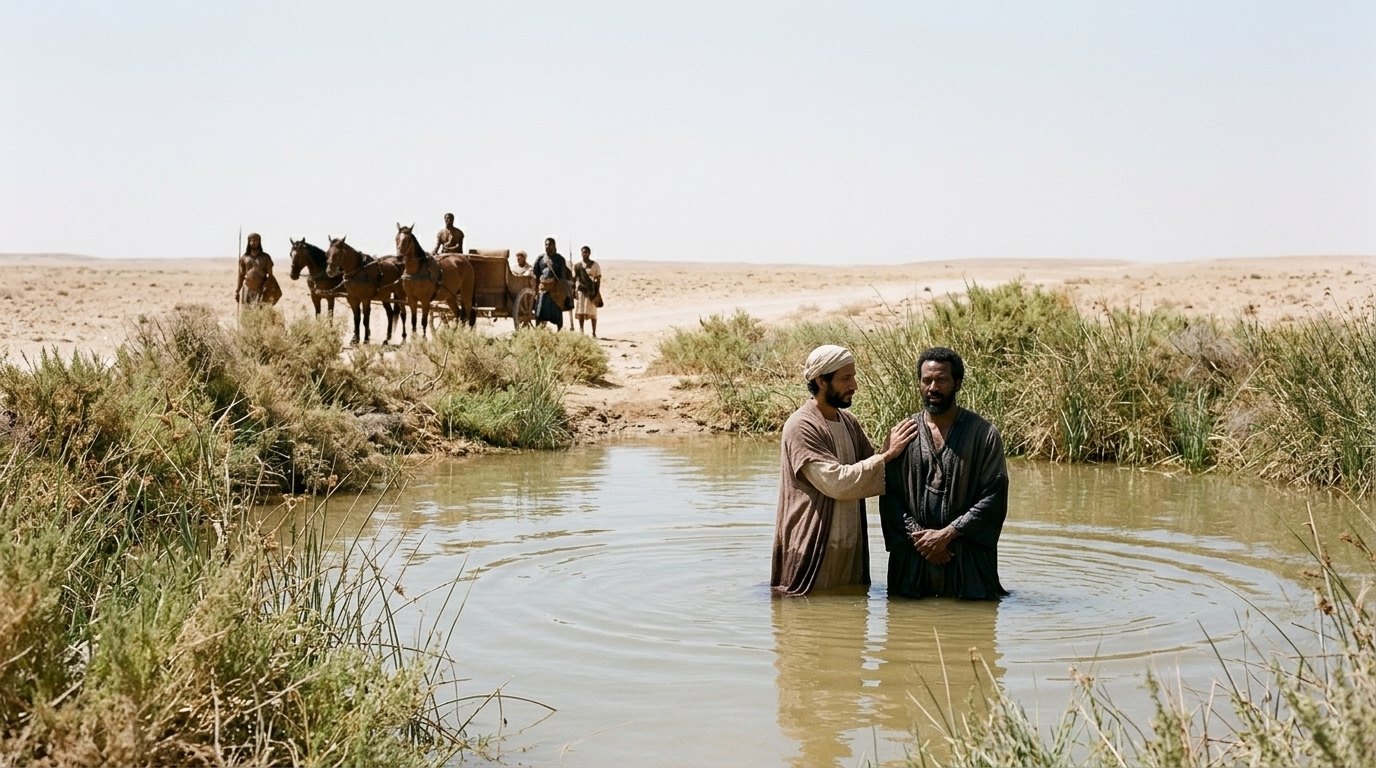
But when they believed Philip as he proclaimed the good news of the kingdom of God and the name of Jesus Christ, they were baptized, both men and women.
Acts 8:12 (NIV)
The biblical pattern demonstrates baptism administered exclusively after personal faith in the gospel.
The historic witness of Baptist conviction anchors itself in Acts 8:12, where the Word records that “when they believed Philip as he preached the things concerning the kingdom of God and the name of Jesus Christ, both men and women were baptized.” Baptists hold tenaciously to the principle that baptism is an ordinance reserved exclusively for those who have consciously repented and placed saving faith in the crucified and risen Christ. Scriptural authority is supreme in this matter; as 2 Timothy 3:16 testifies, all Scripture is breathed out by God, providing the perfect pattern for faith and congregational practice. When Philip encountered the Ethiopian official in Acts 8:36-38, the chariot halted only after personal confession, and both men went down into the water where Philip submerged him in obedience to the Lord.
This physical immersion portrays profound spiritual realities. In Romans 6:3-4, Paul teaches that water baptism vividly dramatizes our burial with Christ into His death and our bodily rising to walk in newness of life. It does not regenerate the soul ex opere operato; rather, as Colossians 2:12 reveals, it is an outward sign of inward faith in the working power of God. When Saul of Tarsus met the risen Lord, Ananias in Acts 22:16 bade him arise, receive baptism, and wash away sins, calling upon the name of the Lord. Likewise, in Acts 10:48, Peter commanded immediate water baptism for Cornelius's household following their reception of the word. In doing so, the church fulfills the Great Commission of Matthew 28:19, discipling believers and baptizing them in the Triune name.
| Passage | What it says |
|---|---|
| Acts 8:12 | The Samaritans were baptized only after they believed Philip's preaching concerning the kingdom of God and Jesus Christ. |
| Acts 10:48 | Peter commands that those who heard the word and received the Spirit be baptized in the name of the Lord. |
| Acts 22:16 | Ananias instructs Saul to arise, be baptized, and wash away his sins, calling on the name of the Lord. |
| 2 Timothy 3:16 | All Scripture is breathed out by God and profitable for teaching, reproof, correction, and training in righteousness. |
| Romans 6:3-4 | Baptism by immersion symbolizes the believer's burial with Christ into death and resurrection to walk in newness of life. |
| Matthew 28:19 | Christ commands making disciples and baptizing believers into the name of the Father, Son, and Holy Spirit. |
| Acts 8:36-38 | Philip baptizes the Ethiopian eunuch by going down into the water upon his confession of faith. |
| Colossians 2:12 | Baptism pictures burial with Christ and resurrection to new life through faith in God's working power. |
The Pentecostal Distinctive
The Outpouring and Gifts of the Spirit
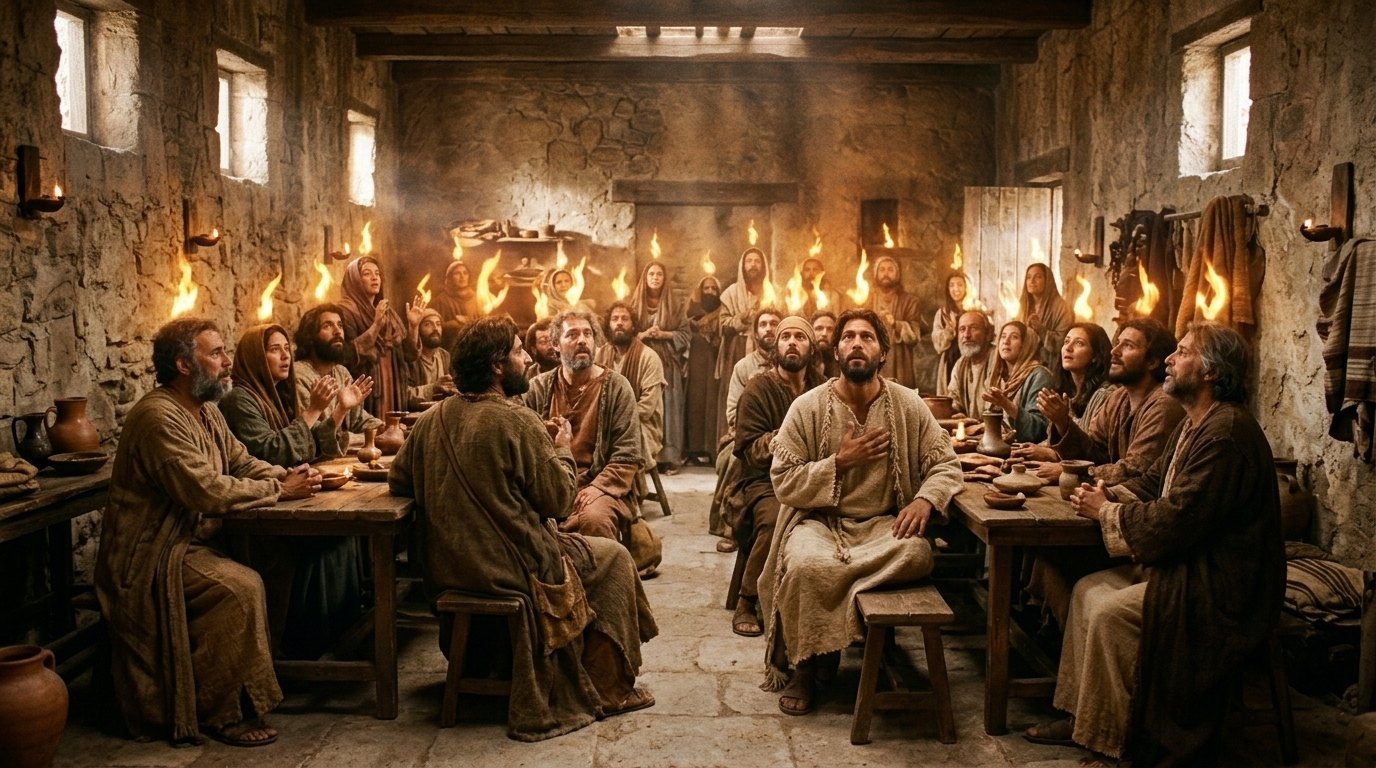
But you will receive power when the Holy Spirit comes on you; and you will be my witnesses in Jerusalem, and in all Judea and Samaria, and to the ends of the earth.”
Acts 1:8 (NIV)
Jesus promises power through the coming of the Holy Spirit to equip His disciples as witnesses.
The defining heartbeat of the Pentecostal movement flows from the risen Savior’s words in Acts 1:8: “You shall receive power when the Holy Spirit has come upon you; and you shall be witnesses to Me.” Pentecostals contend that the New Testament presents an ongoing, experiential baptism in the Holy Spirit designed to empower the believer for victorious life and bold evangelism. This pattern manifested spectacularly in Acts 2:1-4, where the gathered believers were filled with the Holy Spirit and began speaking in other tongues as the Spirit gave them utterance. In Acts 8:14-17, Peter and John laid hands on already-baptized Samaritan converts that they might receive the Holy Spirit. Later, in Acts 10:44-46, the Holy Spirit fell upon Gentile listeners while Peter spoke, evidenced directly as they spoke with tongues and magnified God. Similarly, Acts 19:6 recounts that when Paul laid hands on disciples at Ephesus, the Holy Spirit came on them, and they spoke with tongues and prophesied.
Scripture explicitly commands the church concerning the ongoing presence of spiritual endowments. In 1 Corinthians 12:7-11, the Apostle lists diverse gifts—including gifts of healings, working of miracles, prophecy, and discerning of spirits—distributed for the common good by the sovereign Spirit as He wills. Believers are commanded in 1 Corinthians 14:1 to pursue love, and desire spiritual gifts, while 1 Corinthians 14:39 warns never to forbid speaking in tongues. Nor is divine physical healing relegated to a past dispensation; James 5:14-16 explicitly instructs sick saints to call the elders of the church to pray over them and anoint them with oil in the Lord's name, affirming that the prayer of faith heals the afflicted.
| Passage | What it says |
|---|---|
| Acts 1:8 | Jesus promises that His disciples will receive power when the Holy Spirit comes upon them to be His witnesses. |
| Acts 2:1-4 | The Holy Spirit fills the disciples at Pentecost, and they speak in other tongues as the Spirit enables them. |
| 1 Corinthians 12:7-11 | The Holy Spirit gives diverse gifts—including wisdom, healing, miracles, and tongues—for the common good as He wills. |
| 1 Corinthians 14:1 | Believers are instructed to pursue love and earnestly desire spiritual gifts, especially prophecy. |
| James 5:14-16 | The sick are directed to call for the church elders to pray and anoint them with oil for healing. |
| Acts 8:14-17 | Samaritan believers who were baptized subsequently receive the Holy Spirit through the laying on of apostolic hands. |
| Acts 10:44-46 | The Holy Spirit falls upon Gentiles hearing the word, who speak in tongues and magnify God. |
| Acts 19:6 | Paul lays hands upon baptized disciples in Ephesus, and the Holy Spirit comes upon them with tongues and prophesying. |
| 1 Corinthians 14:39 | Paul instructs believers to earnestly desire to prophesy and not to forbid speaking in tongues. |
Worship and Church Order
Scripture Governs Church Order, Leadership, and Congregational Worship
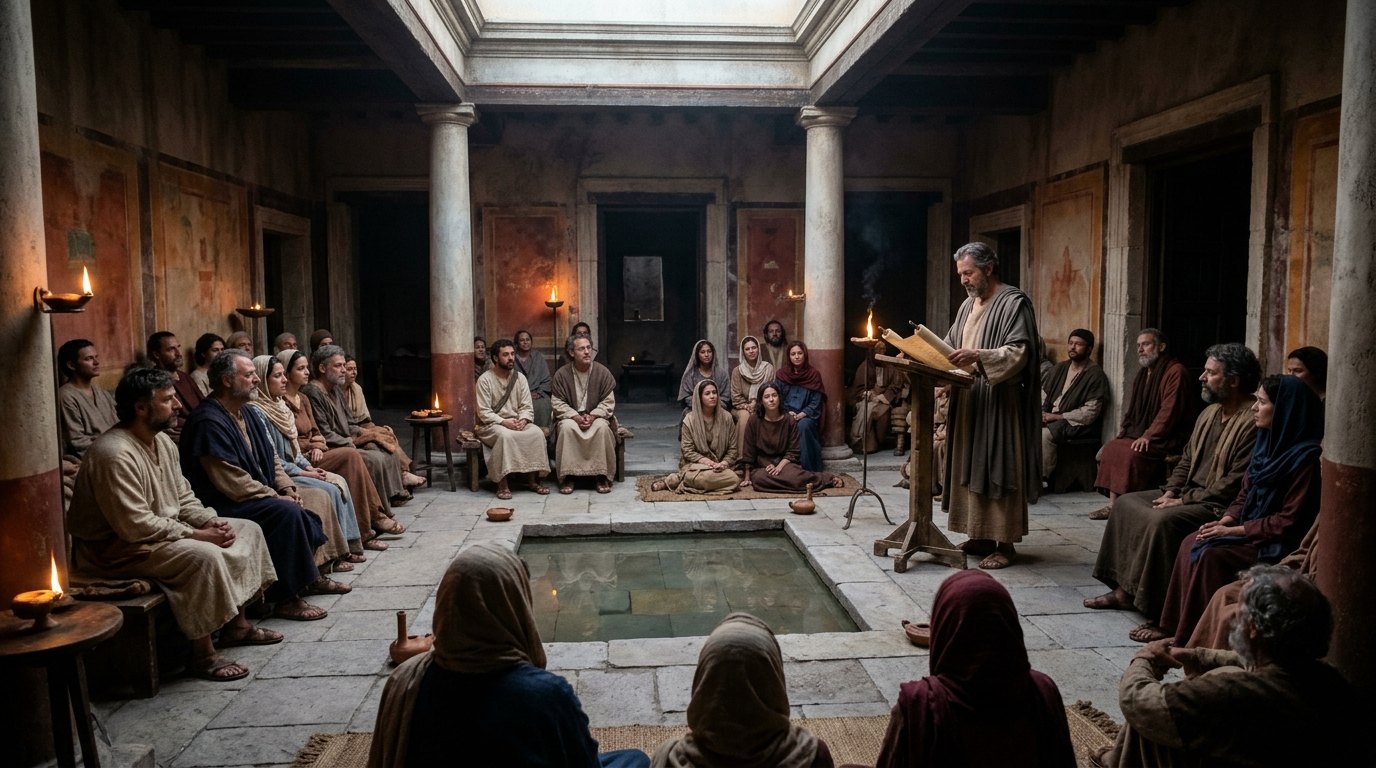
But everything should be done in a fitting and orderly way.
1 Corinthians 14:40 (NIV)
It establishes the biblical standard that all gathered worship must be conducted decently and in order.
Whether a congregation gathers in the contemplative order of traditional Baptist life or the vocal intensity of Pentecostal worship, the governing rubric of corporate assembly remains that of 1 Corinthians 14:40: “Let all things be done decently and in order.” Scripture never tolerates unbridled chaos or human self-exaltation within the house of the living God. In 1 Corinthians 14:26-33, the Apostle Paul regulates public worship, establishing that every contribution—whether psalm, teaching, tongue, or revelation—must be ordered strictly for corporate edification. If tongues are spoken in the assembly, they must be limited and interpreted, and prophets must speak one by one with others judging, because God is not the author of confusion but of peace.
Furthermore, the New Testament outlines clear patterns for the leadership and functioning of the local assembly. In 1 Timothy 3:1-7, the Holy Spirit prescribes the moral, marital, and spiritual qualifications for overseers who shepherd God’s flock, insisting upon blameless character and doctrinal fidelity. The Apostle echoes this solemn charge in Titus 1:5-9, ordering that godly elders be appointed to refute error and hold fast the faithful word. Alongside pastoral leadership, Scripture honors the priesthood of all believers; as 1 Peter 2:9 proclaims, every regenerate person belongs to a chosen generation, a royal priesthood, and a holy nation called out of darkness to proclaim His praises directly. Both traditions, when faithful to the Word, labor to order their worship so that the glory of Jesus Christ stands preeminent.
| Passage | What it says |
|---|---|
| 1 Corinthians 14:26-33 | Orderly corporate worship involves hymns, teachings, and gifts exercised with interpretation, since God is not the author of confusion. |
| 1 Timothy 3:1-7 | Scripture sets forth qualifications for overseers who shepherd and care for the household of God. |
| Titus 1:5-9 | Elders are appointed in every city according to biblical standards of sound doctrine and upright character. |
| 1 Peter 2:9 | Believers form a royal priesthood called out of darkness to proclaim the praises of God directly. |
Where in the Bible
| Book | Passages |
|---|---|
| Matthew | 1 · Matthew 28:19 |
| Mark | 1 · Mark 16:16 |
| Luke | 1 · Luke 24:47 |
| John | 1 · John 3:16 |
| Acts | 12 · Acts 2:38, Acts 2:39, Acts 3:19, Acts 8:12, Acts 10:48, Acts 22:16, Acts 8:36-38, Acts 1:8, Acts 2:1-4, Acts 8:14-17, Acts 10:44-46, Acts 19:6 |
| Romans | 2 · Romans 10:9-10, Romans 6:3-4 |
| 1 Corinthians | 4 · 1 Corinthians 12:7-11, 1 Corinthians 14:1, 1 Corinthians 14:39, 1 Corinthians 14:26-33 |
| Ephesians | 1 · Ephesians 2:8-9 |
| Colossians | 1 · Colossians 2:12 |
| 1 Timothy | 1 · 1 Timothy 3:1-7 |
| 2 Timothy | 1 · 2 Timothy 3:16 |
| Titus | 1 · Titus 1:5-9 |
| James | 1 · James 5:14-16 |
| 1 Peter | 1 · 1 Peter 2:9 |
The story in order
- Jesus commissions disciples (c. AD 30) · Matthew 28:19 · Command to make disciples and baptize them.
- Pentecost: Spirit poured out (c. AD 30) · Acts 2:1-4 · Disciples filled with Spirit, speaking in tongues.
- Samaritans believe and are baptized (c. AD 34) · Acts 8:12 · Baptism follows belief in Christ.
- Samaritans receive the Spirit (c. AD 34) · Acts 8:14-17 · Spirit received through laying on of hands.
- Ethiopian eunuch baptized (c. AD 34) · Acts 8:36-38 · Baptism follows confession of faith.
- Cornelius' household receives the Spirit (c. AD 35) · Acts 10:44-46 · Spirit falls on Gentiles, evidenced by tongues.
- Peter commands baptism (c. AD 35) · Acts 10:48 · Baptism for those who heard and received the Spirit.
- Paul lays hands on Ephesians (c. AD 54) · Acts 19:6 · Spirit comes with tongues and prophecy.
- Paul writes on spiritual gifts (c. AD 55) · 1 Corinthians 12:7-11 · Spirit gives diverse gifts for the common good.
- Paul writes on tongues and prophecy (c. AD 55) · 1 Corinthians 14:39 · Desire prophecy, do not forbid tongues.
- Paul writes on Scripture's authority (c. AD 67) · 2 Timothy 3:16 · All Scripture is God-breathed and useful.
- James writes on prayer for the sick (c. AD 45) · James 5:14-16 · Elders to pray for the sick; confession of sins.
The Spirit's Work in Believers
| Promise/Event | Description | Evidence | Passage |
|---|---|---|---|
| Pentecost | Disciples filled with the Holy Spirit | Speaking in other tongues | Acts 2:1-4 |
| Samaritans | Received the Holy Spirit after baptism | Laying on of apostolic hands | Acts 8:14-17 |
| Cornelius' household | The Holy Spirit fell upon them | Speaking in tongues and praising God | Acts 10:44-46 |
| Ephesian disciples | The Holy Spirit came upon them | Speaking in tongues and prophesying | Acts 19:6 |
Baptism and Belief
| Belief | Baptism | Result | Passage |
|---|---|---|---|
| Samaritans believed Philip's preaching | Were baptized | Received the Holy Spirit later | Acts 8:12 |
| Ethiopian eunuch confessed faith | Was baptized by Philip | Continued on his way rejoicing | Acts 8:36-38 |
| Gentiles heard the word and received the Spirit | Were baptized | Spoke in tongues and magnified God | Acts 10:44-48 |
| Saul believed and called on the Lord | Was baptized | Washed away his sins | Acts 22:16 |
The Nature of Spiritual Gifts
| Gift | Purpose | Source | Passage |
|---|---|---|---|
| Wisdom, knowledge, faith, healing, miracles, prophecy, discernment, tongues, interpretation | For the common good | The Holy Spirit, as He wills | 1 Corinthians 12:7-11 |
| Prophecy | Edification, exhortation, comfort | Earnestly desired | |
| Tongues | Not to be forbidden | Earnestly desired | 1 Corinthians 14:39 |
Key words
- Holy Spirit (hagios pneuma, ἅγιος πνεῦμα)
- The third person of the Trinity, God's active presence and power in the world and in believers. · Acts 1:8
- Baptism (baptizo, βαπτίζω)
- An ordinance symbolizing burial with Christ and resurrection to new life, administered by immersion upon confession of faith. · Romans 6:3-4
- Tongues (glossa, γλῶσσα)
- Speaking in an unknown language, empowered by the Spirit, as a sign or for prophecy. · Acts 2:4
- Spiritual Gifts (pneumatikos, πνευματικός)
- Abilities given by the Holy Spirit for the building up of the church. · 1 Corinthians 12:7
- Scripture (graphe, γραφή)
- The inspired, authoritative Word of God, profitable for all aspects of Christian life and doctrine. · 2 Timothy 3:16
Understanding the differences between Baptist and Pentecostal traditions helps believers appreciate how each seeks to honor Christ, whether through careful adherence to the ordinances and the written Word or through earnest pursuit of the Spirit's power and spiritual gifts. Both traditions agree that salvation is found in Christ alone, that every disciple is called to repent and be baptized, and that the body of Christ is built up by the Holy Spirit. A humble study of the Scriptures guides believers into full obedience, walking in both the truth of God's Word and the power of His Spirit.
29 passages, each cited once.
How the major Christian traditions read this
All Christian traditions confess that Jesus Christ is Lord, that salvation comes through His death and resurrection, and that the Holy Spirit dwells in believers to unite them to Christ (Romans 10:9; 1 Corinthians 12:13).
Catholic
The Catholic Church teaches that the fullness of the Holy Spirit is imparted through the sacraments of initiation—Baptism and Confirmation—ministered by the apostolic succession (Acts 8:14-17). Rather than seeing baptism in the Holy Spirit as a separate crisis experience evidenced by tongues, we hold that sanctifying grace is poured out in the sacraments, regenerating the believer and equipping the faithful with the sevenfold gifts of the Spirit (Isaiah 11:2-3). Charisms like tongues or prophecy are recognized in Scripture (1 Corinthians 12:4-11), yet they remain subordinate to the hierarchical and sacramental life of the Church.
Scripture: Acts 8:14-17, Isaiah 11:2-3, 1 Corinthians 12:4-11
Orthodox
In Holy Orthodoxy, the reception of the Holy Spirit is accomplished in Chrismation immediately following Baptism, sealing the believer as a partaker of the divine nature (Acts 2:38; 2 Peter 1:4). We do not divide Christian experience into subsequent tiers of Spirit-baptism or demand ecstatic tongues as a necessary proof of spiritual power. The Spirit operates through the holy mysteries, fostering steady spiritual ascent, repentance, and communion with God (Galatians 5:22-23). The gifts of the Spirit remain active in the Church, governed by patristic order and liturgical humility.
Scripture: Acts 2:38, 2 Peter 1:4, Galatians 5:22-23
Lutheran
We confess that the Holy Spirit works exclusively through the Means of Grace: the preached Word and the Sacraments (Romans 10:17; Titus 3:5). We reject any teaching that separates the work of the Spirit from the external Word or promises a second baptism in the Spirit marked by outward signs like tongues. In holy baptism, God works forgiveness of sins, delivers from death, and gives eternal salvation (1 Peter 3:21). The Christian life is one of daily repentance and faith in Christ’s promise, not an inward pursuit of private revelations or ecstatic experiences.
Scripture: Romans 10:17, Titus 3:5, 1 Peter 3:21
Reformed & Presbyterian
Reformed theology maintains that every believer is baptized by the Holy Spirit into Christ at regeneration, uniting them to His covenant promises (1 Corinthians 12:13; Ephesians 1:13-14). We reject the Pentecostal view of a subsequent Spirit-baptism evidenced by tongues. Regarding church polity and ordinances, while Baptists restrict baptism to professed believers, we baptize the infant seed of believers according to God's enduring covenant (Genesis 17:7; Acts 2:39). Scripture alone is the sufficient and final rule for faith and practice, and the Spirit works in ordinary means through Word and sacrament.
Scripture: 1 Corinthians 12:13, Ephesians 1:13-14, Genesis 17:7, Acts 2:39
Anglican & Episcopal
Anglicans understand the Holy Spirit’s work primarily through the sacramental life of the church, where baptism grants new birth and confirmation confers the strengthening of the Spirit through apostolic oversight (Acts 19:6; 2 Timothy 1:6). While our tradition encompasses both charismatic renewal and traditional liturgical forms, we view the Spirit's primary fruit as holiness, charity, and orderly worship under biblical authority (1 Corinthians 14:33, 40). We do not require tongues as an initial sign of Spirit-reception, holding that the Spirit equips each member differently for the common good (1 Corinthians 12:7).
Scripture: Acts 19:6, 2 Timothy 1:6, 1 Corinthians 14:33, 1 Corinthians 12:7
Baptist
We confess the supreme authority of Scripture alone and practice the baptism of conscious believers only, by total immersion, as a symbol of death and resurrection in Christ (Matthew 28:19; Romans 6:3-4). We hold that every believer receives the Holy Spirit upon saving faith (Ephesians 1:13). While some Baptist brethren differ on how miraculous gifts function today, we firmly reject the doctrine that baptism in the Holy Spirit is a distinct subsequent event required for all, or that tongues are the necessary sign of being filled with the Spirit (1 Corinthians 12:29-30).
Scripture: Matthew 28:19, Romans 6:3-4, Ephesians 1:13, 1 Corinthians 12:29-30
Methodist & Wesleyan
Following Scripture, we teach that the Holy Spirit works converting grace, brings assurance of adoption, and leads the believer toward entire sanctification and Christian perfection in love (Romans 8:16; 1 Thessalonians 5:23). While sharing with Pentecostals a deep desire for earnest spiritual empowerment, we understand the second work of grace not as an outward baptism of tongues, but as an inner purification of the heart by love (Matthew 22:37-40). We baptize believers and their infants as recipients of God's prevenient and covenant grace (Acts 2:39).
Scripture: Romans 8:16, 1 Thessalonians 5:23, Matthew 22:37-40, Acts 2:39
Pentecostal & Charismatic
We believe that baptism in the Holy Spirit is a distinct experience subsequent to salvation, enduing the believer with supernatural power for witness and ministry (Acts 1:8; Acts 2:4). The initial physical evidence of this baptism is speaking with other tongues as the Spirit gives utterance (Acts 10:44-46; Acts 19:6). Like Baptists, we practice water baptism by immersion for believers only (Matthew 28:19). However, our worship is characterized by the active, contemporary demonstration of spiritual gifts, including divine healing, prophecy, and vocal prayer in the Spirit (1 Corinthians 12:7-11; 1 Corinthians 14:1).
Scripture: Acts 1:8, Acts 2:4, Acts 10:44-46, 1 Corinthians 12:7-11, 1 Corinthians 14:1
Non-denominational & Evangelical
We stand on the complete authority of God's Word, emphasizing personal faith in Jesus Christ, the new birth, and believer’s baptism (John 3:3; Acts 8:36-38). On the differences between Baptists and Pentecostals, many evangelical fellowships align closely with the Baptist emphasis on expositional Bible teaching and water immersion, while remaining open to the ongoing gifts and leading of the Holy Spirit without insisting that speaking in tongues is the necessary sign of spiritual life or salvation (1 Corinthians 12:11, 31).
Scripture: John 3:3, Acts 8:36-38, 1 Corinthians 12:11, 1 Corinthians 12:31
Where they differ
Subsequent baptism in the Holy Spirit
- Catholic
- Bestowed definitively in Baptism and Confirmation, not as an ecstatic second work.
- Orthodox
- Given fully in holy Chrismation immediately following water baptism.
- Lutheran
- Rejected; the Spirit is received entirely through water and the Word.
- Reformed & Presbyterian
- Rejected; all believers are baptized by the Spirit at conversion.
- Anglican & Episcopal
- Received through the sacraments and deepened in confirmation and faithful discipleship.
- Baptist
- Rejected; every believer is baptized by the Spirit upon saving faith.
- Methodist & Wesleyan
- Understood as sanctifying grace and inward cleansing, not outward sign-gifts.
- Pentecostal & Charismatic
- Affirmed as a distinct, subsequent experience empowering believers for ministry.
- Non-denominational & Evangelical
- Often viewed as occurring at conversion, though practice varies across fellowships.
Scripture: Acts 1:8, Acts 2:4, 1 Corinthians 12:13
Speaking in tongues as initial evidence
- Catholic
- Not required; charisms are distributed diversely according to the Spirit's will.
- Orthodox
- Not necessary; true spiritual life produces holiness, humility, and repentance.
- Lutheran
- Rejected as a false standard not promised in the external Word.
- Reformed & Presbyterian
- Rejected; Scripture shows not all believers receive the gift of tongues.
- Anglican & Episcopal
- Not an essential sign; spiritual gifts vary among the faithful.
- Baptist
- Rejected; Scripture states explicitly that not all believers speak in tongues.
- Methodist & Wesleyan
- Rejected; the true proof of the Spirit is holy love.
- Pentecostal & Charismatic
- Affirmed as the normative initial physical evidence of Spirit-baptism.
- Non-denominational & Evangelical
- Generally rejected as a mandatory sign for all believers.
Scripture: Acts 2:4, Acts 10:46, 1 Corinthians 12:30
Proper subjects of water baptism
- Catholic
- Both infants of Christian parents and adult converts.
- Orthodox
- Infants and adults, followed immediately by Chrismation and Communion.
- Lutheran
- Infants and adult believers, applying the saving promise of God.
- Reformed & Presbyterian
- Believers and their children as members of God's covenant.
- Anglican & Episcopal
- Infants of believers and adult converts to the faith.
- Baptist
- Professing believers only, administered exclusively by immersion.
- Methodist & Wesleyan
- Both infants and adults as recipients of divine grace.
- Pentecostal & Charismatic
- Professing believers only, administered by immersion.
- Non-denominational & Evangelical
- Usually professing believers only by full immersion.
Scripture: Matthew 28:19, Acts 2:38-39, Acts 8:12
Your pastor can tell you where your church stands.
Scripture cited
- Acts 2:38-39
- Acts 22:16
- Mark 16:16
- Acts 8:12
- Acts 10:48
- Romans 6:3-4
- 1 Corinthians 12:13
- Acts 1:8
- 1 Corinthians 14:1
- James 5:14-16