What is the Garden of Eden?
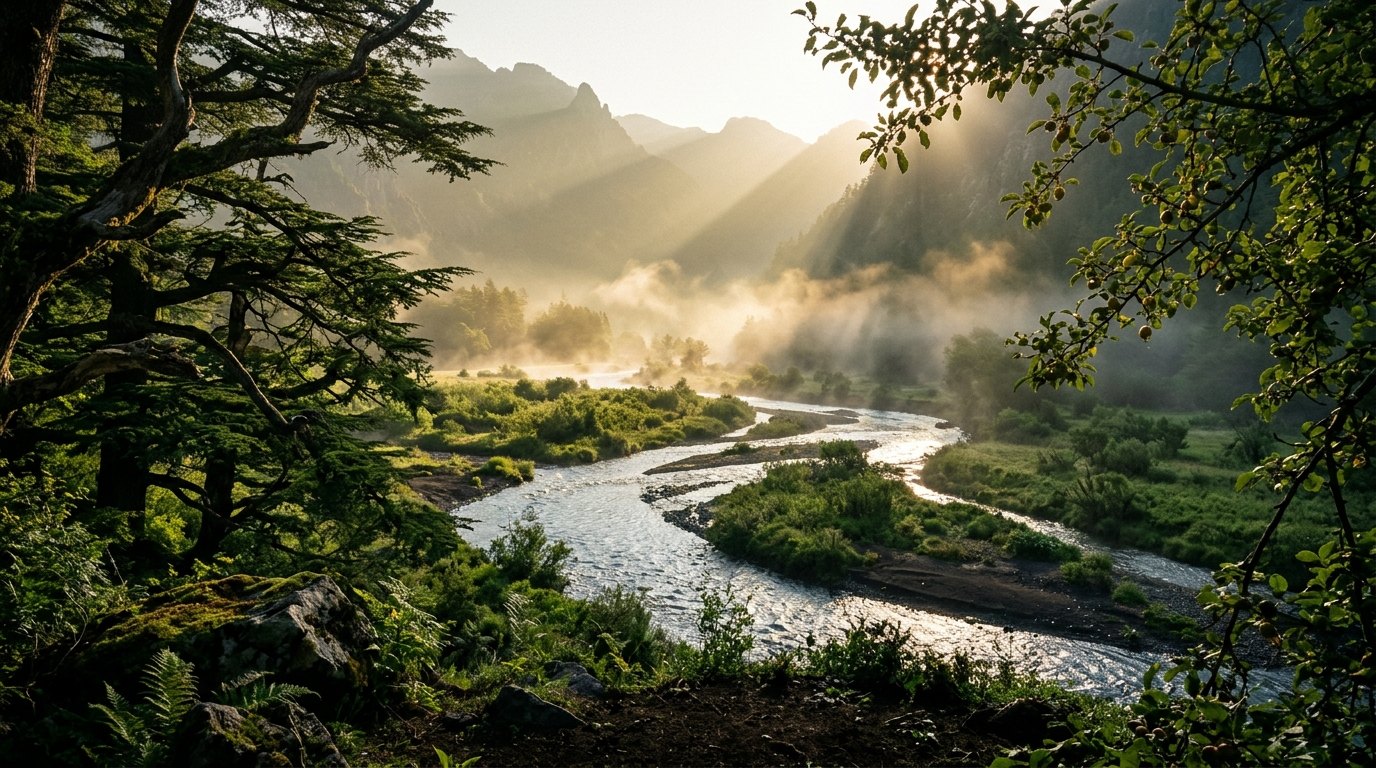
Genesis 2:8-17
8 Now the LORD God had planted a garden in the east, in Eden; and there he put the man he had formed.
9 The LORD God made all kinds of trees grow out of the ground—trees that were pleasing to the eye and good for food. In the middle of the garden were the tree of life and the tree of the knowledge of good and evil.
10 A river watering the garden flowed from Eden; from there it was separated into four headwaters.
11 The name of the first is the Pishon; it winds through the entire land of Havilah, where there is gold.
12 (The gold of that land is good; aromatic resin and onyx are also there.)
13 The name of the second river is the Gihon; it winds through the entire land of Cush.
14 The name of the third river is the Tigris; it runs along the east side of Ashur. And the fourth river is the Euphrates.
15 The LORD God took the man and put him in the Garden of Eden to work it and take care of it.
16 And the LORD God commanded the man, “You are free to eat from any tree in the garden;
17 but you must not eat from the tree of the knowledge of good and evil, for when you eat from it you will certainly die.”
New International Version (NIV)
The answer
The Garden of Eden was the real garden God planted in Eden as the first home of the man He had formed—a place of beauty, provision, purposeful work, and obedience to God. Genesis 2:8 says, “Yahweh God planted a garden eastward, in Eden, and there he put the man whom he had formed.” Eden was the wider location; the garden was within it.
Its main features show both God’s generosity and humanity’s responsibility:
- Abundant provision and beauty: God made trees grow that were pleasant to see and good for food. The garden also contained the tree of life and the tree of the knowledge of good and evil (Genesis 2:9).
- Water and natural riches: A river flowed from Eden to water the garden and then divided into four rivers—the Pishon, Gihon, Hiddekel, and Euphrates. The account also names gold, bdellium, and onyx stone (Genesis 2:10-14).
- Purposeful work: God placed the man there “to cultivate and keep it” (Genesis 2:15). Work was therefore part of God’s good purpose before sin entered the world, not originally a punishment.
- Freedom bounded by God’s command: The man could freely eat from every tree except the tree of the knowledge of good and evil. God warned that eating from it would bring death (Genesis 2:16-17).
After man’s sin, God drove him out and placed cherubim and a flaming sword east of the garden “to keep the way of the tree of life” (Genesis 3:24). Eden thus became a place from which sinful humanity was excluded, with access to its tree of life guarded.
Later Scripture remembers Eden’s unique goodness. Ezekiel 28:13 calls it “the garden of God,” and Genesis 13:10 compares the well-watered Jordan plain to “the garden of the LORD.” These descriptions associate Eden with God’s presence, abundant life, and extraordinary fruitfulness.
Answered from Scripture · reviewed November 11, 2026
The Garden of Eden is the historical sanctuary planted by God eastward in Eden, where He placed the first man to dwell, cultivate the ground, and enjoy unbroken fellowship with his Maker. Scripture records Eden not as myth or metaphor, but as a real, river-watered garden containing the tree of life and the tree of the knowledge of good and evil. Tracing Eden throughout the biblical narrative reveals both what humanity forfeited in the Fall and the glorious restoration God promises to accomplish in Christ.
The Primeval Sanctuary
God plants a real garden home for man
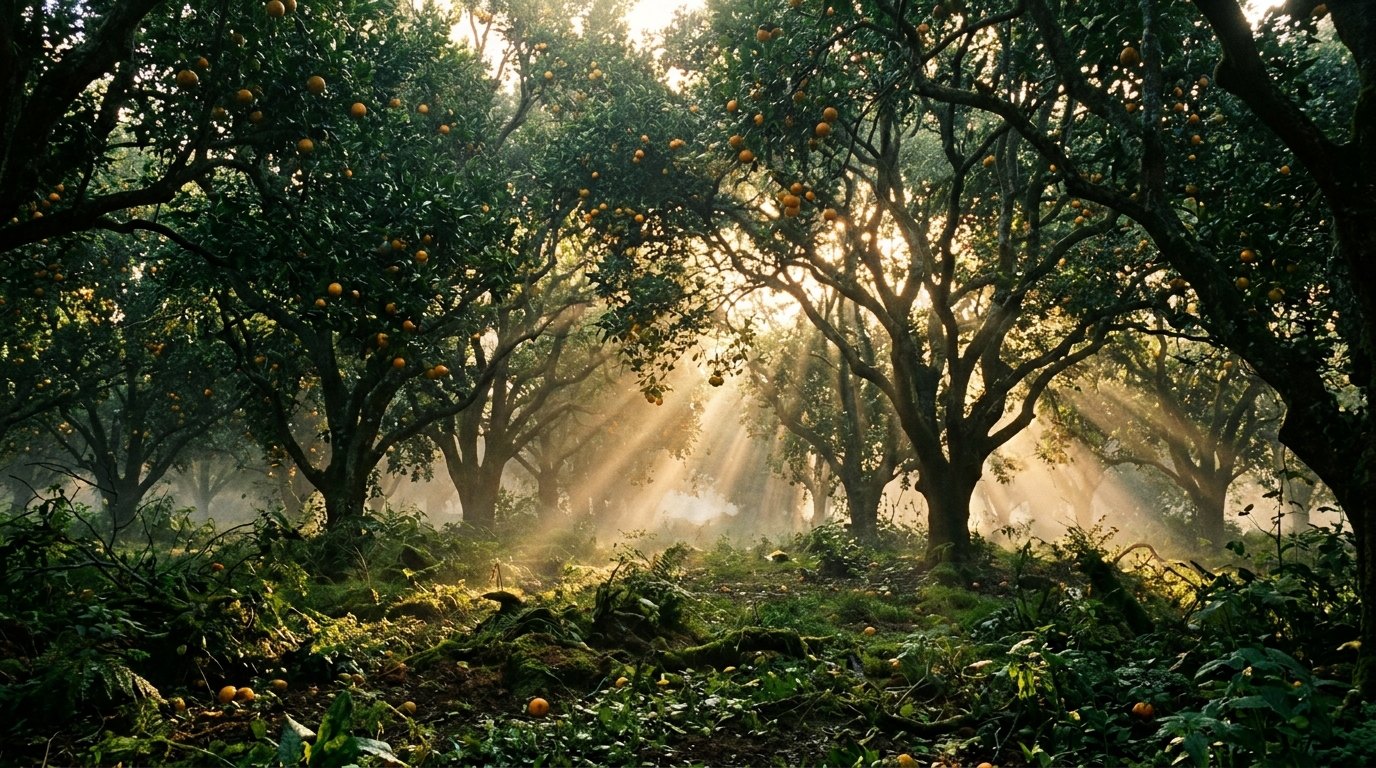
Now the LORD God had planted a garden in the east, in Eden; and there he put the man he had formed.
Genesis 2:8 (NIV)
This verse marks Eden as a specific, physical place planted directly by God to house the man He formed.
Genesis 2:8 identifies the Garden of Eden not as an allegorical concept or primeval myth, but as a historical sanctuary planted eastward by the hand of God Himself. Before locating the man there, the LORD God formed Adam from the dust of the ground and breathed into his nostrils the breath of life (Genesis 2:7). Into this fertile ground, God caused every tree to sprout that is pleasant to the sight and good for food, setting at its very center the tree of life and the tree of the knowledge of good and evil (Genesis 2:9). God settled man into this sacred domain with a distinct vocation: to cultivate and keep it as a priest-king in His presence (Genesis 2:15). Divine generosity defined life in the garden, for God commanded that Adam might freely eat of every tree (Genesis 2:16). Yet this covenantal abundance was bounded by a clear test of obedience, as God forbade eating of the tree of the knowledge of good and evil under penalty of certain death (Genesis 2:17). Within this pristine sanctuary, God declared that it was not good for man to be alone (Genesis 2:18). He put Adam into a deep sleep, fashioned the woman from his rib, and brought her to the man to share this holy dwelling (Genesis 2:21; Genesis 2:22). There, in unmarred communion with God and one another, the man and his wife lived naked and unashamed (Genesis 2:25).
| Passage | What it says |
|---|---|
| Genesis 2:8 | God planted a garden eastward in Eden and placed the newly formed man there to dwell. |
| Genesis 2:9 | God caused every pleasant and nourishing tree to grow, alongside the tree of life and the tree of knowledge. |
| Genesis 2:15 | God placed Adam into the garden to cultivate and keep it in faithful stewardship. |
| Genesis 2:16 | God granted man the freedom to eat of every tree in the garden with joyful abundance. |
| Genesis 2:17 | God forbade eating from the tree of the knowledge of good and evil under penalty of death. |
| Genesis 2:7 | The LORD God forms man from dust and breathes life into him before placing him in Eden. |
| Genesis 2:18 | God declares it is not good for man to be alone in the garden sanctuary. |
| Genesis 2:21 | God causes a deep sleep to fall on Adam to fashion the woman. |
| Genesis 2:22 | The LORD God builds the rib into a woman and presents her to the man in Eden. |
| Genesis 2:25 | The man and wife dwell in the garden naked and unashamed before sin enters. |
Rivers and Riches
Eden was watered by four great rivers
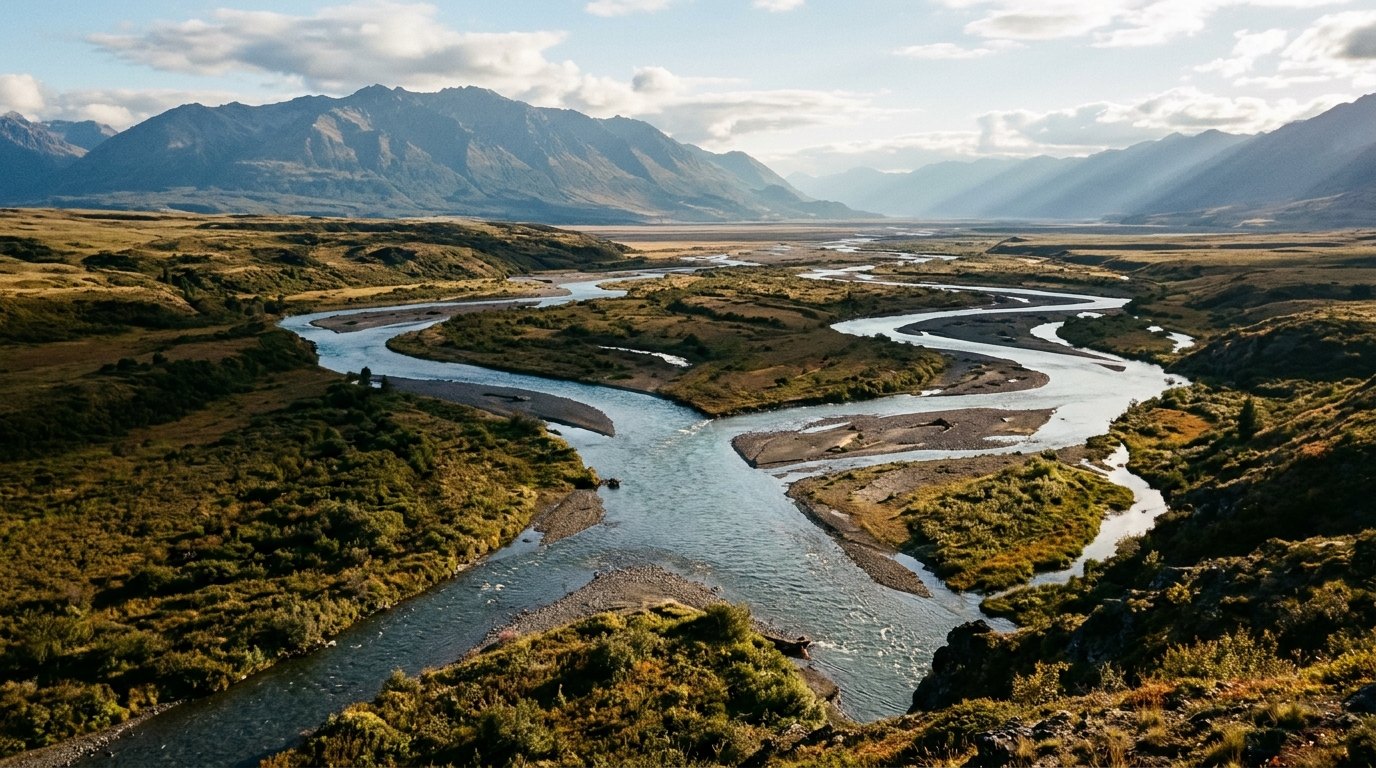
A river watering the garden flowed from Eden; from there it was separated into four headwaters.
Genesis 2:10 (NIV)
It establishes Eden as the single source for the four distinct river systems that watered the ancient world.
Genesis 2:10 roots Eden firmly in earth's physical geography by recording that a single river flowed out of the garden and divided into four riverheads. Rather than an ethereal landscape detached from time and space, Eden served as the hydrological and material fountainhead of the post-creation world. The first branch, the Pishon, encompassed the entire land of Havilah, a geographic region renowned for its extraordinary mineral wealth (Genesis 2:11). The text pauses to emphasize the literal bounty of this land, noting that its gold is good, alongside aromatic bdellium resin and precious onyx stone (Genesis 2:12). The second river, the Gihon, wound its course through the land of Cush (Genesis 2:13). The third river was the Hiddekel, known historically as the Tigris, flowing east toward the region of Assyria, while the fourth river was the Euphrates (Genesis 2:14). These distinct waterways—two of which still carve their paths through the ancient Near East today—bear witness to the historical reality of Eden's geography. God did not place man in an abstract paradise, but anchored him in a rich, resource-laden creation where living waters nourished the soil and displayed the Creator's boundless provision.
| Passage | What it says |
|---|---|
| Genesis 2:10 | A single river flowed out of Eden to water the garden and divided into four riverheads. |
| Genesis 2:11 | The first river, Pishon, encompassed the land of Havilah, a region noted for its rich gold. |
| Genesis 2:12 | Havilah is described as containing good gold, bdellium resin, and precious onyx stones. |
| Genesis 2:13 | The second river, Gihon, flowed through the entire land of Cush. |
| Genesis 2:14 | The third river is Hiddekel (Tigris) flowing east of Assyria, and the fourth river is Euphrates. |
The Tragic Expulsion
Sin brings exile from the sacred garden
After he drove the man out, he placed on the east sideof the Garden of Eden cherubim and a flaming sword flashing back and forth to guard the way to the tree of life.
Genesis 3:24 (NIV)
It shows that access to Eden and the tree of life was guarded by holy cherubim and a flaming sword after man fell.
Genesis 3:24 marks the darkest turning point in early human history, recording that God drove fallen man out and placed cherubim with a flaming sword to bar the way to the tree of life. The catastrophe began within the pristine sanctuary when the serpent deceived the woman, questioning God's benevolence and truthfulness (Genesis 3:1). In willful rebellion, she took the forbidden fruit and ate, giving it also to her husband who ate with her (Genesis 3:6). Immediately their fellowship with God fractured into terror; hearing the sound of the LORD God walking in the cool of the day, Adam and his wife hid among the trees (Genesis 3:8). Because humanity had crossed into moral autonomy and fallen under corruption, the LORD God declared that man must not stretch out his hand to eat of the tree of life and live forever in a ruined state (Genesis 3:22). Therefore, God cast him out of the garden of Eden to till the ground under the curse of sweat and thorns (Genesis 3:23). The sacred space was shut, guarded by heavenly beings. This tragic pattern of exile deepened in the next generation, when Cain, stained with fraternal blood, departed from the presence of the Lord to settle in the land of Nod, east of Eden (Genesis 4:16).
| Passage | What it says |
|---|---|
| Genesis 3:23 | The Lord God sent man out from Eden to till the ground from which he was taken. |
| Genesis 3:24 | God drove out the man and stationed cherubim and a flaming sword to guard the tree of life. |
| Genesis 4:16 | Cain went out from the presence of the Lord to live in the land of Nod, east of Eden. |
| Genesis 3:1 | The serpent deceives the woman within the sanctuary of the garden. |
| Genesis 3:6 | The woman and man eat the forbidden fruit in defiance of God's command. |
| Genesis 3:8 | Adam and his wife hear God walking in Eden in the cool of the day and hide. |
| Genesis 3:22 | God notes man's fallen state and prevents access to the tree of life. |
Prophetic Memory
Prophets remember Eden as God's lavish garden

You were in Eden, the garden of God; every precious stone adorned you: carnelian, chrysolite and emerald, topaz, onyx and jasper, lapis lazuli, turquoise and beryl. Your settings and mountings were made of gold; on the day you were created they were prepared.
Ezekiel 28:13 (NIV)
The prophet recalls Eden as the pristine 'garden of God,' adorned with every precious stone and jewel.
Ezekiel 28:13 preserves the vivid memory of Eden across Israel's prophetic heritage, describing it as the lush 'garden of God' adorned with every manner of precious stone. Generations after the Fall, Eden remained the supreme standard of unblemished beauty and royal majesty. When Lot looked out across the fertile Jordan Valley toward Zoar, Moses recorded that it was exceedingly well watered, resembling the very garden of the LORD (Genesis 13:10). Through the prophet Ezekiel, God confronted prideful rulers by evoking Eden's legendary grandeur, recalling a dwelling enriched with sardius, topaz, diamond, beryl, and gold (Ezekiel 28:13). In lamenting the towering heights of worldly empires, Ezekiel compared Assyria to a cedar whose magnificent boughs surpassed all the trees in the garden of God, causing the historic trees of Eden to look on with envy (Ezekiel 31:8; Ezekiel 31:9). Even in describing the ruin of proud nations, the prophet portrayed the felled trees of Eden resting in the lower parts of the earth (Ezekiel 31:16). Pharaoh himself was warned that despite his towering glory, he would be cast down among the trees of Eden (Ezekiel 31:18). Scripture never forgot Eden; it remained the touchstone of primeval splendor.
| Passage | What it says |
|---|---|
| Genesis 13:10 | Lot observed the well-watered Jordan valley and compared its lushness to the garden of the Lord. |
| Ezekiel 28:13 | Eden is addressed as the garden of God, adorned with sardius, topaz, diamond, onyx, and gold. |
| Ezekiel 31:8 | The cedars and fir trees in the garden of God were unsurpassed in stature and splendor. |
| Ezekiel 31:9 | God made Assyria beautiful with thick branches, so that all the trees of Eden envied it. |
| Ezekiel 31:16 | Trees of Eden comfort fallen nations in the subterranean depths. |
| Ezekiel 31:18 | Pharaoh is compared to a lofty cedar brought down among Eden's trees. |
Paradise Restored
Eden prefigures the final renewal in Christ
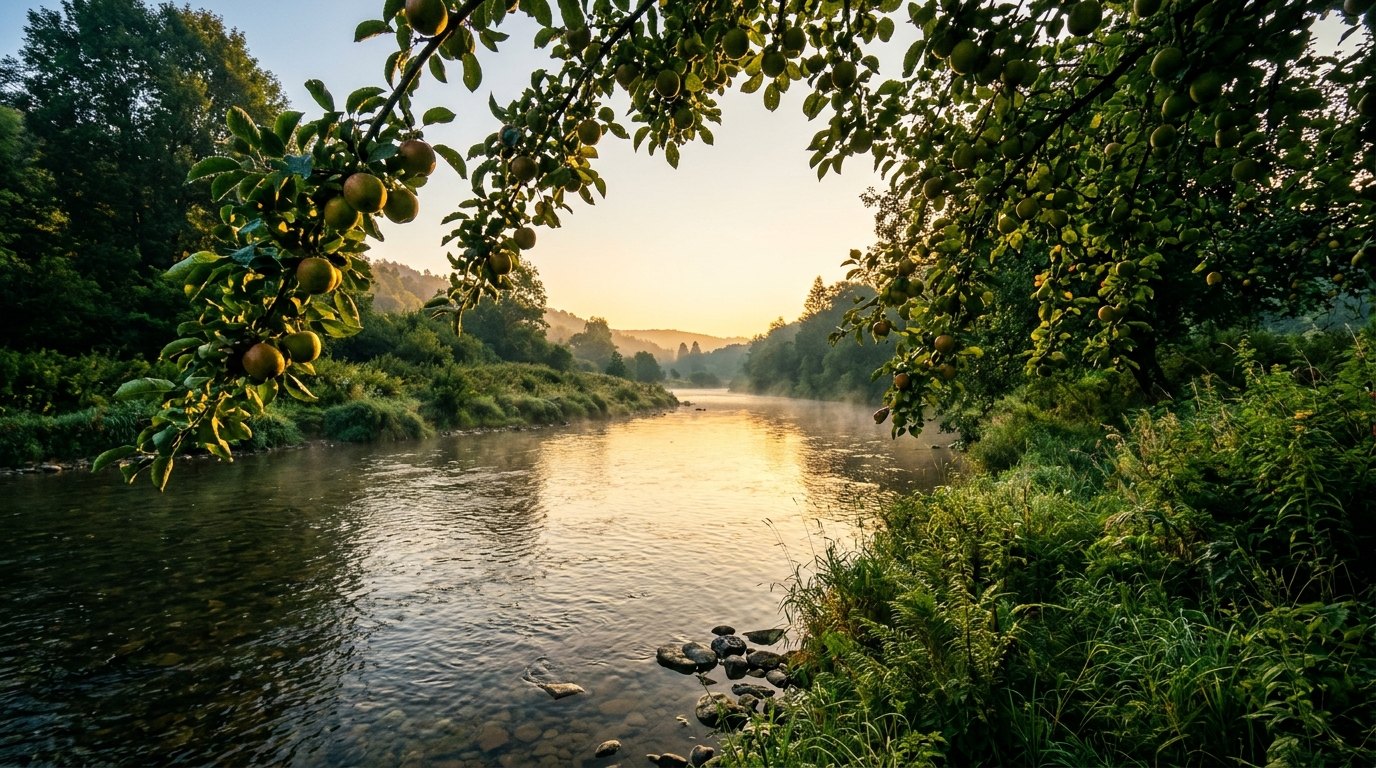
The LORD will surely comfort Zion and will look with compassion on all her ruins; he will make her deserts like Eden, her wastelands like the garden of the LORD. Joy and gladness will be found in her, thanksgiving and the sound of singing.
Isaiah 51:3 (NIV)
Isaiah foretells God turning the ruined wilderness into a joyful place like Eden, looking forward to redemptive renewal.
The restoration of Eden stands at the very heart of redemptive history, demonstrating that God's eternal purpose for creation cannot be thwarted by human rebellion. In Isaiah 51:3, the prophet comforts Zion with the promise that the Lord will transform her barren ruins, making her desolate wilderness bloom like Eden and her desert rejoice like the garden of the Lord—a prophecy finding its ultimate realisation when God makes all things new in Revelation 21:1-4. The prophets repeatedly look back to Eden to portray the magnitude of coming redemption; Ezekiel 36:35 foretells that onlookers will marvel when desolate wastes become secure and fertile like Eden, anticipating the universal renewal of creation described in Romans 8:19-21. Even God's sovereign warnings recall that pristine glory, as Joel 2:3 describes a land once flourishing like Eden before judgment sweeps across it, pointing toward final apocalyptic judgments in Revelation 20:9.
In the New Testament, Eden's sanctuary reemerges under the name of paradise, now permanently secured through the cross. Dying beside the condemned, the Lord Jesus assures the repentant thief in Luke 23:43 that he will be with Him in paradise that very day. The reality of this heavenly realm is confirmed when the apostle Paul recounts in 2 Corinthians 12:4 being caught up into paradise itself, hearing holy words beyond human speech. To the church in Ephesus, the risen Christ promises in Revelation 2:7 that every conqueror will eat of the tree of life, planted in the midst of the paradise of God.
The grand biblical storyline reaches its climax where it began, as John beholds the river of the water of life flowing clear as crystal from the throne of God in Revelation 22:1. On either side stands the tree of life, described in Revelation 22:2 as bearing monthly fruit and offering healing leaves to the nations. There, as Revelation 22:3 triumphs, no curse will ever exist again, and Revelation 22:14 pronounces an everlasting blessing on those who wash their robes in the blood of the Lamb, granting them free and eternal access to the tree of life.
| Passage | What it says | Fulfilled |
|---|---|---|
| Isaiah 51:3 | The Lord comforts Zion by making her wilderness like Eden and her desert like the Lord's garden. | Revelation 21:1-4 |
| Ezekiel 36:35 | The nations will marvel that desolate lands have become fertile and secure like the garden of Eden. | Romans 8:19-21 |
| Joel 2:3 | The land before the invading judgment army was beautiful like the garden of Eden. | Revelation 20:9 |
| Luke 23:43 | Jesus promises the repentant thief paradise with Him that very day. | |
| 2 Corinthians 12:4 | Paul is caught up into paradise and hears inexpressible words. | |
| Revelation 2:7 | The conqueror is granted to eat from the tree of life in God's paradise. | |
| Revelation 22:1 | The river of the water of life flows from God's throne in the New Jerusalem. | |
| Revelation 22:2 | The tree of life yields fruit monthly, its leaves healing the nations. | |
| Revelation 22:3 | There is no more curse in the consummated garden-city of God. | |
| Revelation 22:14 | Blessed are those who wash their robes to have right to the tree of life. |
Where in the Bible
| Book | Passages |
|---|---|
| Genesis | 23 · Genesis 2:8, Genesis 2:9, Genesis 2:15, Genesis 2:16, Genesis 2:17, Genesis 2:7, Genesis 2:18, Genesis 2:21, Genesis 2:22, Genesis 2:25, Genesis 2:10, Genesis 2:11, Genesis 2:12, Genesis 2:13, Genesis 2:14, Genesis 3:23, Genesis 3:24, Genesis 4:16, Genesis 3:1, Genesis 3:6, Genesis 3:8, Genesis 3:22, Genesis 13:10 |
| Isaiah | 1 · Isaiah 51:3 |
| Ezekiel | 6 · Ezekiel 28:13, Ezekiel 31:8, Ezekiel 31:9, Ezekiel 31:16, Ezekiel 31:18, Ezekiel 36:35 |
| Joel | 1 · Joel 2:3 |
| Luke | 1 · Luke 23:43 |
| 2 Corinthians | 1 · 2 Corinthians 12:4 |
| Revelation | 5 · Revelation 2:7, Revelation 22:1, Revelation 22:2, Revelation 22:3, Revelation 22:14 |
The story in order
- God plants the Garden of Eden (c. 4000 BC) · Genesis 2:8 · God establishes man's first home, a real sanctuary.
- Man placed in Eden to work and keep (c. 4000 BC) · Genesis 2:15 · Man's commission as faithful steward in God's presence.
- God forbids eating from the tree (c. 4000 BC) · Genesis 2:17 · The one prohibition and its penalty of death.
- God forms woman for man (c. 4000 BC) · Genesis 2:22 · God provides a helper and companion in Eden.
- Man and wife naked and unashamed (c. 4000 BC) · Genesis 2:25 · Innocence and purity before the Fall.
- The Fall: Sin enters Eden (c. 4000 BC) · Genesis 3:6 · Disobedience forfeits fellowship and brings death.
- Expulsion from Eden (c. 4000 BC) · Genesis 3:23 · Man is sent out, access to life barred.
- Cain exiled east of Eden (c. 4000 BC) · Genesis 4:16 · The first consequence of sin outside Eden.
- Lot compares Jordan valley to Eden (c. 2000 BC) · Genesis 13:10 · Eden remembered as a lush, well-watered paradise.
- Prophet describes Eden's glory (c. 590 BC) · Ezekiel 28:13 · Eden as God's perfect sanctuary, rich and beautiful.
- Jesus promises paradise (AD 30) · Luke 23:43 · Christ offers restored fellowship in His presence.
- Paul's vision of paradise (c. AD 55) · 2 Corinthians 12:4 · A glimpse of heavenly, inexpressible realities.
- New Jerusalem: Tree of life (c. AD 95) · Revelation 22:2 · Restored Eden's life-giving tree and healing leaves.
- No more curse in God's garden-city (c. AD 95) · Revelation 22:3 · The final, perfect renewal of God's dwelling.
Eden's Loss and Restoration
| Loss in Eden | Restoration in Christ | Passage |
|---|---|---|
| Man placed in Eden to cultivate | Man restored to God's service | Genesis 2:15 |
| Forbidden fruit brings death | Tree of life offers eternal life | |
| Expulsion from God's presence | Welcome into God's paradise | |
| Access to Tree of Life barred | Right to eat from Tree of Life granted | |
| Curse on the ground | No more curse in New Jerusalem |
Key words
- Garden of Eden
- The literal, fertile sanctuary God planted eastward in Eden for man. · Genesis 2:8
- Tree of Life
- A tree in Eden granting eternal life, later barred, then restored.
- Tree of Knowledge of Good and Evil
- A tree in Eden whose forbidden fruit brought death. · Genesis 2:17
- Fall
- Man's disobedience in Eden, resulting in sin, death, and separation from God. · Genesis 3:6
- Paradise
- A place of bliss and beauty, referring to Eden and the future heavenly state.
Eden stands as both a solemn memorial of what mankind lost through rebellion and an unfailing picture of the life God prepares for His redeemed people. In Jesus Christ, the Tree of Life is no longer barred by cherubim and a flaming sword, but freely opened to all who overcome by faith in Him.
38 passages, each cited once.
Scripture cited
- Genesis 3:24
- Ezekiel 28:13
- Genesis 13:10
- Genesis 2:18-25
- Genesis 3:22-24