What was Sodom and Gomorrah?
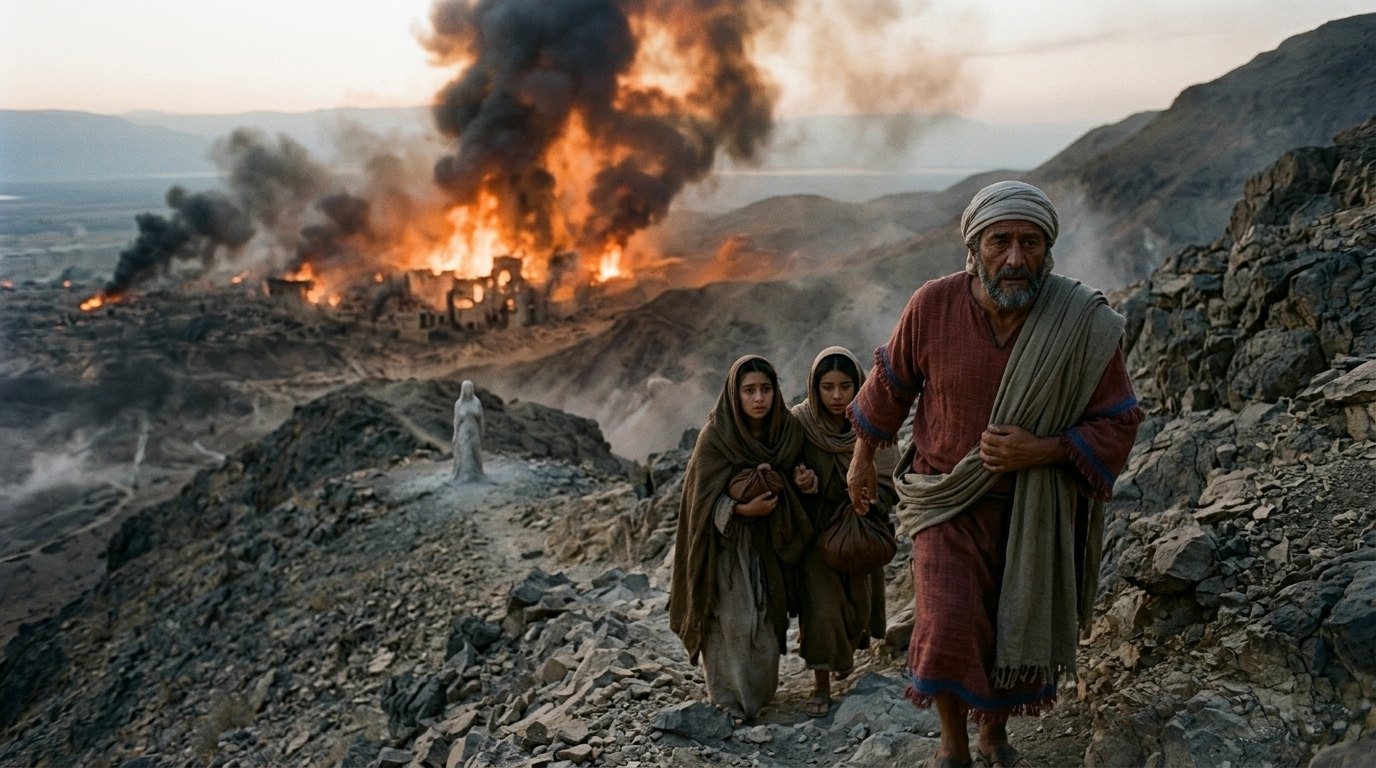
Genesis 19:12-29
12 The two men said to Lot, “Do you have anyone else here—sons-in-law, sons or daughters, or anyone else in the city who belongs to you? Get them out of here,
13 because we are going to destroy this place. The outcry to the LORD against its people is so great that he has sent us to destroy it.”
14 So Lot went out and spoke to his sons-in-law, who were pledged to marry his daughters. He said, “Hurry and get out of this place, because the LORD is about to destroy the city!” But his sons-in-law thought he was joking.
15 With the coming of dawn, the angels urged Lot, saying, “Hurry! Take your wife and your two daughters who are here, or you will be swept away when the city is punished.”
16 When he hesitated, the men grasped his hand and the hands of his wife and of his two daughters and led them safely out of the city, for the LORD was merciful to them.
17 As soon as they had brought them out, one of them said, “Flee for your lives! Don’t look back, and don’t stop anywhere in the plain! Flee to the mountains or you will be swept away!”
18 But Lot said to them, “No, my lords, please!
19 Your servant has found favor in your eyes, and you have shown great kindness to me in sparing my life. But I can’t flee to the mountains; this disaster will overtake me, and I’ll die.
20 Look, here is a town near enough to run to, and it is small. Let me flee to it—it is very small, isn’t it? Then my life will be spared.”
21 He said to him, “Very well, I will grant this request too; I will not overthrow the town you speak of.
22 But flee there quickly, because I cannot do anything until you reach it.” (That is why the town was called Zoar.)
23 By the time Lot reached Zoar, the sun had risen over the land.
24 Then the LORD rained down burning sulfur on Sodom and Gomorrah—from the LORD out of the heavens.
25 Thus he overthrew those cities and the entire plain, destroying all those living in the cities—and also the vegetation in the land.
26 But Lot’s wife looked back, and she became a pillar of salt.
27 Early the next morning Abraham got up and returned to the place where he had stood before the LORD.
28 He looked down toward Sodom and Gomorrah, toward all the land of the plain, and he saw dense smoke rising from the land, like smoke from a furnace.
29 So when God destroyed the cities of the plain, he remembered Abraham, and he brought Lot out of the catastrophe that overthrew the cities where Lot had lived.
New International Version (NIV)
The answer
Sodom and Gomorrah were two cities in the plain of the Jordan River, destroyed by God for their great wickedness.
What the text shows
- A cluster of cities in the Jordan plain. Sodom, Gomorrah, and two others (Admah and Zeboim) made up what Scripture calls "the cities of the plain" (Genesis 13:12). Sodom was the chief among them, and the whole region was once as lush as "the garden of Yahweh," like the land of Egypt (Genesis 13:10). Zoar, the small city Lot fled to, was originally part of this group under the name Bela (Genesis 14:2).
- A well-known center of wickedness. Before the destruction, the text says bluntly that "the people of Sodom were exceedingly wicked and sinners against Yahweh" (Genesis 13:13). When the two angels arrived in Sodom, every man in the city, young and old, surrounded Lot's house demanding to assault his guests (Genesis 19:4-5) — an act so grave that God later told Abraham, "the cry of Sodom and Gomorrah is great, and because their sin is very grievous" (Genesis 18:20).
- A city Lot chose for prosperity, not piety. When Abram and Lot parted ways, Lot "lifted up his eyes and saw all the plain of the Jordan" — well-watered and green — and chose it for himself, pitching his tent "as far as Sodom" (Genesis 13:11-12). His family ended up living right inside the city.
- Destroyed by a direct act of judgment. After the angels pulled Lot, his wife, and his two daughters to safety, "Yahweh rained on Sodom and on Gomorrah sulfur and fire from Yahweh out of the sky. He overthrew those cities, all the plain, all the inhabitants of the cities, and that which grew on the ground" (Genesis 19:24-25). Abraham saw the smoke "going up as the smoke of a furnace" (Genesis 19:28).
- A lasting example throughout Scripture. The fall of Sodom and Gomorrah became the Bible's standing picture of God's judgment on unrepentant sin. Jesus speaks of "the land of Sodom and Gomorrah" on the day of judgment (Matthew 10:15). 2 Peter 2:6 calls it an example to warn the ungodly: "turning the cities of Sodom and Gomorrah into ashes, condemned them to destruction." Even Lot himself, though rescued, "was oppressed by the filthy conduct of the wicked" — a man whose soul was "tormented day after day by seeing and hearing their lawless deeds" (2 Peter 2:7-8).
Why it matters in the rest of Scripture
God saved Lot "out of the overthrow, when He overthrew the cities in which Lot had dwelt" — and the writer traces that rescue back to one thing: "God remembered Abraham" (Genesis 19:29). The mercy that saved Lot flowed from the covenant the Lord had made with his uncle. And the warning carried forward: Revelation 18:4 echoes the same call the angels gave Lot — "Come out of her, my people, that you may not be partakers of her sins and that you may not receive of her plagues."
So Sodom and Gomorrah were not just names in an old story. Scripture uses them as the clearest picture anywhere in the Bible of two truths held together: the judgment of God against sin, and the mercy of God that snatches His people out of it before it falls.
Answered from Scripture · reviewed November 7, 2026
Sodom and Gomorrah were prosperous cities of the Jordan plain whose names became Scripture's permanent hallmark of terrifying divine judgment against rampant, unrepentant wickedness. Destroyed by sulfur and fire rained down directly from heaven, their catastrophic overthrow serves as both an enduring historical warning to every generation and a profound testament to God's covenant mercy toward the righteous.
The Jordan Plain
A Fertile Valley Chosen by Sight Rather Than Faith
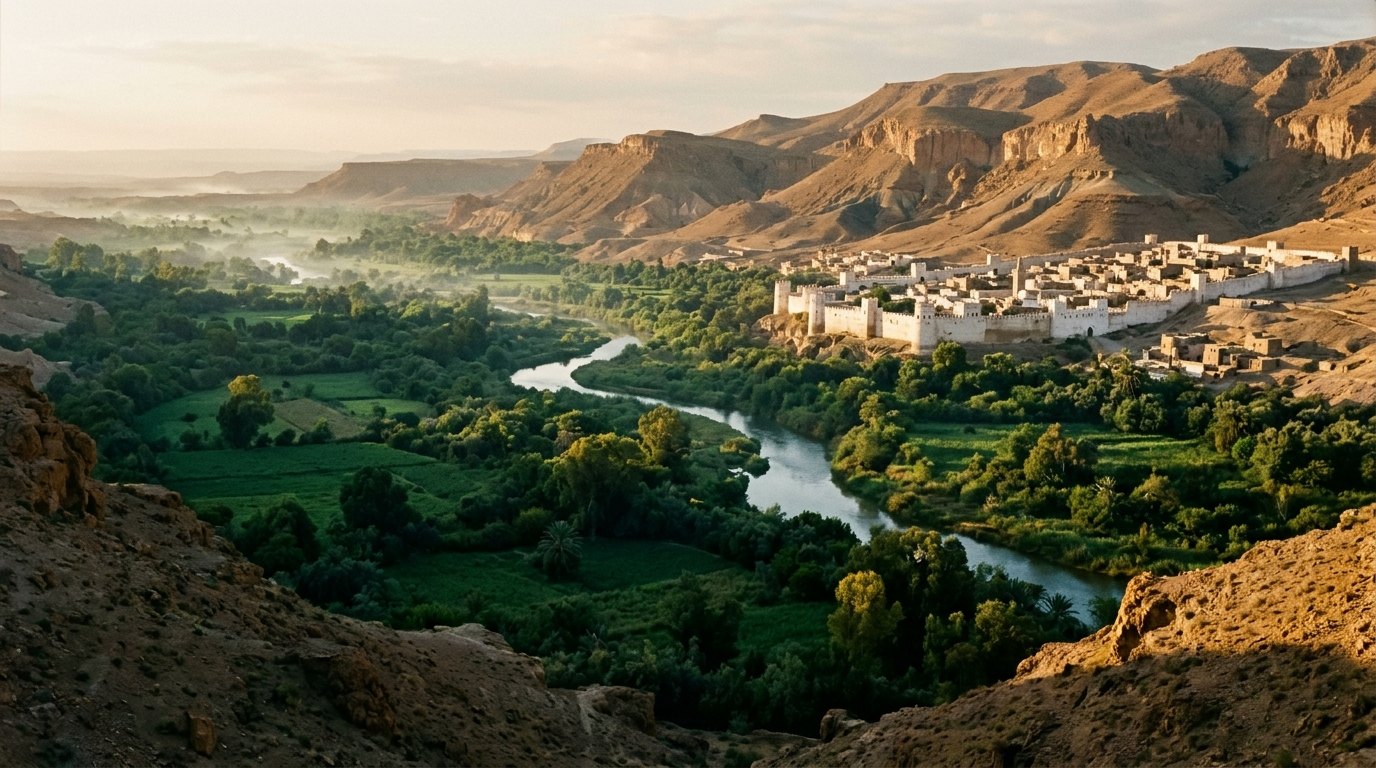
Lot looked around and saw that the whole plain of the Jordan toward Zoar was well watered, like the garden of the LORD, like the land of Egypt. (This was before the LORD destroyed Sodom and Gomorrah.)
Genesis 13:10 (NIV)
It shows that the valley of Sodom was exceptionally fruitful like Eden before its wickedness brought complete desolation.
Before it became synonymous with ashes, the Jordan valley stood as a paradise of natural wealth. In Genesis 13:10, Scripture records that Lot lifted up his eyes and saw the entire valley of the Jordan was well watered everywhere, like the garden of the Lord, like the land of Egypt, before the Lord destroyed Sodom and Gomorrah. Long before, the ancient territory of the Canaanites had expanded across this region, reaching even unto Sodom and Gomorrah (Genesis 10:19). Drawn by outward abundance rather than spiritual discernment, Lot chose for himself all the valley of the Jordan and journeyed eastward (Genesis 13:11). Abram remained in the rugged hill country of Canaan, while Lot moved his dwelling among the cities of the valley, gradually pitching his tent as far as Sodom (Genesis 13:12). The divine narrator immediately inserts an ominous verdict: the men of Sodom were exceedingly wicked and great sinners against the Lord (Genesis 13:13).
Physical prosperity in the valley went hand in hand with political vulnerability and constant strife. The kings of Sodom, Gomorrah, Admah, Zeboiim, and Bela banded together in the Valley of Siddim to resist eastern Mesopotamian overlords (Genesis 14:1-2). That very valley was riddled with bitumen pits, causing the defeated kings of Sodom and Gomorrah to fall into them as their armies fled (Genesis 14:8-10). The invading armies thoroughly looted the cities, seizing Lot and all his possessions since he was now dwelling openly inside Sodom itself (Genesis 14:11-12). After Abram mounted a daring rescue and recovered the captives, the king of Sodom offered Abram the material goods. Abram flatly refused even a single thread or sandal strap, declaring by oath that he would take nothing lest the wicked king boast of enriching God's servant (Genesis 14:17-24). Sodom was rich and alluring, but spiritually fatal.
| Passage | What it says |
|---|---|
| Genesis 13:10 | Lot observes the well-watered Jordan plain, comparing its lush beauty to the garden of the Lord and the land of Egypt. |
| Genesis 13:11 | Lot chooses the entire valley of the Jordan for himself and journeys eastward away from Abram. |
| Genesis 13:12 | Abram dwells in Canaan while Lot settles among the cities of the plain, pitching his tent toward Sodom. |
| Genesis 13:13 | The men of Sodom are identified as exceedingly wicked and great sinners against the Lord. |
| Genesis 14:1-2 | The kings of Sodom, Gomorrah, Admah, Zeboiim, and Bela join together in battle in the Valley of Siddim. |
| Genesis 14:11-12 | Invading northern kings plunder Sodom and Gomorrah, capturing Lot and his possessions as he dwelt inside the city. |
| Genesis 10:19 | Defines the ancient border of the Canaanites as extending toward Sodom, Gomorrah, Admah, and Zeboiim. |
| Genesis 14:8-10 | Recounts the kings of Sodom and Gomorrah joining battle in the Valley of Siddim, which was full of bitumen pits. |
| Genesis 14:17-24 | Abraham refuses any spoils from the king of Sodom so that no earthly wickedness can claim to have enriched him. |
The Outcry and Intercession
God Hears the Cry of Grievous Iniquity
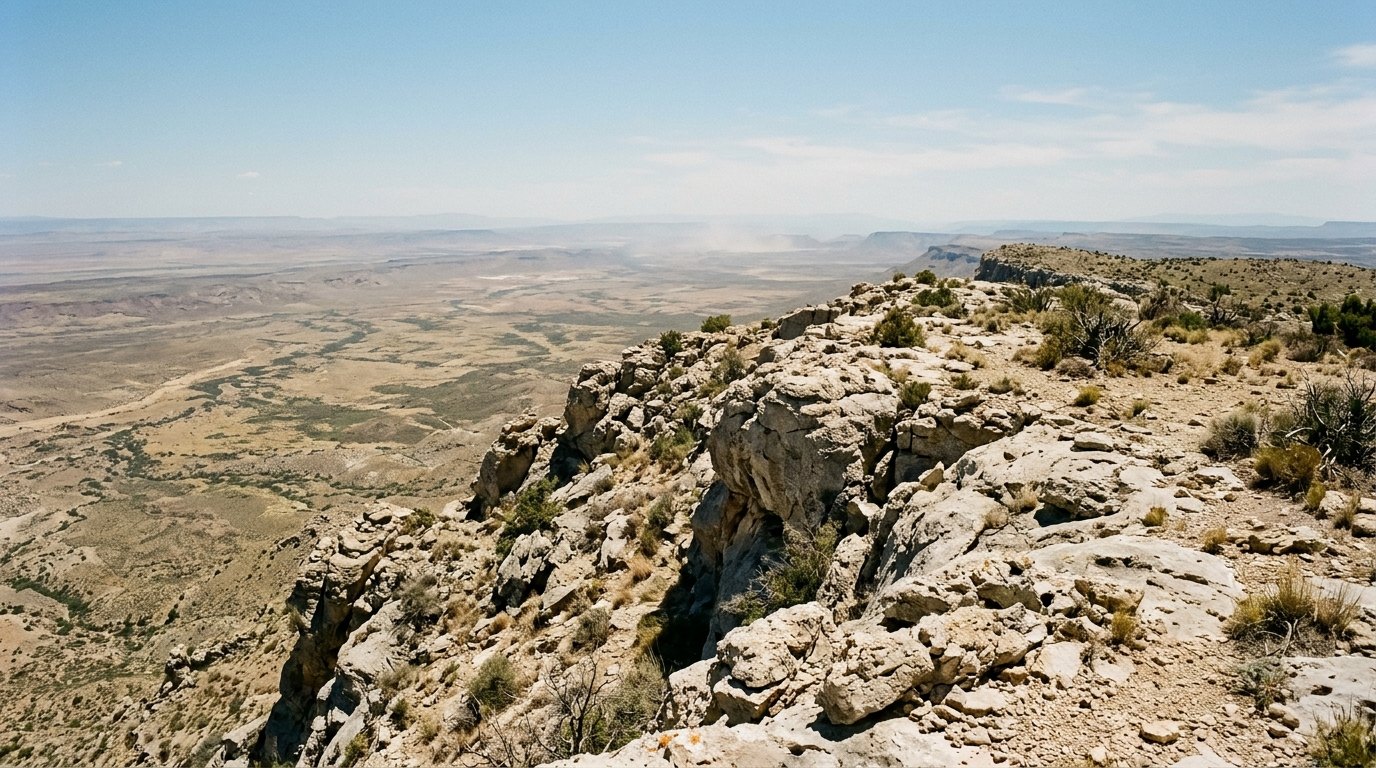
Then the LORD said, “The outcry against Sodom and Gomorrah is so great and their sin so grievous
Genesis 18:20 (NIV)
It reveals that the sins of Sodom and Gomorrah were not hidden, crying out for righteous divine retribution.
Human rebellion does not escape the notice of the sovereign Creator. In Genesis 18:20, the Lord declared to Abraham: "Because the outcry against Sodom and Gomorrah is great, and because their sin is exceedingly grave, I will go down now and see whether they have done altogether according to the outcry against it that has come to Me." This language of divine descent does not imply ignorance, but rather God's meticulous, unassailable judicial investigation prior to executing sentence (Genesis 18:21). God will never punish unjustly; every stroke of His wrath matches exact righteous standards.
Knowing the terrifying reality of divine justice, Abraham drew near to intercede. Pleading with the Lord, he asked whether God would sweep away the righteous alongside the wicked, insisting that the Judge of all the earth must do right (Genesis 18:23-25). Abraham stepped into the breach, petitioning God to spare the whole city if fifty righteous souls resided within its walls. As the conversation unfolded, Abraham steadily lowered the requested threshold, acknowledging his own status as mere dust and ashes. In Genesis 18:32, the Lord gave His final merciful concession: He would spare the entire city for the sake of just ten righteous people. Yet even ten righteous men could not be found within the walls of Sodom.
| Passage | What it says |
|---|---|
| Genesis 18:20 | The Lord declares that the outcry against Sodom and Gomorrah is great and their sin is exceedingly grave. |
| Genesis 18:21 | The Lord visits to see if their deeds match the outcry that has ascended to heaven. |
| Genesis 18:23-25 | Abraham approaches the Lord to plead for the righteous who might live within the wicked city. |
| Genesis 18:32 | The Lord promises Abraham He will spare the entire city if even ten righteous people are found there. |
Depravity Revealed
A Whole City Surrounds Lot's Door in Lawless Rebellion

Before they had gone to bed, all the men from every part of the city of Sodom—both young and old—surrounded the house. They called to Lot, “Where are the men who came to you tonight? Bring them out to us so that we can have sex with them.”
Genesis 19:4-5 (NIV)
It demonstrates the universal, brazen moral depravity of Sodom's inhabitants across every age group.
The true moral horror of Sodom was unmasked the moment divine purity entered its gates. As evening fell, two angels arrived in Sodom, where Lot sat at the city gate and persistently urged them to find shelter under his roof, preparing a meal and baking unleavened bread for them (Genesis 19:1-3). The quiet of the evening shattered abruptly. In Genesis 19:4-5, before they lay down, the men of the city—the men of Sodom, both young and old, all the people from every quarter—surrounded the house, shouting for the visitors to be brought out so they might violently abuse them. This was no isolated faction; the entire civic population shared in brazen, lawless lust.
Lot stepped outside, shutting the door behind him, and pleaded with his fellow citizens not to act so wickedly, offering his own daughters in an agonizing and compromised attempt to preserve the sacred obligation of hospitality (Genesis 19:6-8). Unmoved by his appeal, the mob snarled back, reviling Lot as an alien who dared to play the judge and pressing violently forward to smash through the wooden door (Genesis 19:9). Divine power intervened at the threshold: the two angels reached out, pulled Lot back into the safety of the house, and struck the raging mob outside with sudden blindness, leaving them to wear themselves out groping fruitlessly for the door (Genesis 19:10-11). Sodom's guilt was manifest, total, and ripe for destruction.
| Passage | What it says |
|---|---|
| Genesis 19:1-3 | Two angels arrive in Sodom at evening, and Lot strongly urges them to lodge safely in his house. |
| Genesis 19:4-5 | The men of Sodom, both young and old from every quarter, surround the house demanding to violate the visitors. |
| Genesis 19:6-9 | Lot attempts to pacify the mob, but they aggressively threaten him for acting as a judge among them. |
| Genesis 19:10-11 | The angels pull Lot back inside and strike the violent crowd with blindness at the doorway. |
The Flight of Mercy
Rescued by Angels on the Brink of Annihilation
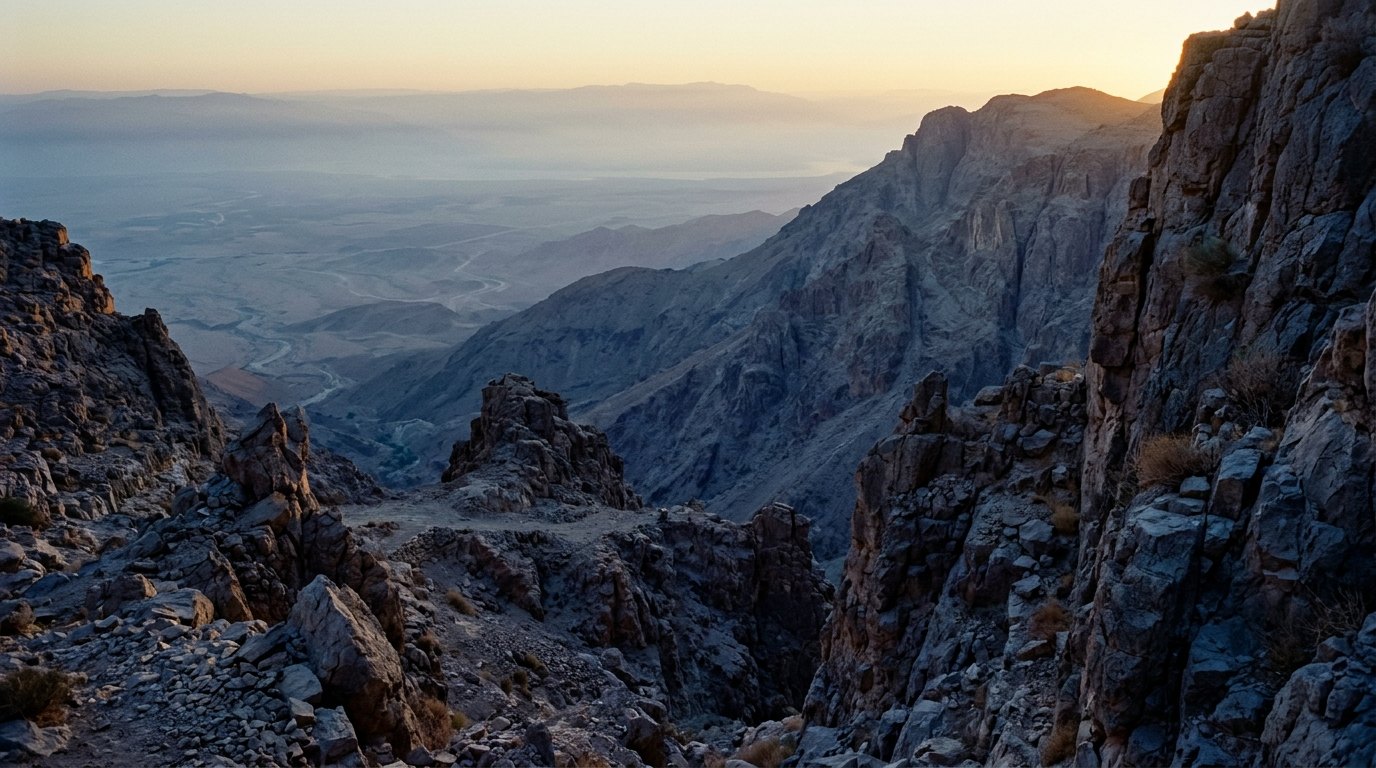
When he hesitated, the men grasped his hand and the hands of his wife and of his two daughters and led them safely out of the city, for the LORD was merciful to them.
Genesis 19:16 (NIV)
It highlights God's sovereign mercy grasping hesitant Lot to deliver him from impending ruin.
Even on the precipice of absolute destruction, divine mercy worked actively to rescue the few who belonged to God. The messengers urged Lot to gather any family members he had in the city, declaring that the Lord had sent them to destroy the place because the outcry had grown immense before God (Genesis 19:12-13). Lot rushed out to warn the men pledged to marry his daughters, begging them to arise and flee, but to his sons-in-law, his urgent warning seemed like nothing more than an idle joke (Genesis 19:14). Carnal complacency blinded them to the reality of imminent judgment.
When morning dawned, the angels pressed Lot urgently, demanding that he take his wife and two remaining daughters lest they be swept away in the punishment of the city (Genesis 19:15). Even then, Lot hesitated, his heart entangled with the world he was leaving behind. Yet in Genesis 19:16, Scripture reveals sovereign grace in action: while he lingered, the men took hold of his hand, his wife’s hand, and the hands of his two daughters, the Lord being merciful to him, and brought them safely outside the city walls. They commanded them to escape for their lives toward the mountain, without looking back or stopping anywhere in the plain (Genesis 19:17). Lot pleaded for permission to take shelter in the nearby little town of Zoar instead, and the angels mercifully granted his petition, delaying the catastrophe until he was safe (Genesis 19:18-22).
| Passage | What it says |
|---|---|
| Genesis 19:12-13 | The angels command Lot to assemble all his relatives, announcing that God has sent them to destroy the place. |
| Genesis 19:14 | Lot warns his prospective sons-in-law to flee, but to them his warning sounds like a joke. |
| Genesis 19:15 | At dawn the angels urge Lot to hurry his wife and daughters out, lest they be consumed in the city's iniquity. |
| Genesis 19:16 | As Lot hesitates, the angels seize him and his family by hand, the Lord being merciful to them. |
| Genesis 19:17 | The angels command Lot to escape to the mountain, forbidding him to look back or linger in the plain. |
| Genesis 19:18-22 | Lot begs to flee to the small town of Zoar instead, and the angels spare the town for his refuge. |
Sulfur and Fire
Total Overthrow Under the Wrath of Heaven
Then the LORD rained down burning sulfur on Sodom and Gomorrah—from the LORD out of the heavens. Thus he overthrew those cities and the entire plain, destroying all those living in the cities—and also the vegetation in the land.
Genesis 19:24-25 (NIV)
It describes the direct, miraculous judgment of fire and sulfur that wiped out the cities and the entire plain.
The terrifying climax of the Jordan plain unfolds in Genesis 19:24-25, where the Lord rained down sulfur and fire out of heaven, overthrowing the cities, the inhabitants, and the very soil. Daybreak broke with deceptive normalcy as the sun rose over the hills, marking Lot's arrival at Zoar according to Genesis 19:23. Yet that dawn brought sudden annihilation rather than light. The judgment was total: Genesis 19:24 records that fire fell directly from the Lord out of heaven, wiping out every living thing across the valley in Genesis 19:25. Tragic loss accompanied this flight, as recorded in Genesis 19:26, when Lot's wife looked back longing for the condemned city and became a pillar of salt. Early that morning, Abraham ascended the ridge where he had interceded, looking down upon the plain in Genesis 19:27-28 to behold thick smoke rising like the furnace of a kiln. In the midst of this cataclysm, Genesis 19:29 highlights covenant mercy: God remembered Abraham and preserved Lot out of the overthrow.
| Passage | What it says |
|---|---|
| Genesis 19:23 | The sun rises over the land just as Lot enters the safety of Zoar. |
| Genesis 19:24 | The Lord rains down brimstone and fire upon Sodom and Gomorrah from the Lord out of heaven. |
| Genesis 19:25 | God utterly overthrows those cities, the entire plain, all inhabitants, and the vegetation of the earth. |
| Genesis 19:26 | Lot's wife looks back from behind him contrary to the command and becomes a pillar of salt. |
| Genesis 19:27-28 | Abraham looks toward the plain at morning and witnesses thick smoke ascending like the smoke of a furnace. |
| Genesis 19:29 | God remembers His covenant with Abraham by delivering Lot safely out of the midst of the overthrow. |
Prophetic Warning
The Prophets Invoke the Ashes of the Plain
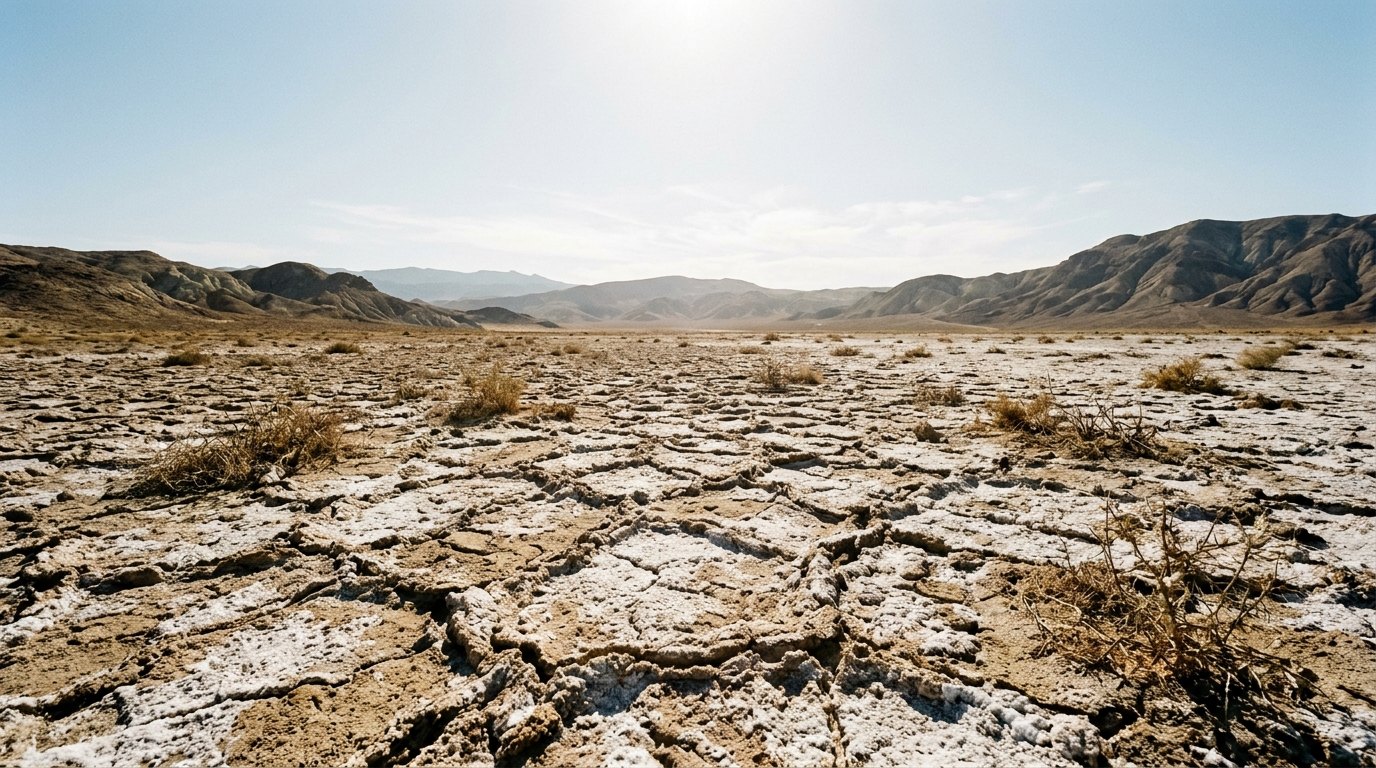
“ ‘Now this was the sin of your sister Sodom: She and her daughters were arrogant, overfed and unconcerned; they did not help the poor and needy. They were haughty and did detestable things before me. Therefore I did away with them as you have seen.
Ezekiel 16:49-50 (NIV)
It catalogues the underlying social and heart sins of Sodom: pride, gluttony, carelessness, and neglect of the needy.
Throughout the Old Testament, the prophets continually invoked the ruins of the plain to diagnose sin, unmask hypocrisy, and declare divine judgment. Ezekiel 16:49-50 cuts to the root of the city's rebellion, indicting Sodom for pride, fulness of bread, prosperous ease, and neglect of the poor, which culminated in their detestable abominations. Moses had laid the groundwork for this prophetic vocabulary in Deuteronomy 29:23, warning that covenant infidelity would reduce Israel to burning sulfur and salt like Sodom, Gomorrah, Admah, and Zeboiim, and again in Deuteronomy 32:32, where apostate Israel is said to bear the bitter fruit of Sodom's vine. Isaiah boldly confronted his own nation, crying out in Isaiah 1:9-10 to the rulers of Sodom and people of Gomorrah, observing in Isaiah 3:9 that Judah brazenly paraded her sin without shame. The prophets extended this imagery to foreign empires: Isaiah 13:19, Jeremiah 49:18, and Jeremiah 50:40 promise that Babylon and Edom would become perpetual, uninhabited wastes like Sodom and Gomorrah. Jeremiah wept in Lamentations 4:6 that Jerusalem's sudden collapse mirrored Sodom's swift punishment, while Jeremiah 23:14 grieved over corrupt prophets walking in the same steps. God reminded unyielding Israel in Amos 4:11 that He had overthrown them as He overthrew Sodom, and Zephaniah 2:9 declared Moab and Ammon would become salt pits and nettles. Ezekiel 16:46-48 and Ezekiel 16:53-56 even show Jerusalem exceeding Sodom's guilt, yet held out sovereign hope of future mercy, just as Hosea 11:8 reveals God's tender heart refusing to utterly wipe out Ephraim as He did Admah.
| Passage | What it says |
|---|---|
| Deuteronomy 29:23 | Moses warns Israel that covenant unfaithfulness leaves their land burned with sulfur and salt like Sodom, Gomorrah, Admah, and Zeboiim. |
| Isaiah 1:9-10 | Isaiah compares Judah's corrupt rulers and citizens to the rulers of Sodom and people of Gomorrah. |
| Isaiah 13:19 | Babylon's ultimate destruction is foretold to mirror the complete divine overthrow of Sodom and Gomorrah. |
| Jeremiah 23:14 | The corrupt prophets of Jerusalem are described as becoming like Sodom and Gomorrah before the Lord. |
| Jeremiah 49:18 | Edom's coming desolation is likened to the desolate uninhabited state of Sodom, Gomorrah, and their neighbor cities. |
| Jeremiah 50:40 | The Lord affirms that no man will dwell in Babylon just as when He overthrew Sodom and Gomorrah. |
| Lamentations 4:6 | Jeremiah laments that the punishment of Jerusalem exceeds that of Sodom, which was overthrown in an instant. |
| Ezekiel 16:49-50 | Ezekiel identifies Sodom's iniquity as pride, fulness of bread, prosperous ease, neglect of the poor, and abominable deeds. |
| Amos 4:11 | God reminds Israel of severe judgments where He overthrew some of them as He overthrew Sodom and Gomorrah. |
| Zephaniah 2:9 | Moab and Ammon are sentenced to become like Sodom and Gomorrah, a perpetual wasteland of nettles and salt pits. |
| Deuteronomy 32:32 | Moses describes Israel's apostate vine as derived from the vine of Sodom and the terraced vineyards of Gomorrah. |
| Isaiah 3:9 | Isaiah indicts Judah for openly displaying their sin like Sodom without hiding their defiance. |
| Ezekiel 16:46-48 | Ezekiel names Sodom as Jerusalem's younger sister, declaring Jerusalem's abominations surpassed those of Sodom. |
| Ezekiel 16:53-56 | The Lord speaks of restoring Sodom and her daughters alongside Jerusalem as an enduring sign of sovereign grace. |
| Hosea 11:8 | God expresses His deep tender compassions, refusing to surrender Ephraim to the absolute destruction of Admah and Zeboiim. |
The Apostolic Warning
An Enduring Type of Eternal Judgment and Deliverance
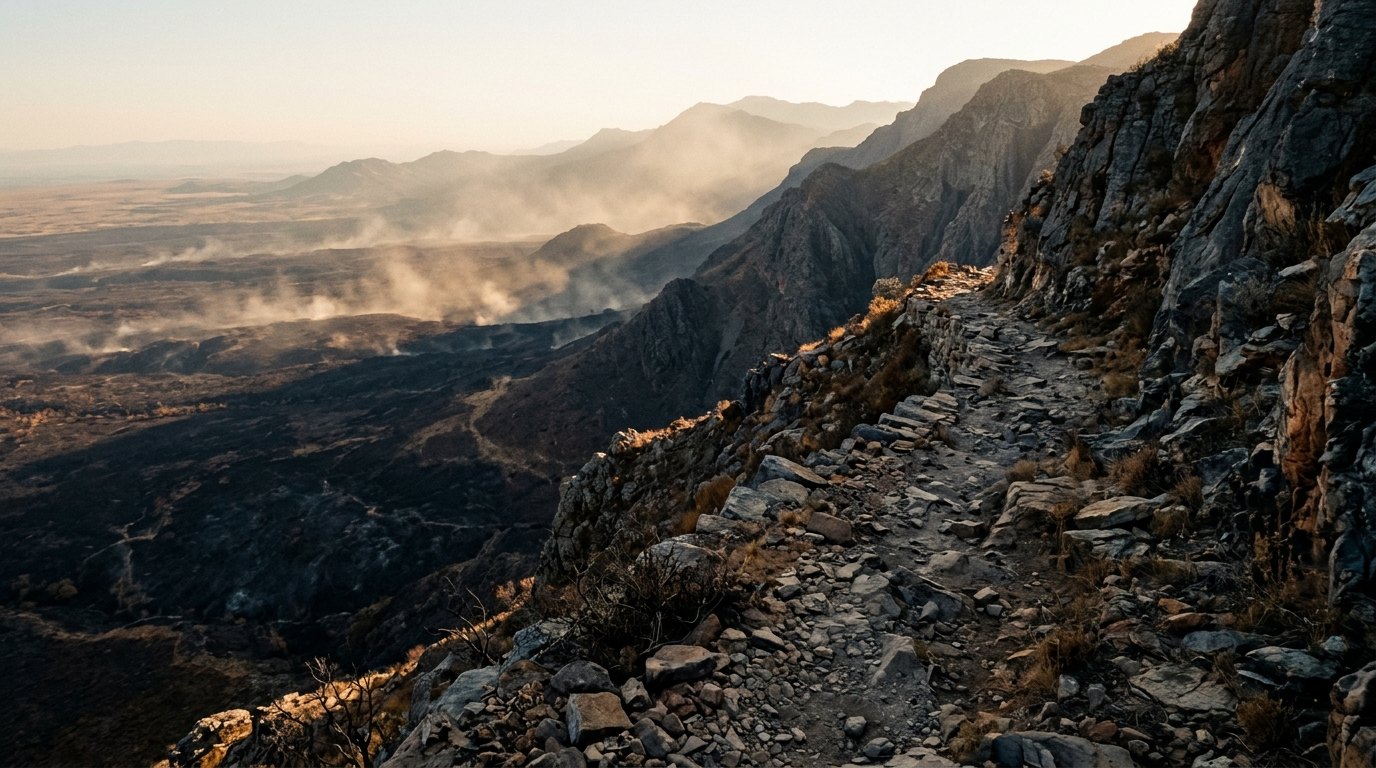
if he condemned the cities of Sodom and Gomorrah by burning them to ashes, and made them an example of what is going to happen to the ungodly; and if he rescued Lot, a righteous man, who was distressed by the depraved conduct of the lawless (for that righteous man, living among them day after day, was tormented in his righteous soul by the lawless deeds he saw and heard)—
2 Peter 2:6-8 (NIV)
It shows that Sodom was reduced to ashes as an example of future judgment while proving God delivers the righteous.
In the New Testament, the overthrow of the plain serves as a somber typological warning of the final judgment and a pledge of God's saving power. In 2 Peter 2:6-8, the apostle writes that God condemned Sodom and Gomorrah to ashes as an example to the ungodly, demonstrating that the Lord knows how to rescue the righteous while holding the wicked for punishment. Jesus repeatedly deployed this history to confront religious indifference: in Matthew 10:15, Mark 6:11, and Luke 10:12, He warned that cities rejecting gospel proclamation would face a judgment more severe than Sodom's. Rebuking Capernaum in Matthew 11:23-24, Jesus declared that had His miracles been performed in Sodom, it would have repented and remained to that day. In Luke 17:28-30, Christ compared the unexpected day of His return to the careless eating, buying, and building in Lot's day before fire fell from heaven, immediately adding the solemn warning in Luke 17:32 to remember Lot's wife. Paul took up the theme in Romans 9:29 to emphasize sovereign preservation, observing that without the Lord leaving a remnant, all would have met Sodom's fate. Jude 1:7 confirms that Sodom and Gomorrah indulged in gross immorality and strange flesh, standing as an enduring display of eternal fire. Finally, Revelation 11:8 attaches the name spiritually to the great worldly city where the Lord was crucified, marking the ultimate culmination of human rebellion.
| Passage | What it says | Fulfilled |
|---|---|---|
| Matthew 10:15 | Jesus warns that rejecting the gospel brings a more severe judgment than that experienced by Sodom and Gomorrah. | Matthew 10:15 |
| Matthew 11:23-24 | Jesus rebukes Capernaum, stating Sodom would have remained had His mighty works been done in her. | Matthew 11:23-24 |
| Luke 17:28-30 | Christ compares the day of His revelation to the days of Lot, when fire rained down unexpectedly upon worldliness. | Luke 17:28-30 |
| Luke 17:32 | Jesus issues the blunt warning to remember Lot's wife when tempted to turn back to the world. | Luke 17:32 |
| Romans 9:29 | Paul quotes Isaiah, reminding believers that without God's seed of mercy, all would have become like Sodom and Gomorrah. | Romans 9:29 |
| 2 Peter 2:6-8 | Peter states God condemned Sodom to ashes as a warning, while delivering righteous Lot who grieved their lawless deeds. | 2 Peter 2:6-8 |
| Jude 1:7 | Jude writes that Sodom and Gomorrah indulged in sexual immorality and strange flesh, standing as an example of eternal fire. | Jude 1:7 |
| Revelation 11:8 | The great apostate city where the Lord was crucified is spiritually called Sodom and Egypt. | Revelation 11:8 |
| Mark 6:11 | Jesus warns that unrepentant towns rejecting apostolic preaching will face a more severe judgment than Sodom and Gomorrah. | |
| Luke 10:12 | Jesus repeats that on the Day of Judgment it will be more tolerable for Sodom than for towns that reject the gospel. |
Where in the Bible
| Book | Passages |
|---|---|
| Genesis | 29 · Genesis 13:10, Genesis 13:11, Genesis 13:12, Genesis 13:13, Genesis 14:1-2, Genesis 14:11-12, Genesis 10:19, Genesis 14:8-10, Genesis 14:17-24, Genesis 18:20, Genesis 18:21, Genesis 18:23-25, Genesis 18:32, Genesis 19:1-3, Genesis 19:4-5, Genesis 19:6-9, Genesis 19:10-11, Genesis 19:12-13, Genesis 19:14, Genesis 19:15, Genesis 19:16, Genesis 19:17, Genesis 19:18-22, Genesis 19:23, Genesis 19:24, Genesis 19:25, Genesis 19:26, Genesis 19:27-28, Genesis 19:29 |
| Deuteronomy | 2 · Deuteronomy 29:23, Deuteronomy 32:32 |
| Isaiah | 3 · Isaiah 1:9-10, Isaiah 13:19, Isaiah 3:9 |
| Jeremiah | 3 · Jeremiah 23:14, Jeremiah 49:18, Jeremiah 50:40 |
| Lamentations | 1 · Lamentations 4:6 |
| Ezekiel | 3 · Ezekiel 16:49-50, Ezekiel 16:46-48, Ezekiel 16:53-56 |
| Hosea | 1 · Hosea 11:8 |
| Amos | 1 · Amos 4:11 |
| Zephaniah | 1 · Zephaniah 2:9 |
| Matthew | 2 · Matthew 10:15, Matthew 11:23-24 |
| Mark | 1 · Mark 6:11 |
| Luke | 3 · Luke 17:28-30, Luke 17:32, Luke 10:12 |
| Romans | 1 · Romans 9:29 |
| 2 Peter | 1 · 2 Peter 2:6-8 |
| Jude | 1 · Jude 1:7 |
| Revelation | 1 · Revelation 11:8 |
The story in order
- Lot chooses the Jordan plain (c. 2000 BC) · Genesis 13:11 · Lot chose the fertile Jordan valley, settling near Sodom.
- Sodom and Gomorrah are plundered (c. 2000 BC) · Genesis 14:11-12 · Invading kings plundered the cities and captured Lot.
- God hears the outcry of sin (c. 2000 BC) · Genesis 18:20 · The Lord acknowledged the great sin and outcry from Sodom.
- Abraham pleads for the city (c. 2000 BC) · Genesis 18:23-25 · Abraham interceded, asking God to spare the city for the righteous.
- Depravity of Sodom revealed (c. 2000 BC) · Genesis 19:4-5 · The men of Sodom demanded to violate Lot's angelic visitors.
- Lot and his family flee (c. 2000 BC) · Genesis 19:15-16 · Angels rescued Lot, his wife, and daughters from the city.
- Sodom and Gomorrah destroyed (c. 2000 BC) · Genesis 19:24 · The Lord rained fire and brimstone upon the cities.
- Abraham sees the smoke (c. 2000 BC) · Genesis 19:27-28 · Abraham witnessed the destruction, seeing smoke rise from the plain.
- Moses warns Israel (c. 1400 BC) · Deuteronomy 29:23 · The land's destruction is a warning against covenant unfaithfulness.
- Isaiah compares Judah to Sodom (c. 700 BC) · Isaiah 1:9-10 · Judah's corrupt rulers and people are likened to Sodom's.
- Jesus rebukes Capernaum (AD 30) · Matthew 11:23-24 · Jesus stated Sodom would have repented if shown His miracles.
- Peter warns of judgment (c. AD 65) · 2 Peter 2:6-8 · Sodom's destruction serves as a warning against ungodliness.
- Jude warns of eternal fire (c. AD 65) · Jude 1:7 · Sodom's sexual immorality exemplifies those facing eternal judgment.
Key words
- Wickedness (רֶשַׁע (resha))
- Moral evil; extreme depravity and sinfulness. · Genesis 13:13
- Outcry (צְעָקָה (tza'akah))
- A loud cry of distress or pain; a strong complaint. · Genesis 18:20
- Overthrow (הָפַךְ (hafakh))
- To overturn or destroy completely; ruin. · Genesis 19:25
- Brimstone (גָּפְרִית (gophrith))
- Sulfur; a substance associated with fire and divine judgment. · Genesis 19:24
- Judgment (קְרִימָא (krimma))
- The act of judging; condemnation and punishment for wrongdoing. · Luke 10:12
- Eternal Fire (πῦρ αἰώνιον (pur aionion))
- A fire that is everlasting, signifying unending punishment. · Jude 1:7
The smoldering ruins of Sodom and Gomorrah teach the church that divine judgment is real, thorough, and inevitable for unrepentant rebellion. Yet even amid consuming wrath, God faithfully provides an escape for His people, calling all who hear to flee worldly entanglements and rest securely in His grace.
54 passages, each cited once.
Scripture cited
- Revelation 18:4
- Genesis 19:1-11
- Genesis 13:10-12
- Genesis 18:16-22