Who was Enoch?

Genesis 5:21-24
21 When Enoch had lived 65 years, he became the father of Methuselah.
22 After he became the father of Methuselah, Enoch walked faithfully with God 300 years and had other sons and daughters.
23 Altogether, Enoch lived a total of 365 years.
24 Enoch walked faithfully with God; then he was no more, because God took him away.
New International Version (NIV)
The answer
Enoch was a man who walked closely with God, pleased Him by faith, and was taken by God without experiencing death. He was the son of Jared, the father of Methuselah, and an ancestor of Jesus (Genesis 5:18-21; Luke 3:37).
- His life: Enoch fathered Methuselah when he was sixty-five, then walked with God for three hundred years and had other sons and daughters. His entire life was 365 years (Genesis 5:21-23).
- His fellowship with God: Genesis twice says that Enoch “walked with God,” describing a life of close, continuing fellowship with Him. Its remarkable conclusion is: “Enoch walked with God, and he was not found, for God took him” (Genesis 5:22, 24).
- His faith: Hebrews 11:5 explains that Enoch was taken away by faith so that he would not see death, and that he had been well pleasing to God. His example introduces the truth that without faith it is impossible to please God; those who come to Him must believe that He exists and rewards those who seek Him (Hebrews 11:6).
- His prophecy: Jude calls Enoch “the seventh from Adam” and records his prophecy that the Lord would come with His holy ones to execute judgment and convict the ungodly of their works and words against Him (Jude 1:14-15).
Genesis also names another Enoch: Cain’s son, after whom Cain named a city. That earlier Enoch is distinct from the Enoch who walked with God (Genesis 4:17-18).
Answered from Scripture · reviewed November 12, 2026
Enoch stands out in the early chapters of Genesis as a righteous man who walked in unbroken fellowship with God and was taken into His presence without dying. Across the Old and New Testaments, Scripture presents him as an enduring witness to vibrant faith, God's victory over the grave, and the certain coming of divine judgment.
Lineage and Identity
The Seventh from Adam Distinct from Cain's Line
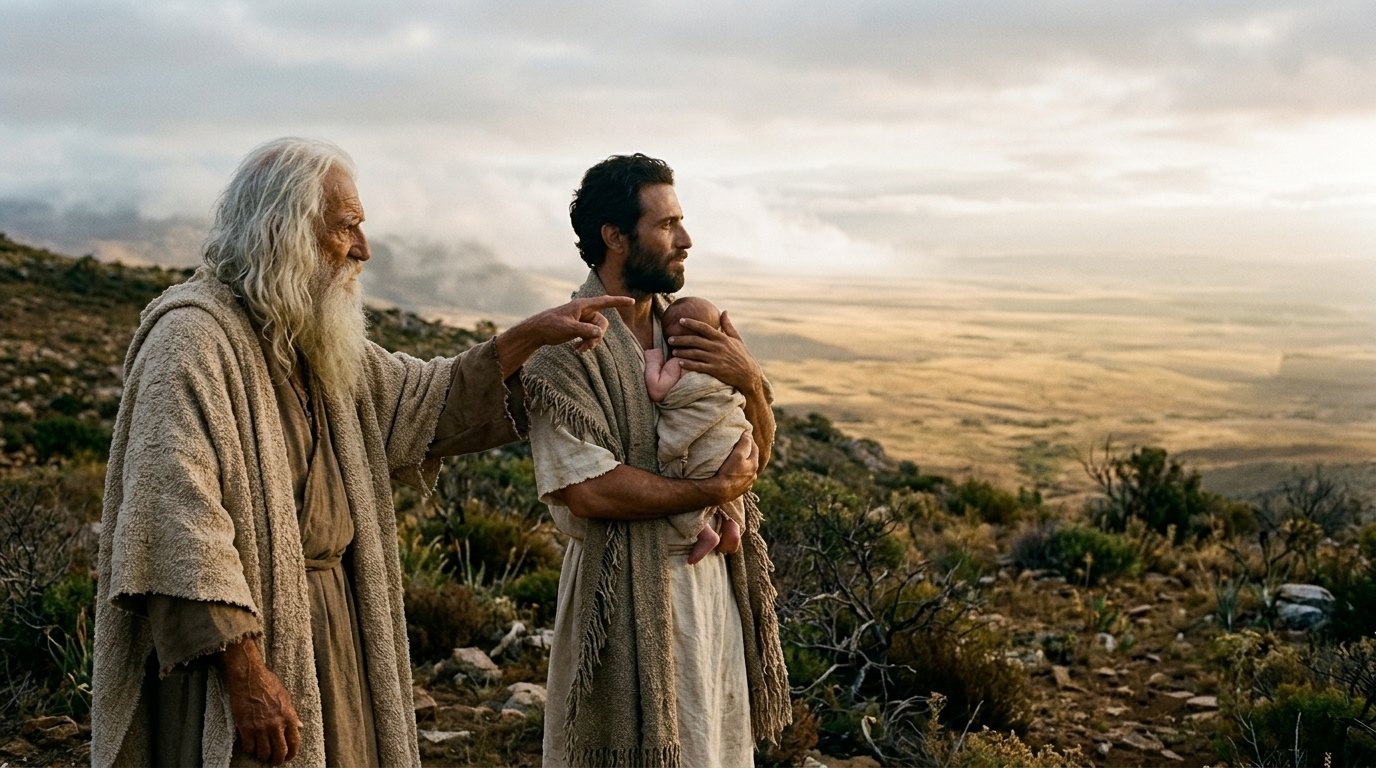
When Enoch had lived 65 years, he became the father of Methuselah. After he became the father of Methuselah, Enoch walked faithfully with God 300 years and had other sons and daughters.
Genesis 5:21-22 (NIV)
It situates Enoch within the godly genealogy of Seth and introduces his enduring three-hundred-year walk with God.
In Genesis 5:21-22, the genealogy of the patriarchs halts its repetitive cadence to highlight a singular life: Enoch walked with God after he fathered Methuselah three hundred years. Scripture takes special care to distinguish this Enoch from another man who bore the same name earlier in the narrative. In Genesis 4:17-18, Cain built a city and named it after his son Enoch, anchoring his offspring to earthly power, self-exaltation, and human security in a fallen world. By contrast, the Enoch of Genesis 5:18-20 arrived through the faithful, preserved lineage of Seth through Jared, marked not by city walls but by covenant continuity.
Genesis 5:21-23 records that after sixty-five years, Enoch fathered Methuselah, living an earthly total of 365 years. Far from a mere tally of years, this preserved seed stood as the true royal line of promise. When the sacred scribes recorded the official lineages of Israel in 1 Chronicles 1:1-3, Enoch was preserved by name in the unbroken chain extending from Adam to Seth, Noah, and Abraham. Centuries later, the Holy Spirit guided the physician Luke to trace the genealogy of the Messiah Himself: Luke 3:37-38 tracks the legal and historical ancestry of the Lord Jesus Christ backward through Methuselah, Enoch, Jared, Seth, and ultimately to Adam, the son of God. Enoch's identity is thus permanently embedded in the scarlet thread of redemption, demonstrating that the seventh from Adam was a vital link leading to Christ.
| Passage | What it says |
|---|---|
| Genesis 4:17-18 | Records Cain naming his firstborn son Enoch and founding a city called after his name. |
| Genesis 5:18-20 | Traces the lineage of Jared, who lived 162 years and fathered Enoch. |
| Genesis 5:21-23 | States that Enoch fathered Methuselah at sixty-five and lived a total of 365 years. |
| 1 Chronicles 1:1-3 | Lists Enoch in the official genealogical record from Adam to Noah's sons. |
| Luke 3:37-38 | Traces the ancestry of Jesus Christ through Methuselah, Enoch, Jared, and Adam. |
Communion and Translation
Walking with God and Taken from Death

Enoch walked faithfully with God; then he was no more, because God took him away.
Genesis 5:24 (NIV)
It breaks the repeating genealogical refrain 'and he died' with the miraculous announcement that God took Enoch directly.
Genesis 5:24 shatters the dark, monotonous drumbeat of early human history: Enoch walked with God, and he was not, for God took him. Eight times in Genesis 5, the Holy Spirit recorded the somber verdict 'and he died,' confirming the entrance and curse of sin pronounced upon Adam. Yet in the middle of this vast ancestral graveyard, Enoch's departure stands as a breathtaking exception. He did not undergo natural biological decay, nor was he laid in a tomb; God simply received His servant directly into His own presence, offering humanity an early, tangible proof that death is not the sovereign victor.
This miraculous exemption finds its only biblical counterpart in the translation of the prophet Elijah in 2 Kings 2:11, when a chariot and horses of fire divided him from Elisha and bore him into heaven by a whirlwind. Both men served as living signs that communion with the living God pierces the veil of mortal finality. The psalmist later drew comfort from this very hope in Psalms 73:24, declaring with unwavering confidence, 'You guide me with your counsel, and afterward you will receive me to glory.' Enoch’s sudden translation bore witness before the antediluvian world that unbroken fellowship with the Creator ends not in the dust of oblivion, but in the radiant presence of the King of glory.
| Passage | What it says |
|---|---|
| Genesis 5:24 | Declares that Enoch walked with God and was not found, because God took him. |
| 2 Kings 2:11 | Records Elijah being taken up into heaven by a whirlwind, sharing Enoch's exemption from bodily death. |
| Psalms 73:24 | Speaks of God guiding His servant with counsel and afterward receiving him to glory. |
Faith and Testimony
Pleasing God by Faith and Preaching Judgment
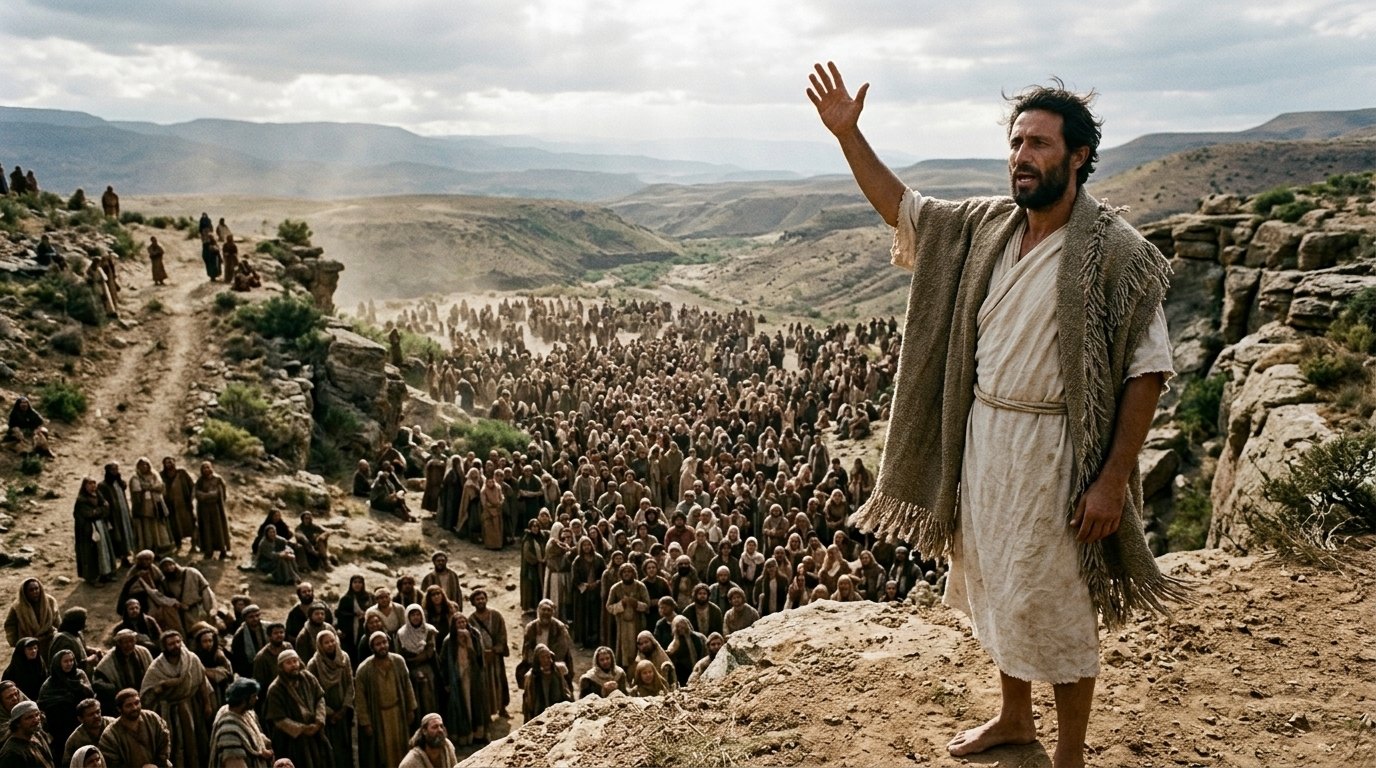
By faith Enoch was taken from this life, so that he did not experience death: “He could not be found, because God had taken him away.” For before he was taken, he was commended as one who pleased God.
Hebrews 11:5 (NIV)
It interprets Enoch's translation as the reward and evidence of a living faith that pleased God.
Hebrews 11:5 reveals the inner reality of Enoch’s miraculous translation: by faith Enoch was taken up so that he should not see death, having pleased God. The New Testament makes clear that his unbroken walk was not the result of mere human discipline or passive morality, but active, enduring faith in God’s promises. Hebrews 11:6 immediately draws out the essential principle: without faith it is impossible to please God, for anyone who draws near to Him must believe that He exists and that He rewards those who earnestly seek Him. Enoch's life was a public testimony of seeking God in an age characterized by rapid moral decay and rampant rebellion.
That faith was anything but quiet or detached from the world around him. In Jude 1:14-15, Scripture reveals that Enoch, the seventh from Adam, prophesied bold, unsparing words of coming divine justice: 'Behold, the Lord comes with ten thousands of his holy ones, to execute judgment on all and to convict all the ungodly of all their deeds of ungodliness.' Long before the flood waters burst forth upon the earth, Enoch proclaimed the certainty of the final judgment and the majesty of the coming Lord. His faithful witness reminds every generation that a heart that truly walks with God hates sin, announces God's righteous verdict, and rests entirely upon the mercy of the coming Redeemer.
| Passage | What it says |
|---|---|
| Hebrews 11:5 | Explains that by faith Enoch was translated not to see death, having pleased God. |
| Hebrews 11:6 | Affirms that without faith it is impossible to please God or seek Him for reward. |
| Jude 1:14-15 | Quotes Enoch prophesying the Lord's coming with holy myriads to execute judgment on ungodly sinners. |
Where in the Bible
| Book | Passages |
|---|---|
| Genesis | 4 · Genesis 4:17-18, Genesis 5:18-20, Genesis 5:21-23, Genesis 5:24 |
| 2 Kings | 1 · 2 Kings 2:11 |
| 1 Chronicles | 1 · 1 Chronicles 1:1-3 |
| Psalms | 1 · Psalms 73:24 |
| Luke | 1 · Luke 3:37-38 |
| Hebrews | 2 · Hebrews 11:5, Hebrews 11:6 |
| Jude | 1 · Jude 1:14-15 |
The story in order
- Adam's lineage includes Enoch (c. 3000 BC) · Genesis 5:18-20 · Establishes Enoch's place in the line from Adam to Noah.
- Enoch fathered Methuselah (c. 2900 BC) · Genesis 5:21-23 · Details Enoch's life and his son, the longest-lived man.
- Enoch walked with God (c. 2900 BC) · Genesis 5:24 · Highlights Enoch's unique fellowship with God.
- Enoch prophesied judgment (c. 2900 BC) · Jude 1:14-15 · Reveals Enoch's prophetic ministry concerning divine judgment.
- Enoch pleased God by faith (AD 30) · Hebrews 11:5 · The New Testament affirms Enoch's faith and translation.
- Faith is essential to please God (AD 30) · Hebrews 11:6 · Connects pleasing God with faith and seeking Him.
- Jesus' lineage traced through Enoch (AD 30) · Luke 3:37-38 · Includes Enoch in the genealogy of Jesus Christ.
Key words
- Walked with God
- To live in close fellowship and obedience to God. · Genesis 5:24
- Translated
- To be transferred or removed from one state or place to another, especially by divine power. · Hebrews 11:5
- Faith
- Belief and trust in God, especially in His promises and power. · Hebrews 11:6
- Judgment
- The divine sentence or decision on the ungodly. · Jude 1:14-15
Enoch's life proves that intimate communion with God is possible even in a corrupt and fleeting world. For the believer, his translation without seeing death serves as a preview of the eternal life and resurrection hope granted through faith in Jesus Christ.
11 passages, each cited once.
Scripture cited
- Luke 3:37
- Genesis 5:18-24
- Hebrews 11:5-6
- Jude 1:14-15
- Genesis 4:17-18