Who was Isaiah?
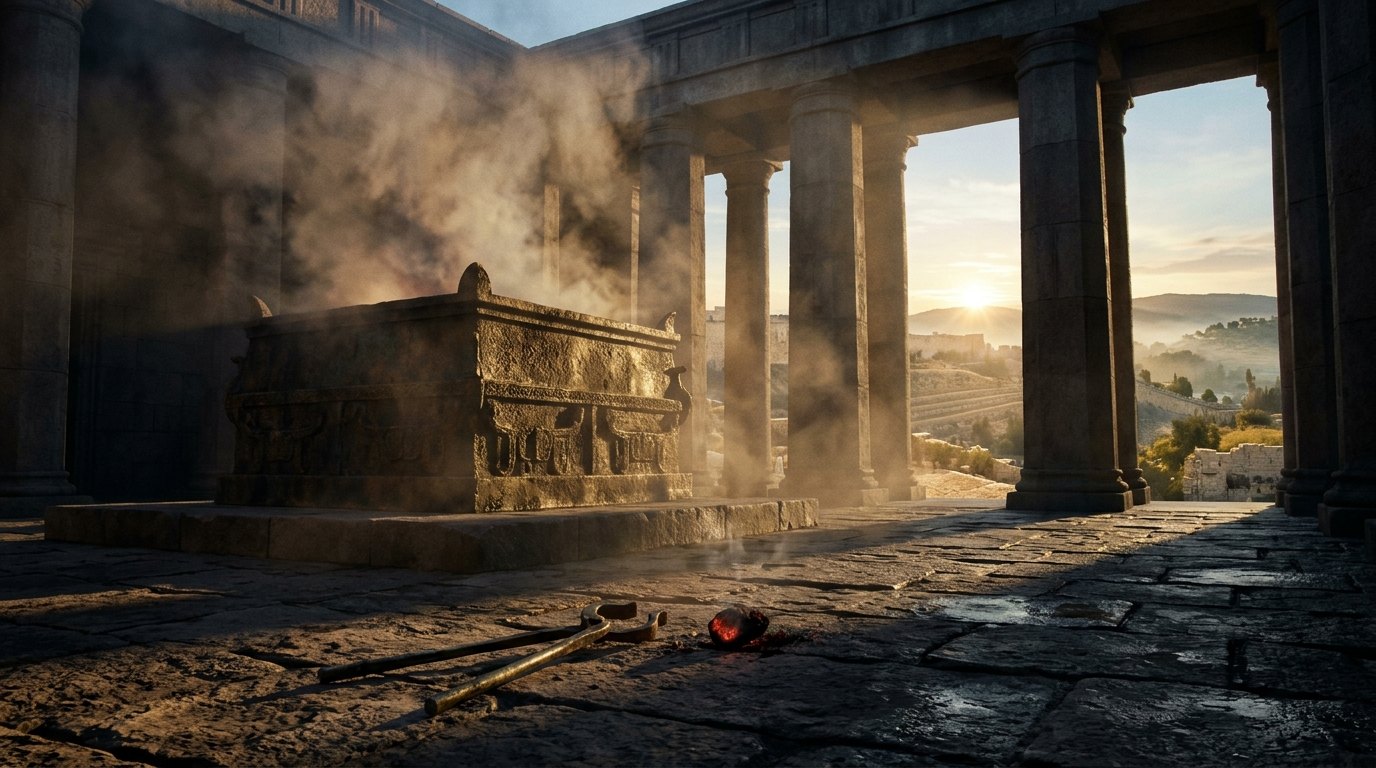
Isaiah 6:1-8
1 In the year that King Uzziah died, I saw the Lord, high and exalted, seated on a throne; and the train of his robe filled the temple.
2 Above him were seraphim, each with six wings: With two wings they covered their faces, with two they covered their feet, and with two they were flying.
3 And they were calling to one another: “Holy, holy, holy is the LORD Almighty; the whole earth is full of his glory.”
4 At the sound of their voices the doorposts and thresholds shook and the temple was filled with smoke.
5 “Woe to me!” I cried. “I am ruined! For I am a man of unclean lips, and I live among a people of unclean lips, and my eyes have seen the King, the LORD Almighty.”
6 Then one of the seraphim flew to me with a live coal in his hand, which he had taken with tongs from the altar.
7 With it he touched my mouth and said, “See, this has touched your lips; your guilt is taken away and your sin atoned for.”
8 Then I heard the voice of the Lord saying, “Whom shall I send? And who will go for us?” And I said, “Here am I. Send me!”
New International Version (NIV)
The answer
Isaiah was a prophet of Yahweh, the son of Amoz, sent with God’s word to Judah and Jerusalem. His name means the salvation of the LORD, fitting the message of salvation that runs through his book. He prophesied during the reigns of Uzziah, Jotham, Ahaz, and Hezekiah, kings of Judah, placing his ministry in the eighth century BC (Isaiah 1:1). He was married, had two sons, and spoke God’s word directly to kings as well as to the nation.
Isaiah 6:1-8 records the great vision associated with his commission. He saw the Lord enthroned in glory while the seraphim cried, “Holy, holy, holy, is Yahweh of Armies! The whole earth is full of his glory!” (Isaiah 6:3). Confronted with God’s holiness, Isaiah confessed his own uncleanness and that of his people. God then provided cleansing: a seraph touched Isaiah’s lips with a coal from the altar and declared his iniquity taken away and his sin forgiven. When the Lord asked who would go for Him, Isaiah answered, “Here I am. Send me!” (Isaiah 6:5-8).
His book contains solemn warnings about Judah’s sin and coming judgment, calls to trust God rather than human power, and promises of restoration and salvation. Most importantly, Isaiah prophesied about Christ. Isaiah 53:5-6 describes the suffering servant pierced for transgressions, crushed for iniquities, and bearing the guilt of those who had gone astray. The New Testament explicitly identifies Isaiah as a witness to Jesus: John 12:41 says that Isaiah saw His glory and spoke of Him.
Answered from Scripture · reviewed November 11, 2026
Isaiah was a faithful prophet of the LORD to Judah during the turbulent eighth century BC, ministering through the reigns of four kings with unwavering boldness. Called by a vision of the holy King of glory whose robe filled the heavenly temple, his ministry pointed forward through judgment to the redeeming work of the Messiah. Scripture presents him as a royal counsellor, a family man whose household served as living signs, and the herald of God's sovereign grace.
Identity and Era
A Prophetic Voice Through Four Decades of Kings
The vision concerning Judah and Jerusalem that Isaiah son of Amoz saw during the reigns of Uzziah, Jotham, Ahaz and Hezekiah, kings of Judah.
Isaiah 1:1 (NIV)
This opening verse establishes Isaiah's lineage, his prophetic authority, and his historical span across the reigns of four kings of Judah.
The opening words of Isaiah 1:1 anchor a vast prophetic ministry firmly within recorded history: "The vision of Isaiah the son of Amoz, which he saw concerning Judah and Jerusalem in the days of Uzziah, Jotham, Ahaz, and Hezekiah, kings of Judah." Isaiah was neither a cloistered ascetic nor a mythic figure, but an inspired chronicler and statesman operating at the very nerve center of Judah's royal court across more than four decades of political upheaval. The title "son of Amoz" distinguishes his lineage throughout Scripture, while the Chronicler highlights his role as royal historiographer: 2 Chronicles 26:22 notes that Isaiah wrote the acts of Uzziah from first to last, and 2 Chronicles 32:32 records that the deeds and goodness of Hezekiah were documented within the vision of Isaiah the son of Amoz. Whether delivering the exalted promises of Isaiah 2:1 regarding the mountain of the Lord's house, or sounding the sweeping oracles against global superpowers in Isaiah 13:1, his prophetic voice carried divine authority across successive administrations, calling both monarch and populace to reckon with the sovereign rule of Yahweh.
| Passage | What it says |
|---|---|
| Isaiah 1:1 | Identifies Isaiah as the son of Amoz, receiving visions concerning Judah and Jerusalem under Uzziah, Jotham, Ahaz, and Hezekiah. |
| 2 Chronicles 26:22 | Records that Isaiah the son of Amoz wrote the complete history of King Uzziah's reign from beginning to end. |
| 2 Chronicles 32:32 | States that the deeds of King Hezekiah are recorded in the vision of the prophet Isaiah the son of Amoz. |
| Isaiah 2:1 | Introduces Isaiah the son of Amoz receiving words concerning Judah and Jerusalem. |
| Isaiah 13:1 | Identifies the burden against Babylon which Isaiah the son of Amoz saw. |
The Heavenly Commission
Beholding the Holy King and Answering His Call
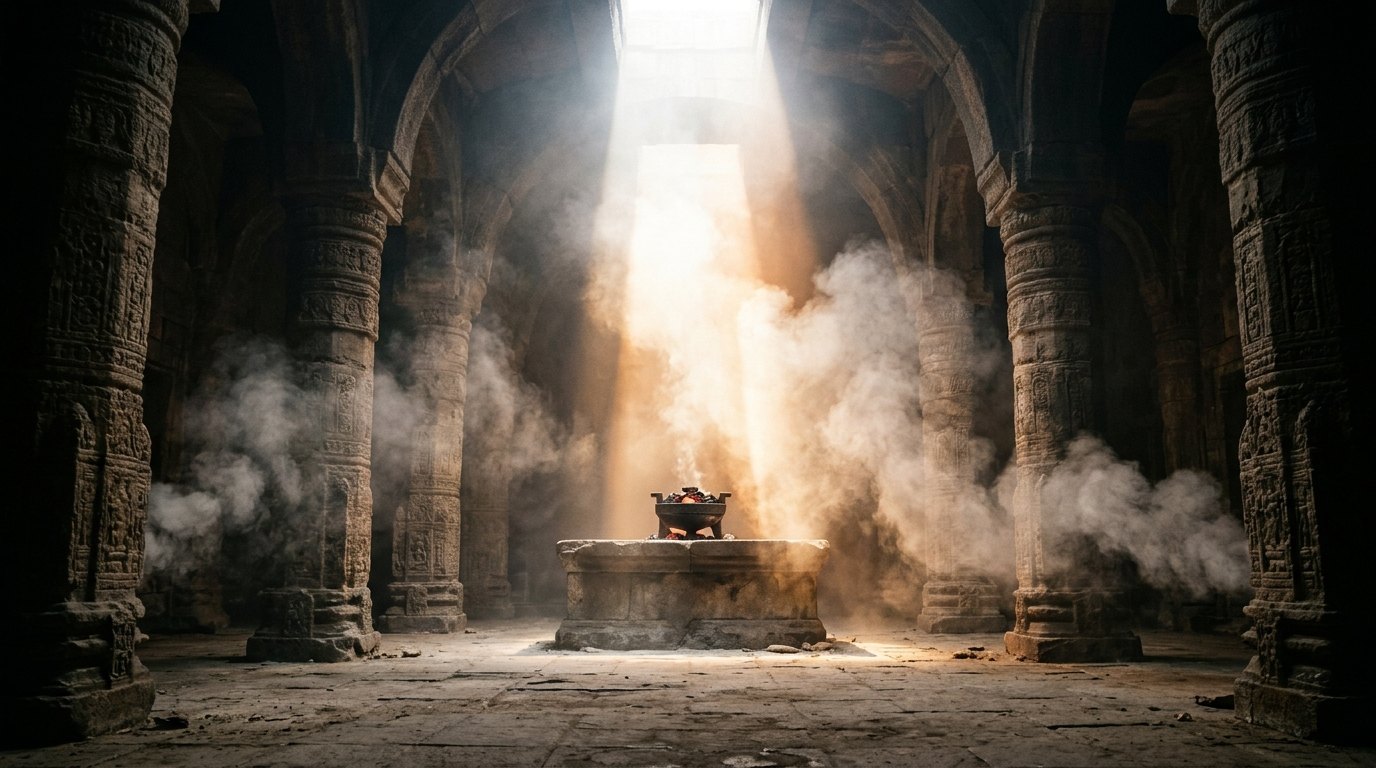
In the year that King Uzziah died, I saw the Lord, high and exalted, seated on a throne; and the train of his robe filled the temple.
Isaiah 6:1 (NIV)
Isaiah sees the exalted Lord on His throne in the year Uzziah died, marking the foundational turning point of his entire commission.
In Isaiah 6:1, the prophet recounts the supreme turning point of his life: "In the year that King Uzziah died, I saw the Lord sitting on a throne, high and lifted up, and the train of His robe filled the temple." John 12:41 reveals that Isaiah was actually beholding the pre-incarnate glory of Jesus Christ. Above this majestic seat, six-winged seraphim flew (Isaiah 6:2), calling out in ceaseless antiphonal worship, "Holy, holy, holy is Yahweh of Armies; the whole earth is full of His glory" (Isaiah 6:3). The sound shook the stone thresholds, filling the temple with dense smoke (Isaiah 6:4). Terrified by the radiant holiness of the King, Isaiah cried out his own utter ruin as a man of unclean lips dwelling among an unclean people (Isaiah 6:5). Yet sovereign grace answered dread: a seraph flew with a live coal taken from the sacred altar (Isaiah 6:6), touching his mouth to declare his iniquity taken away and his guilt atoned for (Isaiah 6:7). When Yahweh asked whom to send, the cleansed prophet answered without hesitation, "Here am I! Send me" (Isaiah 6:8). His commission was formidable: preaching to a stubborn generation whose eyes and ears would be sealed in judgment (Isaiah 6:9-10; fulfilled in Matthew 13:14-15 and Acts 28:25-27). Hearing that desolation would sweep the land until only a tenth remained, Isaiah received the enduring promise that this stump was holy seed (Isaiah 6:11-13).
| Passage | What it says | Fulfilled |
|---|---|---|
| Isaiah 6:1 | Isaiah beholds the Lord seated on a throne, high and lifted up, with His robe filling the temple. | John 12:41 |
| Isaiah 6:2 | Seraphim stand above the throne, each possessing six wings for reverent covering and flight. | |
| Isaiah 6:3 | Seraphim proclaim God's threefold holiness and declare that the whole earth is full of His glory. | |
| Isaiah 6:4 | The temple thresholds shake at the voice of the seraph, and the house fills with smoke. | |
| Isaiah 6:5 | Isaiah laments his own ruined, unclean state before Yahweh of Armies after beholding the King. | |
| Isaiah 6:6 | A seraph flies toward Isaiah carrying a burning coal taken with tongs from the altar. | |
| Isaiah 6:7 | The seraph touches Isaiah's lips with the coal, purging his iniquity and atoning for his sin. | |
| Isaiah 6:8 | Isaiah responds eagerly to the Lord's question of whom to send with 'Here I am. Send me!' | |
| Isaiah 6:9-10 | The Lord commands Isaiah to preach a message of judgment that hardens the rebellious people's hearts. | Matthew 13:14-15, Acts 28:25-27 |
| Isaiah 6:11-13 | Records Isaiah asking how long his hard commission will endure and God's answer concerning the holy seed. |
Prophetic Family
Living Signs and Wonders in the Household of Isaiah
Here am I, and the children the LORD has given me. We are signs and symbols in Israel from the LORD Almighty, who dwells on Mount Zion.
Isaiah 8:18 (NIV)
Isaiah and his children are presented as physical signs and portents given by Yahweh to the house of Israel.
The personal life of Isaiah was inextricably woven into the message God commanded him to deliver, culminating in the declaration of Isaiah 8:18: "Behold, I and the children whom Yahweh has given me are for signs and wonders in Israel from Yahweh of Armies, who dwells on Mount Zion." In Hebrews 2:13, this text finds its ultimate antitype in Jesus Christ, who stands with the redeemed family God has given Him. Isaiah lived out this prophetic burden alongside his wife, identified with honor as "the prophetess" in Isaiah 8:3. His sons were given names that functioned as walking sermons to the royal court. Shear-jashub, meaning "a remnant shall return," accompanied his father to confront the fearful King Ahaz at the aqueduct of the upper pool, testifying to both judgment and preserving mercy (Isaiah 7:3). Later, at divine command, Isaiah inscribed on a large placard the warning Maher-shalal-hash-baz before official witnesses (Isaiah 8:1-2), subsequently bestowing that very name—"swift to plunder, quick to spoil"—upon his newborn son to signal the imminent overthrow of Damascus and Samaria by Assyria (Isaiah 8:3-4). Isaiah's household stood as a living portrait of divine veracity before a doubting nation.
| Passage | What it says | Fulfilled |
|---|---|---|
| Isaiah 7:3 | Isaiah takes his son Shear-jashub to confront King Ahaz with God's word at the conduit of the upper pool. | |
| Isaiah 8:1-2 | Isaiah writes on a large tablet in the presence of faithful witnesses regarding Maher-shalal-hash-baz. | |
| Isaiah 8:3-4 | Isaiah approaches his wife the prophetess, who bears a son named Maher-shalal-hash-baz signaling swift plunder. | |
| Isaiah 8:18 | Isaiah declares that he and the children God gave him are signs and wonders in Israel. | Hebrews 2:13 |
Counsellor to Kings
Confronting Ahaz and Guiding Hezekiah in Crisis

Isaiah said to them, “Tell your master, ‘This is what the LORD says: Do not be afraid of what you have heard—those words with which the underlings of the king of Assyria have blasphemed me. Listen! When he hears a certain report, I will make him want to return to his own country, and there I will have him cut down with the sword.’ ”
2 Kings 19:6-7 (NIV)
Isaiah provides divine assurance to King Hezekiah when facing the overwhelming and blasphemous Assyrian army.
When royal courts trembled before foreign powers, Isaiah provided resolute counsel rooted in God's promises, demonstrated when he calmed Hezekiah in 2 Kings 19:6-7: "Do not be afraid of the words that you have heard, with which the servants of the king of Assyria have blasphemed Me. Behold, I will put a spirit in him, so that he will hear a rumor and return to his own land." Years earlier, when King Ahaz refused to ask a sign, Isaiah rebuked his false piety and announced the ultimate sign: a virgin bearing Immanuel (Isaiah 7:10-14; fulfilled in Matthew 1:22-23). To warn Judah against relying on pagan alliances, Isaiah walked stripped and barefoot for three years as an embodied sign of Egypt's coming humiliation (Isaiah 20:1-6). During Sennacherib's siege, Hezekiah sent his officials to Isaiah in sackcloth, and the prophet proclaimed Yahweh's victory over the arrogant invader (2 Kings 19:1-7, 20-34; Isaiah 37:1-7, 21-35; 2 Chronicles 32:20). When Hezekiah fell mortally sick, Isaiah announced his healing, ordered a fig poultice, and confirmed God's word by reversing the sun's shadow on the stairway (2 Kings 20:1-7; Isaiah 38:1-8). Yet when Hezekiah later displayed his riches to Babylon's envoys, Isaiah faithfully declared the impending exile of Jerusalem's royal line (2 Kings 20:14-19; Isaiah 39:1-8).
| Passage | What it says | Fulfilled |
|---|---|---|
| Isaiah 7:10-14 | Isaiah rebukes the unbelief of King Ahaz and delivers the prophetic sign of the virgin-born Immanuel. | Matthew 1:22-23 |
| 2 Kings 19:1-7 | Isaiah encourages King Hezekiah not to fear Sennacherib, prophesying the Assyrian king's departure and death. | |
| 2 Kings 19:20-34 | Isaiah sends God's answer to Hezekiah's prayer, announcing Yahweh's victory over Sennacherib for David's sake. | |
| 2 Kings 20:1-7 | Isaiah announces Hezekiah's recovery from mortal illness and prescribes a fig cake to heal his boil. | |
| 2 Kings 20:14-19 | Isaiah rebukes Hezekiah for displaying Judah's treasures to Babylon, foretelling future exile and captivity. | |
| Isaiah 20:1-6 | Records the Lord commanding Isaiah to walk naked and barefoot as a sign against Egypt and Cush. | |
| Isaiah 37:1-7 | Hezekiah sends officials to Isaiah, and Isaiah reassures the king of Sennacherib's impending defeat. | |
| Isaiah 37:21-35 | Isaiah delivers God's detailed poetic judgment against Assyria and promised protection for Zion. | |
| Isaiah 38:1-8 | Isaiah declares Hezekiah's recovery, provides a sign via the sun's shadow, and instructs the poultice. | |
| Isaiah 39:1-8 | Isaiah confronts Hezekiah over Babylonian envoys and foretells the future Babylonian captivity. | |
| 2 Chronicles 32:20 | Records King Hezekiah and the prophet Isaiah praying and crying out to heaven against Assyria. |
The Messianic Herald
The Gospel Prophet Who Saw Christ's Glory

Isaiah said this because he saw Jesus’ glory and spoke about him.
John 12:41 (NIV)
The apostle John makes clear that Isaiah's heavenly vision in chapter 6 was the vision of Jesus Christ's eternal glory.
The apostle John reveals the breathtaking reality behind Isaiah's entire prophetic ministry in John 12:41, explaining that Isaiah spoke these words because he saw the pre-incarnate glory of Jesus Christ. Long before Bethlehem, Isaiah gazed upon the eternal King and became the Bible's supreme evangelical herald, proclaiming the Messiah with unparalleled clarity. In Isaiah 9:6-7, he announces the royal birth of a Son called Mighty God and Prince of Peace, whose unending reign upon David's throne is fulfilled in the angelic announcement of Jesus (Luke 1:32-33; Matthew 4:14-16). He envisions a Shoot rising from the stem of Jesse in Isaiah 11:1-5, endowed with the sevenfold Spirit to rule in absolute righteousness, an advent that Paul celebrates as drawing the Gentiles into hope (Romans 15:12).
Isaiah also foresaw the forerunner in Isaiah 40:3-5, a crying voice leveling paths in the wilderness, fulfilled directly when John the Baptist summoned the nation to repentance (Matthew 3:1-3). The heart of Isaiah's gospel beats in the fourth Servant Song, where Isaiah 53:4-6 depicts the righteous Servant pierced for our transgressions and bearing our iniquities upon Himself. The New Testament views this suffering as the foundation of Christian salvation: Jesus heals infirmities in fulfillment of it (Matthew 8:17), Peter points to His wounds for our healing (1 Peter 2:24-25), and Philip leads the Ethiopian eunuch to faith using that exact scroll (Acts 8:28-35).
When Christ inaugurated His public preaching in Nazareth (Luke 4:17-21), He unrolled the scroll to Isaiah 61:1-2, declaring that the Spirit-anointed Servant had arrived to set captives free. Paul anchors both Israel's tragic stumbling and the glorious ingathering of the nations in Isaiah's prophecies (Romans 10:16-21). Tradition identifies Isaiah among the faithful witnesses in Hebrews 11:37 who were sawn in two under Manasseh, sealing with his blood a life spent beholding the Savior's majesty.
| Passage | What it says | Fulfilled |
|---|---|---|
| Isaiah 9:6-7 | Isaiah prophesies the birth of a Child called Mighty God who reigns on David's throne forever. | Luke 1:32-33 |
| Isaiah 11:1-5 | Isaiah foretells a Branch from Jesse's roots filled with the Spirit of the LORD in righteousness. | Romans 15:12 |
| Isaiah 40:3-5 | Isaiah announces a voice crying in the wilderness to prepare the way of the Lord. | Matthew 3:1-3 |
| Isaiah 53:4-6 | Isaiah depicts the Suffering Servant who bears our griefs and is pierced for our transgressions. | 1 Peter 2:24-25 |
| Isaiah 61:1-2 | Isaiah announces the Spirit-anointed messenger sent to preach good tidings and proclaim liberty to captives. | Luke 4:18-19 |
| John 12:41 | The Apostle John affirms that Isaiah spoke these things when he saw the glory of Christ. | Isaiah 6:1 |
| Matthew 3:3 | Cites Isaiah's prophecy as fulfilled in John the Baptist preparing the way for Jesus. | |
| Matthew 4:14-16 | Cites Isaiah 9 as fulfilled in Jesus' public ministry beginning in Galilee of the Gentiles. | |
| Matthew 8:17 | Cites Isaiah 53 to explain Jesus healing the sick and bearing human infirmities. | |
| Luke 4:17-21 | Records Jesus reading Isaiah 61 in the Nazareth synagogue and proclaiming its fulfillment in Himself. | |
| Acts 8:28-35 | Records Philip preaching the good news of Jesus from Isaiah's suffering servant scroll to the Ethiopian eunuch. | |
| Romans 10:16-21 | Paul quotes Isaiah multiple times to demonstrate Israel's unbelief and the Gentile inclusion. | |
| Hebrews 11:37 | Alludes to historic prophetic martyrdoms, including being sawn in two, traditionally attributed to Isaiah. |
Where in the Bible
| Book | Passages |
|---|---|
| 2 Kings | 4 · 2 Kings 19:1-7, 2 Kings 19:20-34, 2 Kings 20:1-7, 2 Kings 20:14-19 |
| 2 Chronicles | 3 · 2 Chronicles 26:22, 2 Chronicles 32:32, 2 Chronicles 32:20 |
| Isaiah | 28 · Isaiah 1:1, Isaiah 2:1, Isaiah 13:1, Isaiah 6:1, Isaiah 6:2, Isaiah 6:3, Isaiah 6:4, Isaiah 6:5, Isaiah 6:6, Isaiah 6:7, Isaiah 6:8, Isaiah 6:9-10, Isaiah 6:11-13, Isaiah 7:3, Isaiah 8:1-2, Isaiah 8:3-4, Isaiah 8:18, Isaiah 7:10-14, Isaiah 20:1-6, Isaiah 37:1-7, Isaiah 37:21-35, Isaiah 38:1-8, Isaiah 39:1-8, Isaiah 9:6-7, Isaiah 11:1-5, Isaiah 40:3-5, Isaiah 53:4-6, Isaiah 61:1-2 |
| Matthew | 3 · Matthew 3:3, Matthew 4:14-16, Matthew 8:17 |
| Luke | 1 · Luke 4:17-21 |
| John | 1 · John 12:41 |
| Acts | 1 · Acts 8:28-35 |
| Romans | 1 · Romans 10:16-21 |
| Hebrews | 1 · Hebrews 11:37 |
The story in order
- Isaiah called by vision (c. 740 BC) · Isaiah 6:1 · Beholds God's holiness and answers the call to prophesy.
- Isaiah confronts King Ahaz (c. 734 BC) · Isaiah 7:3 · Delivers the sign of Immanuel amid national crisis.
- Isaiah's son named Maher-shalal-hash-baz (c. 732 BC) · Isaiah 8:3 · His family serves as living signs of coming judgment.
- Isaiah walks naked and barefoot (c. 711 BC) · Isaiah 20:2 · A sign against Egypt and Cush before Assyrian invasion.
- Isaiah reassures Hezekiah (c. 701 BC) · 2 Kings 19:6 · Prophesies Sennacherib's defeat and Jerusalem's deliverance.
- Isaiah foretells Babylonian exile (c. 701 BC) · 2 Kings 20:16 · Warns Hezekiah about displaying wealth to Babylonian envoys.
- Isaiah prophesies Messiah's birth (c. 730 BC) · Isaiah 9:6 · Foretells the coming King who reigns forever.
- Isaiah announces the Forerunner (c. 700 BC) · Isaiah 40:3 · Declares a voice preparing the way of the Lord.
- Isaiah describes the Suffering Servant (c. 700 BC) · Isaiah 53:4 · Depicts the Servant bearing our sins and griefs.
- Isaiah proclaims the Spirit-anointed (c. 700 BC) · Isaiah 61:1 · Announces good news and liberty for captives.
- Jesus reads Isaiah in Nazareth (AD 27-30) · Luke 4:17 · Proclaims the prophecy fulfilled in Himself.
- Philip preaches from Isaiah (c. AD 34) · Acts 8:32 · Explains the Suffering Servant to the Ethiopian eunuch.
Isaiah's Messianic Prophecies and Their Fulfillment
| Prophecy | Fulfillment | Passage |
|---|---|---|
| A virgin shall conceive and bear a son, Immanuel. | Jesus, born of Mary, is God with us. | Isaiah 7:14 |
| A child is born, Wonderful Counselor, Mighty God, Everlasting Father, Prince of Peace. | Jesus is born, embodying these divine attributes and titles. | Isaiah 9:6 |
| A voice crying in the wilderness: Prepare the way of the LORD. | John the Baptist prepares the way for Jesus. | Isaiah 40:3 |
| He was pierced for our transgressions; he was crushed for our iniquities. | Jesus is crucified for the sins of humanity. | Isaiah 53:5 |
| The Spirit of the Lord GOD is upon me, because the LORD has anointed me. | Jesus is anointed by the Spirit to preach good news. | Isaiah 61:1 |
Key words
- Holy (qadosh, קָדוֹשׁ)
- Set apart, sacred, morally perfect and pure. · Isaiah 6:3
- Glory (kabod, כָּבוֹד)
- The radiance, splendor, and manifest presence of God. · Isaiah 6:3
- Iniquity (ʿavon, עָוֹן)
- Wickedness, guilt, and the moral corruption of sin. · Isaiah 6:7
- Atonement (kipper, כִּפֶּר)
- To cover or make amends for sin, reconciling to God. · Isaiah 6:7
- Remnant (she'ar yashuv, שְׁאָר יָשׁוּב)
- A small surviving portion of a larger group, often preserved by God. · Isaiah 7:3
- Immanuel (ʿimmanû 'ēl, עִמָּנוּ אֵל)
- A prophetic name meaning 'God with us'. · Isaiah 7:14
- Suffering Servant (eved, עֶבֶד)
- The one who bears the sin and punishment of others. · Isaiah 53:4
Isaiah stands across redemptive history as an uncompromising witness to the absolute holiness, majesty, and mercy of God. His life teaches believers how genuine repentance before God's throne fuels eager, lifelong obedience regardless of the cost. Through his inspired writings, we behold Christ exalted in glory and receive the enduring comfort of God's redeeming salvation.
43 passages, each cited once.
Scripture cited
- Isaiah 6:1-8
- John 12:41
- Isaiah 1:1
- Isaiah 53:4-6