Who was Jacob, and why was he renamed Israel?
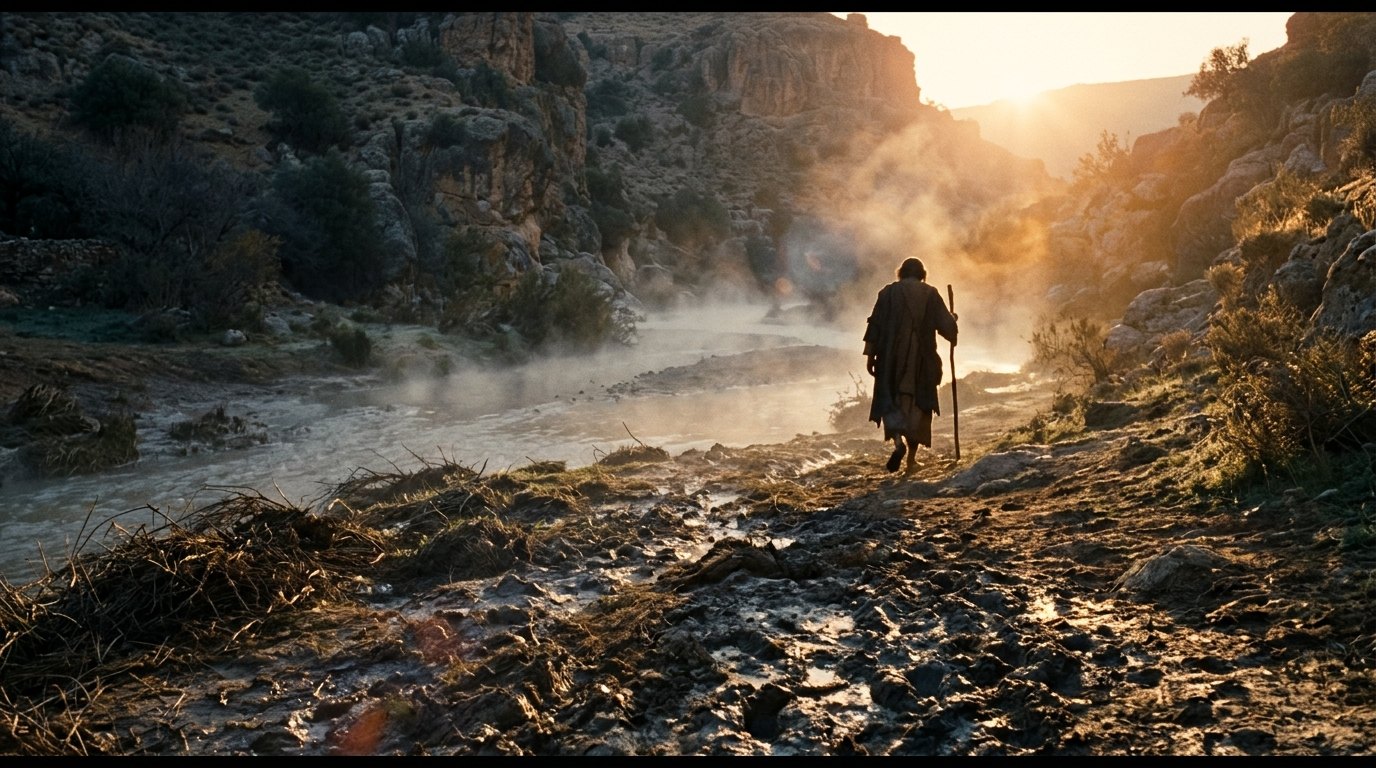
Genesis 32:22-32
22 That night Jacob got up and took his two wives, his two female servants and his eleven sons and crossed the ford of the Jabbok.
23 After he had sent them across the stream, he sent over all his possessions.
24 So Jacob was left alone, and a man wrestled with him till daybreak.
25 When the man saw that he could not overpower him, he touched the socket of Jacob’s hip so that his hip was wrenched as he wrestled with the man.
26 Then the man said, “Let me go, for it is daybreak.” But Jacob replied, “I will not let you go unless you bless me.”
27 The man asked him, “What is your name?” “Jacob,” he answered.
28 Then the man said, “Your name will no longer be Jacob, but Israel, because you have struggled with God and with humans and have overcome.”
29 Jacob said, “Please tell me your name.” But he replied, “Why do you ask my name?” Then he blessed him there.
30 So Jacob called the place Peniel, saying, “It is because I saw God face to face, and yet my life was spared.”
31 The sun rose above him as he passed Peniel, and he was limping because of his hip.
32 Therefore to this day the Israelites do not eat the tendon attached to the socket of the hip, because the socket of Jacob’s hip was touched near the tendon.
New International Version (NIV)
The answer
Jacob was the son of Isaac and Rebekah, Esau’s twin brother, and the father of the twelve sons from whom Israel’s tribes descended. God renamed him Israel after Jacob wrestled until daybreak and held on for a blessing; Genesis 32:28 gives the reason: “for you have fought with God and with men, and have prevailed.”
Who Jacob was
His birth was an answer to prayer: Isaac prayed for Rebekah because she was barren, and she conceived (Genesis 25:21). Jacob was born grasping Esau’s heel, the circumstance connected with his naming (Genesis 25:24-26). He belonged to the covenant line of Abraham and Isaac, and Genesis 35:22-26 lists his twelve sons.
Why he was renamed
At the ford of the Jabbok, Jacob sent his family and possessions across and was left alone. He wrestled with a man until daybreak; even after his thigh was injured, he refused to let go without receiving a blessing (Genesis 32:22-26). The man then changed his name from Jacob to Israel because he had struggled with God and with men and had prevailed (Genesis 32:27-28).
This was no ordinary human contest. Jacob named the place Peniel, saying, “I have seen God face to face, and my life is preserved” (Genesis 32:30). The new name was therefore God-given, marking Jacob’s identity in connection with this struggle and God’s blessing—not a name Jacob chose for himself.
God later confirmed the change directly: “Your name shall not be Jacob any more, but your name will be Israel” (Genesis 35:10). He joined that identity to promises of descendants, nations, kings, and the land given to Abraham and Isaac (Genesis 35:11-12). Scripture nevertheless continues using both names; Genesis 35:22 speaks of Israel while also calling his children “the sons of Jacob.”
Answered from Scripture · reviewed November 11, 2026
Jacob was the son of Isaac and the inheritor of God's covenant with Abraham, remembered both as a grasping schemer and as the father of the twelve tribes. God renamed him Israel at the ford of the Jabbok because he wrestled with God through the night, prevailing not by physical strength but by clinging in faith for a divine blessing. Tracing Jacob's life shows how sovereign grace transforms a supplanter into a prince with God.
Birth and Supplanting
The heel-catcher who seized the birthright
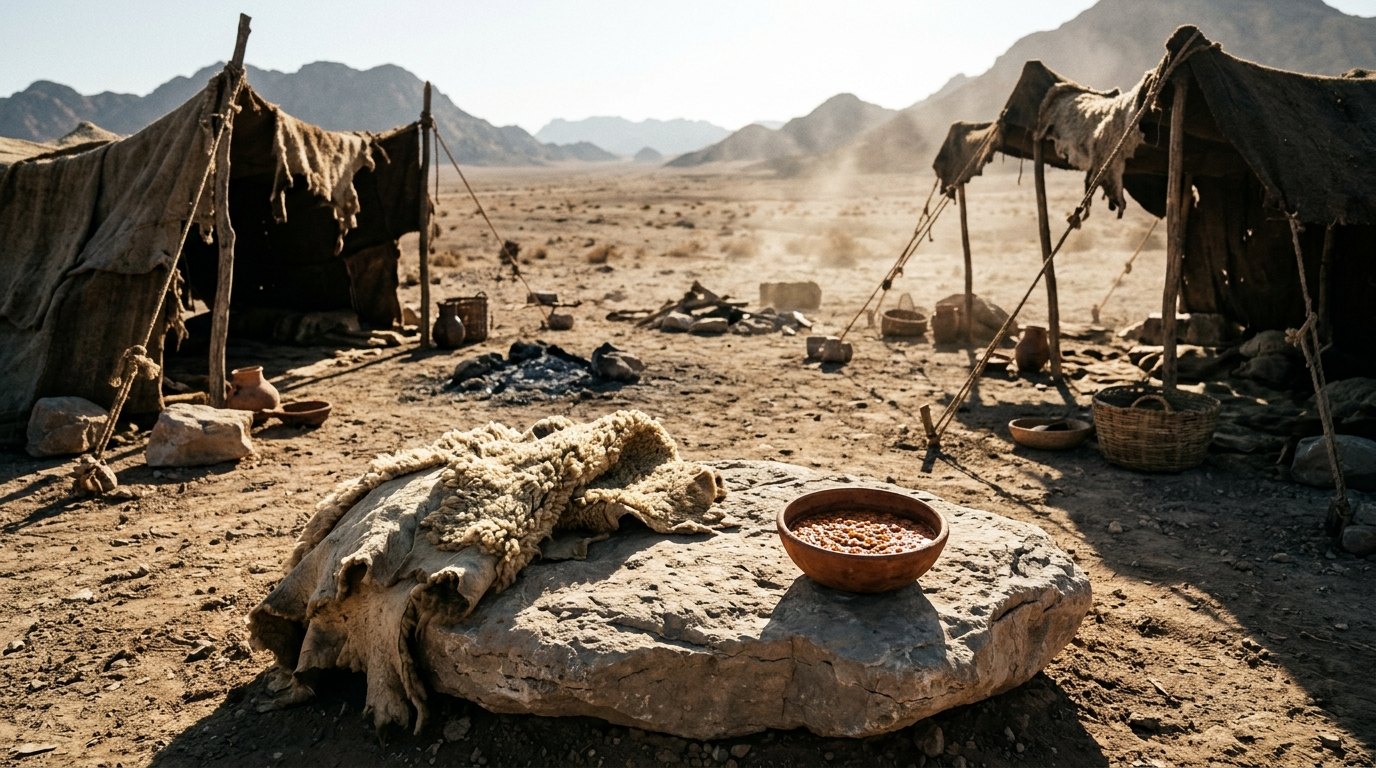
After this, his brother came out, with his hand grasping Esau’s heel; so he was named Jacob. Isaac was sixty years old when Rebekah gave birth to them.
Genesis 25:26 (NIV)
It explains the origin of Jacob's name as one grasping his brother's heel at birth.
In Genesis 25:26, Scripture captures the defining posture of the patriarch's early life: he emerged from Rebekah's womb with his hand firmly holding Esau's heel. Because of this, he was given the name Jacob, an ancient Hebrew descriptor meaning heel-catcher, one who trips another up, or supplanter. Yet his destiny did not originate in human striving. Before the twins were even born, Rebekah inquired of the Lord amid the turmoil of her pregnancy, and God declared in Genesis 25:22-23 that the older shall serve the younger, establishing His sovereign election before either child had done good or evil.
Despite this divine promise, Jacob's early years were characterized by fleshly calculation rather than patient faith. In Genesis 25:29-34, Jacob leveraged his brother's physical exhaustion and hunger, extracting Esau's birthright in exchange for bread and a pot of red lentil stew, while Esau despised his sacred inheritance for a momentary meal. Later, when Isaac sought to confer his paternal blessing, Jacob cooperated with Rebekah's scheme, disguising himself in Esau's garments and goat skins to deceive his blind father in Genesis 27:18-29. When the ruse was uncovered in Genesis 27:35-36, Isaac confessed that Jacob had come with subtlety, prompting Esau to cry out that Jacob had rightly earned his name by supplanting him twice. Even so, the covenant blessing stood unbreakable, as Hebrews 11:20 records that by faith Isaac blessed Jacob and Esau concerning the distant future.
| Passage | What it says |
|---|---|
| Genesis 25:22-23 | God tells Rebekah that two nations are in her womb, and the older will serve the younger. |
| Genesis 25:26 | Jacob is born holding Esau's heel, receiving a name meaning supplanter or heel-catcher. |
| Genesis 25:29-34 | Jacob buys Esau's birthright for bread and lentil stew as Esau despises his inheritance. |
| Genesis 27:35-36 | Isaac affirms that Jacob came deceitfully to take Esau's blessing, fulfilling his name as supplanter. |
| Genesis 27:18-29 | Isaac mistakenly confers the paternal blessing upon Jacob dressed in Esau's garments. |
| Hebrews 11:20 | Faith guided Isaac in blessing Jacob and Esau concerning things to come. |
Covenant and Exile
God confirms the Abrahamic promise in exile
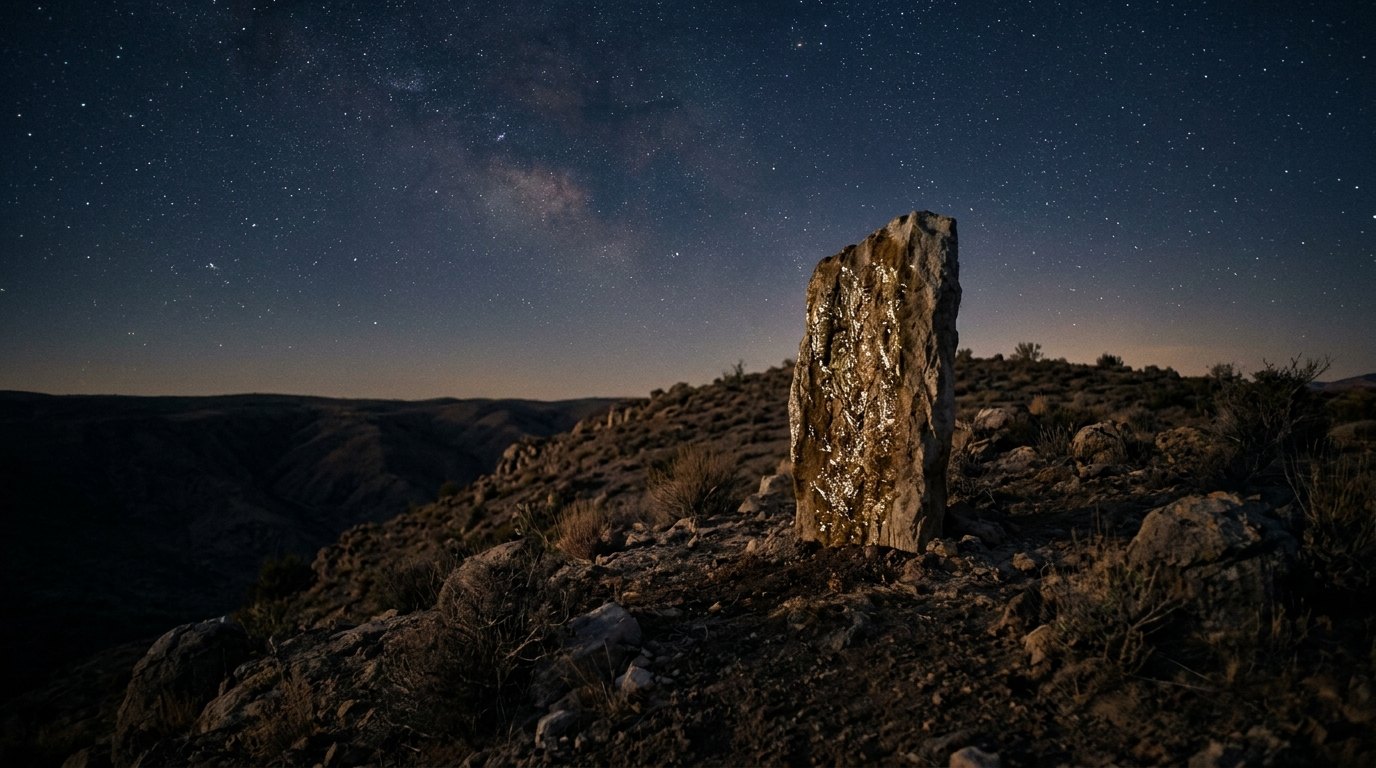
There above it stood the LORD, and he said: “I am the LORD, the God of your father Abraham and the God of Isaac. I will give you and your descendants the land on which you are lying. Your descendants will be like the dust of the earth, and you will spread out to the west and to the east, to the north and to the south. All peoples on earth will be blessed through you and your offspring. I am with you and will watch over you wherever you go, and I will bring you back to this land. I will not leave you until I have done what I have promised you.”
Genesis 28:13-15 (NIV)
God extends the unconditional Abrahamic covenant directly to Jacob despite his flight in fear.
Fleeing the lethal fury of Esau, the supplanter found himself an impoverished fugitive in the wilderness, where God met him in grace. At Genesis 28:13-15, the Lord stood above a heavenly staircase and confirmed the unconditional covenant of Abraham directly to Jacob, promising the dust-like multiplication of his seed, the inheritance of the land, and His own continual presence. Waking from this vision, Jacob was filled with reverent dread in Genesis 28:16-22; he anointed his stone pillow with oil, consecrated the site as Bethel—the house of God—and made a vow committing his allegiance to Yahweh.
Yet the years that followed formed a crucible of discipline in Paddan-aram. Jacob met his match in his deceitful uncle Laban. As Genesis 29:16-30 details, after Jacob labored seven years for Rachel, Laban substituted his elder daughter Leah under the cover of night, forcing the deceiver to taste the bitterness of deceit himself. Jacob served an additional seven years for Rachel, enduring twenty years of harsh labor under the scorching sun and freezing night frosts. In Genesis 31:41-42, Jacob boldly recounted how Laban changed his wages ten times, yet the God of Abraham and the Fear of Isaac shielded him from ruin. Finally, in Genesis 31:3, the Lord commanded Jacob to arise and return to his homeland, setting the stage for an encounter that would strip away his self-reliance forever.
| Passage | What it says |
|---|---|
| Genesis 28:10-15 | Jacob dreams of a ladder reaching heaven, and God promises him the land, seed, and presence. |
| Genesis 28:16-22 | Jacob awakes, calls the place Bethel, sets up a stone pillar, and vows his service to God. |
| Genesis 31:3 | The Lord commands Jacob to return from Paddan-aram to the land of his fathers. |
| Genesis 31:41-42 | Jacob testifies of twenty hard years serving Laban and how the Fear of Isaac preserved him. |
| Genesis 29:16-30 | Jacob is deceived by Laban into marrying Leah before receiving his beloved Rachel. |
Wrestling at Jabbok
A desperate night ends in a new name
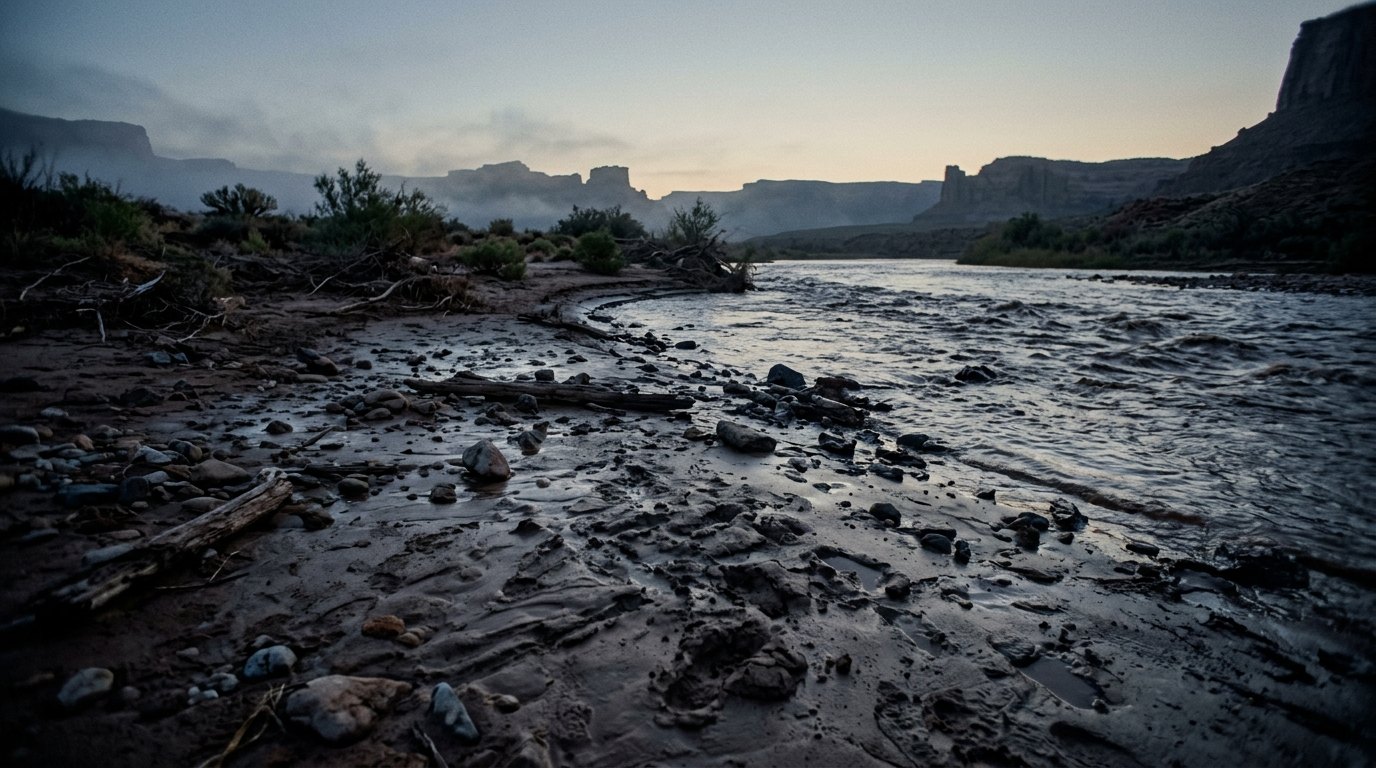
Then the man said, “Your name will no longer be Jacob, but Israel, because you have struggled with God and with humans and have overcome.”
Genesis 32:28 (NIV)
The heavenly opponent declares Jacob's new name Israel because he fought with God and prevailed.
On the eve of his terrifying reunion with Esau, Jacob faced an adversary far more formidable than his brother. After sending his family and possessions across the stream in Genesis 32:22-24, Jacob was left entirely alone in the darkness, where an unnamed man wrestled with him until the breaking of day. When the mysterious stranger saw that Jacob would not yield, He touched the socket of Jacob's thigh in Genesis 32:25-26, instantly dislocating his hip; yet even in agony, Jacob clung tenaciously, crying, "I will not let You go unless You bless me!" Prevailing came not by physical mastery, but by an utter refusal to let go of God until mercy was given.
In Genesis 32:27-28, the divine wrestler demanded his name, forcing the patriarch to confess his true identity: Jacob, the supplanter. Instantly, the heavenly adversary declared, "Your name shall no longer be called Jacob, but Israel; for you have striven with God and with men and have prevailed." At Genesis 32:29-32, Jacob named the place Peniel, marveling that he had seen God face to face and his life was preserved. As the sun rose over the river, he limped forward on his broken hip—physically weakened, yet spiritually enthroned. Hosea 12:3-4 explains that he wept and sought God's favor with supplication. Thus humbled and renamed, Israel bowed seven times before Esau in Genesis 33:1-4, finding an embrace of reconciliation instead of slaughter.
| Passage | What it says |
|---|---|
| Genesis 32:22-24 | Jacob sends his household across the Jabbok and is left alone to wrestle a man until dawn. |
| Genesis 32:25-26 | The man strikes Jacob's hip, yet Jacob refuses to let him go without receiving a blessing. |
| Genesis 32:27-28 | The wrestler changes Jacob's name to Israel, signifying he has striven with God and men and prevailed. |
| Genesis 32:29-32 | Jacob names the site Peniel, marvels at seeing God face to face, and departs limping at sunrise. |
| Hosea 12:3-4 | The prophet recalls that Jacob had power over the Angel, wept, and made supplication to Him. |
| Genesis 33:1-4 | The transformed Jacob bows before Esau and finds reconciliation instead of vengeance. |
Bethel and Beyond
God reaffirms Israel and establishes the twelve tribes
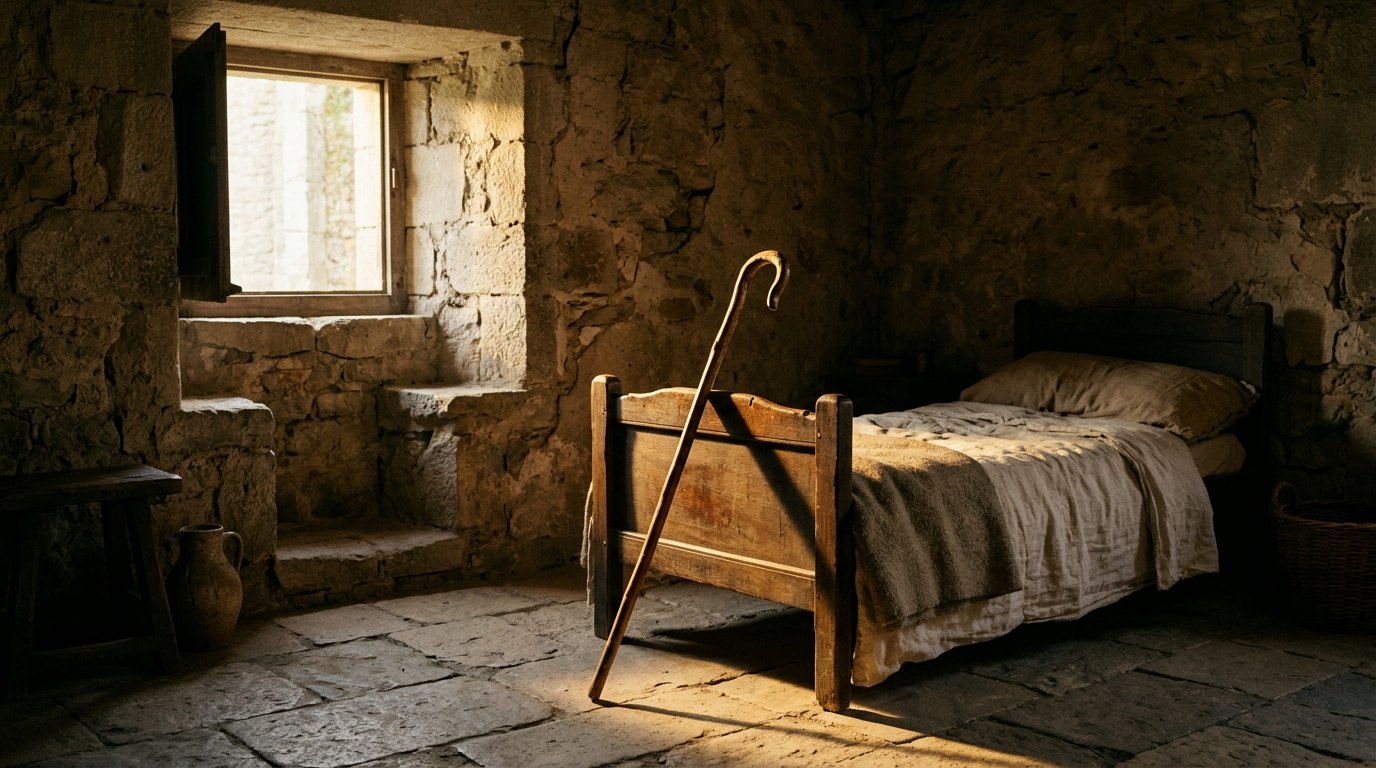
God said to him, “Your name is Jacob, but you will no longer be called Jacob; your name will be Israel.” So he named him Israel. And God said to him, “I am God Almighty; be fruitful and increase in number. A nation and a community of nations will come from you, and kings will be among your descendants. The land I gave to Abraham and Isaac I also give to you, and I will give this land to your descendants after you.”
Genesis 35:10-12 (NIV)
God personally reaffirms the name Israel and the promise of kings and nations from his body.
The renaming at the ford of Jabbok was not an isolated event; it marked the formal inauguration of a holy nation. In Genesis 35:9-12, God appeared again to the patriarch at Bethel and personally reaffirmed his new name: Israel, commissioning him to be fruitful and multiply, and declaring that a company of nations and kings would come forth from his loins. The narrative then records in Genesis 35:22-26 the names of the twelve sons born to Jacob—the tribal patriarchs who would bear the collective name of Israel throughout redemptive history, pointing forward to the ultimate King who would shepherd God's people.
Even in old age, the life of Israel stood under the gentle hand of divine sovereignty. When severe famine gripped Canaan, God spoke to Israel in the visions of the night in Genesis 46:2-4, reassuring him not to fear going down to Egypt, for God would make him a great nation there and surely bring him back up. Drawing his final breaths in Egypt, Jacob gathered his household around his bed in Genesis 49:1-2, summoning them to hear what would befall them in the last days. In Genesis 48:15-16, he laid his hands upon Ephraim and Manasseh, worshipping the God who had fed and shepherded him all his life long. Hebrews 11:21 immortalizes this moment of supreme maturity, celebrating how by faith the dying patriarch worshipped, leaning on the top of his staff.
| Passage | What it says |
|---|---|
| Genesis 35:9-12 | God appears at Bethel, confirming Jacob is named Israel and renewing the covenant of land and fruitfulness. |
| Genesis 35:22-26 | The text catalogs the twelve sons born to Jacob who form the tribal heads of Israel. |
| Genesis 46:2-4 | God speaks to Israel in night visions, assuring him of protection on his descent into Egypt. |
| Genesis 49:1-2 | Dying Jacob calls his sons together, summoning them to listen to Israel their father. |
| Genesis 48:15-16 | Jacob blesses Joseph's sons, invoking the God who shepherded him all his life. |
| Hebrews 11:21 | By faith Jacob, when dying, blessed each of Joseph's sons while worshipping. |
The God of Jacob
Jacob's covenant identity endures through redemption history
Not only that, but Rebekah’s children were conceived at the same time by our father Isaac. Yet, before the twins were born or had done anything good or bad—in order that God’s purpose in election might stand: not by works but by him who calls—she was told, “The older will serve the younger.” Just as it is written: “Jacob I loved, but Esau I hated.”
Romans 9:10-13 (NIV)
It shows that God chose Jacob before birth to display His sovereign, unmerited grace.
Long after the patriarch rested with his fathers, his name remained anchored to the very identity of the Almighty. In Romans 9:10-13, the Apostle Paul highlights Jacob's life as the definitive proof of divine election: God chose Jacob over Esau before either had done anything good or bad, ensuring that His eternal purpose of redemption would rest not on human striving or pedigree, but entirely on sovereign grace. Jacob was neither the firstborn nor morally superior by nature, yet the Lord set His unwavering love upon him.
This sovereign commitment echoes throughout redemption history. When the Lord called Moses out of the burning bush in Exodus 3:6, He proclaimed His memorial name forever as "the God of Abraham, the God of Isaac, and the God of Jacob," affirming that the covenant sworn to the patriarchs remained active and unshakable. Centures later, Psalms 105:9-11 celebrates this continuity, praising the Lord who confirmed His covenant to Jacob as an everlasting statute and granted the promised inheritance. The name "Jacob" thus stands across Scripture as an enduring monument to mercy: a title proving that God binds Himself to weak, fallible sinners and transforms them by His unconditional grace.
| Passage | What it says |
|---|---|
| Exodus 3:6 | The Lord reveals Himself at the bush as the God of Abraham, Isaac, and Jacob. |
| Psalms 105:9-11 | The covenant made with Abraham is confirmed to Jacob as an everlasting statute. |
| Romans 9:10-13 | God's sovereign election is demonstrated in choosing Jacob over Esau before birth. |
Where in the Bible
| Book | Passages |
|---|---|
| Genesis | 20 · Genesis 25:22-23, Genesis 25:26, Genesis 25:29-34, Genesis 27:35-36, Genesis 27:18-29, Genesis 28:10-15, Genesis 28:16-22, Genesis 31:3, Genesis 31:41-42, Genesis 29:16-30, Genesis 32:22-24, Genesis 32:25-26, Genesis 32:27-28, Genesis 32:29-32, Genesis 33:1-4, Genesis 35:9-12, Genesis 35:22-26, Genesis 46:2-4, Genesis 49:1-2, Genesis 48:15-16 |
| Exodus | 1 · Exodus 3:6 |
| Psalms | 1 · Psalms 105:9-11 |
| Hosea | 1 · Hosea 12:3-4 |
| Romans | 1 · Romans 9:10-13 |
| Hebrews | 2 · Hebrews 11:20, Hebrews 11:21 |
The story in order
- Jacob born, holding Esau's heel (c. 1837 BC) · Genesis 25:26 · His name means supplanter, foreshadowing his actions.
- Jacob buys Esau's birthright (c. 1837 BC) · Genesis 25:34 · Shows his willingness to scheme for inheritance.
- Jacob deceives Isaac for blessing (c. 1837 BC) · Genesis 27:29 · Fulfills his name by supplanting Esau.
- Jacob's ladder dream at Bethel (c. 1837 BC) · Genesis 28:12 · God promises land, seed, and presence.
- Jacob vows service at Bethel (c. 1837 BC) · Genesis 28:20-22 · He pledges to serve God if protected.
- Jacob deceived into marrying Leah (c. 1830 BC) · Genesis 29:25 · He experiences deception himself.
- Jacob wrestles with God at Jabbok (c. 1810 BC) · Genesis 32:24-26 · He clings to God for a blessing.
- Jacob renamed Israel (c. 1810 BC) · Genesis 32:28 · Signifies he prevailed with God.
- Jacob reconciled with Esau (c. 1810 BC) · Genesis 33:4 · God's transformation leads to peace.
- God reaffirms covenant at Bethel (c. 1805 BC) · Genesis 35:11 · Confirms Jacob's new name and God's promises.
- Jacob blesses Joseph's sons (c. 1792 BC) · Genesis 48:15-16 · He invokes God as his shepherd.
- Jacob blesses his sons (c. 1792 BC) · Genesis 49:1-2 · He prophesies over the twelve tribes.
- Lord identifies as God of Jacob (c. 1446 BC) · Exodus 3:6 · Jacob's identity is foundational to God's people.
Key words
- Jacob (ya'aqob (יַעֲקֹב))
- Supplanter or heel-catcher; the second twin born to Isaac and Rebekah. · Genesis 25:26
- Israel (yisra'el (יִשְׂרָאֵל))
- He who strives with God; the name God gave Jacob after their wrestling match. · Genesis 32:28
- Covenant (berit (בְּרִית))
- A solemn agreement or promise, especially God's binding promise to Abraham and his descendants. · Genesis 28:15
- Blessing (berakah (בְּרָכָה))
- A divine favor or gift, often conferred through spoken word or touch, conveying spiritual or material benefits. · Genesis 27:26
- Faith (pistis (πίστις))
- Trust and belief in God's promises and power, even when unseen. · Hebrews 11:20
Jacob's renaming stands as an enduring picture of God's transforming grace in the lives of His people. The Lord meets sinners in their weakness, breaks their self-reliance, and grants them a new identity founded entirely upon His blessing. We are invited to hold fast to God in faith, confident that the God of Jacob never fails to preserve His own.
26 passages, each cited once.
Scripture cited
- Genesis 32:22-32
- Genesis 35:22-26
- Genesis 25:21-28
- Genesis 35:9-12