Who was Joseph in Genesis?

Genesis 50:15-21
15 When Joseph’s brothers saw that their father was dead, they said, “What if Joseph holds a grudge against us and pays us back for all the wrongs we did to him?”
16 So they sent word to Joseph, saying, “Your father left these instructions before he died:
17 ‘This is what you are to say to Joseph: I ask you to forgive your brothers the sins and the wrongs they committed in treating you so badly.’ Now please forgive the sins of the servants of the God of your father.” When their message came to him, Joseph wept.
18 His brothers then came and threw themselves down before him. “We are your slaves,” they said.
19 But Joseph said to them, “Don’t be afraid. Am I in the place of God?
20 You intended to harm me, but God intended it for good to accomplish what is now being done, the saving of many lives.
21 So then, don’t be afraid. I will provide for you and your children.” And he reassured them and spoke kindly to them.
New International Version (NIV)
The answer
Joseph was the beloved son of Jacob—also called Israel—and Rachel, and the man God used to preserve Jacob’s family and many others during a devastating famine. Genesis 30:22-24 records his birth after God opened Rachel’s womb. He became a shepherd, a slave, a prisoner, and finally ruler over Egypt under Pharaoh. His life especially displays God’s faithfulness in suffering, the necessity of personal holiness, and the power of genuine forgiveness.
Betrayed by his brothers
Genesis 37:2-36 introduces Joseph at seventeen years old. Jacob loved him more than his other sons and gave him a special tunic, while Joseph’s dreams indicated that his family would one day bow before him. His brothers’ jealousy grew into hatred. They conspired against him, threw him into a pit, and sold him for twenty pieces of silver to traders going toward Egypt. They then deceived Jacob into believing that a wild animal had killed him. Joseph was subsequently sold to Potiphar, an Egyptian officer of Pharaoh.
Faithful in slavery and prison
God was with Joseph in Potiphar’s house, causing his work to prosper, and Potiphar placed his household under Joseph’s care. When Potiphar’s wife repeatedly tried to seduce him, Joseph refused because adultery would be great wickedness and sin against God. He fled from her, but she falsely accused him, and he was imprisoned. Even there, God showed him kindness and gave him favor with the prison keeper. Joseph’s circumstances changed drastically, but God did not abandon him (Genesis 39:1-23).
Ruler over Egypt
At thirty years old, Joseph was brought from prison to interpret Pharaoh’s dreams. He openly attributed the interpretation to God rather than himself. The dreams foretold seven years of abundant harvests followed by seven years of severe famine. Pharaoh recognized Joseph’s God-given wisdom, placed him over Egypt, and authorized him to store grain during the plentiful years. Joseph married Asenath, and they had two sons, Manasseh and Ephraim (Genesis 41:14-52).
Reconciliation instead of revenge
When Joseph made himself known to his brothers during the famine, he assured them that God had sent him ahead to preserve life. He arranged for Jacob’s family to settle in Goshen and promised to provide for them (Genesis 45:1-15).
After Jacob died, the brothers feared that Joseph would finally repay their evil. Instead, he wept, refused to place himself in God’s judgment seat, and declared: “As for you, you meant evil against me, but God meant it for good, to save many people alive, as is happening today” (Genesis 50:20). God’s good purpose did not make the brothers’ evil good; Joseph named their evil plainly while choosing forgiveness and care rather than vengeance. He comforted them and promised to provide for them and their children (Genesis 50:15-21).
Joseph died in Egypt at one hundred ten years old. Before his death, he affirmed that God would bring Israel back to the land sworn to Abraham, Isaac, and Jacob, and he made the Israelites promise to carry his bones from Egypt. His final recorded words therefore rested on God’s covenant faithfulness, not on his Egyptian position or possessions (Genesis 50:22-26).
Answered from Scripture · reviewed November 11, 2026
Joseph is the eleventh son of Jacob, born to his beloved wife Rachel, whose life bridges the wandering patriarchs of Canaan and the nation of Israel taking root in Egypt. Betrayed by his brothers, sold into slavery, and elevated to ruler of Egypt, his story shows how God sovereignly overrules human wickedness to preserve His covenant people.
Son of Rachel
Born of Love and Destined for Favor
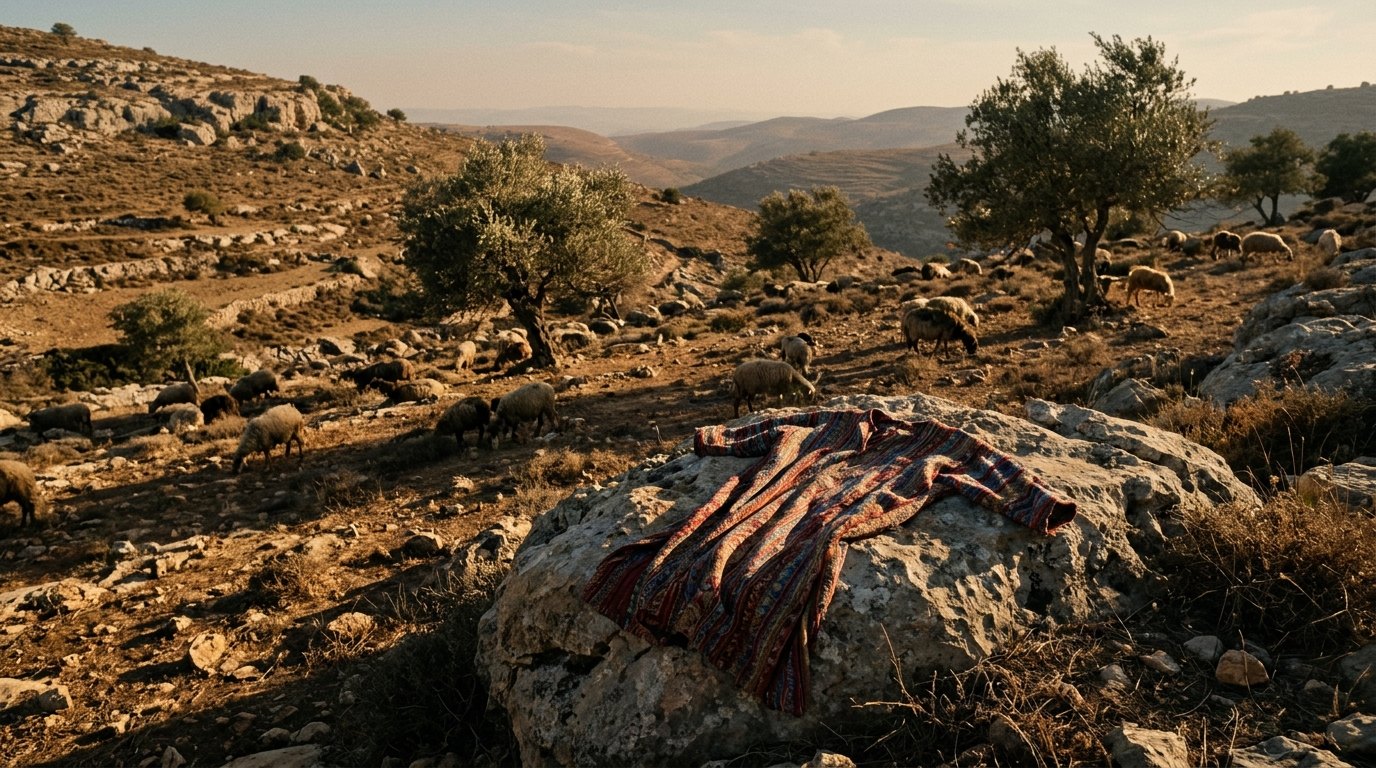
Now Israel loved Joseph more than any of his other sons, because he had been born to him in his old age; and he made an ornate robe for him.
Genesis 37:3 (NIV)
It names the father's open partiality and the gift of the tunic that ignited his brothers' burning envy.
In Genesis 37:3, the narrative exposes the domestic fracture that shapes the patriarch's household: "Now Israel loved Joseph more than all his children, because he was the son of his old age: and he made him a coat of many colours." Joseph's entrance into the covenant story carries the weight of long yearning. In Genesis 30:22-24, God remembered Rachel in her barren grief, opening her womb to bear a son whose name pleaded for another. Listed among the twelve sons born across Jacob's hard labor in Paddan-aram (Genesis 35:23-26), Joseph occupied a place of tender preference from infancy. When Jacob returned to face his estranged brother Esau in Genesis 33:1-7, he stationed Rachel and young Joseph in the rear of the caravan, shielding them behind the maidservants and Leah from potential slaughter.
That fierce parental protection matured into open partiality once the family settled in Canaan. In Genesis 37:2, seventeen-year-old Joseph tended flocks alongside the sons of Bilhah and Zilpah, bringing an evil report of their conduct back to Jacob. When his father answered that devotion with the gifted tunic of status (Genesis 37:3), simmering fraternal rivalries erupted into poisonous resentment. Genesis 37:4 records that his brothers hated him so deeply they could not utter a peaceful greeting to him. Jacob's unhidden favoritism ignited a brotherly hostility that threatened the unity of the entire covenant family.
| Passage | What it says |
|---|---|
| Genesis 30:22-24 | God remembers Rachel in her barrenness, and she gives birth to Joseph, praying God will add another son. |
| Genesis 37:2 | At seventeen, Joseph shepherds the flock and brings a bad report of his half-brothers to his father. |
| Genesis 37:3 | Jacob loves Joseph more than all his children, making him an ornate robe of many colors. |
| Genesis 37:4 | Seeing their father's blatant favoritism, Joseph's brothers hate him and refuse to speak peaceably to him. |
| Genesis 33:1-7 | Joseph bows with his mother Rachel before Esau as Jacob protects them behind the rest of the household. |
| Genesis 35:23-26 | Joseph is listed among the twelve sons born to Jacob during his years in Paddan-aram. |
Dreams and Betrayal
God Reveals the Future and Brothers Strike
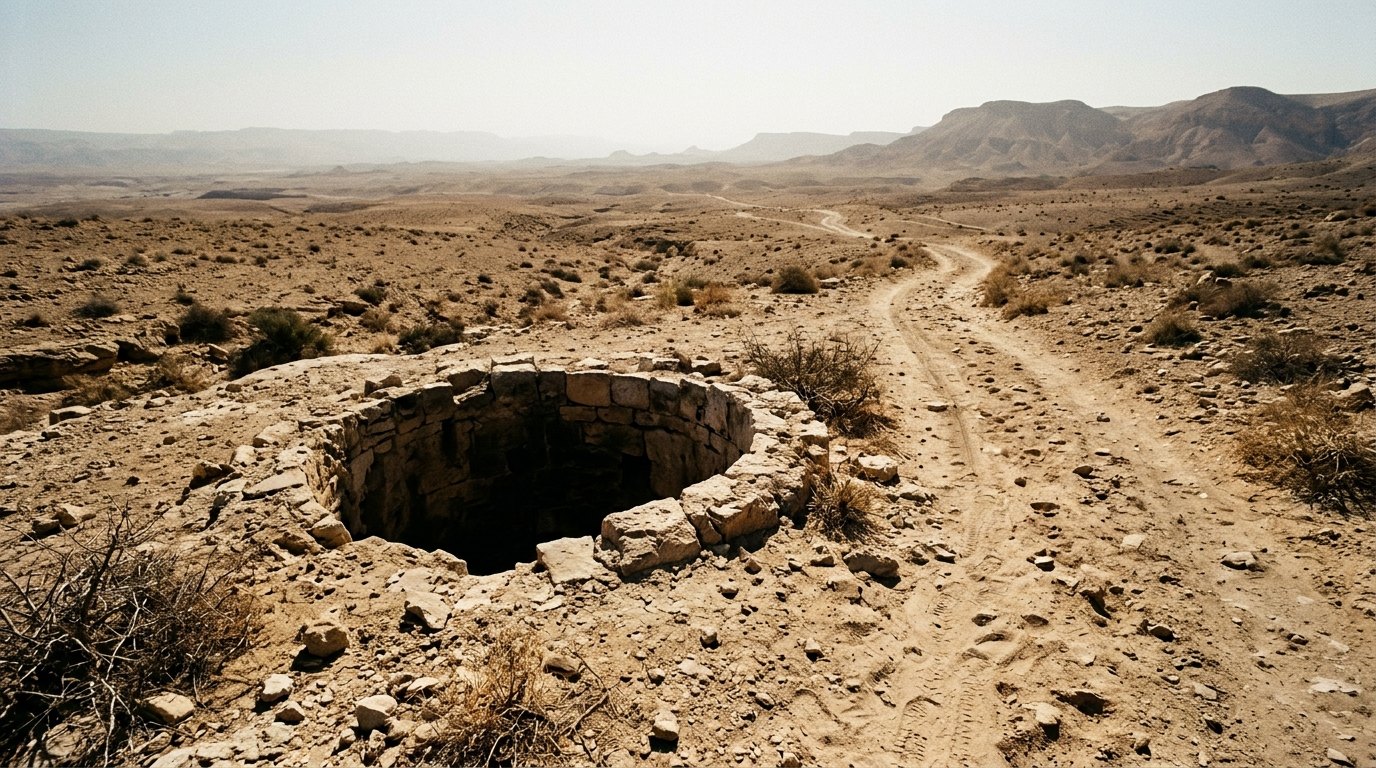
His brothers said to him, “Do you intend to reign over us? Will you actually rule us?” And they hated him all the more because of his dream and what he had said.
Genesis 37:8 (NIV)
It records the brothers' explicit rebellion against the divine rule foreshadowed in Joseph's prophetic dreams.
The hostility reaches open defiance in Genesis 37:8: "And his brethren said to him, Shalt thou indeed reign over us? or shalt thou indeed have dominion over us? And they hated him yet the more for his dreams, and for his words." In Genesis 37:5-8, Joseph recounted his dream of binding wheat in the field, where his brothers' upright sheaves bowed before his own—a prophecy realized when famine drove the brothers to bow low before him in Egypt (Genesis 42:6), mirroring the world's rejection of Christ's rightful kingship in Luke 19:14. A subsequent night vision showed the sun, moon, and eleven stars bowing to him (Genesis 37:9-11), earning Jacob's rebuke yet foreshadowing their later obeisance in Genesis 43:26.
The rupture turned lethal when Jacob sent Joseph from the Hebron valley to seek his brothers near Shechem, where a passerby redirected him to Dothan (Genesis 37:12-17). Spotting the youth from afar, the brothers plotted his execution, sneering, "Come now therefore, and let us slay him... and we shall see what will become of his dreams" (Genesis 37:18-20), prefiguring the wicked husbandmen conspiring against the vineyard heir in Matthew 21:38-39. In Genesis 37:23-28, they stripped Joseph of his ornate robe, cast him into a dry cistern, and bartered him away for twenty silver shekels to Midianite traders—a shadow of Christ betrayed for silver and delivered to the Gentiles (Matthew 26:15; Acts 7:9). Splashing the ornate garment with goat's blood, the conspirators returned it to crush their father's spirit (Genesis 37:31-36), while slave merchants hauled Joseph south to Potiphar's Egyptian household.
| Passage | What it says | Fulfilled |
|---|---|---|
| Genesis 37:5-8 | Joseph dreams of sheaves bowing to his sheaf, stoking his brothers' hatred over his future rule. | Genesis 42:6, Luke 19:14 |
| Genesis 37:9-11 | A second dream shows the sun, moon, and eleven stars bowing to Joseph, provoking Jacob's rebuke and envy. | Genesis 43:26 |
| Genesis 37:18-20 | The brothers plot Joseph's murder from afar, calling him the dreamer and seeking to nullify his dreams. | Matthew 21:38-39 |
| Genesis 37:23-28 | Stripping Joseph's robe, the brothers cast him into a pit and sell him to Midianites for twenty shekels. | Matthew 26:15, Acts 7:9 |
| Genesis 37:31-36 | The brothers deceive Jacob with a bloodstained coat, while Midianites sell Joseph to Potiphar in Egypt. | |
| Genesis 37:12-17 | Jacob sends Joseph from Hebron to seek his brothers, and a man directs him toward Dothan. |
Egypt and Integrity
Faithful in Trial from Household to Prison
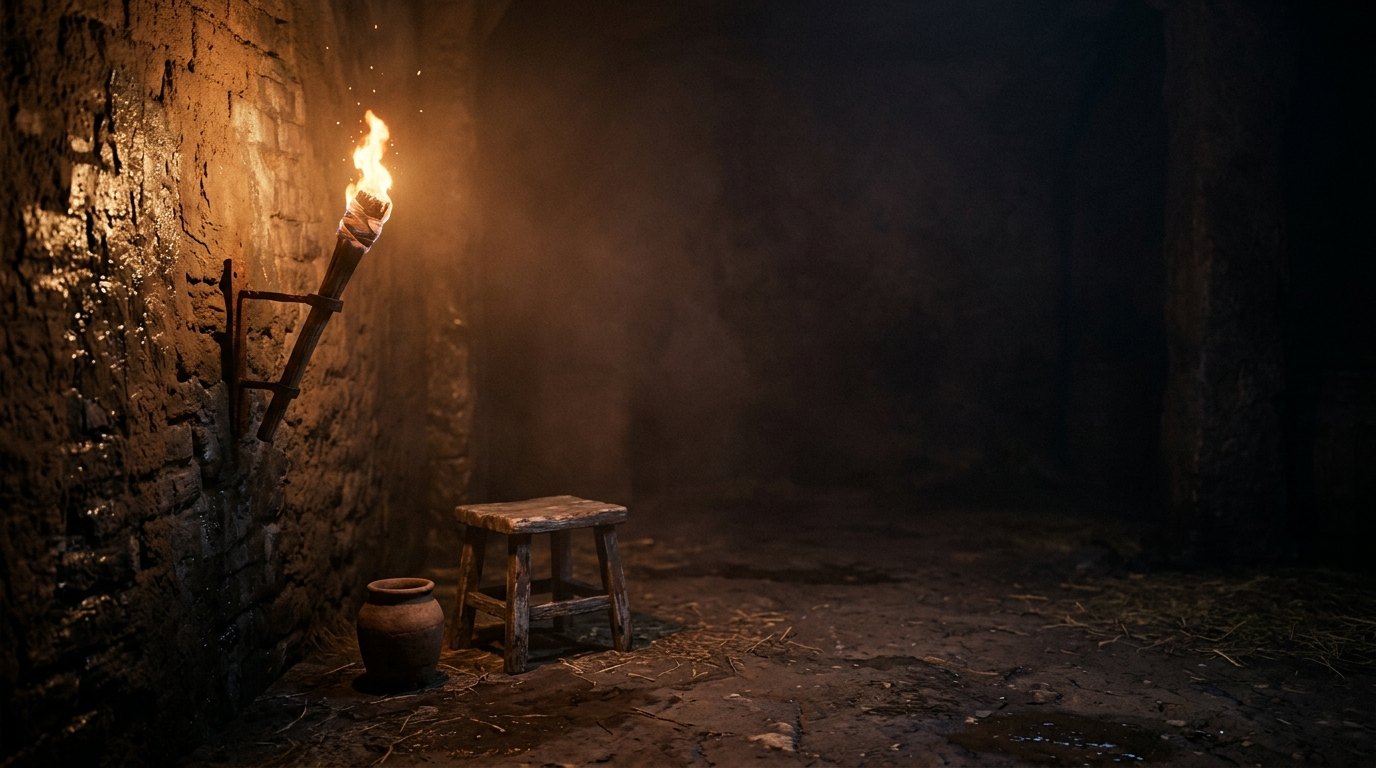
No one is greater in this house than I am. My master has withheld nothing from me except you, because you are his wife. How then could I do such a wicked thing and sin against God?”
Genesis 39:9 (NIV)
It shows Joseph's steadfast holiness in refusing Potiphar's wife, framing sin primarily as an offense against God.
Standing before sudden, sensual temptation, Joseph anchored his life in Genesis 39:9: "There is none greater in this house than I; neither hath he kept back any thing from me but thee, because thou art his wife: how then can I do this great wickedness, and sin against God?" Joseph's exile was governed by the Lord's unseen hand. In Genesis 39:1-6, the Lord was with Joseph, causing everything he touched to prosper so that Potiphar appointed him chief steward over his entire estate, fulfilling the testimony of Acts 7:9-10 that God was with him and delivered him out of all his afflictions. Yet prosperity invited moral assault. When Potiphar's wife persistently solicited his bed, Joseph fled the chamber, surrendering his outer garment in her grip rather than compromise his purity (Genesis 39:7-12).
Spurned, she weaponized the abandoned cloth to fabricate a charge of attempted rape before the servants and her husband (Genesis 39:13-18). Cast into Pharaoh's dungeon, Joseph bore the wrongful shame in patient submission, foreshadowing the righteous suffering commended in 1 Peter 2:19-20, while the Lord granted him favor with the jailer to oversee all inmates (Genesis 39:19-23). In Genesis 40:1-8, Joseph attended Pharaoh's disgraced chief cupbearer and baker, insisting that dream interpretations belong solely to God. He accurately unraveled the cupbearer's restoration to royal office and the baker's imminent execution within three days (Genesis 40:9-19). Every word came to pass on Pharaoh's birthday (Genesis 40:20-23), yet the restored cupbearer forgot his promise, leaving Joseph entombed in prison iron.
| Passage | What it says | Fulfilled |
|---|---|---|
| Genesis 39:1-6 | The Lord is with Joseph, prospering Potiphar's household under his overseer hand. | Acts 7:9-10 |
| Genesis 39:7-12 | Joseph flees Potiphar's wife's repeated enticements to commit adultery, leaving his garment behind. | |
| Genesis 39:19-23 | Falsely accused, Joseph is imprisoned, yet the Lord grants him favor with the prison keeper. | 1 Peter 2:19-20 |
| Genesis 40:1-8 | Joseph attends the imprisoned royal cupbearer and baker, declaring interpretations belong to God alone. | |
| Genesis 40:9-19 | Joseph accurately interprets the cupbearer's restoration and the baker's execution within three days. | |
| Genesis 40:20-23 | Pharaoh restores the cupbearer and hangs the baker as foretold, but the cupbearer forgets Joseph. | |
| Genesis 39:13-18 | Potiphar's wife falsely accuses Joseph before the household servants using his left garment as fabricated evidence. |
Raised to Rule
Exalted from the Dungeon to Save Nations
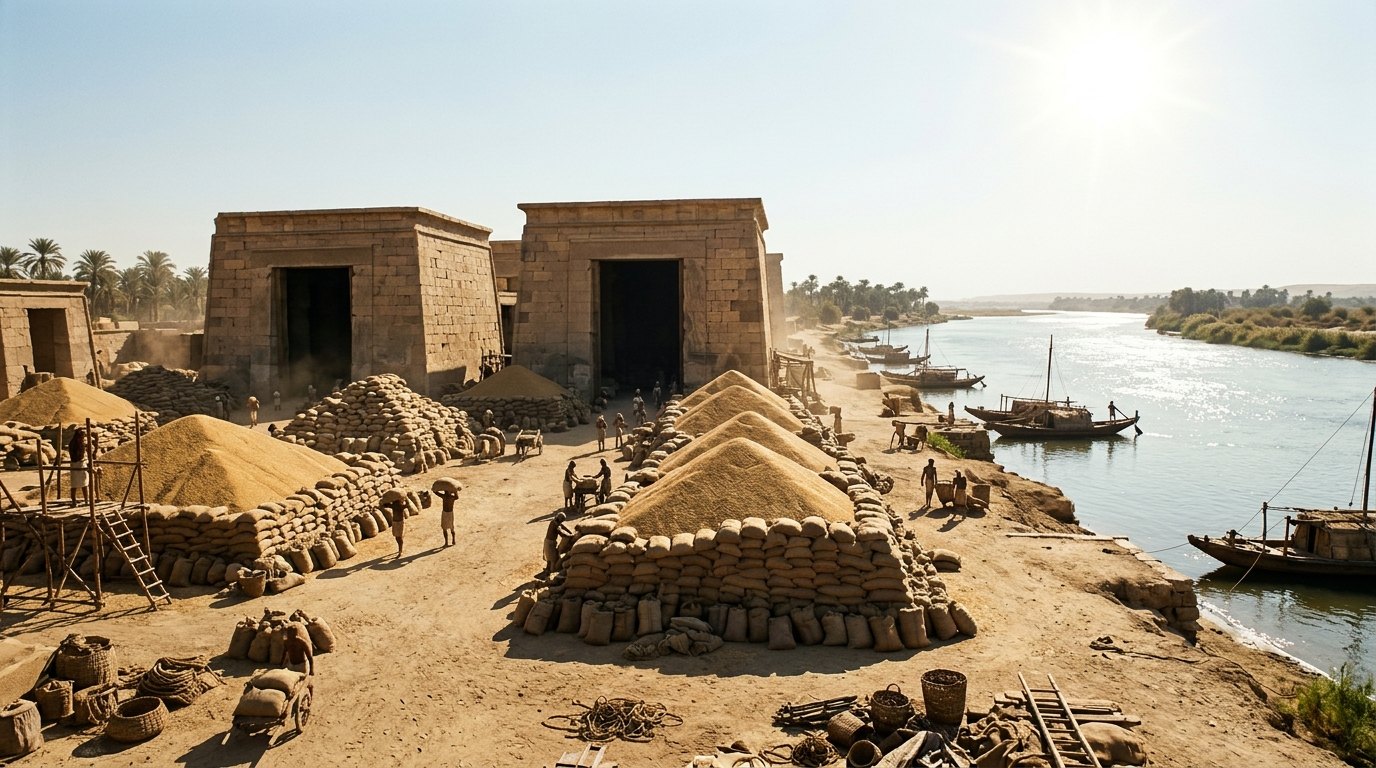
Then Pharaoh said to Joseph, “Since God has made all this known to you, there is no one so discerning and wise as you. You shall be in charge of my palace, and all my people are to submit to your orders. Only with respect to the throne will I be greater than you.”
Genesis 41:39-40 (NIV)
Pharaoh acknowledges God's Spirit in Joseph and elevates a foreign slave to absolute dominion over Egypt.
Elevation arrives when the sovereign God vindicates His servant, declared in Genesis 41:39-40: "And Pharaoh said unto Joseph, Forasmuch as God hath shewed thee all this, there is none so discreet and wise as thou art: Thou shalt be over my house, and according unto thy word shall all my people be ruled." Two full years passed until Pharaoh was shaken by twin dreams of gaunt cows consuming the fat, and withered grain blighting healthy ears, which none of the Nile's sorcerers could decipher (Genesis 41:1-8). The cupbearer finally remembered his neglect, pointing the monarch to the Hebrew youth in the dungeon (Genesis 41:9-13). Shaved and clad in fresh garments, Joseph stood before the throne, confessing that deliverance belongs to God alone (Genesis 41:14-16).
Joseph unveiled the meaning: seven years of harvest followed by seven years of catastrophic famine, urging the immediate appointment of a discerning administrator to store wheat across Egypt (Genesis 41:25-36). Recognizing the divine Spirit in him, Pharaoh invested Joseph with his own signet ring, fine linen, a gold chain, and royal chariot authority (Genesis 41:38-44)—a striking preview of Christ exalted from humiliation to the right hand of supreme authority (Philippians 2:9-11; Acts 7:10). Given Asenath as wife, Joseph fathered Manasseh and Ephraim, naming them for God's power to make him forget his toil and flourish in affliction (Genesis 41:45-52). When the catastrophic famine consumed the known earth, starving nations journeyed to Egypt, where Joseph alone unlocked the granaries to give bread and life to dying peoples (Genesis 41:53-57).
| Passage | What it says | Fulfilled |
|---|---|---|
| Genesis 41:14-16 | Brought from the dungeon, Joseph tells Pharaoh that God, not he, will give Pharaoh an answer of peace. | |
| Genesis 41:25-36 | Joseph reveals seven years of plenty followed by seven of famine, advising storing grain under a wise overseer. | |
| Genesis 41:38-44 | Pharaoh makes Joseph second over Egypt, giving him royal signet, fine linen, gold, and chariot. | Philippians 2:9-11, Acts 7:10 |
| Genesis 41:45-52 | Joseph marries Asenath and fathers Manasseh and Ephraim, celebrating God making him forget his toil. | |
| Genesis 41:53-57 | Global famine strikes, and all countries come to Joseph in Egypt to purchase lifesaving grain. | |
| Genesis 41:1-8 | Pharaoh dreams of cows and grain, troubling his spirit when none of Egypt's magicians can interpret them. | |
| Genesis 41:9-13 | The chief cupbearer confesses his fault and remembers Joseph's interpretation of dreams while imprisoned. |
Reconciliation and Preservation
Revealed to Brothers and Delivering the Covenant Seed
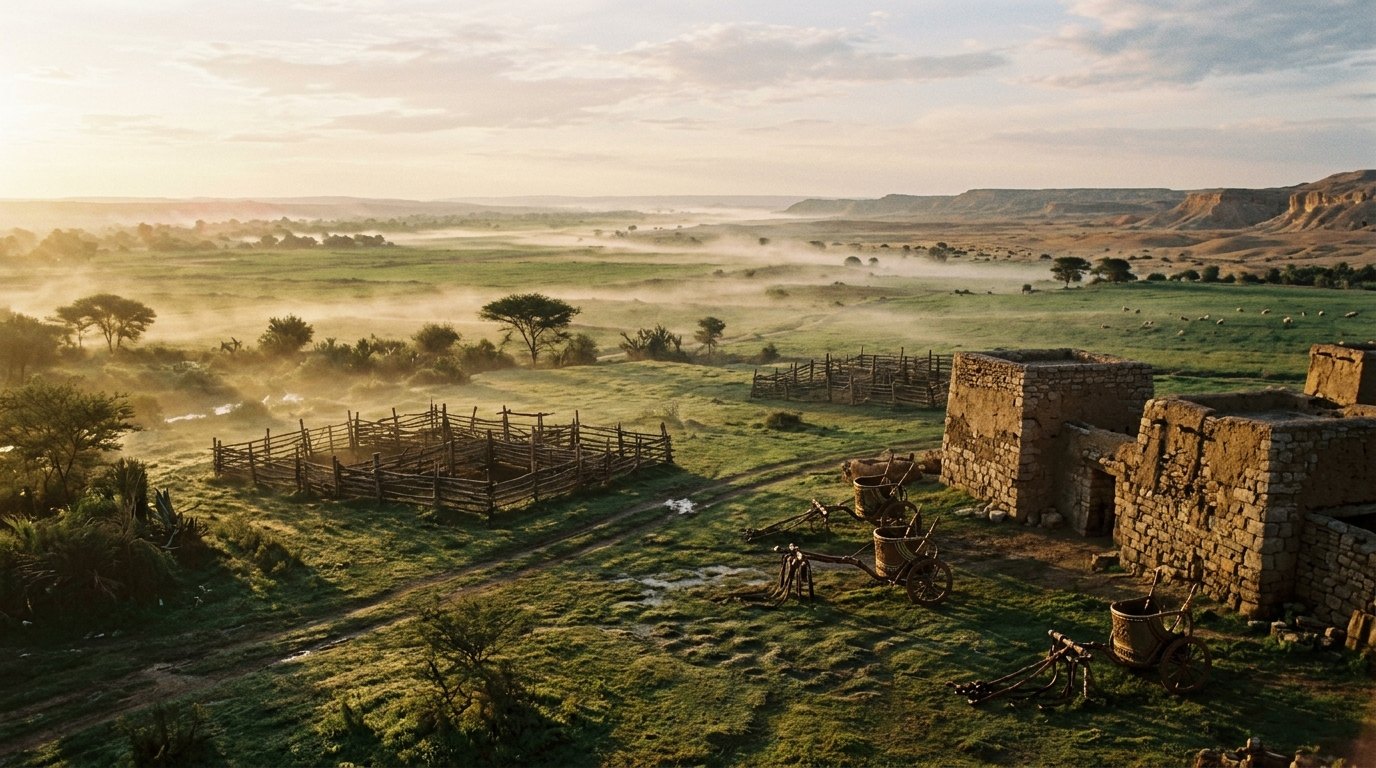
And now, do not be distressed and do not be angry with yourselves for selling me here, because it was to save lives that God sent me ahead of you.
Genesis 45:5 (NIV)
Joseph articulates divine providence, showing that his betrayal was God's advance mission to preserve life.
When Joseph comforts his terrified brothers in Genesis 45:5, God's sovereign hand overrules human malice to preserve covenant life. The dramatic journey began when famine forced Jacob to send his ten sons to Egypt to purchase grain (Genesis 42:1-5). Arriving before the royal vizier, the brothers bowed face down to the earth (Genesis 42:6-9), unconsciously fulfilling Joseph's early boyhood sheaves dream recorded in Genesis 37:7. Joseph recognized them immediately, but chose to test their character by treating them as spies and requiring Benjamin's presence. Stricken with conscience, the brothers confessed among themselves their past guilt regarding Joseph's cries (Genesis 42:21-25), moving Joseph to weep secretly before binding Simeon as a hostage.
Returning with Benjamin, the brothers were invited into Joseph's banquet house where he lavished a fivefold portion upon his youngest brother (Genesis 43:26-34). A final crucible occurred when Joseph ordered his silver cup hidden in Benjamin's sack (Genesis 44:1-12). When the cup was discovered and Benjamin faced enslavement, Judah stepped forward to plead for his brother's freedom, offering his own life as a perpetual bondsman in Benjamin's place (Genesis 44:33-34). Overcome by Judah's selfless repentance, Joseph broke down in loud weeping and disclosed his identity (Genesis 45:1-8), which Stephen later highlighted in Acts 7:13 as the moment Joseph became known to his household. Joseph embraced Benjamin and kissed all his brothers, bidding them bring Jacob to Goshen (Genesis 45:9-15).
At Beersheba, the Lord spoke to Jacob in night visions, commanding him not to fear going down to Egypt, for God would make him a great nation there (Genesis 46:1-4). Joseph prepared his chariot, met Jacob in Goshen, and wept on his father's neck for a long time (Genesis 46:28-30). Settling his family in the fertile region of Rameses (Genesis 47:1-6, 11-12), Joseph sustained them with bread while wisely stewarding Egypt's grain reserves, purchasing livestock and land for Pharaoh (Genesis 47:13-26). As Jacob neared death, he summoned Joseph and bound him with an oath to bury his body back in the family tomb in Canaan (Genesis 47:27-31).
| Passage | What it says | Fulfilled |
|---|---|---|
| Genesis 42:6-9 | The brothers bow before unrecognized Joseph, fulfilling his boyhood dreams as he tests their honesty. | Genesis 37:7 |
| Genesis 44:33-34 | Judah offers himself as a slave in Benjamin's place, proving genuine transformation in the brothers. | |
| Genesis 45:1-8 | Weeping, Joseph reveals his identity and declares God sent him ahead to preserve a remnant. | Acts 7:13 |
| Genesis 46:1-4 | God encourages Jacob at Beersheba to go to Egypt, promising to make him a great nation there. | |
| Genesis 47:11-12 | Joseph settles his father and brothers in the choice land of Goshen, providing bread for all their households. | |
| Genesis 42:1-5 | Jacob sends ten of his sons down to Egypt to buy grain during the severe famine. | |
| Genesis 42:21-25 | The brothers confess their guilt regarding Joseph, who weeps in secret and binds Simeon as hostage. | |
| Genesis 43:26-34 | Joseph receives his brothers at dinner, giving Benjamin five times larger portions while concealing his identity. | |
| Genesis 44:1-12 | Joseph plants his silver divination cup inside Benjamin's sack to test his brothers' loyalty and repentance. | |
| Genesis 45:9-15 | Joseph urges his brothers to bring Jacob to Egypt and weeping embraces Benjamin and all his brothers. | |
| Genesis 46:28-30 | Joseph rides in his chariot to Goshen and embraces his father Jacob, weeping on his neck. | |
| Genesis 47:1-6 | Joseph presents his brothers and father before Pharaoh, who settles them safely in the land of Goshen. | |
| Genesis 47:13-26 | Joseph administers Egypt's grain supply, acquiring the people's livestock, land, and service for Pharaoh's crown. | |
| Genesis 47:27-31 | Jacob secures a solemn oath from Joseph to bury him not in Egypt but in Canaan with his fathers. |
Sovereign Grace and Hope
Evil Turned to Good and Faith in the Promise
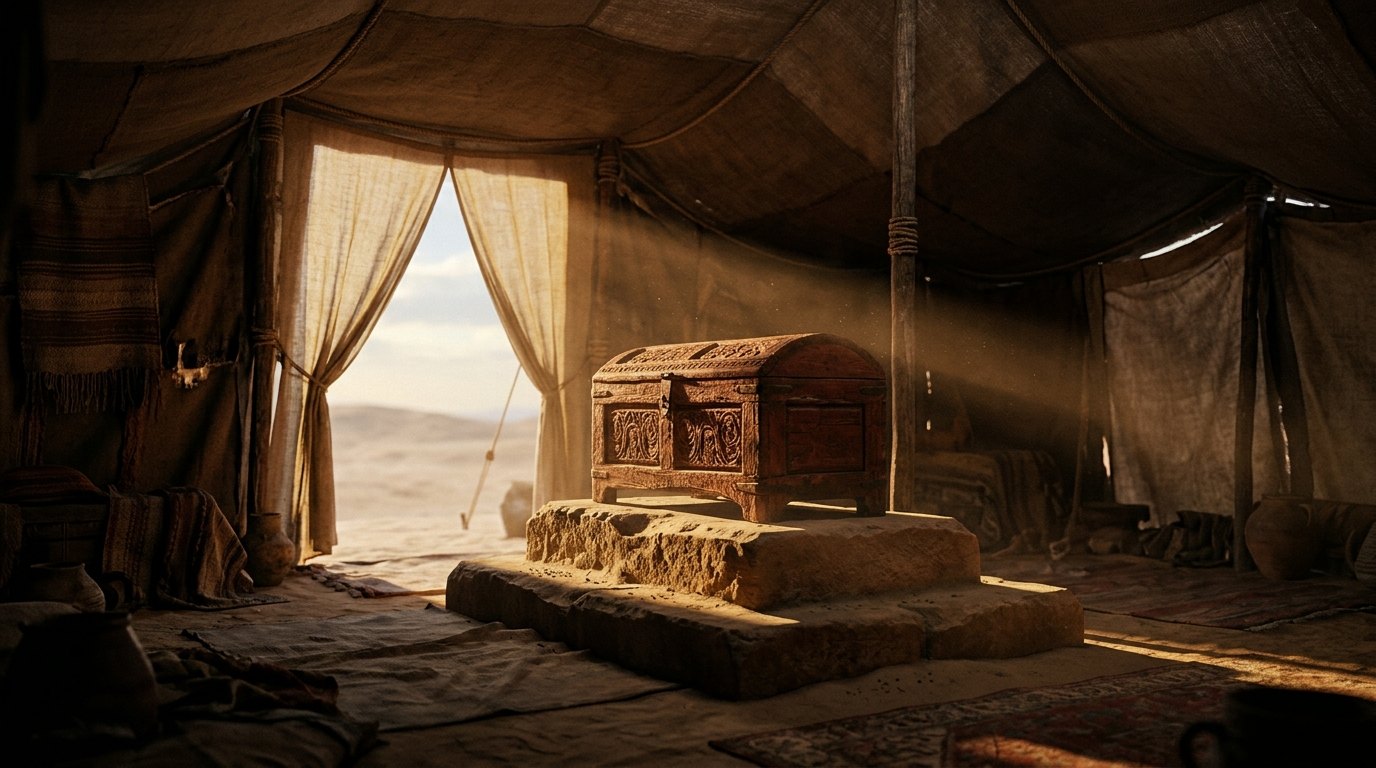
You intended to harm me, but God intended it for good to accomplish what is now being done, the saving of many lives.
Genesis 50:20 (NIV)
It provides the definitive biblical principle of sovereignty, where human malice is used by God for redemption.
Standing before his brothers after Jacob's death, Joseph articulated the bedrock truth of biblical providence in Genesis 50:20: what human wickedness devised for harm, God intended for redemptive blessing. The closing chapters of Genesis frame this quiet triumph of faith. Prior to his passing, the patriarch Jacob formally adopted Joseph's sons, Ephraim and Manasseh, ensuring Joseph received the double portion of the firstborn inheritance in Israel (Genesis 48:1-5). When Jacob laid his hands on the boys, he crossed his arms deliberately, placing his right hand on the younger Ephraim, prophetically declaring that the younger brother would become greater (Genesis 48:13-20).
In his final patriarchal poetry, Jacob blessed Joseph as a fruitful vine planted beside a spring, whose branches climb over the wall despite the archers who fiercely attacked him (Genesis 49:22-26). Jacob was sustained by the Hands of the Mighty One of Jacob, the Shepherd and Stone of Israel. Following Jacob's peaceful death, Joseph directed the Egyptian physicians to embalm his father, leading a massive cortege of Egyptian elders, chariots, and horsemen up to the cave of Machpelah in Canaan to bury Jacob according to his solemn oath (Genesis 50:1-14).
Upon returning to Egypt, the brothers feared Joseph would finally retaliate for their betrayal. Instead, Joseph spoke kindly to their hearts, providing for them and their children (Genesis 50:15-21). Reaching one hundred and ten years of age, Joseph witnessed his descendants to the third generation. On his deathbed, Joseph made the sons of Israel swear an oath: when God surely visited them to bring them to the Promised Land, they must carry his bones out of Egypt (Genesis 50:24-26). This dying declaration of future redemption is celebrated in Hebrews 11:22 as an enduring monument of unshakable faith in God's covenant promises.
| Passage | What it says |
|---|---|
| Genesis 48:13-20 | Jacob blesses Joseph's sons, crossing his hands to place the greater blessing upon the younger, Ephraim. |
| Genesis 49:22-26 | Jacob blesses Joseph as a fruitful bough, strengthened by the Mighty God of Jacob against archers' attacks. |
| Genesis 50:15-21 | After Jacob dies, Joseph reassures terrified brothers that what they meant for evil, God meant for good. |
| Genesis 50:24-26 | Dying at 110, Joseph makes Israel swear to carry his bones to the Promised Land at the Exodus. |
| Hebrews 11:22 | Scripture honors Joseph's faith when he mentioned the departure of Israel and gave orders concerning his bones. |
| Genesis 48:1-5 | Jacob adopts Joseph's two Egyptian sons, Ephraim and Manasseh, giving them equal inheritance among Israel's tribes. |
| Genesis 50:1-14 | Joseph commands Egyptian physicians to embalm Jacob and escorts his father's body to Canaan for burial at Machpelah. |
Enduring Legacy Across Scripture
From Egypt's Graves to the Promised Land and Beyond
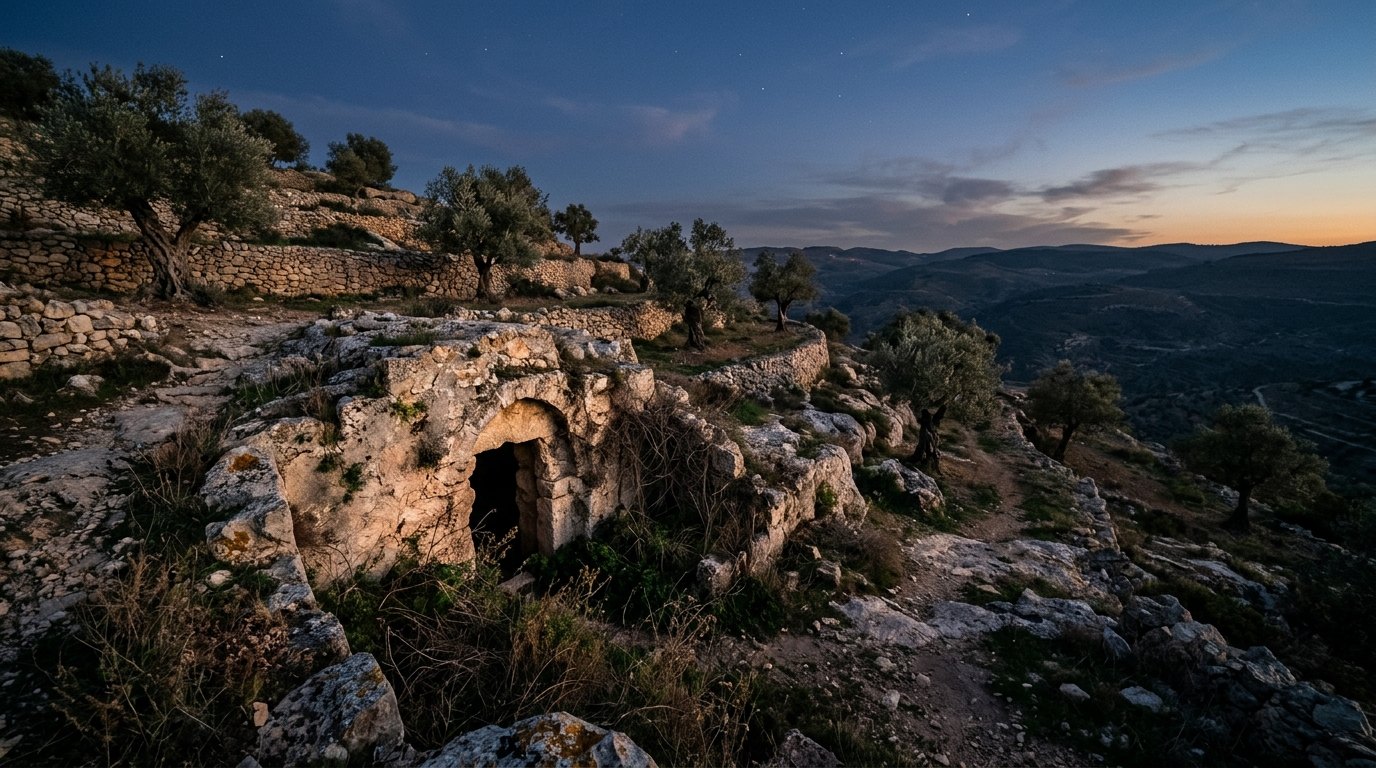
“Because the patriarchs were jealous of Joseph, they sold him as a slave into Egypt. But God was with him and rescued him from all his troubles. He gave Joseph wisdom and enabled him to gain the goodwill of Pharaoh king of Egypt. So Pharaoh made him ruler over Egypt and all his palace.
Acts 7:9-10 (NIV)
Stephen summarizes the heart of Joseph's story: rejected by brothers out of jealousy, but delivered and exalted because God was with him.
In Acts 7:9-10, the deacon Stephen summarized the foundational arc of Joseph's life: though betrayed by envious brothers, God was with him and rescued him from every affliction. This divine presence carried Joseph's legacy through centuries of redemptive history. When God brought Israel out of bondage four centuries later, Moses remembered the patriarchal oath and took Joseph's bones with him out of Egypt (Exodus 13:19). Generations later, when the tribes conquered the Promised Land, Joshua buried Joseph's bones at Shechem in the very parcel of land Jacob had bought from the sons of Hamor (Joshua 24:32).
The historic transition of the birthright was also tied to Joseph; because Reuben defiled his father's bed, the firstborn inheritance passed directly to Joseph's sons, Manasseh and Ephraim (1 Chronicles 5:1-2). Israel's poetic worship continually celebrated Joseph's deliverances. The psalmist sang of Joseph, sold as a slave whose feet were hurt with fetters, until the word of the Lord tested him and Pharaoh made him ruler over his possessions (Psalms 105:16-22). Asaph prayed to the Shepherd of Israel who leads Joseph like a flock (Psalms 80:1), commemorating how God redeemed the sons of Jacob and Joseph by His mighty arm (Psalms 77:15) and set a decree in Joseph against Egypt (Psalms 81:5).
In the prophets, the name of Joseph frequently designates the northern tribes and the preserved remnant. Amos urged the house of Joseph to seek the Lord and establish justice at the gate (Amos 5:6, 15), while sharply rebuking those who lived in luxury without grieving over the affliction of Joseph (Amos 6:6). Obadiah announced that the house of Joseph would be a consuming flame in final judgment (Obadiah 1:18), and Zechariah promised that God would strengthen Judah and save the house of Joseph in restored grace (Zechariah 10:6). Ultimately, in the heavenly vision of the redeemed, twelve thousand are sealed from the tribe of Joseph (Revelation 7:8), completing the unbroken thread of divine faithfulness.
| Passage | What it says |
|---|---|
| Exodus 13:19 | Moses takes Joseph's bones out of Egypt in exact fulfillment of the oath Joseph made Israel swear. |
| Joshua 24:32 | Israel buries the bones of Joseph at Shechem in the plot of ground purchased by Jacob. |
| Psalms 105:16-22 | The psalmist sings of Joseph sent ahead into Egypt, tested by God's word, and made master of Pharaoh's house. |
| Acts 7:9-16 | Stephen recites Joseph's life before the Sanhedrin as patriarch delivered by God from affliction and exalted before Pharaoh. |
| 1 Chronicles 5:1-2 | States Reuben forfeited his birthright due to sin and it was given to the sons of Joseph, establishing his double portion. |
| Psalms 77:15 | Memorializes God's redemption of His covenant people through the descendants of Jacob and Joseph. |
| Psalms 80:1 | Addresses the Shepherd of Israel who leads Joseph like a flock between the cherubim. |
| Psalms 81:5 | Identifies the divine statute established in Joseph when God went out over the land of Egypt. |
| Amos 5:6 | Warns the house of Joseph to seek the Lord and live, lest fire devour Bethel. |
| Amos 5:15 | Pleads for justice in the gate, trusting the Lord God of hosts may be gracious to the remnant of Joseph. |
| Amos 6:6 | Rebukes the self-indulgent leaders who are not grieved over the ruin and affliction of Joseph. |
| Obadiah 1:18 | Prophesies that the house of Jacob shall be a fire and the house of Joseph a flame against Esau. |
| Zechariah 10:6 | Promises the Lord will strengthen the house of Judah and save the house of Joseph in restoration. |
| Revelation 7:8 | Lists twelve thousand sealed from the tribe of Joseph among the servants of God. |
Where in the Bible
| Book | Passages |
|---|---|
| Genesis | 46 · Genesis 30:22-24, Genesis 37:2, Genesis 37:3, Genesis 37:4, Genesis 33:1-7, Genesis 35:23-26, Genesis 37:5-8, Genesis 37:9-11, Genesis 37:18-20, Genesis 37:23-28, Genesis 37:31-36, Genesis 37:12-17, Genesis 39:1-6, Genesis 39:7-12, Genesis 39:19-23, Genesis 40:1-8, Genesis 40:9-19, Genesis 40:20-23, Genesis 39:13-18, Genesis 41:14-16, Genesis 41:25-36, Genesis 41:38-44, Genesis 41:45-52, Genesis 41:53-57, Genesis 41:1-8, Genesis 41:9-13, Genesis 42:6-9, Genesis 44:33-34, Genesis 45:1-8, Genesis 46:1-4, Genesis 47:11-12, Genesis 42:1-5, Genesis 42:21-25, Genesis 43:26-34, Genesis 44:1-12, Genesis 45:9-15, Genesis 46:28-30, Genesis 47:1-6, Genesis 47:13-26, Genesis 47:27-31, Genesis 48:13-20, Genesis 49:22-26, Genesis 50:15-21, Genesis 50:24-26, Genesis 48:1-5, Genesis 50:1-14 |
| Exodus | 1 · Exodus 13:19 |
| Joshua | 1 · Joshua 24:32 |
| 1 Chronicles | 1 · 1 Chronicles 5:1-2 |
| Psalms | 4 · Psalms 105:16-22, Psalms 77:15, Psalms 80:1, Psalms 81:5 |
| Amos | 3 · Amos 5:6, Amos 5:15, Amos 6:6 |
| Obadiah | 1 · Obadiah 1:18 |
| Zechariah | 1 · Zechariah 10:6 |
| Acts | 1 · Acts 7:9-16 |
| Hebrews | 1 · Hebrews 11:22 |
| Revelation | 1 · Revelation 7:8 |
The story in order
- Joseph born to Jacob and Rachel (c. 1837 BC) · Genesis 30:22-24 · God remembers Rachel, granting her a son, Joseph.
- Joseph's dreams of future rule (c. 1820 BC) · Genesis 37:5-11 · Joseph's dreams reveal his future dominion over his family.
- Brothers sell Joseph into slavery (c. 1820 BC) · Genesis 37:23-28 · Betrayed by his brothers, Joseph is sold to Midianites.
- Joseph in Potiphar's house (c. 1815 BC) · Genesis 39:1-6 · The Lord blesses Joseph, making him overseer of Potiphar's household.
- Joseph falsely accused and imprisoned (c. 1814 BC) · Genesis 39:19-23 · Falsely accused, Joseph finds favor with the prison keeper.
- Joseph interprets dreams in prison (c. 1812 BC) · Genesis 40:1-19 · Joseph accurately interprets the dreams of the cupbearer and baker.
- Pharaoh's dreams and Joseph's interpretation (c. 1810 BC) · Genesis 41:1-36 · Joseph interprets Pharaoh's dreams, foretelling famine.
- Joseph exalted to ruler of Egypt (c. 1810 BC) · Genesis 41:38-44 · Pharaoh appoints Joseph second-in-command over all Egypt.
- Joseph's brothers come to Egypt (c. 1805 BC) · Genesis 42:1-5 · Famine drives Jacob's sons to seek grain from Joseph.
- Joseph reveals himself to his brothers (c. 1805 BC) · Genesis 45:1-8 · Joseph declares God sent him to preserve life.
- Jacob and his family settle in Goshen (c. 1805 BC) · Genesis 47:1-6 · Joseph settles his father and brothers in the land of Goshen.
- Jacob blesses Joseph's sons (c. 1793 BC) · Genesis 48:13-20 · Jacob blesses Ephraim and Manasseh, giving them a double portion.
- Joseph reassures his brothers (c. 1782 BC) · Genesis 50:15-21 · Joseph affirms God turned their evil intentions into good.
- Joseph's bones taken from Egypt (c. 1446 BC) · Exodus 13:19 · Moses fulfills Joseph's dying wish, taking his bones at the Exodus.
Key words
- Sovereignty (אֱלֹהִים (Elohim))
- God's supreme authority and control over all things. · Genesis 50:20
- Favor (חֵן (chen))
- God's special regard and blessing shown to individuals. · Genesis 39:4
- Integrity (תָּם (tam))
- Moral uprightness and honesty, especially in difficult circumstances. · Genesis 39:6
- Famine (רָעָב (ra'av))
- A severe shortage of food, often caused by drought or disaster. · Genesis 41:54
- Remnant (שְׁאֵרִית (she'erit))
- A small surviving group of people after a disaster or judgment. · Genesis 45:7
- Reconciliation (וְשָׁב (vashav))
- The process of restoring friendly relations after conflict or betrayal. · Genesis 45:15
Joseph's life testifies that no pit is beyond God's presence and no human scheme can thwart His covenant promises. In his suffering, exaltation, and costly forgiveness, Joseph ultimately points us to Jesus Christ, who was rejected by His own, crucified, and raised to save the world.
61 passages, each cited once.
Scripture cited
- Genesis 50:15-21
- Genesis 37:1-36
- Genesis 39:1-23
- Genesis 41:14-49
- Genesis 45:1-15
- Genesis 50:22-26
- Genesis 30:22-24
- Genesis 41:50-52