Why do good people die young?
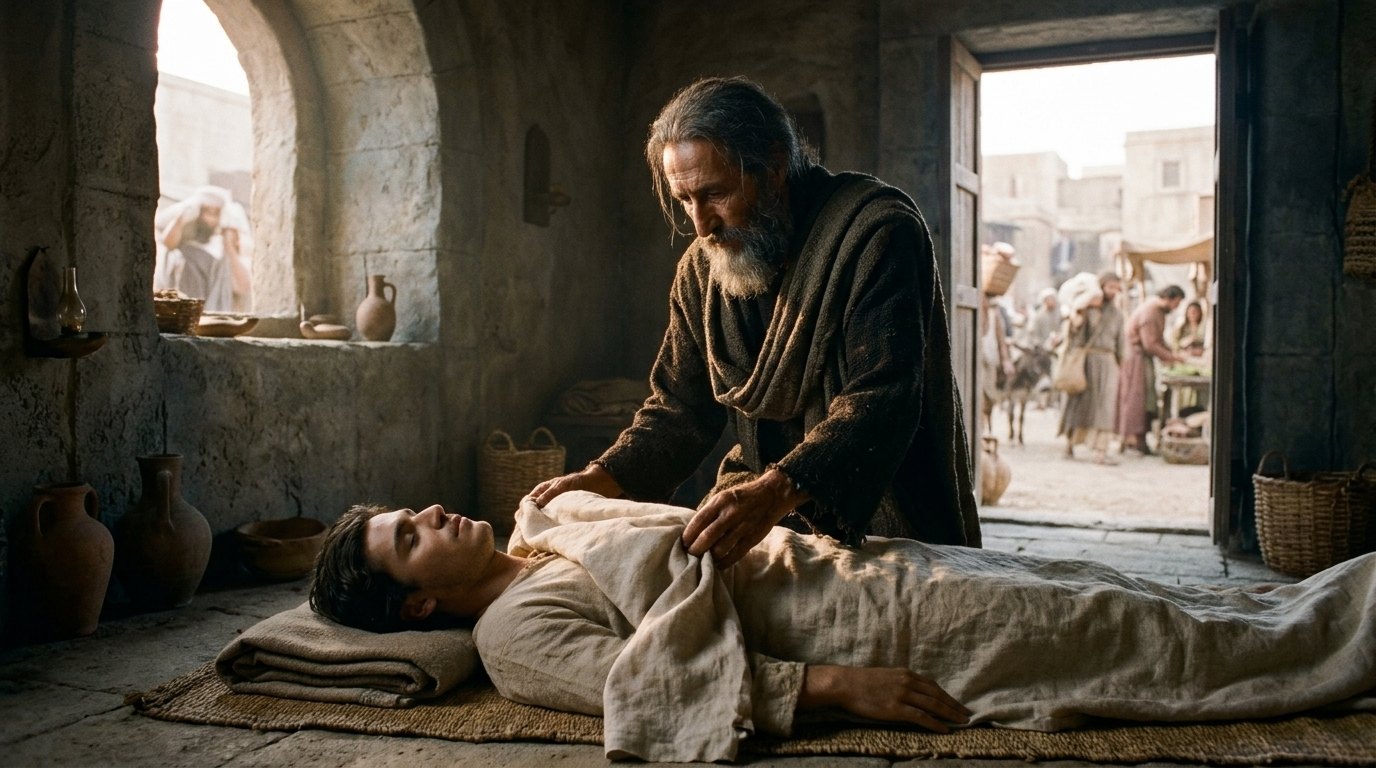
Isaiah 57:1-2
1 The righteous perish, and no one takes it to heart; the devout are taken away, and no one understands that the righteous are taken away to be spared from evil.
2 Those who walk uprightly enter into peace; they find rest as they lie in death.
New International Version (NIV)
The answer
Good people die young because death still belongs to a world corrupted by sin, not because a short life proves secret guilt. Scripture also reveals a purpose that is easily missed: God sometimes takes the righteous away before coming evil, in mercy, and brings them into peace (Isaiah 57:1-2).
Death is not a simple reward-and-punishment scale
Ecclesiastes 7:15 faces the painful reality directly: “there is a righteous man who perishes in his righteousness, and there is a wicked man who lives long in his evildoing.” Death entered the world through sin and passed to all humanity (Romans 5:12), while creation remains subjected to decay and groaning until God delivers it (Romans 8:20-22). Human goodness does not exempt anyone from that shared condition.
Nor does an early death, by itself, demonstrate that someone was especially sinful. Jesus rejected the assumption that people killed in two tragedies were worse offenders than others, and instead called every hearer to repentance (Luke 13:1-5). The length of a life cannot be used by itself to measure a person’s character or standing with God.
One mercy people often overlook
Isaiah 57:1 says, “The righteous perish, and no one lays it to heart.” People see the loss but fail to consider God’s purpose: “the righteous is taken away from the evil.” Isaiah 57:2 then says of the upright person, “He enters into peace.”
This does not explain every early death, but it reveals one genuine purpose in some deaths: God removes His servant before suffering or judgment arrives, and the apparent loss is actually an entrance into peace. God gave King Josiah precisely this assurance—that he would go to his grave in peace and would not see the evil God was bringing upon the land (2 Kings 22:20).
God is not indifferent to such loss. Psalm 116:15 declares, “Precious in Yahweh’s sight is the death of his saints.” What others fail to consider, God sees and values.
Hope rests on Christ, not on a long life
For those who belong to Christ, death is neither annihilation nor abandonment. Because Jesus died and rose again, those who have fallen asleep in Jesus will rise when He returns and will be with the Lord forever (1 Thessalonians 4:13-18). Jesus declares, “I am the resurrection and the life. He who believes in me will still live, even if he dies” (John 11:25).
That hope rests on Christ’s death and resurrection, not on human merit. It does not forbid grief, but it makes grief different from hopeless despair: the separation is real, yet for those in Christ it is temporary.
Answered from Scripture · reviewed November 11, 2026
When a godly person dies young, grief is frequently accompanied by bewilderment, yet Scripture insists that the span of earthly years is never a scoreboard of righteousness. In a fallen world where death touches all people, God sometimes exercises a hidden mercy by taking the upright into peace before overwhelming calamities strike. Believers mourn with genuine sorrow, but never with hopeless despair, knowing that death for those in Christ is an entrance into his eternal presence.
The Fallen World
Life in a groaning creation touches everyone
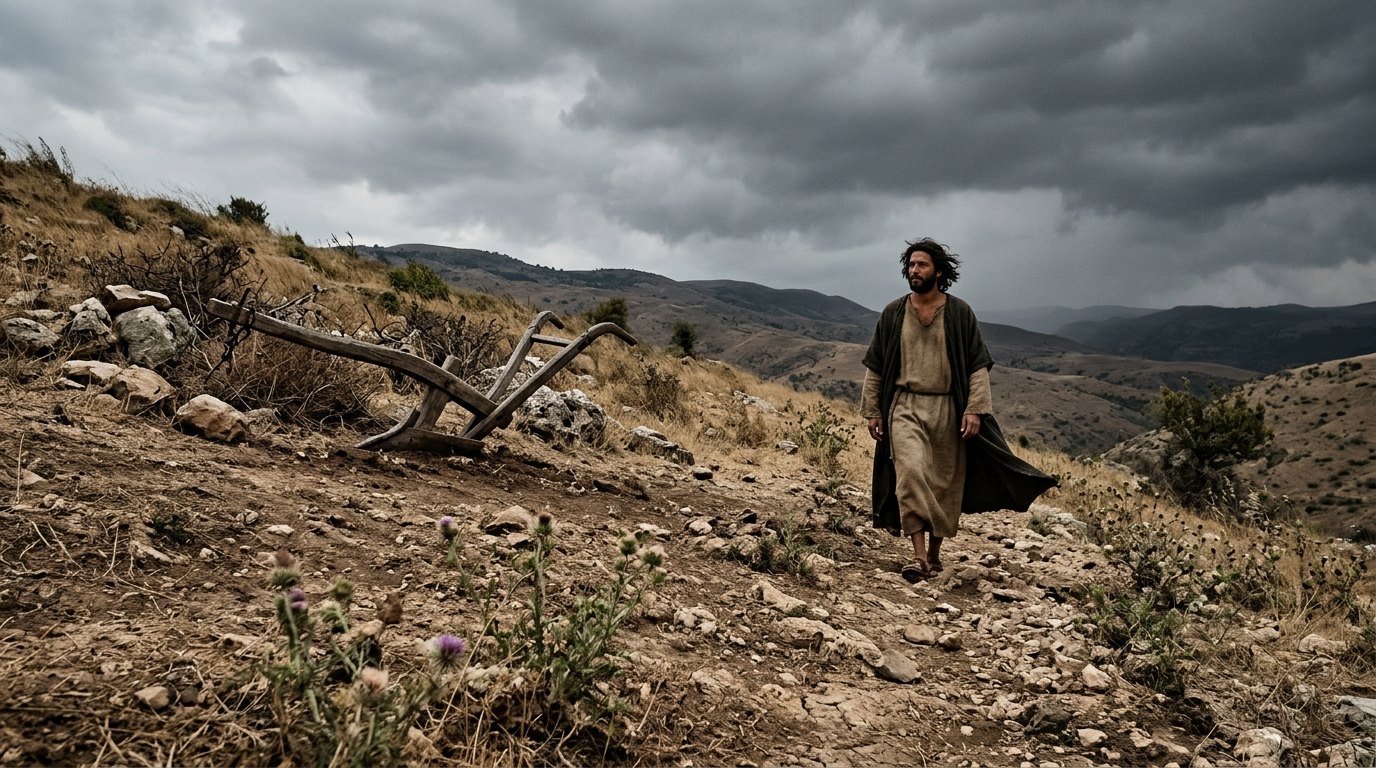
In this meaningless life of mine I have seen both of these: the righteous perishing in their righteousness, and the wicked living long in their wickedness.
Ecclesiastes 7:15 (NIV)
It shatters the simplistic assumption that righteousness always brings an earthly long life or that wickedness cuts one off early.
The Preacher confronts our neat assumptions in Ecclesiastes 7:15, remarking, "there is a righteous man who perishes in his righteousness, and there is a wicked man who prolongs his life in his evildoing." We often expect temporal life to operate on an immediate moral balance sheet, yet Scripture reveals that we inhabit a world fractured from its foundations. When our first parents rebelled, God announced that physical decay was now woven into mortal history: dust to dust (Genesis 3:19). Death entered through sin and spread indiscriminately to every generation (Romans 5:12).
Because the curse rests upon the terrestrial order, Ecclesiastes 9:2 observes that one event happens to the righteous and to the wicked alike. The rain falls on the just and unjust, and deadly disease or sudden catastrophe strike without inquiring into a victim's spiritual pedigree. Paul reminds us that creation was subjected to futility (Romans 8:20) and groans under labor pains (Romans 8:22). Godly men and women are not magically insulated from the frailties of physical nature. When a young believer dies, their departure is not an indictment against their devotion, but an ache belonging to a creation awaiting full redemption.
| Passage | What it says |
|---|---|
| Genesis 3:19 | God declares that death returns all dust to dust following the fall into sin. |
| Romans 5:12 | Sin entered the world through one man, and death spread to all men because all sinned. |
| Romans 8:20 | Creation was subjected to vanity and futility, not willingly, but in hope of redemption. |
| Romans 8:22 | The whole creation groans and suffers the pains of childbirth together until now. |
| Ecclesiastes 7:15 | The Preacher observes righteous people perishing in righteousness while wicked people prolong their lives in evildoing. |
| Ecclesiastes 9:2 | One event happens to the righteous and to the wicked, to the clean and to the unclean. |
Tragedy and Guilt
Early death is not proof of greater sin
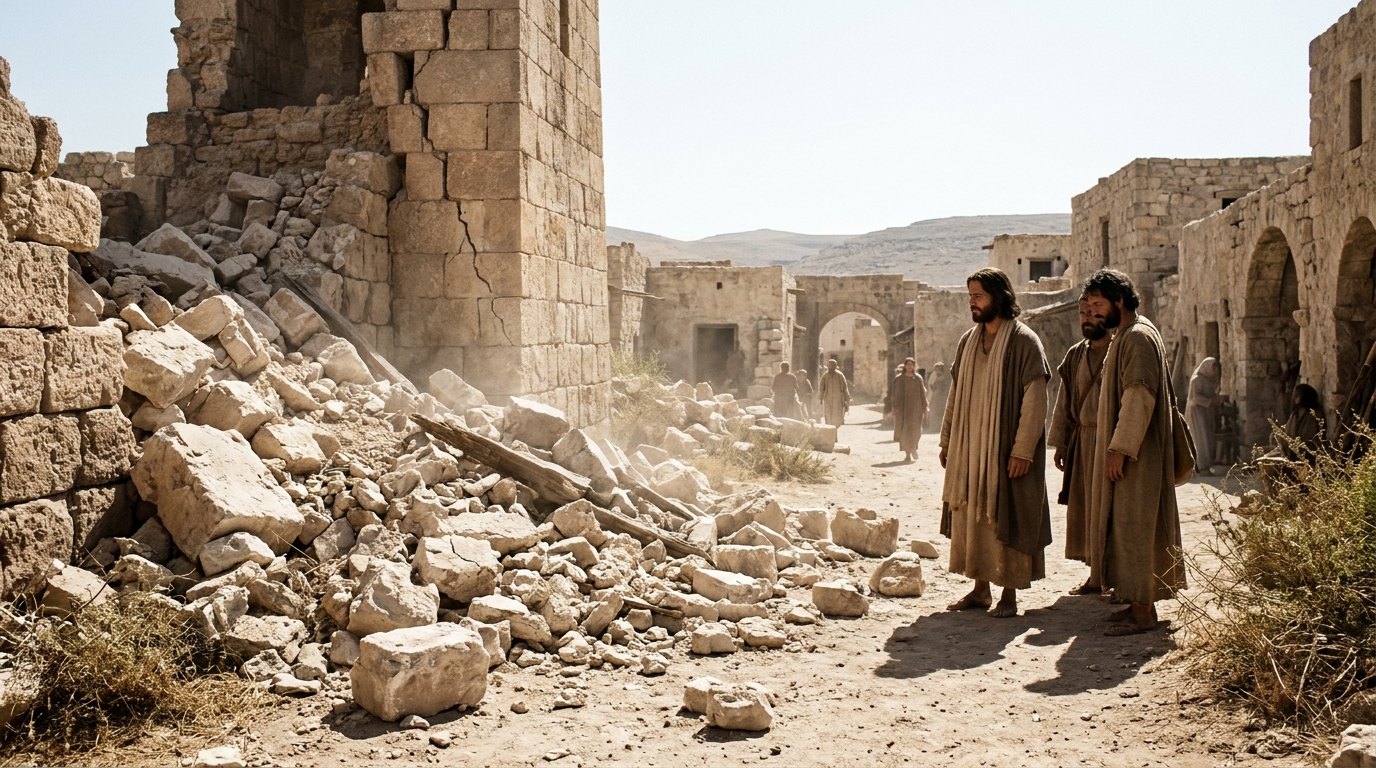
Or those eighteen who died when the tower in Siloam fell on them—do you think they were more guilty than all the others living in Jerusalem?
Luke 13:4 (NIV)
Jesus explicitly refutes the idea that sudden or untimely calamity signifies exceptional personal guilt.
When unexpected disaster snuffs out young lives, human instinct seeks a hidden transgression to explain it. Jesus dismantled this impulse when addressing the tragedy of the eighteen crushed under a falling structure: "Do you think that they were worse offenders than all the others who lived in Jerusalem? No, I tell you; but unless you repent, you will all likewise perish" (Luke 13:4-5). Calamity is not a diagnostic tool for measuring relative personal guilt. Christ drove the same lesson home regarding the Galileans slain by Pilate (Luke 13:1-3).
This false equation is ancient. Job's companions insisted that the upright do not perish early (Job 4:7), an arrogant premise for which the Lord severely rebuked them (Job 42:7). Even Jesus' disciples succumbed to the error when asking whether a blind man or his parents had sinned to cause his affliction (John 9:2). Christ answered plainly that neither had, but that the works of God might be displayed (John 9:3). An early grave does not testify to divine displeasure or exceptional guilt; it calls the living to remember their own fragility and flee to Christ.
| Passage | What it says |
|---|---|
| Job 4:7 | Eliphaz wrongly asserts that the innocent never perish and that the upright are never cut off. |
| Job 42:7 | The Lord rebukes Job's friends for failing to speak what is right concerning his trials. |
| Luke 13:1 | Some report to Jesus about the Galileans whose blood Pilate mingled with their sacrifices. |
| Luke 13:2 | Jesus asks whether these Galileans were worse sinners than all other Galileans because they suffered so. |
| Luke 13:3 | Jesus warns that unless his hearers repent, they will all likewise perish. |
| Luke 13:4 | Jesus points to eighteen people killed by the falling tower in Siloam, denying they were worse offenders. |
| Luke 13:5 | Jesus repeats the urgent universal call that unless one repents, all will likewise perish. |
| John 9:2 | Disciples ask Jesus whether a man was born blind because of his own sin or his parents'. |
| John 9:3 | Jesus answers that neither this man nor his parents sinned, but that God's works should be displayed. |
Mercy in Removal
God spares the righteous from coming calamity
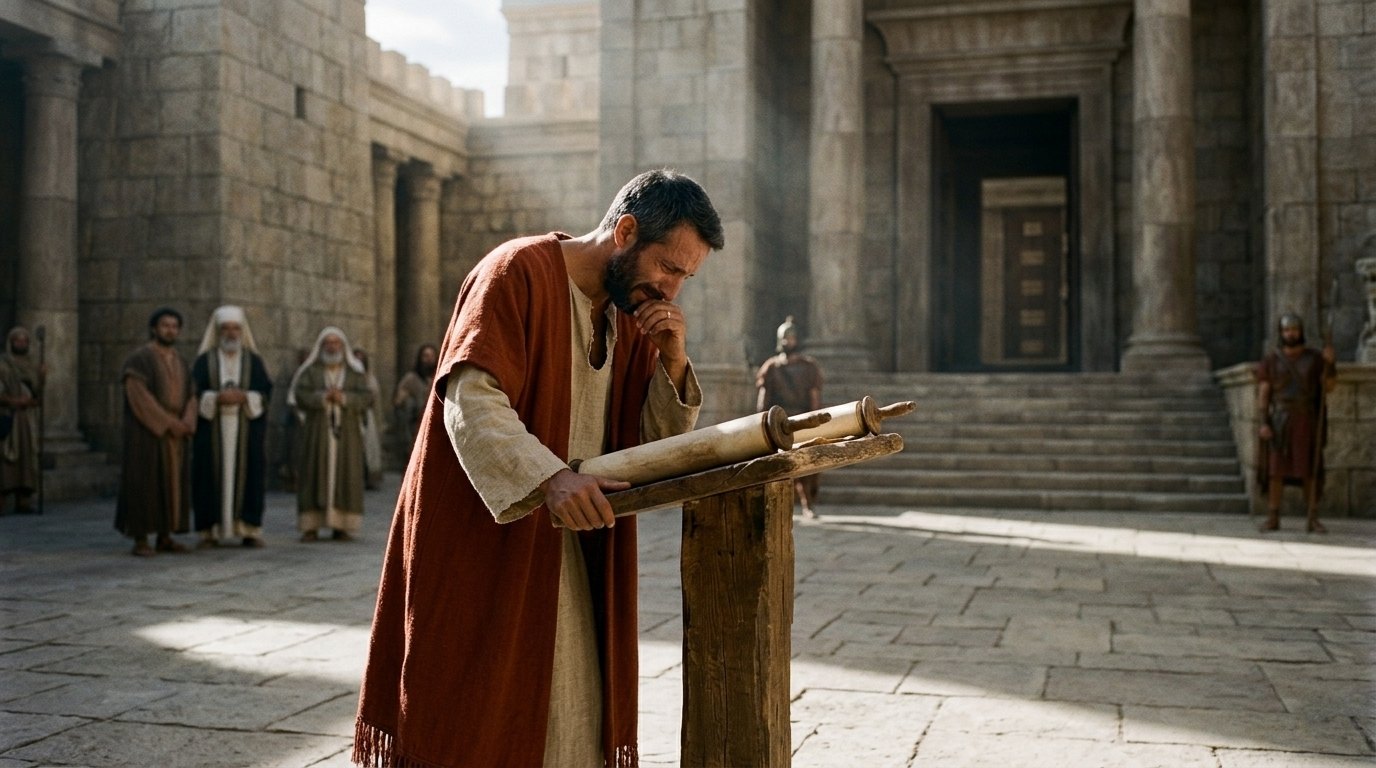
The righteous perish, and no one takes it to heart; the devout are taken away, and no one understands that the righteous are taken away to be spared from evil.
Isaiah 57:1 (NIV)
It unveils God's hidden purpose of taking the righteous away to protect them from arriving disasters.
Scripture reveals an arresting paradox: what appears on earth as an untimely departure can be an act of sovereign protection. In Isaiah 57:1, the prophet laments, "The righteous man perishes, and no one lays it to heart; devout men are taken away, while no one understands. For the righteous man is taken away from calamity." Earthly observers see loss, but the Lord sees sanctuary. Verse 2 continues that the upright enter into peace, resting from the gathering storm.
This principle unfolds vividly across sacred history. When Jeroboam's young son fell sick, God decreed his early death as a solitary mercy, because something pleasing toward the Lord God of Israel was found in him alone (1 Kings 14:13). The child was spared the horrific judgment and dishonor that engulfed his father's house. Similarly, God gathered young King Josiah to his ancestors before Judah's exile, so his eyes would never behold the devastating wrath about to fall upon Jerusalem (2 Kings 22:19-20; 2 Chronicles 34:28). While faithful men like David and Micah grieved the thinning ranks of the godly (Micah 7:2; Psalms 12:1), God had safely sheltered his own.
| Passage | What it says |
|---|---|
| Isaiah 57:1 | The righteous perish without people realizing that God takes them away to spare them from coming evil. |
| Isaiah 57:2 | The upright enter into peace, resting upon their beds as those who walked in integrity. |
| 1 Kings 14:13 | Jeroboam's child dies early because in him alone something pleasing to the Lord was found. |
| 2 Kings 22:19 | Young King Josiah humbles his heart before the Lord and weeps over God's broken law. |
| 2 Kings 22:20 | God promises Josiah he will be gathered to his grave in peace and not witness coming destruction. |
| 2 Chronicles 34:28 | The chronicler affirms that Josiah is gathered to the fathers so his eyes do not see Judah's ruin. |
| Micah 7:2 | Micah laments that the godly person has perished from the earth amid rising treachery and deceit. |
| Psalms 12:1 | David cries for help because the godly cease and the faithful vanish from among men. |
God's Precious Regard
The Lord treasures the lives of his saints

Precious in the sight of the LORD is the death of his faithful servants.
Psalms 116:15 (NIV)
It assures the reader that God is intimately attentive and values every believer's passing.
No believer's departure is casual, accidental, or overlooked in heaven. The psalmist sings, "Precious in the sight of the Lord is the death of his saints" (Psalms 116:15). God does not view the end of an upright life with indifference; every step, struggle, and final breath of his child carries immense weight in his eyes. Our lifetimes are not governed by random chance, for David writes that all our days were written in God's book before one of them existed (Psalms 139:16).
Job confessed that man's months are determined and his limits bounded by God's sovereign hand (Job 14:5). Christ reiterated this intimate providential governance, reminding his disciples that not one sparrow falls to the ground apart from your Father and that even the hairs of our head are numbered (Matthew 10:29-30). A life cut short by mortal standards is not unfinished in God's eternal decree. For those in Christ, earthly ending gives way to the voice of Revelation 14:13: blessed are the dead who die in the Lord, for they rest from their labors, welcomed safely home.
| Passage | What it says |
|---|---|
| Psalms 116:15 | Precious in the eyes of the Lord is the death of his faithful saints. |
| Psalms 139:16 | Every day ordained for a person was written in God's book before one of them came to be. |
| Job 14:5 | Man's days are determined, his months are numbered, and God has set uncrossable limits. |
| Matthew 10:29 | Not a single sparrow falls to the ground apart from the Father's sovereign care. |
| Matthew 10:30 | The very hairs of the believer's head are all numbered by God. |
| Revelation 14:13 | A heavenly voice pronounces blessed those who die in the Lord, resting from their labors. |
Eternal Victory
Christ transforms death into victory and peace
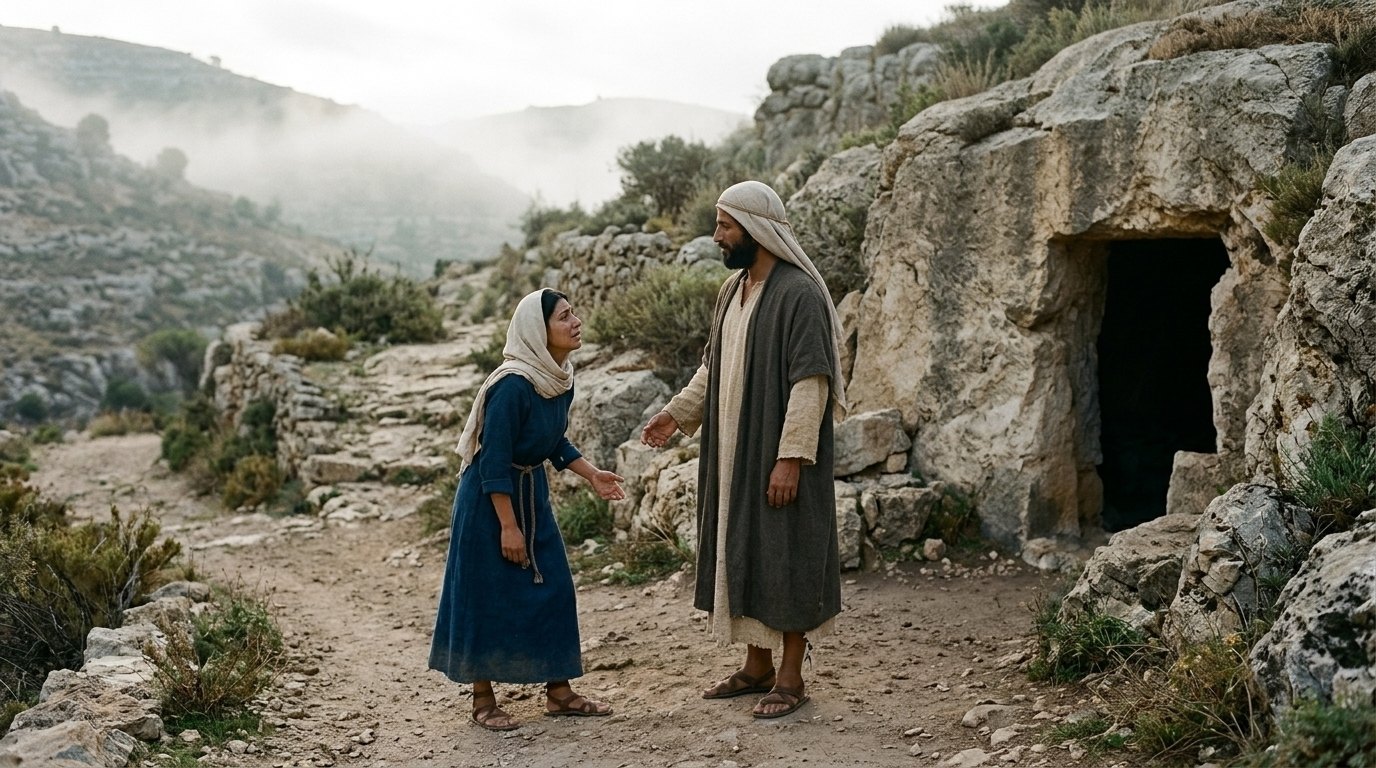
Jesus said to her, “I am the resurrection and the life. The one who believes in me will live, even though they die;
John 11:25 (NIV)
Jesus reveals that faith in him secures life that physically dying can never sever or destroy.
Standing before a weeping sister beside an occupied tomb, the Lord uttered the definitive word over every early grave: "I am the resurrection and the life" (John 11:25). Jesus established that physical death has no power to interrupt eternal communion with Him; even though a believer dies, yet shall he live. He presses the truth further in John 11:26, promising that whoever lives and trusts in Him will never experience ultimate, spiritual death. Because Jesus shattered the power of the grave through His own resurrection, physical departure is radically reclassified for the righteous. It ceases to be an unmitigated tragedy of lost potential and becomes an entrance into everlasting safety. As Paul declares in 1 Corinthians 15:54, when the perishable clothes itself with the imperishable, death is completely swallowed up in victory. The believer can therefore taunt the ancient enemy, asking where its sting and triumph have gone (1 Corinthians 15:55).
This reality transforms the Christian perspective on life cut short. In 2 Corinthians 5:8, the apostle assures the church that to be absent from the physical body is to be present at home with the Lord. Earthly demise is not expulsion into darkness, but an arrival. Writing from prison, Paul explains that while faithful service remains productive, "to live is Christ, and to die is gain" (Philippians 1:21). For the righteous person summoned home early, departure is not a loss of life's best things, but rather an immediate translation into the presence of Christ, which is "far better" by every measure (Philippians 1:23).
Consequently, the tears shed at the graveside of a young believer are never hollow or desperate. Paul instructs the church in 1 Thessalonians 4:13 not to grieve as the rest of the world grieves, who have no hope. Godly sorrow is profound, but it is anchored in the bedrock reality that God will raise the sleeping saints just as Jesus died and rose again (1 Thessalonians 4:14). Their story does not end prematurely in dust, but culminates in unending glory.
| Passage | What it says |
|---|---|
| John 11:25 | Jesus declares he is the resurrection and the life, granting life even though a believer dies. |
| John 11:26 | Jesus promises that whoever lives and believes in him shall never truly die. |
| 1 Corinthians 15:54 | The perishable puts on the imperishable, and death is swallowed up in ultimate victory. |
| 1 Corinthians 15:55 | Paul triumphs over the grave, asking where death's sting and victory have gone. |
| 2 Corinthians 5:8 | To be absent from the physical body is to be present at home with the Lord. |
| Philippians 1:21 | Paul affirms that to live is Christ and to die is immense eternal gain. |
| Philippians 1:23 | Departing this life to be with Christ is far better than remaining in earthly flesh. |
| 1 Thessalonians 4:13 | Believers do not grieve over deceased saints as those who possess no hope. |
| 1 Thessalonians 4:14 | Because Jesus died and rose, God will bring with Jesus those who have fallen asleep in him. |
Where in the Bible
| Book | Passages |
|---|---|
| Genesis | 1 · Genesis 3:19 |
| 1 Kings | 1 · 1 Kings 14:13 |
| 2 Kings | 2 · 2 Kings 22:19, 2 Kings 22:20 |
| 2 Chronicles | 1 · 2 Chronicles 34:28 |
| Job | 3 · Job 4:7, Job 42:7, Job 14:5 |
| Psalms | 3 · Psalms 12:1, Psalms 116:15, Psalms 139:16 |
| Ecclesiastes | 2 · Ecclesiastes 7:15, Ecclesiastes 9:2 |
| Isaiah | 2 · Isaiah 57:1, Isaiah 57:2 |
| Micah | 1 · Micah 7:2 |
| Matthew | 2 · Matthew 10:29, Matthew 10:30 |
| Luke | 5 · Luke 13:1, Luke 13:2, Luke 13:3, Luke 13:4, Luke 13:5 |
| John | 4 · John 9:2, John 9:3, John 11:25, John 11:26 |
| Romans | 3 · Romans 5:12, Romans 8:20, Romans 8:22 |
| 1 Corinthians | 2 · 1 Corinthians 15:54, 1 Corinthians 15:55 |
| 2 Corinthians | 1 · 2 Corinthians 5:8 |
| Philippians | 2 · Philippians 1:21, Philippians 1:23 |
| 1 Thessalonians | 2 · 1 Thessalonians 4:13, 1 Thessalonians 4:14 |
| Revelation | 1 · Revelation 14:13 |
The story in order
- Fall into sin (c. 4000 BC) · Genesis 3:19 · Death enters the world as a consequence of sin.
- Righteous perishing (c. 940 BC) · Ecclesiastes 7:15 · The righteous can perish while the wicked live long.
- God spares the upright (c. 700 BC) · Isaiah 57:1 · God removes the righteous to spare them from evil.
- Josiah's peace (c. 640 BC) · 2 Kings 22:20 · A righteous king dies in peace before disaster.
- Galileans' fate (AD 30) · Luke 13:1 · Tragic death is not proof of greater sin.
- Blind man's condition (AD 30) · John 9:2 · Early death is not always due to sin.
- Jesus is Resurrection (AD 30) · John 11:25 · Christ offers life beyond death.
- Death swallowed up (AD 55) · 1 Corinthians 15:54 · Death is ultimately defeated by Christ's victory.
- Present with Lord (AD 57) · 2 Corinthians 5:8 · To die is to be with Christ.
- No hopeless grief (AD 50) · 1 Thessalonians 4:13 · Believers mourn with hope, not despair.
The Believer's Death
| The reality | The hope | The outcome | Passage |
|---|---|---|---|
| The righteous perish. | They enter into peace. | They rest from their labors. | Isaiah 57:1 |
| Believers die. | They are brought with Jesus. | They are present with the Lord. | 1 Thessalonians 4:14 |
| To die is gain. | It is far better. | Death is swallowed up in victory. | Philippians 1:21 |
Key words
- Righteous (saddiq, צַדִּיק)
- One who is declared righteous by God through faith in Christ. · Ecclesiastes 7:15
- Upright (tām, תָּם)
- One who walks with integrity and in accordance with God's ways. · Isaiah 57:2
- Death (māwet, מָוֶת)
- The cessation of life, a consequence of sin, but for believers, a transition to be with Christ. · Genesis 3:19
- Peace (šālôm, שָׁלוֹם)
- A state of tranquility, rest, and well-being, especially in God's presence. · Isaiah 57:2
- Victory (nikos, νῖκος)
- Triumph over an enemy; in this context, Christ's conquest over death. · 1 Corinthians 15:55
An untimely death in the eyes of the world is neither an accident of fate nor a sign of divine abandonment. God sees the value of every saint and holds both their living days and their final rest in his sovereign hands. For all who place their trust in the crucified and risen Christ, the end of this brief earthly life is only the passage into everlasting peace and resurrection glory.
38 passages, each cited once.
Scripture cited
- Isaiah 57:1-2
- 2 Kings 22:20
- Ecclesiastes 7:15-18
- Luke 13:1-5
- 1 Thessalonians 4:13-18
- Romans 5:12-14
- Romans 8:18-23
- John 11:21-27
- Psalms 116:15