How do I pray Scripture?
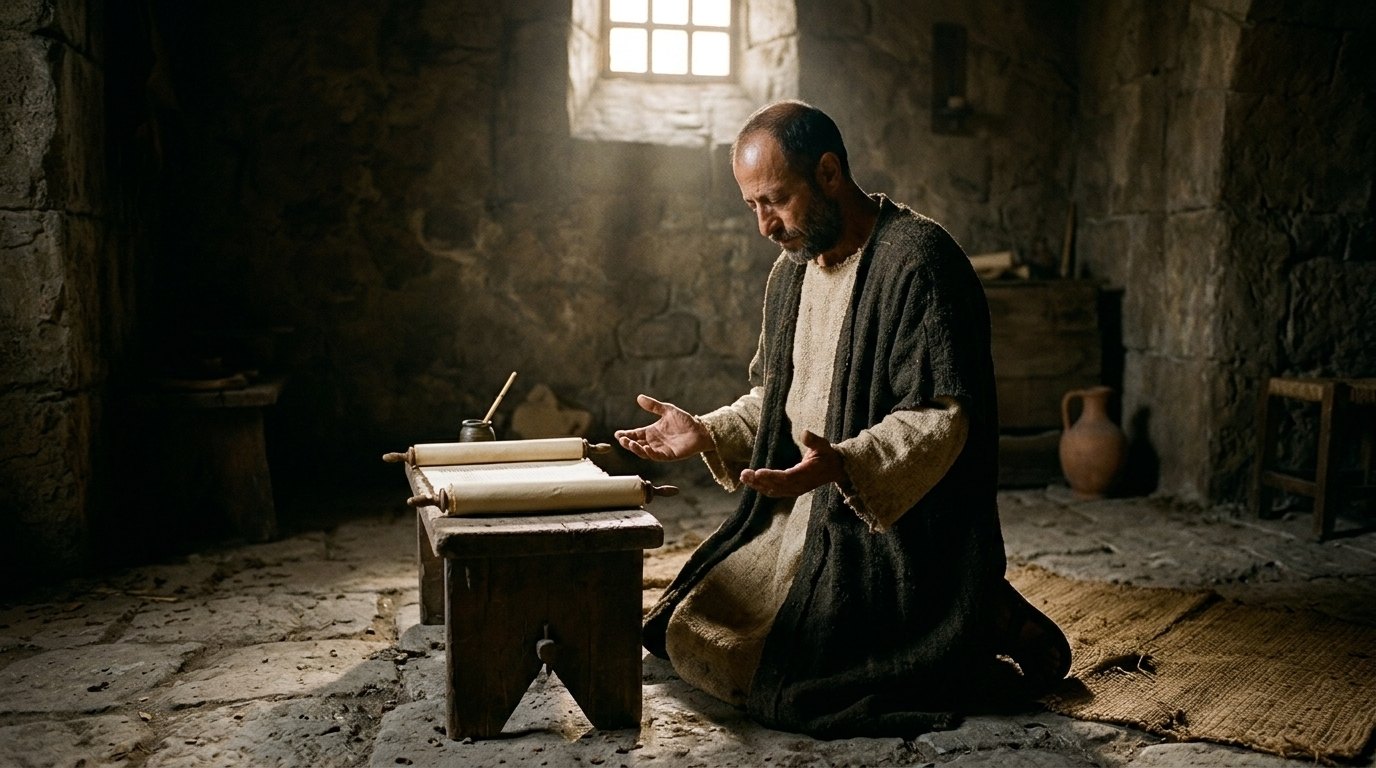
Ephesians 3:14-21
14 For this reason I kneel before the Father,
15 from whom every family in heaven and on earth derives its name.
16 I pray that out of his glorious riches he may strengthen you with power through his Spirit in your inner being,
17 so that Christ may dwell in your hearts through faith. And I pray that you, being rooted and established in love,
18 may have power, together with all the Lord’s holy people, to grasp how wide and long and high and deep is the love of Christ,
19 and to know this love that surpasses knowledge—that you may be filled to the measure of all the fullness of God.
20 Now to him who is able to do immeasurably more than all we ask or imagine, according to his power that is at work within us,
21 to him be glory in the church and in Christ Jesus throughout all generations, for ever and ever! Amen.
New International Version (NIV)
The answer
Praying Scripture means letting a passage’s actual meaning shape what is said to God—turning its truths into praise, its commands into confession and obedience, and its requests into personal petitions. It is not reciting words as a formula or claiming promises the passage does not give. Ephesians 3:14-21 provides a helpful model: worship the Father, ask for spiritual growth, and finish with God’s glory.
Answered from Scripture · reviewed November 11, 2026
Praying Scripture means taking God's own inspired words and turning them back to him in petition, confession, praise, and adoration. Instead of searching our own hearts for vocabulary, the biblical text furnishes both the ground and the content of our prayers. Through Paul's apostolic prayer in Ephesians 3, the Bible provides a living blueprint for praying God's promises directly to the Father.
The Humble Posture
Bowing Before the Maker and Father
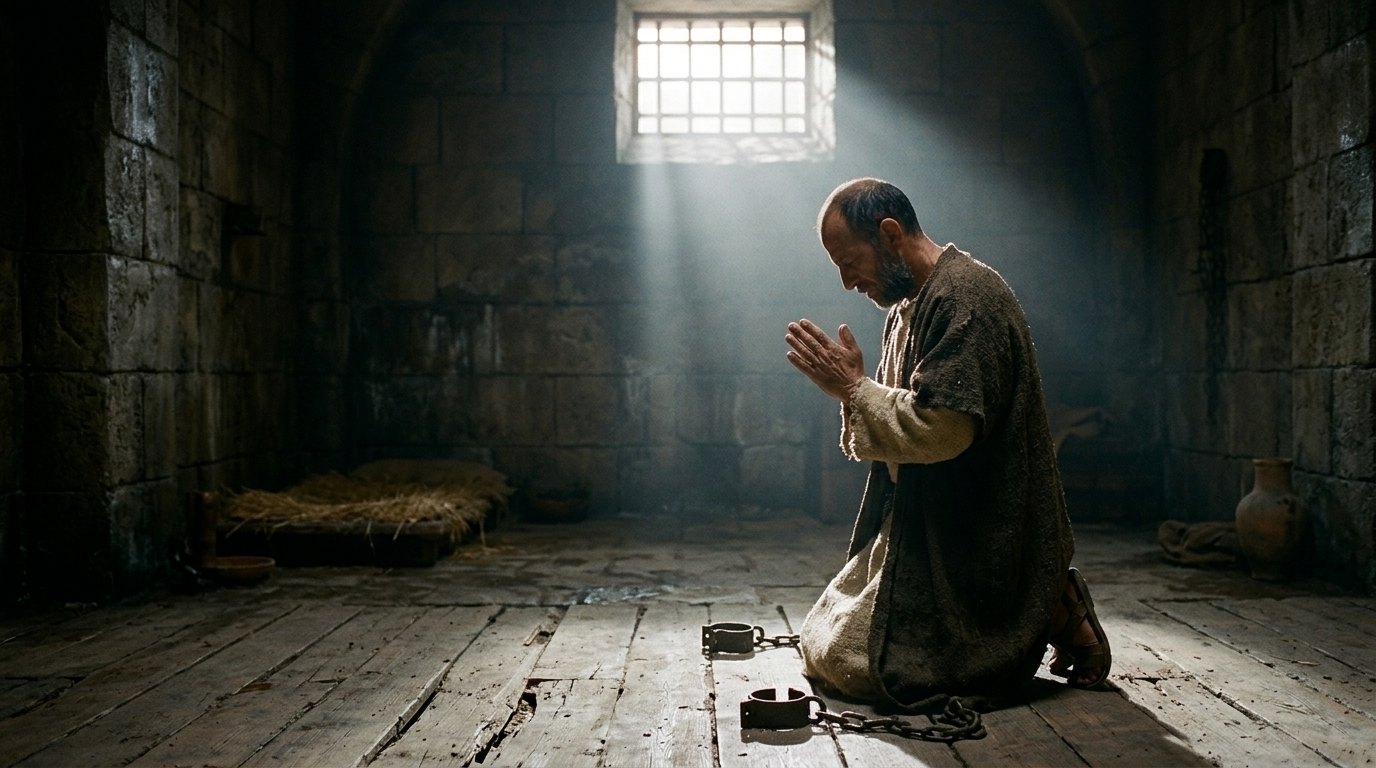
For this reason I kneel before the Father,
Ephesians 3:14 (NIV)
Paul shows that biblical prayer begins with a posture of reverent surrender before the Father of our Lord Jesus Christ.
When Paul opens his great intercession in Ephesians 3:14, he begins not with a catalog of urgent requests, but with a deliberate orientation of soul and body: “For this reason I bow my knees before the Father.” To bow the knee is to abdicate human sovereignty, casting off the illusion of autonomy before the throne of heaven. This posture is not Paul's invention but the unbroken grammar of biblical devotion. Long before, the psalmist in Psalm 95:6 summoned the worshiping assembly with the same reverent urgency: “Oh come, let us worship and bow down; let us kneel before the Lord, our Maker!” The God we address is not a peer to be negotiated with, but the sovereign Creator whose very breath sustains us. In times of profound corporate shame, this posture marks true brokenness; Ezra 9:5 records that Ezra fell upon his knees and spread out his hands toward heaven, confessing the sins of his people. In times of parting and hardship, kneeling anchors the church in divine care, as seen in Acts 21:5 when the believers of Tyre knelt together on the open beach, committing Paul’s perilous journey to God. Ultimately, this physical and spiritual subjection anticipates the cosmic climax declared in Philippians 2:10, where at the name of Jesus every knee must bow—in heaven, on earth, and under the earth. Praying Scripture therefore starts by bending our wills beneath God's majestic authority, approaching him with holy awe and filial trust.
| Passage | What it says |
|---|---|
| Ephesians 3:14 | Paul bows his knees in reverence before the Father of our Lord Jesus Christ. |
| Psalms 95:6 | A call to worship, bow down, and kneel before the Lord our Maker. |
| Ezra 9:5 | Ezra falls on his knees and spreads his hands to God in humble prayer. |
| Acts 21:5 | The disciples kneel together on the shore to commit their way to God. |
| Philippians 2:10 | At the name of Jesus, every knee in heaven, earth, and under earth will bow. |
The Ground of Prayer
Approaching God Through His Eternal Character

from whom every family in heaven and on earth derives its name.
Ephesians 3:15 (NIV)
Prayer is anchored in God's universal fatherhood over every family in heaven and on earth.
Biblical prayer does not build its foundation upon the fluctuating emotions of the petitioner, but upon the settled character and sovereign covenant of God. Paul highlights this steadfast truth in Ephesians 3:15, declaring that from the Father “every family in heaven and on earth is named.” In ancient thought, to name something was to define its reality, origin, and authority; by anchoring his prayer in the Father’s universal fatherhood, Paul establishes that all life, identity, and security flow exclusively from divine bounty. When we pray Scripture back to God, we stand on truths that were established before the foundation of the world. Ephesians 1:3 reminds us that the Father has already blessed his people with every spiritual blessing in the heavenly places in Christ; our prayers do not persuade a reluctant God, but lay hold of treasures he has already lavished upon his redeemed. Because of these irrevocable realities, thanksgiving becomes the natural rhythm of the believer's life. In Ephesians 1:16, Paul exemplifies this by offering constant remembrance and unceasing thanks for the saints, knowing their faith is secured in the Lord. Grounded in who God is, Paul then petitions in Ephesians 1:17 that the Father of glory give his children a spirit of wisdom and revelation in the knowledge of him. Praying Scripture means taking God’s eternal promises as the bedrock of every request.
| Passage | What it says |
|---|---|
| Ephesians 3:15 | Every family in heaven and on earth derives its name from the Father. |
| Ephesians 1:3 | God has blessed his people with every spiritual blessing in the heavenly places in Christ. |
| Ephesians 1:16 | Paul offers constant thanksgiving and unceasing remembrance in prayer for fellow believers. |
| Ephesians 1:17 | Paul asks the glorious Father to grant a spirit of wisdom and revelation. |
The Petitions of Scripture
Asking for Strength, Indwelling, and Love
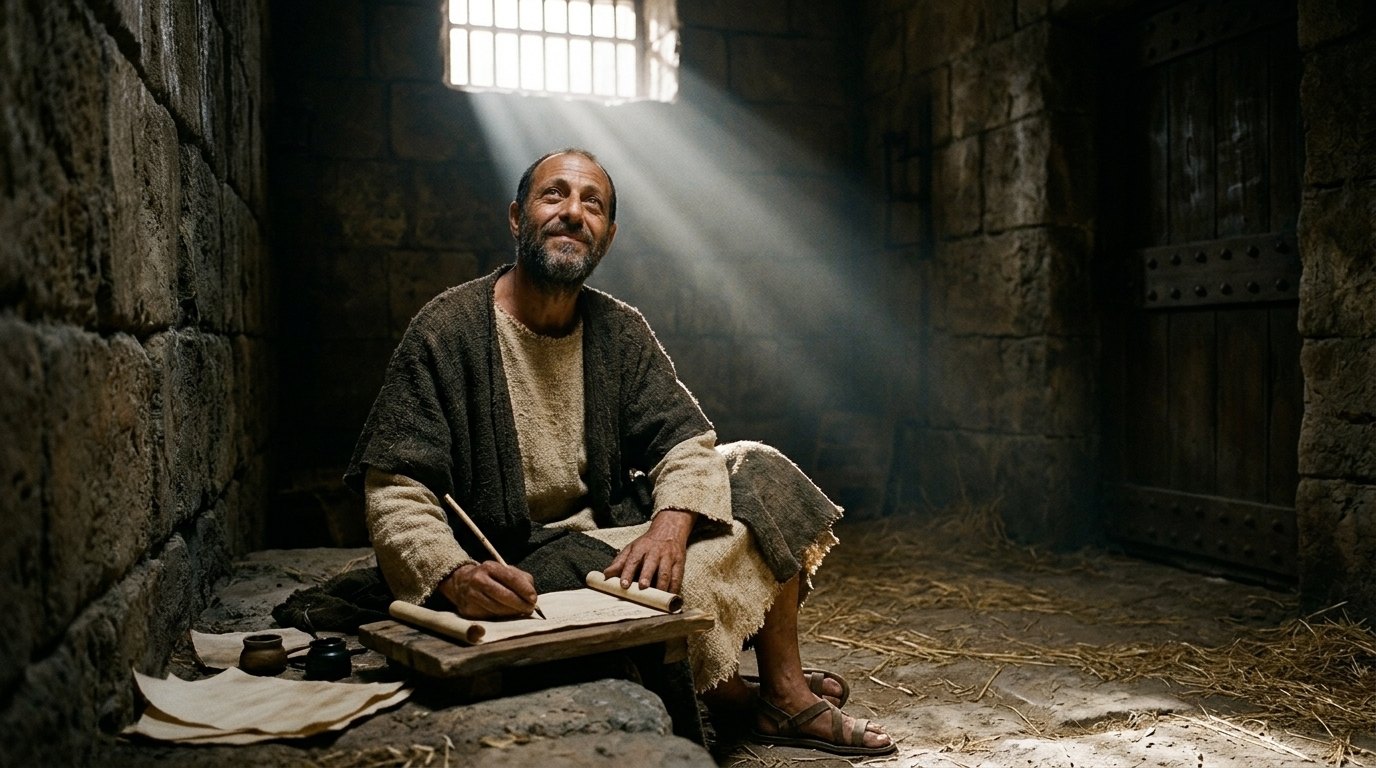
I pray that out of his glorious riches he may strengthen you with power through his Spirit in your inner being,
Ephesians 3:16 (NIV)
Scriptural petition directs our desires toward inward spiritual strength according to the riches of God's glory.
When Scripture guides our requests, our petitions rise far above physical convenience and aim straight at eternal transformation. In Ephesians 3:16, Paul models how to ask: he petitions that God grant you to be strengthened with power through his Spirit in your inner being. The biblical text redirects our hearts from surface comforts to inward fortitude supplied according to the boundless riches of divine glory. From that spiritual fortification flows Paul's next petition in Ephesians 3:17, that Christ may dwell in our hearts through faith, making believers firmly rooted and grounded in love. This foundation enables what Ephesians 3:18 seeks: the power to comprehend with all the saints the breadth, length, height, and depth of divine grace. Moving deeper, Ephesians 3:19 asks that we know this love that surpasses mere human knowledge, so that we may be filled to all the fullness of God. Such audacious asking mirrors the parallel petitions of Ephesians 1:18, where Paul prays that the eyes of our hearts be enlightened to know the hope of God's calling and the glorious riches of his inheritance in the saints. Finally, Ephesians 1:19 asks that we perceive the immeasurable greatness of his resurrection power toward those who believe. To pray Scripture is to ask for spiritual treasures that only God can supply.
| Passage | What it says |
|---|---|
| Ephesians 3:16 | Paul prays for believers to be strengthened with power through the Spirit inwardly. |
| Ephesians 3:17 | Paul asks that Christ dwell in their hearts through faith, rooted in love. |
| Ephesians 3:18 | Petition for strength to comprehend the full dimensions of Christ's love with all saints. |
| Ephesians 3:19 | Paul prays to know Christ's surpassing love and be filled with God's fullness. |
| Ephesians 1:18 | Paul petitions that the eyes of the heart be enlightened to know God's calling. |
| Ephesians 1:19 | Paul asks that believers know the surpassing greatness of God's power toward them. |
The Ultimate Doxology
Ending in Wonder and Praise Forever

Now to him who is able to do immeasurably more than all we ask or imagine, according to his power that is at work within us,
Ephesians 3:20 (NIV)
The culmination of praying Scripture is resting in God's ability to exceed every human petition or thought.
The final movement of praying Scripture is doxology—resting completely in the infinite capacity of God. Paul concludes his intercession in Ephesians 3:20 with an explosion of confidence: “Now to him who is able to do far more abundantly than all that we ask or think, according to the power at work within us.” Scripture never allows prayer to stall in anxiety or human limitation. Our highest desires and most expansive thoughts do not exhaust God's capacity; his power outstrips our finest prayers. This divine surplus is not an abstract concept, but an active reality working within believers by the Holy Spirit. Having climbed this mountain of assurance, Paul directs all contemplation toward its proper end in Ephesians 3:21: “to him be glory in the church and in Christ Jesus throughout all generations, forever and ever. Amen.” The purpose of every petition, every confession, and every supplication drawn from the Bible is the magnification of God's renown in his redeemed people. When we conclude our prayers with the word of God, our gaze shifts off our own needs and lands securely upon the eternal glory of Christ. Praying Scripture therefore begins in humble submission and ends in ecstatic praise, trusting that God will bring his holy promises to pass.
| Passage | What it says |
|---|---|
| Ephesians 3:20 | God is able to do abundantly beyond all that we ask or think. |
| Ephesians 3:21 | Glory belongs to God in the church and in Christ across all generations. |
The Lord's Model
Jesus Teaches His People How to Pray
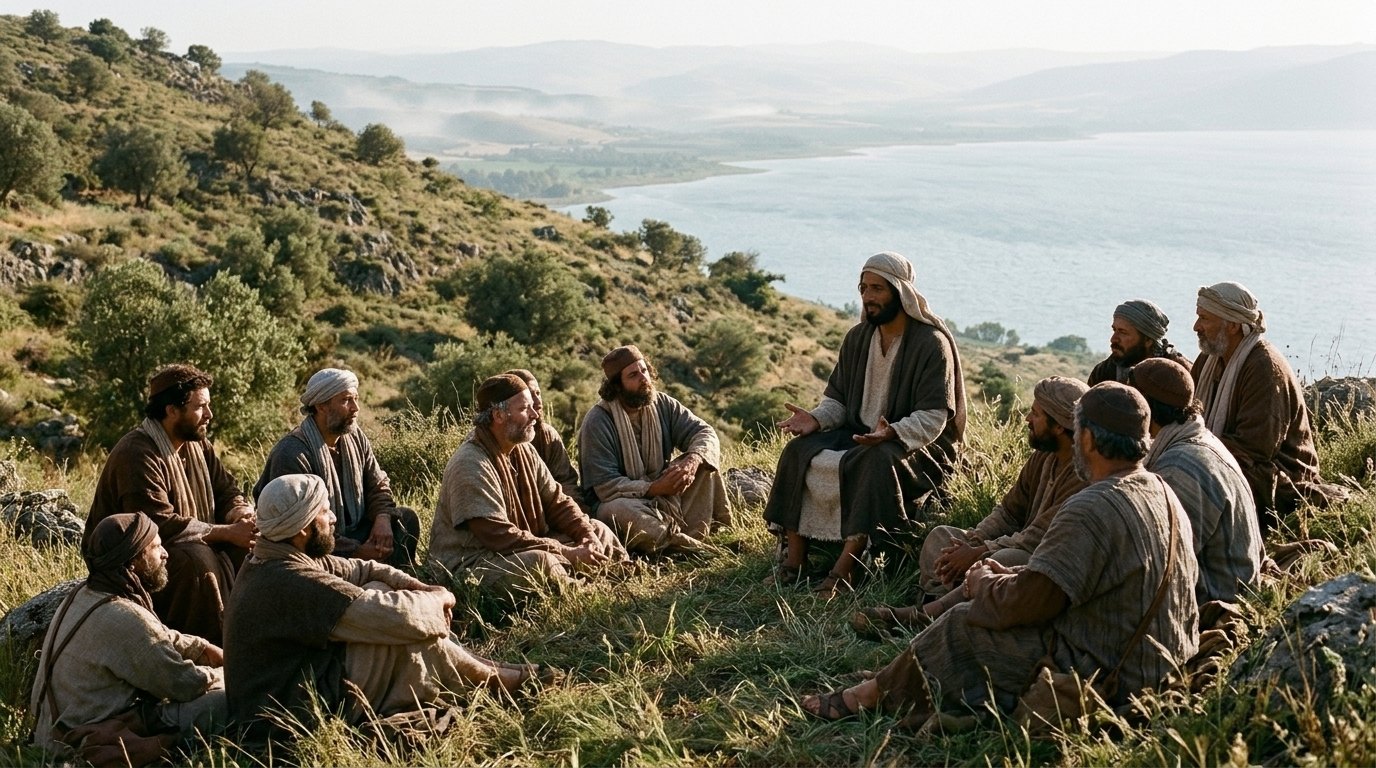
“This, then, is how you should pray: “ ‘Our Father in heaven, hallowed be your name,
Matthew 6:9 (NIV)
The Lord Himself gives the foundational words and structure for all Christian prayer.
When we come to God, we do not need to invent our own vocabulary. Matthew 6:9 establishes the foundation of all Christian prayer, as Jesus directs our gaze upward: "Pray then like this: Our Father in heaven, hallowed be your name." The Lord anchors prayer in filial trust and reverent adoration before any petition is made. In Luke 11:1, the disciples watch Him pray and make their direct request: "Lord, teach us to pray." Jesus answers by giving them words that shape both the mind and the heart, preserved in Matthew 6:9–13 and Luke 11:2–4.
Praying this pattern trains us to prioritize God's purposes before our own needs. In Matthew 6:10 and Luke 11:2, we ask that His kingdom come and His will be done on earth just as it is in heaven. Only then do we bring our physical necessities before Him, asking in Matthew 6:11 and Luke 11:3 for our daily bread—a quiet discipline of daily, humble dependence.
The prayer moves inward to the conscience. Matthew 6:12 and Luke 11:4 teach us to confess our sins and seek divine mercy, while binding our hearts to extend the same forgiveness to others. Finally, in Matthew 6:13, we plead for spiritual protection, asking our Father to lead us away from temptation and rescue us from the evil one, resting in His everlasting kingdom, power, and glory.
| Passage | What it says |
|---|---|
| Matthew 6:9 | Jesus teaches disciples to address the heavenly Father, hallowing His sacred name in foundational prayer. |
| Matthew 6:10 | Jesus models pleading for the Father's kingdom to come and His divine will to be done on earth. |
| Matthew 6:11 | Jesus instructs believers to ask God directly for their daily physical bread and sustaining provision. |
| Matthew 6:12 | Jesus teaches asking for forgiveness of sins while committing to forgive debtors and offenders. |
| Matthew 6:13 | Jesus guides the petition for deliverance from temptation and evil, concluding with the kingdom's everlasting glory. |
| Luke 11:1 | The disciples ask Jesus to teach them how to pray, prompting His model pattern. |
| Luke 11:2 | Luke records Jesus instructing disciples to address the Father, seeking His holy name and arriving kingdom. |
| Luke 11:3 | Luke records the daily petition for bread as a regular, dependent appeal to God. |
| Luke 11:4 | Luke records the plea for personal forgiveness alongside forgiving others, and asking to avoid testing. |
The Inspired Psalter
Turning the Psalms into Personal and Communal Prayers
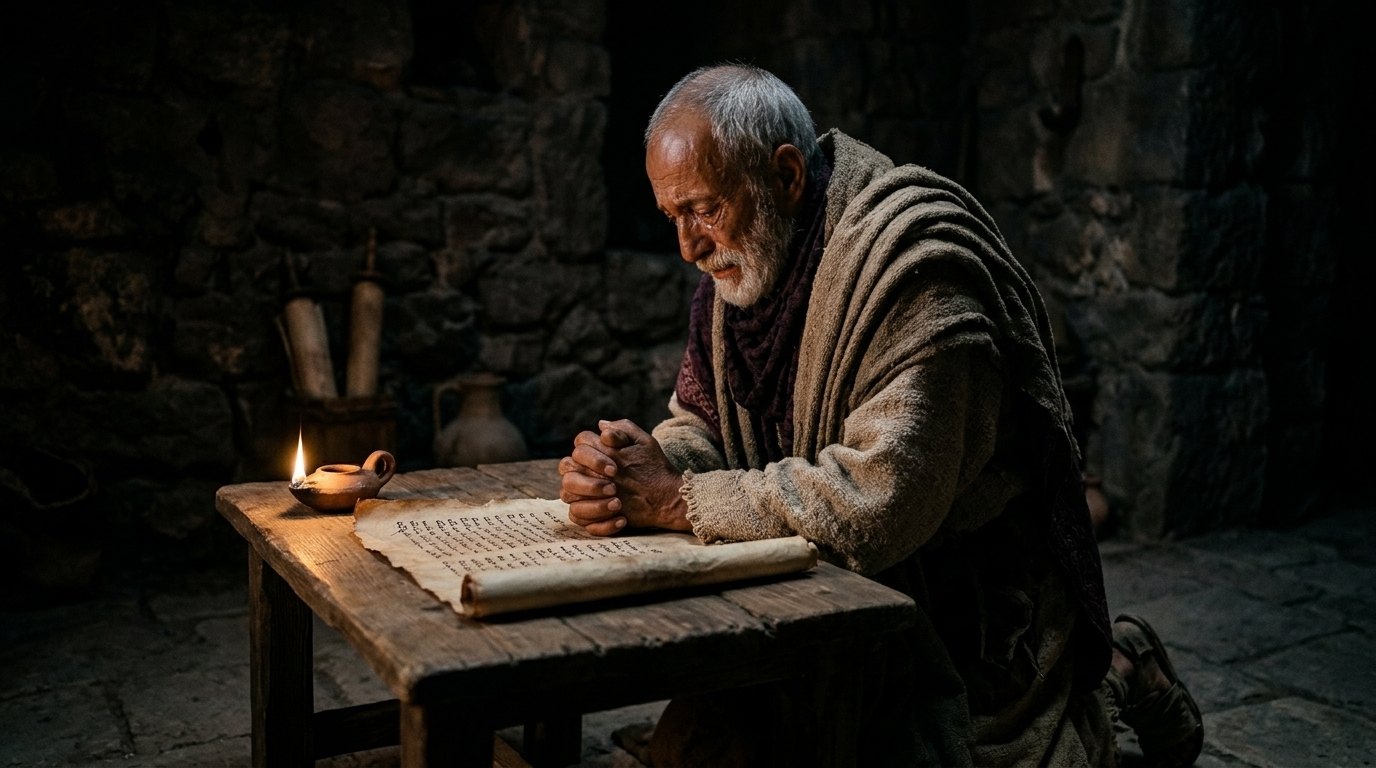
Create in me a pure heart, O God, and renew a steadfast spirit within me.
Psalms 51:10 (NIV)
David demonstrates how to bring human brokenness to God asking for spiritual renewal using direct inspired words.
The Psalter is God's inspired prayer book, written not merely to be read, but to be spoken back to Him. In Psalms 51:10, David provides the exact language for radical repentance: "Create in me a clean heart, O God, and renew a right spirit within me." Rather than hiding his guilt, David takes God's steadfast love as his ground in Psalms 51:1–2, asking to be thoroughly washed from iniquity, and pleading in Psalms 51:12 for the joy of salvation to be restored. When we lack words for our grief and brokenness, the Psalms supply them with divine authority.
This same book guides our confidence in times of peril. In Psalms 23:1–3, David rests in the Lord as his shepherd, meditating on green pastures and restored soul. As the shadows lengthen in Psalms 23:4, the pronoun shifts from talking about God to speaking directly to Him: "for you are with me." Even surrounded by adversity, Psalms 23:5–6 declares a feast prepared and mercy pursuing the believer into God's eternal house.
Scripture also teaches us how to pray for our understanding and obedience. In Psalms 119:18, we ask God to unveil our eyes to see wonders in His law, and in Psalms 119:133, we pray for our footsteps to be established in His word so iniquity will not rule us. When sorrow overwhelms, Psalms 130:1–2 teaches us to cry out of the depths, confident that the Lord bends His ear to hear.
| Passage | What it says |
|---|---|
| Psalms 23:1 | David prays with confidence in the Lord as his shepherd who leaves nothing lacking. |
| Psalms 23:2 | David meditates on God making him lie down in green pastures and still waters. |
| Psalms 23:3 | David praises the Lord for restoring his soul and leading in paths of righteousness. |
| Psalms 23:4 | David addresses the Lord directly in the dark valley, fearing no evil because God is present. |
| Psalms 23:5 | David thanks God for preparing a table before enemies and anointing his head with oil. |
| Psalms 23:6 | David confesses that goodness and mercy follow him all his days into God's house. |
| Psalms 51:1 | David cries for mercy according to God's steadfast love and abundant compassion. |
| Psalms 51:2 | David pleads to be thoroughly washed from his iniquity and cleansed from his sin. |
| Psalms 51:10 | David asks God to create in him a clean heart and renew a right spirit. |
| Psalms 51:12 | David asks for the joy of salvation to be restored and a willing spirit granted. |
| Psalms 119:18 | The psalmist asks God to open his eyes to behold wondrous things out of His law. |
| Psalms 119:133 | The psalmist pleads for his steps to be kept steady according to God's promise. |
| Psalms 130:1 | The psalmist cries out to the Lord from the depths of sorrow and distress. |
| Psalms 130:2 | The psalmist asks the Lord to hear his voice and attend to his pleas. |
Apostolic Practice
The Early Church Prays the Psalms in Persecution
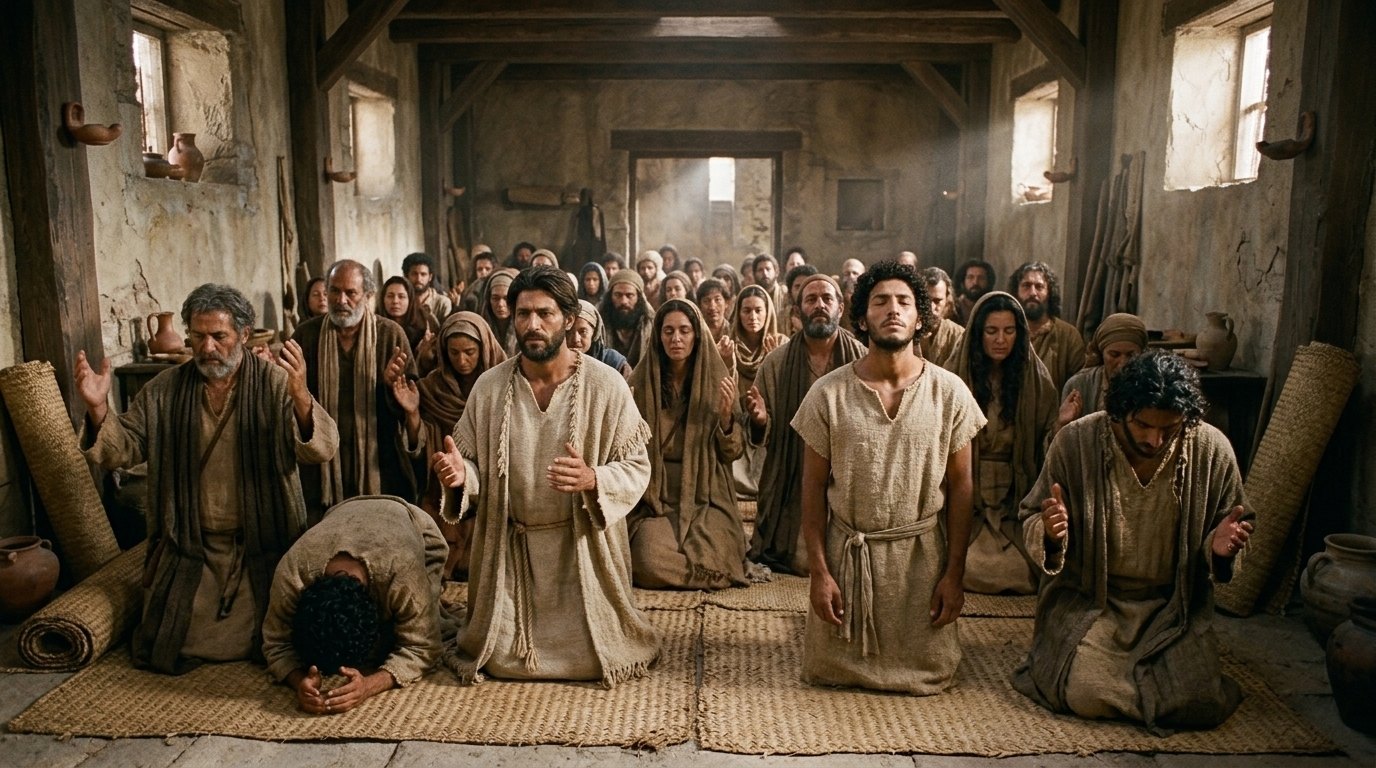
When they heard this, they raised their voices together in prayer to God. “Sovereign Lord,” they said, “you made the heavens and the earth and the sea, and everything in them.
Acts 4:24 (NIV)
The apostles show how applying Old Testament Scripture directly to current crises produces unshakable boldness.
When crisis struck the Jerusalem church, the apostles did not panic or strategize; they prayed the written word. In Acts 4:24, after Peter and John were threatened by the Sanhedrin, the believers lifted their voices together to God, addressing Him as the Sovereign Creator of heaven, earth, and the sea. They immediately turned to Scripture to interpret their suffering, quoting Psalm 2:1–2 word for word in Acts 4:25–26: "Why did the Gentiles rage, and the peoples plot in vain? The kings of the earth set themselves, and the rulers were gathered together, against the Lord and against his Anointed."
The early church applied the ancient text directly to their present circumstances. In Acts 4:27–28, they recognized that Herod, Pontius Pilate, the Gentiles, and the people of Israel had done only what God's hand and plan had predestined to occur. The Psalm gave them the spiritual lens to see human hostility under divine sovereignty.
Their petitions match this biblical clarity. Instead of praying for the removal of their enemies or an escape from suffering, in Acts 4:29–30 they ask the Lord to consider the threats and grant His servants boldness to proclaim His word, stretching forth His hand to heal in Jesus' name. God answered their Scripture-saturated plea immediately: Acts 4:31 records that the place shook, and all were filled with the Holy Spirit.
| Passage | What it says |
|---|---|
| Acts 4:24 | The believers raise their voices together addressing God as the Sovereign Lord of creation. |
| Acts 4:25 | The church quotes Psalm 2 through the mouth of David about the rage of the nations. |
| Acts 4:26 | The church prays Psalm 2:2 describing earthly rulers taking counsel against the Lord's Anointed. |
| Acts 4:27 | The church names Herod, Pilate, the Gentiles, and Israel fulfilling Scripture against Jesus. |
| Acts 4:28 | The church acknowledges all events happened according to God's predestined hand and plan. |
| Acts 4:29 | The church petitions the Lord to look upon threats and grant boldness to speak His word. |
| Acts 4:30 | The church asks God to stretch out His hand to heal and perform signs in Jesus' name. |
| Acts 4:31 | The place shakes after their biblical prayer, and all are filled with the Holy Spirit. |
Pleading the Promises
Old Testament Saints Reminding God of His Written Word
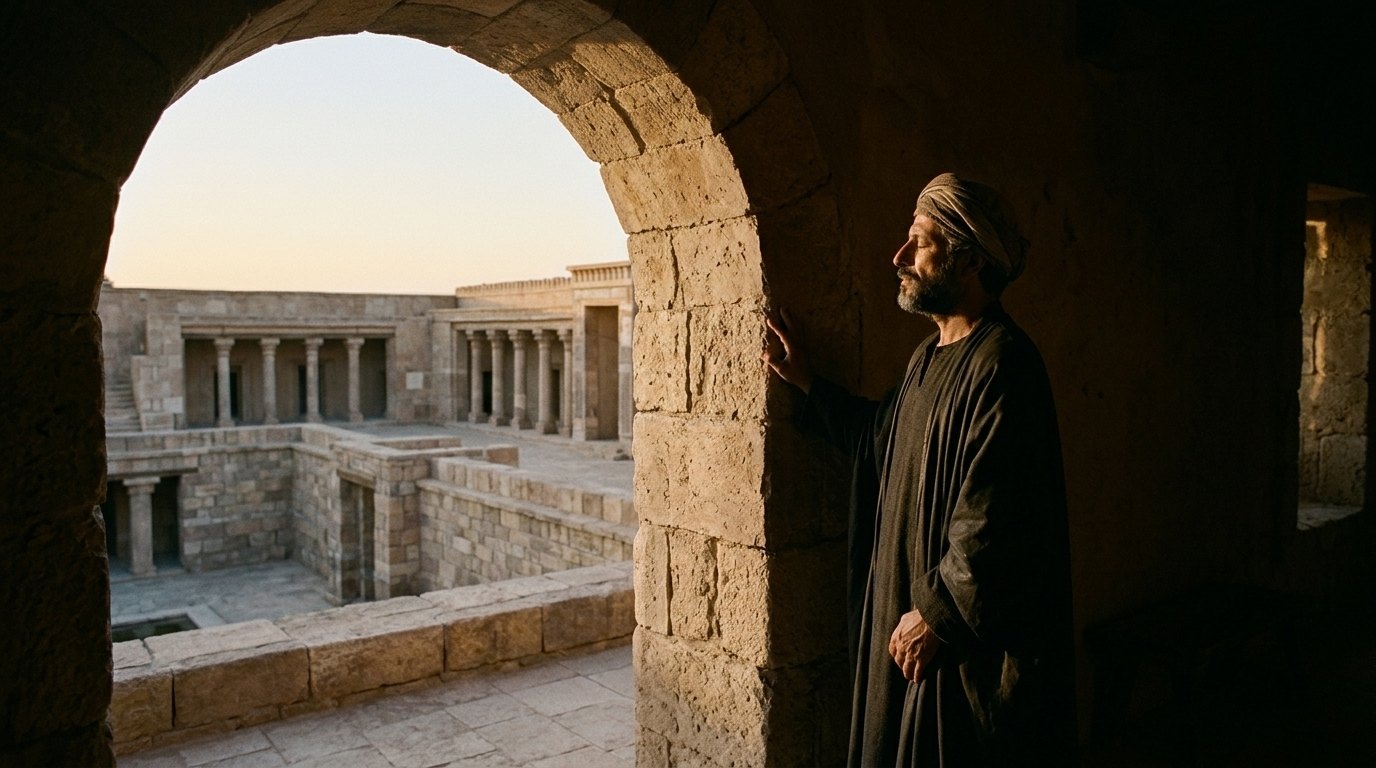
“Remember the instruction you gave your servant Moses, saying, ‘If you are unfaithful, I will scatter you among the nations,
Nehemiah 1:8 (NIV)
Nehemiah models literally quoting God's recorded covenant promises back to Him in intercession.
Biblical intercession often means holding God's written covenants before Him. In Nehemiah 1:8, the cupbearer to the king stands in mourning and prays: "Remember the word that you commanded your servant Moses." Nehemiah opens his prayer in Nehemiah 1:5 by extolling the God of heaven who keeps covenant and steadfast love, but he hinges his appeal on God's specific promises recorded in Deuteronomy. He quotes God's own words back to Him in Nehemiah 1:8–9, reminding the Lord that while disobedience brought scattering, true repentance brings gathering back to the place chosen for His name.
Daniel demonstrates the exact same practice during the exile. In Daniel 9:2, Daniel studies the scrolls and discerns in the book of Jeremiah the seventy years appointed for the desolations of Jerusalem. His response to God's written prophecy is not passivity, but passionate intercession: Daniel 9:3 records him turning his face to the Lord God with prayer, pleas for mercy, fasting, sackcloth, and ashes.
Throughout Daniel 9:4–13, Daniel confesses the sins of Israel through the explicit lens of the Law of Moses. He acknowledges that the curse written in the law has been poured out because the people did not obey God's voice. By praying Scripture, these saints did not inform God of something new; they aligned their requests with His revealed character, covenant faithfulness, and written promises.
| Passage | What it says |
|---|---|
| Nehemiah 1:5 | Nehemiah prays recalling God's great and awesome covenant of love to those who obey. |
| Nehemiah 1:8 | Nehemiah explicitly reminds God of the word commanded to Moses regarding Israel's exile. |
| Nehemiah 1:9 | Nehemiah quotes God's promise to gather His people if they return and keep His commandments. |
| Daniel 9:2 | Daniel perceives in the books the seventy years of Jerusalem's desolation prophesied by Jeremiah. |
| Daniel 9:3 | Daniel turns to the Lord God with prayer, pleas for mercy, fasting, sackcloth, and ashes. |
| Daniel 9:4 | Daniel prays confessing God's faithfulness to His covenant with those who love Him. |
| Daniel 9:13 | Daniel notes that the calamity came upon Israel just as written in the Law of Moses. |
Confidence in Truth
Praying God's Will Back to Him with Assurance

This is the confidence we have in approaching God: that if we ask anything according to his will, he hears us.
1 John 5:14 (NIV)
Praying Scripture aligns petitions with God's revealed will, providing absolute confidence that He hears.
The great anchor of praying Scripture is found in 1 John 5:14: if we ask anything according to his will, he hears us. Prayer is never an effort to persuade an unwilling God, but the privilege of entering into his revealed purposes. When we take his words upon our lips, 1 John 5:15 gives the sure outcome: knowing he hears us grants the quiet certainty that we possess the petitions we have asked of him. Our prayers find bedrock because they are shaped by what he has already pledged to do.
This confidence begins as Christ’s words dwell richly in us. In John 15:7, Jesus promises that when his words abide in us, we ask whatever we wish and it will be done, because our desires have been formed by his voice. In his high priestly prayer in John 17:17, Jesus asks the Father to sanctify his disciples in the truth, adding plainly, "Your word is truth." Praying Scripture immerses the mind in that truth, cleansing selfish motives and tutoring our longings.
Even when our thoughts fail and words run dry, God’s provision remains steadfast. In Romans 8:26, the Holy Spirit helps our weakness, interceding for us with groanings too deep for words when we do not know what to pray as we ought. Romans 8:27 explains why this intercession never fails: the Spirit intercedes for the saints strictly according to the will of God. When we pray the text the Spirit inspired, our cries harmonize with his own ongoing intercession. This aligns with Paul’s petition in Colossians 1:9, asking that believers be filled with the knowledge of God’s will in all spiritual wisdom and understanding, so that, as Colossians 1:10 adds, we may walk in a manner worthy of the Lord, bearing fruit in every good work.
Because 2 Timothy 3:16 declares that all Scripture is breathed out by God, we know every sentence carries divine authority, profitable for teaching, reproof, correction, and training in righteousness. And as Hebrews 4:12 reminds us, this word is living and active, sharper than any two-edged sword, discerning the thoughts and intentions of the heart. Praying the Scriptures lays our innermost desires open to his refining light, teaching us to ask boldly, receive gladly, and rest wholly in his sovereign goodness.
| Passage | What it says |
|---|---|
| John 15:7 | Jesus promises that if His words abide in believers, they may ask whatever they wish. |
| John 17:17 | Jesus prays for believers to be sanctified in truth, declaring God's word is truth. |
| Romans 8:26 | Paul explains that the Spirit helps weaknesses and intercedes when believers do not know how to pray. |
| Romans 8:27 | Paul writes that the Spirit intercedes for the saints strictly according to the will of God. |
| Colossians 1:9 | Paul prays that believers be filled with the knowledge of God's will in all wisdom. |
| Colossians 1:10 | Paul prays that believers walk worthy of the Lord, pleasing Him and bearing fruit. |
| 2 Timothy 3:16 | Paul declares all Scripture is breathed out by God and profitable for teaching and training. |
| Hebrews 4:12 | The author declares God's word living and active, piercing thoughts and intentions of the heart. |
| 1 John 5:14 | John asserts that if believers ask anything according to God's will, He hears them. |
| 1 John 5:15 | John assures that knowing God hears our requests gives certainty of having what was asked. |
Where in the Bible
| Book | Passages |
|---|---|
| Ezra | 1 · Ezra 9:5 |
| Nehemiah | 3 · Nehemiah 1:5, Nehemiah 1:8, Nehemiah 1:9 |
| Psalms | 15 · Psalms 95:6, Psalms 23:1, Psalms 23:2, Psalms 23:3, Psalms 23:4, Psalms 23:5, Psalms 23:6, Psalms 51:1, Psalms 51:2, Psalms 51:10, Psalms 51:12, Psalms 119:18, Psalms 119:133, Psalms 130:1, Psalms 130:2 |
| Daniel | 4 · Daniel 9:2, Daniel 9:3, Daniel 9:4, Daniel 9:13 |
| Matthew | 5 · Matthew 6:9, Matthew 6:10, Matthew 6:11, Matthew 6:12, Matthew 6:13 |
| Luke | 4 · Luke 11:1, Luke 11:2, Luke 11:3, Luke 11:4 |
| John | 2 · John 15:7, John 17:17 |
| Acts | 9 · Acts 21:5, Acts 4:24, Acts 4:25, Acts 4:26, Acts 4:27, Acts 4:28, Acts 4:29, Acts 4:30, Acts 4:31 |
| Romans | 2 · Romans 8:26, Romans 8:27 |
| Ephesians | 13 · Ephesians 3:14, Ephesians 3:15, Ephesians 1:3, Ephesians 1:16, Ephesians 1:17, Ephesians 3:16, Ephesians 3:17, Ephesians 3:18, Ephesians 3:19, Ephesians 1:18, Ephesians 1:19, Ephesians 3:20, Ephesians 3:21 |
| Philippians | 1 · Philippians 2:10 |
| Colossians | 2 · Colossians 1:9, Colossians 1:10 |
| 2 Timothy | 1 · 2 Timothy 3:16 |
| Hebrews | 1 · Hebrews 4:12 |
| 1 John | 2 · 1 John 5:14, 1 John 5:15 |
The story in order
- Creation and Fall (c. 4000 BC) · Genesis 1:1 · God establishes His creation and humanity.
- The Patriarchs (c. 2000 BC) · Genesis 12:1-3 · God calls Abraham and makes promises.
- Exodus and Law (c. 1450 BC) · Exodus 20:1-17 · God delivers Israel and gives His Law.
- Conquest and Judges (c. 1400 BC) · Joshua 1:1-9 · Israel enters the promised land.
- United Monarchy (c. 1050 BC) · 1 Samuel 16:1-13 · David is anointed king.
- Divided Kingdom (c. 930 BC) · 1 Kings 12:1-24 · The kingdom splits after Solomon.
- Exile (c. 586 BC) · Jeremiah 25:11 · Judah is exiled to Babylon.
- Return and Rebuilding (c. 445 BC) · Nehemiah 1:1-11 · Nehemiah leads the return to Jerusalem.
- Jesus' Ministry (AD 28-30) · Matthew 6:9-13 · Jesus teaches His disciples how to pray.
- The Early Church (c. AD 33) · Acts 4:24-31 · The apostles pray Scripture in persecution.
- Apostolic Teaching (c. AD 60) · Ephesians 3:14-21 · Paul writes an apostolic prayer.
- End Times (Future) · Philippians 2:10-11 · All creation bows to Jesus.
The Psalms as Prayer
| Psalmist's Situation | Psalmist's Prayer | Passage |
|---|---|---|
| Confidence in the Lord | Lord is my shepherd | Psalms 23:1 |
| Need for rest | God makes me lie down | Psalms 23:2 |
| Soul restored | Lord restores my soul | Psalms 23:3 |
| Walking through darkness | Fear no evil | Psalms 23:4 |
| Abundance and blessing | God prepares a table | Psalms 23:5 |
| God's goodness and mercy | Goodness and mercy follow me | Psalms 23:6 |
| Deep distress | Cry out from the depths | Psalms 130:1 |
| Need for mercy | Pleading for mercy | Psalms 51:1 |
Pleading God's Promises
| Situation | Prayer Recalling Promise | Passage |
|---|---|---|
| Israel's sin and exile | Remember Your covenant | Nehemiah 1:5-9 |
| Jeremiah's prophecy of 70 years | Perceive the years of desolation | Daniel 9:2 |
| Calamity as written | As written in the Law | Daniel 9:13 |
| Threats against the church | Grant boldness to speak Your word | Acts 4:29 |
Key words
- Father (patēr, πατήρ)
- The ultimate source of all families, from whom all authority and blessing derive. · Ephesians 3:15
- Prayer (proseuchē, προσευχή)
- Communication with God, involving petition, confession, praise, and adoration. · Ephesians 3:14
- Strengthened (krataioō, κραταιόω)
- To be endowed with power through the Holy Spirit for inner resilience. · Ephesians 3:16
- Dwell (katoikeō, κατοικέω)
- To reside permanently, as Christ in the hearts of believers through faith. · Ephesians 3:17
- Love (agapē, ἀγάπη)
- The deep, sacrificial affection of God, rooted in His character and demonstrated in Christ. · Ephesians 3:17
- Fullness (plērōma, πλήρωμα)
- To be completely filled with God's presence and character. · Ephesians 3:19
- Truth (alētheia, ἀλήθεια)
- The reality and faithfulness of God's Word, by which believers are sanctified. · John 17:17
- Will of God (thelēma, θέλημα)
- God's sovereign plan and desires, which the Spirit helps believers to discern and align with. · Romans 8:27
Praying Scripture delivers us from the narrow boundaries of our own desires and immerses our thoughts in God's eternal purposes. When you pick up the Bible to pray, open a passage, ground yourself in who God is, and let his words form your requests. As you speak his truth back to him in faith, your prayers will consistently end where Paul's did: in heartfelt doxology and unshakeable confidence in what God is able to do.
65 passages, each cited once.
Scripture cited
- Ephesians 3:14-21