What does the Bible say about injustice?

Psalms 37:1-9
1 Do not fret because of those who are evil or be envious of those who do wrong;
2 for like the grass they will soon wither, like green plants they will soon die away.
3 Trust in the LORD and do good; dwell in the land and enjoy safe pasture.
4 Take delight in the LORD, and he will give you the desires of your heart.
5 Commit your way to the LORD; trust in him and he will do this:
6 He will make your righteous reward shine like the dawn, your vindication like the noonday sun.
7 Be still before the LORD and wait patiently for him; do not fret when people succeed in their ways, when they carry out their wicked schemes.
8 Refrain from anger and turn from wrath; do not fret—it leads only to evil.
9 For those who are evil will be destroyed, but those who hope in the LORD will inherit the land.
New International Version (NIV)
The answer
The Bible condemns injustice as sin, commands God’s people to defend the wronged, and promises that God will finally judge evil and put everything right. Injustice includes biased judgment, dishonest dealing, exploitation and oppression—not merely whatever feels unfair.
God forbids injustice
God requires impartial judgment and honest dealings. Leviticus 19:15 says, “You shall do no injustice in judgment,” forbidding favoritism toward either the poor or the great. Leviticus 19:35-36 likewise requires honest measurements, weights and trade. James 5:4 warns employers who withhold wages by fraud that those wages cry out and that the workers’ cries have reached “the Lord of Armies.” Exploitation is never hidden from God.
Psalms 82:2-4 records God rebuking unjust judges and commanding: “Defend the weak, the poor, and the fatherless. Maintain the rights of the poor and oppressed.” Those with authority are accountable to Him for how they use it.
God requires active justice and mercy
Justice is practical obedience, not merely disapproval of wrongdoing. Micah 6:8 says that God requires people “to act justly, to love mercy, and to walk humbly with your God.” Isaiah 1:17 commands: “Seek justice. Relieve the oppressed. Defend the fatherless. Plead for the widow.” Proverbs 31:8-9 adds the duty to speak for those who cannot speak for themselves and to secure justice for the poor and needy.
That means judging fairly, speaking truthfully, paying honestly, refusing exploitation, protecting vulnerable people and helping those who suffer wrong. Justice must be joined to mercy and humility, not replaced by them.
Oppressors will answer to God
James 5:1-6 gives a severe warning to rich oppressors who defraud workers, live in self-indulgence and condemn the righteous. Their wealth will not shield them from judgment. Final judgment is certain: 2 Thessalonians 1:6-10 teaches that it is righteous for God to repay affliction and that, when Christ returns, those who do not know God and do not obey His gospel will suffer “eternal destruction.” Unrepented evil has no lasting refuge.
When the wicked prosper
Psalms 37:1-9 tells sufferers not to fret over or envy evildoers. Their prosperity is temporary: they will wither like grass and be cut off. God’s people are instead called to trust Him, do good, commit their way to Him, rest and wait patiently. The psalm also warns that fretting “leads only to evildoing”; being wronged does not make wrongdoing right.
Romans 12:17-21 forbids personal revenge: “Don’t seek revenge yourselves, beloved, but give place to God’s wrath.” It commands peace where possible, kindness even toward enemies and overcoming evil with good. Refusing revenge is not calling evil good or abandoning justice; vengeance belongs to God, while His people still seek justice and defend the oppressed.
Christ is the sufferer’s example and hope
Christ suffered unjustly without sinning, retaliating or threatening. Instead, He “committed himself to him who judges righteously” (1 Peter 2:21-23). He also bore sins in His body on the tree so that sinners might die to sin and live to righteousness; His wounds bring healing (1 Peter 2:24).
God’s final answer to injustice is not merely improved circumstances but renewed creation. Revelation 21:1-5 promises that God will dwell with His people, wipe away every tear, remove death, mourning, crying and pain, and make all things new.
Answered from Scripture · reviewed November 11, 2026
Scripture unequivocally condemns injustice as rebellion against God's holy character and demands that His people actively defend the vulnerable, judge impartially, and deal honestly. Rather than dismissing oppression or abandoning righteousness to personal vengeance, the Bible reveals God as the righteous Judge who sees every wrong, calls sinners to repentance at the cross, and guarantees the final rectification of all things through Jesus Christ.
Divine Standard
God Forbids Injustice in Law and Commerce
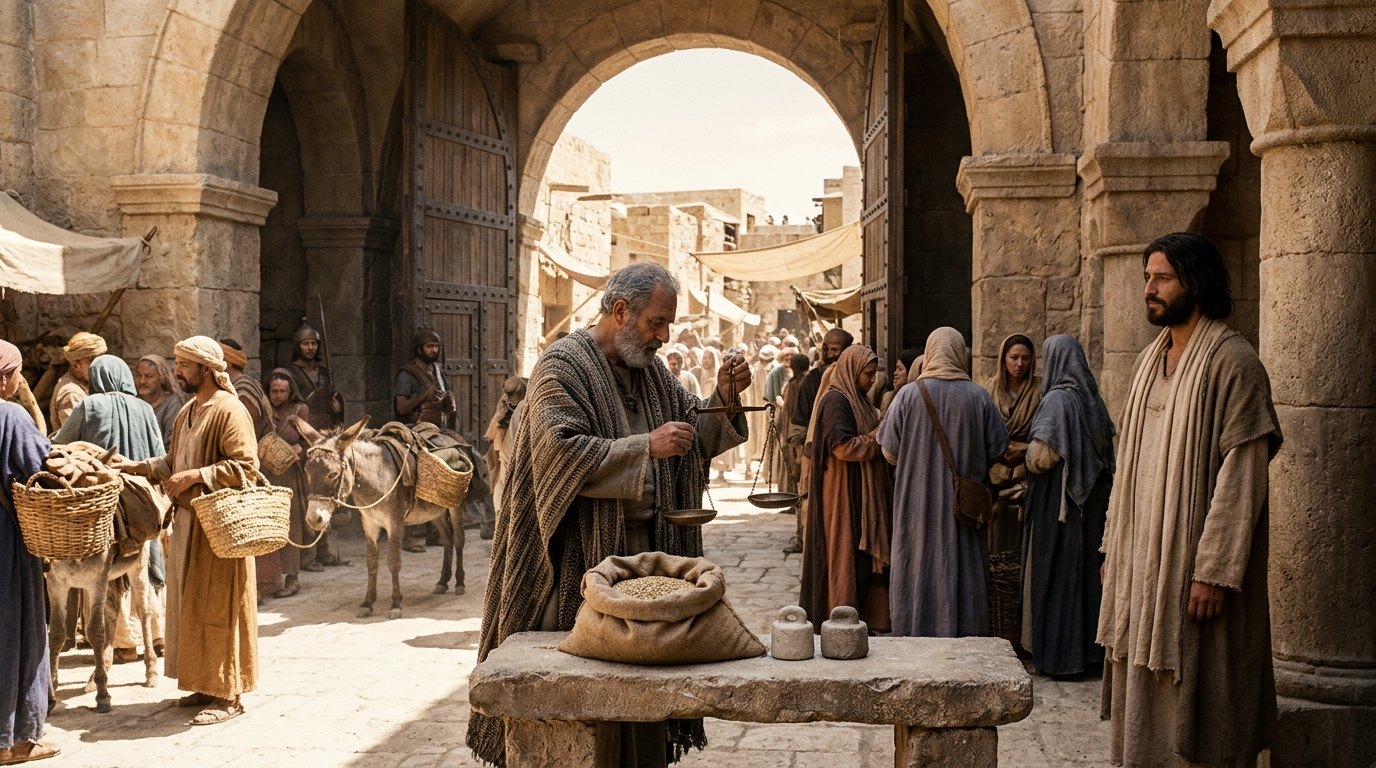
“ ‘Do not pervert justice; do not show partiality to the poor or favoritism to the great, but judge your neighbor fairly.
Leviticus 19:15 (NIV)
It defines pure biblical justice as impartial adherence to truth, explicitly forbidding bias toward either the destitute or the influential.
Biblical justice begins in the holiness of God, who requires uncompromised integrity in every court and marketplace. In Leviticus 19:15, the divine baseline is established: 'You shall do no injustice in court. You shall not be partial to the poor or defer to the great, but in righteousness shall you judge your neighbor.' This command cuts straight through human bias, forbidding judicial favor toward the impoverished out of sentimentality as firmly as it forbids pandering to the powerful. Righteousness is anchored in truth, not social standing. Exodus 23:1-3 reinforces this by outlawing false testimony, popular pressure, and distorted sympathy in legal proceedings, while Exodus 23:6-8 demands that the destitute never be denied their legal right, warning that bribes blind the discerning and pervert the words of the righteous. Deuteronomy 16:19-20 similarly charges judges to pursue absolute justice without partiality or payoff.
This standard extends beyond formal courtrooms into daily commerce and economic transactions. In Leviticus 19:35-36 and Deuteronomy 25:13-16, God condemns deceptive weights, unequal measures, and fraudulent ledgers, calling dishonest trading an absolute abomination. Proverbs 11:1 echoes this truth, declaring that a false balance offends the Lord, while an accurate weight is His delight. In God's economy, shaving profit from another through deceit is theft masked as business acumen. Proverbs 17:15 summarizes the moral severity of such corruption, pronouncing that acquitting the guilty and condemning the innocent are both equally detestable to God. As Proverbs 24:23-25 confirms, giving partiality in judgment is never good, but those who rebuke the wicked will receive delight and a good blessing.
| Passage | What it says |
|---|---|
| Leviticus 19:15 | Forbids partiality and injustice in judicial decisions, commanding righteousness regardless of wealth or status. |
| Leviticus 19:35-36 | Prohibits dishonest measurements and demands completely accurate scales and balances in all business dealings. |
| Deuteronomy 16:19-20 | Commands judges never to distort justice, show favoritism, or take bribes that blind the discerning. |
| Deuteronomy 25:13-16 | Labels unequal weights and measures an abomination to the Lord, requiring honest trading practices. |
| Proverbs 11:1 | Declares that fraudulent scales are an abomination to God, whereas accurate weights bring Him delight. |
| Proverbs 17:15 | Pronounces that both acquitting the wicked and condemning the righteous are equally detestable to God. |
| Exodus 23:1-3 | Forbids spreading false reports, joining a multitude to pervert justice, or showing partiality to a poor person in a lawsuit. |
| Exodus 23:6-8 | Commands not denying justice to the needy, keeping far from false charges, and refusing bribes that blind the discerning. |
| Proverbs 24:23-25 | Declares that partiality in judgment is not good and that rebuking the wicked brings a good blessing. |
Active Advocacy
Righteousness Demands Defending the Vulnerable

He has shown you, O mortal, what is good. And what does the LORD require of you? To act justly and to love mercy and to walk humbly with your God.
Micah 6:8 (NIV)
It summarizes God's moral requirement: not external ritual, but doing justice, loving mercy, and walking humbly with God.
Scripture never permits a passive posture toward the mistreatment of others; true godliness compels active intervention on behalf of the vulnerable. In Micah 6:8, the Lord cuts through hollow religious ritual to state His unchanging requirement: 'He has told you, O man, what is good; and what does the Lord require of you but to do justice, and to love kindness, and to walk humbly with your God?' Sacrificial ceremony is meaningless when severed from moral integrity. Isaiah 1:17 calls believers to put this into practice immediately: 'Learn to do good; seek justice, correct oppression; bring justice to the fatherless, plead the widow's cause.' In Isaiah 58:6-7, God rejects hypocritical fasting that coexists with exploitation, defining true devotion as loosening the bonds of wickedness, freeing the oppressed, sharing bread with the hungry, and clothing the naked.
Civil authorities and individual believers alike bear responsibility to defend those who cannot defend themselves. In Psalms 82:2-4, God sharply rebukes judges who favor the wicked, commanding them to rescue the weak, defend the orphan, and uphold the rights of the destitute. Proverbs 31:8-9 commands the righteous to open their mouths for the mute and judge righteously on behalf of the poor. Jeremiah 22:3 urges rulers to deliver the robbed from the hand of their oppressor, while Zechariah 7:9-10 forbids plotting evil or oppressing widows, orphans, and immigrants. Proverbs 29:7 observes that the righteous care about justice for the poor, whereas the wicked have no such concern. This care reflects the character of God Himself, who, as Psalms 146:7-9 celebrates, executes justice for the oppressed, feeds the hungry, watches over the stranger, and lifts up the fatherless.
| Passage | What it says |
|---|---|
| Micah 6:8 | Identifies the core of God's requirement as acting justly, loving steadfast mercy, and walking humbly before Him. |
| Isaiah 1:17 | Commands God's people to learn to do good, seek justice, correct oppression, and plead for widows and orphans. |
| Psalms 82:2-4 | Rebukes wicked rulers and commands them to defend the afflicted, the orphan, and rescue the destitute. |
| Proverbs 31:8-9 | Exhorts speaking up for those without a voice and executing fair judgment for the poor and needy. |
| Jeremiah 22:3 | Instructs rulers to deliver the robbed from the oppressor and refrain from mistreating strangers, orphans, or widows. |
| Zechariah 7:9-10 | Demands true justice, kindness, and mercy, forbidding oppression against the fatherless, widow, or resident alien. |
| Isaiah 58:6-7 | Defines true fasting as loosing the bonds of wickedness, undoing heavy burdens, letting the oppressed go free, and feeding the hungry. |
| Proverbs 29:7 | Affirms that the righteous person knows the rights of the poor, but the wicked person does not understand such knowledge. |
| Psalms 146:7-9 | Puts justice in God's character: He executes justice for the oppressed, feeds the hungry, watches over strangers, and upholds orphans and widows. |
Certain Judgment
God Hears the Cry of the Defrauded
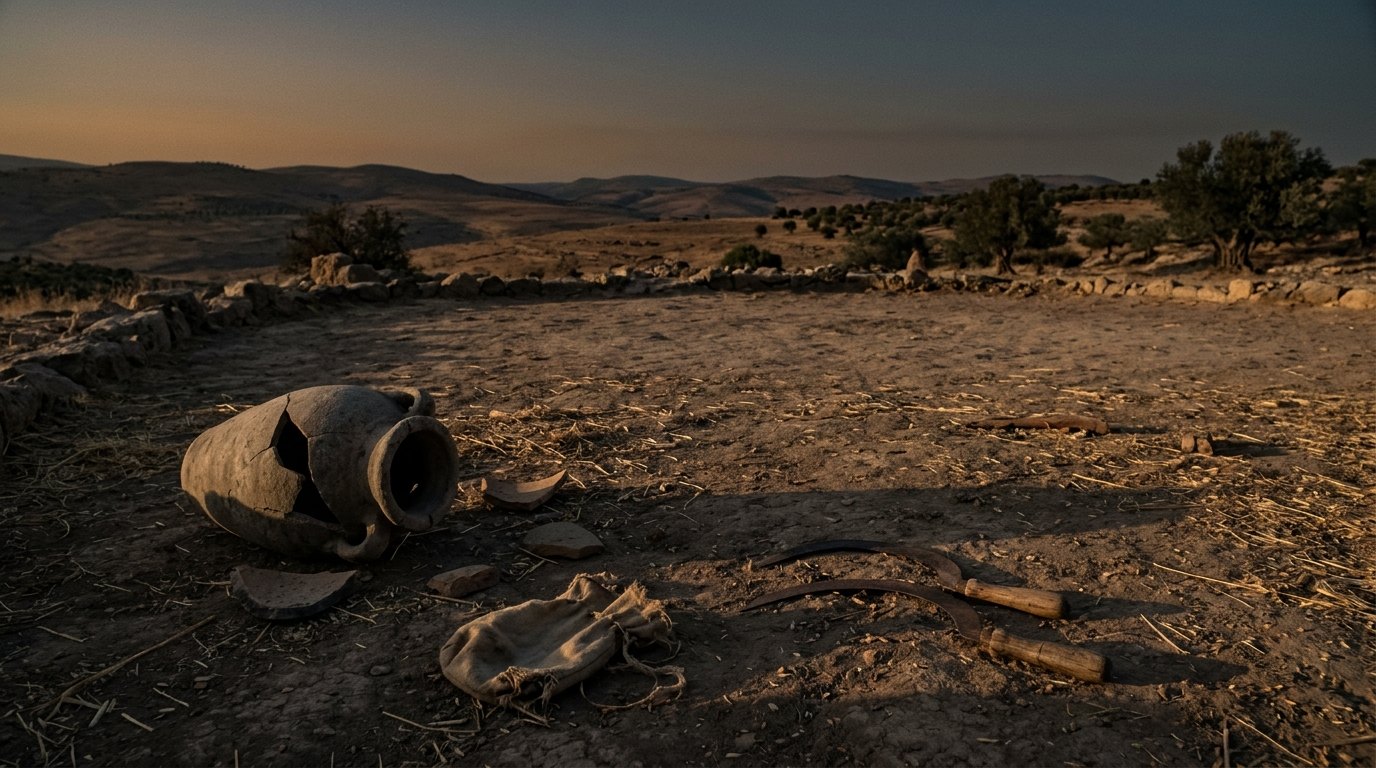
Look! The wages you failed to pay the workers who mowed your fields are crying out against you. The cries of the harvesters have reached the ears of the Lord Almighty.
James 5:4 (NIV)
It shows that withheld wages and concealed economic oppression cry out directly into the ears of the Lord of Hosts.
No injustice escapes the gaze of God, and Scripture warns that unrepented exploitation brings certain divine retribution. In James 5:4, the apostle exposes economic fraud and its cosmic consequences: 'Behold, the wages of the laborers who mowed your fields, which you kept back by fraud, are crying out against you, and the cries of the harvesters have reached the ears of the Lord of hosts.' The entirety of James 5:1-6 describes wealthy exploiters who fatten themselves in a day of slaughter, hoarding treasure while defrauding their workers and condemning the righteous. God hears every withheld wage and marks every act of extortion. Jeremiah 22:13-17 declares severe woe upon any ruler who builds opulent palaces by unrighteousness, forcing neighbors to work without pay while living in luxurious disregard of the needy.
This divine reckoning echoes throughout prophetic Scripture. In Amos 5:11-12, the prophet exposes those who trample the poor, extract unfair grain taxes, and afflict the righteous at the gate, warning that their ill-gotten wealth will not preserve them. Malachi 3:5 guarantees that God will draw near in swift judgment against adulterers, perjurers, and those who cheat wage earners, widows, orphans, and foreigners. Though Habakkuk 1:2-4 laments that justice seems paralyzed while wicked men surround the righteous, God assures him of appointed judgment. Ecclesiastes 5:8 reminds believers not to marvel when earthly officials oppress the poor, for God stands supreme over every corrupt hierarchy. As Colossians 3:25 and 2 Thessalonians 1:6-10 promise, the Lord will repay each wrongdoer without partiality, executing righteous judgment when Christ is revealed from heaven.
| Passage | What it says |
|---|---|
| James 5:1-6 | Denounces rich oppressors who hoard wealth, defraud day laborers, live in self-indulgence, and condemn the righteous. |
| Amos 5:11-12 | Pronounces judgment on those who trample the poor, take grain levies, afflict the just, and take bribes. |
| Malachi 3:5 | Promises swift divine testimony against sorcerers, adulterers, oppressors of hirelings, and those turning away immigrants. |
| Habakkuk 1:2-4 | Laments widespread violence, paralyzed law, and perverted justice while calling upon God to intervene. |
| 2 Thessalonians 1:6-10 | Affirms God will repay afflictions and judge persecutors with eternal destruction when the Lord Jesus is revealed. |
| Ecclesiastes 5:8 | Counsels not to be shocked by oppression of the poor or perversion of justice, because higher officials watch over one another. |
| Jeremiah 22:13-17 | Pronounces woe upon anyone who builds his house by unrighteousness and makes his neighbour serve him without wages. |
| Colossians 3:25 | Assures that the wrongdoer will be paid back for the wrong done, and there is no partiality with God. |
Patient Trust
Resting in God Instead of Envious Fretting

Be still before the LORD and wait patiently for him; do not fret when people succeed in their ways, when they carry out their wicked schemes.
Psalms 37:7 (NIV)
It instructs believers to be silent and wait on the Lord rather than being inflamed into sin by the wicked person's success.
When injustice thrives and corrupt men prosper, believers face the temptation to despair, rage, or compromise. Psalms 37:7 provides the anchor for enduring faith: 'Be still before the Lord and wait patiently for him; fret not yourself over the one who prospers in his way, over the man who carries out evil devices!' The opening verses of Psalms 37:1-6 urge God's people not to burn with envy at evildoers, for like grass they will soon wither, while those who trust in the Lord will inherit the land. Verses 8-9 command the faithful to refrain from anger and forsake wrath, warning that fretting tends only to evil. God will cut off the wicked, but those who hope in Him will stand secure.
This struggle with visible inequity is vividly portrayed in Psalms 73:2-17, where Asaph confessed that his feet almost stumbled when he envied the arrogant and saw their apparent peace. Only when he entered the sanctuary of God did he perceive their terrifying end, recognizing that their slippery prosperity leads to sudden destruction. Proverbs 3:31-33 commands believers never to envy the violent or choose any of their paths, for the devious are detestable to the Lord. Proverbs 24:19-20 similarly insists that the wicked have no future and their lamp will be put out. Ecclesiastes 3:16-17 observes corruption even in the hall of justice, yet rests in the certainty that God has appointed a time for every matter and deed. In Luke 18:7-8, Jesus assures His people that God will vindicate His elect who cry to Him day and night, urging steadfast faith until His return.
| Passage | What it says |
|---|---|
| Psalms 37:1-6 | Exhorts believers not to fret over evildoers, promising their quick demise while God establishes the righteous. |
| Psalms 37:7-9 | Warns that wrath and fretting lead only to evil, calling for patient waiting until evildoers are cut off. |
| Psalms 73:2-17 | Recounts stumbling over the prosperity of the wicked until entering God's sanctuary revealed their ultimate ruin. |
| Proverbs 3:31-33 | Forbids envying violent men or adopting their practices, because the devious are an abomination to the Lord. |
| Proverbs 24:19-20 | Warns against fretting over evildoers, declaring the wicked have no future and their lamp will be extinguished. |
| Ecclesiastes 3:16-17 | Observes wickedness in the place of justice and affirms that God will judge both the righteous and the wicked in due time. |
| Luke 18:7-8 | Promises that God will surely execute justice speedily for His elect who cry out to Him day and night. |
Christlike Response
Forsaking Revenge to Overcome Evil With Good
Do not take revenge, my dear friends, but leave room for God’s wrath, for it is written: “It is mine to avenge; I will repay,” says the Lord.
Romans 12:19 (NIV)
It commands believers never to avenge themselves, yielding all retribution to the holy wrath of God.
In Romans 12:19, Paul lays down the radical ethic that governs the believer in the face of wrong: 'Beloved, never avenge yourselves, but leave it to the wrath of God, for it is written, "Vengeance is mine, I will repay, says the Lord."' This does not minimize injustice; it recognizes that ultimate justice belongs solely to an all-knowing, holy God. Instead of succumbing to bitter retaliation, the Christian is commanded in Romans 12:17-21 to repay no one evil for evil, but to feed the hungry enemy, give drink to the thirsty foe, and so overcome evil with good.
This posture is rooted firmly in the pattern of Jesus Himself. As 1 Peter 2:21-24 recounts, Christ bore unprovoked abuse without threatening or returning reviling; rather, He continued entrusting Himself to Him who judges justly, bearing our sins in His own body on the tree that we might die to sin and live to righteousness. Peter continues in 1 Peter 3:14-17, instructing believers that even if they suffer for righteousness' sake, they are blessed, called to give a gentle defense and keep a clear conscience so that revilers are put to shame. In the Sermon on the Mount, Matthew 5:38-45 deepens this demand, commanding disciples to turn the other cheek, go the extra mile, and actively pray for their persecutors to reflect the character of their heavenly Father.
Such patient endurance echoes the ancient wisdom of Proverbs 20:22, which warns, 'Do not say, "I will repay evil"; wait for the Lord, and He will deliver you,' a command reaffirmed for the church in 1 Thessalonians 5:15 to always pursue what is good for one another and for all. Even in heaven, as Revelation 6:9-11 portrays, the martyred saints beneath the altar cry out for the Lord's holy and true judgment against earthly oppression; yet they are clothed in white robes and told to rest, confident that God's sovereign justice will neither slumber nor fail.
| Passage | What it says |
|---|---|
| Romans 12:17-21 | Commands believers never to repay evil for evil, but to overcome injustice by feeding and serving enemies. |
| 1 Peter 2:21-24 | Presents Christ as the model who suffered unjustly without sin or reviling, entrusting Himself to the righteous Judge. |
| 1 Peter 3:14-17 | Encourages blessing those who persecute, enduring unjust suffering with a clean conscience for God's glory. |
| Matthew 5:38-45 | Teaches disciples to forgo personal retaliation, display self-sacrificial love, and pray for those who persecute them. |
| Revelation 6:9-11 | Depicts martyred saints under the altar pleading for God's righteous vindication, receiving white robes while they rest. |
| Proverbs 20:22 | Instructs the believer not to say, 'I will repay evil,' but rather to wait on the Lord, who will deliver. |
| 1 Thessalonians 5:15 | Commands seeing that no one repays anyone evil for evil, but always seeking to do good to one another and to everyone. |
Where in the Bible
| Book | Passages |
|---|---|
| Exodus | 2 · Exodus 23:1-3, Exodus 23:6-8 |
| Leviticus | 2 · Leviticus 19:15, Leviticus 19:35-36 |
| Deuteronomy | 2 · Deuteronomy 16:19-20, Deuteronomy 25:13-16 |
| Psalms | 5 · Psalms 82:2-4, Psalms 146:7-9, Psalms 37:1-6, Psalms 37:7-9, Psalms 73:2-17 |
| Proverbs | 8 · Proverbs 11:1, Proverbs 17:15, Proverbs 24:23-25, Proverbs 31:8-9, Proverbs 29:7, Proverbs 3:31-33, Proverbs 24:19-20, Proverbs 20:22 |
| Ecclesiastes | 2 · Ecclesiastes 5:8, Ecclesiastes 3:16-17 |
| Isaiah | 2 · Isaiah 1:17, Isaiah 58:6-7 |
| Jeremiah | 2 · Jeremiah 22:3, Jeremiah 22:13-17 |
| Amos | 1 · Amos 5:11-12 |
| Micah | 1 · Micah 6:8 |
| Habakkuk | 1 · Habakkuk 1:2-4 |
| Zechariah | 1 · Zechariah 7:9-10 |
| Malachi | 1 · Malachi 3:5 |
| Matthew | 1 · Matthew 5:38-45 |
| Luke | 1 · Luke 18:7-8 |
| Romans | 1 · Romans 12:17-21 |
| Colossians | 1 · Colossians 3:25 |
| 1 Thessalonians | 1 · 1 Thessalonians 5:15 |
| 2 Thessalonians | 1 · 2 Thessalonians 1:6-10 |
| James | 1 · James 5:1-6 |
| 1 Peter | 2 · 1 Peter 2:21-24, 1 Peter 3:14-17 |
| Revelation | 1 · Revelation 6:9-11 |
The story in order
- God forbids injustice in law (c. 1450 BC) · Leviticus 19:15 · Establishes God's standard for impartial judgment and honest dealings.
- God demands justice for the poor (c. 1450 BC) · Exodus 23:6-8 · Commands protection for the needy and refusal of bribes.
- God's people must act justly (c. 700 BC) · Micah 6:8 · Defines core requirements: justice, mercy, and humility.
- God hears the cry of the oppressed (c. 750 BC) · Amos 5:11-12 · Pronounces judgment on those who trample and afflict the poor.
- God promises judgment on oppressors (c. 450 BC) · Malachi 3:5 · Affirms divine intervention against injustice and exploitation.
- Jesus teaches against retaliation (c. AD 30) · Matthew 5:38-45 · Instructs disciples to love enemies and pray for persecutors.
- Christ models suffering unjustly (c. AD 60) · 1 Peter 2:21-24 · Shows how to endure injustice by entrusting oneself to God.
- God will judge persecutors (c. AD 50) · 2 Thessalonians 1:6-10 · Affirms final judgment and retribution for those who inflict suffering.
- God ensures justice for the elect (c. AD 30) · Luke 18:7-8 · Promises speedy vindication for those who cry out to God.
- Martyrs await God's righteous judgment (c. AD 95) · Revelation 6:9-11 · Depicts the souls under the altar awaiting final justice.
Key words
- Injustice (ʿāwāl, עָוָל)
- Unfairness or violation of rights; wickedness in judgment or dealings. · Psalms 82:3
- Justice (mishpāṭ, מִשְׁפָּט)
- Righteousness, fairness, and equity in judgment and conduct. · Micah 6:8
- Oppression (lāḥaṣ, לַחַץ)
- Cruel or unjust exercise of power or authority. · Isaiah 58:6
- Righteousness (ṣedeq, צֶדֶק)
- Conformity to God's moral character and law; justice. · Leviticus 19:15
- Vulnerable (dal, דַּל)
- Those in need of special care or support; the afflicted, fatherless, widows. · Psalms 146:7
Believers are summoned neither to despair nor to retaliate when confronted by injustice, but to rest in God's absolute sovereignty and practice steadfast obedience. By entrusting vengeance to the Lord, pleading the cause of the oppressed, and following Christ who bore the ultimate injustice to redeem sinners, God's people overcome evil with good until His perfect kingdom comes.
40 passages, each cited once.
Scripture cited
- Psalms 37:1-9
- Psalms 82:1-4
- Micah 6:8
- James 5:1-6
- Romans 12:17-21
- 1 Peter 2:21-24
- Revelation 21:1-5
- Leviticus 19:15-36
- Isaiah 1:17
- 2 Thessalonians 1:6-10
- Proverbs 31:8-9