Who was Bathsheba?
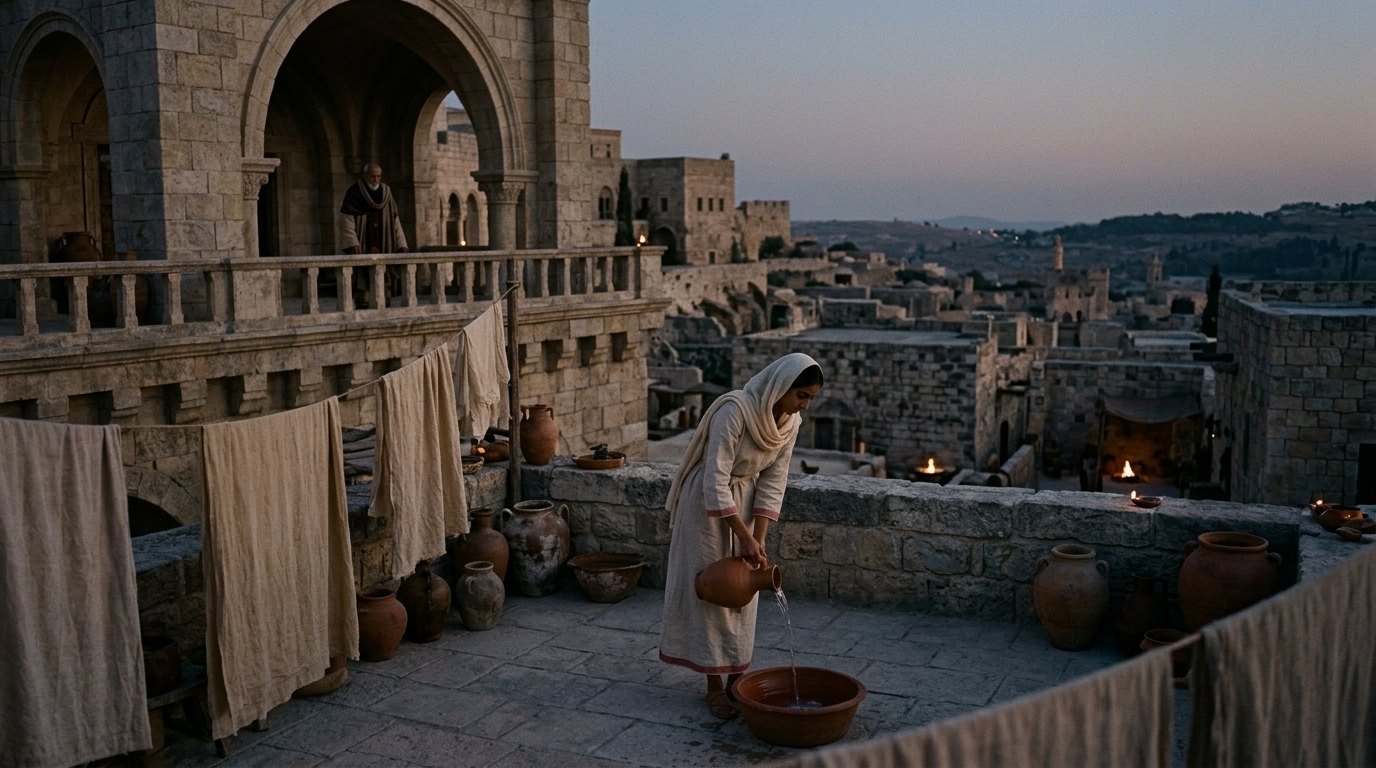
2 Samuel 11:1-5
1 In the spring, at the time when kings go off to war, David sent Joab out with the king’s men and the whole Israelite army. They destroyed the Ammonites and besieged Rabbah. But David remained in Jerusalem.
2 One evening David got up from his bed and walked around on the roof of the palace. From the roof he saw a woman bathing. The woman was very beautiful,
3 and David sent someone to find out about her. The man said, “She is Bathsheba, the daughter of Eliam and the wife of Uriah the Hittite.”
4 Then David sent messengers to get her. She came to him, and he slept with her. (Now she was purifying herself from her monthly uncleanness.) Then she went back home.
5 The woman conceived and sent word to David, saying, “I am pregnant.”
New International Version (NIV)
The answer
Bathsheba was the wife of Uriah the Hittite who became King David's wife and the mother of King Solomon, and she stands in the family line of Jesus Christ. Her story runs from David's great sin to God's mercy, and it is told mainly in 2 Samuel 11–12 and 1 Kings 1–2.
Her family and first marriage
She is identified as "Bathsheba, the daughter of Eliam, Uriah the Hittite's wife" (2 Samuel 11:3). Her husband was one of David's soldiers, away with the army at the siege of Rabbah. In 1 Chronicles 3:5 she is called Bathshua the daughter of Ammiel, and she is named as the mother of four of David's sons: Shimea, Shobab, Nathan, and Solomon. Eliam is listed among David's mighty men as the son of Ahithophel the Gilonite (2 Samuel 23:34).
David's sin against her and Uriah
While David stayed in Jerusalem, he saw Bathsheba bathing, sent for her, and lay with her; she conceived and told him she was with child (2 Samuel 11:2-5). David then tried to bring Uriah home to cover the pregnancy, and when Uriah refused the comforts of home while the army was in the field, David arranged his death in battle (2 Samuel 11:6-17). After Bathsheba mourned her husband, David took her as his wife and she bore a son, but "the thing that David had done displeased Yahweh" (2 Samuel 11:26-27).
God sent Nathan to confront David, and David confessed, "I have sinned against Yahweh"; Nathan answered that the Lord had put away his sin, though the child would die (2 Samuel 12:13-14). The child died on the seventh day (2 Samuel 12:18). Psalm 51:1 is David's prayer for mercy after Nathan came to him, and it shows where sin must always be taken: to God for cleansing, not covered up.
Solomon's mother and queen mother
Afterward, "David comforted Bathsheba his wife… She bore a son, and he called his name Solomon. Yahweh loved him", and Nathan named the boy Jedidiah (2 Samuel 12:24-25). Years later, when Adonijah tried to take the throne, Bathsheba acted with Nathan to remind David of his oath that Solomon would reign, and David confirmed it (1 Kings 1:11-31). Under Solomon she was honoured as the king's mother: he rose to meet her, bowed to her, and set a throne for her at his right hand (1 Kings 2:19).
Her place in the gospel
Matthew's genealogy says David became the father of Solomon "by her who had been Uriah's wife" (Matthew 1:6). Scripture does not hide the adultery and injustice surrounding her marriage to David, yet God brought Solomon, and ultimately the Messiah, through this line. Her story therefore holds together two truths: sin is real and judged, and God's gracious purpose is not defeated by human failure.
Answered from Scripture · reviewed November 12, 2026
Scripture cited
- 2 Samuel 11:1-5
- 2 Samuel 11:6-27
- 2 Samuel 12:18-25
- 1 Chronicles 3:5
- 1 Kings 1:11-31
- Matthew 1:6
- 2 Samuel 12:1-17
- 2 Samuel 23:34
- 1 Kings 2:13-25
- Psalms 51:1