Is it a sin to be angry?

Ephesians 4:26-27
26 “In your anger do not sin”: Do not let the sun go down while you are still angry,
27 and do not give the devil a foothold.
New International Version (NIV)
The answer
Feeling angry is not itself a sin; letting anger turn into sin is. Ephesians 4:26 says, “Be angry, and don’t sin,” so Scripture distinguishes the feeling of anger from the sin it can become.
Righteous anger is biblical. We may be angry at sin, injustice, and what dishonors God. But anger becomes sinful when it grows into rage, bitterness, cruelty, revenge, insults, or hostility. Ephesians 4:26-27 instructs believers not to let anger become an opening for the devil, and Ephesians 4:31-32 says to put away bitterness, wrath, anger, slander, and malice.
The practical difference is this: anger at the wrong that should be repented of is different from anger at the person who must be loved, corrected, and forgiven. James 1:19-20 tells us to be “slow to anger,” because human anger does not produce the righteousness of God.
So the answer is not “never feel angry,” but “be angry without sining.” Do not nurse resentment, retaliate, speak harshly, or refuse reconciliation. Put anger away before it hardens your heart.
Answered from Scripture · reviewed November 10, 2026
Scripture explicitly commands believers to 'be angry, and do not sin,' demonstrating that the initial emotional experience of anger is not inherently sinful. The Bible distinguishes righteous grief over evil from the self-serving, unbridled rage that damages souls and dishonors God. Recognizing when anger reflects holy zeal and when it deteriorates into malice is essential for living faithfully under Christ.
The Distinction
Anger itself is distinct from the sin it can birth

“In your anger do not sin”: Do not let the sun go down while you are still angry,
Ephesians 4:26 (NIV)
Paul shows that experiencing anger is distinct from acting sinfully, commanding that anger be resolved before daylight ends.
Paul issues an arresting imperative in Ephesians 4:26: 'Be angry and do not sin; do not let the sun go down on your anger.' The apostle does not treat the initial stir of anger as inherently wicked; rather, he assumes believers will experience it, yet commands that it remain tightly bounded so it does not degenerate into sin. Harboring an offense through the night calcifies feeling into resentment. As Ephesians 4:27 warns immediately after, unaddressed fury grants a direct foothold to the devil, turning an emotional reaction into an open door for spiritual devastation.
This balance echoes the ancient counsel of Psalms 4:4, where David bids his hearers to tremble in deep agitation yet refrain from sin, searching their own hearts silently upon their beds. Rather than venting passionately, the faithful soul brings internal turmoil into quiet communion with God. This discipline requires honest self-examination, because fallen creatures routinely deceive themselves about why they are upset. When the prophet sulked outside Nineveh, the Lord gently challenged him in Jonah 4:4, asking, 'Do you do well to be angry?' God exposed Jonah's distorted priorities again in Jonah 4:9, where the prophet was enraged over the death of a shade plant while entirely indifferent to the eternal souls of an entire city. Scripture therefore distinguishes the raw emotional pulse of indignation from the wicked, selfish motives that often hijack it.
| Passage | What it says |
|---|---|
| Ephesians 4:26 | Believers are told to be angry without sinning and forbidden to let the sun go down while still nurturing wrath. |
| Ephesians 4:27 | Unresolved wrath provides a foothold and opportunity for the adversary to gain influence in the believer's life. |
| Psalms 4:4 | David instructs God's people to tremble and sin not, examining their own hearts quietly before the Lord. |
| Jonah 4:4 | The Lord asks Jonah whether he does well to be angry, prompting evaluation of motive. |
| Jonah 4:9 | God questions Jonah's anger over the plant, demonstrating misplaced, selfish frustration. |
Righteous Zeal
Holy indignation answers injustice, sin, and God's dishonor
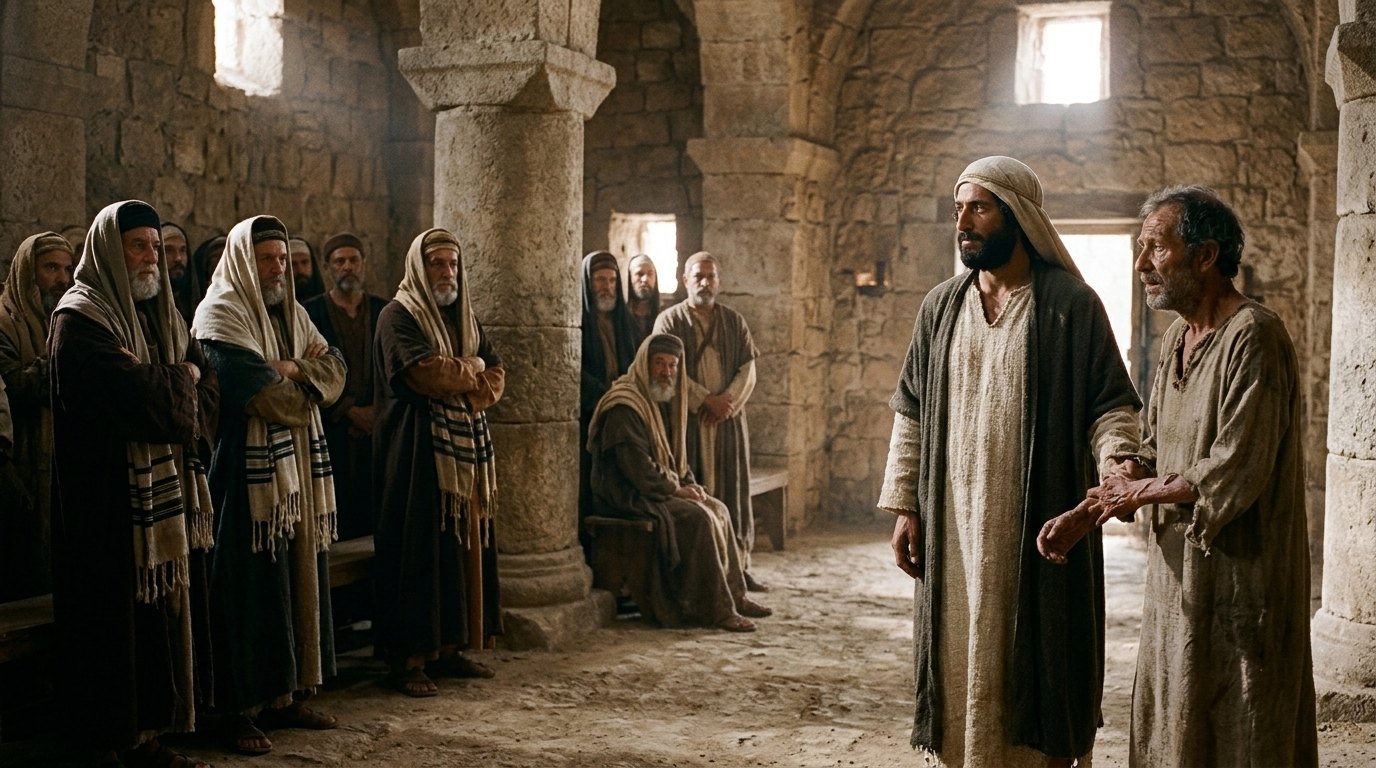
He looked around at them in anger and, deeply distressed at their stubborn hearts, said to the man, “Stretch out your hand.” He stretched it out, and his hand was completely restored.
Mark 3:5 (NIV)
Jesus looks upon the religious leaders with anger while grieving over the callous hardness of their hearts.
In Mark 3:5, Christ looked around at the synagogue leaders with anger, 'grieved at their hardness of heart.' This remarkable glimpse into the incarnate Son reveals that holy displeasure is not merely permitted; it is a proper moral response to stubborn cruelty and unbelief. The perfection of Christ had no trace of sin, yet his gaze burned with grief and indignation as religious hypocrisy stood ready to condemn a man for receiving healing on the Sabbath.
Such holy fire runs throughout biblical history whenever God's honor or vulnerable people are violated. In Exodus 32:19, Moses shattered the stone tablets of the law at the foot of Mount Sinai when he saw the golden calf and pagan dancing, an act of sheer righteous grief over covenant betrayal. Centuries later, in John 2:15-17, Jesus fashioned a whip of cords to drive out the dishonest money changers, consuming Himself with zeal for His Father's house. Similarly, Nehemiah 5:6 records Nehemiah's vehement anger upon learning that predatory nobles were enslaving their impoverished brethren through extortionate usury. In Numbers 25:11, Phinehas executed decisive judgment against blatant idolatry, turning away divine wrath through righteous jealousy. Even under the monarchy, 1 Samuel 11:6 records that the Spirit of God rushed upon Saul to ignite fierce indignation when the Ammonites threatened to mutilate Israelite citizens. In every case, godly anger aims outward to defend God's name and deliver the oppressed.
| Passage | What it says |
|---|---|
| Exodus 32:19 | Moses burns with hot anger upon seeing Israel worshiping the golden calf, breaking the tablets in righteous grief. |
| Mark 3:5 | Christ looks around at the Pharisees with anger, deeply grieved by their unyielding hardness of heart toward suffering. |
| John 2:15-17 | Jesus drives money changers from the temple complex with a whip of cords, consumed with zeal for His Father's house. |
| Nehemiah 5:6 | Nehemiah becomes exceedingly angry upon hearing how wealthy nobles were oppressing their poor Jewish brothers through usury. |
| Numbers 25:11 | Phinehas turned away God's wrath by displaying zeal against blatant, defiant ungodliness. |
| 1 Samuel 11:6 | The Spirit of God rushes upon Saul, stirring righteous anger to rescue Jabesh-gilead. |
The Peril
Unchecked wrath descends swiftly into malice and folly
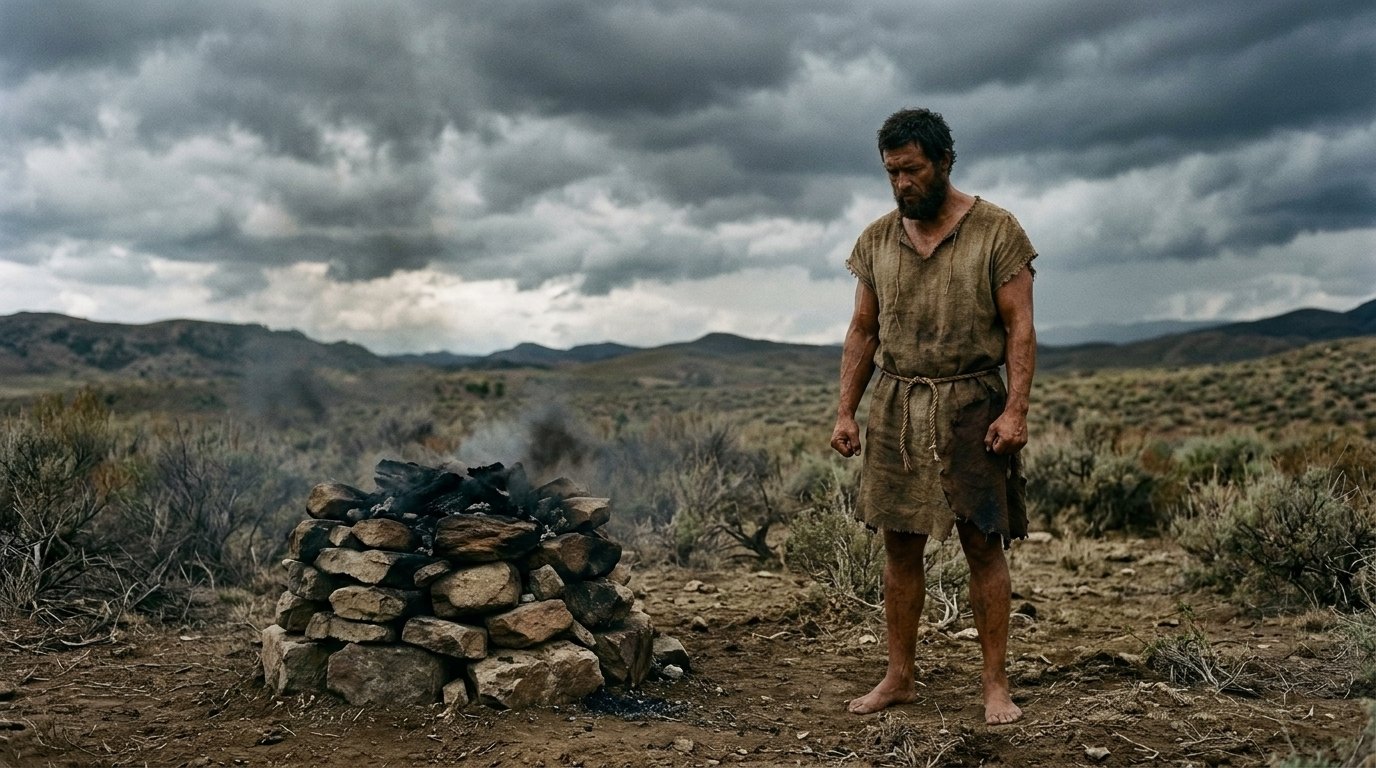
because human anger does not produce the righteousness that God desires.
James 1:20 (NIV)
James directly warns that human wrath fails completely to produce the righteous life God desires.
James 1:20 delivers an absolute verdict on undisciplined human rage: 'for the anger of man does not produce the righteousness of God.' While indignation can arise for valid causes, our personal fury rarely stays pure. Therefore, James 1:19 urges believers to be swift to hear, slow to speak, and slow to anger, recognizing how swiftly passion outruns wisdom. Human indignation routinely masquerades as moral courage while secretly indulging pride and vindictiveness.
The catastrophic danger of untamed fury appears at the dawn of history in Genesis 4:5-7, where Cain's burning wrath led God to warn that sin was crouching like a predator at his doorway. Refusing to govern his spirit, Cain murdered his brother. In Matthew 5:21-22, the Lord reveals that nursing hidden bitterness against a brother incurs the same moral guilt before heaven as physical homicide. Wisdom literature repeatedly catalogues this folly: Proverbs 14:17 shows that the quick-tempered person acts foolishly, and Ecclesiastes 7:9 warns that anger rests in the bosom of fools. Untamed temperament demands suffering, as Proverbs 19:19 notes, while Proverbs 22:24-25 warns that walking with an angry companion will ensnare one's soul. Unchecked anger stirs persistent strife according to Proverbs 29:22, which is why Galatians 5:19-21 ranks outbursts of wrath among the destructive works of the flesh and Titus 1:7 disqualifies the quick-tempered from pastoral oversight.
| Passage | What it says |
|---|---|
| James 1:19 | Believers are exhorted to be swift to listen, slow to speak, and slow to become angry. |
| James 1:20 | Human anger does not produce or achieve the righteous standard that God requires. |
| Genesis 4:5-7 | Cain's face falls in intense anger, and God warns him that sin is crouching at the door to master him. |
| Matthew 5:21-22 | Jesus equates nursing unrighteous anger and speaking contemptuous insults against a brother with the guilt of murder. |
| Proverbs 14:17 | A quick-tempered person acts foolishly, while a person of deceitful schemes is hated. |
| Ecclesiastes 7:9 | Solomon cautions against being hasty in spirit to be angry, for anger settles in the lap of fools. |
| Proverbs 19:19 | A person of great wrath must suffer punishment, for rescue only invites repeat folly. |
| Proverbs 22:24-25 | Scripture warns against befriending an angry person lest one learn their destructive ways. |
| Proverbs 29:22 | An angry man stirs up strife, and a furious person abounds in transgression. |
| Galatians 5:19-21 | Fits of rage or wrath are catalogued among the works of the flesh. |
| Titus 1:7 | An overseer must not be arrogant or quick-tempered, disqualified by undisciplined anger. |
The Remedy
Putting away bitterness to walk in Christlike forgiveness

Get rid of all bitterness, rage and anger, brawling and slander, along with every form of malice. Be kind and compassionate to one another, forgiving each other, just as in Christ God forgave you.
Ephesians 4:31-32 (NIV)
Paul commands the removal of all malicious fury, replacing it with the tenderhearted forgiveness shown to us in Christ.
The definitive biblical cure for lingering wrath is laid down in Ephesians 4:31-32: 'Let all bitterness and wrath and anger and clamor and slander be put away from you, along with all malice. Be kind to one another, tenderhearted, forgiving one another, as God in Christ forgave you.' The gospel does not merely suppress hostility; it replaces it with the supernatural grace believers have received at the cross. We surrender the urge to retaliate because Christ absorbed the infinite debt we could never pay.
This posture fulfills the quiet wisdom of the Old Testament. Psalms 37:8 counsels believers to cease from anger and forsake wrath, for it leads only to wrongdoing. In day-to-day conflict, Proverbs 15:1 proves that a soft answer turns away wrath, whereas abrasive speech inflames contention. True strength is not demonstrated by explosive retaliation; Proverbs 16:32 declares that whoever is slow to anger is better than a mighty warrior capturing a city. In Colossians 3:8, Paul repeats the urgent charge to cast off abusive speech and malice as filthy rags discarded from the soul. Because God alone possesses the absolute wisdom to execute perfect justice, Romans 12:19 explicitly commands us never to avenge ourselves, but to leave room for God's holy wrath. Thus, 1 Timothy 2:8 calls men to pray lifting holy hands, entirely free from the contamination of anger and dispute.
| Passage | What it says |
|---|---|
| Ephesians 4:31 | Believers are commanded to discard all bitterness, wrath, anger, clamor, slander, and every form of malice. |
| Ephesians 4:32 | The remedy for bitter anger is kindness, tenderheartedness, and forgiving others just as God in Christ forgave us. |
| Psalms 37:8 | David instructs the godly to cease from anger and abandon wrath, which leads only to doing evil. |
| Proverbs 15:1 | A soft answer turns away wrath, while a harsh word stirs up destructive anger. |
| Proverbs 16:32 | One who is slow to anger is better than a warrior, and one who rules his spirit surpasses a conqueror. |
| Colossians 3:8 | Paul instructs the church to put away anger, wrath, malice, slander, and filthy speech from their mouths. |
| Romans 12:19 | Believers are forbidden from avenging themselves, leaving wrath entirely to God's judgment. |
| 1 Timothy 2:8 | Men everywhere are directed to pray lifting holy hands, without anger or quarreling. |
Where in the Bible
| Book | Passages |
|---|---|
| Genesis | 1 · Genesis 4:5-7 |
| Exodus | 1 · Exodus 32:19 |
| Numbers | 1 · Numbers 25:11 |
| 1 Samuel | 1 · 1 Samuel 11:6 |
| Nehemiah | 1 · Nehemiah 5:6 |
| Psalms | 2 · Psalms 4:4, Psalms 37:8 |
| Proverbs | 6 · Proverbs 14:17, Proverbs 19:19, Proverbs 22:24-25, Proverbs 29:22, Proverbs 15:1, Proverbs 16:32 |
| Ecclesiastes | 1 · Ecclesiastes 7:9 |
| Jonah | 2 · Jonah 4:4, Jonah 4:9 |
| Matthew | 1 · Matthew 5:21-22 |
| Mark | 1 · Mark 3:5 |
| John | 1 · John 2:15-17 |
| Romans | 1 · Romans 12:19 |
| Galatians | 1 · Galatians 5:19-21 |
| Ephesians | 4 · Ephesians 4:26, Ephesians 4:27, Ephesians 4:31, Ephesians 4:32 |
| Colossians | 1 · Colossians 3:8 |
| 1 Timothy | 1 · 1 Timothy 2:8 |
| Titus | 1 · Titus 1:7 |
| James | 2 · James 1:19, James 1:20 |
The story in order
- Moses' righteous anger at the golden calf (c. 1446 BC) · Exodus 32:19 · Shows holy indignation answering sin.
- Phinehas' zeal turns away God's wrath (c. 1406 BC) · Numbers 25:11 · Demonstrates zeal against defiant ungodliness.
- David instructs to sin not in anger (c. 1000 BC) · Psalms 4:4 · Prompts self-examination of anger's motive.
- Saul stirred by the Spirit to anger (c. 1070 BC) · 1 Samuel 11:6 · Shows God's Spirit enabling righteous anger.
- Nehemiah's anger at oppression (c. 445 BC) · Nehemiah 5:6 · Righteous grief over injustice to the poor.
- Jonah's selfish anger questioned (c. 760 BC) · Jonah 4:4 · Highlights misplaced, selfish frustration.
- Jesus' anger in the temple (AD 27-30) · John 2:15-17 · Zeal for God's house drives out sin.
- Christ's anger at hardness of heart (AD 28-30) · Mark 3:5 · Grief over unyielding hearts toward suffering.
- Jesus warns against unrighteous anger (AD 30-32) · Matthew 5:21-22 · Equates anger with murder's guilt.
- Paul commands anger without sin (AD 60-62) · Ephesians 4:26 · Distinguishes permissible anger from sinful wrath.
- Paul commands putting away malice (AD 60-62) · Ephesians 4:31 · Urges removal of all bitterness and wrath.
- Paul warns against works of the flesh (AD 55-57) · Galatians 5:19-21 · Lists fits of rage as sinful.
Anger: Righteous Zeal vs. Sinful Wrath
| Righteous Anger | Sinful Anger | Passage |
|---|---|---|
| Moses' hot anger at idolatry | Cain's anger leading to murder | |
| Christ's anger over hardness of heart | Pharisees' unyielding hardness of heart | Mark 3:5 |
| Jesus' zeal for His Father's house | Jonah's selfish anger over a plant | |
| Nehemiah's anger at oppression of the poor | Quick-tempered person acting foolishly | |
| Phinehas' zeal against ungodliness | Angry man stirring up strife |
The Progression of Unchecked Anger
| Initial Anger | Deterioration | Result | Passage |
|---|---|---|---|
| Believers told to be angry without sin | Nurturing wrath, letting sun go down | Folly, hatred, strife, transgression | |
| Cain's face falls in anger | Sin crouching at the door | Murder | Genesis 4:5-7 |
| James exhorts to be slow to anger | Human anger does not produce righteousness | Punishment, destruction | |
| David instructs to cease from anger | Anger leads only to doing evil | Works of the flesh |
Remedy for Bitter Anger
| Put Away | Embrace | Result | Passage |
|---|---|---|---|
| Bitterness, wrath, anger, clamor, slander, malice | Kindness, tenderheartedness, forgiveness | Forgiving as God in Christ forgave us | Ephesians 4:31-32 |
| Anger, wrath, malice, slander, filthy speech | Gentleness, patience | Walking in Christlike forgiveness | Colossians 3:8 |
| Cease from anger and abandon wrath | Do not seek revenge | Leaving wrath to God's judgment | |
| Hasty spirit, quarreling | Slow to anger, ruling one's spirit | Better than a warrior, surpassing conqueror |
Key words
- Anger (orgē, ὀργή)
- A strong feeling of annoyance, displeasure, or hostility. · Ephesians 4:26
- Wrath (thumos, θυμός)
- Extreme anger; fury, often with a desire for vengeance. · Ephesians 4:26
- Malice (kakia, κακία)
- The intention or desire to do evil; ill will. · Ephesians 4:31
- Zeal (zēlos, ζῆλος)
- Great energy or enthusiasm in pursuit of a cause or objective; holy indignation. · John 2:17
- Forgiveness (aphiēmi, ἀφίημι)
- The action or process of forgiving or being forgiven. · Ephesians 4:32
Believers are not summoned to a life devoid of moral reaction, but to a disciplined heart where anger against evil never turns into hatred against our neighbor. When righteous indignation arises, it must be surrendered swiftly to the Lord before the sun sets, guarding against the snare of the adversary. Rooted in Christ's forgiving grace, the Christian learns to forsake wrath and let divine peace govern every impulse.
30 passages, each cited once.
Scripture cited
- Ephesians 4:26-27
- Ephesians 4:31-32
- Ephesians 4:26
- Ephesians 4:22-32
- James 1:19-20