What were the Crusades, and were they Christian?
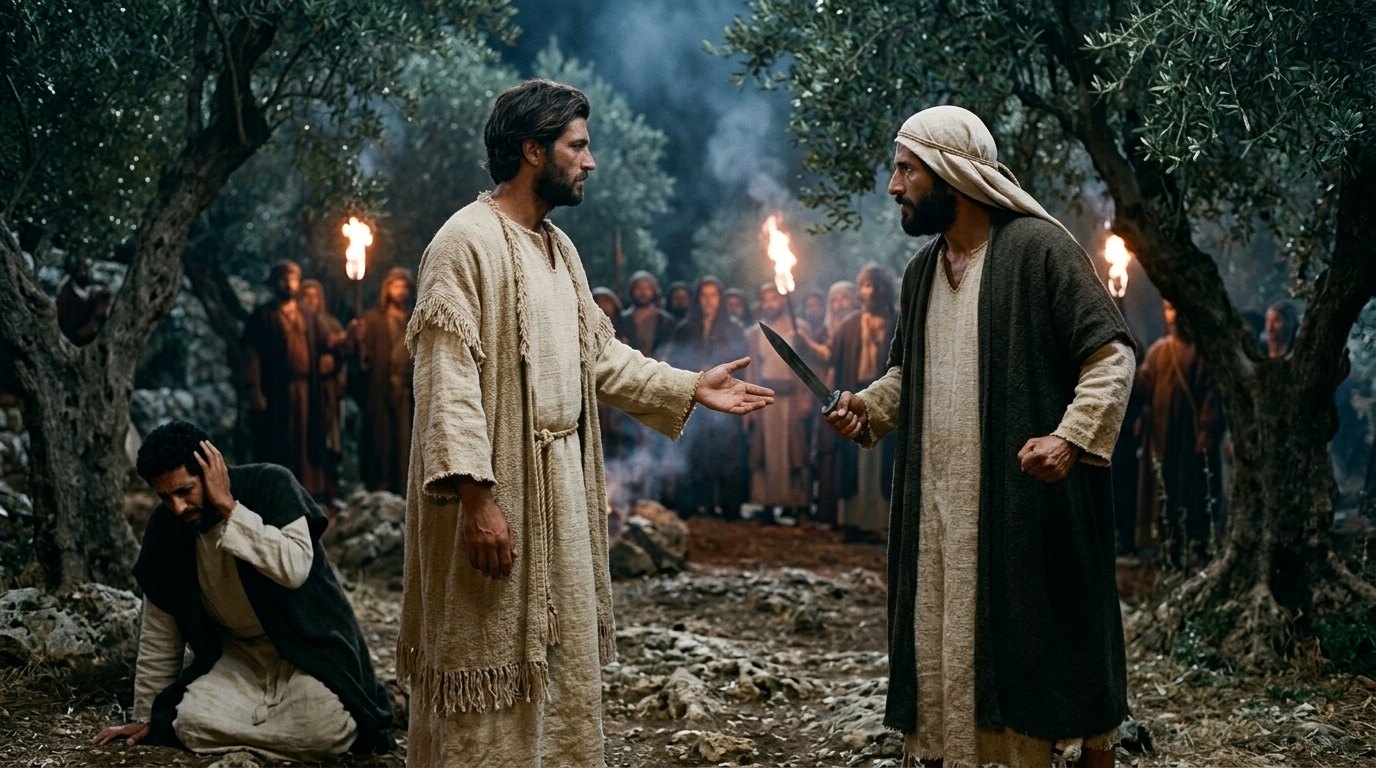
Matthew 26:52
52 “Put your sword back in its place,” Jesus said to him, “for all who draw the sword will die by the sword.
New International Version (NIV)
The answer
The Crusades were a series of armed expeditions associated chiefly with medieval Western Latin Christianity, beginning with Pope Urban II’s call in 1095 and initially aimed at aiding Byzantine Christians and taking Jerusalem from Muslim rule. They were Christian in their historical identity and official church sponsorship, but that does not make their aims or conduct automatically obedient to Christ. The New Testament gives no commission to spread the gospel, purchase forgiveness, or advance Christ’s kingdom through warfare. Some defensive aims require separate moral judgment; massacres, revenge, plunder, and coerced religion were sin.
What happened
- The First Crusade (1096–1099) captured Jerusalem in 1099 and established Crusader states in the eastern Mediterranean. Its capture of Jerusalem involved the massacre of Muslim and Jewish inhabitants; some crusading bands also murdered Jewish communities in Europe.
- Later crusades sought to defend or recover those territories. Jerusalem returned to Muslim control in 1187, and Acre, the last major Crusader stronghold there, fell in 1291. Crusading also extended into Iberia, the Baltic, and campaigns against groups declared heretical.
- The Fourth Crusade (1202–1204) was diverted to Constantinople and sacked that Christian city, exposing the political and financial interests entangled with crusading.
- Motives were mixed. Religious devotion, penance, papal promises of spiritual benefit, concern about Muslim military expansion, political obligations, adventure, and hopes of gain all played parts. They cannot all be reduced to either pure piety or simple greed.
What Scripture settles
- Christ’s kingdom is not enforced by soldiers. In John 18:36, Jesus distinguishes His kingdom from worldly kingdoms whose servants fight for them. At His arrest, He commands in Matthew 26:52: “Put your sword back into its place, for all those who take the sword will die by the sword.” This directly forbids using violence to protect or advance His messianic mission.
- Revenge and retaliation are forbidden to believers. Romans 12:19 says, “Dearly beloved, avenge not yourselves,” and leaves vengeance with God. First Peter 2:21-23 presents Christ’s non-retaliatory suffering as an example, while 1 Peter 3:9 forbids returning evil for evil. Papal approval, religious vows, or sincere zeal cannot override these commands.
- Civil justice is not identical to personal vengeance or church-led holy war. Romans 13:1-4 recognizes governing authority’s use of force to punish wrongdoing. Consequently, Matthew 26:52 does not by itself prove that every defensive war or every act of lawful protection is sinful. But defending people under lawful authority is different from treating bloodshed as evangelism, penance, or a means of earning God’s favour.
- Fighting cannot purchase salvation. Ephesians 2:8-9 teaches that salvation is God’s gracious gift, received through faith rather than earned by works. Killing an enemy, making a pilgrimage under arms, or dying in battle cannot atone for sin; Christ’s saving work is the sinner’s hope.
The verdict is therefore twofold: the Crusades belong to the history of medieval Christendom, but they were not a continuation of the mission Jesus gave His apostles. Particular claims of defence must be weighed in their historical setting rather than condemning every participant indiscriminately. Yet wherever crusaders slaughtered noncombatants, persecuted Jews, plundered Christians, sought revenge, or treated warfare as a way to merit forgiveness, their conduct was contrary to Christ, however prominently they displayed His cross.
Answered from Scripture · reviewed November 12, 2026
The Crusades were a series of medieval military expeditions organized by the institutional church to recover Jerusalem and defend holy sites, undertaken by soldiers who believed they fought for Christ. While historical in their ecclesiastical sponsorship, their methods, violent conquest, and vengeful bloodletting directly violated the explicit commands of Jesus Christ and His apostles.
The Nature of the Kingdom
Christ Refuses the Sword to Build His Domain
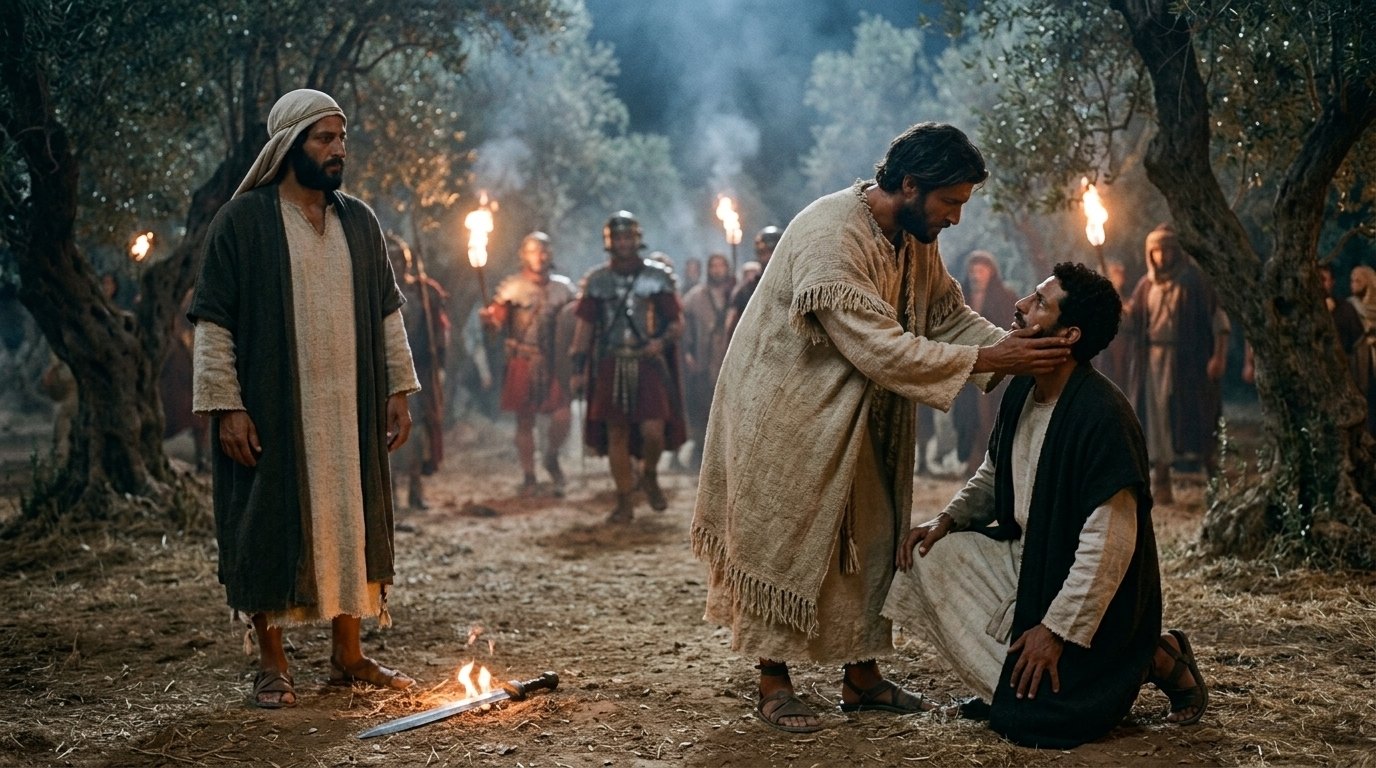
Jesus said, “My kingdom is not of this world. If it were, my servants would fight to prevent my arrest by the Jewish leaders. But now my kingdom is from another place.”
John 18:36 (NIV)
Jesus explicitly declares that His kingdom is not of this world, disallowing His servants from taking up arms to establish or defend His reign.
When Jesus stood on trial before Pontius Pilate, He defined His sovereignty in terms that decisively severed it from military conquest: "My kingdom is not of this world: if my kingdom were of this world, then would my servants fight" (John 18:36). By tying physical warfare exclusively to worldly regimes, Christ permanently prohibited His followers from taking up weapons to establish, expand, or defend His reign. Earlier that night in Gethsemane, when Peter drew an iron blade to defend his Master, the Lord immediately commanded, "Put up again thy sword into his place: for all they that take the sword shall perish with the sword" (Matthew 26:52). Christ even corrected any misunderstanding of His brief logistical remark concerning provisions, where two literal swords were declared "enough" to fulfill prophecy counting Him among transgressors (Luke 22:36–38).
This renunciation of coercive force was not a temporary tactic but the essential nature of His mission. When James and John sought permission to incinerate an obstinate Samaritan town, Jesus rebuked them plainly: "Ye know not what manner of spirit ye are of. For the Son of man is not come to destroy men's lives, but to save them" (Luke 9:54–56). The kingdom of God advances through meekness and peace, fulfilling the Beatitude that names the peacemakers as the true children of God (Matthew 5:9). Consequently, the Apostle Paul instructed the early church that "the weapons of our warfare are not carnal" (2 Corinthians 10:3–5), directing believers to fight not against flesh and blood, but against spiritual powers using the spiritual armor of truth and righteousness (Ephesians 6:11–12). The medieval crusader's attempt to secure an earthly territory with an iron sword directly inverted Christ's spiritual design.
| Passage | What it says |
|---|---|
| John 18:36 | Jesus explains to Pilate that His kingdom is not from this world, so His disciples do not fight. |
| Matthew 26:52 | Jesus orders Peter to put away his sword, warning that those who take the sword will perish by it. |
| Luke 9:54-56 | Jesus rebukes disciples who ask to call fire down on an unwelcoming Samaritan village. |
| 2 Corinthians 10:3-5 | Paul explains that the weapons of Christian warfare are not carnal or worldly, but spiritual. |
| Matthew 5:9 | Jesus pronounces a blessing upon the peacemakers, identifying them as sons of God. |
| Luke 22:36-38 | Jesus checks the disciples' reliance on literal swords, confirming that two are enough to fulfill prophecy regarding transgressors. |
| Ephesians 6:11-12 | Believers wrestle not against flesh and blood, but against spiritual wickedness using spiritual armor. |
Vengeance and Wrath
Retribution Belongs to God Alone
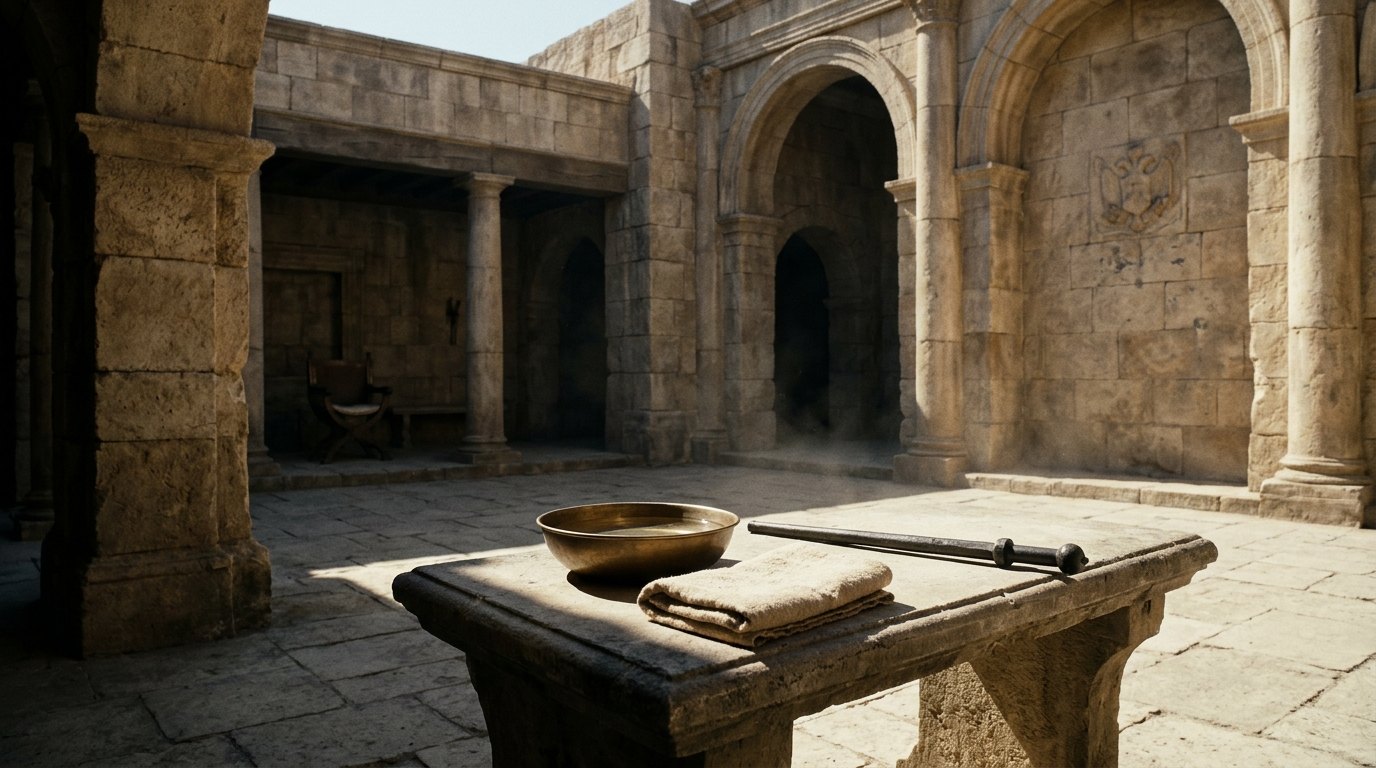
Do not take revenge, my dear friends, but leave room for God’s wrath, for it is written: “It is mine to avenge; I will repay,” says the Lord.
Romans 12:19 (NIV)
God commands believers never to avenge themselves, reserving all divine retribution and ultimate judgment to Himself alone.
The crusading enterprise was largely fueled by impassioned calls for holy vengeance and retribution against pagan and Islamic forces. Yet Scripture leaves no ambiguity regarding who holds the right to execute vengeance: "Dearly beloved, avenge not yourselves, but rather give place unto wrath: for it is written, Vengeance is mine; I will repay, saith the Lord" (Romans 12:19). The divine prohibition against personal or corporate retaliation runs consistently from the Old Testament Law into apostolic instruction. Leviticus 19:18 commanded Israel, "Thou shalt not avenge, nor bear any grudge against the children of thy people," while the wisdom literature warned, "Say not, I will do so to him as he hath done to me: I will render to the man according to his work" (Proverbs 24:29).
In the Sermon on the Mount, Jesus took this ethical mandate even further, commanding His disciples: "Love your enemies, bless them that curse you, do good to them that hate you, and pray for them which despitefully use you, and persecute you" (Matthew 5:43–44). Peter echoed this unwavering standard, instructing believers never to render evil for evil or railing for railing, but contrarywise blessing (1 Peter 3:9), just as Paul urged believers to pursue what is good toward all men (1 Thessalonians 5:15). God did institute an earthly sword for temporal justice, but He entrusted it solely to civil magistrate governments to punish criminality within their legal jurisdiction (Romans 13:1–4). Nowhere does Scripture sanction an ecclesiastical army executing divine vengeance across borders in the name of Christ.
| Passage | What it says |
|---|---|
| Romans 12:19 | Paul commands believers not to avenge themselves, leaving room for God's holy wrath and justice. |
| 1 Peter 3:9 | Christians are commanded not to repay evil for evil, but instead to bestow a blessing. |
| Matthew 5:43-44 | Jesus instructs His followers to love their enemies and pray for those who persecute them. |
| Proverbs 24:29 | The proverb warns against declaring intent to repay another according to his deeds. |
| Leviticus 19:18 | God commands His people not to avenge themselves or bear grudges against their neighbors. |
| Romans 13:1-4 | God gives the sword of temporal justice strictly to governing authorities to punish evil, not to church crusades. |
| 1 Thessalonians 5:15 | Paul commands that none render evil for evil unto any person, but always pursue what is good. |
The Way of the Cross
Following Christ Entails Suffering Rather than Inflicting Pain
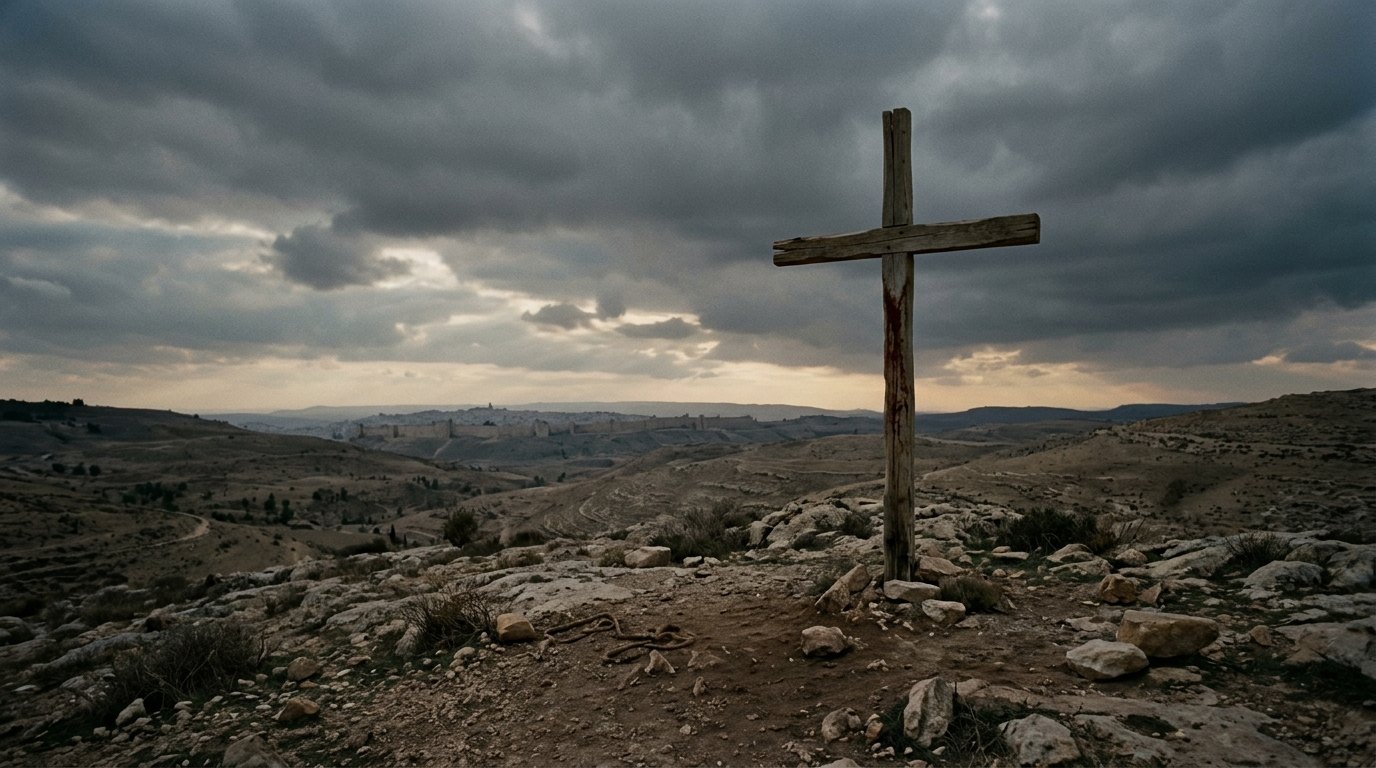
To this you were called, because Christ suffered for you, leaving you an example, that you should follow in his steps. “He committed no sin, and no deceit was found in his mouth.” When they hurled their insults at him, he did not retaliate; when he suffered, he made no threats. Instead, he entrusted himself to him who judges justly.
1 Peter 2:21-23 (NIV)
Peter presents Jesus' patient endurance of unjust suffering without threatening retaliation as the precise pattern believers are called to imitate.
The heart of biblical discipleship is the imitation of a crucified Lord, not the conquest of an earthly adversary. The Apostle Peter writes that Christ "suffered for us, leaving us an example, that ye should follow his steps: who did no sin, neither was guile found in his mouth: who, when he was reviled, reviled not again; when he suffered, he threatened not" (1 Peter 2:21–23). To follow Jesus is to endure hostility without unleashing retaliatory slaughter. In demanding that His followers deny themselves and take up their own execution cross (Matthew 16:24–25), Christ called His sheep to lay down their lives, not to take the lives of others to preserve religious prestige or holy shrines.
From humanity's earliest chapters, God declared the sacred worth of human life, stating that whoever sheds man's blood, by man shall his blood be shed, because humanity is created in the image of God (Genesis 9:6). The crusaders spilled torrential blood across Jerusalem and Antioch, acts Scripture condemns with sobering clarity. John's vision in the Apocalypse warns that "he that killeth with the sword must be killed with the sword. Here is the patience and the faith of the saints" (Revelation 13:10), later pronouncing judgment upon those who shed the blood of saints and prophets (Revelation 16:6). Rather than conquerors wielding lances, the people of God are portrayed as sheep led to the slaughter for Christ's sake, overcoming hatred solely through His unfailing, sacrificial love (Romans 8:36).
| Passage | What it says |
|---|---|
| 1 Peter 2:21-23 | Christ suffered without sin or deceit, never threatening retribution when He was reviled. |
| Genesis 9:6 | God establishes that shedding innocent human blood violates the sanctity of humanity made in His image. |
| Revelation 13:10 | Scripture warns that captivity and sword await the violent, demanding patient faith from the saints. |
| Revelation 16:6 | A solemn verdict is pronounced over those who shed the blood of saints and prophets. |
| Matthew 16:24-25 | Discipleship requires taking up one's cross and dying to self rather than killing to preserve earthly honor. |
| Romans 8:36 | The faithful are accounted as sheep for the slaughter for Christ's sake, conquering through His enduring love. |
The Great Commission
The Gospel Advances through Proclamation, Not Conquest
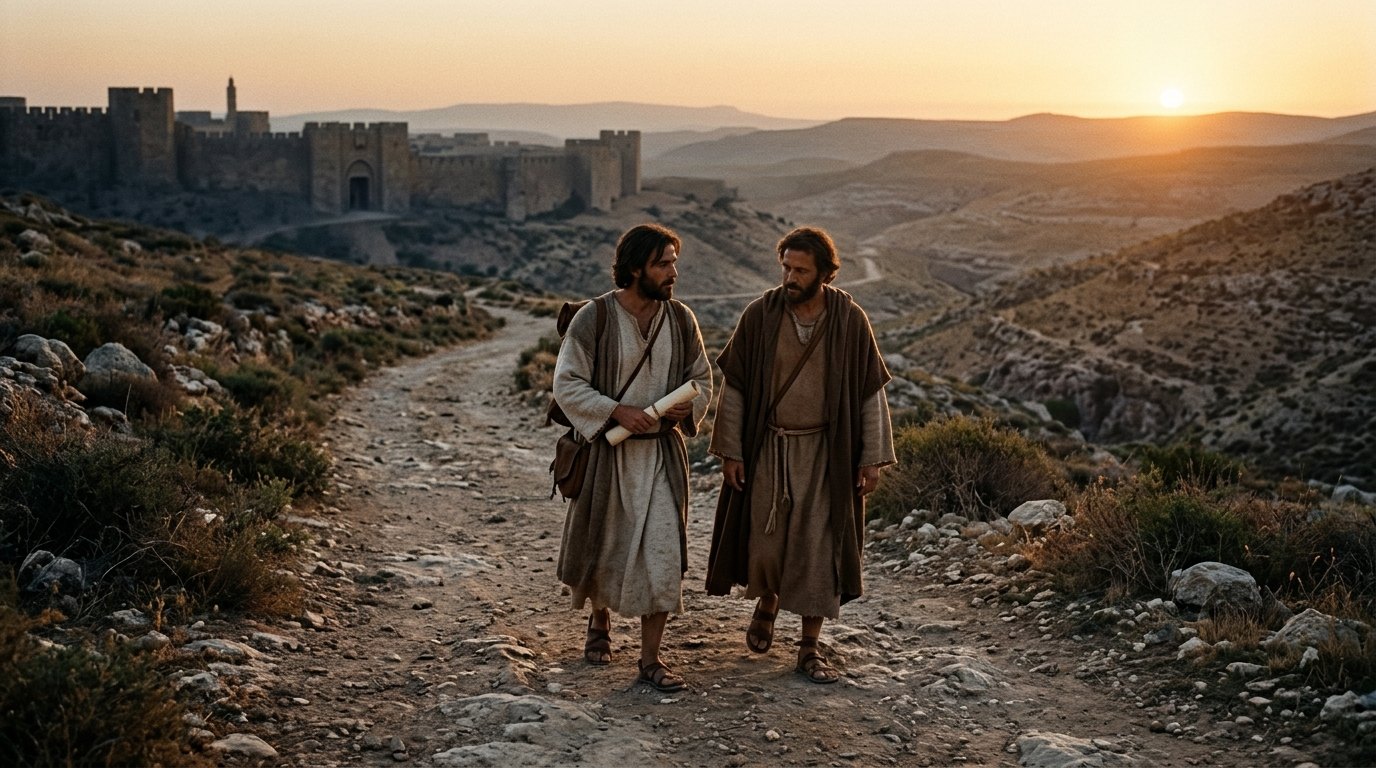
Therefore go and make disciples of all nations, baptizing them in the name of the Father and of the Son and of the Holy Spirit, and teaching them to obey everything I have commanded you. And surely I am with you always, to the very end of the age.”
Matthew 28:19-20 (NIV)
Christ establishes preaching and baptism—not military expedition—as the divine means to disciple every nation.
When Jesus commissioned His disciples prior to His ascension, He gave the church its definitive method for engaging every tribe and territory on earth: "Go ye therefore, and teach all nations, baptizing them in the name of the Father, and of the Son, and of the Holy Ghost: teaching them to observe all things whatsoever I have commanded you" (Matthew 28:19–20). This Great Commission contains no mandate for naval fleets, military siegecraft, or territorial subjugation. The global reach of the kingdom was promised through the internal power of the Holy Spirit making believers faithful witnesses to the ends of the earth (Acts 1:8).
The early church demonstrated this divine strategy when violent persecution erupted in Jerusalem following Stephen's martyrdom. Rather than raising a retaliatory militia or fortifying a stronghold, the disciples were scattered throughout the regions of Judea and Samaria, going everywhere solely "preaching the word" (Acts 8:1–4). They carried no weapons, levied no forced conversions, and conquered through the testimony of the cross. Paul captured this ministerial calling when describing Christians as ambassadors of reconciliation, through whom God pleads with a hostile world to be reconciled to Him (2 Corinthians 5:18–20). The Crusades, though conducted by men claiming the name of Christ, thoroughly abandoned this biblical mission of proclamation and reconciliation in favor of bloodshed and worldly conquest.
| Passage | What it says |
|---|---|
| Matthew 28:18-20 | Christ commissions His church to make disciples by teaching and baptizing all nations, not by conquest. |
| Acts 1:8 | The kingdom advances to the ends of the earth through the Spirit's power witnessing to Christ. |
| Acts 8:1-4 | Believers scattered by persecution preach the gospel abroad without resorting to retaliatory arms. |
| 2 Corinthians 5:18-20 | Christians are ambassadors of reconciliation, pleading with men on Christ's behalf to be reconciled to God. |
The Heavenly Jerusalem
The Holy City of the New Covenant Is Heavenly
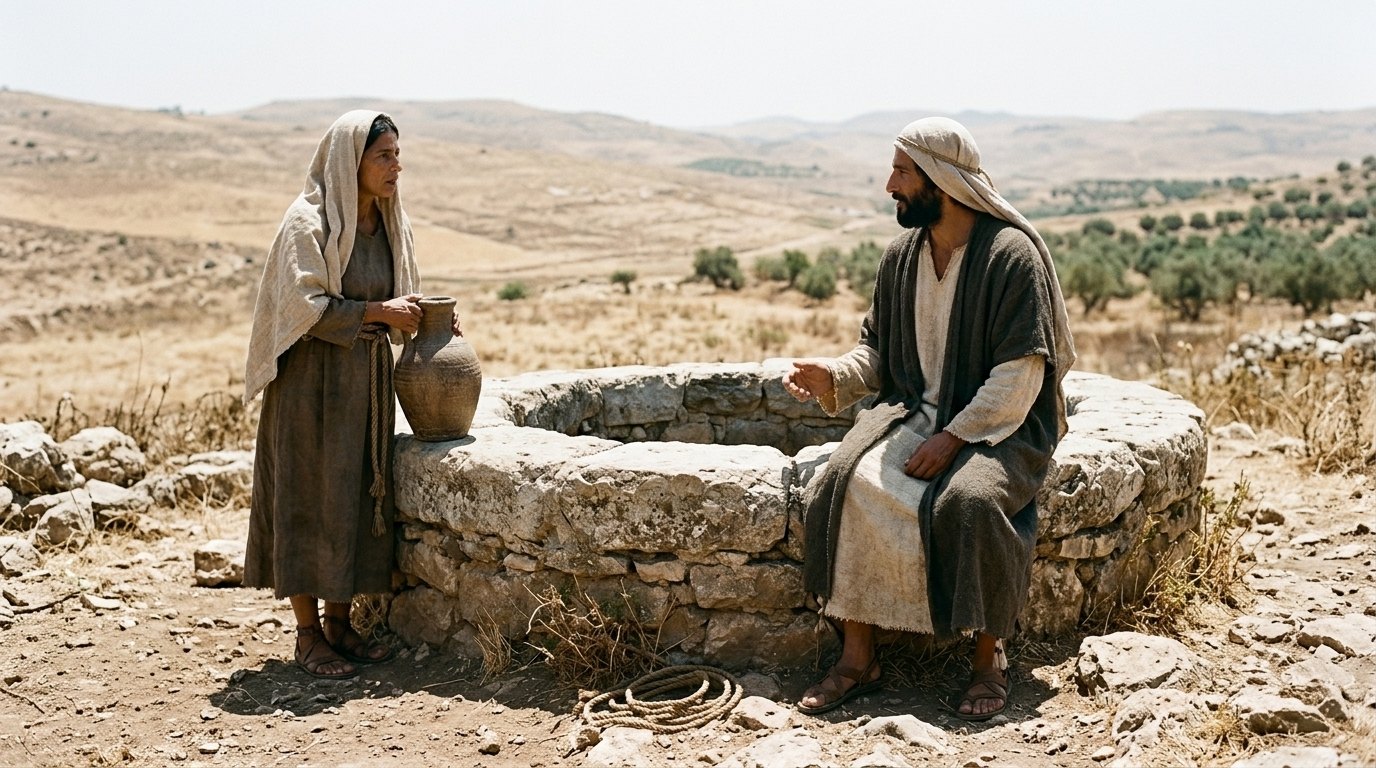
“Woman,” Jesus replied, “believe me, a time is coming when you will worship the Father neither on this mountain nor in Jerusalem.
John 4:21 (NIV)
Jesus declares that under the New Covenant, true worship is detached from physical possession of earthly holy sites.
When Jesus met the Samaritan woman at Jacob’s well, He dismantled the entire foundational assumption upon which the medieval Crusades would later be launched. In John 4:21, the Lord Jesus declares, “Woman, believe me, the hour cometh, when ye shall neither in this mountain, nor yet at Jerusalem, worship the Father.” By expanding this truth in John 4:22–24, Christ established that worship under the New Covenant is utterly separated from geographic possession, military dominance, or earthly dirt; God is a Spirit: and they that worship him must worship him in spirit and in truth. The Crusader ambition to spill blood in order to retain a physical stone shrine contradicted the very hour Christ inaugurated, wherein true worship is no longer localized in an earthly territory.
The New Testament epistles repeatedly turn our gaze away from an earthly metropolis toward the heavenly reality. Paul contrasts the covenants directly in Galatians 4:25–26, writing that the earthly Jerusalem “is in bondage with her children,” while “Jerusalem which is above is free, which is the mother of us all.” To raise an army with the carnal goal of delivering an earthly city from political captors was to obsess over the shadow and miss the substance of the kingdom of God. Even the ancient patriarchs understood that earthly real estate was not the eternal goal; Hebrews 11:13–16 testifies that Abraham and his heirs confessed they were pilgrims and strangers on the earth, desiring “a better country, that is, an heavenly.”
The author of Hebrews drives this home to believers facing persecution and displacement, assuring them in Hebrews 12:22–24 that they do not need to march with swords across deserts to conquer Zion. Instead, Scripture proclaims, “Ye are come unto mount Sion, and unto the city of the living God, the heavenly Jerusalem,” joined to Jesus, the mediator of the New Covenant. The true heritage of Christ’s church is neither claimed nor defended by the carnage of earthly warfare, but received by grace through faith in the crucified and risen Lord.
| Passage | What it says |
|---|---|
| John 4:21-24 | True worship is no longer anchored to a geographic mountain or Jerusalem, but offered in spirit and truth. |
| Galatians 4:25-26 | Earthly Jerusalem is in bondage with her children, while the Jerusalem above is free and the mother of believers. |
| Hebrews 11:13-16 | The patriarchs looked past an earthly land to desire a better, heavenly country prepared by God. |
| Hebrews 12:22-24 | Believers have already come to Mount Zion, the heavenly Jerusalem and the city of the living God. |
Where in the Bible
| Book | Passages |
|---|---|
| Genesis | 1 · Genesis 9:6 |
| Leviticus | 1 · Leviticus 19:18 |
| Proverbs | 1 · Proverbs 24:29 |
| Matthew | 5 · Matthew 26:52, Matthew 5:9, Matthew 5:43-44, Matthew 16:24-25, Matthew 28:18-20 |
| Luke | 2 · Luke 9:54-56, Luke 22:36-38 |
| John | 2 · John 18:36, John 4:21-24 |
| Acts | 2 · Acts 1:8, Acts 8:1-4 |
| Romans | 3 · Romans 12:19, Romans 13:1-4, Romans 8:36 |
| 2 Corinthians | 2 · 2 Corinthians 10:3-5, 2 Corinthians 5:18-20 |
| Galatians | 1 · Galatians 4:25-26 |
| Ephesians | 1 · Ephesians 6:11-12 |
| 1 Thessalonians | 1 · 1 Thessalonians 5:15 |
| Hebrews | 2 · Hebrews 11:13-16, Hebrews 12:22-24 |
| 1 Peter | 2 · 1 Peter 3:9, 1 Peter 2:21-23 |
| Revelation | 2 · Revelation 13:10, Revelation 16:6 |
The story in order
- God establishes human sanctity (c. 2350 BC) · Genesis 9:6 · Shedding innocent blood violates God's image in humanity.
- God commands no vengeance (c. 1400 BC) · Leviticus 19:18 · Do not avenge yourselves or bear grudges against neighbors.
- Proverb warns against retribution (c. 700 BC) · Proverbs 24:29 · Do not declare intent to repay another's deeds.
- Jesus blesses peacemakers (c. AD 30) · Matthew 5:9 · Peacemakers are identified as sons of God.
- Jesus rejects worldly kingdom (c. AD 30) · John 18:36 · Christ's kingdom is not from this world; disciples do not fight.
- Jesus orders sword put away (c. AD 30) · Matthew 26:52 · Those who take the sword will perish by it.
- Jesus calls to love enemies (c. AD 30) · Matthew 5:43-44 · Followers should love enemies and pray for persecutors.
- Discipleship means taking up cross (c. AD 30) · Matthew 16:24-25 · Followers must die to self, not kill for earthly honor.
- Paul: spiritual warfare (c. AD 55) · 2 Corinthians 10:3-5 · Christian warfare weapons are spiritual, not carnal.
- Paul: no vengeance, bless (c. AD 60) · 1 Peter 3:9 · Do not repay evil for evil; bestow a blessing.
- Paul: no vengeance, leave to God (c. AD 57) · Romans 12:19 · Do not avenge yourselves; leave room for God's wrath.
- Paul: ambassadors of reconciliation (c. AD 55) · 2 Corinthians 5:18-20 · Christians plead for reconciliation with God, not conquest.
- Revelation warns of sword (c. AD 95) · Revelation 13:10 · Captivity and sword await the violent; saints need patient faith.
- Heavenly Jerusalem (c. AD 65) · Hebrews 12:22-24 · Believers come to the heavenly city, not an earthly one.
Key words
- Kingdom (basileia, βασιλεία)
- Christ's reign, not of this world, advanced by spiritual means. · John 18:36
- Sword (rhomphaia, ῥομφαία)
- Represents carnal weapons and violence, forbidden to Christ's followers. · Matthew 26:52
- Vengeance (ekdikēsis, ἐκδίκησις)
- Retribution or punishment, which belongs to God alone. · Romans 12:19
- Love (agape, ἀγάπη)
- Unconditional care and goodwill, even towards enemies. · Matthew 5:44
- Cross (stauros, σταυρός)
- Symbol of self-denial, suffering, and death to sin. · Matthew 16:24
- Commission (entellō, ἐντέλλω)
- Christ's command to make disciples through teaching and baptism. · Matthew 28:18
- Reconciliation (katallassō, καταλλάσσω)
- Restoring a relationship, especially between God and humanity. · 2 Corinthians 5:19
Evaluating the Crusades by the standard of God's Word reveals the profound gulf between human religious zeal and biblical obedience. True allegiance to Christ is demonstrated not by advancing an earthly territory through physical weapons, but by taking up the cross, loving enemies, and bearing witness to the gospel of peace.
28 passages, each cited once.
Scripture cited
- Matthew 26:52
- Romans 12:19
- 1 Peter 2:21-23
- 1 Peter 3:9
- John 18:36
- Romans 13:1-7