How can Christians believe in the Trinity if the word is not in the Bible?
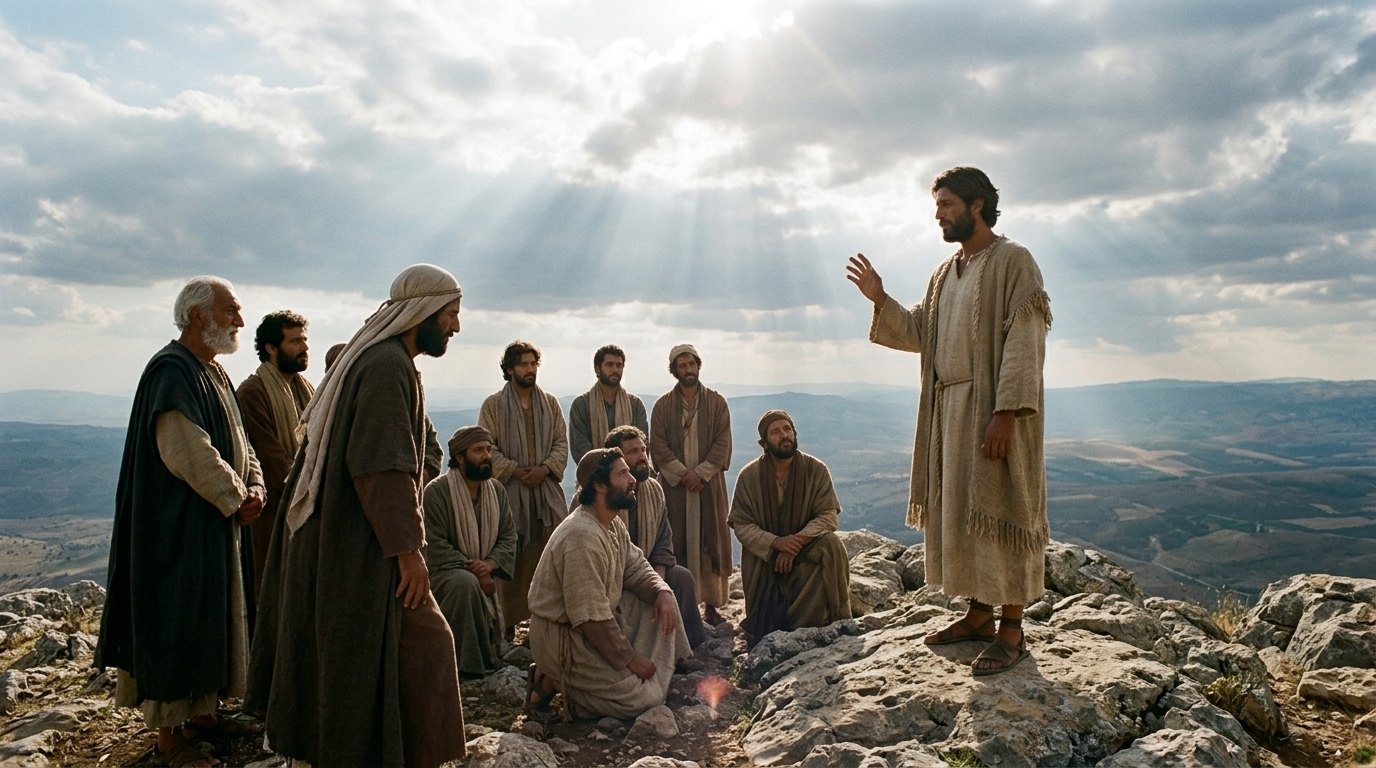
Matthew 28:19
19 Therefore go and make disciples of all nations, baptizing them in the name of the Father and of the Son and of the Holy Spirit,
New International Version (NIV)
The answer
The word “Trinity” is not in Scripture, but the truth it summarizes is: there is one God, eternally existing as the Father, the Son, and the Holy Spirit—three distinct persons, each fully God. The term is shorthand for what Scripture teaches, not an additional authority placed above it.
Scripture teaches that God is one
Deuteronomy 6:4 affirms that the LORD is one. The Trinity is therefore monotheism, not belief in three gods.
Scripture distinguishes the Father, Son, and Spirit
In John 14:16, Jesus speaks of praying to the Father and of the Father giving another Helper. The Son therefore is not simply the Father under another name.
In Matthew 28:19, Christ commands his followers: “Go and make disciples of all nations, baptizing them in the name of the Father and of the Son and of the Holy Spirit.” The three are named distinctly, yet baptism is into the singular name, not three separate names.
Scripture teaches the deity of each person
- The Father is God: Jesus addresses the Father as distinct from himself in John 14:16.
- The Son is God: John 1:1 identifies the Word both as being with God and as possessing the very nature of God; John 1:14 identifies that Word as the one who became flesh.
- The Holy Spirit is God: In Acts 5:3-4, Peter treats lying to the Holy Spirit as lying to God. The Spirit is therefore not an impersonal force.
Second Corinthians 13:14 also joins the grace of the Lord Jesus Christ, the love of God, and the fellowship of the Holy Spirit in one Christian blessing.
The absence of a particular word does not make a doctrine unbiblical. The question is whether the word faithfully summarizes Scripture’s teaching. “Trinity” holds together truths that must not be separated: God is one, and the Father, Son, and Holy Spirit are personally distinct and fully divine.
Answered from Scripture · reviewed November 12, 2026
While the word 'Trinity' does not appear on the pages of Scripture, the reality it names is woven into the fabric of the entire Bible. The Christian doctrine of the Trinity is not a human philosophy imposed on the text, but the inevitable conclusion drawn from three unshakeable biblical truths: there is only one true God, yet the Father, the Son, and the Holy Spirit are each revealed as fully God, subsisting in eternal personal distinction.
The Great Confession
The Lord Our God Is One
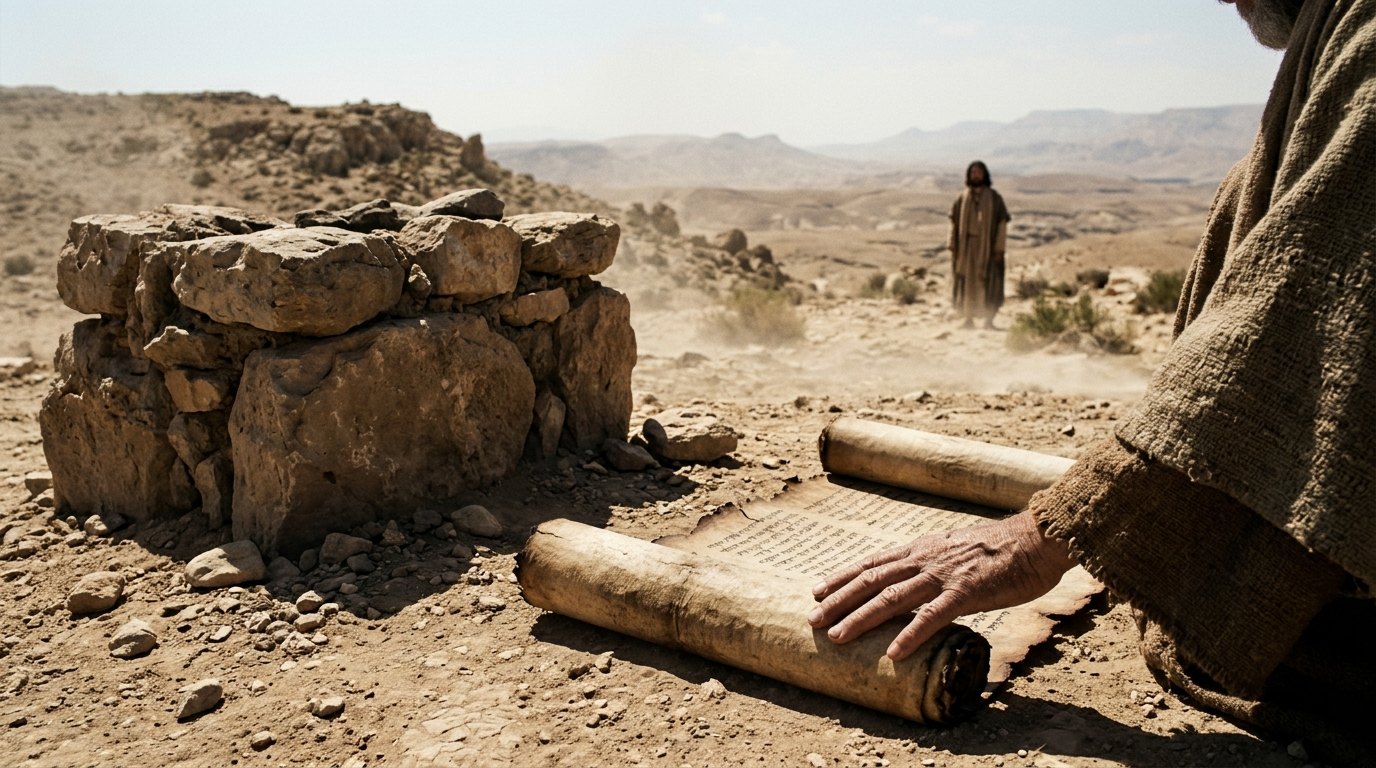
Hear, O Israel: The LORD our God, the LORD is one.
Deuteronomy 6:4 (NIV)
This cornerstone confession of Israel establishes uncompromising monotheism, declaring that the Lord our God is one.
Deuteronomy 6:4 stands as the bedrock of biblical revelation, proclaiming with absolute finality: "The LORD our God is one LORD." Known across generations as the Shema, this confession forged Israel's identity and excluded every form of polytheism. The God who brought His people out of Egypt did not share His majesty with rivals. Centuries later, through the prophet Isaiah, the Almighty reiterated this exclusive claim: "I am the first, and I am the last; and beside me there is no God" (Isaiah 44:6), echoing again with thunderous clarity, "I am the LORD, and there is none else, there is no God beside me" (Isaiah 45:5). Israel was shown wonders in Egypt so that they "mightest know that the LORD he is God; there is none else beside him" (Deuteronomy 4:35; Isaiah 46:9).
The New Testament never weakens or dilutes this foundational monotheism. When asked to name the primary commandment, Jesus Christ answered by citing the exact words of Deuteronomy: "The first of all the commandments is, Hear, O Israel; The Lord our God is one Lord" (Mark 12:29). The apostles proclaimed this identical truth in a pagan Greco-Roman world saturated with false gods. Paul reminded the Corinthian church that "there is none other God but one" (1 Corinthians 8:4), and insisted to Timothy that "there is one God, and one mediator between God and men" (1 Timothy 2:5). Even in the spiritual realm, demonic forces acknowledge this undeniable reality: "Thou believest that there is one God; thou doest well: the devils also believe, and tremble" (James 2:19). Any faithful understanding of the Godhead must start here: Christian theology does not worship three gods, but the one true, living Lord.
| Passage | What it says |
|---|---|
| Deuteronomy 6:4 | Proclaims the foundational truth that the LORD our God is one LORD. |
| Isaiah 44:6 | The LORD states that He is the first and the last, and beside Him there is no God. |
| Isaiah 45:5 | God declares that He alone is the LORD and there is none else beside Him. |
| Mark 12:29 | Jesus affirms the Shema as the first and greatest commandment of all. |
| 1 Corinthians 8:4 | Paul confirms that an idol is nothing and that there is no God but one. |
| 1 Timothy 2:5 | Scripture explicitly states there is one God and one mediator between God and men. |
| James 2:19 | Acknowledges that even the demons believe there is one God and tremble. |
| Deuteronomy 4:35 | Unto thee it was shewed, that thou mightest know that the Lord he is God; there is none else beside him. |
| Isaiah 46:9 | Remember the former things of old: for I am God, and there is none else; I am God, and there is none like me. |
The Eternal Father
The Father Is God

yet for us there is but one God, the Father, from whom all things came and for whom we live; and there is but one Lord, Jesus Christ, through whom all things came and through whom we live.
1 Corinthians 8:6 (NIV)
Paul identifies the Father as the ultimate source of all creation and the one for whom we exist.
1 Corinthians 8:6 crystallizes the apostolic confession of the Father, declaring: "To us there is but one God, the Father, of whom are all things, and we in him." Scripture reveals the Father not as an impersonal cosmic force, but as the supreme, personal fountainhead and architect of redemption. He is uniquely identified throughout the pages of the New Testament as God, whose sovereign initiative brought forth salvation through the sending of His Son.
Jesus Christ consistently pointed His listeners back to this divine identity. He instructed the multitudes to seek the food which endures to everlasting life, "which the Son of man shall give unto you: for him hath God the Father sealed" (John 6:27). In His high priestly prayer before going to Gethsemane, Jesus lifted His eyes to heaven and spoke to the Father as "the only true God, and Jesus Christ, whom thou hast sent" (John 17:3). This divine fatherhood is rooted in eternal covenant love and manifested in resurrection power, for Paul states that his apostleship came directly through Jesus Christ and "God the Father, who raised him from the dead" (Galatians 1:1).
Believers belong to a restored household ruled by "one God and Father of all, who is above all, and through all, and in you all" (Ephesians 4:6). Every divine action moves toward His sovereign exaltation: even when Christ is crowned Lord over creation, it culminates "to the glory of God the Father" (Philippians 2:11). From eternity past to eternal future, God's people are "elect according to the foreknowledge of God the Father" (1 Peter 1:2), resting in His sovereign grace.
| Passage | What it says |
|---|---|
| 1 Corinthians 8:6 | Asserts that for believers there is one God, the Father, from whom are all things. |
| John 6:27 | Jesus refers to God the Father who has placed His seal on the Son. |
| John 17:3 | Jesus addresses the Father as the only true God who sent Jesus Christ. |
| Galatians 1:1 | Identifies God the Father as the one who raised Jesus Christ from the dead. |
| Ephesians 4:6 | Confirms one God and Father of all, who is over all and through all. |
| Philippians 2:11 | Declares every tongue will confess Christ is Lord to the glory of God the Father. |
| 1 Peter 1:2 | Describes believers as chosen according to the foreknowledge of God the Father. |
The Incarnate Word
The Son Is God
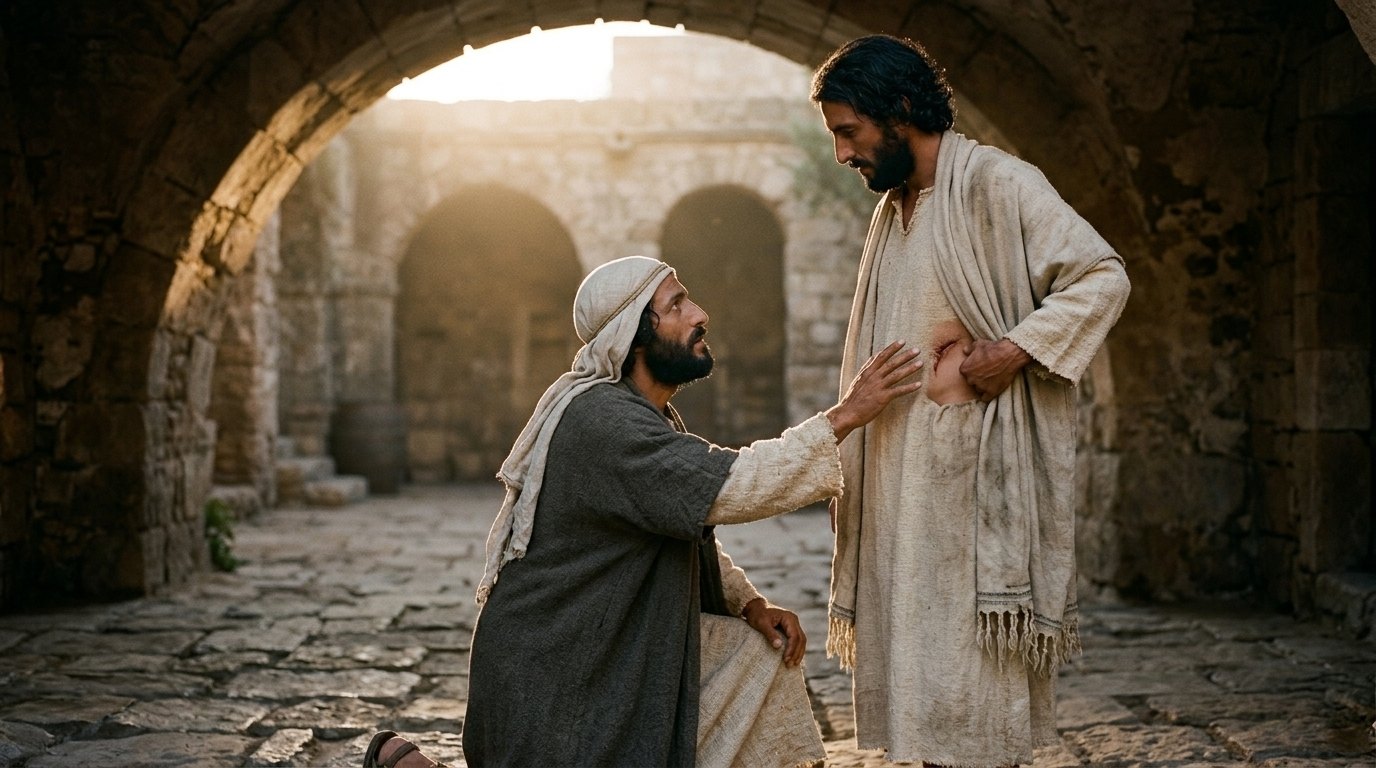
In the beginning was the Word, and the Word was with God, and the Word was God.
John 1:1 (NIV)
The opening words of John's Gospel state that the Word was both with God and was God.
John 1:1 confronts every reader with the absolute deity of the Son: "In the beginning was the Word, and the Word was with God, and the Word was God." This single sentence establishes both distinct personal communion (with God) and essential divine identity (was God). The eternal Word did not begin His existence in Bethlehem; rather, "the Word was made flesh, and dwelt among us" (John 1:14). Jesus astounded the religious leaders of Jerusalem by claiming the uncreated covenant name revealed to Moses at the burning bush, declaring, "Verily, verily, I say unto you, Before Abraham was, I am" (John 8:58).
Following His physical resurrection from the grave, the disciple Thomas fell before Jesus in reverent worship, crying out without rebuke, "My Lord and my God" (John 20:28). The epistles affirm this truth without qualification. Paul speaks of the lineage of Israel, "of whom as concerning the flesh Christ came, who is over all, God blessed for ever" (Romans 9:5), and warns believers never to be seduced by empty philosophy because "in him dwelleth all the fulness of the Godhead bodily" (Colossians 2:9). Though He walked among us as a servant, Christ Jesus "being in the form of God, thought it not robbery to be equal with God" (Philippians 2:6).
Believers live in active expectation of "that blessed hope, and the glorious appearing of the great God and our Saviour Jesus Christ" (Titus 2:13; 2 Peter 1:1). In Hebrews 1:8, the Father addresses the Son directly: "Thy throne, O God, is for ever and ever." John closes his first epistle with the uncompromising testimony that Jesus Christ "is the true God, and eternal life" (1 John 5:20).
| Passage | What it says |
|---|---|
| John 1:1 | States the Word was in the beginning with God and was fully God. |
| John 1:14 | Reveals that the Word became flesh and tabernacled among us, full of grace and truth. |
| John 8:58 | Jesus declares 'Before Abraham was, I am', taking God's divine covenant name. |
| John 20:28 | Thomas addresses the risen Jesus as 'My Lord and my God.' |
| Romans 9:5 | Identifies Christ as God over all, eternally blessed forever. |
| Colossians 2:9 | Affirms that all the fullness of the Deity dwells bodily in Christ. |
| Titus 2:13 | Looks forward to the appearing of our great God and Savior, Jesus Christ. |
| Hebrews 1:8 | The Father addresses the Son directly, saying, 'Your throne, O God, is forever.' |
| Philippians 2:6 | Christ Jesus, being in the form of God, thought it not robbery to be equal with God. |
| 2 Peter 1:1 | To them that have obtained like precious faith with us through the righteousness of God and our Saviour Jesus Christ. |
| 1 John 5:20 | We are in him that is true, even in his Son Jesus Christ. This is the true God, and eternal life. |
The Divine Comforter
The Holy Spirit Is God
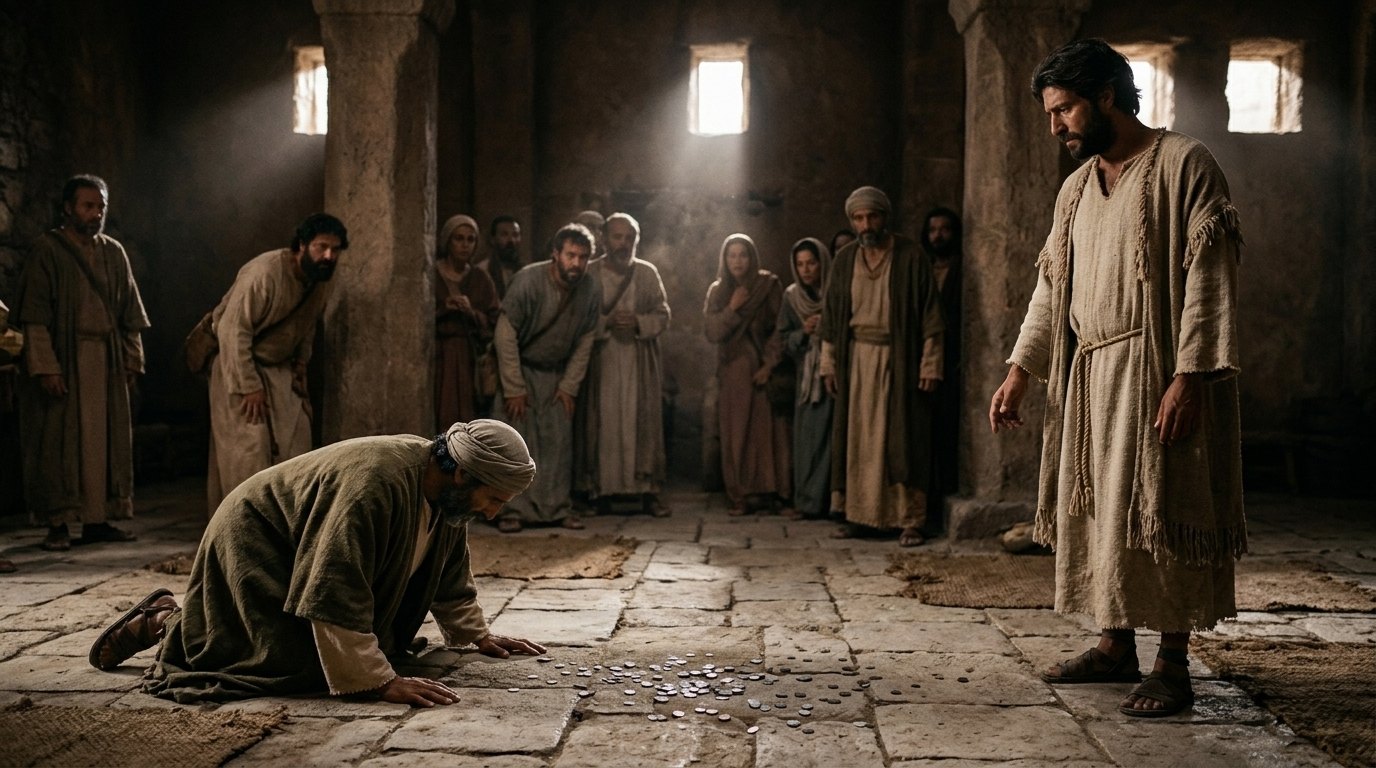
Then Peter said, “Ananias, how is it that Satan has so filled your heart that you have lied to the Holy Spirit and have kept for yourself some of the money you received for the land? Didn’t it belong to you before it was sold? And after it was sold, wasn’t the money at your disposal? What made you think of doing such a thing? You have not lied just to human beings but to God.”
Acts 5:3-4 (NIV)
Peter makes lying to the Holy Spirit entirely synonymous with lying directly to God.
Acts 5:3-4 demonstrates beyond doubt the deity of the Holy Spirit when Peter confronts Ananias: "Why hath Satan filled thine heart to lie to the Holy Ghost?... thou hast not lied unto men, but unto God." To lie to the Holy Spirit is to lie directly to God Himself. The Spirit is neither an abstract power nor an impersonal divine influence; He possesses all the incommunicable attributes of the living God.
From creation's dawn, the third person of the Trinity has been actively working. In Genesis 1:2, "the Spirit of God moved upon the face of the waters," bringing order and life to the formless deep. The psalmist David confessed the Spirit's divine omnipresence, asking in holy awe: "Whither shall I go from thy spirit? or whither shall I flee from thy presence?" (Psalm 139:7). Likewise, the Spirit possesses complete omniscience, for "the Spirit searcheth all things, yea, the deep things of God" (1 Corinthians 2:10-11).
Because the Holy Spirit is personal, Paul warns believers: "grieve not the holy Spirit of God, whereby ye are sealed unto the day of redemption" (Ephesians 4:30)—an impersonal force cannot be grieved. As God indwells His people, Paul reminds the church that "ye are the temple of God, and that the Spirit of God dwelleth in you" (1 Corinthians 3:16). He is the uncreated, "eternal Spirit" through whom Christ offered Himself without spot to God (Hebrews 9:14), and Paul proclaims plainly that "the Lord is that Spirit: and where the Spirit of the Lord is, there is liberty" (2 Corinthians 3:17-18).
| Passage | What it says |
|---|---|
| Acts 5:3-4 | Peter equates lying to the Holy Spirit with lying directly to God Himself. |
| Genesis 1:2 | Shows the Spirit of God actively hovering over the face of the waters. |
| Psalms 139:7 | Affirms the omnipresence of the Spirit from whom no one can flee. |
| 1 Corinthians 2:10-11 | Shows the omniscience of the Spirit who searches the deep things of God. |
| 1 Corinthians 3:16 | Declares that believers are God's temple because God's Spirit dwells within them. |
| Ephesians 4:30 | Commands not to grieve the Holy Spirit, demonstrating His personal relational nature. |
| Hebrews 9:14 | Refers to the Holy Spirit as the eternal Spirit through whom Christ offered Himself. |
| 2 Corinthians 3:17-18 | Now the Lord is that Spirit: and where the Spirit of the Lord is, there is liberty, transformed as by the Spirit of the Lord. |
Distinct Persons
The Three Revealed Together
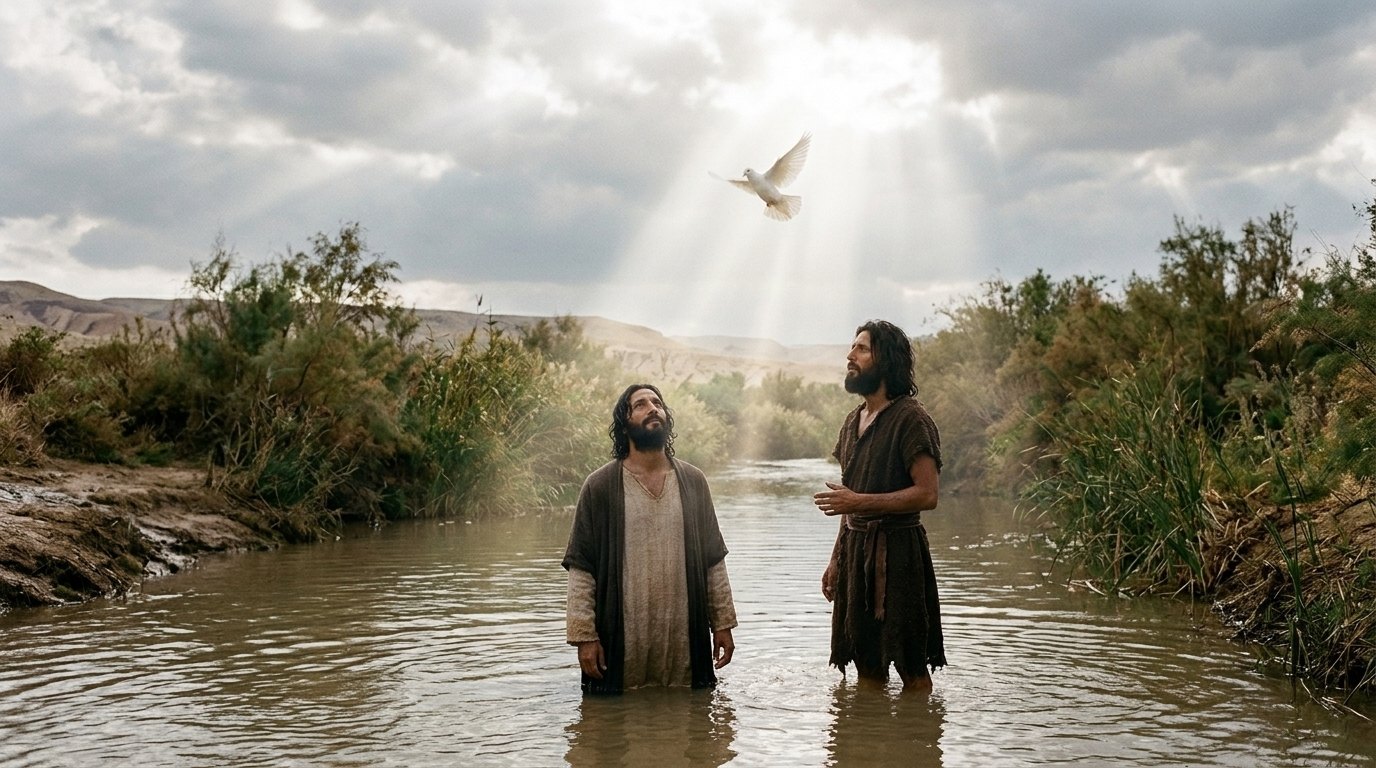
Therefore go and make disciples of all nations, baptizing them in the name of the Father and of the Son and of the Holy Spirit,
Matthew 28:19 (NIV)
Baptism is commanded into the singular name of the Father, Son, and Holy Spirit.
At the Great Commission in Matthew 28:19, Jesus commands His disciples to baptize into “the name of the Father and of the Son and of the Holy Spirit.” Strikingly, Jesus uses the singular term “name” rather than the plural “names,” binding the three persons into one indivisible divine being while preserving their distinct relations. This simultaneous presence and distinction appear throughout the New Testament witness.
At Christ's baptism (Matthew 3:16-17), all three persons are active at the same moment: the Son stands incarnate in the Jordan, the Holy Spirit descends visibly like a dove, and the Father’s voice thunders from heaven in divine approval. At the Incarnation (Luke 1:35), Gabriel declares that the Holy Spirit will come upon Mary, the power of the Most High (the Father) will overshadow her, and the child born will be called the Son of God.
Jesus consistently speaks of the persons as distinct agents in divine communion. In John 14:16-17, Jesus says, “I will ask the Father, and he will give you another Helper, to be with you forever, even the Spirit of truth.” Soon after, He repeats in John 15:26 that He will send the Spirit from the Father. The apostolic benedictions echo this triune pattern. Paul concludes his second letter to Corinth with a three-fold blessing (2 Corinthians 13:14): “The grace of the Lord Jesus Christ and the love of God and the fellowship of the Holy Spirit be with you all.” In Ephesians 2:18, Paul summarizes redemption by stating that through Christ we have access in one Spirit to the Father. Jude similarly anchors Christian perseverance in this triune reality (Jude 1:20-21), instructing believers to pray in the Holy Spirit, keep themselves in the love of God, and await the mercy of Jesus Christ. The New Testament does not merely imply the Trinity; it operates on it as the rhythm of redemption.
| Passage | What it says |
|---|---|
| Matthew 28:19 | Commands disciples to baptize into the one singular name of the three persons. |
| Matthew 3:16-17 | The Son is baptized, the Spirit descends as a dove, and the Father speaks. |
| Luke 1:35 | The Spirit comes, the Most High overshadows, and the holy child is called Son. |
| John 14:16-17 | The Son prays to the Father to send another Helper, the Spirit of truth. |
| John 15:26 | The Son sends the Spirit from the Father to bear witness. |
| 2 Corinthians 13:14 | Bestows the grace of Christ, love of God, and fellowship of the Spirit. |
| Ephesians 2:18 | Through Christ we have access in one Spirit to the Father. |
| Jude 1:20-21 | Building up yourselves on your most holy faith, praying in the Holy Ghost, keep yourselves in the love of God, looking for the mercy of Jesus Christ. |
Shadows Of Plurality
The Old Testament Intimates Plurality In The Godhead
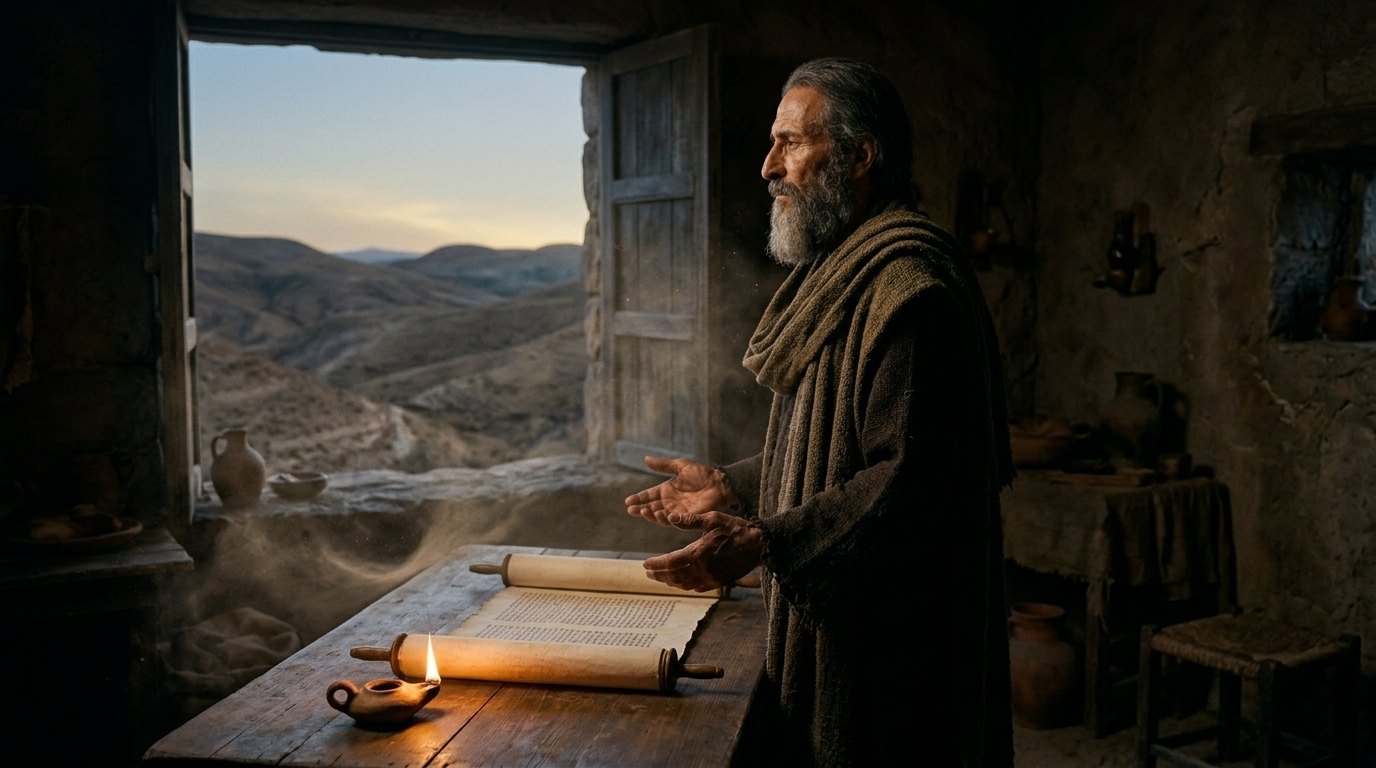
“Come near me and listen to this: “From the first announcement I have not spoken in secret; at the time it happens, I am there.” And now the Sovereign LORD has sent me, endowed with his Spirit.
Isaiah 48:16 (NIV)
The Speaker who is eternal proclaims that the Sovereign Lord and His Spirit have sent Him, displaying three distinct divine persons.
In Isaiah 48:16, an eternal speaker who identifies Himself as the First and the Last declares: “From the beginning I have not spoken in secret... And now the Lord God has sent me, and his Spirit.” Here the Speaker, who is Yahweh the Redeemer, announces that He is sent by the Sovereign Lord and His Spirit. The Old Testament hints unmistakably at personal plurality within the one true God.
This plurality is signaled from the opening pages of Scripture. In Genesis 1:26, God says, “Let us make man in our image, after our likeness,” choosing plural pronouns to describe the deliberation of the Creator. Following the Fall, the Lord God observes in Genesis 3:22, “Behold, the man has become like one of us in knowing good and evil.” At the judgment of Babel (Genesis 11:7), the Lord says, “Come, let us go down and there confuse their language.” While some have attempted to dismiss these plurals as a mere majesty of speech, Hebrew lacks a grammatical plural of majesty for verbs and self-deliberation; rather, God speaks among divine persons.
This divine dialogue recurs in Isaiah’s vision of the throne room (Isaiah 6:8), where the Lord asks, “Whom shall I send, and who will go for us?” The singular “I” and plural “us” stand side by side in a single sentence, perfectly capturing unity of purpose with plurality of persons. Later, the anointed Servant speaks in Isaiah 61:1: “The Spirit of the Lord God is upon me, because the Lord has anointed me to bring good news to the poor.” As throughout the prophetic writings, the Spirit, the Father, and the Servant-Messiah act in seamless concert, preparing the people of God for the full revelation of the Triune God in Jesus Christ.
| Passage | What it says |
|---|---|
| Genesis 1:26 | God said, Let us make man in our image, after our likeness. |
| Genesis 3:22 | The Lord God said, Behold, the man is become as one of us, to know good and evil. |
| Genesis 11:7 | Go to, let us go down, and there confound their language, that they may not understand one another's speech. |
| Isaiah 6:8 | I heard the voice of the Lord, saying, Whom shall I send, and who will go for us? Then said I, Here am I; send me. |
| Isaiah 48:16 | Come ye near unto me, hear ye this: from the beginning, now the Lord God, and his Spirit, hath sent me. |
| Isaiah 61:1 | The Spirit of the Lord God is upon me; because the Lord hath anointed me to preach good tidings unto the meek. |
Where in the Bible
| Book | Passages |
|---|---|
| Genesis | 4 · Genesis 1:2, Genesis 1:26, Genesis 3:22, Genesis 11:7 |
| Deuteronomy | 2 · Deuteronomy 6:4, Deuteronomy 4:35 |
| Psalms | 1 · Psalms 139:7 |
| Isaiah | 6 · Isaiah 44:6, Isaiah 45:5, Isaiah 46:9, Isaiah 6:8, Isaiah 48:16, Isaiah 61:1 |
| Matthew | 2 · Matthew 28:19, Matthew 3:16-17 |
| Mark | 1 · Mark 12:29 |
| Luke | 1 · Luke 1:35 |
| John | 8 · John 6:27, John 17:3, John 1:1, John 1:14, John 8:58, John 20:28, John 14:16-17, John 15:26 |
| Acts | 1 · Acts 5:3-4 |
| Romans | 1 · Romans 9:5 |
| 1 Corinthians | 4 · 1 Corinthians 8:4, 1 Corinthians 8:6, 1 Corinthians 2:10-11, 1 Corinthians 3:16 |
| 2 Corinthians | 2 · 2 Corinthians 3:17-18, 2 Corinthians 13:14 |
| Galatians | 1 · Galatians 1:1 |
| Ephesians | 3 · Ephesians 4:6, Ephesians 4:30, Ephesians 2:18 |
| Philippians | 2 · Philippians 2:11, Philippians 2:6 |
| Colossians | 1 · Colossians 2:9 |
| 1 Timothy | 1 · 1 Timothy 2:5 |
| Titus | 1 · Titus 2:13 |
| Hebrews | 2 · Hebrews 1:8, Hebrews 9:14 |
| James | 1 · James 2:19 |
| 1 Peter | 1 · 1 Peter 1:2 |
| 2 Peter | 1 · 2 Peter 1:1 |
| 1 John | 1 · 1 John 5:20 |
| Jude | 1 · Jude 1:20-21 |
The story in order
- Creation of Man (c. 4000 BC) · Genesis 1:26 · God speaks of making man in 'our image', hinting at plurality.
- Tower of Babel (c. 2200 BC) · Genesis 11:7 · God again uses 'us' when discussing confounding languages.
- The Shema (c. 1400 BC) · Deuteronomy 6:4 · Proclaims the foundational truth that the LORD our God is one LORD.
- Isaiah's Vision (c. 740 BC) · Isaiah 6:8 · God asks 'Whom shall I send?' and 'who will go for us?'
- Prophecy of the Spirit (c. 740 BC) · Isaiah 48:16 · The Lord God and His Spirit have sent the speaker.
- The Word Became Flesh (AD 30) · John 1:14 · The eternal Word, who was with God and was God, became human.
- Jesus' Baptism (AD 27) · Matthew 3:16-17 · The Son is baptized, the Spirit descends, the Father speaks.
- Jesus Prays to the Father (AD 30) · John 14:16-17 · Jesus promises the Father will send the Spirit, the Helper.
- Apostolic Commission (AD 30) · Matthew 28:19 · Baptize in the singular name of the Father, Son, and Holy Spirit.
- Paul's Benediction (AD 57) · 2 Corinthians 13:14 · Grace of Christ, love of God, and fellowship of the Spirit.
Plurality in the Godhead
| Divine Speaker(s) | Action/Statement | Implication | Passage |
|---|---|---|---|
| God | Let us make man in our image. | Hints at plurality within God. | Genesis 1:26 |
| Lord God | Behold, the man is become as one of us. | Reinforces plurality. | Genesis 3:22 |
| God | Let us go down, and there confound their language. | Further indication of plurality. | Genesis 11:7 |
| Lord | Whom shall I send, and who will go for us? | God speaks of Himself with plurality. | Isaiah 6:8 |
| Lord God and His Spirit | The Lord God, and his Spirit, hath sent me. | Explicit mention of God and His Spirit acting together. | Isaiah 48:16 |
Key words
- God (elohim, אֱלֹהִים)
- The supreme being, creator and sustainer of the universe. · Genesis 1:1
- One God (echad, אֶחָד)
- The foundational truth of monotheism; there is only one true God. · Deuteronomy 6:4
- Father (pater, πατήρ)
- The first person of the Trinity, from whom all things originate. · 1 Corinthians 8:6
- Son (huios, υἱός)
- The second person of the Trinity, eternally begotten of the Father. · John 1:14
- Holy Spirit (pneuma hagion, πνεῦμα ἅγιον)
- The third person of the Trinity, the divine comforter and empowerer. · Acts 5:3
- Word (logos, λόγος)
- Jesus Christ, the eternal Son of God, through whom all things were made. · John 1:1
Believers worship one God in Trinity not because a human council coined a term, but because Scripture leaves no other faithful path. The Father loves us and sent His Son; the Son gave Himself upon the cross to redeem us; and the Holy Spirit seals, indwells, and transforms us into the image of Christ. Resting in the triune God is the heartbeat of Christian faith, prayer, and eternal life.
49 passages, each cited once.
Scripture cited
- Matthew 28:19
- Deuteronomy 6:4-5
- John 1:1-14
- Acts 5:3-4
- John 14:16-18
- 2 Corinthians 13:14