Why did God allow polygamy in the Old Testament?
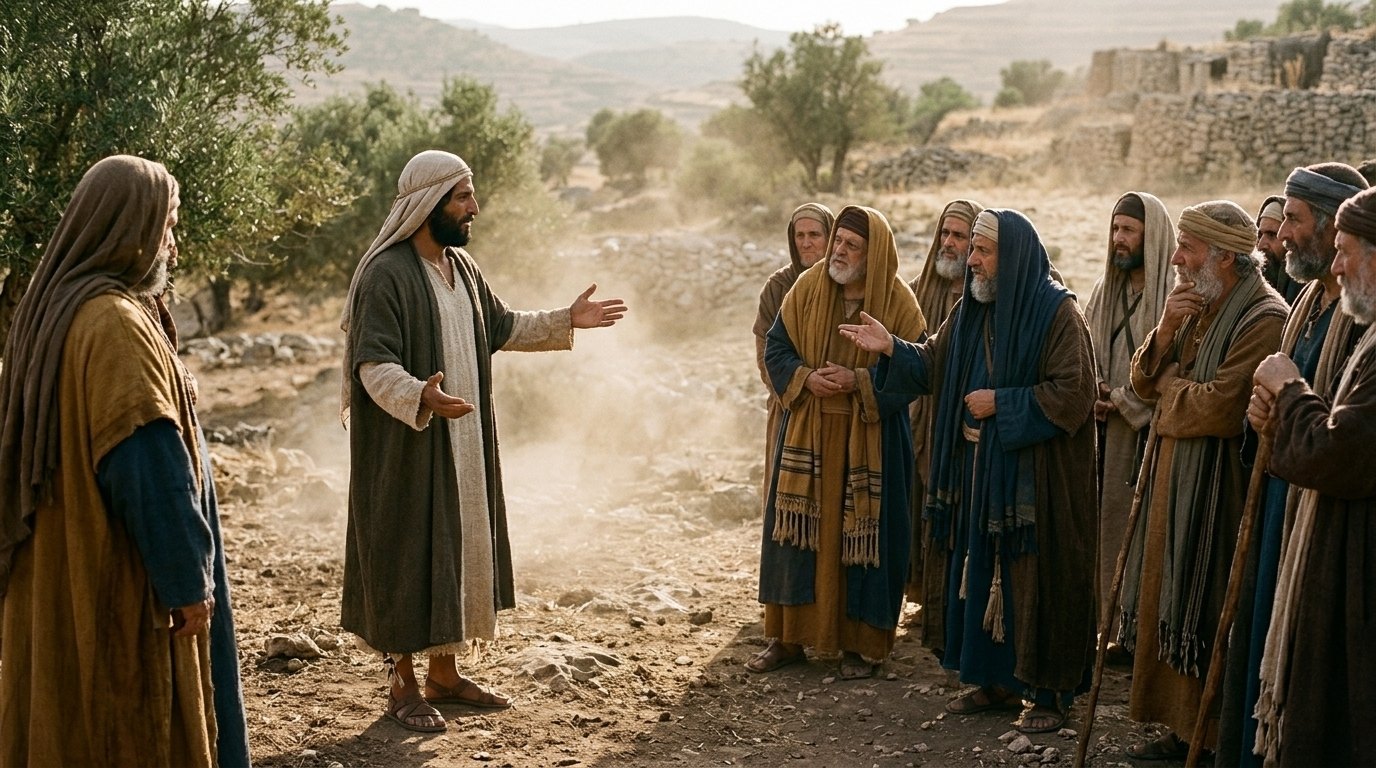
Matthew 19:4-6
4 “Haven’t you read,” he replied, “that at the beginning the Creator ‘made them male and female,’
5 and said, ‘For this reason a man will leave his father and mother and be united to his wife, and the two will become one flesh’?
6 So they are no longer two, but one flesh. Therefore what God has joined together, let no one separate.”
New International Version (NIV)
The answer
God never endorsed polygamy as His design. He created one man for one woman — "the two become one flesh" (Matthew 19:6), not three or more — and Jesus points straight back to that original pattern from Genesis 2:24 when asked about marriage (Matthew 19:4-6). Polygamy appears in the Old Testament not as God's blessing, but as a tolerated evil that He regulated while hearts were hard.
The key principle comes from Jesus' own explanation of a related Old Testament accommodation. When asked why Moses allowed divorce, He answered: "Moses, because of the hardness of your hearts, allowed you to divorce your wives, but from the beginning it has not been so" (Matthew 19:8). Polygamy fell under the same patience: it was already a custom of the surrounding nations, and God chose to work within the reality of a hard-hearted people, restraining the practice rather than overturning it at once.
So the Law regulates it, but never approves it:
- The first wife is protected: a man taking another wife may not reduce her food, clothing or marital rights (Exodus 21:10).
- The unloved wife's son is protected: the firstborn's inheritance may not be stolen for the favourite wife's son (Deuteronomy 21:15-17).
- Kings are forbidden to multiply wives, because wives would turn the heart from God (Deuteronomy 17:17).
- Marrying two sisters as rivals is forbidden outright (Leviticus 18:18).
Regulating an evil while the people were not ready to put it away is not the same as authorizing it. The surrounding chapters of Scripture show this is accommodation, not design.
Every polygamous household in Scripture shows the sorrow it brings. The first polygamist is Lamech, a boastful murderer from Cain's line (Genesis 4:19-24), not a man of faith. Sarah and Hagar's rivalry tore Abraham's house; Jacob's wives competed for his love; and Elkanah's wife Hannah was "provoked" severely by Peninnah, her rival, to tears year after year (1 Samuel 1:6-7). The most explicit warning lands on Solomon: his many wives "turned his heart away" to idols (1 Kings 11:3-4) — exactly what Deuteronomy 17:17 said would happen. No polygamous marriage in the Bible is held up as happy or godly.
The prophets reaffirm the one-flesh design from creation. Malachi grounds marriage in God's own act: "Did he not make you one... Why one? He sought godly offspring" (Malachi 2:15). And the New Testament tightens the standard in the church: an overseer must be "the husband of one wife" (1 Timothy 3:2).
In short, God bore with polygamy for a time as He did with other deep-set human evils, setting laws to limit its harms. His design, stated in Genesis, restated by Jesus and reflected in the New Testament, has always been the faithful union of one man and one woman for life.
Answered from Scripture · reviewed November 12, 2026
God never instituted or blessed polygamy as His design for marriage; from creation, He formed one man for one woman to become one flesh. Where polygamy appears in the Old Testament, God tolerated and regulated it because of human hardness of heart while restraining its cruelties, even as Scripture consistently records the heartbreak and spiritual ruin it produced. Tracing the biblical witness reveals God's unswerving standard of lifelong, monogamous union culminating in Christ and the church.
The Creation Design
From the beginning God joined two into one

That is why a man leaves his father and mother and is united to his wife, and they become one flesh.
Genesis 2:24 (NIV)
This foundational verse establishes the eternal blueprint: one man leaving father and mother to hold fast to one wife as one flesh.
The entire biblical witness begins not with a clan of co-wives, but with a pristine covenant union between one man and one woman. In Genesis 2:24, Scripture lays down the bedrock principle that governs marriage across both Testaments: “Therefore a man shall leave his father and his mother and hold fast to his wife, and they shall become one flesh.” The arithmetic of Eden is unmistakably singular. God created humanity in His own image, distinctly male and female (Genesis 1:27; Genesis 5:2), establishing an indivisible complement. When the Lord God declared it not good for man to be alone, He did not fashion a multitude of companions; He fashioned a single suitable counterpart tailored precisely to him (Genesis 2:18).
Upon receiving the woman from God's hand, Adam broke into joyous poetry, confessing, “This at last is bone of my bones and flesh of my flesh” (Genesis 2:23). The language of covenant fidelity in Genesis 2:24 leaves no room for expansion. A man leaves his parents to cling exclusively to his wife, binding two distinct persons into one functional, bodily unity. When Jesus Christ later answered questions regarding the endurance and nature of marriage, He bypassed centuries of cultural compromise to quote Genesis 1:27 and Genesis 2:24, emphasizing that “the two shall become one flesh” and that what God joined together, man must not tear apart. Monogamy is not a later human ideal; it is God's foundational, unbroken creation ordinance.
| Passage | What it says |
|---|---|
| Genesis 1:27 | God created mankind in His own image, creating them distinctly male and female. |
| Genesis 2:18 | The Lord God declared it not good for man to be alone and determined to make a suitable helper for him. |
| Genesis 2:23 | Adam recognized Eve as bone of his bones and flesh of his flesh, received from God. |
| Genesis 2:24 | A man leaves his parents to hold fast to his wife, and the two become one flesh. |
| Genesis 5:2 | God created humanity male and female, blessing them and calling their name Adam at their creation. |
Origin and Turmoil
Polygamy enters through rebellion and breeds bitter grief
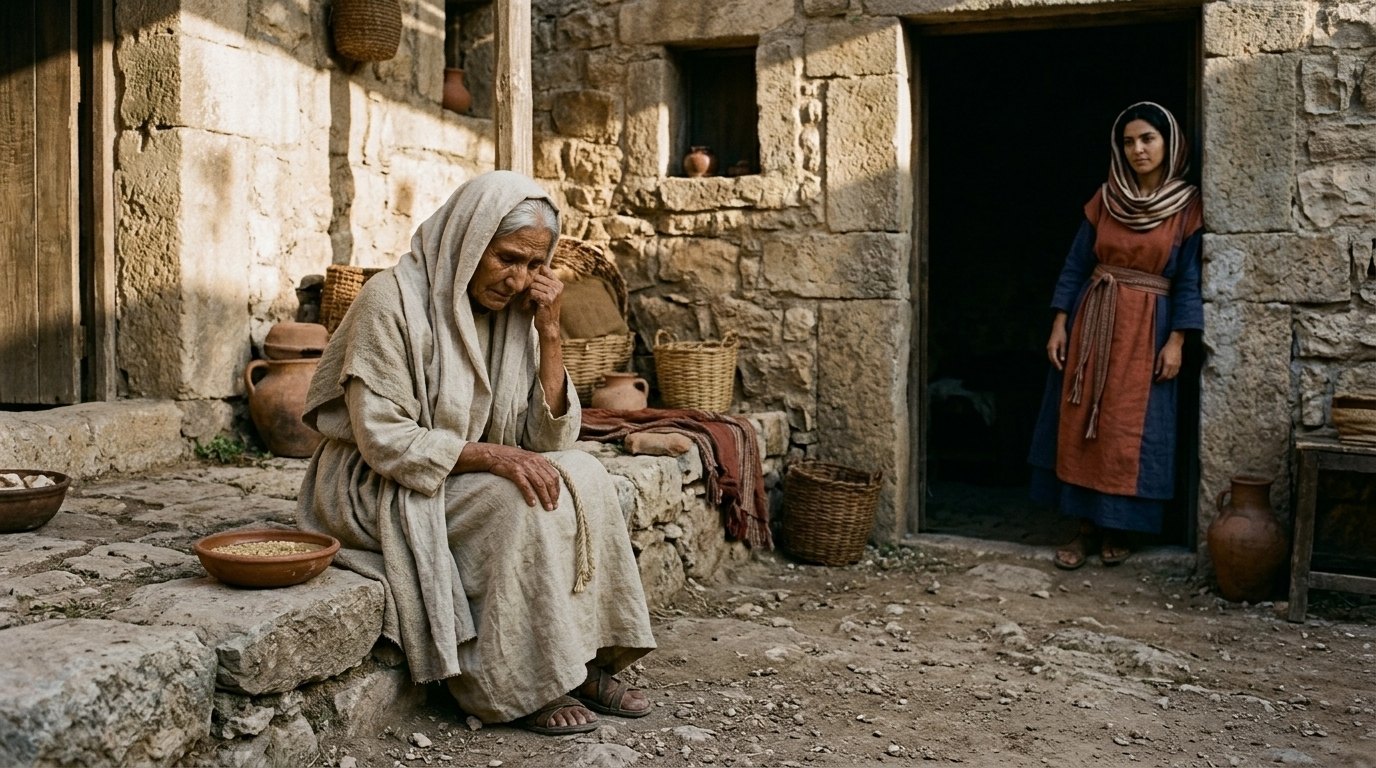
Lamech married two women, one named Adah and the other Zillah.
Genesis 4:19 (NIV)
Polygamy first enters human history not through the line of promise, but through Lamech, a violent descendant of Cain.
Polygamy enters the biblical record not as a divine blessing or through the holy lineage, but through the lineage of Cain. In Genesis 4:19, Scripture notes with understated gravity: “Lamech took two wives. The name of the one was Adah, and the name of the other Zillah.” Lamech was a man celebrated for ruthless vengeance and arrogance; his fracture of the creation ordinance matched his fracture of the moral law. From that moment forward in narrative history, multiple marriages consistently brought jealousy, hostility, and bitter grief into families.
When Abram attempted to fulfill God's promise through Sarai's Egyptian maidservant Hagar, the immediate consequence was contempt in the tent and bitter domestic upheaval (Genesis 16:4), culminating in the agonizing expulsion of Hagar and Ishmael (Genesis 21:10). Jacob’s household provides another tragic case study. Jacob loved Rachel far more than her older sister Leah (Genesis 29:30), plunging their tent into a relentless competition of childbearing fueled by Leah's heartache and Rachel's desperate envy (Genesis 30:1). Centuries later, the same misery surfaced in the home of Elkanah, where his second wife Peninnah deliberately taunted and provoked the barren Hannah year after year until Hannah wept and could not eat (1 Samuel 1:6). Esau caused his godly parents intense bitterness of spirit by taking two Hittite wives (Genesis 26:34-35), and Gideon’s many wives and concubines produced seventy sons, leading to the fratricidal butchery carried out by his concubine's son Abimelech (Judges 8:30-31). Scripture records no peaceful polygamous household.
| Passage | What it says |
|---|---|
| Genesis 4:19 | Lamech of Cain's line took two wives, Adah and Zillah, marking the first recorded instance of polygamy. |
| Genesis 16:4 | Abram took Hagar alongside Sarai, immediately producing contempt and domestic strife in the household. |
| Genesis 21:10 | Sarah demanded the expulsion of Hagar and Ishmael, showing the lingering division caused by taking a second woman. |
| Genesis 29:30 | Jacob loved Rachel more than Leah, sparking ongoing jealousy, resentment, and competition in his family. |
| Genesis 30:1 | Rachel envied her sister Leah over children, illustrating the bitter personal anguish bred by multiple wives. |
| 1 Samuel 1:6 | Peninnah provoked Elkanah's barren wife Hannah severely year after year to make her fret. |
| Genesis 26:34-35 | Esau took two Hittite wives, bringing deep grief of mind and bitterness of spirit to Isaac and Rebekah. |
| Judges 8:30-31 | Gideon had many wives and seventy sons, plus a concubine whose son Abimelech brought bloody slaughter to the family. |
Law and Restraint
Moses regulated hard hearts to protect the vulnerable
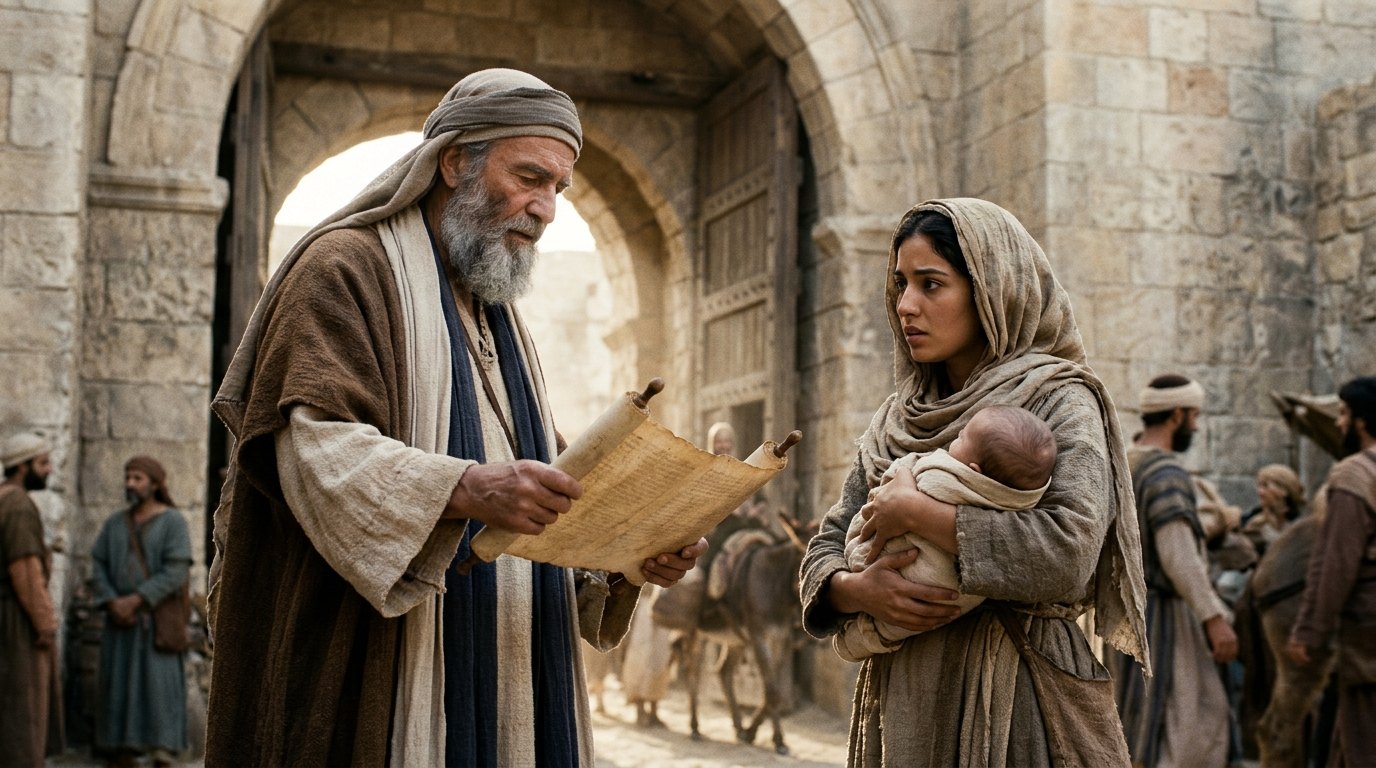
He must not take many wives, or his heart will be led astray. He must not accumulate large amounts of silver and gold.
Deuteronomy 17:17 (NIV)
God explicitly commanded Israel's future king not to multiply wives to himself, warning of heart deviation.
When the Mosaic law addresses polygamy, it does so through the lens of divine regulation, restraining the devastating abuses common to fallen cultures rather than endorsing the practice. In Deuteronomy 17:17, the Lord laid down an absolute prohibition for Israel’s future monarchs: “And he shall not acquire many wives for himself, lest his heart turn away.” The warning recognized how quickly multiplied alliances and sensual indulgence rot spiritual allegiance.
Where ordinary citizens took multiple wives due to the prevailing customs of the ancient Near East, God imposed strict legal barriers to protect the vulnerable. Under Exodus 21:10, if a man took another wife, he was forbidden from diminishing the food, clothing, or marital rights of his first wife; he could not neglect the original partner to indulge the newcomer. To prevent the domestic war that plagued Jacob’s household, Leviticus 18:18 expressly banned a man from marrying his wife's sister as a rival wife during her lifetime. Furthermore, God protected children from parental favoritism in Deuteronomy 21:15-17. If a man had two wives, one loved and the other unloved, he was legally barred from transferring the double-portion birthright from the unloved wife's firstborn son to the favored wife's son. In an era where rejected wives were routinely discarded into starvation, the Mosaic code acted as a shield of justice for women and children against the hardness of human hearts.
| Passage | What it says |
|---|---|
| Exodus 21:10 | If a man takes another wife, he must not diminish the food, clothing, or marital rights of the first. |
| Leviticus 18:18 | A man is forbidden to take a woman as a rival wife to her sister during her lifetime. |
| Deuteronomy 17:17 | The king is forbidden from multiplying wives to himself, lest his heart turn away from the Lord. |
| Deuteronomy 21:15 | A father with two wives, one loved and one unloved, must not disinherit the unloved wife's firstborn son. |
| Deuteronomy 21:16 | The law forbids assigning the firstborn right to the son of the beloved wife out of favoritism. |
| Deuteronomy 21:17 | The father must acknowledge the firstborn of the unloved wife by giving him a double portion of his estate. |
Royal Catastrophe
Multiplying wives turned kings away to ruinous idolatry

As Solomon grew old, his wives turned his heart after other gods, and his heart was not fully devoted to the LORD his God, as the heart of David his father had been.
1 Kings 11:4 (NIV)
Solomon's multiplied wives fulfilled God's warning precisely, turning the wisest king's heart away to worship pagan gods.
The royal history of Israel reveals the catastrophic spiritual ruin that comes when God’s warnings are ignored. Although King David walked with God, he accumulated wives and concubines in Jerusalem (2 Samuel 5:13), introducing deep relational fractures and bloody rivalries among his heirs. While God granted David the royal succession and protection over the royal household of Saul (2 Samuel 12:8), David’s unchecked carnal appetite culminated in adultery and murder.
The full tragedy emerged in Solomon. Despite unmatched wisdom, Solomon loved many foreign women alongside Pharaoh’s daughter (1 Kings 11:1), collecting seven hundred royal wives and three hundred concubines (1 Kings 11:3). The divine verdict in 1 Kings 11:4 is devastating: “For when Solomon was old his wives turned away his heart after other gods, and his heart was not wholly true to the Lord his God, as was the heart of David his father.” Solomon's compromise imported Ashtoreth, Milcom, and Chemosh directly onto the hills facing Jerusalem, fracturing the kingdom under his son. Rehoboam repeated this pattern, loving Maacah above his eighteen wives and sixty concubines (2 Chronicles 11:21), as did King Abijah with fourteen wives (2 Chronicles 13:21). Even when Jehoiada the priest chose two wives for the orphaned King Joash to secure David’s royal line (2 Chronicles 24:3), the multiplying of wives in Israel's royal courts consistently coincided with political decline and spiritual compromise.
| Passage | What it says |
|---|---|
| 2 Samuel 5:13 | David took more concubines and wives out of Jerusalem, multiplying domestic complications in his household. |
| 2 Samuel 12:8 | Nathan reminded David that God had given him his master's house and women in royal succession. |
| 1 Kings 11:1 | King Solomon loved many foreign women alongside Pharaoh's daughter from nations the Lord warned Israel about. |
| 1 Kings 11:3 | Solomon had seven hundred royal wives and three hundred concubines, and his wives turned away his heart. |
| 1 Kings 11:4 | In Solomon's old age his wives turned his heart after other gods, so it was not wholly true to the Lord. |
| 2 Chronicles 11:21 | Rehoboam loved Maacah above all his eighteen wives and sixty concubines, perpetuating division. |
| 2 Chronicles 13:21 | Abijah grew mighty and took fourteen wives, fathering twenty-two sons and sixteen daughters in royal expansion. |
| 2 Chronicles 24:3 | Jehoiada the priest acquired two wives for young King Joash to secure royal offspring for the house of David. |
Prophetic Affirmation
The prophets recall Israel to the covenant of youth
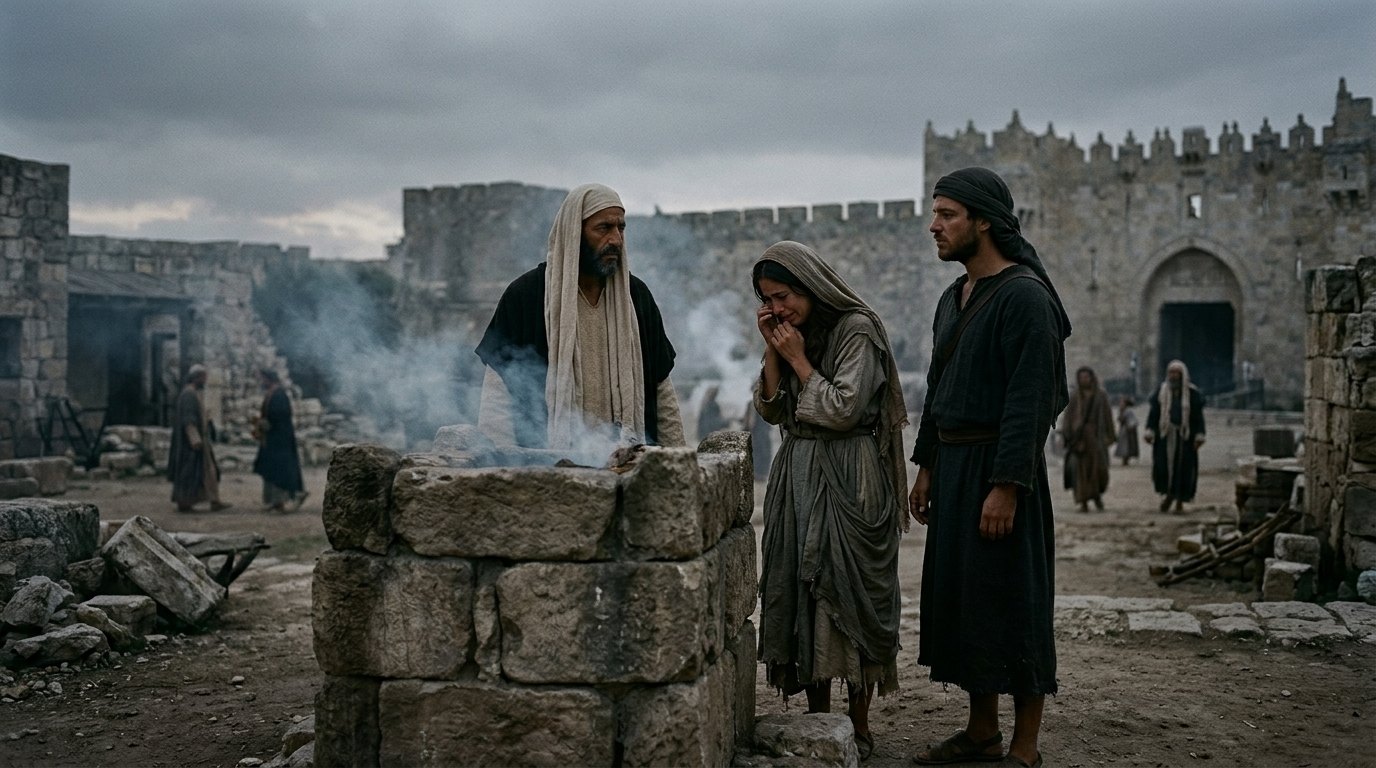
Has not the one God made you? You belong to him in body and spirit. And what does the one God seek? Godly offspring. So be on your guard, and do not be unfaithful to the wife of your youth.
Malachi 2:15 (NIV)
Malachi asks why God made one flesh rather than many, answering that He sought godly offspring through covenant union.
In Malachi 2:15, the prophet asks a penetrating question that strikes at the root of divided affections: did he not make them one, having a remnant of the Spirit? God possessed more than enough life-giving Spirit to create multiple wives for Adam, yet He crafted exactly one woman, seeking godly offspring through an undivided covenant. This sacred pattern echoes throughout Israel's Wisdom literature, which summons every man back to exclusive devotion. Proverbs 5:18 commands the husband to rejoice in the wife of his youth, picturing marital love as a blessed and private fountain rather than a scattered stream. Proverbs 5:19 deepens this exclusive call, urging a husband to be continually captivated by her love alone, leaving no room for a divided heart or secondary attachments.
By the closing pages of the Old Testament, the Lord delivers a stern indictment against Israel's pervasive marital treachery. Malachi 2:14 declares that God Himself stood as an active witness between the faithless husband and the companion of his youth, bound to him by sacred covenant. God hates divorce and treachery, reminding His people in Malachi 2:15 that marital faithfulness is essential to raising children who know and honour the Lord. Through the prophets and the sages, Scripture consistently strips away the excuses of cultural drift, summoning Israel back to the pure joy and spiritual protection of God's original creation ordinance.
| Passage | What it says |
|---|---|
| Proverbs 5:18 | Wisdom instructs a man to let his fountain be blessed and to rejoice in the wife of his youth. |
| Proverbs 5:19 | A husband is commanded to be captivated always by the love of his one wife. |
| Malachi 2:14 | The Lord witnessed against Judah for betraying the wife of youth, who is a companion by covenant. |
| Malachi 2:15 | God made husband and wife one in spirit to seek godly offspring, warning against treachery toward the wife of youth. |
Christ's Restoration
Jesus restores God's standard and the church upholds it
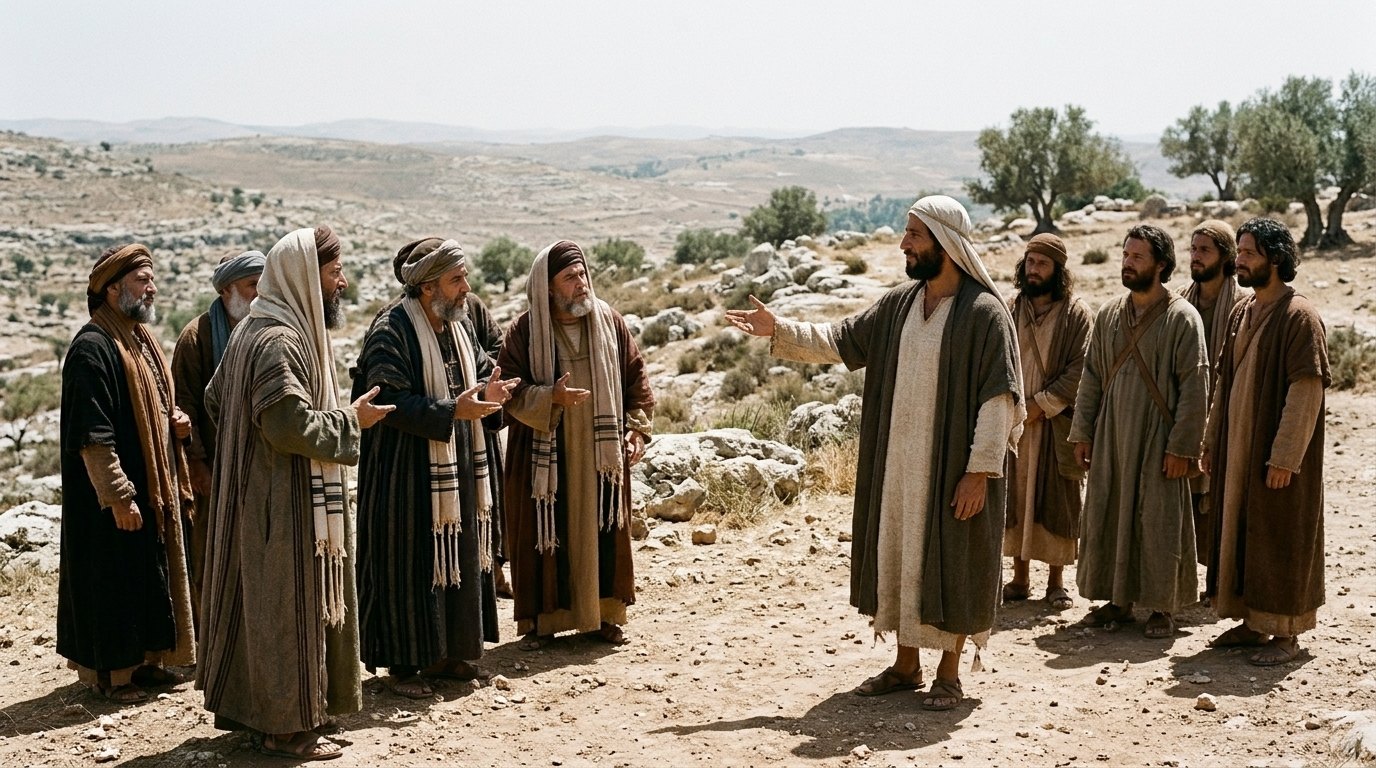
Jesus replied, “Moses permitted you to divorce your wives because your hearts were hard. But it was not this way from the beginning.
Matthew 19:8 (NIV)
Jesus clarifies that Mosaic concessions arose from hardness of heart, whereas 'from the beginning it was not so.'
When challenged regarding marital ethics, our Lord did not consult rabbinic precedent but pointed straight back to the dawn of time. In Matthew 19:8, Jesus cut through centuries of cultural compromise by declaring that from the beginning it was not so, explaining that Moses permitted legal concessions solely because of the people's stubborn hardness of heart. Jesus directed His hearers to the primordial design in Matthew 19:4 and Mark 10:6-8, reminding them that the Creator made them male and female at creation. In Matthew 19:5, Jesus reaffirmed Genesis, stating that a man leaves father and mother to hold fast to his wife, and the two—never three or four—shall become one flesh. Therefore, Matthew 19:6 concludes with absolute authority: what God has joined together, no man may divide.
The apostolic church faithfully established this restored standard across all Christian communities. In 1 Corinthians 7:2, Paul addresses sexual temptation by directing that each man have his own wife and each woman her own husband, using strictly singular terms. Ephesians 5:31 reveals the profound spiritual mystery veiled beneath Genesis 2:24: the one-flesh marital union is an earthly portrait of Christ's exclusive, self-giving covenant with His singular bride, the church. To preserve this witness, pastoral leadership was held to an uncompromising benchmark. Both 1 Timothy 3:2 and Titus 1:6 require that an overseer or elder be blameless, the husband of one wife. Deacons likewise are held to this standard in 1 Timothy 3:12, establishing a monogamous pattern that displays the unblemished fidelity of Jesus Christ to His redeemed people.
| Passage | What it says |
|---|---|
| Matthew 19:4 | Jesus answered that the Creator made them male and female from the very beginning. |
| Matthew 19:5 | Jesus reaffirmed that a man leaves father and mother, cleaves to his wife, and two become one flesh. |
| Matthew 19:6 | Jesus stated that what God has joined together as one flesh, no human being may tear apart. |
| Matthew 19:8 | Jesus explained that Moses permitted concessions because of hard hearts, but from the beginning it was not so. |
| 1 Corinthians 7:2 | Because of sexual temptations, each man should have his own wife and each woman her own husband. |
| Ephesians 5:31 | Paul quotes Genesis 2:24, teaching that two become one flesh as a mystery pointing to Christ and the church. |
| 1 Timothy 3:2 | An overseer in God's church must be blameless and the husband of one wife. |
| Titus 1:6 | Elders appointed in every town must be blameless, the husband of one wife. |
| Mark 10:6-8 | Jesus reaffirms creation order: from the beginning God made male and female, and the two shall become one flesh. |
| 1 Timothy 3:12 | Deacons must be husbands of one wife, managing their children and households well according to God's standard. |
Where in the Bible
| Book | Passages |
|---|---|
| Genesis | 11 · Genesis 1:27, Genesis 2:18, Genesis 2:23, Genesis 2:24, Genesis 5:2, Genesis 4:19, Genesis 16:4, Genesis 21:10, Genesis 29:30, Genesis 30:1, Genesis 26:34-35 |
| Exodus | 1 · Exodus 21:10 |
| Leviticus | 1 · Leviticus 18:18 |
| Deuteronomy | 4 · Deuteronomy 17:17, Deuteronomy 21:15, Deuteronomy 21:16, Deuteronomy 21:17 |
| Judges | 1 · Judges 8:30-31 |
| 1 Samuel | 1 · 1 Samuel 1:6 |
| 2 Samuel | 2 · 2 Samuel 5:13, 2 Samuel 12:8 |
| 1 Kings | 3 · 1 Kings 11:1, 1 Kings 11:3, 1 Kings 11:4 |
| 2 Chronicles | 3 · 2 Chronicles 11:21, 2 Chronicles 13:21, 2 Chronicles 24:3 |
| Proverbs | 2 · Proverbs 5:18, Proverbs 5:19 |
| Malachi | 2 · Malachi 2:14, Malachi 2:15 |
| Matthew | 4 · Matthew 19:4, Matthew 19:5, Matthew 19:6, Matthew 19:8 |
| Mark | 1 · Mark 10:6-8 |
| 1 Corinthians | 1 · 1 Corinthians 7:2 |
| Ephesians | 1 · Ephesians 5:31 |
| 1 Timothy | 2 · 1 Timothy 3:2, 1 Timothy 3:12 |
| Titus | 1 · Titus 1:6 |
The story in order
- Creation of Man and Woman (c. 4000 BC) · Genesis 1:27 · God created humanity male and female, establishing the basis for marriage.
- First Instance of Polygamy (c. 3800 BC) · Genesis 4:19 · Lamech took two wives, marking the entry of polygamy through rebellion.
- Abram Takes Hagar (c. 2000 BC) · Genesis 16:4 · Polygamy immediately produced strife and contempt in Abram's household.
- Jacob's Polygamous Marriages (c. 1700 BC) · Genesis 29:30 · Jacob's love for Rachel over Leah caused jealousy and competition.
- Moses Regulates Polygamy (c. 1450 BC) · Exodus 21:10 · The Law regulated polygamy to protect the rights of the first wife.
- David's Many Wives (c. 1000 BC) · 2 Samuel 5:13 · David took more wives and concubines, leading to domestic complications.
- Solomon's Idolatrous Wives (c. 950 BC) · 1 Kings 11:3 · Solomon's seven hundred wives turned his heart away from God.
- Prophets Recall Covenant of Youth (c. 450 BC) · Malachi 2:14 · Prophets affirmed the sanctity of the marriage covenant and the wife of youth.
- Jesus Restores Creation Standard (AD 30) · Matthew 19:4 · Jesus declared God's original design: male and female, one flesh.
- Paul on One Wife (AD 65) · 1 Timothy 3:2 · Church leaders must be the husband of one wife, upholding God's standard.
Key words
- One Flesh (basar 'eḥāḏ, בָּשָׂר אֶחָד)
- The profound union of husband and wife, becoming a single entity. · Genesis 2:24
- Hardness of Heart (qəšût lēḇ, קְשׁוּת לֵב)
- Human stubbornness and resistance to God's will, leading to concessions. · Matthew 19:8
- Wife of Youth (ʾēšět nĕ‘ūrāy, אֵשֶׁת נְעוּרָי)
- The first wife, taken in one's youth, bound by covenant. · Malachi 2:14
- Husband of One Wife (i.e., 'man of one woman')
- A standard for church leadership, emphasizing monogamy and faithfulness. · 1 Timothy 3:2
Scripture never paints polygamy as a godly ideal, but exposes it as a deviation that brought strife, rivalry, and spiritual compromise. By looking back to Eden and forward to Christ, God calls His people to honor marriage as a sacred covenant between one man and one woman. In Jesus, we receive both the standard of holy faithfulness and the grace to walk in it.
41 passages, each cited once.
Scripture cited
- Matthew 19:4-6
- Malachi 2:15
- Genesis 2:18-24
- Matthew 19:3-9
- Exodus 21:7-11
- Deuteronomy 21:15-17
- Deuteronomy 17:14-20
- 1 Kings 11:1-8
- Leviticus 18:18
- Genesis 4:19-24
- 1 Samuel 1:1-8
- Malachi 2:14-16