Is it a sin to get a divorce?
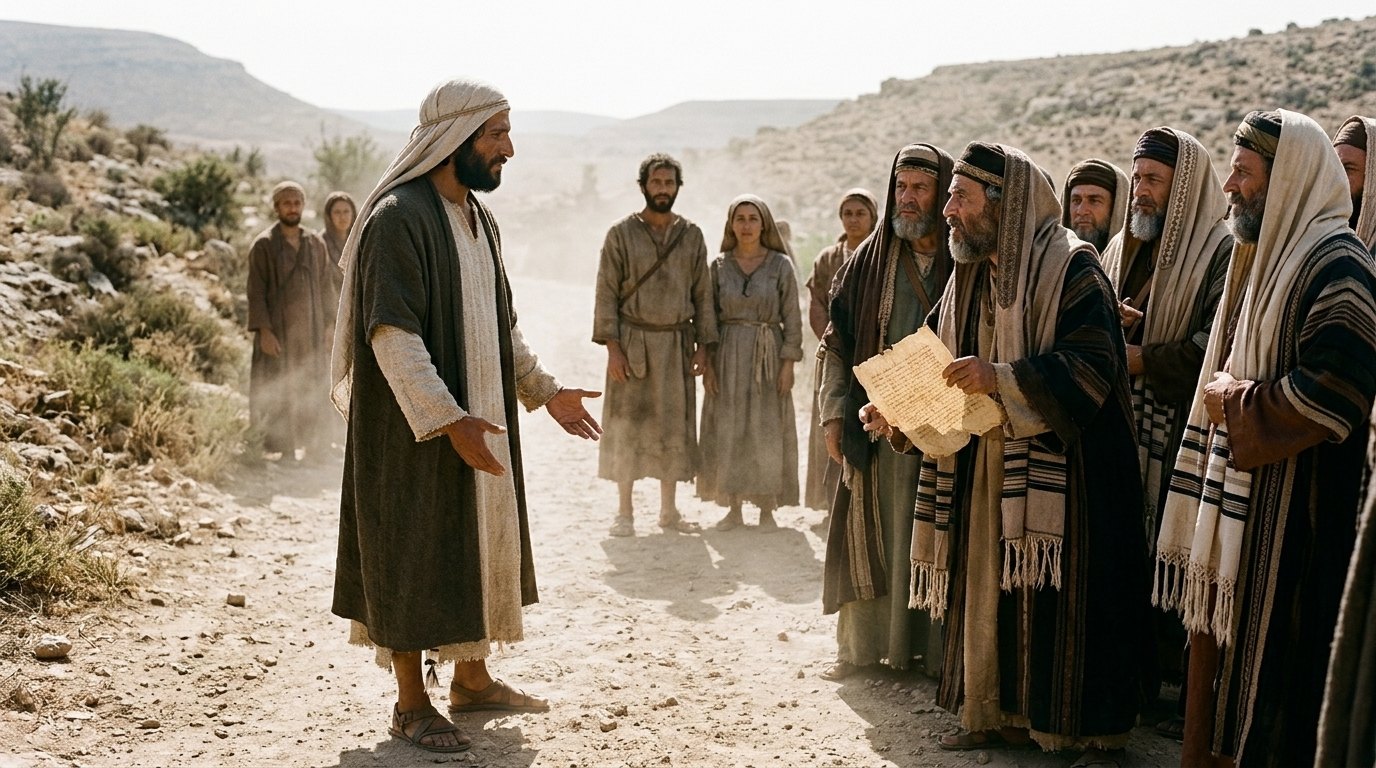
Matthew 19:3-9
3 Some Pharisees came to him to test him. They asked, “Is it lawful for a man to divorce his wife for any and every reason?”
4 “Haven’t you read,” he replied, “that at the beginning the Creator ‘made them male and female,’
5 and said, ‘For this reason a man will leave his father and mother and be united to his wife, and the two will become one flesh’?
6 So they are no longer two, but one flesh. Therefore what God has joined together, let no one separate.”
7 “Why then,” they asked, “did Moses command that a man give his wife a certificate of divorce and send her away?”
8 Jesus replied, “Moses permitted you to divorce your wives because your hearts were hard. But it was not this way from the beginning.
9 I tell you that anyone who divorces his wife, except for sexual immorality, and marries another woman commits adultery.”
New International Version (NIV)
The answer
Divorce is sinful when it hard-heartedly breaks the marriage covenant outside the exceptions Scripture gives; it is not automatically sinful in every circumstance, and being divorced does not by itself prove that a person has sinned. God’s design is lifelong, one-faith union, but Christ expressly addresses sexual immorality, and Paul addresses desertion by an unbelieving spouse.
Why divorce is so serious
- Marriage is God’s union, not merely a human contract. Jesus roots marriage in creation: the two become one flesh, and says, “What therefore God has joined together, don’t let man tear apart” (Matthew 19:4-6).
- Divorce was permitted because of hardened hearts, not because it fulfilled God’s original purpose. Jesus makes that explicit in Matthew 19:8. Malachi 2:14-16 likewise condemns treachery against one’s covenant spouse and associates hateful divorce with violence.
- Wrongful divorce followed by remarriage is adultery. Jesus says, “whoever divorces his wife, except for sexual immorality, and marries another, commits adultery” (Matthew 19:9). Mark 10:11-12 applies the same warning to both husbands and wives. Divorce cannot be used to legitimize abandoning a covenant spouse for someone else.
What Scripture allows
- Sexual immorality: Jesus’ exception in Matthew 19:9 means that divorce is permitted, not commanded, on this ground. The innocent spouse is not sinning merely by making use of that permission; sexual unfaithfulness does not make reconciliation impossible where there is genuine repentance.
- Desertion by an unbelieving spouse: Paul says that if the unbeliever departs, the separation is allowed to stand, and “the brother or the sister is not under bondage in such cases” (1 Corinthians 7:15). The abandoned believer is not required to prevent the unbeliever from leaving and is not guilty of the deserter’s choice.
- Separation is not ordinarily an open door to another marriage. Paul’s standing command is that neither spouse leave the other; if a wife does separate, she must “remain unmarried, or else be reconciled to her husband” (1 Corinthians 7:10-11).
Whether the exceptions also release the innocent spouse to remarry is understood differently: some see that release in Matthew 19:9 and “not under bondage” in 1 Corinthians 7:15; others emphasize Mark 10:11-12 and Paul’s instruction to remain unmarried or be reconciled. Neither reading permits casual divorce or adultery.
A past sinful divorce is not beyond Christ’s forgiveness. Romans 5:8 says that Christ died for us while we were still sinners. The call is to confess covenant-breaking or adultery honestly and repent, not to call it good. “If we confess our sins, he is faithful and righteous to forgive us the sins and to cleanse us from all unrighteousness” (1 John 1:9).
Answered from Scripture · reviewed November 11, 2026
Scripture reveals marriage as a sacred covenant established by God at creation, uniting a man and a woman as one flesh. Because God joins husband and wife together, divorce is fundamentally contrary to His design and constitutes sin, with Christ naming marital unfaithfulness as the sole exception permitting separation.
The Creation Design
God Established Marriage as an Indissoluble One-Flesh Union

So they are no longer two, but one flesh. Therefore what God has joined together, let no one separate.”
Matthew 19:6 (NIV)
Jesus affirms that God Himself unites the couple, forbidding human beings from severing what He has joined.
What therefore God hath joined together, let not man put asunder; in Matthew 19:6, Jesus establishes that marriage is fundamentally an act of God, not a mere social contract. When Pharisees came seeking loopholes for ending marriage, our Lord did not point them to contemporary legal debates or human custom. Instead, He directed them straight back to the foundational architecture of creation in Genesis 1:27, reminding them that the Creator made humanity deliberately and purposefully male and female. That biological and spiritual distinction forms the bedrock of covenant marriage.
From that initial creative act flows the enduring pattern of union recorded in Genesis 2:24. A man is called to leave his father and mother and hold fast to his wife, and the two become one flesh. In Matthew 19:4-5, Jesus quotes this exact text to demonstrate that marriage was designed from the beginning as a permanent, indissoluble bond between one man and one woman. The physical and spiritual union produces a singular reality so profound that human courts and personal whims possess no moral authority to sever it.
Mark 10:6-9 records this same sovereign standard, cutting through every cultural attempt to make marriage disposable. God Himself weaves husband and wife into one fabric, meaning any human effort to tear them apart strikes directly at the divine order. To dissolve a marriage is not merely to cancel a domestic arrangement; it is an assault on what God Himself has sealed.
| Passage | What it says |
|---|---|
| Genesis 1:27 | God created humanity male and female in His image, laying the foundational design for complementary marriage. |
| Genesis 2:24 | A man leaves his father and mother to hold fast to his wife, becoming one flesh in lifelong union. |
| Matthew 19:4 | Jesus appeals directly to the Genesis creation order to establish the permanence and structure of marriage. |
| Matthew 19:5 | Christ quotes Genesis to emphasize that husband and wife are joined together as one flesh. |
| Matthew 19:6 | Jesus concludes that human beings have no authority to divide what God has joined together. |
| Mark 10:6-9 | Mark's Gospel records Christ's reaffirmation of God's original creation order against human attempts to dissolve marriage. |
The Mosaic Concession
Divorce Was Permitted Only Because of Hard Hearts

Jesus replied, “Moses permitted you to divorce your wives because your hearts were hard. But it was not this way from the beginning.
Matthew 19:8 (NIV)
Jesus explicitly declares that Moses permitted divorce only due to hardness of heart, not as God's original will.
Moses because of the hardness of your hearts suffered you to put away your wives: but from the beginning it was not so. In Matthew 19:8, Jesus strips away every legalistic justification for dissolving a marriage, exposing divorce not as an approved ideal, but as an accommodation to human sin. In Matthew 19:3, the religious leaders attempted to entrap Christ by asking whether a man could cast off his wife for any cause whatsoever, leaning on widespread rabbinic debates that treated divorce as an easy right. They brought up the civil provision of Deuteronomy 24:1-4, where Moses required a formal certificate of divorce.
Yet as Jesus made plain in Matthew 19:7-8, that ancient statute was never an endorsement of divorce; it was a civil restraint designed to protect vulnerable women from being casually discarded without legal standing in a fallen society. God's heart on the matter remains unaltered throughout the ages. Through the prophet in Malachi 2:14-16, the Lord declares that He hates divorce, rebuking the men of Judah who dealt treacherously with the wives of their youth and covered their garments with violence by breaking their sacred vows.
God even uses this imagery in Jeremiah 3:8, speaking of sending unfaithful Israel away with a certificate of divorce because of her spiritual harlotry, demonstrating how devastating covenant betrayal is. This high sanctity of the marriage bond is why the Levitical law imposed strict holiness upon the priesthood: Leviticus 21:7 and Leviticus 21:14 barred priests and the high priest from marrying divorced women, preserving an untarnished picture of consecration. Even Numbers 30:9 recognized the serious gravity of vows made by a divorced woman. Scripture consistently treats divorce as a tragic rupture born of human rebellion, entirely foreign to God's original creation.
| Passage | What it says |
|---|---|
| Deuteronomy 24:1-4 | Moses regulated civil divorce certificates to protect vulnerable women in an already fallen society. |
| Matthew 19:3 | Pharisees test Jesus by asking whether a man may divorce his wife for any and every reason. |
| Matthew 19:7 | The Pharisees cite Moses' certificate of divorce to challenge Jesus' absolute standard on marital permanence. |
| Matthew 19:8 | Jesus explains that the Mosaic provision was a concession to hard hearts, contrary to the beginning. |
| Malachi 2:14-16 | God rebukes betrayal of the wife of one's youth and declares His hatred of covenant-breaking divorce. |
| Jeremiah 3:8 | God speaks of giving backsliding Israel a certificate of divorce due to her unrepentant spiritual adultery. |
| Leviticus 21:7 | Priests were forbidden from marrying a woman divorced from her husband, upholding holiness in the priesthood. |
| Leviticus 21:14 | The high priest is specifically commanded not to marry a widow, a divorced woman, or a defiled woman. |
| Numbers 30:9 | The law accounts for vows made by a divorced woman, holding her personally accountable to them. |
Christ's Sole Exception
Divorce and Remarriage Incur Guilt of Adultery
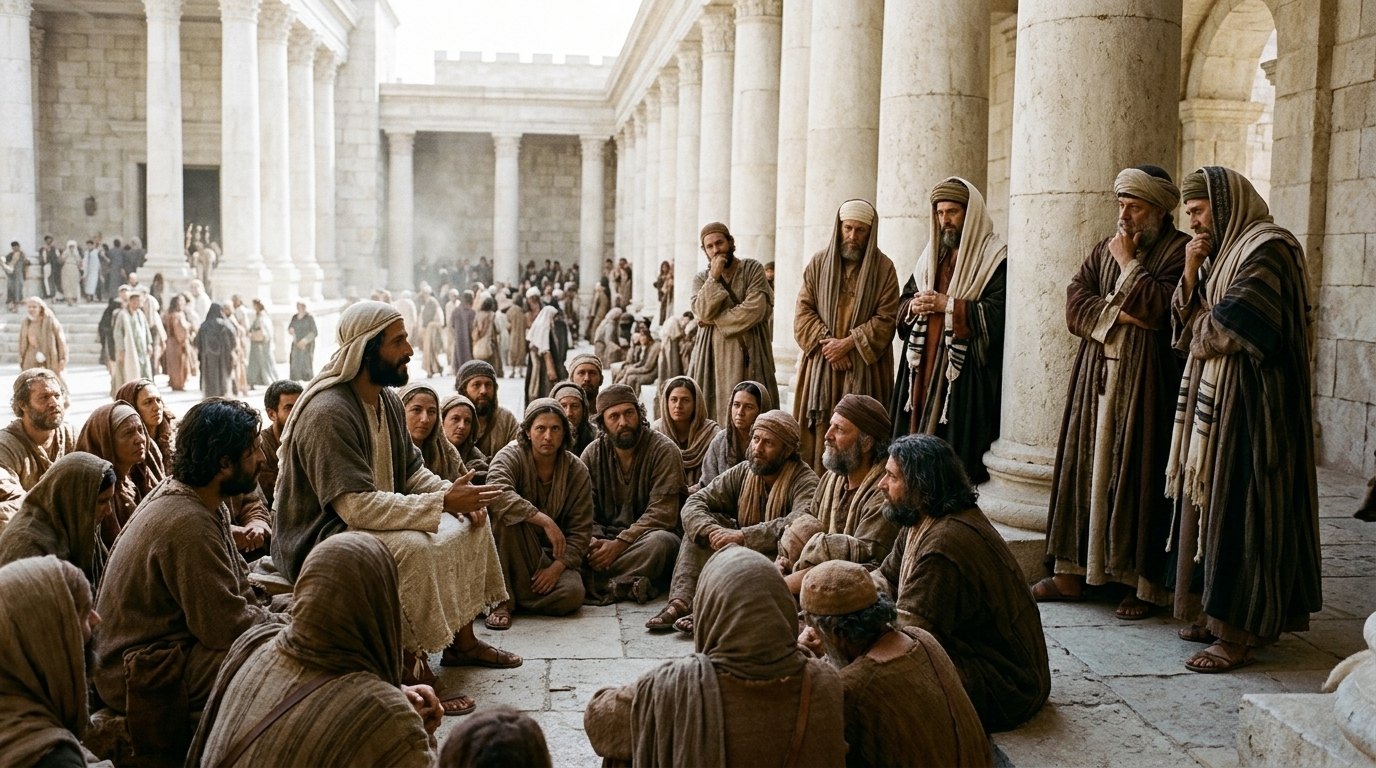
I tell you that anyone who divorces his wife, except for sexual immorality, and marries another woman commits adultery.”
Matthew 19:9 (NIV)
Jesus states the singular exception of sexual immorality while declaring subsequent remarriage to be adultery.
Whosoever shall put away his wife, except it be for fornication, and shall marry another, committeth adultery; Christ’s words in Matthew 19:9 settle the question of divorce with piercing moral clarity. The Lord strips away all trivial, selfish excuses for abandoning a spouse, identifying sexual immorality—the Greek porneia, denoting marital unfaithfulness—as the only permissible ground that shatters the one-flesh bond. Outside of this sole exception, breaking the covenant and entering a new union is not merely an administrative mistake; Scripture defines it plainly as the sin of adultery.
Our Lord taught this exact standard during His Sermon on the Mount. In Matthew 5:31-32, Jesus warned that whoever divorces his wife, save for the cause of sexual unfaithfulness, causes her to commit adultery, and whoever marries a woman unlawfully put away commits adultery as well. Christ exposes how divorce ripples outward, drawing others into covenant violation and moral guilt.
The Gospel of Mark reinforces this uncompromising verdict without softening its weight. In Mark 10:11-12, Jesus addresses both husband and wife equally, declaring that if either spouse puts away the other and marries someone else, they commit adultery against their original partner. Luke 16:18 records the same absolute standard, stating that everyone who divorces his wife and marries another commits adultery, as does the man who marries a woman divorced from her husband. Scripture refuses to treat marriage as a temporary trial. To cast off a spouse outside the singular biblical exception is to rebel against God’s holy law and incur the guilt of marital betrayal.
| Passage | What it says |
|---|---|
| Matthew 5:31-32 | Jesus teaches that divorcing a wife except for sexual immorality causes her to commit adultery. |
| Matthew 19:9 | Divorcing a wife without marital unfaithfulness and marrying another constitutes committing adultery against the covenant. |
| Mark 10:11-12 | Jesus states plainly that either spouse who divorces and marries another commits adultery. |
| Luke 16:18 | Jesus declares that anyone who divorces and marries another commits adultery without qualification. |
Apostolic Instruction
Believers Are Called to Reconciliation and Covenant Faithfulness
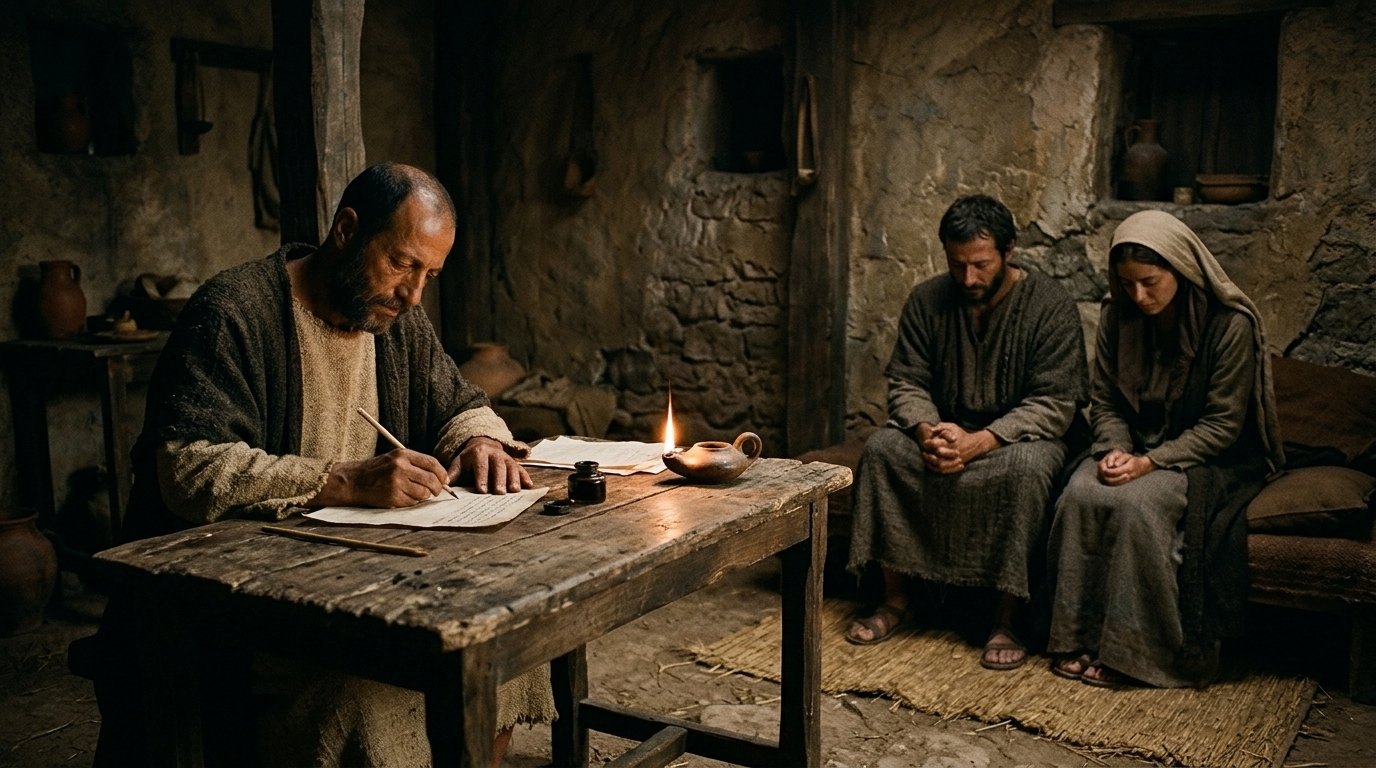
To the married I give this command (not I, but the Lord): A wife must not separate from her husband. But if she does, she must remain unmarried or else be reconciled to her husband. And a husband must not divorce his wife.
1 Corinthians 7:10-11 (NIV)
Paul delivers the Lord's command that spouses not separate, requiring remaining unmarried or reconciling if they do.
Let not the wife depart from her husband: but and if she depart, let her remain unmarried, or be reconciled to her husband. In 1 Corinthians 7:10-11, the Apostle Paul conveys the Lord’s direct command regarding the binding permanence of marriage. Where separation occurs, the path commanded by Scripture is not to seek a new partner, but to pursue humble reconciliation or else remain unmarried, honoring the original covenant.
Paul underscores this principle in Romans 7:2-3 and 1 Corinthians 7:39: a married person is bound by divine law as long as the spouse lives, and is free to remarry only upon the spouse's death, provided the new union is strictly in the Lord. In 1 Corinthians 7:12-16, Paul addresses mixed marriages between believers and unbelievers. The Christian is never to initiate divorce; if the unbelieving partner departs, the believer is not held in bondage to keep the household intact, yet the calling remains one of peace and covenant faithfulness.
This lifelong fidelity matters because marriage reflects the gospel itself. In Ephesians 5:25-32, Paul reveals that earthly marriage mirrors the unbreakable union between Christ and His church, for whom He gave His life. Therefore, church leaders must exemplify this integrity: 1 Timothy 3:2, 1 Timothy 3:12, and Titus 1:6 require overseers and deacons to be the husband of one wife, demonstrating steadfast faithfulness in their homes. Hebrews 13:4 warns that marriage must be held in honor by all, for God will judge the sexually immoral and adulterers.
Where the tragedy of unbiblical divorce has occurred, the gospel offers genuine hope. Scripture never leaves the sinner without a remedy: 1 John 1:9 promises that if we confess our sins, God is faithful and just to forgive us and cleanse us from all unrighteousness. Through repentance and the blood of Christ shed on the cross, those bearing the guilt of broken vows can find true forgiveness, moral renewal, and the power to walk in holiness.
| Passage | What it says |
|---|---|
| Romans 7:2-3 | A married woman is bound by law to her husband as long as he lives, freed only by death. |
| 1 Corinthians 7:10-11 | A wife must not separate; if she does, she must remain unmarried or else be reconciled to her husband. |
| 1 Corinthians 7:12-16 | Believers married to unbelievers must remain faithful; if the unbeliever departs, the believer is not enslaved. |
| 1 Corinthians 7:39 | A wife is bound to her husband as long as he lives, free to remarry only in the Lord upon his death. |
| Ephesians 5:25-32 | Husbands must love wives as Christ loved the church, mirroring the unbreakable covenant between Christ and His people. |
| 1 John 1:9 | God faithfully forgives and cleanses from all unrighteousness when sins are acknowledged and confessed in repentance. |
| 1 Timothy 3:2 | An overseer must be blameless, the husband of one wife, demonstrating marital faithfulness as a qualification for leadership. |
| 1 Timothy 3:12 | Deacons must likewise be husbands of one wife, ruling their children and households well. |
| Titus 1:6 | Elders are required to be blameless, the husband of one wife, having faithful children. |
| Hebrews 13:4 | Marriage is to be held in honour among all and the marriage bed kept undefiled, for God judges the sexually immoral. |
Where in the Bible
| Book | Passages |
|---|---|
| Genesis | 2 · Genesis 1:27, Genesis 2:24 |
| Leviticus | 2 · Leviticus 21:7, Leviticus 21:14 |
| Numbers | 1 · Numbers 30:9 |
| Deuteronomy | 1 · Deuteronomy 24:1-4 |
| Jeremiah | 1 · Jeremiah 3:8 |
| Malachi | 1 · Malachi 2:14-16 |
| Matthew | 8 · Matthew 19:4, Matthew 19:5, Matthew 19:6, Matthew 19:3, Matthew 19:7, Matthew 19:8, Matthew 5:31-32, Matthew 19:9 |
| Mark | 2 · Mark 10:6-9, Mark 10:11-12 |
| Luke | 1 · Luke 16:18 |
| Romans | 1 · Romans 7:2-3 |
| 1 Corinthians | 3 · 1 Corinthians 7:10-11, 1 Corinthians 7:12-16, 1 Corinthians 7:39 |
| Ephesians | 1 · Ephesians 5:25-32 |
| 1 Timothy | 2 · 1 Timothy 3:2, 1 Timothy 3:12 |
| Titus | 1 · Titus 1:6 |
| Hebrews | 1 · Hebrews 13:4 |
| 1 John | 1 · 1 John 1:9 |
The story in order
- God establishes marriage at creation (c. 4000 BC) · Genesis 1:27 · God creates humanity male and female, setting the foundation for marriage.
- The one-flesh union is instituted (c. 4000 BC) · Genesis 2:24 · A man and woman become one flesh, signifying lifelong union.
- Moses regulates divorce (c. 1400 BC) · Deuteronomy 24:1-4 · A concession for hard hearts, regulating divorce certificates.
- God rebukes covenant-breaking divorce (c. 400 BC) · Malachi 2:14-16 · God declares His hatred for betrayal and divorce.
- Jesus reaffirms creation design (AD 30) · Matthew 19:4 · Jesus appeals to Genesis to establish marriage's permanence.
- Jesus names the sole exception (AD 30) · Matthew 19:9 · Divorce and remarriage without sexual immorality is adultery.
- Paul instructs on marital permanence (AD 55) · 1 Corinthians 7:10-11 · Wives must not separate or remain unmarried.
- Paul links marriage to Christ and church (AD 60) · Ephesians 5:25-32 · Husbands love wives as Christ loved the church.
- Apostolic teaching on marriage honour (AD 65) · Hebrews 13:4 · Marriage is honourable; the marriage bed must be undefiled.
Key words
- One Flesh (basar 'eḥāḏ, בָּשָׂר אֶחָד)
- The profound union of husband and wife, becoming a single entity in marriage. · Genesis 2:24
- Sexual Immorality (porneia, πορνεία)
- Broad term for illicit sexual relations, including adultery and fornication. · Matthew 19:9
- Adultery (moicháō, μοιχάω)
- Marital unfaithfulness; the violation of the marriage covenant through sexual relations with someone other than one's spouse. · Matthew 5:32
- Divorce (apólusis, ἀπόλυσις)
- The legal dissolution of a marriage. · Matthew 19:7
- Covenant (berît, בְּרִית)
- A solemn, binding agreement or promise, often invoked before God. · Malachi 2:14
Where divorce has occurred, God offers full forgiveness and cleansing to those who repent through the cross of Jesus Christ. Believers are called to uphold God's design with reverence, pursuing reconciliation, walking in purity, and resting in the sufficiency of His grace.
29 passages, each cited once.
How the major Christian traditions read this
All major Christian traditions confess that God designed holy marriage to be an enduring, lifelong union between one man and one woman, so breaking the marriage covenant through divorce is contrary to His original creation purpose (Matthew 19:4-6; Malachi 2:14-16).
Catholic
We hold that a valid, consummated sacramental marriage between baptized persons is completely indissoluble by any earthly power (Mark 10:9). Holy Matrimony is a sacrament that reflects Christ's unbroken union with His Church. While severe circumstances such as infidelity or physical danger may require a physical separation of bed and board (1 Corinthians 7:10-11), the covenant bond itself remains intact until death. A civil decree cannot dissolve what God joined. Therefore, obtaining a civil divorce to remarry while one's spouse lives constitutes grave sin and adultery (Matthew 19:9). Where a true marital bond never existed from the start, the Church may examine the facts and declare nullity, but divorce cannot dissolve valid marriage.
Scripture: Matthew 19:6, Matthew 19:9, Mark 10:9, 1 Corinthians 7:10-11
Orthodox
We confess holy matrimony as an eternal mystery uniting two persons in the likeness of Christ and the Church (Ephesians 5:31-32). Because of human fallenness and the hardness of hearts, a marriage may suffer spiritual death through marital infidelity, unrepentant malice, or catastrophic ruin. The Church, exercising pastoral economy (oikonomia) and mercy, acknowledges when a bond has tragically ceased to exist, reflecting Christ's explicit words on marital unfaithfulness (Matthew 19:9). Divorce is a deep spiritual tragedy and a deviation from God's perfect creation, but obtaining one under ecclesiastical oversight does not forever bar an innocent or repentant believer from mercy, pastoral restoration, and penitential remarriage.
Scripture: Matthew 19:8-9, Ephesians 5:31-32, Matthew 19:9
Lutheran
We teach that marriage is an estate ordained by God at creation to be a lifelong union (Matthew 19:4-6). Breaking this sacred covenant through casual or willful divorce is sinful rebellion against God's holy ordinance. Nevertheless, Scripture expressly permits divorce when the marriage bond is severed through adultery (Matthew 19:9) or malicious abandonment by a spouse who refuses reconciliation (1 Corinthians 7:15). In such grievous instances, the sin rests upon the guilty party who fractured the covenant, not upon the innocent spouse who is abandoned or sinned against. Divorce remains a tragic consequence of human fall, yet God offers abundant forgiveness to the brokenhearted in Christ.
Scripture: Matthew 19:4-6, Matthew 19:9, 1 Corinthians 7:15
Reformed & Presbyterian
We confess that marriage is a holy covenant instituted by God, not to be put asunder lightly by human desire (Matthew 19:6). As our standards declare from Scripture, nothing can lawfully dissolve the bond of marriage except sexual unfaithfulness (Matthew 19:9) or such willful, obstinate desertion as can in no way be remedied (1 Corinthians 7:15). Seeking a divorce for frivolous reasons is sinful covenant-breaking. When adultery or desertion takes place, the innocent party is not guilty of sin in seeking a lawful divorce, for the covenant has already been violated by the offending party. The church oversees such matters with sober biblical discipline and grace.
Scripture: Matthew 19:6, Matthew 19:9, 1 Corinthians 7:15
Anglican & Episcopal
We revere holy matrimony as an honourable estate established by God from the beginning, symbolizing the mystical union between Christ and His Church (Ephesians 5:31-32). God's unwavering intention is lifelong mutual fidelity (Mark 10:6-9). Divorce is an undeniable sign of human brokenness and a failure to attain God's ideal. While pastoral care has historically permitted separation or civil relief in catastrophic breakdowns such as adultery (Matthew 5:32) or unyielding abuse, divorce is never viewed lightly. The church calls spouses to strenuous repentance, reconciliation, and prayer, while extending Christ's redeeming grace and pastoral counsel when an innocent spouse faces irreversible abandonment.
Scripture: Matthew 5:32, Mark 10:6-9, Ephesians 5:31-32
Baptist
We look solely to the authority of Scripture, which reveals that God created marriage to be an inviolable, lifelong covenant between a man and a woman (Genesis 2:24; Matthew 19:4-6). Willful divorce breaks this divine order and is sin. However, Christ clearly provides an exception for sexual immorality (Matthew 19:9), and Paul instructs that if an unbelieving spouse departs, the believer is not under bondage (1 Corinthians 7:15). Where unrepentant adultery or desertion destroys the union, an innocent believer does not sin by accepting or obtaining a divorce. Pastors and local congregations must minister with both holy biblical standards and Christ's healing mercy.
Scripture: Genesis 2:24, Matthew 19:4-6, Matthew 19:9, 1 Corinthians 7:15
Methodist & Wesleyan
We teach that marriage is established by God for mutual support, sanctification, and lifelong commitment (Mark 10:7-9). Divorce grieves the heart of God because it falls short of His loving design and covenant holiness. Yet we recognize that sin, domestic violence, adultery, and neglect can poison a home and effectively kill a marriage. Christ acknowledged the reality of sexual immorality (Matthew 19:9), and Scripture allows separation where peace is shattered (1 Corinthians 7:15). Seeking divorce in cases of devastating cruelty or infidelity is not a sin for the suffering victim; it is an appeal for deliverance under God's restoring and sanctifying grace.
Scripture: Matthew 19:9, Mark 10:7-9, 1 Corinthians 7:15
Pentecostal & Charismatic
We believe marriage is a sacred institution established by God, intended to endure for a lifetime under the power of the Holy Spirit (Matthew 19:5-6). Divorce always brings sorrow and represents a departure from God's perfect will. Scripture, however, grants permission for divorce when a spouse commits sexual immorality (Matthew 19:9) or when an unbelieving partner abandons the home (1 Corinthians 7:15). In instances of severe unfaithfulness or destructive abuse, an innocent spouse is not sinning by seeking legal protection and divorce. The Spirit brings deliverance from bondage, heals wounded hearts, and cleanses all past sin through the blood of Jesus Christ.
Scripture: Matthew 19:5-6, Matthew 19:9, 1 Corinthians 7:15
Non-denominational & Evangelical
We turn directly to the Bible as our ultimate standard, which teaches that marriage is a holy, lifelong covenant joined by God (Matthew 19:6). Divorcing for selfish or unbiblical reasons is clearly sin. At the same time, Jesus explicitly provides an exception for sexual immorality (Matthew 19:9), and the apostle Paul teaches that an abandoned believer is not bound when an unbelieving spouse departs (1 Corinthians 7:15). When these tragic conditions occur, or when severe abuse makes marital life untenable, the victim does not sin by pursuing divorce. God despises treacherous covenant-breaking, but He offers redemption, comfort, and fresh starts to the innocent and repentant.
Scripture: Matthew 19:6, Matthew 19:9, 1 Corinthians 7:15
Where they differ
Whether the marriage bond can dissolve
- Catholic
- A valid, consummated sacramental marriage is indissoluble until death.
- Orthodox
- Sin can spiritually dissolve a marriage, acknowledged through pastoral economy.
- Lutheran
- The bond can be dissolved by adultery or malicious desertion.
- Reformed & Presbyterian
- Adultery or willful desertion is sufficient cause to dissolve the bond.
- Anglican & Episcopal
- Lifelong union is normative, though dissolution is pastorally recognized.
- Baptist
- The marital bond is dissolved legitimately upon infidelity or desertion.
- Methodist & Wesleyan
- Marital bonds can be fractured and severed by persistent sin.
- Pentecostal & Charismatic
- The covenant bond is broken by adultery or complete abandonment.
- Non-denominational & Evangelical
- Scripture permits dissolving the marriage under specific biblical exceptions.
Scripture: Matthew 19:6, Matthew 19:9, Mark 10:9, 1 Corinthians 7:15
Exceptions permitting divorce and remarriage
- Catholic
- No exceptions dissolve the bond; only physical separation is allowed.
- Orthodox
- Adultery and ruinous breakdown permit divorce and penitential remarriage.
- Lutheran
- Adultery and malicious desertion allow the innocent party divorce.
- Reformed & Presbyterian
- Divorce and remarriage are permitted only for adultery or desertion.
- Anglican & Episcopal
- Exceptions apply in extreme failure, accompanied by pastoral care.
- Baptist
- Adultery and spousal abandonment are the clear biblical exceptions.
- Methodist & Wesleyan
- Infidelity, desertion, and devastating abuse justify obtaining a divorce.
- Pentecostal & Charismatic
- Sexual immorality, abandonment, and danger permit biblical divorce.
- Non-denominational & Evangelical
- Adultery and unbelieving desertion biblically release the innocent spouse.
Scripture: Matthew 5:32, Matthew 19:9, 1 Corinthians 7:10-15
Your pastor can tell you where your church stands.
Scripture cited
- 1 Corinthians 7:10-16
- Malachi 2:13-16
- Mark 10:2-12
- 1 John 1:9
- Romans 5:8