What does 'Christ' mean?
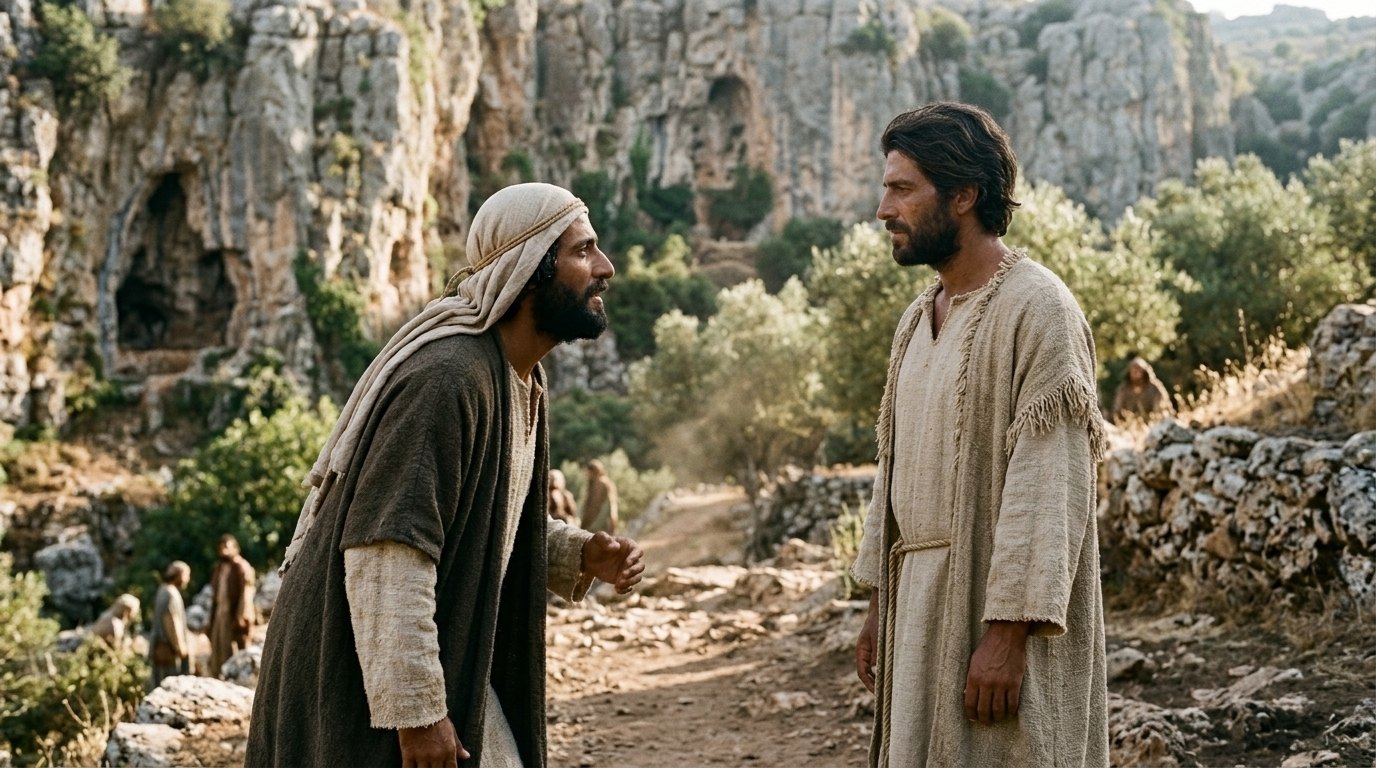
Matthew 16:16
16 Simon Peter answered, “You are the Messiah, the Son of the living God.”
New International Version (NIV)
The answer
“Christ” means “Anointed One.” It is a title, not Jesus’ family name: “Jesus Christ” means Jesus the Messiah, God’s chosen and appointed Saviour.
The Greek word in Matthew 16:16 is Christos, meaning “anointed.” John 1:41 makes the equivalence plain: “We have found the Messiah!” (which is, being interpreted, Christ). Messiah is the Hebrew term; Christ is its Greek counterpart.
In the Old Testament, anointing marked people out for service to God, including prophets, priests, and kings. The title therefore identifies Jesus as the promised One consecrated by God for His saving work—the true Prophet, Priest, and King who delivers His people.
When Peter declares in Matthew 16:16, “You are the Christ, the Son of the living God,” he confesses both Jesus’ messianic office and His unique identity as God’s Son. Calling Jesus the Christ means recognizing Him as the promised Messiah through whom God saves, not merely as a teacher or prophet.
Answered from Scripture · reviewed November 11, 2026
The title 'Christ' is not Jesus's last name, but the Greek rendering of the Hebrew 'Messiah,' meaning the 'Anointed One.' In Scripture, it signifies the long-promised King, Priest, and Prophet whom God consecrated with the Holy Spirit to deliver his people and rule over all creation. Understanding this single word unlocks the central promise uniting the Old and New Testaments.
The Meaning of the Word
The Anointed Deliverer Promised in Scripture
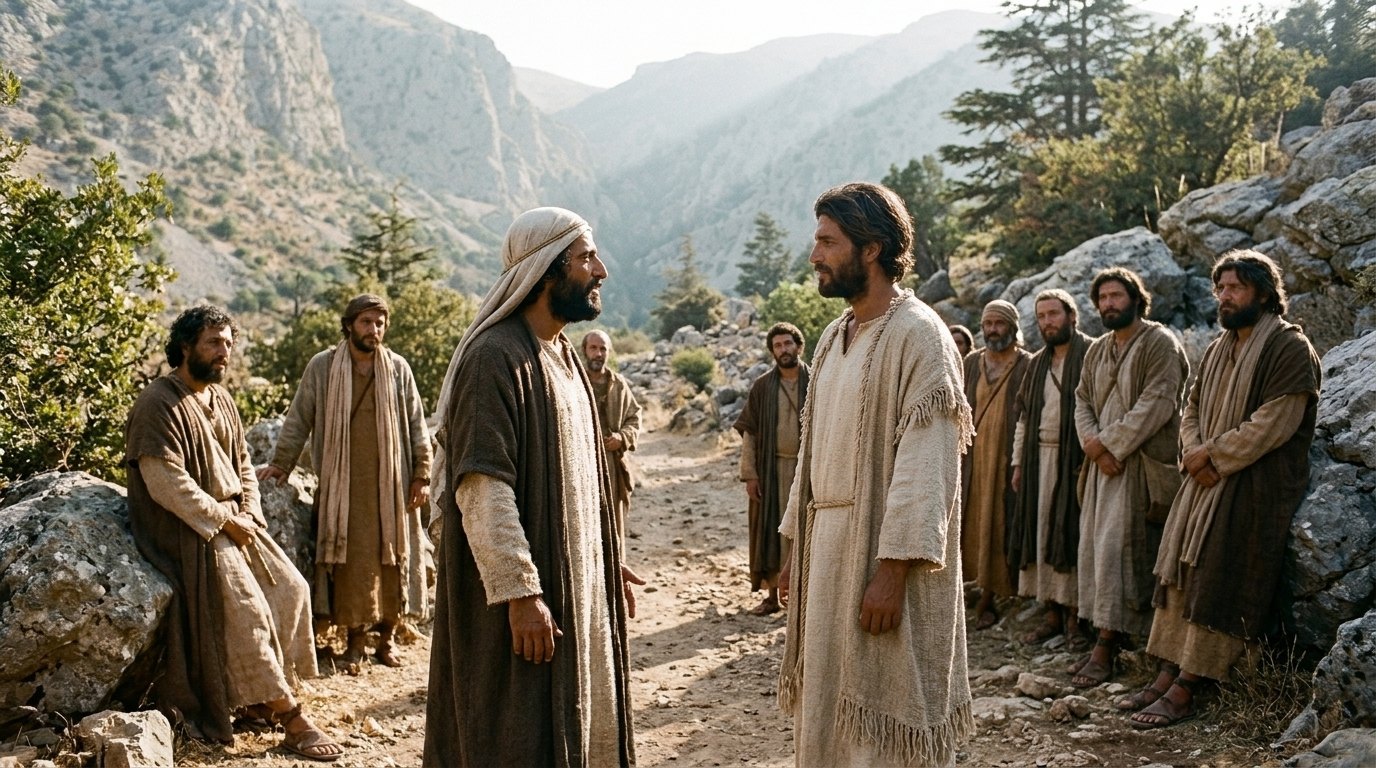
Simon Peter answered, “You are the Messiah, the Son of the living God.”
Matthew 16:16 (NIV)
Peter's watershed declaration identifies Jesus as both the promised royal Messiah and the divine Son of the living God.
When Simon Peter confesses at Caesarea Philippi, "You are the Christ, the Son of the living God" (Matthew 16:16), he is not uttering a surname but declaring a royal office long foretold across Israel's history. The English word Christ translates the Greek Christos, which directly mirrors the Hebrew Mashiach—the "Anointed One." Throughout the Old Testament, God's people anticipated this singular deliverer. Psalm 2:2 warned that kings of the earth set themselves against the Lord and against his Anointed, an opposition fulfilled when rulers gathered against Jesus in Acts 4:26. Daniel prophesied the specific timeline of "Messiah the Prince" who would bring reconciliation (Daniel 9:25), even as Daniel 9:26 foresaw that the Messiah would be "cut off" to bear our sins, fulfilled at the cross in Mark 15:37.
From his birth, heaven announced his identity to earth: the angels told the shepherds that a Savior was born in the city of David, who is "Christ the Lord" (Luke 2:11). When Andrew encountered Jesus, he immediately told his brother Simon, "We have found the Messiah" (which means Christ), recorded in John 1:41. Jesus confirmed this identity to the woman at the well, declaring, "I who speak to you am he" (John 4:25–26). Following the resurrection, the apostolic message rang unceasingly: God has made this Jesus whom you crucified "both Lord and Christ" (Acts 2:36). John concludes his entire record by affirming that these things were written specifically so that you might believe that Jesus is the Christ, the Son of God, and have life in his name (John 20:31).
| Passage | What it says | Fulfilled |
|---|---|---|
| Daniel 9:25 | Prophesies the coming of an anointed ruler, the Messiah the Prince, to accomplish redemption. | John 1:41 |
| John 1:41 | Andrew tells Peter they have found the Messiah, explicitly translated into the Greek text as the Christ. | Matthew 16:16 |
| John 4:25-26 | Jesus explicitly reveals to the Samaritan woman that he is the Messiah of whom she speaks. | John 4:29, John 4:42 |
| Matthew 16:16 | Peter confesses Jesus as the Christ, the Son of the living God, at Caesarea Philippi. | Matthew 16:17-18 |
| Luke 2:11 | The angels announce to the shepherds the birth of a Savior in Bethlehem who is Christ the Lord. | Luke 2:26-32 |
| Psalms 2:2 | Rulers conspire against the Lord and against his Anointed, establishing the royal Messianic title. | Acts 4:26 |
| Daniel 9:26 | Prophesies that Messiah will be cut off, pointing to the death of the Anointed One. | Mark 15:37 |
| John 20:31 | States the Gospel was written so readers believe Jesus is the Christ, the Son of God. | |
| Acts 2:36 | Peter proclaims that God has made Jesus both Lord and Christ through his resurrection. |
The Threefold Office
Anointed with Oil as Prophet, Priest, and King
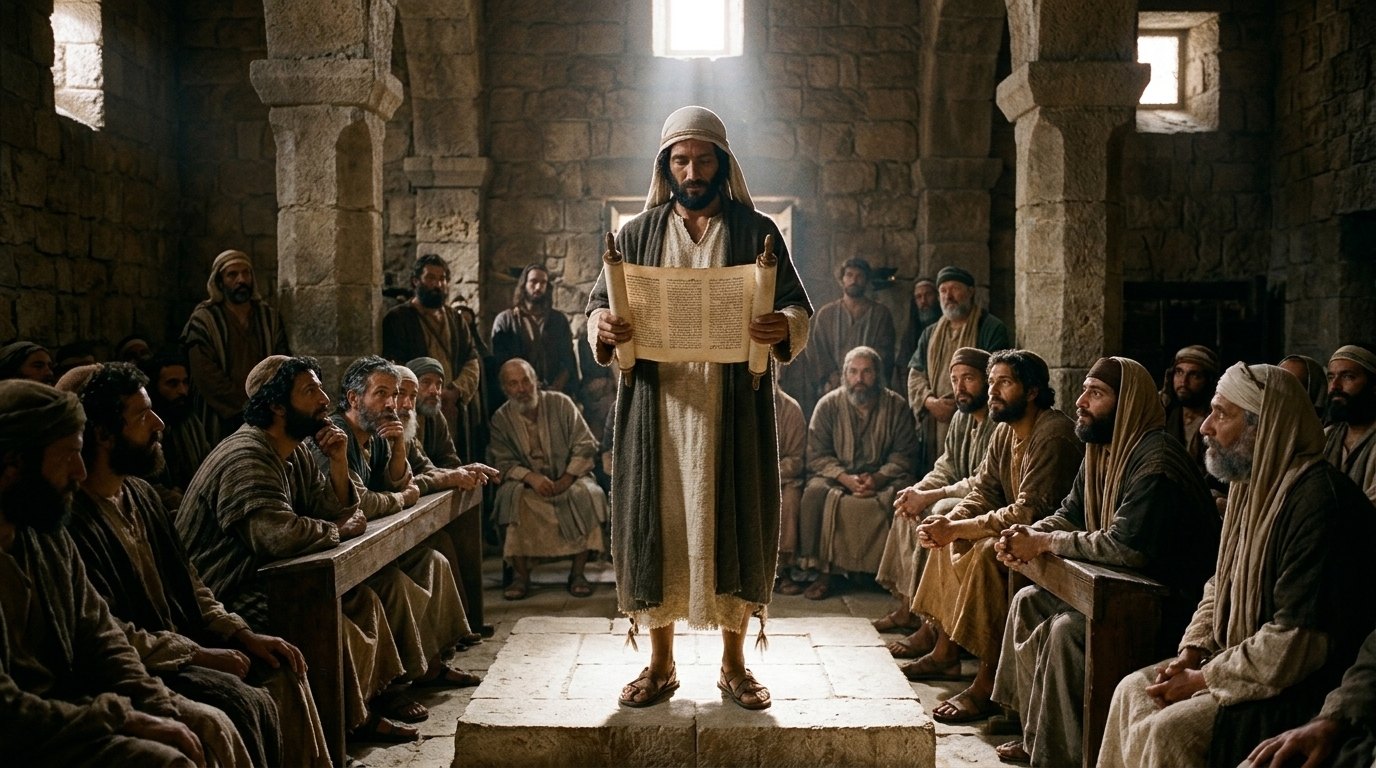
how God anointed Jesus of Nazareth with the Holy Spirit and power, and how he went around doing good and healing all who were under the power of the devil, because God was with him.
Acts 10:38 (NIV)
This passage summarizes the reality behind ritual anointing: God anointed Jesus of Nazareth with the Holy Spirit and with power.
The ritual meaning of anointing finds its ultimate reality in Peter's sermon to Cornelius: God anointed Jesus of Nazareth with the Holy Spirit and with power (Acts 10:38). In ancient Israel, anointing with physical oil set apart three distinct offices: prophet, priest, and king. Kings like Saul and David received oil poured on their heads as the Spirit of the Lord came upon them (1 Samuel 10:1; 1 Samuel 16:13), anticipating the righteous Son of David who would reign eternally (Luke 1:32–33; Acts 2:30–36). God commanded Moses to pour sacred oil upon Aaron's head to consecrate the high priesthood (Exodus 29:7), shadowing the sinless, eternal Great High Priest appointed by divine oath after the order of Melchizedek (Psalm 110:4; Hebrews 5:5–6; Hebrews 7:26–28). Even prophets, like Elisha anointed by Elijah (1 Kings 19:16), pointed toward the definitive Prophet whom God would raise up (Acts 3:22–26).
Jesus united all three offices in himself. Unrolling the scroll in Nazareth, he read Isaiah 61:1—"The Spirit of the Lord is upon me, because he has anointed me to proclaim good news"—and declared that this Scripture was fulfilled in their hearing (Luke 4:18–21). Psalm 45:7 celebrated the royal bridegroom anointed with the oil of gladness above his companions, a passage Hebrews 1:8–9 directly attributes to the exalted Son. Jesus is the supreme Prophet who reveals God's Word, the spotless Priest who offers himself as the sacrifice, and the reigning King who rules heaven and earth.
| Passage | What it says | Fulfilled |
|---|---|---|
| 1 Samuel 10:1 | Samuel pours oil on Saul's head, anointing him as monarch over the Lord's inheritance. | Luke 1:32-33 |
| 1 Samuel 16:13 | Samuel anoints David with oil, and the Spirit of the Lord rushes upon him from that day forward. | Matthew 1:1, Acts 2:30-36 |
| Exodus 29:7 | Moses pours the holy anointing oil upon Aaron's head to consecrate him as high priest. | Hebrews 5:5-6, Hebrews 7:26-28 |
| 1 Kings 19:16 | Elijah is commanded to anoint Elisha as prophet in his place. | Deuteronomy 18:15, Acts 3:22-26 |
| Isaiah 61:1 | The Servant proclaims that the Spirit of the Lord God is upon him because the Lord has anointed him. | Luke 4:18-21 |
| Acts 10:38 | Peter preaches how God anointed Jesus of Nazareth with the Holy Spirit and with power to do good. | |
| Psalms 45:7 | God anoints the royal King with the oil of gladness above his companions. | Hebrews 1:9 |
| Psalms 110:4 | The Lord swears an eternal oath that the Messiah is a priest forever after Melchizedek. | Hebrews 5:6 |
| Luke 4:18-21 | Jesus reads Isaiah 61 and declares that the Spirit's anointing is fulfilled in him. | |
| Hebrews 1:8-9 | Applies Psalm 45 directly to Jesus as the divine and anointed Son. |
The Foundational Confession
The Living Declaration of the Son of God
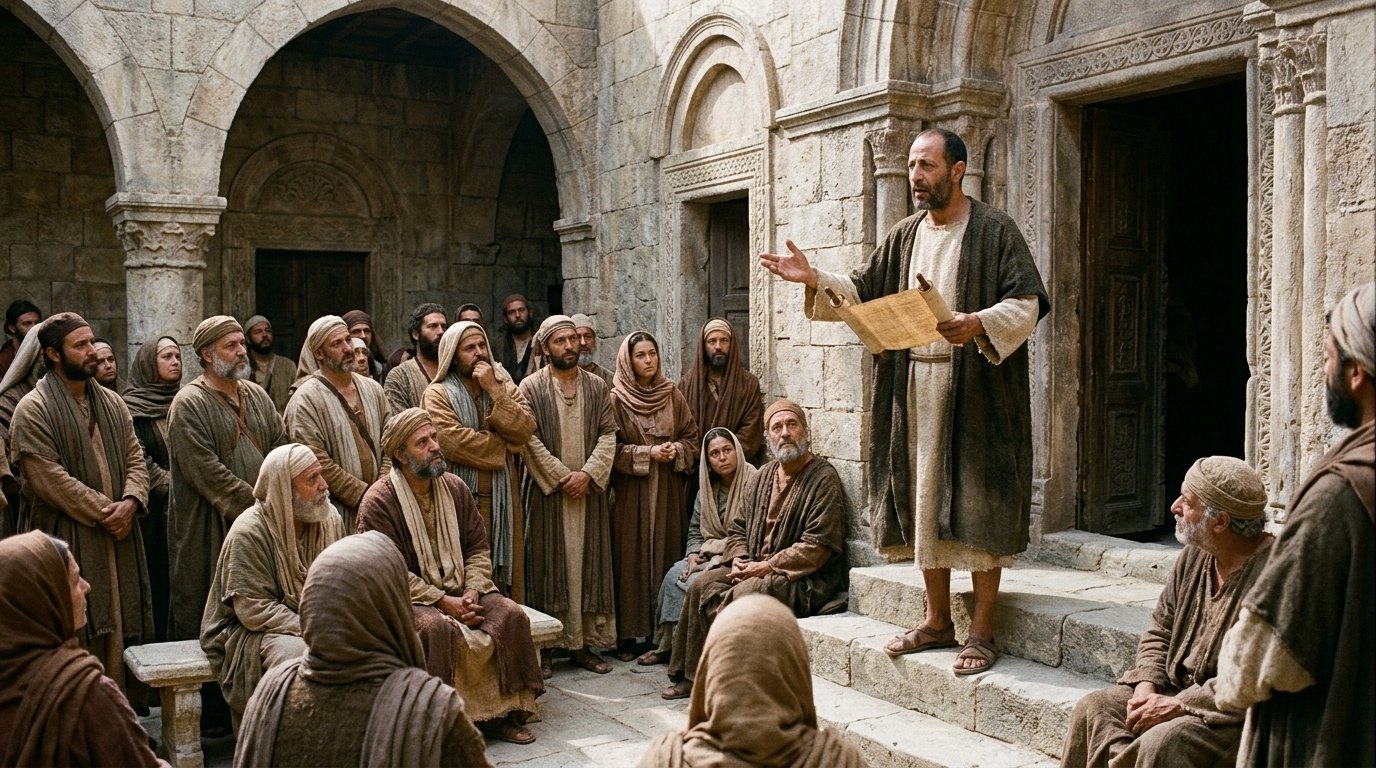
If anyone acknowledges that Jesus is the Son of God, God lives in them and they in God.
1 John 4:15 (NIV)
John ties our mutual indwelling with God directly to the confession that Jesus is his Son.
The heartbeat of apostolic Christianity is the unequivocal confession of who Jesus is: "Whoever confesses that Jesus is the Son of God, God abides in him, and he in God" (1 John 4:15). Throughout the Gospels, divine revelations repeatedly compel this confession. After witnessing Jesus walk upon the water and command the winds, the disciples in the boat bowed in worship, declaring, "Truly you are the Son of God" (Matthew 14:33). Before the open tomb of Lazarus, Martha anchored her grief in faith, stating, "I believe that you are the Christ, the Son of God, who is coming into the world" (John 11:27). Even at the cross, when the earth shook and darkness fell, the Roman centurion confessed, "Truly this was the Son of God!" (Matthew 27:54).
When put under oath by the high priest Caiaphas demanding whether he was "the Christ, the Son of God," Jesus firmly answered, "It is as you said" (Matthew 26:63–64). After meeting the risen Christ on the road to Damascus, Paul immediately proclaimed Jesus in the synagogues as the Son of God (Acts 9:20), spending his ministry proving to both Jews and Greeks that Jesus was the Christ (Acts 18:5). In Alexandria and Achaia, Apollos powerfully demonstrated the same truth from Scripture (Acts 18:28). John writes with urgent pastoral gravity that denying Jesus as the Christ is the spirit of the antichrist (1 John 2:22), whereas everyone who believes that Jesus is the Christ has been born of God (1 John 5:1), resting our hope in the living God, the Savior of all (1 Timothy 4:10).
| Passage | What it says |
|---|---|
| Matthew 14:33 | The disciples in the boat worship Jesus after he calms the storm, declaring him the Son of God. |
| John 11:27 | Martha confesses her faith that Jesus is the Christ, the Son of God, coming into the world. |
| Matthew 27:54 | The Roman centurion witnessing the earthquake and crucifixion confesses that Jesus was truly the Son of God. |
| Acts 9:20 | Immediately following his conversion, Saul proclaims Jesus in the Damascus synagogues as the Son of God. |
| 1 Timothy 4:10 | Paul affirms our trust in the living God, the Savior of all people, especially believers. |
| 1 John 4:15 | Whoever confesses that Jesus is the Son of God enjoys the mutual indwelling of God. |
| Matthew 26:63-64 | The high priest asks if Jesus is the Christ, and Jesus affirms his identity. |
| Acts 18:5 | Paul testifies earnestly to the Jews in Corinth that Jesus is the Christ. |
| Acts 18:28 | Apollos vigorously refutes opponents publicly, demonstrating from the Scriptures that Jesus was the Christ. |
| 1 John 2:22 | Declares that anyone who denies that Jesus is the Christ is a liar and antichrist. |
| 1 John 5:1 | States that everyone who believes that Jesus is the Christ has been born of God. |
The Believer's Anointing
Believers Share in the Anointing of the Anointed One
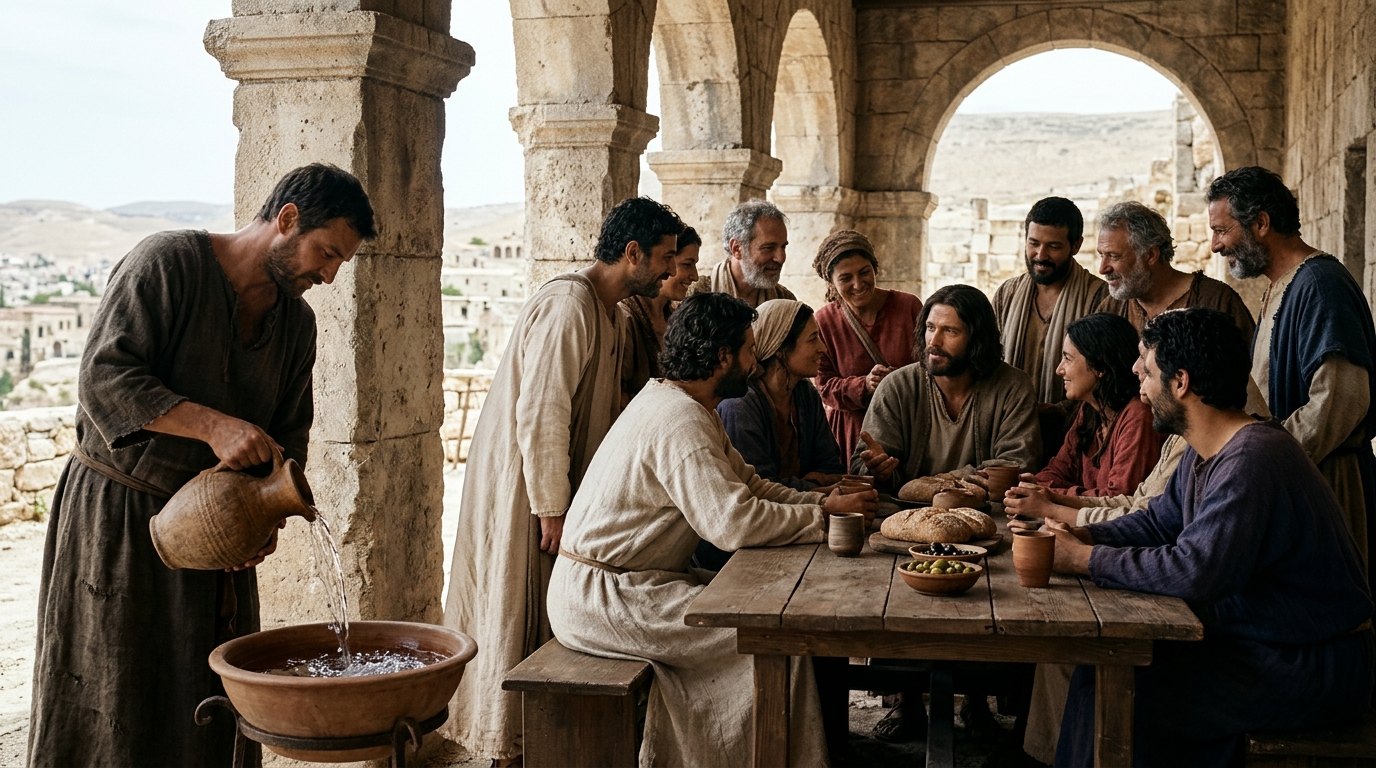
Now it is God who makes both us and you stand firm in Christ. He anointed us, set his seal of ownership on us, and put his Spirit in our hearts as a deposit, guaranteeing what is to come.
2 Corinthians 1:21-22 (NIV)
It shows that the very title Christ extends to believers through the anointing and seal of the Holy Spirit.
Because Christ is the Anointed One, those joined to him share in his supernatural anointing: "And it is God who establishes us with you in Christ, and has anointed us, and who has also put his seal on us and given us his Spirit in our hearts as a guarantee" (2 Corinthians 1:21–22). The gift of the Holy Spirit is not merely an influence, but an abiding consecration that marks the believer as God's secure possession. The Apostle John assures the church that "you have been anointed by the Holy One, and you all have knowledge," and that this anointing abides within you, teaching you all truth and preserving you against deception (1 John 2:20, 27).
This shared anointing explains why the disciples were first named "Christians" at Antioch (Acts 11:26). The title means "belonging to the Anointed One" or "little Christs." Believers do not replace Christ, but they are constituted as his living body on earth. Through union with him, believers enter into the royal and priestly character of their Head: as Peter proclaims, "you are a chosen race, a royal priesthood, a holy nation, a people for his own possession" (1 Peter 2:9). Consecrated by the Holy Spirit, every follower of Christ is appointed to proclaim the excellencies of him who called them out of darkness into his marvelous light.
| Passage | What it says |
|---|---|
| 2 Corinthians 1:21-22 | God establishes believers in Christ and has anointed them, sealing them with the Holy Spirit. |
| 1 John 2:20 | Believers have received an anointing from the Holy One and all know the truth. |
| 1 John 2:27 | The anointing received from him abides in believers, teaching them concerning all things. |
| Acts 11:26 | The disciples were first called Christians at Antioch, identifying them with the Anointed One. |
| 1 Peter 2:9 | Believers in Christ are named a chosen race, a royal priesthood, and a holy nation. |
Where in the Bible
| Book | Passages |
|---|---|
| Exodus | 1 · Exodus 29:7 |
| 1 Samuel | 2 · 1 Samuel 10:1, 1 Samuel 16:13 |
| 1 Kings | 1 · 1 Kings 19:16 |
| Psalms | 3 · Psalms 2:2, Psalms 45:7, Psalms 110:4 |
| Isaiah | 1 · Isaiah 61:1 |
| Daniel | 2 · Daniel 9:25, Daniel 9:26 |
| Matthew | 4 · Matthew 16:16, Matthew 14:33, Matthew 27:54, Matthew 26:63-64 |
| Luke | 2 · Luke 2:11, Luke 4:18-21 |
| John | 4 · John 1:41, John 4:25-26, John 20:31, John 11:27 |
| Acts | 6 · Acts 2:36, Acts 10:38, Acts 9:20, Acts 18:5, Acts 18:28, Acts 11:26 |
| 2 Corinthians | 1 · 2 Corinthians 1:21-22 |
| 1 Timothy | 1 · 1 Timothy 4:10 |
| Hebrews | 1 · Hebrews 1:8-9 |
| 1 Peter | 1 · 1 Peter 2:9 |
| 1 John | 5 · 1 John 4:15, 1 John 2:22, 1 John 5:1, 1 John 2:20, 1 John 2:27 |
The story in order
- God promises a Messiah (c. 539 BC) · Daniel 9:25 · Prophecy of the coming Anointed One.
- David is anointed King (c. 1037 BC) · 1 Samuel 16:13 · The Spirit of the Lord comes upon the anointed king.
- Aaron is anointed Priest (c. 1445 BC) · Exodus 29:7 · Consecrated as high priest with anointing oil.
- Elisha is anointed Prophet (c. 853 BC) · 1 Kings 19:16 · Appointed as prophet in Elijah's place.
- Isaiah foretells the Anointed Servant (c. 700 BC) · Isaiah 61:1 · Proclaims the Spirit of the Lord upon him.
- Jesus is born, Christ the Lord (c. 4 BC) · Luke 2:11 · Angels announce the birth of the Savior.
- Jesus is anointed with Spirit (c. AD 30) · Acts 10:38 · God anointed Jesus to do good.
- Jesus claims the anointing (c. AD 27) · Luke 4:18-21 · Jesus declares Isaiah 61 fulfilled in himself.
- Peter confesses Jesus as Christ (c. AD 28) · Matthew 16:16 · Confession of Jesus as the Christ, Son of God.
- Jesus is declared Christ (c. AD 30) · Acts 2:36 · God made Jesus both Lord and Christ.
- Disciples first called Christians (c. AD 44) · Acts 11:26 · Identified with the Anointed One.
- Believers are anointed (c. AD 55) · 2 Corinthians 1:21-22 · God has anointed believers in Christ.
Confessions of Jesus as Christ
| Who Confessed | What They Said | Significance | Passage |
|---|---|---|---|
| Andrew | We have found the Messiah | First witness to Peter | John 1:41 |
| Peter | You are the Christ, the Son of God | Foundational confession | Matthew 16:16 |
| Martha | I believe you are the Christ | Confession of Jesus' identity | John 11:27 |
| Centurion | Truly this man was the Son of God | Witness at the cross | Matthew 27:54 |
| Saul/Paul | Jesus is the Christ | Proclaimed after conversion | Acts 9:20 |
The Believer's Anointing
| Passage | What Believers Receive | Result | Passage |
|---|---|---|---|
| 2 Corinthians 1:21-22 | Anointed by God, sealed with the Spirit | Established in Christ | 2 Corinthians 1:21-22 |
| 1 John 2:20 | Anointing from the Holy One | Knowing the truth | 1 John 2:20 |
| 1 John 2:27 | Anointing abides in believers | Teaches all things | 1 John 2:27 |
| Acts 11:26 | Called Christians | Identification with the Anointed One | Acts 11:26 |
| 1 Peter 2:9 | Royal priesthood | Sharing in Christ's anointing | 1 Peter 2:9 |
Key words
- Christ (Christos (Χριστός))
- The Anointed One; the promised King, Priest, and Prophet. · John 1:41
- Messiah (Mashiach (מָשִׁיחַ))
- Hebrew for 'Anointed One,' the promised deliverer. · John 4:25-26
- Anointed (mashach (מָשַׁח))
- Consecrated with oil for a special office or task. · 1 Samuel 10:1
- Son of God (Huios Theou (Υἱὸς Θεοῦ))
- Affirms Jesus' divine nature and unique relationship with God. · Matthew 16:16
- Savior (Sōtēr (Σωτήρ))
- One who delivers from danger or destruction. · Luke 2:11
To confess Jesus as the Christ is to acknowledge him as the long-awaited King who died, rose, and reigns over heaven and earth. It is not an abstract religious label, but an allegiance that grounds our eternal life and welcomes the very dwelling of God within us.
35 passages, each cited once.
Scripture cited
- Matthew 16:16
- John 1:41