What is the meaning of Elohim?

The answer
Elohim is a Hebrew word for God, meaning the one true God who is supreme in power and authority. It is the name used for the Creator in the opening verse of the Bible, and it can also be used for false gods or, in certain contexts, for human judges who represent God.
What the word means
Elohim is a Hebrew word usually translated “God” in English Bibles. It is related to the idea of might, power, and supreme authority. When used of the Lord, it points to the God who made everything and rules over everything. Genesis 1:1 says, “In the beginning, God created the heavens and the earth.”
The word is grammatically plural in Hebrew, but when it refers to the one true God it normally takes singular verbs and is translated as singular: God, not “gods.” This fits the rest of Scripture, which teaches that there is only one true God. Isaiah 44:6 says, “I am the first, and I am the last; and besides me there is no God.”
Does Elohim teach the Trinity?
Elohim itself does not prove the Trinity, but it is fully consistent with what Scripture later reveals: the Father is God, the Son is God, and the Holy Spirit is God, yet there is one God. The Bible’s teaching about the Trinity rests on the whole witness of Scripture, not on this word alone.
Genesis 1:26 records God saying, “Let us make man in our image, after our likeness.” That language fits the richness of God’s self-revelation, but the clearest foundation for the doctrine of Christ’s deity is found in passages such as John 1:1: “In the beginning was the Word, and the Word was with God, and the Word was God.”
Can Elohim refer to beings other than God?
Yes, depending on the context. The same Hebrew word can refer to:
- The one true God, as in Genesis 1:1.
- False gods or idols, when the context speaks of other nations’ objects of worship.
- Human judges or rulers, when they act as God’s representatives. Exodus 7:1 says, “See, I have made you as God to Pharaoh,” referring to Moses’ God-given authority.
- Beings addressed in Psalm 82, where God judges unjust rulers. Psalm 82:6-7 says, “I said, ‘You are gods, all of you are sons of the Most High. Nevertheless you shall die like men, and fall like one of the rulers.’”
These uses do not mean that there are many true gods. They show that the word’s meaning depends on its context. The Lord alone is God by nature; others may bear authority only because He gives it.
Why it matters
Elohim presents God as the mighty Creator and rightful ruler, not as one power among many. The proper response is worship, trust, and obedience. Jesus summarized this duty in Matthew 22:37: “You shall love the Lord your God with all your heart, with all your soul, and with all your mind.”
Answered from Scripture · reviewed November 11, 2026
The Hebrew word Elohim is one of the most prominent designations for deity in the Old Testament, occurring thousands of times. Grammatically plural in form yet routinely paired with singular verbs when describing the Creator, it declares the fullness, majesty, and uncreated sovereignty of the one true God while also being used contextually for heavenly beings, judges, or false gods. Tracing this title across Scripture reveals the almighty Creator of Genesis who enters covenant with Israel and makes Himself fully known in Jesus Christ.
The Sovereign Creator
God Reveals His Boundless Power from the Beginning
In the beginning God created the heavens and the earth.
Genesis 1:1 (NIV)
This opening verse establishes Elohim as the sole, sovereign Creator acting with singular intent to speak all things into existence.
The Hebrew Scriptures open with Genesis 1:1, where the sovereign Creator introduces Himself under the title Elohim. While the noun carries a grammatically plural ending, it takes the singular verb bara, declaring that the one supreme God brought heaven and earth into being by His unshared decree. Immediately in Genesis 1:2, the Spirit of God hovers over the primeval waters, displaying the intimate presence and creative energy of deity preparing order out of formlessness. When humanity is formed in Genesis 1:26, Elohim speaks with divine deliberation—"Let us make man in our image"—revealing a rich fullness within the Godhead that culminates in Genesis 1:27, where He creates man as male and female in His own likeness, once more using a singular verb to guard divine unity.
In Genesis 2:4, Scripture joins this majestic title with the personal, covenantal name of the Lord, introducing Yahweh Elohim as the Architect who plants the garden and breathes life into Adam. David echoes this cosmic majesty in Psalm 19:1, proclaiming that the expanse of heaven continuously narrates the glory of El and the craft of His hands. Solomon urges the young in Ecclesiastes 12:1 to remember their Creator, using the Hebrew plural of majesty to capture God's unsearchable greatness. Returning from exile, the Levites lead the assembly in Nehemiah 9:6 to confess that Yahweh alone is Elohim, the Preserver of the celestial host, the land, and the seas. Across every narrative of origins, the word anchors God's absolute transcendence and boundless creative authority.
| Passage | What it says |
|---|---|
| Genesis 1:1 | Elohim creates the heavens and the earth at the beginning of time. |
| Genesis 1:2 | The Spirit of Elohim hovers over the face of the deep waters. |
| Genesis 1:26 | Elohim speaks in the plural to create mankind in His own image. |
| Genesis 2:4 | The covenant name Yahweh is joined with Elohim in fashioning earth and heaven. |
| Psalms 19:1 | The heavens declare the glory of the almighty Creator God. |
| Genesis 1:27 | Elohim creates mankind in his own image, male and female, using the grammatically singular verb bara. |
| Ecclesiastes 12:1 | Solomon charges youth to remember their Creator, using the plural noun form of creator in Hebrew. |
| Nehemiah 9:6 | The Levites confess Elohim alone as maker of the heavens, the earth, and the seas. |
Covenant and Exclusivity
The One True God Demands Undivided Worship
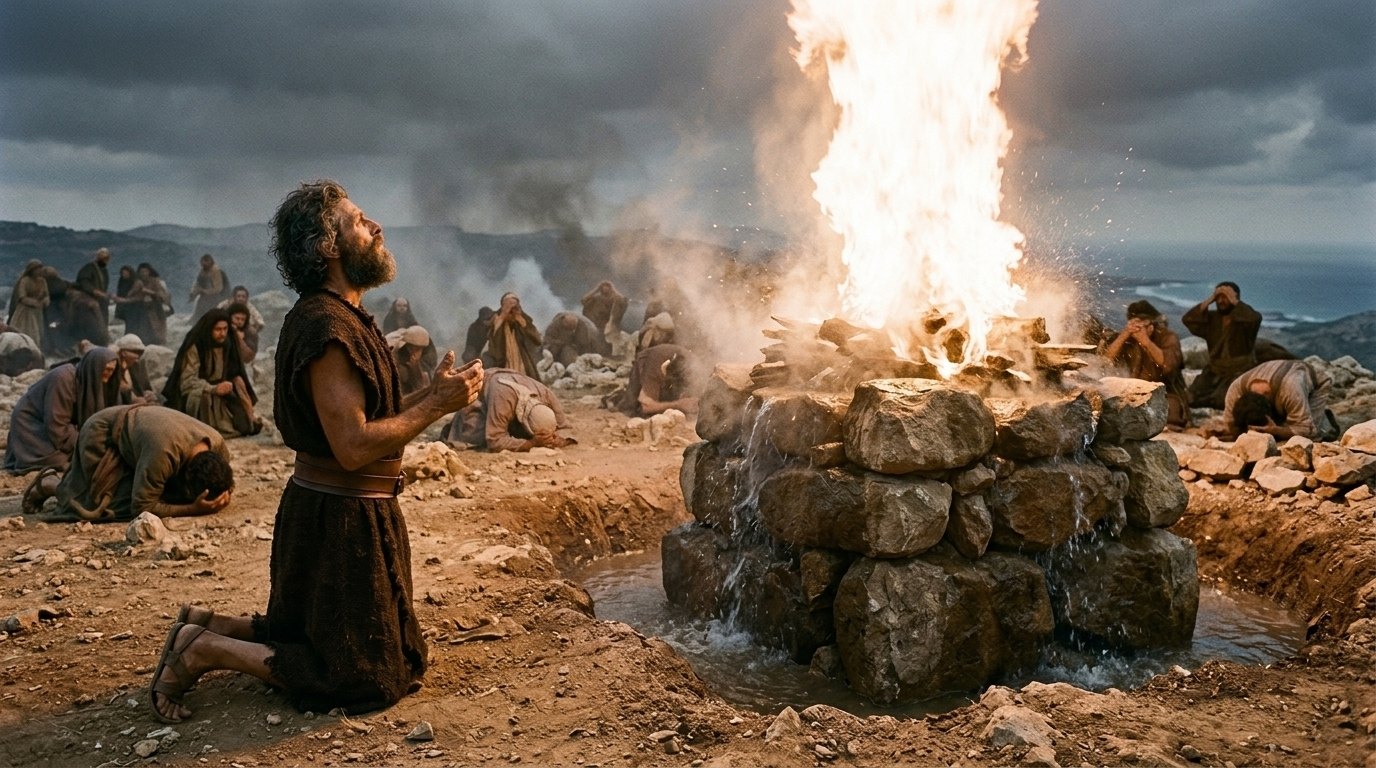
Hear, O Israel: The LORD our God, the LORD is one.
Deuteronomy 6:4 (NIV)
The Shema confesses that Yahweh our Elohim is one, establishing strict monotheism for Israel.
The singular majesty of Elohim demands undivided covenant loyalty, captured immortalized in Deuteronomy 6:4: "Hear, O Israel: The Lord our God, the Lord is one." This central confession, the Shema, settles that Yahweh our Elohim stands peerless, brooking no rival in heaven or earth. Long before Sinai, God made this pledge to the patriarchs in Genesis 17:7, promising an everlasting covenant with Abraham and his descendants to be their God. When Moses drew near the burning bush in Exodus 3:6, the Lord renewed this identity as the Elohim of Abraham, Isaac, and Jacob, coming down to redeem His chosen inheritance.
At the foot of Mount Sinai, Exodus 20:2 opens the Decalogue with the declaration, "I am the Lord your God, who brought you out of the land of Egypt," promptly followed by the command of Exodus 20:3 to have no other gods before Him. Moses reinforces this exclusivity in Deuteronomy 4:35 and Deuteronomy 4:39, showing that the wonders in Egypt proved Yahweh alone is God in heaven and on earth, with none beside Him. Deuteronomy 10:17 crowns Him as the supreme God of gods and Lord of lords, mighty and awesome. Centuries later, during national apostasy on Mount Carmel, fire fell from heaven, driving the backslidden nation in 1 Kings 18:39 to fall on their faces and cry out, "Yahweh, He is God! Yahweh, He is God!" Through the prophet Isaiah, the Lord seals this sovereign claim in Isaiah 45:5 and Isaiah 45:18, insisting that He alone fashioned the cosmos and that outside of Him there is no Savior, no Creator, and no other Elohim.
| Passage | What it says |
|---|---|
| Exodus 20:2 | Yahweh introduces Himself as Israel's Elohim who delivered them from Egypt. |
| Exodus 20:3 | The first commandment forbids having any other elohim before the Lord. |
| Deuteronomy 6:4 | Israel is commanded to confess that Yahweh their Elohim is one. |
| Deuteronomy 10:17 | Yahweh is proclaimed as God of gods and Lord of lords. |
| 1 Kings 18:39 | The people on Mount Carmel cry out that Yahweh alone is Elohim. |
| Genesis 17:7 | God establishes an everlasting covenant with Abraham and his offspring to be their Elohim. |
| Exodus 3:6 | God identifies himself at the burning bush as the Elohim of Abraham, Isaac, and Jacob. |
| Deuteronomy 4:35 | Israel is shown mighty acts so they would know Yahweh is Elohim, and there is none besides him. |
| Deuteronomy 4:39 | Moses commands Israel to acknowledge that Yahweh is Elohim in heaven above and on earth beneath. |
| Isaiah 45:5 | Yahweh declares that he is God and there is no other, having no Elohim beside him. |
| Isaiah 45:18 | The Creator of the heavens and earth declares that he is Yahweh and there is no other Elohim. |
Subordinate Usages
Scripture Uses the Word for Spiritual Beings and Judges
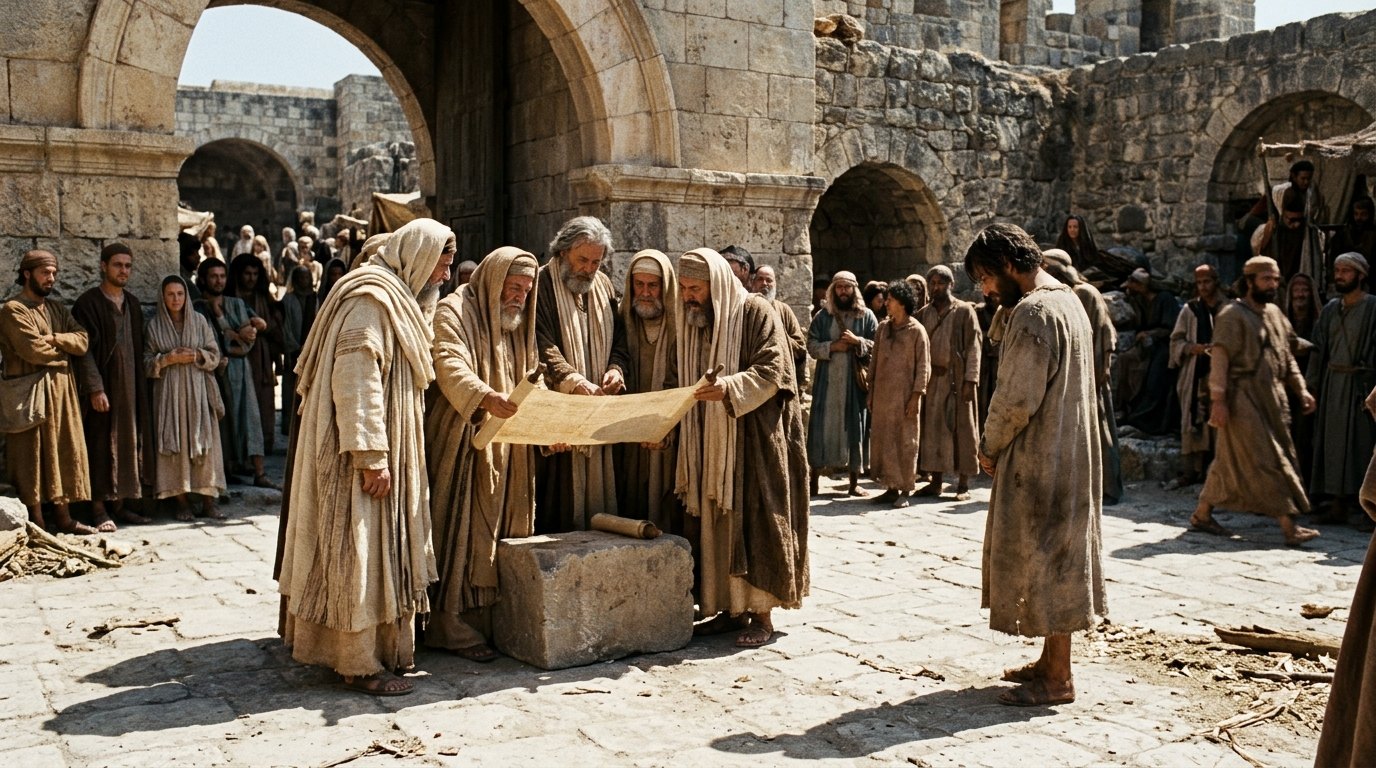
God presides in the great assembly; he renders judgment among the “gods”:
Psalms 82:1 (NIV)
This psalm shows God presiding in the divine assembly and rendering judgment among the elohim.
While Elohim primarily designates the living God, the Hebrew language also applies the term broadly to entities belonging to the supernatural realm or bearing delegated divine authority, as seen in Psalm 82:1, where God presides over the heavenly assembly and judges among the elohim. In Psalm 82:6, God addresses mortal magistrates who represent His divine justice on earth as "gods" and "sons of the Most High," yet warns that they will die like ordinary men. God commissioned Moses in Exodus 4:16 and Exodus 7:1 to stand as an elohim to his brother Aaron and to Pharaoh, acting as God's authoritative representative backed by divine power. Civil administration in the Torah carried this sacred weight: Exodus 21:6, Exodus 22:8, Exodus 22:9, and Exodus 22:28 instruct Israelites in cases of theft, disputes, or voluntary servitude to bring the matter before the judges—the elohim—whose verdicts represented the judgment of God Himself.
The word also describes spirit beings inhabiting the unseen world. In 1 Samuel 28:13, the medium at En-dor gasps as she sees a departed spirit, an elohim, ascending from the earth. David marvels in Psalm 8:5 that humanity was made a little lower than the heavenly beings, or elohim, while Psalm 97:7 and Psalm 138:1 summon all celestial powers and rulers to bow down before Yahweh. Finally, the Old Testament uses the term to describe foreign idols that masqueraded as divine powers, including the Moabite deity Chemosh in Judges 11:24, the Philistine idol Dagon in 1 Samuel 5:7, and the Sidonian goddess Ashtoreth in 1 Kings 11:5, exposing them as powerless counterfeits before the true Lord.
| Passage | What it says |
|---|---|
| Psalms 82:1 | God takes His place in the divine council and judges among the gods. |
| Psalms 82:6 | Mortal rulers or magistrates are addressed as gods and sons of the Most High. |
| Exodus 7:1 | Moses is appointed as an elohim to Pharaoh while Aaron serves as his prophet. |
| Exodus 22:8 | Suspected thieves are brought before judges designated as elohim for an oath. |
| 1 Samuel 28:13 | The medium at En-dor describes a divine spirit ascending from the earth. |
| Exodus 4:16 | Moses is appointed by God to serve as Elohim to his brother Aaron. |
| Exodus 21:6 | A slave who chooses lifelong service is brought before the judges, designated in Hebrew as elohim. |
| Exodus 22:9 | Cases of trespass and lost property are brought before the judges, elohim, for divine arbitration. |
| Exodus 22:28 | Scripture forbids reviling God or the judges, using elohim parallel to a ruler of the people. |
| Psalms 8:5 | David writes that man was made a little lower than the heavenly beings, elohim. |
| Psalms 97:7 | All who worship carved images are put to shame, and all gods, elohim, worship the Lord. |
| Psalms 138:1 | David vows to praise Yahweh wholeheartedly and sing praise before the heavenly council, elohim. |
| Judges 11:24 | Jephthah refers to the foreign idol Chemosh using the title elohim as an object of pagan worship. |
| 1 Samuel 5:7 | The men of Ashdod speak of Dagon their pagan idol using the singular title elohim. |
| 1 Kings 11:5 | The false deity Ashtoreth of the Sidonians is identified in the text with the noun elohim. |
Full Revelation in Christ
The New Testament Reveals the Word Made Flesh
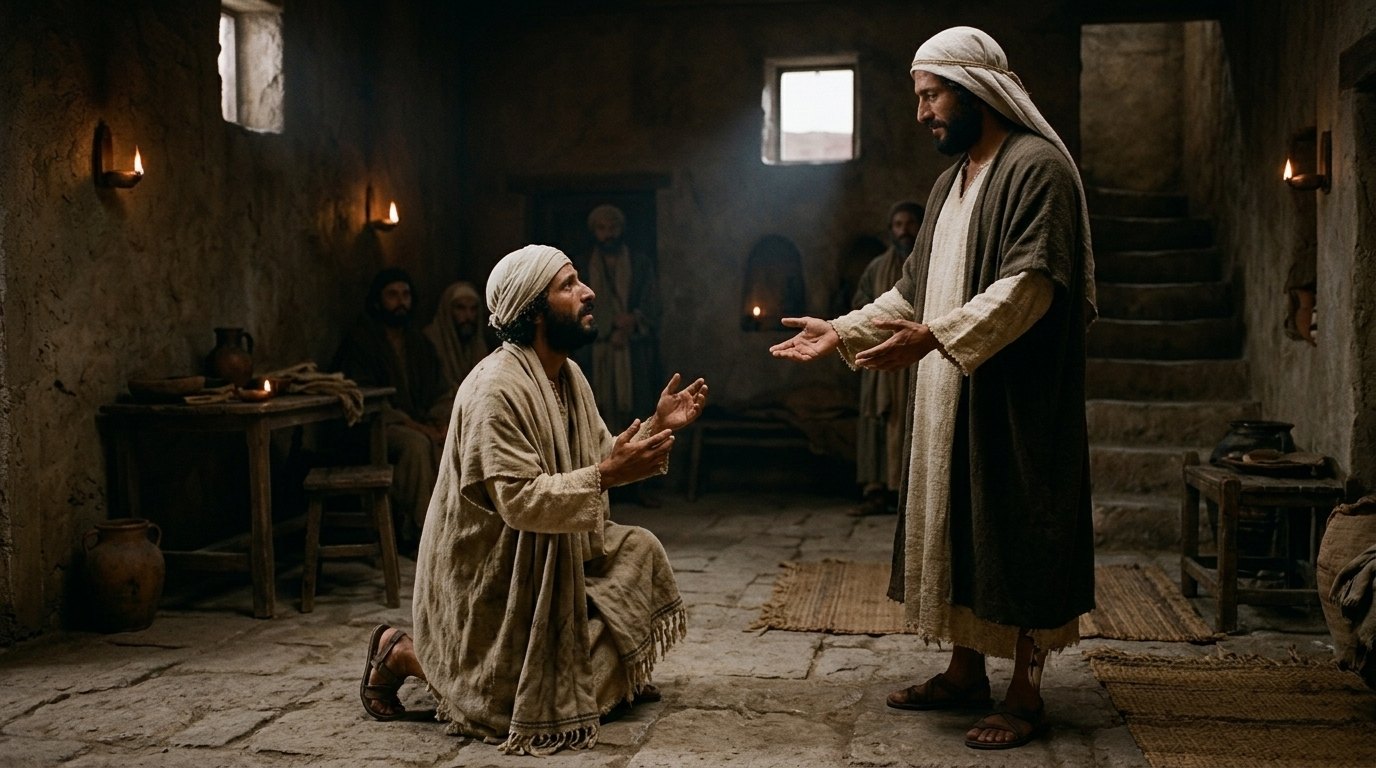
In the beginning was the Word, and the Word was with God, and the Word was God.
John 1:1 (NIV)
John connects the divine Creator of Genesis 1 directly to the eternal Word who is fully God.
The Old Testament witness to Elohim reaches its consummate unveiling in the incarnation of Jesus Christ, as proclaimed in John 1:1: "In the beginning was the Word, and the Word was with God, and the Word was God." Genesis 1:3 records that Elohim brought forth light by His sovereign command, a creative act John 1:1–3 attributes directly to the pre-existent Word, through whom all created things were made. Isaiah 40:3 foretold a herald crying in the wilderness to prepare the way of our God, a promise fulfilled when John the Baptist pointed Israel to Jesus in Matthew 3:3 and Mark 1:3. In Isaiah 9:6, the royal child born to David's line was prophesied under the majestic title "Mighty God," an identity realized in the angelic annunciation of Luke 1:32 and the apostolic expectation of Titus 2:13, which looks for the glorious appearing of our great God and Savior, Jesus Christ.
When Jesus faced charges of blasphemy in John 10:34–36, He appealed to Psalm 82:6, arguing that if mortal judges receiving God's word could be called elohim, how much more does the consecrated Son sent by the Father possess divine status? The risen Christ received the ultimate confession of deity in John 20:28 when Thomas fell before Him, declaring, "My Lord and my God!" Paul confirms in Romans 9:5 that the Messiah descended from Israel according to the flesh, yet is "God over all, blessed forever." Finally, Deuteronomy 32:43 and Psalm 45:6 are brought to their intended climax in Hebrews 1:6 and Hebrews 1:8–9, where angels worship the firstborn and the Father addresses the Son directly: "Your throne, O God, is forever and ever." The boundless majesty shadowed in the title Elohim is now beheld face to face in Jesus Christ.
| Passage | What it says | Fulfilled |
|---|---|---|
| Genesis 1:3 | God commands light to exist through His spoken and sovereign creative word. | John 1:1, John 1:3 |
| Isaiah 40:3 | A prophetic voice cries in the wilderness to prepare the way of our God. | Matthew 3:3, Mark 1:3 |
| Isaiah 9:6 | The promised royal child is given the title of Mighty God. | Luke 1:32, Titus 2:13 |
| Psalms 45:6 | The divine throne of God is declared to endure forever and ever. | Hebrews 1:8 |
| Deuteronomy 32:43 | All heavenly beings and angels are called to worship God. | Hebrews 1:6 |
| John 1:1 | The Word was in the beginning with God and was God, manifesting the full divine reality. | |
| John 10:34-36 | Jesus appeals to Psalm 82:6 to demonstrate his authority as the consecrated Son sent by the Father. | |
| John 20:28 | Thomas confesses the risen Jesus directly as his Lord and his God, ho Theos mou. | |
| Romans 9:5 | Paul proclaims that from Israel came Christ according to the flesh, who is God over all, forever praised. | |
| Titus 2:13 | Believers wait for the blessed hope and appearing of the glory of our great God and Savior Jesus Christ. | |
| Hebrews 1:8-9 | The Father addresses the Son as God, applying Psalm 45:6-7 to Christ's eternal, righteous throne. |
Where in the Bible
| Book | Passages |
|---|---|
| Genesis | 7 · Genesis 1:1, Genesis 1:2, Genesis 1:26, Genesis 2:4, Genesis 1:27, Genesis 17:7, Genesis 1:3 |
| Exodus | 9 · Exodus 20:2, Exodus 20:3, Exodus 3:6, Exodus 7:1, Exodus 22:8, Exodus 4:16, Exodus 21:6, Exodus 22:9, Exodus 22:28 |
| Deuteronomy | 5 · Deuteronomy 6:4, Deuteronomy 10:17, Deuteronomy 4:35, Deuteronomy 4:39, Deuteronomy 32:43 |
| Judges | 1 · Judges 11:24 |
| 1 Samuel | 2 · 1 Samuel 28:13, 1 Samuel 5:7 |
| 1 Kings | 2 · 1 Kings 18:39, 1 Kings 11:5 |
| Nehemiah | 1 · Nehemiah 9:6 |
| Psalms | 7 · Psalms 19:1, Psalms 82:1, Psalms 82:6, Psalms 8:5, Psalms 97:7, Psalms 138:1, Psalms 45:6 |
| Ecclesiastes | 1 · Ecclesiastes 12:1 |
| Isaiah | 4 · Isaiah 45:5, Isaiah 45:18, Isaiah 40:3, Isaiah 9:6 |
| John | 3 · John 1:1, John 10:34-36, John 20:28 |
| Romans | 1 · Romans 9:5 |
| Titus | 1 · Titus 2:13 |
| Hebrews | 1 · Hebrews 1:8-9 |
The story in order
- Creation of the heavens and earth (c. 4000 BC) · Genesis 1:1 · Elohim is revealed as the sovereign Creator.
- Creation of mankind in God's image (c. 4000 BC) · Genesis 1:26 · Elohim speaks in the plural, indicating fullness.
- God establishes covenant with Abraham (c. 2000 BC) · Genesis 17:7 · Elohim promises to be the God of Abraham's descendants.
- God reveals Himself as Yahweh Elohim (c. 1450 BC) · Exodus 20:2 · Yahweh is Israel's Elohim, their deliverer from Egypt.
- First commandment: No other elohim (c. 1450 BC) · Exodus 20:3 · Exclusive worship is demanded for Yahweh alone.
- Confession: Yahweh is One (c. 1400 BC) · Deuteronomy 6:4 · Israel's foundational confession of the singular Elohim.
- God judges among the gods (c. 1000-400 BC) · Psalms 82:1 · Elohim presides over a divine council.
- Rulers addressed as gods (c. 1000-400 BC) · Psalms 82:6 · Mortal judges are called elohim, reflecting God's authority.
- Prophecy of a Mighty God (c. 740 BC) · Isaiah 9:6 · The coming child will bear the title Mighty God.
- The Word was God (AD 30) · John 1:1 · The eternal Word is identified as God.
- Jesus appeals to Psalm 82 (AD 30) · John 10:34-36 · Jesus claims divine authority as the Son of God.
- Thomas confesses Jesus as God (AD 30) · John 20:28 · The risen Christ is directly called Lord and God.
- Christ is God over all (AD 60) · Romans 9:5 · Paul affirms Christ's deity and eternal praise.
- Our great God and Savior Jesus Christ (AD 65) · Titus 2:13 · Jesus is identified as our great God and Savior.
Key words
- Elohim (אֱלֹהִים)
- A Hebrew name for God, grammatically plural but often used with singular verbs, signifying fullness, majesty, and sovereignty. · Genesis 1:1
- Yahweh (יהוה)
- The personal covenant name of God in the Old Testament. · Genesis 2:4
- Creator (בָּרָא (bara))
- The one who brings the universe and all within it into existence. · Genesis 1:1
- God of gods (אֱלֹהֵי הָאֱלֹהִים (elohay ha'elohim))
- A title emphasizing Yahweh's supreme authority over all divine beings and rulers. · Deuteronomy 10:17
- Theos (θεός)
- The Greek word for God, used in the New Testament. · John 1:1
Understanding Elohim anchors our faith in the supreme majesty, transcendent power, and intimate nearness of our Creator. From the opening verse of Scripture to the revelation of the Word made flesh, the God of boundless might has made Himself known and invited us into His everlasting covenant.
45 passages, each cited once.
Scripture cited
- Genesis 1:1-3
- Psalms 82:1