Once saved, always saved: is that biblical?

Romans 8:38-39
38 For I am convinced that neither death nor life, neither angels nor demons, neither the present nor the future, nor any powers,
39 neither height nor depth, nor anything else in all creation, will be able to separate us from the love of God that is in Christ Jesus our Lord.
New International Version (NIV)
The answer
Yes—if “once saved, always saved” means that everyone Christ truly saves is kept by God and cannot finally be separated from His love. No—if it means that a past profession, prayer or baptism guarantees salvation while Christ is rejected or sin is excused. The first is confidence in God's power; the second is presumption.
Security rests on God's keeping
Jesus says in John 10:28, “And I give unto them eternal life; and they shall never perish, neither shall any man pluck them out of my hand.” Eternal life is His gift, and His sheep are held by Him—not ultimately by their own strength.
Romans 8:38-39 then excludes every possible enemy: “For I am persuaded that neither death, nor life, nor angels, nor principalities, nor things present, nor things to come, nor powers, nor height, nor depth, nor any other created thing will be able to separate us from God’s love which is in Christ Jesus our Lord.” Death, the future, spiritual powers and every created thing are included. Those powers were created by Christ (Colossians 1:16) and are subject to Him (1 Peter 3:22), so none can overrule His keeping love.
This assurance is therefore confidence in a Person, not in a past religious experience. Paul rests in the Lord he has believed and in His ability to keep what has been committed to Him until the final day (2 Timothy 1:12).
Security never licenses sin
Those who belong to Christ belong to Him whether living or dying (Romans 14:8). Salvation is therefore not permission to live for self. Believers are also commanded to remain sober and vigilant because the devil seeks to devour (1 Peter 5:8). God's keeping is no excuse for carelessness, and the devil's opposition is no reason to doubt Christ's power.
When sin occurs, the answer is neither presumption nor despair, but repentance and renewed dependence on Christ crucified, in whom God's keeping love is found (Romans 8:39). Assurance must never be used to call sin harmless or to promise security to someone who is rejecting Christ.
Where the readings differ
Reformed and many Baptist readings teach that everyone truly regenerated will persevere because God preserves them. Arminian and many Methodist readings understand Scripture's warnings about falling away to mean that a believer can depart from grace through unbelief. The verses above establish the common ground plainly: salvation depends on God's power rather than human strength, and assurance never removes the call to faithful vigilance.
Answered from Scripture · reviewed November 11, 2026
Scripture gives believers rock-solid promises that God preserves His people, while also delivering earnest warnings to endure in faith unto the end. Whether a genuinely regenerate believer can ultimately fall away or is irrevocably preserved is a historic divide among faithful Christians. Examining both the promises of God's keeping power and the biblical summons to persevere equips believers to rest in Christ with holy vigilance.
The Shepherd's Grip
Christ Guarantees the Ultimate Security of His Flock
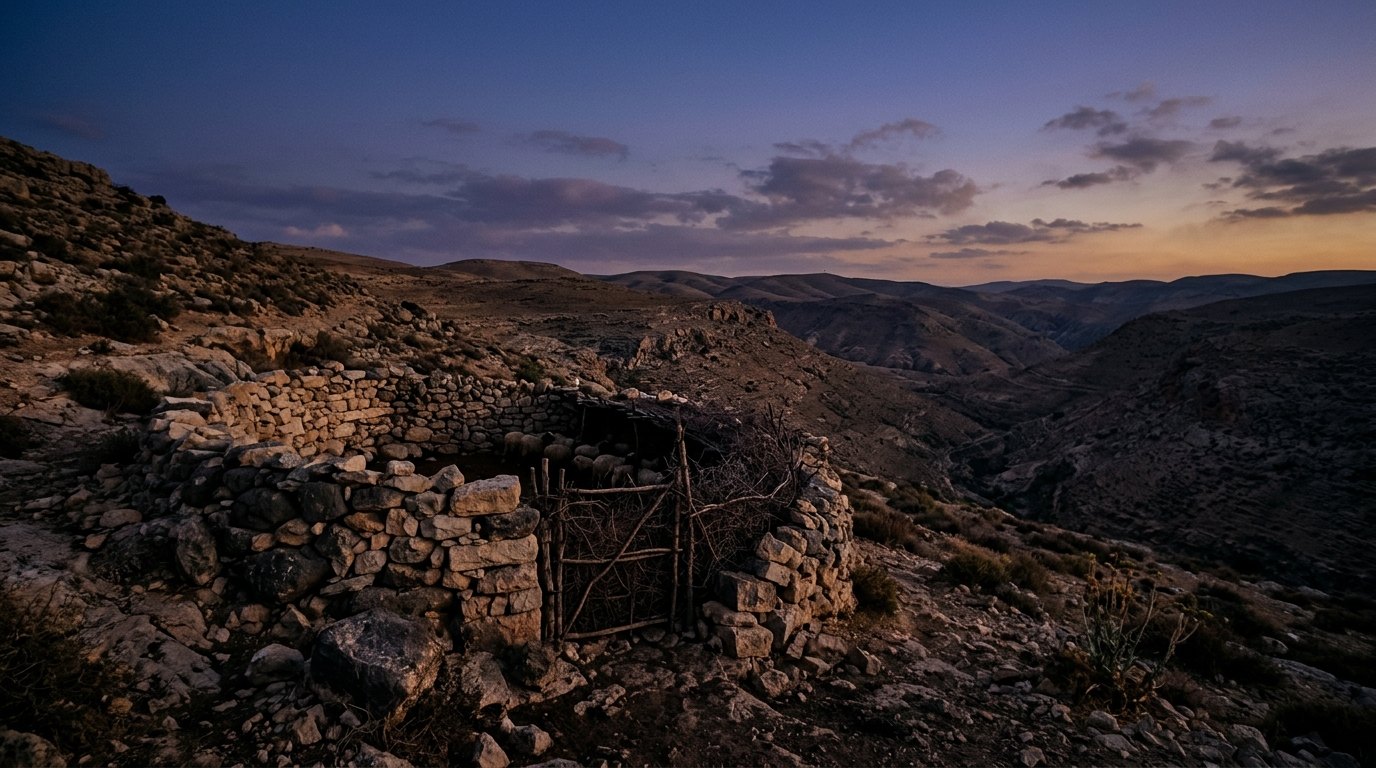
I give them eternal life, and they shall never perish; no one will snatch them out of my hand.
John 10:28 (NIV)
Jesus explicitly asserts that His sheep receive eternal life and can never be snatched from His hand or the Father's hand.
In John 10:28, Jesus makes one of the most emphatic declarations in all of Scripture regarding the eternal security of His people: "I give them eternal life, and they will never perish, and no one will snatch them out of my hand." The double negative in the original Greek underscores an absolute impossibility: Christ's true sheep cannot be torn from His grasp. He immediately reinforces this promise in John 10:29 by grounding it in the Father's omnipotence, declaring that the Father who gave them to Him is greater than all, and no one can pluck them from the Father's hand either. The believer is held in the unbreakable grip of both the Son and the Father.
This security is not conditional upon human frailty but is rooted in divine purpose. In John 6:37, Jesus assures that everyone the Father gives Him will come to Him, and whoever comes He will never cast out. In John 6:39-40, He reveals the sovereign will of the Father: that Christ should lose none of all entrusted to Him, but raise them up on the last day. Eternal life is not a temporary probationary period; as John 5:24 proclaims, the one who hears and believes has eternal life right now, has passed from death into life, and will not come into judgment. When praying to the Father in John 17:12, the Great Shepherd could testify that He guarded all whom God gave Him, losing none except Judas, whose apostasy fulfilled prophecy. Those who genuinely belong to Christ are eternally sheltered within the divine shepherd's care.
| Passage | What it says |
|---|---|
| John 6:39 | Jesus declares it is the Father's will that He lose none of all that were given to Him. |
| John 10:28 | Christ gives His sheep eternal life, declaring they will never perish and no one can pluck them from His hand. |
| John 10:29 | The Father who gave the sheep to Jesus is greater than all, and no one can snatch them from His hand. |
| John 17:12 | Jesus kept all whom the Father gave Him in His name, guarding them so none was lost except the son of perdition. |
| John 5:24 | Whoever hears Christ's word and believes passes immediately from death into eternal life and will never come into condemnation. |
| John 6:37 | Jesus promises that all the Father gives Him will come to Him, and whoever comes He will never cast out. |
| John 6:40 | The Father's will is that everyone looking to the Son and believing has eternal life, raised up on the last day. |
God's Sovereign Preservation
Nothing Created Can Sever Believers from God's Love

For I am convinced that neither death nor life, neither angels nor demons, neither the present nor the future, nor any powers, neither height nor depth, nor anything else in all creation, will be able to separate us from the love of God that is in Christ Jesus our Lord.
Romans 8:38-39 (NIV)
Paul piles category upon category to demonstrate that absolutely nothing in creation can separate believers from the love of God in Christ.
Paul reaches the pinnacle of his theological masterpiece in Romans 8:38-39, proclaiming with triumphant certainty that neither death nor life, nor angels nor rulers, nor things present nor things to come, nor powers, nor height nor depth, "nor anything else in all creation, will be able to separate us from the love of God in Christ Jesus our Lord." This cosmic guarantee rests on what theologians call the unbroken golden chain of redemption in Romans 8:29-30, where those whom God foreknew He also predestined, called, justified, and glorified. In the mind and sovereign purpose of God, our final glorification is so certain that Paul speaks of it in the past tense. Because God justifies and the risen Christ intercedes (Romans 8:33-34), no charge against God's elect can ever stand.
This preservation is consistently testified across the apostolic witness. Paul declares in Philippians 1:6 that He who began a good work in you will bring it to completion at the day of Jesus Christ. Entrusting his soul to the Lord, Paul knows whom he has believed and is convinced God is able to guard that deposit (2 Timothy 1:12; 2 Timothy 4:18). God Himself promised in Jeremiah 32:40 an everlasting covenant wherein He puts the fear of Himself into our hearts so that we do not turn away. Peter assures us that believers are shielded by God's power through faith for an imperishable inheritance (1 Peter 1:3-5), while Jesus saves completely because He lives forever to make intercession (Hebrews 7:25). The faithful God who calls will sanctify and preserve His own blameless to the end (1 Thessalonians 5:23-24; 2 Thessalonians 3:3; Jude 1:24-25).
| Passage | What it says |
|---|---|
| Romans 8:29-30 | God foreknew, predestined, called, justified, and glorified His people in an unbroken golden chain of salvation. |
| Romans 8:38-39 | Neither death, life, rulers, powers, nor any other created thing can separate believers from God's love in Christ Jesus. |
| Philippians 1:6 | God who began a good work in believers will bring it to completion at the day of Jesus Christ. |
| 2 Timothy 1:12 | Paul is persuaded that God is able to guard and keep what has been entrusted to Him until that final day. |
| 2 Timothy 4:18 | The Lord will rescue His servant from every evil deed and bring him safely into His heavenly kingdom. |
| Jude 1:24-25 | God is praised as the One who is able to keep believers from stumbling and present them blameless before His glory. |
| Jeremiah 32:40 | God promises an everlasting covenant, putting the fear of Himself in their hearts so they will not turn away from Him. |
| Romans 8:33-34 | No accusation can stand against God's elect because God justifies them and the risen Christ intercedes for them. |
| 1 Thessalonians 5:23-24 | God who calls believers is faithful and will preserve their spirit, soul, and body blameless until Christ's coming. |
| 2 Thessalonians 3:3 | The Lord is faithful to establish believers and protect them from the evil one. |
| Hebrews 7:25 | Jesus is able to save to the uttermost those who draw near to God through Him, living forever to intercede. |
| 1 Peter 1:3-5 | Believers are guarded by God's power through faith for an imperishable inheritance kept in heaven. |
The Spirit's Seal
The Holy Spirit Guarantees Our Final Inheritance

And you also were included in Christ when you heard the message of truth, the gospel of your salvation. When you believed, you were marked in him with a seal, the promised Holy Spirit, who is a deposit guaranteeing our inheritance until the redemption of those who are God’s possession—to the praise of his glory.
Ephesians 1:13-14 (NIV)
The indwelling Holy Spirit is described as a seal of ownership and a pledge guaranteeing our final redemption.
In Ephesians 1:13-14, the apostle Paul reveals the divine seal that marks every true believer: having heard the word of truth and believed the gospel of salvation, believers "were sealed with the promised Holy Spirit, who is the guarantee of our inheritance until we acquire possession of it." In the ancient world, an official royal seal denoted three realities: authenticity, absolute ownership, and inviolable security. When a king sealed a document or a tomb, tampering with it invited royal wrath. By placing the Holy Spirit within believers, God authenticates them as His genuine children and marks them as His irrevocable possession.
Furthermore, Paul identifies the Spirit as an arrhabon—a commercial down payment or pledge guaranteeing that the full purchase price will be finalized. God has personally committed His own Spirit to dwell in our hearts as a pledge of the ultimate redemption of our bodies (2 Corinthians 1:22; 2 Corinthians 5:5). This divine sealing is not a fleeting state; Paul instructs believers in Ephesians 4:30 not to grieve the Holy Spirit of God, by whom they were sealed for the day of redemption. The presence of the Spirit is not merely an earnest desire on our part, but God's personal down payment that guarantees He will bring His blood-bought people into their full, everlasting inheritance.
| Passage | What it says |
|---|---|
| 2 Corinthians 1:22 | God has set His seal on believers and given His Spirit in their hearts as a guarantee. |
| Ephesians 1:13-14 | Believers are sealed with the Holy Spirit of promise, the guarantee of our inheritance until redemption. |
| Ephesians 4:30 | Believers are warned not to grieve the Holy Spirit by whom they were sealed for the day of redemption. |
| 2 Corinthians 5:5 | God prepared believers for eternal life and gave the Holy Spirit as a guarantee of what is to come. |
The Call to Endure
Believers Are Commanded to Persevere and Stand Firm

Be alert and of sober mind. Your enemy the devil prowls around like a roaring lion looking for someone to devour. Resist him, standing firm in the faith, because you know that the family of believers throughout the world is undergoing the same kind of sufferings. And the God of all grace, who called you to his eternal glory in Christ, after you have suffered a little while, will himself restore you and make you strong, firm and steadfast.
1 Peter 5:8-10 (NIV)
Peter commands believers to remain sober and watchful against the devil, promising that God Himself will restore and establish them.
Alongside the magnificent promises of divine preservation stands the urgent call to spiritual vigilance. In 1 Peter 5:8-10, the apostle commands: "Be sober-minded; be watchful. Your adversary the devil prowls around like a roaring lion, seeking someone to devour." Believers are called to resist him firm in the faith, trusting that after they have suffered a little while, the God of all grace will Himself restore, confirm, strengthen, and establish them. Scripture presents perseverance not as an excuse for passive presumption, but as an active, daily walk of faith. Jesus repeatedly insisted that the one who endures to the end will be saved (Matthew 10:22; Matthew 24:12-13), whether facing persecution or the chilling of love in times of lawlessness.
Paul likewise urged serious examination and intentional discipline. In 1 Corinthians 9:24-27, he describes running the Christian race with strict self-control so that he might not be disqualified, warning in 1 Corinthians 10:12 that whoever thinks he stands must take heed lest he fall. The gospel saves us if we hold fast the word preached and do not believe in vain (1 Corinthians 15:1-2; Colossians 1:21-23). Believers belong entirely to the Lord in life and death under Christ's sovereign rule (Romans 14:8; 1 Peter 3:22). Peter exhorts us to be all the more diligent to confirm our calling and election (2 Peter 1:10-11). To the churches in Revelation, Christ promises the crown of life and preservation in the book of life to those who conquer and remain faithful unto death (Revelation 2:10; Revelation 3:5). God preserves His people through their persevering faith.
| Passage | What it says |
|---|---|
| Matthew 10:22 | Jesus teaches that the one who endures to the end will be saved amid persecution. |
| Matthew 24:12-13 | Even as lawlessness increases and love grows cold, those who endure to the end will be saved. |
| Romans 14:8 | Whether believers live or die, they live and die unto the Lord, belonging always to Him. |
| Colossians 1:21-23 | Christ reconciles believers to present them holy, provided they continue in the faith stable and steadfast. |
| 1 Peter 3:22 | Christ sits at God's right hand with all angels, authorities, and powers made subject to His rule. |
| 1 Peter 5:8-10 | Believers must stay sober and vigilant against Satan, resisting him firm in the faith until God restores them. |
| 1 Corinthians 9:24-27 | Paul runs with self-discipline and purpose, beating his body so that after preaching he will not be disqualified. |
| 1 Corinthians 10:12 | Whoever thinks he stands firm must take heed lest he fall into temptation and sin. |
| 1 Corinthians 15:1-2 | The gospel saves believers provided they hold firmly to the word preached and have not believed in vain. |
| 2 Peter 1:10-11 | Believers must be diligent to confirm their calling and election, ensuring rich entrance into Christ's eternal kingdom. |
| Revelation 2:10 | Christ exhorts believers to remain faithful even unto death in order to receive the crown of life. |
| Revelation 3:5 | The one who conquers will be clothed in white and have their name preserved in the book of life. |
Sober Warnings Against Apostasy
Scripture Warns Seriously Against Falling Away and Hardness

It is impossible for those who have once been enlightened, who have tasted the heavenly gift, who have shared in the Holy Spirit, who have tasted the goodness of the word of God and the powers of the coming age and who have fallen away, to be brought back to repentance. To their loss they are crucifying the Son of God all over again and subjecting him to public disgrace.
Hebrews 6:4-6 (NIV)
This famous warning passage portrays the tragic peril of those who taste spiritual realities and yet turn away.
The author of Hebrews delivers one of Scripture's most solemn warnings in Hebrews 6:4-6, declaring that those who have tasted the heavenly gift and shared in the Holy Spirit cannot be restored to repentance if they fall away. This sobering passage confronts every reader with the horrific reality of turning one's back on the cross, treating the Son of God with contempt. Scripture never presents discipleship as a casual confession detached from enduring allegiance. Through the prophet Ezekiel, God declared that if a righteous person turns away into lawless abominations, none of their former righteousness will be remembered (Ezekiel 18:24). The New Testament sounds the same alarm with intensified urgency, exhorting believers to take care lest an evil, unbelieving heart lead them to fall away from the living God (Hebrews 3:12-14), and warning of a terrifying fury of fire for those who deliberately go on sinning after receiving the knowledge of the truth (Hebrews 10:26-29).
Jesus Himself taught that not everyone who cries "Lord, Lord" will enter the kingdom; He will profess to many zealous workers that He never knew them (Matthew 7:21-23). In the Parable of the Sower, the rocky ground receives the word with immediate joy, yet lacking deep root, falls away in a season of testing (Luke 8:13). Our Lord also cautioned that any branch that does not abide in Him is severed, withered, and cast into the fire (John 15:6). Apostles echoed this grave reality: Paul warned the Galatians that pursuing legalistic justification severs one from Christ (Galatians 5:4) and told Timothy that some will formally depart from the faith (1 Timothy 4:1; 2 Timothy 2:11-13). Peter described the tragic misery of escaping worldly corruption only to be entangled again (2 Peter 2:20-22), while Hebrews urges everyone to run toward holiness lest anyone sell their birthright like Esau (Hebrews 12:14-17). In evaluating these warnings, 1 John 2:19 provides crucial theological grounding, noting that those who departed went out because they were never truly of us, proving that genuine faith perseveres through every trial.
| Passage | What it says |
|---|---|
| Ezekiel 18:24 | If a righteous person turns away from righteousness to practice iniquity, their former righteous deeds will not save them. |
| Hebrews 3:12-14 | Believers are warned to guard against an evil, unbelieving heart and exhort one another daily so none is hardened. |
| Hebrews 6:4-6 | Those who have tasted heavenly gifts and then fall away cannot be restored again to repentance while rejecting Christ. |
| Hebrews 10:26-29 | Deliberately going on in sin after receiving knowledge of truth leaves a terrifying expectation of judgment. |
| 2 Peter 2:20-22 | Those who escape worldly defilements through Christ but are entangled again end up worse off than at the beginning. |
| 1 John 2:19 | John explains that those who went out from the church did not truly belong to it, for genuine members remain. |
| Matthew 7:21-23 | Not everyone saying 'Lord, Lord' enters the kingdom; Christ declares to lawless false professors that He never knew them. |
| Luke 8:13 | Seed on the rocky soil receives the word with joy but has no root, believing for a while and falling away. |
| John 15:6 | Anyone who does not abide in Christ is cast out like a withered branch, gathered, and burned. |
| Galatians 5:4 | Those seeking justification by the law are severed from Christ and have fallen away from the sphere of grace. |
| 1 Timothy 4:1 | The Spirit expressly warns that in later times some will depart from the faith by following deceitful spirits. |
| 2 Timothy 2:11-13 | If we endure we reign, if we deny Him He denies us, yet if faithless He remains faithful. |
| Hebrews 12:14-17 | Believers are warned to pursue holiness without which no one sees God, watching lest any fall short like Esau. |
Where in the Bible
| Book | Passages |
|---|---|
| Jeremiah | 1 · Jeremiah 32:40 |
| Ezekiel | 1 · Ezekiel 18:24 |
| Matthew | 3 · Matthew 10:22, Matthew 24:12-13, Matthew 7:21-23 |
| Luke | 1 · Luke 8:13 |
| John | 8 · John 6:39, John 10:28, John 10:29, John 17:12, John 5:24, John 6:37, John 6:40, John 15:6 |
| Romans | 4 · Romans 8:29-30, Romans 8:38-39, Romans 8:33-34, Romans 14:8 |
| 1 Corinthians | 3 · 1 Corinthians 9:24-27, 1 Corinthians 10:12, 1 Corinthians 15:1-2 |
| 2 Corinthians | 2 · 2 Corinthians 1:22, 2 Corinthians 5:5 |
| Galatians | 1 · Galatians 5:4 |
| Ephesians | 2 · Ephesians 1:13-14, Ephesians 4:30 |
| Philippians | 1 · Philippians 1:6 |
| Colossians | 1 · Colossians 1:21-23 |
| 1 Thessalonians | 1 · 1 Thessalonians 5:23-24 |
| 2 Thessalonians | 1 · 2 Thessalonians 3:3 |
| 1 Timothy | 1 · 1 Timothy 4:1 |
| 2 Timothy | 3 · 2 Timothy 1:12, 2 Timothy 4:18, 2 Timothy 2:11-13 |
| Hebrews | 5 · Hebrews 7:25, Hebrews 3:12-14, Hebrews 6:4-6, Hebrews 10:26-29, Hebrews 12:14-17 |
| 1 Peter | 3 · 1 Peter 1:3-5, 1 Peter 3:22, 1 Peter 5:8-10 |
| 2 Peter | 2 · 2 Peter 1:10-11, 2 Peter 2:20-22 |
| 1 John | 1 · 1 John 2:19 |
| Jude | 1 · Jude 1:24-25 |
| Revelation | 2 · Revelation 2:10, Revelation 3:5 |
The story in order
- God's Covenant with Abraham (c. 2000 BC) · Genesis 15:6 · Abraham believed God and it was credited to him as righteousness.
- God's Promise of a New Covenant (c. 590 BC) · Jeremiah 32:40 · God promises an everlasting covenant, not to turn away from Him.
- Jesus' Ministry and Teaching (c. AD 30) · John 5:24 · Believers pass from death to life and will not come into condemnation.
- Jesus' Prayer for His Disciples (c. AD 30) · John 17:12 · Jesus guarded those given to Him, none lost except the son of perdition.
- The Golden Chain of Salvation (c. AD 60) · Romans 8:29-30 · God foreknows, predestines, calls, justifies, and glorifies His people.
- The Seal of the Holy Spirit (c. AD 55) · 2 Corinthians 1:22 · God sealed believers and gave His Spirit as a guarantee.
- Paul's Warning to the Corinthians (c. AD 55) · 1 Corinthians 10:12 · Take heed lest you fall into temptation and sin.
- Warning Against Apostasy (c. AD 65) · Hebrews 6:4-6 · Those who fall away cannot be restored again to repentance.
- Peter's Exhortation to Stand Firm (c. AD 65) · 1 Peter 5:8-10 · Resist Satan firm in faith until God restores you.
- John's Explanation of Apostasy (c. AD 90) · 1 John 2:19 · Those who left did not belong, for genuine members remain.
- Revelation of Christ's Promise (c. AD 95) · Revelation 3:5 · The one who conquers will have their name preserved in the book of life.
Key words
- Eternal Life (zōē aiōnios (ζωὴ αἰώνιος))
- Life with God, beginning now and continuing forever. · John 5:24
- Perish (apollumi (ἀπόλλυμι))
- To be destroyed, to suffer eternal death. · John 10:28
- Seal (sphragizō (σφραγίζω))
- A mark of ownership and a guarantee of future inheritance. · 2 Corinthians 1:22
- Guarantee (arrabōn (appαβών))
- A pledge or down payment assuring future possession. · Ephesians 1:13-14
- Endure (hypomonē (ὑπομονή))
- To remain steadfast and faithful, especially through hardship. · Matthew 10:22
- Fall Away (parapiptō (παραπίπτω))
- To depart from the faith, to apostatize. · Hebrews 6:4
- Faithful (pistos (πιστός))
- Trustworthy, reliable, continuing steadfastly. · 2 Thessalonians 3:3
Rather than treating assurance as an excuse for spiritual carelessness, Scripture anchors our confidence entirely in the unshakeable grip of Christ. As we lean on His finished work and take His warnings to heart, we find both deep comfort in His love and holy resolve to finish the race.
48 passages, each cited once.
How the major Christian traditions read this
All Christians confess that salvation rests entirely upon God’s grace and power in Jesus Christ, and that no external force can snatch a true believer from His keeping love (John 10:28; Romans 8:38-39).
Catholic
We hold that God’s grace is necessary from first to last, but the gift of justification can be lost through mortal sin. Scripture explicitly commands us to work out our salvation with fear and trembling (Philippians 2:12) and warns that anyone who thinks he stands must take heed lest he fall (1 Corinthians 10:12). Our Lord cautions that branches failing to abide in Him are cast out and burned (John 15:6). Absolute, unconditional assurance of final perseverance is not promised to the individual without a special revelation; instead, we live in theological hope, relying on Christ’s mercy through the sacraments of Penance and the Eucharist to restore and sustain sanctifying grace until the end.
Scripture: Philippians 2:12, 1 Corinthians 10:12, John 15:6
Orthodox
We reject unconditional security as an unscriptural innovation that undermines synergy—the living cooperation between divine grace and human free will. Salvation is a continuous process of theosis, of being transformed into the likeness of God through faith working by love. The Apostle Paul himself acknowledged the necessity of disciplining his body lest he become disqualified (1 Corinthians 9:27). The Epistle to the Hebrews strictly warns against falling away after tasting the heavenly gift (Hebrews 6:4-6). We possess profound confidence in the mercy of the Father, Son, and Holy Spirit, but we must constantly watch, pray, and repent, remaining faithful members of Christ's Body unto the end.
Scripture: 1 Corinthians 9:27, Hebrews 6:4-6
Lutheran
We believe that true faith can be shipwrecked and the Holy Spirit driven away by willful, unrepented sin, yet our assurance rests purely in the objective promises of Christ. Scripture warns believers that they can fall away from grace (Galatians 5:4) and forfeit the salvation received in Holy Baptism (1 Timothy 1:19-20). God earnestly desires that every believer be kept safe, and Christ promises that none can snatch us from His hand (John 10:28). Therefore, we reject both the Reformed doctrine of unconditional perseverance and any legalistic uncertainty. The Christian looks away from subjective feelings to the Word and Sacraments, where God continuously gives forgiveness and persevering faith.
Scripture: Galatians 5:4, 1 Timothy 1:19-20, John 10:28
Reformed & Presbyterian
We affirm the perseverance of the saints: all whom God has chosen in Christ, redeemed by His blood, and effectually called by the Spirit will certainly persevere unto final glory (Romans 8:29-30). Christ Himself declared that He will lose nothing of all that the Father has given Him (John 6:39). Those who profess faith but later fully and finally fall away reveal that they never truly possessed saving union with Christ, as John writes: they went out from us because they were not of us (1 John 2:19). True believers may endure grievous backsliding and fall into sin, but God’s unfailing covenant love restores them to repentance and preserves them to the end.
Scripture: Romans 8:29-30, John 6:39, 1 John 2:19
Anglican & Episcopal
We hold with Article 11 that we are justified by faith alone on account of Christ's merits, which brings great comfort, yet we recognize that the Christian life demands vigilant endurance. Article 16 confesses that after we have received the Holy Ghost, we may depart from grace given and fall into sin, and by the grace of God we may arise again and amend our lives. We take seriously the apostolic warnings against neglecting so great a salvation (Hebrews 2:1-3) and departing from the living God (Hebrews 3:12). Our confidence remains rooted in God’s steadfast covenant faithfulness, sustained through prayer, the Word, and the Holy Communion.
Scripture: Hebrews 2:1-3, Hebrews 3:12
Baptist
We confess the eternal security of the believer, rooted in God's sovereign preservation and the power of the new birth. Those whom God has redeemed are sealed with the Holy Spirit of promise for the day of redemption (Ephesians 1:13-14; Ephesians 4:30). Jesus promised that His sheep hear His voice, follow Him, and shall never perish (John 10:27-28). When someone professes faith and afterward permanently repudiates Christ to walk in unrepentant sin, Scripture teaches that their profession was false and unregenerate (1 John 2:19). Genuine salvation cannot be lost, because it is held fast by Christ’s intercession and God’s immutable promise.
Scripture: Ephesians 1:13-14, John 10:27-28, 1 John 2:19, Ephesians 4:30
Methodist & Wesleyan
We hold that God’s grace is genuinely resistible and that a truly justified person can, through willful neglect and unrepentant sin, fall from grace and perish. Scripture repeatedly issues real warnings to real believers: branches in Christ that bear no fruit are taken away (John 15:2), and believers are warned against possessing an evil heart of unbelief in departing from the living God (Hebrews 3:12-14). We enjoy the direct witness of the Spirit that we are God’s children (Romans 8:16), which brings joyful, present assurance. However, conditional security requires abiding in Christ by faith, walking in holiness, and persevering to the end.
Scripture: John 15:2, Hebrews 3:12-14, Romans 8:16
Pentecostal & Charismatic
We believe that salvation is received and maintained through living faith in Jesus Christ, and that a believer can apostatize through persistent disobedience and unbelief. Scripture warns that it is impossible to renew to repentance those who deliberately crucify Christ afresh (Hebrews 6:4-6; Hebrews 10:26-29). The Holy Spirit empowers believers to live victorious, holy lives, giving us strength to remain faithful (Acts 1:8). While no outside enemy can tear us from God’s hand (John 10:28), a person retains the freedom to walk away from Christ. Our security is vibrant and full of assurance as we walk in the Spirit and guard our faith.
Scripture: Hebrews 6:4-6, Hebrews 10:26-29, John 10:28, Acts 1:8
Non-denominational & Evangelical
We find broad agreement across our churches on the absolute dependability of Christ's finished work on the cross. Many among us hold firmly to eternal security, looking to Christ’s promise that all who come to Him will never be cast out and are kept by God’s power (John 6:37; 1 Peter 1:5). Others emphasize the vital New Testament warnings that call believers to abide in Christ and run the race with endurance (Hebrews 12:1-2). Across our congregations, we agree that genuine saving faith is never an excuse for sin, but always produces a changed life and ongoing trust in Jesus alone.
Scripture: John 6:37, 1 Peter 1:5, Hebrews 12:1-2
Where they differ
Possibility of losing salvation
- Catholic
- Lost through deliberate, unrepented mortal sin.
- Orthodox
- Forfeited if human will departs from synergistic grace.
- Lutheran
- Real faith can be shipwrecked and lost.
- Reformed & Presbyterian
- Cannot be lost; the elect certainly persevere.
- Anglican & Episcopal
- Can depart from grace, but repentance restores.
- Baptist
- Impossible to lose; true believers are preserved.
- Methodist & Wesleyan
- Forfeited by forsaking faith and continuing unrepentant.
- Pentecostal & Charismatic
- Can be lost through willful apostasy.
- Non-denominational & Evangelical
- Divided between unconditional preservation and conditional security.
Scripture: Galatians 5:4, Hebrews 6:4-6, John 10:28-29
Meaning of falling away
- Catholic
- A genuine loss of justification and charity.
- Orthodox
- A severed union with Christ’s living Body.
- Lutheran
- A real loss of genuine saving faith.
- Reformed & Presbyterian
- Proof that saving regeneration was never present.
- Anglican & Episcopal
- A perilous lapse requiring repentance and renewal.
- Baptist
- Evidence of an insincere, unregenerate past profession.
- Methodist & Wesleyan
- A genuine departure from once-possessed saving grace.
- Pentecostal & Charismatic
- A tragic forfeiture of life in Christ.
- Non-denominational & Evangelical
- Viewed either as false conversion or tragic apostasy.
Scripture: 1 John 2:19, Hebrews 10:26-29
Your pastor can tell you where your church stands.
Scripture cited
- Romans 8:38-39
- John 10:28
- Romans 14:8
- 2 Timothy 1:12
- 1 Peter 3:22
- Colossians 1:16
- Romans 8:28-39
- John 10:22-30