Why did God create people he knew would go to hell?
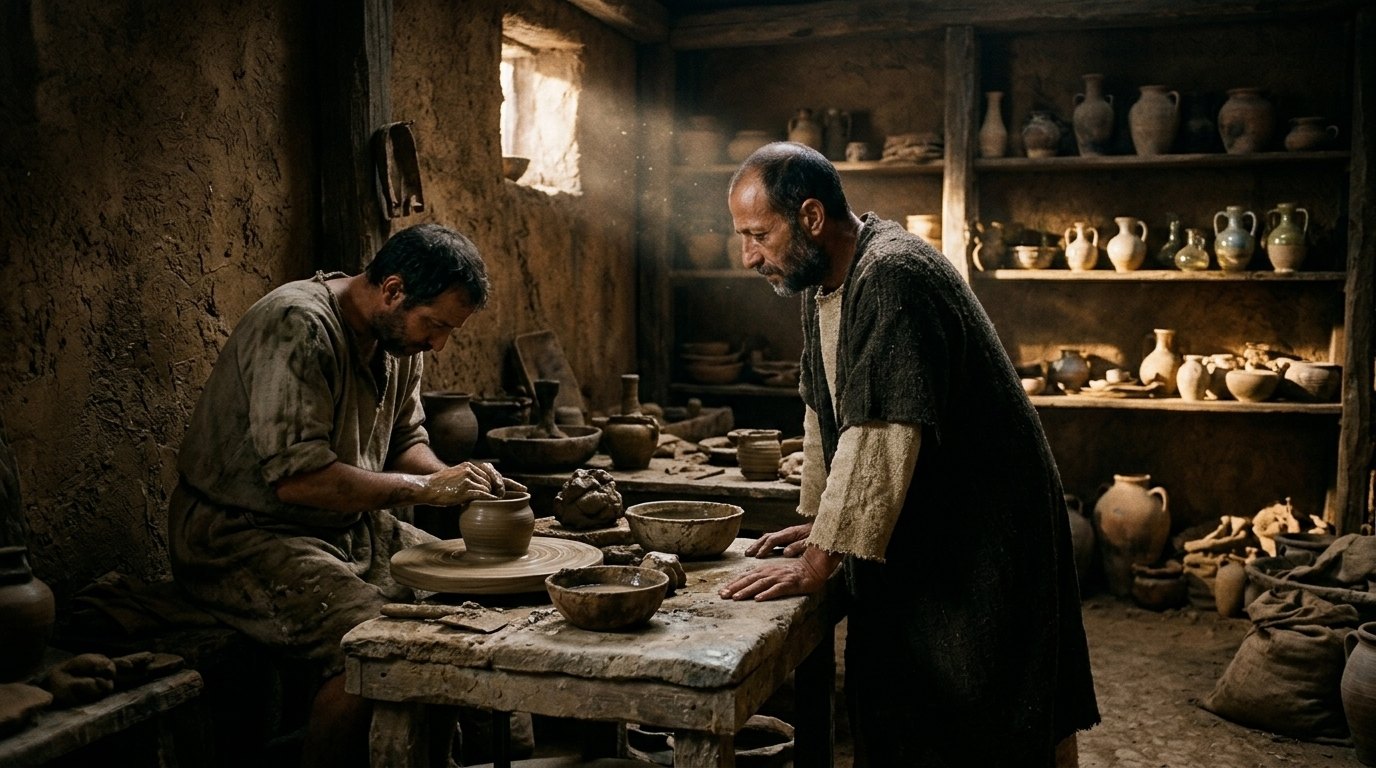
Romans 9:19-24
19 One of you will say to me: “Then why does God still blame us? For who is able to resist his will?”
20 But who are you, a human being, to talk back to God? “Shall what is formed say to the one who formed it, ‘Why did you make me like this?’ ”
21 Does not the potter have the right to make out of the same lump of clay some pottery for special purposes and some for common use?
22 What if God, although choosing to show his wrath and make his power known, bore with great patience the objects of his wrath—prepared for destruction?
23 What if he did this to make the riches of his glory known to the objects of his mercy, whom he prepared in advance for glory—
24 even us, whom he also called, not only from the Jews but also from the Gentiles?
New International Version (NIV)
The answer
God created and governs according to His righteous purpose: to make His justice and power known, to endure wickedness with patience, and to display the riches of His glory in saving vessels of mercy. Romans 9:22-23 gives that purpose directly. God’s complete counsel is beyond human tracing (Romans 11:33-36), but Scripture rules out the charge that He is unjust (Romans 9:14). It also says that He takes no pleasure in the death of the wicked, but calls the wicked to turn and live (Ezekiel 18:23,32).
God has the Creator’s right, but He does no wrong
When Paul anticipates the objection, “Why does he still find fault?” he does not answer by denying God’s sovereignty. He answers that the creature has no standing to accuse the Creator: the potter has authority over the clay (Romans 9:19-21). Mercy is not a debt God owes anyone; otherwise it would not be mercy (Romans 9:15-16).
That sovereignty does not make God the tempter or author of human sin. James 1:13-15 says that God tempts no one; temptation draws a person away through that person’s own desire, and sin then produces death. John 3:18-19 locates condemnation in unbelief and in loving darkness rather than the light. Romans 2:5-8 describes people with hard, unrepentant hearts storing up wrath for themselves. God’s judgment is therefore not the condemnation of innocent people.
God’s patience and saving desire are real
God’s patience toward the lost must not be treated as pretence. Second Peter 3:9 says that He is patient, “not wishing that anyone should perish, but that all should come to repentance.” First Timothy 2:4-6 says that He desires all people to be saved and that Christ Jesus, the one mediator between God and humanity, gave Himself as a ransom for all. These statements stand alongside Romans 9, not against it.
Hell must not be softened either. Jesus speaks of eternal fire prepared for the devil and his angels, into which those finally placed at His left hand also depart, and calls their punishment eternal (Matthew 25:41,46). Revelation 20:12-15 describes judgment according to human works and the lake of fire for those whose names are not in the book of life.
Where explanations differ
Christians relate God’s election and human response in different ways. Reformed readings place the ultimate reason for anyone’s salvation in God’s sovereign election, while maintaining that the lost are justly condemned for their own sin. Arminian and Wesleyan readings emphasize God’s universal saving desire and teach that His grace enables a response which He foreknows. These explanations differ, but neither may erase God’s sovereignty in Romans 9:15-23, His patience in 2 Peter 3:9, or human guilt in James 1:13-15. Scripture does not explain why God chose this exact history rather than every other possible history.
For anyone asking from fear of hell, God’s hidden counsel is not the place to begin. His revealed call is to turn and live (Ezekiel 18:31-32), and His promise is explicit: “Whoever will call on the name of the Lord will be saved” (Romans 10:13). All have sinned, but God justifies freely through His grace in Christ Jesus, whose atoning sacrifice demonstrates that God is both just and the justifier of the one who has faith in Jesus (Romans 3:23-26). The needed response is not to accuse the potter, but to repent and flee to Christ, whom God gave so that whoever believes in Him will not perish (John 3:16).
Answered from Scripture · reviewed November 12, 2026
Scripture confronts the mystery of divine sovereignty and eternal judgment directly, declaring that God acts to display His righteous justice, endure rebellion with great patience, and reveal the riches of His glory to vessels of mercy. At the same time, the Bible insists that God tempts no one, takes no delight in the destruction of the wicked, and justly condemns sinners solely on the basis of their own willful rebellion. Understanding this difficult truth requires holding fast both to the Creator's absolute authority and to His genuine, universal summons to repent and live.
The Sovereign Potter
The Creator answers to no creature
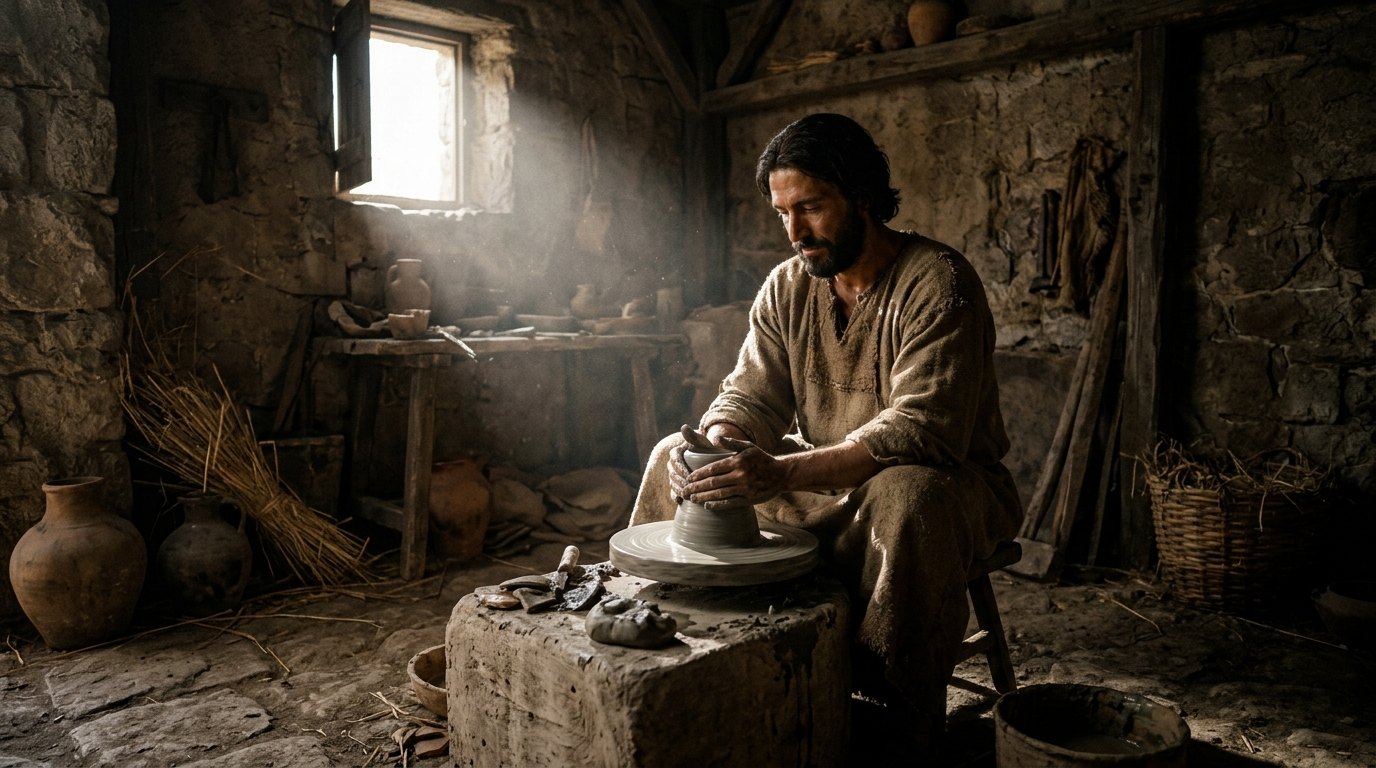
But who are you, a human being, to talk back to God? “Shall what is formed say to the one who formed it, ‘Why did you make me like this?’ ”
Romans 9:20 (NIV)
It decisively sets the boundary between the authority of the Almighty Creator and the creature who dares question His sovereign purpose.
In Romans 9:20, Scripture silences human pride before the throne of God: "Who are you, O man, to talk back to God? Shall what is formed say to the one who formed it, 'Why did you make me like this?'" The apostle anticipates the natural human protest in Romans 9:19, where an objector asks how God can still hold anyone accountable if no creature can resist His ultimate decree. Rather than adjusting God's sovereignty to suit human expectations, the text establishes the absolute gulf between the uncreated Potter and the clay He forms. Under this divine prerogative, Romans 9:21 explains that the potter possesses complete authority to mold out of the very same lump one vessel for honorable use and another for dishonorable use. God owes no creature an explanation for His works, as Job 9:12 declares that when God snatches away, no mortal can hinder Him or question His deeds.
This sovereign supremacy is confirmed across the whole scope of Scripture. In Daniel 4:35, King Nebuchadnezzar confesses after his humbling that God acts according to His will among the hosts of heaven and the inhabitants of earth, and no one can hold back His hand. King Jehoshaphat likewise prays in 2 Chronicles 20:6 that power and might reside in God's hand alone, such that no one can withstand Him. Isaiah 45:9 pronounces a solemn woe upon anyone who strives with his Maker, warning that an earthenware pot has no right to question the potter's hands. Proverbs 16:4 carries this truth to its final conclusion, affirming that the Lord has made everything for its purpose, even the wicked for the day of trouble. God's creative purpose remains entirely His own, governed by His perfect righteousness and supreme majesty.
| Passage | What it says |
|---|---|
| Romans 9:19 | Anticipates the objection questioning how God can justly find fault if no human creature can resist His sovereign decree. |
| Romans 9:20 | Rebukes human arrogance by comparing mortal men to shaped clay questioning the potter who made it. |
| Romans 9:21 | Affirms the potter's absolute right to form from the same lump vessels for honorable and dishonorable use. |
| Job 9:12 | Observes that when God takes away, no mortal can hinder Him or demand an explanation of His actions. |
| Daniel 4:35 | Proclaims that God does according to His will among all inhabitants of earth and heaven without restraint. |
| 2 Chronicles 20:6 | Acknowledges that supreme power and dominion belong to God alone, so that none can withstand Him. |
| Isaiah 45:9 | Woe to him who strives with his Maker, like an earthen vessel asking why it was made this way. |
| Proverbs 16:4 | The Lord has made everything for its purpose, even the wicked for the day of trouble. |
Wrath and Mercy
God displays His glory in judgment and grace

What if God, although choosing to show his wrath and make his power known, bore with great patience the objects of his wrath—prepared for destruction? What if he did this to make the riches of his glory known to the objects of his mercy, whom he prepared in advance for glory—
Romans 9:22-23 (NIV)
It explicitly provides God's twin purposes in enduring wicked vessels: revealing His power and wrath, and displaying His mercy.
Scripture explicitly states why God creates and endures a world marked by rebellion: God patiently endures vessels of wrath to make His power and justice known, while displaying the immeasurable wealth of His mercy to the redeemed. In Romans 9:22-23, Paul writes that God, desiring to show His wrath and to make His power known, endured with much patience vessels of wrath prepared for destruction, in order to make known the riches of His glory upon vessels of mercy, which He prepared beforehand for glory. The dark backdrop of human judgment magnifies the radiant brightness of sovereign grace. Those vessels of mercy, Romans 9:24 adds, include everyone God has called, whether from the Jews or from the Gentiles.
This dual display of divine justice and grace unfolds throughout redemptive history. In Genesis 50:20, Joseph summarizes God's overarching purpose in human rebellion: men intend actions for evil, but God intends those very actions for good to accomplish salvation. When God raised up the stubborn ruler of Egypt, He declared in Exodus 9:16 and reiterated in Romans 9:17 that He did so specifically to demonstrate His power and proclaim His holy name throughout all the earth. The ruin of the proud and the rescue of the helpless work together to bring God glory. Confronted with this breathtaking plan, the apostle offers no cold philosophical scheme, but worship, crying out in Romans 11:33 at the unsearchable depth of the riches and wisdom and knowledge of God, whose judgments are beyond human tracing.
| Passage | What it says |
|---|---|
| Romans 9:22 | States that God patiently endures vessels of wrath prepared for destruction to make His power and wrath known. |
| Romans 9:23 | Explains that God makes known the riches of His glory upon vessels of mercy prepared beforehand for glory. |
| Romans 9:24 | Identifies the recipients of this sovereign mercy as those called from among both Jews and Gentiles. |
| Genesis 50:20 | Demonstrates that human beings intend evil, yet God sovereignly directs events toward an ultimate good. |
| Romans 11:33 | Extols the unsearchable depth of God's wisdom, judgments, and untraceable ways beyond human comprehension. |
| Exodus 9:16 | God raised up Pharaoh to show His power and proclaim His name across the earth. |
| Romans 9:17 | Scripture explicitly quotes Pharaoh's purpose: that God's power and name be declared in all the earth. |
Human Responsibility
Sinners perish by their own evil choices
When tempted, no one should say, “God is tempting me.” For God cannot be tempted by evil, nor does he tempt anyone; but each person is tempted when they are dragged away by their own evil desire and enticed.
James 1:13-14 (NIV)
It guards God's character by establishing that God tempts no one and that sin arises from personal lust.
While God is sovereign over all history, Scripture never portrays Him as the author of sin; every sinner who perishes does so by their own deliberate, wicked choice. In James 1:13, the apostle provides an absolute boundary for understanding human evil: God cannot be tempted by evil, nor does He tempt anyone. Instead, James 1:14-15 traces the exact lineage of destruction, explaining that each person is tempted when dragged away and enticed by their own desire, which conceives sin and gives birth to eternal death. Condemnation is never an arbitrary sentence forced upon innocent people; it is the just penalty for personal rebellion against a holy Creator.
The Lord Jesus Christ reinforces this direct personal accountability in the Gospel of John. According to John 3:18, whoever does not believe stands condemned already because he has not believed in the name of God's one and only Son. The verdict is not unjust: John 3:19 declares that light has come into the world, but people loved darkness rather than light because their deeds were evil. In Romans 2:5, Paul warns that by an unrepentant and stubborn heart, the sinner actively stores up wrath against himself for the day of righteous judgment. This tragic refusal echoes through Christ's lament in Matthew 23:37, where He yearned to gather the children of Jerusalem as a hen gathers her brood under her wings, but they were unwilling. As Jesus bluntly states in John 5:40, sinners perish because they refuse to come to Him for life.
| Passage | What it says |
|---|---|
| James 1:13 | Declares that God cannot be tempted by evil and that He Himself never tempts anyone to sin. |
| James 1:14-15 | Traces sin to human desire enticing the heart, which conceives sin and eventually brings forth eternal death. |
| John 3:18 | Shows that condemnation rests upon the sinner's personal refusal to believe in the only begotten Son of God. |
| John 3:19 | Identifies the ground of divine judgment in men loving darkness rather than light because of their evil deeds. |
| Romans 2:5 | Warns that stubborn and unrepentant hearts store up wrath against themselves for the day of righteous judgment. |
| Matthew 23:37 | Jesus yearned to gather Jerusalem's children together, but they were unwilling to come. |
| John 5:40 | Jesus declares that sinners refuse to come to Him that they may have eternal life. |
Patience and Invitation
God genuinely calls all sinners to repent
Do I take any pleasure in the death of the wicked? declares the Sovereign LORD. Rather, am I not pleased when they turn from their ways and live?
Ezekiel 18:23 (NIV)
It reveals God's genuine heart toward fallen humanity: taking no pleasure in death, but delighting when the wicked turn.
God's absolute justice is accompanied by a genuine, universal summons to all people: the Lord takes no delight in the destruction of the wicked, but freely calls every sinner to turn and live. In Ezekiel 18:23, God reveals His heart to a rebellious people, asking, "Do I take any pleasure in the death of the wicked? declares the Sovereign Lord. Rather, am I not pleased when they turn from their ways and live?" He repeats this earnest plea in Ezekiel 18:32, commanding sinners to repent because He finds no pleasure in anyone's death. In Ezekiel 33:11, God even confirms this disposition with an oath, swearing by His own life that He desires the wicked to turn from their evil ways and live.
This open invitation defines the current age of grace. The apostle Peter explains in 2 Peter 3:9 that the Lord is not slow concerning His promise, but is patient, not wanting anyone to perish but everyone to come to repentance. God's desire for human redemption is stated with equal clarity in 1 Timothy 2:4, which declares that He desires all people to be saved and to come to the knowledge of the truth. This great salvation rests upon the historical reality of 1 Timothy 2:5-6, where Christ Jesus stands as the one mediator between God and humanity, having given Himself as a ransom for all. In Romans 2:4, Paul reminds the reader that God's kindness and forbearance are meant to lead sinners to repentance. Because Christ is risen, God now commands all people everywhere to repent, as proclaimed in Acts 17:30, assuring anyone who turns to the cross that they will find mercy and everlasting life.
| Passage | What it says |
|---|---|
| Ezekiel 18:23 | Affirms that God has no pleasure in the death of the wicked, but desires that they turn and live. |
| Ezekiel 18:32 | Urges sinners to repent and live, repeating that the Sovereign Lord finds no pleasure in anyone's death. |
| 2 Peter 3:9 | Reveals the Lord's patience toward humanity, not wishing any to perish but all to come to repentance. |
| 1 Timothy 2:4 | Affirms that God desires all people to be saved and to arrive at the knowledge of the truth. |
| 1 Timothy 2:5-6 | Sets forth Christ Jesus as the sole mediator who gave Himself as a ransom for all. |
| Ezekiel 33:11 | God swears He has no pleasure in the death of the wicked, urging them to turn and live. |
| Romans 2:4 | God's forbearance and kindness are meant to lead rebellious people to repentance. |
| Acts 17:30 | God now commands all people everywhere to repent in light of the coming judgment. |
The Reality of Hell
Eternal judgment is sober, righteous, and final
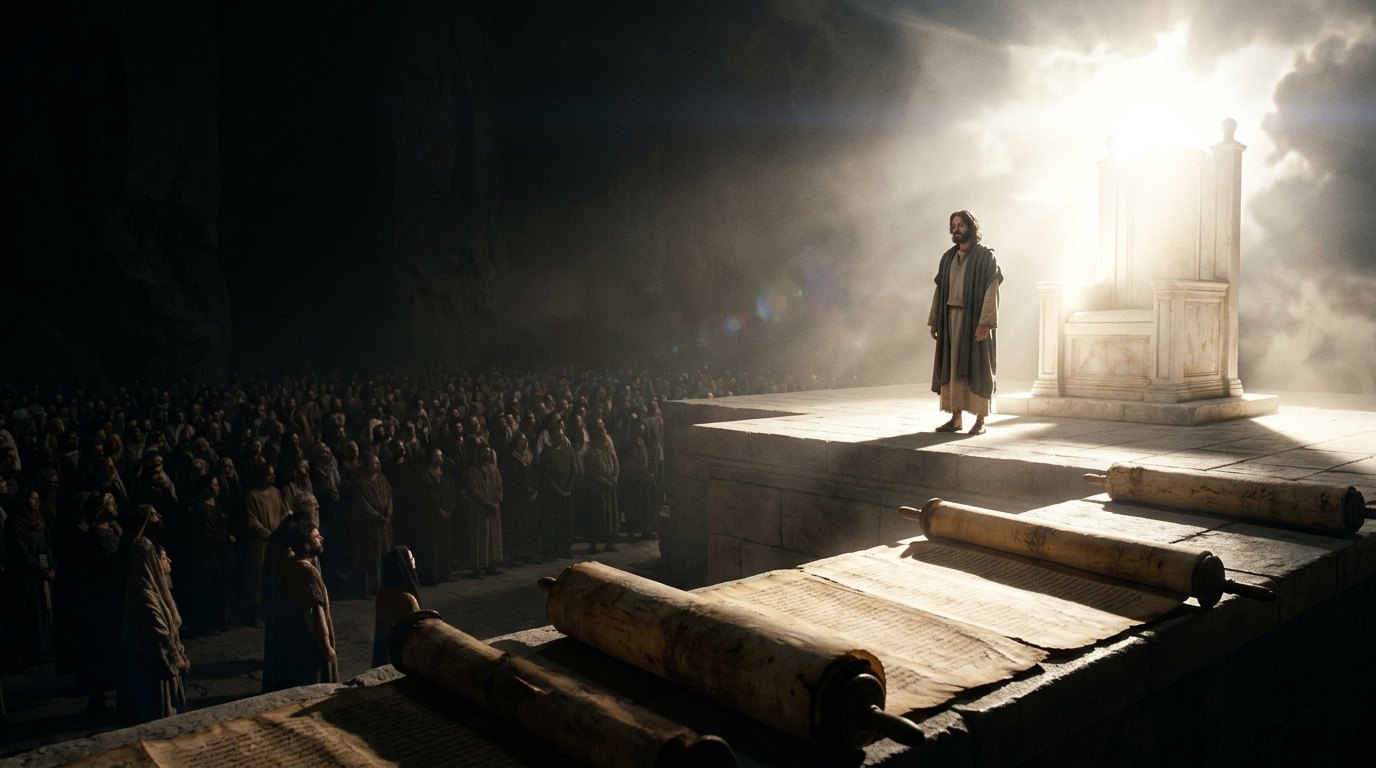
“Then he will say to those on his left, ‘Depart from me, you who are cursed, into the eternal fire prepared for the devil and his angels.
Matthew 25:41 (NIV)
It shows that eternal fire was originally prepared for the devil, yet all who reject the King share in it.
Matthew 25:41 reveals the terrible solemnity of divine judgment: the King commands the unrighteous into eternal fire prepared for the devil and his angels. Scripture never treats hell as an arbitrary afterthought, but as the holy, righteous containment of rebellious evil. Christ makes plain that human beings who align themselves with the serpent share in the doom prepared for that ancient enemy. In Matthew 25:46, Jesus balances two parallel realities in unmistakable language, contrasting everlasting punishment with everlasting life; the same Greek word governs the duration of both states, showing that judgment is as enduring as the life granted to the saints.
The finality of this accounting is unveiled in Revelation 20:12, where the dead, great and small, stand before the great white throne while the books are opened to evaluate every life strictly according to their works. God’s justice is precise, transparent, and completely free from partiality. Revelation 20:15 records the irreversible decree that whoever was not found written in the book of life was cast into the lake of fire, demonstrating that outside of redemption in Christ, human self-rule yields only eternal ruin.
Far from depicting God as capricious, 2 Thessalonians 1:8-9 explains that this severe penalty falls on those who actively refuse to know God and disobey the gospel, suffering the retribution of eternal destruction separated from the gracious presence of the Lord. Scripture does not explain the mystery of damnation by diminishing either God's sovereign knowledge or human accountability. Instead, it lays the guilt entirely upon human rebellion, exalts the unyielding perfection of God’s holiness, and warns every soul to flee from the wrath to come into the waiting mercy of Christ.
| Passage | What it says |
|---|---|
| Matthew 25:41 | Depicts Christ commanding the cursed into eternal fire prepared for the devil and his demonic angels. |
| Matthew 25:46 | Contrasts the eternal punishment of the unrighteous with the eternal life awarded to the righteous. |
| Revelation 20:12 | Describes the dead standing before the throne of God to be judged strictly according to their deeds. |
| Revelation 20:15 | Records that anyone whose name was not found recorded in the book of life was thrown into the lake of fire. |
| 2 Thessalonians 1:8-9 | Those who obey not the gospel suffer eternal destruction away from the presence of the Lord. |
Where in the Bible
| Book | Passages |
|---|---|
| Genesis | 1 · Genesis 50:20 |
| Exodus | 1 · Exodus 9:16 |
| 2 Chronicles | 1 · 2 Chronicles 20:6 |
| Job | 1 · Job 9:12 |
| Proverbs | 1 · Proverbs 16:4 |
| Isaiah | 1 · Isaiah 45:9 |
| Ezekiel | 3 · Ezekiel 18:23, Ezekiel 18:32, Ezekiel 33:11 |
| Daniel | 1 · Daniel 4:35 |
| Matthew | 3 · Matthew 23:37, Matthew 25:41, Matthew 25:46 |
| John | 3 · John 3:18, John 3:19, John 5:40 |
| Acts | 1 · Acts 17:30 |
| Romans | 10 · Romans 9:19, Romans 9:20, Romans 9:21, Romans 9:22, Romans 9:23, Romans 9:24, Romans 11:33, Romans 9:17, Romans 2:5, Romans 2:4 |
| 2 Thessalonians | 1 · 2 Thessalonians 1:8-9 |
| 1 Timothy | 2 · 1 Timothy 2:4, 1 Timothy 2:5-6 |
| James | 2 · James 1:13, James 1:14-15 |
| 2 Peter | 1 · 2 Peter 3:9 |
| Revelation | 2 · Revelation 20:12, Revelation 20:15 |
The story in order
- God creates the world (c. 4000 BC) · Genesis 1:1 · Establishes God's sovereign authority as Creator.
- Pharaoh's rebellion (c. 1446 BC) · Exodus 9:16 · God raises Pharaoh to display His power.
- Job questions God (c. 1400 BC) · Job 9:12 · Job acknowledges God's actions cannot be hindered.
- Proverbs on purpose (c. 970 BC) · Proverbs 16:4 · The Lord made everything for its purpose.
- Isaiah on the Potter (c. 700 BC) · Isaiah 45:9 · Woe to him who strives with his Maker.
- Daniel on God's will (c. 590 BC) · Daniel 4:35 · God acts according to His will on earth.
- Ezekiel on repentance (c. 590 BC) · Ezekiel 18:23 · God desires the wicked to turn and live.
- Jerusalem's rejection (AD 30) · Matthew 23:37 · Jesus laments Jerusalem's unwillingness to repent.
- Paul on Romans 9 (AD 55) · Romans 9:19 · Addresses questioning God's sovereign decree.
- Paul on wrath and mercy (AD 55) · Romans 9:22 · God endures vessels of wrath and mercy.
- James on temptation (AD 45) · James 1:13 · God tempts no one; sin comes from desire.
- Peter on patience (AD 67) · 2 Peter 3:9 · The Lord is patient, not wishing any to perish.
- Revelation of judgment (AD 95) · Revelation 20:12 · The dead are judged according to their deeds.
Key words
- Sovereignty (מֶמְשָׁלָה (memshalah))
- God's absolute authority and supreme power over all creation. · 2 Chronicles 20:6
- Wrath (ὀργή (orgē))
- God's righteous anger against sin and rebellion. · Romans 9:22
- Mercy (ἔλεος (eleos))
- God's compassionate kindness and favor toward the undeserving. · Romans 9:23
- Responsibility (ὑποταγή (hypotagē))
- The obligation of individuals to answer for their actions and choices. · Romans 2:5
- Repentance (μετάνοια (metanoia))
- A sincere turning away from sin and toward God. · Acts 17:30
- Judgment (κρίσις (krisis))
- God's righteous and final evaluation of all deeds. · Revelation 20:12
- Eternal (αἰώνιος (aiōnios))
- Lasting forever; without beginning or end. · Matthew 25:46
Rather than attempting to pry into the secret counsels of an infinite Creator, Scripture calls every person to look to His clear, revealed invitation. Eternal condemnation is real, but Christ Jesus was given as a ransom for sinners, and anyone who turns to Him in faith will receive mercy and life.
35 passages, each cited once.
How the major Christian traditions read this
All Christian traditions confess that God is entirely sovereign, holy, and just, taking no pleasure in the destruction of the wicked, and that those who perish are justly condemned for their own real sins rather than any wrongdoing in God (Ezekiel 18:23, 32; James 1:13-14).
Catholic
We teach that God created humanity with genuine free will, desiring the salvation of all people through Christ (1 Timothy 2:4). God possesses eternal foreknowledge of all free choices, yet His knowledge does not coerce or compel the will. God created humanity out of boundless goodness to share His life, permitting sin and damnation only because He truly respects human freedom. Those who perish in hell do so by their own free, final impenitence, choosing separation from God (Matthew 25:41). God does not predestine anyone to hell apart from their own foreseen willful sins and rejection of grace, enduring them patiently while offering real grace.
Scripture: 1 Timothy 2:4, Matthew 25:41, James 1:13-14
Orthodox
We hold that God is the loving Father who created mankind in His image for eternal communion (Genesis 1:26-27). As the Confession of Dositheus 3 affirms, God predestines unto glory those He foreknew would rightly use their freedom and rejects no one without cause. God does not cause evil or compel damnation; His foreknowledge simply sees ahead what creatures freely do (2 Peter 3:9). God created people endowed with real freedom because true love cannot be forced. Hell is not a failure of God's love, but the tragedy of a soul eternally resisting and rejecting God's uncreated light and mercy.
Scripture: Genesis 1:26-27, 2 Peter 3:9, 1 Timothy 2:4
Lutheran
We confess the paradox Scripture sets before us without trying to resolve it by human reason. God genuinely desires all people to be saved and calls all through the gospel (1 Timothy 2:4; Ezekiel 33:11). Yet, as Paul explains, God is the potter who endures with much patience vessels of wrath fitted for destruction, while preparing vessels of mercy for glory (Romans 9:21-23). Salvation is entirely by God's unconditional grace and eternal election in Christ alone, whereas damnation is entirely the fault of man's stubborn resistance to the Holy Spirit (Matthew 23:37). We hold both truths firmly and worship God's unsearchable judgments.
Scripture: Romans 9:21-23, 1 Timothy 2:4, Ezekiel 33:11, Matthew 23:37
Reformed & Presbyterian
We confess that God created all things for the manifestation of His eternal glory, power, and justice (Westminster Confession 4.1; Romans 11:36). In His unsearchable counsel, God sovereignly decreed whatsoever comes to pass, including the creation and fall of man. As Scripture declares, God, willing to show His wrath and make His power known, endured with much patience vessels of wrath prepared for destruction, to make known the riches of His glory on vessels of mercy (Romans 9:22-23). The reprobate are not innocent victims; they are left to their own willful sin and just punishment, displaying God's holy justice while magnifying His free grace.
Scripture: Romans 9:22-23, Romans 11:36, Proverbs 16:4
Anglican & Episcopal
We uphold the clear teaching of Scripture that God's sovereign purposes and human accountability meet in His holy governance. God made all things according to His good pleasure, and while He foreknows all human ends, He is not the author of sin or damnation (James 1:13). Christ truly died as a sacrifice to reconcile the Father unto us and redeem all who believe. God allows vessels of wrath to run their course in patience, demonstrating both His righteous judgment upon sin and the boundless riches of His mercy toward those called into His kingdom (Romans 9:22-24). We leave the hidden mysteries of providence to God.
Scripture: Romans 9:22-24, James 1:13, 1 Timothy 2:5-6
Baptist
We believe God created all things for the manifestation of the glory of His power and goodness (Baptist Confession of 1689 4.1). God created man upright, yet subject to transgression, and every person who perishes does so because of their own personal rebellion and unbelief (John 3:18-19). Scripture teaches that God has authority over the clay to display His wrath and power upon vessels that reject Him, while magnifying His sovereign grace on those He redeems (Romans 9:21-23). God brings glory to Himself both through the solemn display of His righteous justice and through the fathomless riches of His saving mercy.
Scripture: Romans 9:21-23, John 3:18-19, Romans 2:5
Methodist & Wesleyan
We proclaim that God is love, and His mercy is genuinely over all His works (Psalm 145:9). God created human beings for loving fellowship with Himself, giving them genuine moral agency. Through prevenient grace, God makes salvation truly available to all people because Christ died for everyone without exception (1 Timothy 2:4-6; 2 Peter 3:9). God's foreknowledge of who will reject Him does not cause their damnation. He creates souls knowing their choices because He ordained a world of authentic freedom where love could exist. Those who go to hell do so by stubbornly resisting God's persistent grace (Acts 7:51).
Scripture: Psalms 145:9, 1 Timothy 2:4-6, 2 Peter 3:9, Acts 7:51
Pentecostal & Charismatic
We teach that man was created good and upright in God's image, but fell by voluntary transgression (Genesis 1:26-27; Romans 5:12). God desires all to come to repentance and does not want anyone to perish (2 Peter 3:9). His foreknowledge sees every individual's choice from eternity, yet each person remains accountable to respond to the conviction of the Holy Spirit (John 16:8). God creates people knowing their final state because He honors the moral responsibility He placed in humanity. Hell was prepared for the devil and his angels, and people go there only by refusing the gospel of Jesus Christ (Matthew 25:41).
Scripture: Genesis 1:26-27, 2 Peter 3:9, Romans 5:12, Matthew 25:41, John 16:8
Non-denominational & Evangelical
We hold directly to the testimony of Scripture: God is fully sovereign, yet entirely blameless, holy, and good (Romans 9:14; James 1:13). God created humanity to bring glory to Himself, granting people genuine responsibility. While God knew before the foundation of the world who would reject Him, He extends a genuine call to all people to repent and believe in Christ (Acts 17:30). The potter has complete right over the clay to make known His wrath and justice alongside His abundant mercy (Romans 9:21-23). Those who perish are condemned solely for their own sin and refusal to trust in Jesus (John 3:36).
Scripture: Romans 9:21-23, Acts 17:30, John 3:36, James 1:13, Romans 9:14
Where they differ
The ground of creating the lost
- Catholic
- God permitted creation knowing their free refusal of grace.
- Orthodox
- God granted genuine freedom which creatures freely misuse.
- Lutheran
- God created in mercy, but sinners willfully resist His Word.
- Reformed & Presbyterian
- God decreed their creation to display His wrath and justice.
- Anglican & Episcopal
- God sovereignly endures vessels of wrath in patient justice.
- Baptist
- God created them sovereignly, justly condemning their willful unbelief.
- Methodist & Wesleyan
- God created people for love, foreknowing their free rejection.
- Pentecostal & Charismatic
- God created moral agents who voluntarily choose spiritual rebellion.
- Non-denominational & Evangelical
- God displays His holy justice through creatures who reject Christ.
Scripture: Romans 9:22-23, 1 Timothy 2:4, Acts 7:51
Relationship between foreknowledge and decree
- Catholic
- Foreknowledge sees free choices without predetermining damnation unconditionally.
- Orthodox
- Foreknowledge observes future free choices without causing them.
- Lutheran
- Election is to life; damnation is never God's desire.
- Reformed & Presbyterian
- Foreordination precedes foreknowledge; God sovereignly decrees all things.
- Anglican & Episcopal
- God's eternal purpose governs all while maintaining human guilt.
- Baptist
- God's eternal decree includes righteous judgment on foreseen sin.
- Methodist & Wesleyan
- God foreknows because events happen; He does not predetermine them.
- Pentecostal & Charismatic
- God's foreknowledge observes human free will responding to grace.
- Non-denominational & Evangelical
- God's sovereign plan completely encompasses human responsible choice.
Scripture: Romans 8:29, Romans 9:15-18, 1 Peter 1:2
Your pastor can tell you where your church stands.
Scripture cited
- Romans 9
- Ezekiel 18:23-32
- 2 Peter 3:9
- John 3:16-21
- Romans 2:1-11
- James 1:13-15
- Matthew 25:41-46
- Romans 11:33-36
- Romans 10:9-13
- 1 Timothy 2:3-6
- Romans 3:21-26
- Revelation 20:11-15