Was Jesus just a good teacher?
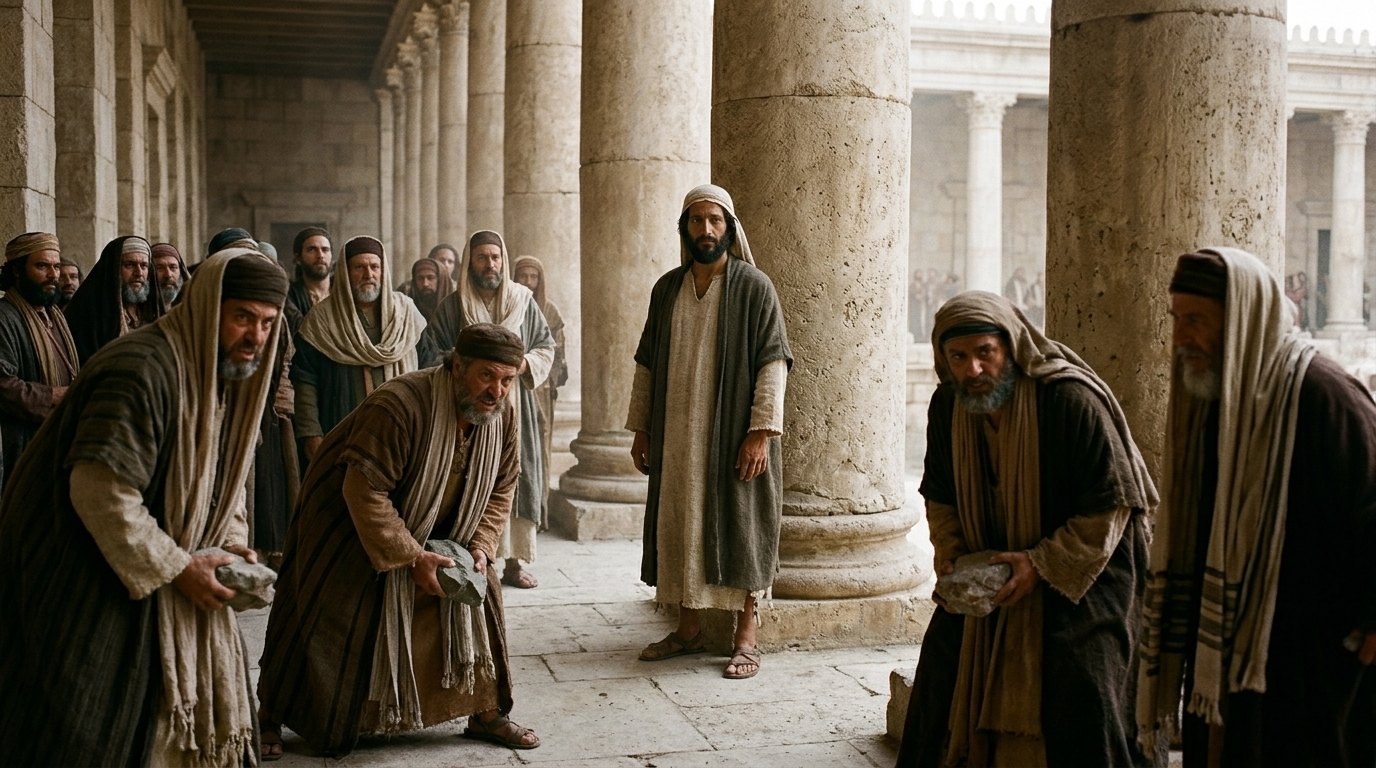
John 10:30-33
30 I and the Father are one.”
31 Again his Jewish opponents picked up stones to stone him,
32 but Jesus said to them, “I have shown you many good works from the Father. For which of these do you stone me?”
33 “We are not stoning you for any good work,” they replied, “but for blasphemy, because you, a mere man, claim to be God.”
New International Version (NIV)
The answer
No. Jesus was a good teacher, but He was far more: He is God the Son, and He claimed to be one with the Father. A merely human teacher who said the things Jesus said would not be simply "good" — he would be a blasphemer, which is exactly the charge His hearers brought.
His claim was unmistakable. When Jesus said, "I and the Father are one" (John 10:30), the Jews took up stones to kill Him, and they explained why: "We don't stone you for a good work, but for blasphemy, because you, being a man, make yourself God" (John 10:33). They understood Him perfectly. Jesus did not correct them by saying they had misunderstood; instead He pointed to His works as evidence from the Father (John 10:32).
The rest of John's Gospel says the same. "In the beginning was the Word, and the Word was with God, and the Word was God" (John 1:1). Jesus told Philip, "he that hath seen me hath seen the Father" (John 14:9), and He claimed eternal existence before Abraham: "Before Abraham was, I am" (John 8:58) — taking the divine name, which is why His hearers again tried to stone Him. He also claimed the honour due to God alone: "That all men should honour the Son, even as they honour the Father" (John 5:23).
His oneness with the Father is not the oneness believers share. John 17:21-23 prays that believers "may be one in us," a unity of fellowship and purpose. But Jesus' claim in John 10:30 provoked a charge of blasphemy precisely because it was a claim to deity, not merely to closeness with God. And Matthew 11:27 shows a unique relationship: no one knows the Father except the Son and those to whom the Son chooses to reveal Him.
So the "good teacher only" option does not fit the evidence. Jesus claimed to be God, and His works backed the claim. The question each person must answer is the one His hearers faced: either He is who He said He is — Lord and God, worthy of the same honour as the Father — or He is not a good teacher at all.
Answered from Scripture · reviewed November 12, 2026
Jesus was undeniably a master teacher, but Scripture closes the door on viewing Him as merely a good moral instructor. By claiming eternal existence, equal honor with the Father, and authority to forgive sins, He claimed to be God in the flesh. If His claims were false He was a deceiver or blasphemer, but because they are true He is Lord and God, demanding our complete worship and trust.
Divine Claims
Jesus Claimed Deity and Absolute Oneness with God
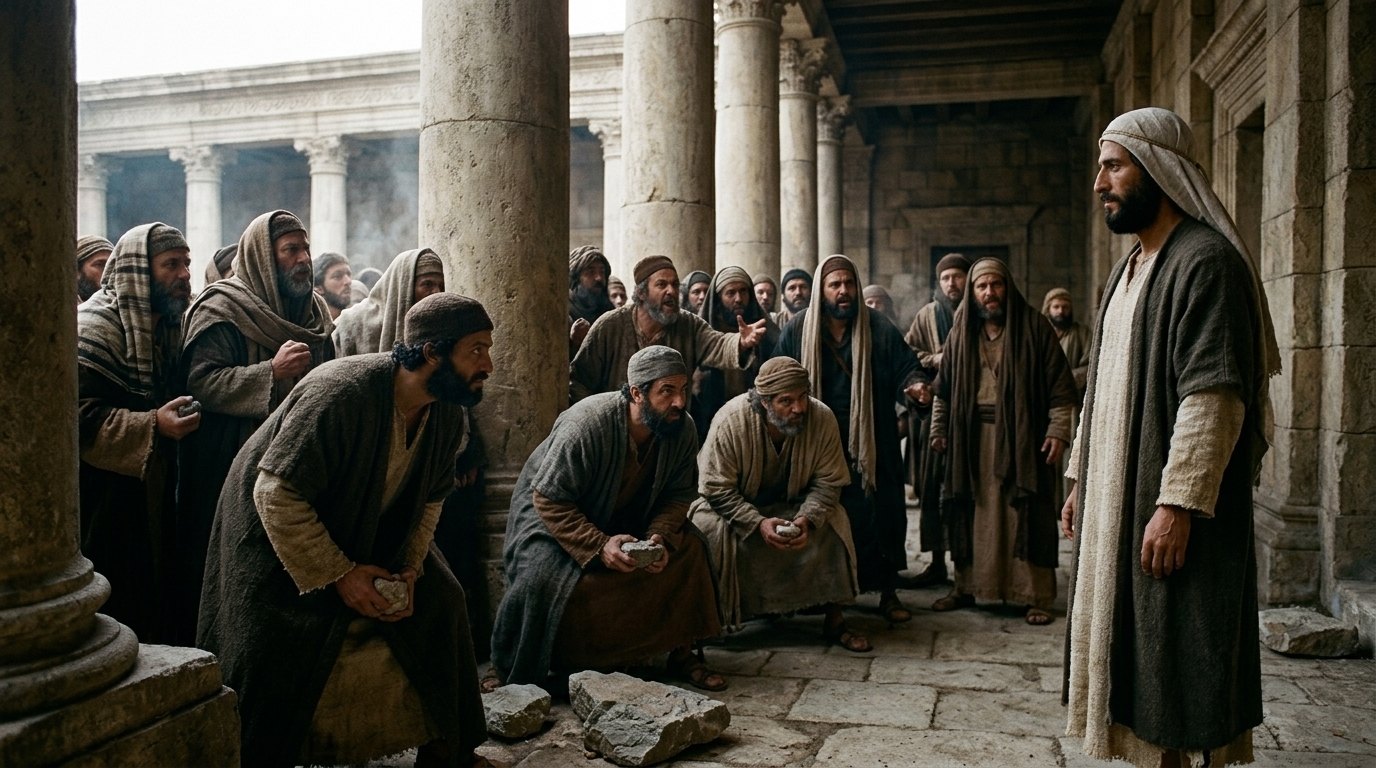
I and the Father are one.”
John 10:30 (NIV)
Jesus explicitly asserts essential unity with the Father, which His hearers immediately identified as making Himself God.
In John 10:30, Jesus states with absolute clarity: "I and the Father are one." This was not an assertion of mere harmony in purpose or sentiment, but an ontological claim to equal deity. His original listeners understood His words without ambiguity; in John 10:31-33, the Jews picked up stones to execute Him for blasphemy, explicitly accusing Him because He, "being a man, makes Himself God." A teacher of mere ethics would have rushed to dismantle such a fatal misunderstanding, yet Christ stood firm upon His assertion.
His self-revelation consistently rooted itself in timeless divinity. In John 8:58, He declared, "Before Abraham was, I AM," appropriating the very covenant name that God unveiled at the burning bush in Exodus 3:14. By doing so, Christ claimed self-existent eternity. When Philip asked to see the Father in John 14:9, Jesus answered, "Whoever has seen me has seen the Father," demonstrating that to behold Christ is to behold God Himself. This unique communion appears in Matthew 11:27, where He proclaims that no one knows the Father except the Son and anyone to whom the Son chooses to reveal Him.
This intimacy stretches back into pre-creation eternity. In John 17:5, Jesus prays on the night of His betrayal: "And now, Father, glorify me in your own presence with the glory that I had with you before the world existed." A mere creature asking to share the radiant, exclusive glory of the Creator would be committing unthinkable sacrilege. Christ asked for it because that glory was rightfully His from all eternity.
| Passage | What it says |
|---|---|
| John 10:30 | Jesus declares that He and the Father are one. |
| John 10:31-33 | The Jews take up stones to stone Jesus for blasphemy because He made Himself God. |
| John 8:58 | Jesus claims eternal existence using the divine name before Abraham existed. |
| John 14:9 | Jesus tells Philip that anyone who has seen Him has seen the Father. |
| Matthew 11:27 | Jesus reveals His exclusive, reciprocal knowledge and relationship with the Father. |
| John 17:5 | Jesus asks to be glorified with the glory He shared with the Father before the world began. |
| Exodus 3:14 | God reveals His covenant name, 'I AM WHO I AM', which Jesus directly invokes in John 8:58. |
Divine Honors
Jesus Claimed Prerogatives Belonging Only to God
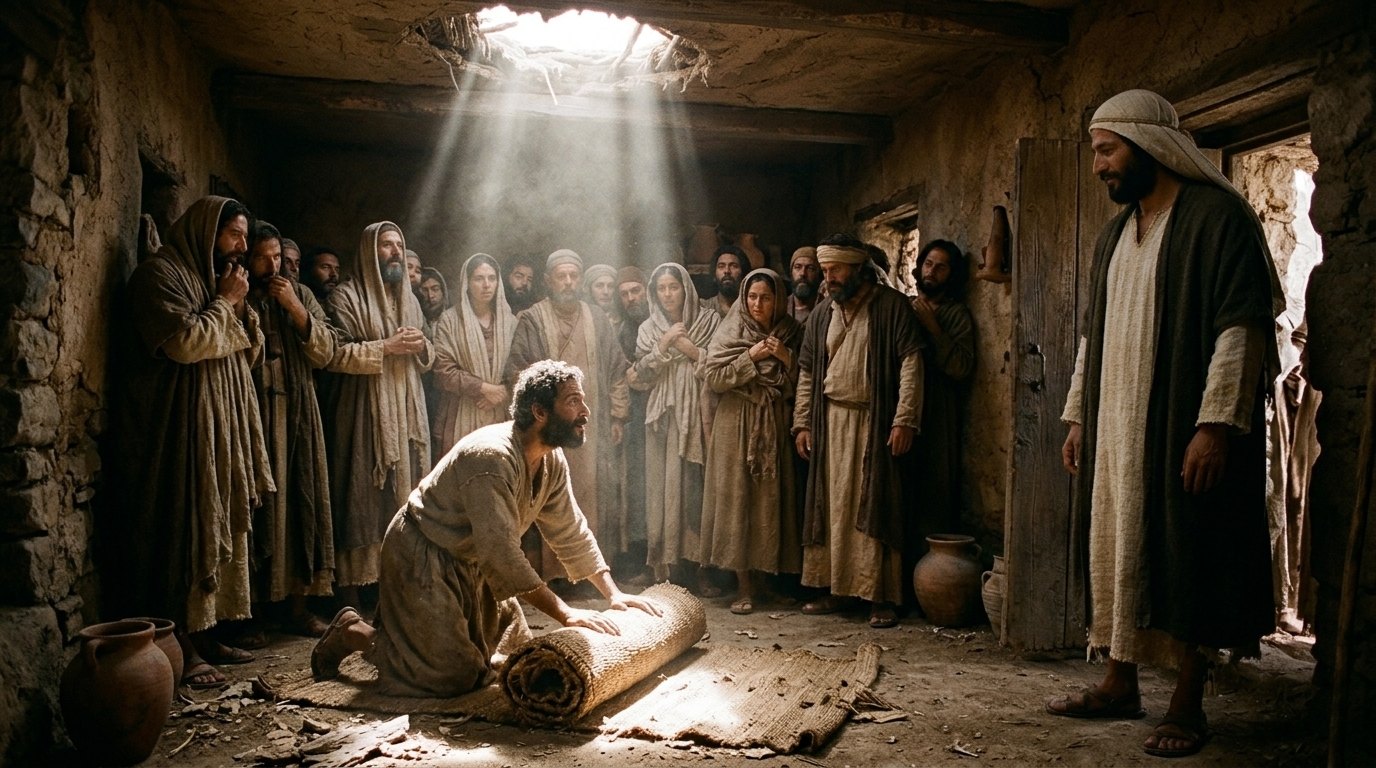
that all may honor the Son just as they honor the Father. Whoever does not honor the Son does not honor the Father, who sent him.
John 5:23 (NIV)
Jesus demands the exact same worship and honor given to God the Father, an impossible claim for a mere creature.
In John 5:23, Jesus demands that all may honor the Son, just as they honor the Father. In monotheistic Judaism, giving any human creature the adoration, trust, and reverence reserved solely for God is the height of idolatry. Yet Christ systematically claimed and exercised the exclusive prerogatives of God Almighty.
Nowhere is this clearer than in His exercise of personal forgiveness. In Mark 2:5-7, when four men lower a paralyzed friend through a roof, Jesus looks at the man and pronounces his sins forgiven. The scribes rightly reason in their hearts that "nobody can forgive sins but God alone." Rather than correcting them, Jesus proves His authority in Matthew 9:2-6 by commanding the paralytic to pick up his bed and walk. In John 5:21-22, He claims both the power to resurrect the dead and the sovereign right to execute all final judgment, roles Scripture assigns only to the Lord.
His mastery over creation further testifies to His divine identity. In Mark 4:39-41, He rebukes wind and sea with a spoken word, causing the terrified disciples to ask who this could be. Later, in Matthew 14:33, after He walks upon the sea, the disciples worship Him in the boat without rebuke. This culminates in John 20:28, where Thomas falls before the risen Christ, crying out, "My Lord and my God!" Jesus receives this worship directly, confirming that His post-resurrection power in Matthew 28:18 encompasses "all authority in heaven and on earth."
| Passage | What it says |
|---|---|
| John 5:23 | Jesus states that all must honor the Son just as they honor the Father. |
| Mark 2:5-7 | Jesus forgives sins directly, which the scribes recognize as a prerogative belonging only to God. |
| Matthew 28:18 | Jesus claims all authority in heaven and on earth has been given unto Him. |
| John 20:28 | Thomas worships the risen Jesus as Lord and God, and Jesus accepts the title. |
| Matthew 9:2-6 | Jesus heals the paralytic to demonstrate His divine authority on earth to forgive sins. |
| John 5:21-22 | Jesus raises the dead and executes all judgment, prerogatives reserved solely for God. |
| Matthew 14:33 | The disciples worship Jesus in the boat as the Son of God, and He receives their worship. |
| Mark 4:39-41 | Jesus calms the storm by personal command, prompting the disciples to ask who commands the elements. |
Apostolic Witness
The Apostles Preached the Incarnate Creator, Not Just a Rabbi

In the beginning was the Word, and the Word was with God, and the Word was God.
John 1:1 (NIV)
John identifies Jesus as the eternal Word who was with God and was God, framing the entire gospel record.
The earliest Christian proclamation never celebrated Jesus as merely an enlightened rabbi; the apostles heralded Him as the uncreated Maker of all things. John 1:1 establishes the foundation: "In the beginning was the Word, and the Word was with God, and the Word was God." John continues in John 1:2-3, affirming that all things were made through Him without exception, before announcing in John 1:14 that this divine Word became flesh and dwelt among us, revealing the unique glory of the Father.
The epistles proclaim this truth with equal vigor. In Colossians 1:15-17, the Apostle Paul declares that in Christ "all things were created, in heaven and on earth," and that "in him all things hold together." In Philippians 2:5-6, Paul explains that Jesus existed from the beginning "in the form of God" and did not consider equality with God a thing to be grasped, yet humbled Himself to the cross. In Hebrews 1:3, the author describes the Son as "the radiance of the glory of God and the exact imprint of his nature," upholding the cosmos by His spoken word.
Scripture explicitly assigns the title 'God' to Jesus. Paul describes the blessed hope in Titus 2:13 as the appearing of "our great God and Savior Jesus Christ," and in Romans 9:5 he designates Christ as "God over all, blessed forever." John concludes his first epistle in 1 John 5:20 by stating that Jesus Christ "is the true God and eternal life." In Hebrews 1:8, God the Father Himself addresses the Son: "Your throne, O God, is forever and ever."
| Passage | What it says |
|---|---|
| John 1:1-3 | The Word was God in the beginning and created all things without exception. |
| John 1:14 | The eternal Word became flesh and dwelt among us, displaying divine glory. |
| Colossians 1:15-17 | Paul proclaims that all things in heaven and earth were created by and for Christ. |
| Philippians 2:5-6 | Paul affirms that Christ existed in the very form of God and possessed divine equality. |
| Hebrews 1:3 | Christ is the exact radiance of God's glory and upholds the universe by His word. |
| Titus 2:13 | Paul refers to Christ as our great God and Savior Jesus Christ. |
| Romans 9:5 | Paul names Christ as God over all, blessed forever. |
| 1 John 5:20 | John identifies Jesus Christ as the true God and eternal life. |
| Hebrews 1:8 | The Father addresses the Son directly, declaring His throne as God is forever and ever. |
The Great Alternative
Jesus Disrupted Mere Flattery to Confront Men with God
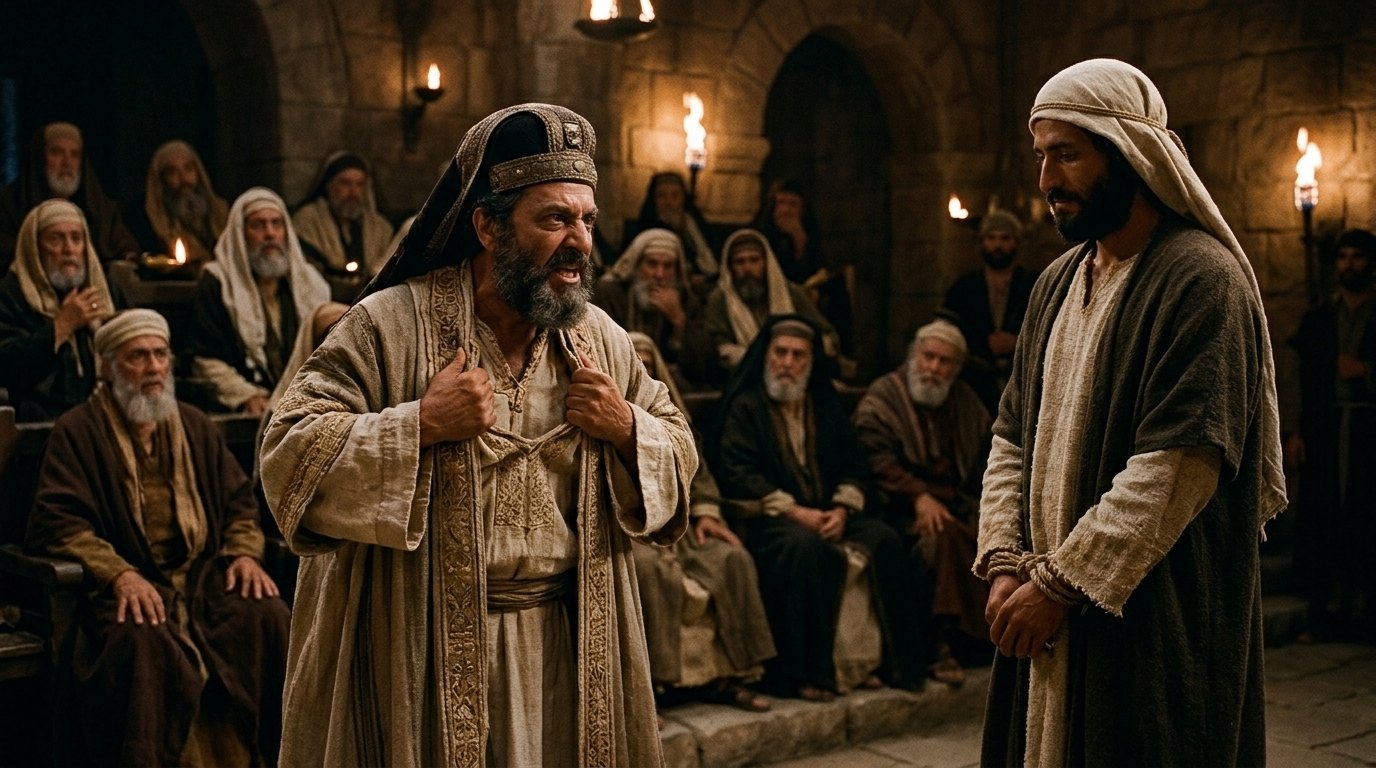
“Why do you call me good?” Jesus answered. “No one is good—except God alone.
Mark 10:18 (NIV)
Jesus explicitly exposes the hollow praise of 'good teacher' to force the question of His divine identity.
In Mark 10:18, when a wealthy young man knelt and greeted Jesus as 'Good Teacher,' Christ immediately disrupted the casual flattery: "Why do you call me good? No one is good except God alone." Far from denying His own deity, Jesus was dismantling the man's superficial categories. He forced the inquirer to reckon with the reality that if Jesus was truly good, He was not merely an exceptional teacher—He was God Himself incarnate.
Throughout His earthly ministry, Jesus spoke with a sovereign certainty that astonished the people. In Matthew 7:28-29, the crowds at the conclusion of the Sermon on the Mount were astounded because He taught "as one who had authority, and not as their scribes." The religious scribes quoted traditional rabbinic precedents, but Jesus declared, "Truly, truly, I say to you." In John 7:46, when temple guards were dispatched to arrest Him, they returned empty-handed, confessing to the chief priests: "No one ever spoke like this man!"
The critical turning point occurred under solemn judicial oath. In Matthew 26:63-65, the high priest Caiaphas adjured Him by the living God to declare whether He was the Christ, the Son of God. Jesus replied, "You have said so," and announced that they would see the Son of Man seated at the right hand of Power. The high priest tore his robes, declaring further witnesses unnecessary because Christ had claimed divine majesty. By His own testimony, Jesus closed every door to treating Him merely as a good teacher.
| Passage | What it says |
|---|---|
| Mark 10:17-18 | Jesus redirects the rich young ruler, showing that true goodness belongs exclusively to God. |
| Matthew 7:28-29 | The crowds marvel because Jesus taught with inherent divine authority, unlike their scribes. |
| John 7:46 | The temple officers admit that no human being ever spoke the way Jesus spoke. |
| Matthew 26:63-65 | Jesus affirms His identity as the Christ and Son of God under oath before the Sanhedrin. |
Where in the Bible
| Book | Passages |
|---|---|
| Exodus | 1 · Exodus 3:14 |
| Matthew | 6 · Matthew 11:27, Matthew 28:18, Matthew 9:2-6, Matthew 14:33, Matthew 7:28-29, Matthew 26:63-65 |
| Mark | 3 · Mark 2:5-7, Mark 4:39-41, Mark 10:17-18 |
| John | 11 · John 10:30, John 10:31-33, John 8:58, John 14:9, John 17:5, John 5:23, John 20:28, John 5:21-22, John 1:1-3, John 1:14, John 7:46 |
| Romans | 1 · Romans 9:5 |
| Philippians | 1 · Philippians 2:5-6 |
| Colossians | 1 · Colossians 1:15-17 |
| Titus | 1 · Titus 2:13 |
| Hebrews | 2 · Hebrews 1:3, Hebrews 1:8 |
| 1 John | 1 · 1 John 5:20 |
The story in order
- God reveals His name (c. 1450 BC) · Exodus 3:14 · God's covenant name 'I AM' is later invoked by Jesus.
- Jesus claims to be God (c. AD 30) · John 10:30 · Jesus declares His oneness with the Father.
- Jesus claims eternal existence (c. AD 30) · John 8:58 · Jesus uses the divine name before Abraham existed.
- Jesus claims divine authority (c. AD 30) · Matthew 28:18 · Jesus claims all authority in heaven and on earth.
- Jesus forgives sins (c. AD 30) · Mark 2:5-7 · Scribes recognize this as a prerogative of God.
- Jesus is worshipped as God (c. AD 30) · John 20:28 · Thomas worships the risen Jesus as Lord and God.
- The Word becomes flesh (c. AD 30) · John 1:14 · The eternal Word, who is God, becomes human.
- Christ created all things (c. AD 60) · Colossians 1:15-17 · Paul proclaims Christ as Creator and sustainer.
- Christ is God over all (c. AD 65) · Titus 2:13 · Paul calls Christ our great God and Savior.
- Jesus is the true God (c. AD 90) · 1 John 5:20 · John identifies Jesus Christ as the true God.
Key words
- I AM (ʼehyeh ʼašer ʼehyeh, אֶהְיֶה אֲשֶׁר אֶהְיֶה)
- The divine name of God, signifying eternal existence and self-sufficiency. · Exodus 3:14
- One (heis, εἷς)
- Indicating unity in essence and purpose between Jesus and the Father. · John 10:30
- Blasphemy (blasphemia, βλασφημία)
- Speaking irreverently or profanely about God, especially by claiming divine attributes. · John 10:33
- Authority (exousia, ἐξουσία)
- The right and power to command, enforce obedience, and make judgments. · Matthew 28:18
- Honor (timē, τιμή)
- To give due respect, reverence, and worship, ascribing worth. · John 5:23
- Lord (kyrios, κύριος)
- A title of sovereignty, deity, and supreme authority. · John 20:28
- God (theos, θεός)
- The supreme being, creator, and ruler of the universe. · John 20:28
- Word (Logos, Λόγος)
- The eternal Son of God, through whom all creation came into being. · John 1:1
Reducing Jesus to a merely human teacher denies His explicit claims and strips the gospel of its power to save. The historical witness of the New Testament leaves no neutral middle ground: either Jesus committed blasphemy worthy of death, or He is God incarnate who rose from the dead. Trusting Him as Lord and Savior is the only rational and faithful response to the text.
28 passages, each cited once.
Scripture cited
- John 10:30-33
- John 1:1-2
- John 14:9
- John 17:21-23
- John 5:23
- John 8:58
- Matthew 11:27
- John 10:30-39
- John 1:14-18