What does Ephesians 2:8-9 mean?

Ephesians 2:1-10
1 As for you, you were dead in your transgressions and sins,
2 in which you used to live when you followed the ways of this world and of the ruler of the kingdom of the air, the spirit who is now at work in those who are disobedient.
3 All of us also lived among them at one time, gratifying the cravings of our flesh and following its desires and thoughts. Like the rest, we were by nature deserving of wrath.
4 But because of his great love for us, God, who is rich in mercy,
5 made us alive with Christ even when we were dead in transgressions—it is by grace you have been saved.
6 And God raised us up with Christ and seated us with him in the heavenly realms in Christ Jesus,
7 in order that in the coming ages he might show the incomparable riches of his grace, expressed in his kindness to us in Christ Jesus.
8 For it is by grace you have been saved, through faith—and this is not from yourselves, it is the gift of God—
9 not by works, so that no one can boast.
10 For we are God’s handiwork, created in Christ Jesus to do good works, which God prepared in advance for us to do.
New International Version (NIV)
The answer
Ephesians 2:8-9 teaches that salvation is entirely God's gift, received by grace through faith, never earned by our works — so that no one can boast.
The context: dead people made alive
The verses sit inside a paragraph about what God has done for the helpless. Ephesians 2:1 says we were "dead in transgressions and sins," and Ephesians 2:3 adds that we were "by nature children of wrath." Then comes the turning point: "But God, being rich in mercy, for his great love with which he loved us, even when we were dead through our trespasses, made us alive together with Christ" (Ephesians 2:4-5). Dead people do not contribute to their own resurrection. That picture governs verses 8-9.
Phrase by phrase
- "By grace you have been saved": Grace (Greek charis) is God's free, undeserved favour. "Saved" is a perfect passive verb — a completed rescue done to us, not by us, with lasting effect. Paul already said it in Ephesians 2:5: "by grace you have been saved."
- "Through faith": Faith (pistis, trust in Christ) is the channel, not the cause. God's righteousness comes "by faith of Jesus Christ unto all and upon all them that believe" (Romans 3:22). Salvation is "of faith, that it might be by grace" (Romans 4:16) — faith and grace fit together precisely because faith earns nothing; it simply receives.
- "And that not of yourselves; it is the gift of God": The whole of salvation — and the faith that receives it — does not originate in us. A gift (dōron) is given, not achieved. Faith itself comes from outside us: "faith cometh by hearing, and hearing by the word of God" (Romans 10:17).
- "Not of works": No moral effort, religious duty or law-keeping purchases salvation. This matches the rest of Scripture: we are saved by believing and confessing Christ, not by performance (Romans 10:9-10), and become God's children by receiving Him, not by human will or descent (John 1:12-13).
- "That no one would boast": This is God's purpose in saving by grace alone. If any part came from us, we could claim credit; since none does, all glory goes to Him.
Works still matter — as fruit, not root
The very next verse guards against misunderstanding: "For we are his workmanship, created in Christ Jesus for good works, which God prepared before that we would walk in them" (Ephesians 2:10). We are not saved by good works, but we are saved for them. Good works are the evidence and result of new life, never its price.
What it means for us
Stop trying to earn what God gives freely. Receive Christ by faith, rest in His finished work rather than your record, and let gratitude — not pride or fear — produce the good works God has prepared.
Answered from Scripture · reviewed November 11, 2026
Ephesians 2:8-9 stands at the heart of the New Testament's proclamation that salvation is entirely God's unearned gift received through faith rather than personal merit. By anchoring deliverance in divine grace, the Apostle Paul strips away all human boasting and provides an unshakable assurance that rests solely on the finished work of Jesus Christ. Understanding these twin verses unlocks the entire biblical gospel, showing how sinners dead in sin are made alive and set free to serve.
Unmerited Favor
Salvation Originates Entirely in the Grace of God
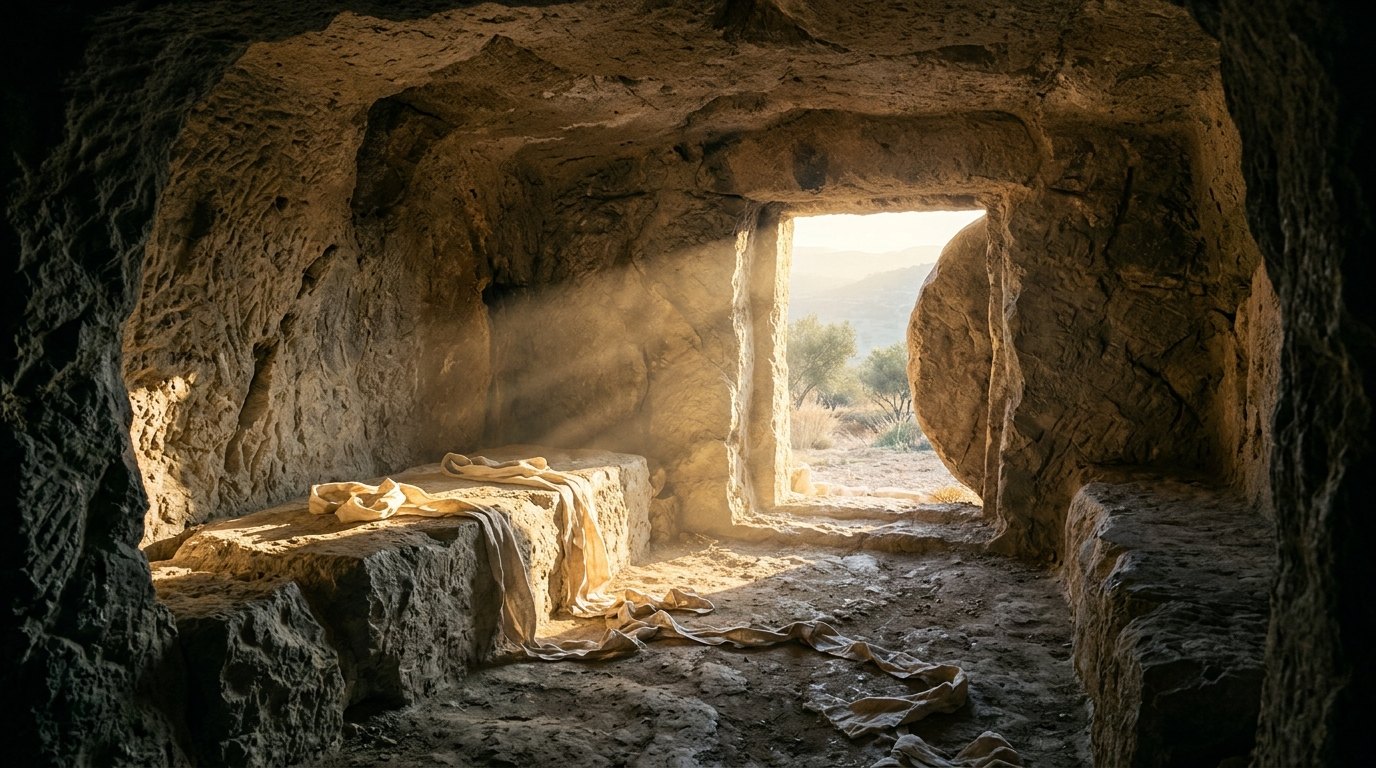
For it is by grace you have been saved, through faith—and this is not from yourselves, it is the gift of God—
Ephesians 2:8 (NIV)
It declares definitively that divine grace is the solitary origin and ground of human salvation.
Paul anchors human redemption not in personal virtue or religious achievement, but entirely in the sovereign favor of God: "For by grace you have been saved through faith, and this is not your own doing; it is the gift of God" (Ephesians 2:8). Grace is unmerited, unilateral kindness shown to those who possess no claim on divine benevolence. Left to ourselves, humanity is not merely sick, weakened, or wandering; according to Ephesians 2:1, every person is naturally "dead in trespasses and sins," wholly incapable of generating spiritual life or escaping divine wrath.
God’s response to this utter ruin arises entirely from within his own character. As Paul writes, God is "rich in mercy" and motivated by "the great love with which he loved us" (Ephesians 2:4). Even while we were spiritually dead, he made us alive together with Christ, establishing once and for all that "by grace you have been saved" (Ephesians 2:5). Human effort plays no role in initiating or securing this resurrection.
This absolute contrast between divine kindness and human endeavor runs throughout the apostolic witness. In Titus 3:5, Paul insists that God saved us "not because of works done by us in righteousness, but according to his own mercy." To blend human merit with divine favor destroys the very definition of the gospel; as Romans 11:6 warns, if salvation were based on works, "grace would no longer be grace." Before time began, God determined to deliver his people according to his sovereign purpose and unearned favor rather than any foreseen moral record (2 Timothy 1:9). Salvation begins, continues, and concludes in the absolute grace of God.
| Passage | What it says |
|---|---|
| Ephesians 2:1 | Affirms that all people are naturally dead in trespasses and sins before God intervenes. |
| Ephesians 2:4 | Identifies God's rich mercy and great love as the sole motivation for saving sinners. |
| Ephesians 2:5 | Reiterates that God made believers alive together with Christ purely by his grace. |
| Ephesians 2:8 | States plainly that believers are saved by grace through faith as God's gift. |
| Titus 3:5 | Confirms salvation occurs according to divine mercy rather than human righteous deeds. |
| Romans 11:6 | Grace and works are mutually exclusive grounds for salvation; grace ceases to be grace if it is merited. |
| 2 Timothy 1:9 | God saves and calls believers not according to their works, but according to his own purpose and grace given before time began. |
The Instrument
Faith Receives the Free Gift of Deliverance
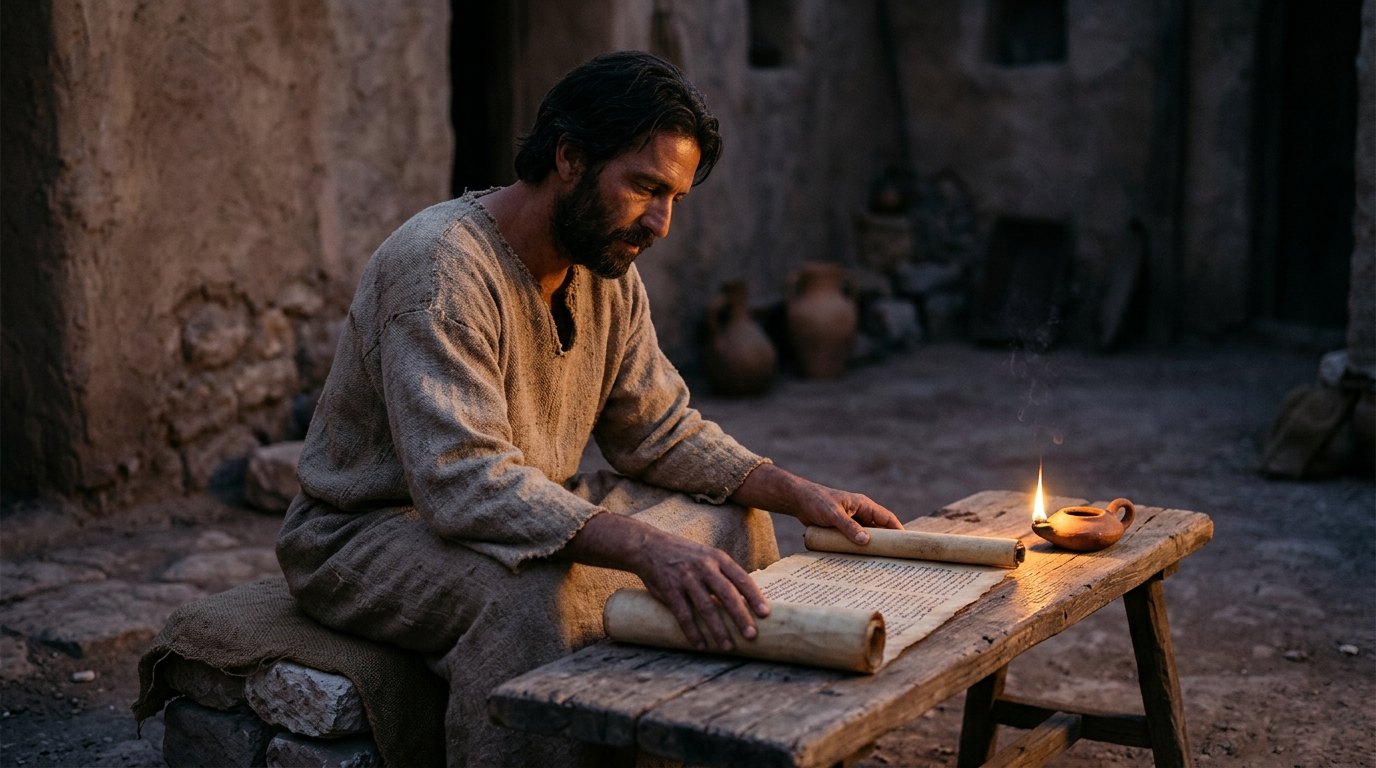
Therefore, the promise comes by faith, so that it may be by grace and may be guaranteed to all Abraham’s offspring—not only to those who are of the law but also to those who have the faith of Abraham. He is the father of us all.
Romans 4:16 (NIV)
It explains that salvation depends on faith so that the promise rests securely upon grace.
The gift of salvation is received solely through the instrument of faith: "That is why it depends on faith, in order that the promise may rest on grace and be guaranteed" (Romans 4:16). Faith is not a meritorious work, a currency with which sinners buy God's favor, or a righteous deed that compensates for past guilt. Rather, faith is the empty hand that receives what Christ has accomplished, ensuring that salvation remains entirely an act of unmerited mercy from beginning to end.
To all who receive him by believing in his name, Christ gives the right to become children of God (John 1:12). This new birth does not originate from human bloodlines, bodily desire, or the will of man, but exclusively from God (John 1:13). As Romans 3:22 affirms, the very righteousness of God is credited "through faith in Jesus Christ for all who believe." Faith looks away from self and rests wholly on the crucified and risen Savior. Romans 10:9–10 declares that if you confess with your mouth that Jesus is Lord and believe in your heart that God raised him from the dead, you will be saved; with the heart one believes and is justified, and with the mouth one confesses and is saved.
Even this instrument of trust is not a natural product of autonomous human ability. Saving faith arises directly from hearing the proclaimed word of Christ (Romans 10:17). Scripture reveals that the ability to trust Jesus is itself granted to believers on his behalf (Philippians 1:29). Genuine biblical faith is the settled conviction of unseen divine realities and the confident assurance of what God has promised (Hebrews 11:1).
| Passage | What it says |
|---|---|
| John 1:12 | Declares that everyone who receives Christ by believing on his name becomes God's child. |
| John 1:13 | Explains that spiritual rebirth does not originate from human will or effort but from God. |
| Romans 3:22 | Affirms God's righteousness comes through faith in Jesus Christ to all who believe. |
| Romans 4:16 | Demonstrates that the inheritance is by faith so the promise remains guaranteed by grace. |
| Romans 10:9 | Promises salvation to whoever confesses Jesus as Lord and believes God raised him. |
| Romans 10:10 | Explains that believing with the heart results in righteousness and verbal confession brings salvation. |
| Romans 10:17 | Reveals that saving faith arises directly from hearing the proclaimed word of Christ. |
| Philippians 1:29 | Believing on Christ is granted by God as a gracious gift rather than generated by human merit. |
| Hebrews 11:1 | Faith is the confident assurance of things hoped for and the conviction of unseen divine realities. |
No Self-Righteousness
Excluding Works Silences All Human Boasting
not by works, so that no one can boast.
Ephesians 2:9 (NIV)
It decisively bars human works from the ground of salvation to eliminate all human pride.
Paul excludes human achievement with absolute finality: salvation is "not a result of works, so that no one may boast" (Ephesians 2:9). Because redemption was accomplished entirely through the blood of Jesus, God has barred any possibility of human self-congratulation. If salvation were earned through moral conformity, ceremonial obedience, or personal piety, the redeemed could parade their achievements before heaven. The gospel dismantles every shred of self-righteousness by declaring that sinners are justified freely by grace through the redemption that is in Christ Jesus (Romans 3:24).
Paul asks the piercing question: "Where then is boasting? It is excluded. By what kind of law? By a law of works? No, but by the law of faith" (Romans 3:27). Scripture holds that a person is justified by faith apart from the works of the law (Romans 3:28). Even Abraham, the father of the faithful, had no ground for boasting before God; if he had been justified by his own deeds, he might have claimed honor before men, but never before the Almighty (Romans 4:2). When a person works, wages are counted as an obligation, but to the one who does not work but trusts him who justifies the ungodly, his faith is counted as righteousness (Romans 4:4).
God’s redemptive purpose purposefully chooses the weak and the foolish "so that no human being might boast in the presence of God" (1 Corinthians 1:29). Legalism is thoroughly silenced; a person is justified not by the works of the law but through faith in Jesus Christ (Galatians 2:16). All pride dissolves at the foot of the cross, leaving only one permissible proclamation: "Let the one who boasts, boast in the Lord" (1 Corinthians 1:31).
| Passage | What it says |
|---|---|
| Romans 3:24 | Establishes that sinners are justified freely by grace through the redemption in Jesus. |
| Romans 3:27 | Asks where boasting remains and answers that it is excluded by the principle of faith. |
| Romans 3:28 | Concludes that a person is justified by faith completely apart from works of law. |
| Romans 4:2 | Notes that if Abraham had been justified by works he would have had grounds to boast. |
| Ephesians 2:9 | Precludes works from salvation so that no individual may boast before God. |
| 1 Corinthians 1:29 | Affirms God's sovereign saving design prevents any human being from boasting in his presence. |
| 1 Corinthians 1:31 | Commands that whoever boasts must boast solely in what the Lord has accomplished. |
| Romans 4:4 | Wages counted for work done are an obligation, but salvation is counted entirely of grace. |
| Galatians 2:16 | A person is justified by faith in Jesus Christ and not by the works of the law. |
Fruitful Purpose
Good Works Are the Fruit Rather Than the Root

For we are God’s handiwork, created in Christ Jesus to do good works, which God prepared in advance for us to do.
Ephesians 2:10 (NIV)
It links salvation by grace directly to a transformed life created purposefully for good works.
While works contribute nothing to the ground of justification, they are the necessary and intended fruit of saving grace: "For we are his workmanship, created in Christ Jesus for good works, which God prepared beforehand, that we should walk in them" (Ephesians 2:10). The Greek term for "workmanship" (poiēma) points to believers as a new creation, expertly fashioned by God. We are not saved by good works, but we are unequivocally saved for good works. Grace does not produce passive indifference; it produces active obedience and holiness.
Jesus gave himself for us not only to pardon our transgressions, but to "redeem us from all lawlessness and to purify for himself a people for his own possession who are zealous for good works" (Titus 2:14). Pastors and leaders are charged to insist on the doctrines of grace so that those who have believed in God will be careful to devote themselves to doing good (Titus 3:8). When faith is genuine, it inevitably breathes and acts; as James 2:17 warns, faith that does not produce visible works is dead and barren.
Good works are the outward display of inward transformation. Jesus instructed his disciples to let their light shine before others so that people would see their good deeds and glorify their Father in heaven (Matthew 5:16). Believers do not labor in their own strength to maintain their standing before God; rather, it is God who works within them, both to will and to work for his good pleasure (Philippians 2:13). Good works are the grateful harvest of a heart made alive by the gospel.
| Passage | What it says |
|---|---|
| Ephesians 2:10 | Defines believers as God's workmanship created in Christ Jesus for previously prepared good works. |
| Titus 2:14 | Declares Christ gave himself to redeem and purify a people eager to do good. |
| Titus 3:8 | Urges those who trust in God to be careful to devote themselves to doing good. |
| James 2:17 | Shows that genuine living faith naturally expresses its reality through active, obedient deeds. |
| Matthew 5:16 | Believers perform visible good works so that onlookers will glorify the Father in heaven. |
| Philippians 2:13 | God actively works within believers both to will and to work for his good pleasure. |
Where in the Bible
| Book | Passages |
|---|---|
| Matthew | 1 · Matthew 5:16 |
| John | 2 · John 1:12, John 1:13 |
| Romans | 11 · Romans 11:6, Romans 3:22, Romans 4:16, Romans 10:9, Romans 10:10, Romans 10:17, Romans 3:24, Romans 3:27, Romans 3:28, Romans 4:2, Romans 4:4 |
| 1 Corinthians | 2 · 1 Corinthians 1:29, 1 Corinthians 1:31 |
| Galatians | 1 · Galatians 2:16 |
| Ephesians | 6 · Ephesians 2:1, Ephesians 2:4, Ephesians 2:5, Ephesians 2:8, Ephesians 2:9, Ephesians 2:10 |
| Philippians | 2 · Philippians 1:29, Philippians 2:13 |
| 2 Timothy | 1 · 2 Timothy 1:9 |
| Titus | 3 · Titus 3:5, Titus 2:14, Titus 3:8 |
| Hebrews | 1 · Hebrews 11:1 |
| James | 1 · James 2:17 |
The story in order
- God's eternal purpose and grace (c. 100 BC) · 2 Timothy 1:9 · Salvation originates in God's plan before time, not human actions.
- Abraham justified by faith (c. 2000 BC) · Romans 4:2 · Abraham's faith, not works, was credited as righteousness.
- Jesus' redemptive work (AD 30) · Romans 3:24 · Justification is a free gift through Christ's redemption.
- Believers made alive by grace (c. AD 60) · Ephesians 2:5 · God's grace, not human effort, brings spiritual life.
- Faith as assurance (c. AD 60) · Hebrews 11:1 · Defines faith as confidence in unseen divine realities.
- Believers created for good works (c. AD 60) · Ephesians 2:10 · Good works are the intended result of salvation, not its cause.
- Christ redeems a people for good deeds (c. AD 65) · Titus 2:14 · Christ's sacrifice purifies believers to be eager for good.
- Faith expressed through deeds (c. AD 45) · James 2:17 · Living faith is demonstrated by obedient actions.
Salvation: Grace vs. Works
| Basis of Salvation | Excludes Human Boasting | Passage |
|---|---|---|
| By grace through faith | Yes | Ephesians 2:8-9 |
| By works of law | Yes | Romans 3:28 |
| By grace alone | Yes | Romans 11:6 |
| By works | Yes | Romans 4:2 |
The Sequence of Salvation and Good Works
| Divine Action | Human Response | Resulting Works | Passage |
|---|---|---|---|
| God's mercy and love save (Eph 2:4) | Believers receive Christ (John 1:12) | Created for good works (Eph 2:10) | Ephesians 2:4-10 |
| God justifies freely by grace (Rom 3:24) | Believing with the heart (Rom 10:10) | Eager to do good (Titus 2:14) | |
| God gives purpose and grace (2 Tim 1:9) | Faith comes by hearing (Rom 10:17) | Devote to doing good (Titus 3:8) |
Key words
- Grace (charis, χάρις)
- God's unmerited favor and divine assistance given freely to sinners. · Ephesians 2:8
- Faith (pistis, πίστις)
- Confident trust and belief in God's promises and the person of Jesus Christ. · Ephesians 2:8
- Gift (dōrea, δωρεά)
- Something given freely, not earned or deserved, highlighting salvation's unmerited nature. · Ephesians 2:8
- Boasting (kauchaomai, καυχάομαι)
- Excessive pride or self-congratulation, excluded by salvation through grace. · Ephesians 2:9
- Works (erga, ἔργα)
- Human actions or deeds, particularly those intended to earn merit or righteousness. · Ephesians 2:9
Resting in Ephesians 2:8-9 means you can lay down the exhausting pursuit of trying to earn God's favor and simply receive his lavish grace in Christ. Because your salvation was bought entirely at the cross and bestowed as an unearned gift, your security is as permanent as God's love. Walk forward in humble freedom, knowing your life is now his workmanship, created afresh to bear fruit that brings him eternal glory.
31 passages, each cited once.
How the major Christian traditions read this
All major Christian traditions confess together that salvation is entirely a gift of God's unmerited grace in Christ Jesus, received through faith and not earned by human merits or works (Ephesians 2:8-9).
Catholic
We hold that initial justification is an entirely unmerited gift of grace through faith in Christ Jesus, just as Ephesians 2:8-9 teaches. No prior work can earn God's forgiveness. However, grace transforms the soul, infusing the theological virtues so that faith works through love (Galatians 5:6). While our initial standing before God is solely a gift, subsequent works performed in grace truly please God and are rewarded by Him (James 2:24; Romans 2:6-7). Good works do not buy salvation, but through them the Christian grows in righteousness and remains in Christ's saving grace.
Scripture: Ephesians 2:8-9, Galatians 5:6, James 2:24, Romans 2:6-7
Orthodox
We read Ephesians 2:8-9 as declaring that our redemption originates solely in the boundless mercy and grace of God, not in any legal transaction or human merit. Salvation is a living journey of theosis—becoming partakers of the divine nature (2 Peter 1:4). Faith is not merely mental assent or an imputed status, but a continuous life of faithfulness working by love (Galatians 5:6). We are saved by grace through faith, and this grace calls us into active synergy with God, where our works manifest the living presence of the Holy Spirit (James 2:22).
Scripture: Ephesians 2:8-9, 2 Peter 1:4, Galatians 5:6, James 2:22
Lutheran
We proclaim sola gratia and sola fide: a person is justified entirely by God's grace alone through faith alone on account of Christ alone, without any deeds of the law (Romans 3:28). Ephesians 2:8-9 teaches that faith is not a human effort or choice, but entirely the work and gift of the Holy Spirit through the means of grace (Romans 10:17). Good works cannot justify or preserve our standing before God; they are the inevitable and joyous fruit that naturally flows from a justified heart (Ephesians 2:10). We distinguish strictly between Law and Gospel to preserve the absolute freeness of Christ's promise.
Scripture: Ephesians 2:8-10, Romans 3:28, Romans 10:17, Ephesians 2:8-9, Ephesians 2:10
Reformed & Presbyterian
We affirm that salvation is by sovereign, monergistic grace alone through faith alone. Because fallen man is spiritually dead in trespasses and sins (Ephesians 2:1), no one can choose God until the Holy Spirit regenerates the heart through an effectual call (John 6:44). Thus, the faith spoken of in Ephesians 2:8 is itself the unmerited gift of God granted to His elect. Good works contribute nothing to our justification (Romans 4:5); they serve as the necessary fruit and evidence of true faith, prepared beforehand by God for us to walk in them (Ephesians 2:10).
Scripture: Ephesians 2:1, Ephesians 2:8-10, John 6:44, Romans 4:5, Ephesians 2:8
Anglican & Episcopal
We hold firmly that we are accounted righteous before God only for the merit of our Lord and Saviour Jesus Christ by faith, and not for our own works or deservings (Romans 5:1). Ephesians 2:8-9 reveals the absolute priority of divine grace. Good works do not possess the power to put away sins or endure the severity of God's judgment, yet they are pleasing and acceptable to God in Christ as the natural, living fruits of a lively faith (James 2:17). Grace initiates, sustains, and brings to completion our salvation in Christ.
Scripture: Ephesians 2:8-9, Romans 5:1, James 2:17
Baptist
We believe that salvation is entirely of grace through faith in the finished work of Jesus Christ, completely apart from human deeds, rituals, or ordinances (Titus 3:5). Ephesians 2:8-9 shows that even the faith by which we receive Christ is a divine gift wrought in our hearts by the Holy Spirit through the Word (Romans 10:17). Baptism and good works are never means of obtaining salvation; rather, they are the joyful obedience and public testimony of a believer who has already been justified and made alive in Christ (Ephesians 2:10).
Scripture: Ephesians 2:8-10, Titus 3:5, Romans 10:17, Ephesians 2:8-9, Ephesians 2:10
Methodist & Wesleyan
We proclaim that salvation is entirely by grace through faith, beginning with prevenient grace that goes before us to awaken our spiritually dead hearts (John 1:9). In Ephesians 2:8-9, Paul shows that justification is God's free pardon granted to the believer purely for Christ's sake, without relying on our own merit (Romans 3:24). This faith, however, must actively work through love (Galatians 5:6). While works never earn pardon, living faith inevitably bears fruit in practical holiness and loving obedience, leading on to entire sanctification by the Spirit (1 Thessalonians 5:23).
Scripture: Ephesians 2:8-9, John 1:9, Romans 3:24, Galatians 5:6, 1 Thessalonians 5:23
Pentecostal & Charismatic
We joyfully hold that salvation is the supernatural gift of God, received by grace through personal faith in Jesus Christ and His shed blood (Romans 10:9-10). Ephesians 2:8-9 cuts away all human boasting and religious self-reliance. New life begins with spiritual rebirth when the Holy Spirit breathes life into a repentant sinner (Titus 3:5). From this initial work of saving grace, we are called to be empowered by the Spirit, displaying both the holy fruit of obedience and the supernatural gifts of the Spirit for building up the church (Acts 1:8; Galatians 5:22-23).
Scripture: Ephesians 2:8-9, Romans 10:9-10, Titus 3:5, Acts 1:8, Galatians 5:22-23
Non-denominational & Evangelical
We teach that Ephesians 2:8-9 is the foundational truth of the gospel: we are saved by grace alone through faith alone in Christ alone, completely independent of human merit, religious tradition, or personal effort (Romans 11:6). Salvation is a free gift received the moment an individual trusts Jesus as Lord and Savior (John 3:16). Good works do not save us, but as Ephesians 2:10 shows, we are saved in order to do good works. Genuine faith will always produce a changed life of joyful obedience to God.
Scripture: Ephesians 2:8-10, Romans 11:6, John 3:16, Ephesians 2:8-9, Ephesians 2:10
Where they differ
The role of works in relation to salvation
- Catholic
- Merits increase of grace and final salvation when done in Christ.
- Orthodox
- Cooperates with grace in the continuous journey of theosis.
- Lutheran
- Exclusively fruit and evidence; never justifies or preserves salvation.
- Reformed & Presbyterian
- Necessary fruit and evidence flowing from monergistic justification alone.
- Anglican & Episcopal
- Pleasing fruits of a living faith that never earn pardon.
- Baptist
- Outward evidence and obedience, completely excluded from our justification.
- Methodist & Wesleyan
- Essential fruits of living faith necessary for continual sanctification.
- Pentecostal & Charismatic
- Evidence of a transformed life empowered by the Holy Spirit.
- Non-denominational & Evangelical
- Result of being saved, bearing no part in securing salvation.
Scripture: Ephesians 2:8-10, James 2:24, Romans 3:28
How saving faith is received and exercised
- Catholic
- Received in baptism and freely assented to through cooperant grace.
- Orthodox
- Synergistic response of human will aided by uncreated grace.
- Lutheran
- Created solely by the Holy Spirit through Word and sacraments.
- Reformed & Presbyterian
- Given irresistibly by sovereign grace to the elect alone.
- Anglican & Episcopal
- Given by God's grace enabling the sinner to trust Christ.
- Baptist
- Gift of God wrought by the Spirit through hearing Scripture.
- Methodist & Wesleyan
- Enabled by prevenient grace, which human will can freely resist.
- Pentecostal & Charismatic
- Received through repentance and trusting Christ under the Spirit's conviction.
- Non-denominational & Evangelical
- Personal trust in Christ sparked by the Gospel and Holy Spirit.
Scripture: Ephesians 2:8, Romans 10:17, John 6:44
Your pastor can tell you where your church stands.
Scripture cited
- Ephesians 2:8-9
- Romans 3:22-26
- Ephesians 2:5
- Romans 4:16
- John 1:12-13
- Romans 10:17
- Romans 10:9-10
- Ephesians 2:1-10