What does 'Gentile' mean?
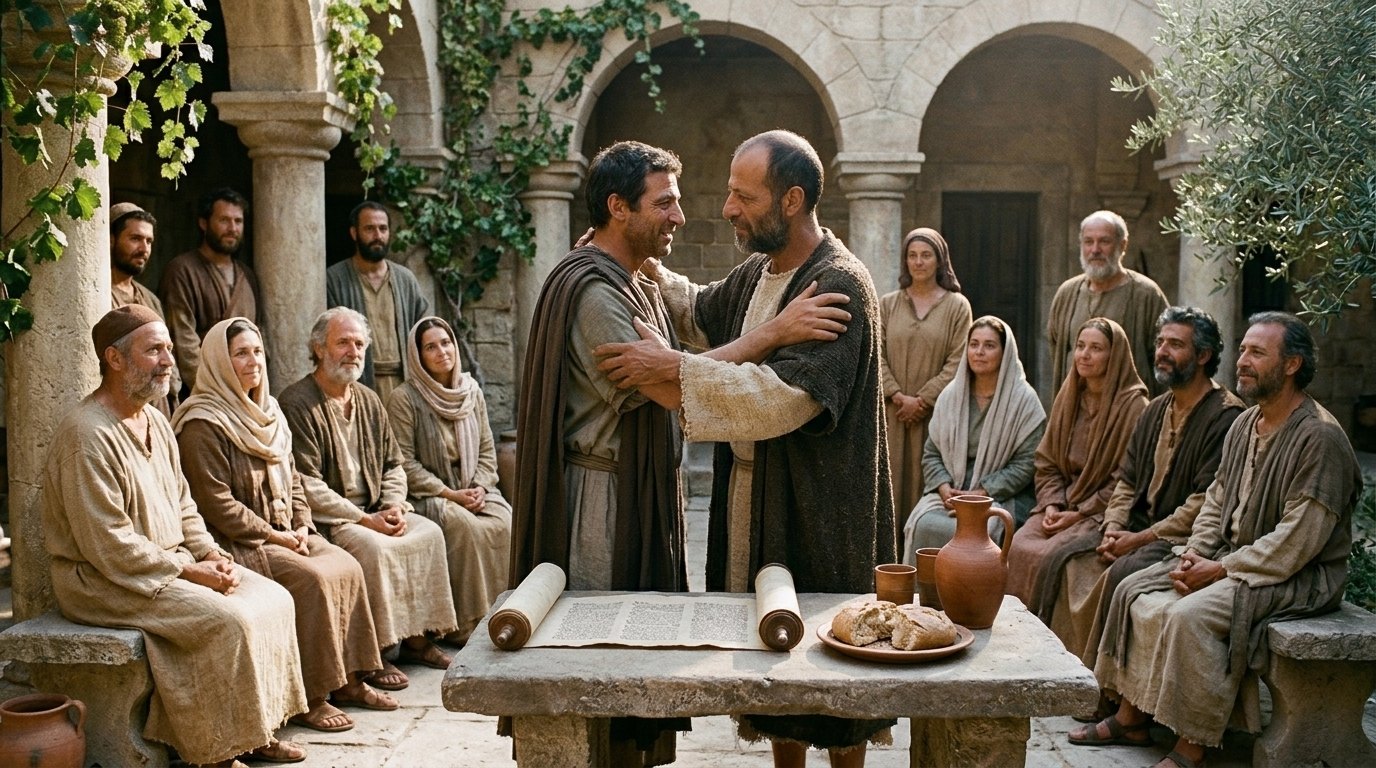
Ephesians 2:11-13
11 Therefore, remember that formerly you who are Gentiles by birth and called “uncircumcised” by those who call themselves “the circumcision” (which is done in the body by human hands)—
12 remember that at that time you were separate from Christ, excluded from citizenship in Israel and foreigners to the covenants of the promise, without hope and without God in the world.
13 But now in Christ Jesus you who once were far away have been brought near by the blood of Christ.
New International Version (NIV)
The answer
A Gentile is someone who is not a Jew—a person belonging to one of the nations outside Israel. Ephesians 2:11 uses “Gentiles” for those called “uncircumcision” by those called “circumcision.”
The word also marked a real spiritual separation before Christ. Ephesians 2:12 describes Gentiles as separate from Christ, alienated from Israel’s commonwealth, and “strangers from the covenants of the promise,” without hope and without God in the world. Yet Ephesians 2:13 announces the reversal: those “who once were far off are made near in the blood of Christ.” In Christ, that old division no longer defines God’s people, for Colossians 3:11 says there is “neither Greek nor Jew,” but “Christ is all, and in all.”
Answered from Scripture · reviewed November 11, 2026
In Scripture, a Gentile is simply anyone who is not a descendant of Jacob—someone belonging to the nations outside the ethnic and covenant community of Israel. Yet while the word marked a real boundary in redemptive history, God's eternal purpose was never to abandon the nations, but to gather them into one redeemed people through Jesus Christ.
The Nations Defined
God Sets Israel Apart from the World
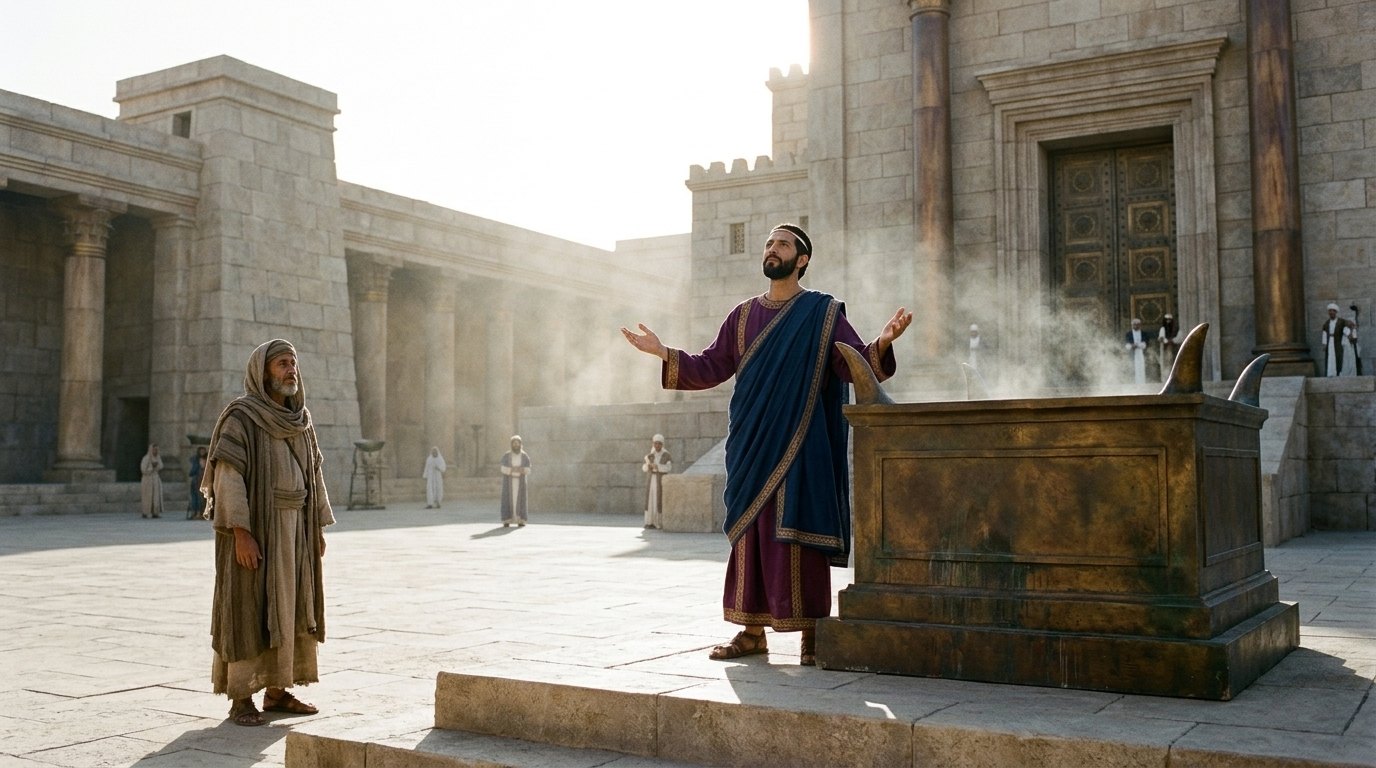
For you are a people holy to the LORD your God. The LORD your God has chosen you out of all the peoples on the face of the earth to be his people, his treasured possession.
Deuteronomy 7:6 (NIV)
This verse establishes the biblical distinction between Israel and all surrounding peoples as a matter of God's sovereign election.
In Deuteronomy 7:6, God declares to His covenant people: "You are a people holy to the Lord your God; the Lord your God has chosen you to be a people for His treasured possession, out of all the peoples who are on the face of the earth." This fundamental distinction establishes the scriptural definition of a Gentile. The underlying Hebrew term goyim originally referred to the general "nations" of the earth, descending from the sons of Noah after the Great Deluge (Genesis 10:5; Genesis 10:32). As redemptive history unfolded, God called Abram out of those surrounding lands and forged a singular covenant with Abraham's lineage through Jacob, setting them strictly apart.
God intended Israel's separation to be absolute, both in holiness and in purpose. In Leviticus 20:26, He reminds the nation that He severed them from other peoples so they would belong to Him alone. Yet physical descent was never an excuse for spiritual indifference. The prophet Jeremiah warned that uncircumcised hearts would face identical judgment, whether among the surrounding goyim—Egypt, Edom, Ammon, and Moab—or in an unfaithful house of Israel (Jeremiah 9:25–26). External markers were never a shield against sin.
Even in the era of national separation, God welcomed the foreigner who sought His mercy. At the dedication of the temple in Jerusalem, King Solomon prayed specifically for the Gentile who came from a far country for the sake of the Lord’s renown (1 Kings 8:41). Solomon begged God to grant that foreigner's plea, precisely so that all the peoples of the earth may know your name and fear you (1 Kings 8:43). The boundary was real, but God's door stood open to all who bowed before Him.
| Passage | What it says |
|---|---|
| Genesis 10:5 | First uses the Hebrew word 'goyim' for the maritime nations descending from Japheth after the flood. |
| Deuteronomy 7:6 | Declares Israel to be a holy people chosen out of all peoples on the face of the earth. |
| Jeremiah 9:25 | Warns that God will judge all who are circumcised only outwardly alongside the uncircumcised nations. |
| Jeremiah 9:26 | Lists surrounding Gentile nations alongside an uncircumcised house of Israel in need of heart transformation. |
| Genesis 10:32 | Identifies the families of Noah's sons as the nations (goyim) spread across the earth after the flood. |
| Leviticus 20:26 | Commands Israel to be holy unto God, who severed them from other peoples to be His own. |
| 1 Kings 8:41 | Solomon petitions God concerning the foreigner who is not of Israel coming to pray toward the temple. |
| 1 Kings 8:43 | Solomon asks that God hear the foreigner so all peoples of the earth may know His name. |
The Ancient Promise
Blessing Foretold for All Earth's Families
I will bless those who bless you, and whoever curses you I will curse; and all peoples on earth will be blessed through you.”
Genesis 12:3 (NIV)
From the very founding of Israel, God promised Abraham that his blessing would encompass every family on earth.
When God first summoned Abram, He embedded the redemption of the entire world within His singular promise: "In you all the families of the earth shall be blessed" (Genesis 12:3). Long before the law was given at Sinai, God’s ancient covenant anticipated the gathering of the uncircumcised nations. He repeated this unbreakable pledge on Mount Moriah, declaring that through Abraham’s offspring all the nations of the earth would be blessed (Genesis 22:18)—a promise Paul confirms was fulfilled in Christ's gospel to the Gentiles (Galatians 3:8).
Israel’s worship and prophetic witness constantly pointed toward this global harvest. David foretold that all the families of the nations shall worship before you (Psalms 22:27), while the shortest psalm summoned every pagan land to praise the Lord for His steadfast love (Psalms 117:1). Through the prophets, God declared that the coming root of Jesse would stand as an ensign for the peoples (Isaiah 11:10), and that bright light would draw kings out of their darkness (Isaiah 60:3). The Servant of the Lord was appointed not merely to restore Jacob, but as a covenant and a light to the Gentiles to carry salvation to the ends of the earth (Isaiah 42:6; Isaiah 49:6; fulfilled in Luke 2:32 and Acts 13:47).
Amos looked past exile to the rebuilding of David's fallen shelter, that a remnant of all nations called by God's name might be possessed (Amos 9:11–12; fulfilled in Acts 15:16–17). Malachi crowned this prophetic choir with God's absolute decree that His name would be magnified from the rising to the setting of the sun among the nations (Malachi 1:11).
| Passage | What it says | Fulfilled |
|---|---|---|
| Genesis 12:3 | Promises Abraham that in him all the families of the earth shall be blessed. | Galatians 3:8 |
| Isaiah 42:6 | Appoints the Servant of the Lord to be a covenant for the people and a light to the Gentiles. | Luke 2:32 |
| Isaiah 49:6 | Declares that the Messiah's salvation will extend beyond Israel to the ends of the earth. | Acts 13:47 |
| Genesis 22:18 | Reiterates to Abraham that through his offspring all nations of the earth shall be blessed. | |
| Psalms 22:27 | Declares that all families of the nations will remember and worship before the Lord. | |
| Psalms 117:1 | Summons all nations and all peoples to praise the Lord for His steadfast love. | |
| Isaiah 11:10 | Foretells that the root of Jesse will stand as a signal for the peoples, sought by nations. | |
| Isaiah 60:3 | Prophesies that nations and kings will come to the brightness of the light of the Lord. | |
| Amos 9:11 | Foretells the raising of the fallen booth of David to possess the remnant of Edom and all called nations. | |
| Amos 9:12 | Continues the promise of the nations called by God's name being restored under David's line. | |
| Malachi 1:11 | Proclaims that from sunrise to sunset the Lord's name will be great among the nations. |
Estranged and Far Off
The Tragic Distance of the Uncircumcised
remember that at that time you were separate from Christ, excluded from citizenship in Israel and foreigners to the covenants of the promise, without hope and without God in the world.
Ephesians 2:12 (NIV)
Paul catalogues the desperate spiritual condition of the Gentiles before Christ intervened.
Writing to believers who had grown up in pagan environments, the apostle Paul unmasks the sobering spiritual reality of life outside Israel's covenant: "Remember that you were at that time separated from Christ, alienated from the commonwealth of Israel and strangers to the covenants of promise, having no hope and without God in the world" (Ephesians 2:12). In the flesh, Gentiles were branded "the uncircumcision" by those whose physical ritual was outward only (Ephesians 2:11), yet their spiritual deprivation was catastrophic. They were trapped in idolatry, led astray to dumb idols (1 Corinthians 12:2).
During His earthly ministry, Jesus recognized this historic redemptive order. He sent the Twelve on their initial mission instructing them to avoid the road to the Gentiles (Matthew 10:5), and He reminded the Canaanite woman that His earthly steps were directed first to the lost sheep of the house of Israel (Matthew 15:24). The covenant boundaries were so distinct that an obstinately unrepentant brother was to be regarded like an outsider—a Gentile or a tax collector (Matthew 18:17). This made the scandal of human pride worse: false teachers later sought to compel outward circumcision merely to avoid the cross of Christ (Galatians 6:12).
Yet this historic estrangement was never intended to be the final word. Paul maintained that the gospel was the power of God for salvation to everyone who believes, to the Jew first and also to the Greek (Romans 1:16). Even as Peter exhorted converted believers to live honorably among their pagan neighbors (1 Peter 2:12), the tragic distance of the Gentiles was already being dissolved at the cross.
| Passage | What it says |
|---|---|
| Ephesians 2:11 | Reminds readers of their former status as Gentiles in the flesh, labelled uncircumcised by outward ritual. |
| Ephesians 2:12 | Describes Gentiles as separate from Christ, alienated from Israel's commonwealth, strangers to promises, without hope and without God. |
| Romans 1:16 | Presents the gospel as God's power for salvation to everyone who believes, Jew first and also Greek. |
| Galatians 6:12 | Exposes those who forced outward circumcision on Gentile believers merely to avoid persecution. |
| Matthew 10:5 | Jesus instructs the twelve apostles not to enter the way of the Gentiles during their initial mission. |
| Matthew 15:24 | Jesus notes His initial historical mission was directed specifically to the lost sheep of Israel. |
| Matthew 18:17 | Uses Gentile and tax collector as idioms for those outside the covenant community when discipline is refused. |
| 1 Corinthians 12:2 | Reminds believers of their past as pagans or Gentiles led astray to mute idols. |
| 1 Peter 2:12 | Exhorts the elect to keep their conduct honorable among the Gentile nations around them. |
Brought Near by Blood
One New Humanity in Christ
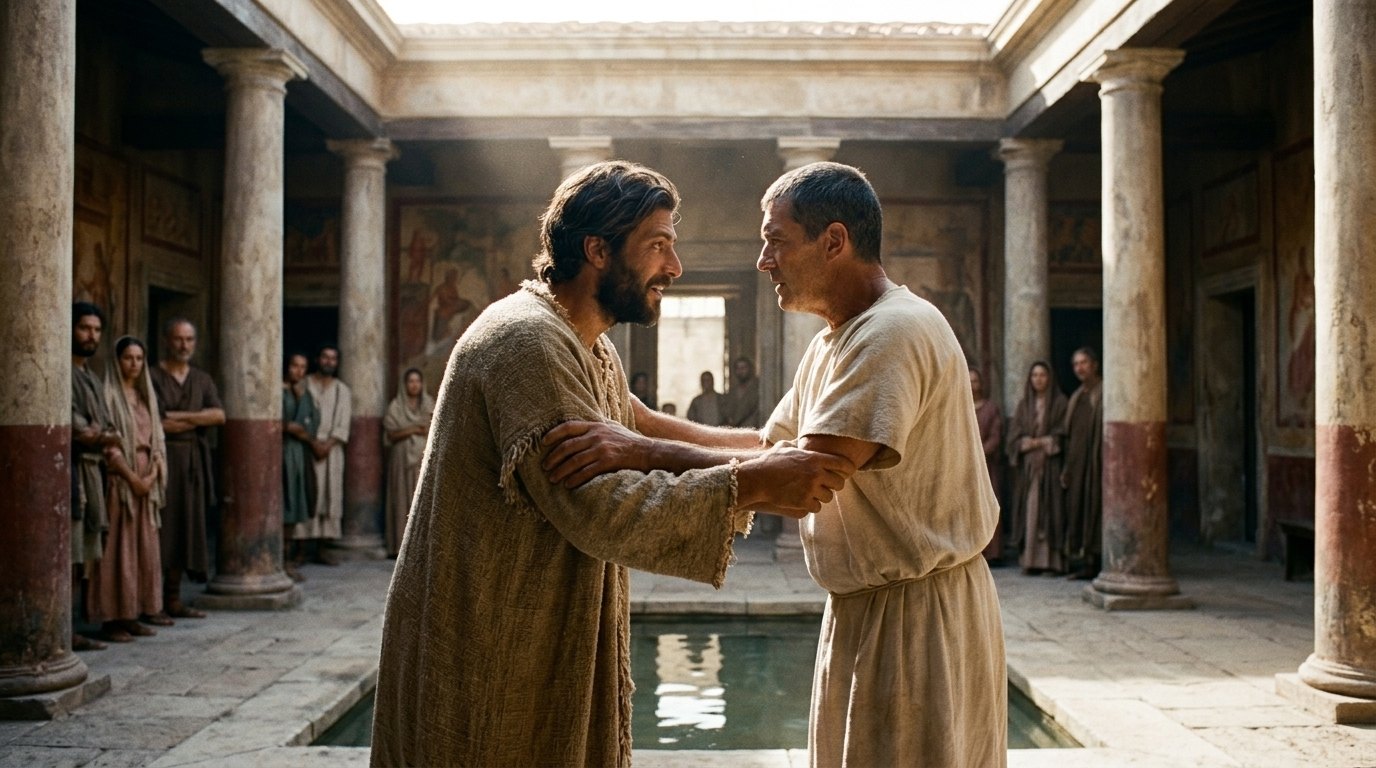
But now in Christ Jesus you who once were far away have been brought near by the blood of Christ.
Ephesians 2:13 (NIV)
This verse marks the decisive historical and spiritual turning point where distant Gentiles are made near.
Ephesians 2:13 sounds the triumphant turning point of redemptive history: "But now in Christ Jesus you who once were far off have been brought near by the blood of Christ." By abolishing in His flesh the dividing wall of hostility, Jesus created one new humanity from Jews and Gentiles alike. In Christ, the old national and ritual boundary lines lose their condemning power: there is neither Greek nor Jew, circumcised nor uncircumcised, but Christ is all and in all (Colossians 3:11).
This reality broke into history when Peter saw the Holy Spirit fall on the household of the Roman centurion Cornelius (Acts 10:34–35). The church in Jerusalem stood in awe that God had granted repentance leading to life even to Gentiles (Acts 11:18). Paul and Barnabas turned to the nations with bold confidence, citing Scripture to prove their apostolic mandate as a light to the Gentiles (Acts 13:46–47). James confirmed that God was taking from the nations a people for His name (Acts 15:14). True circumcision was revealed as a work of the Holy Spirit in the heart, not physical surgery performed by human hands (Romans 2:28–29; Colossians 2:11; Colossians 2:13).
Gentiles are wild olive branches grafted directly into the rich root of God's promises (Romans 11:17; Romans 15:8–9), making them fellow heirs, members of the same body, and partakers of the promise (Ephesians 3:6; Galatians 3:14; Galatians 3:28). The risen Lord commanded His followers to disciple every nation (Matthew 28:19). That commission culminates around the heavenly throne, where the redeemed sing eternal praises to the Lamb who ransomed people from every tribe, language, people, and nation (Revelation 5:9; Revelation 7:9).
| Passage | What it says |
|---|---|
| Ephesians 2:13 | Proclaims that those once far off have been brought near to God through the blood of Christ. |
| Acts 10:34 | Records Peter realizing that God shows no partiality between nations. |
| Acts 10:35 | Affirms that in every nation anyone who fears God and does righteousness is acceptable to him. |
| Romans 2:28 | Explains that true Jewish identity is not merely an outward physical distinction. |
| Romans 2:29 | Defines true circumcision as a matter of the heart, worked by the Spirit rather than the letter. |
| Colossians 2:11 | Points believers to spiritual circumcision in Christ, the stripping off of sinful flesh without human hands. |
| Colossians 2:13 | Declares that believers once dead in sins and uncircumcision are made alive together with Christ. |
| Colossians 3:11 | Celebrates the new creation where distinctions of Greek and Jew, circumcision and uncircumcision, are superseded by Christ. |
| Matthew 28:19 | The risen Lord commands the disciples to make disciples of all the nations, baptizing and teaching them. |
| Acts 11:18 | The Jerusalem church rejoices that God has granted repentance leading to life to Gentiles as well. |
| Acts 13:46 | Paul and Barnabas announce their turning to preach the word directly to the Gentiles. |
| Acts 13:47 | Cites Isaiah to demonstrate that the apostles are appointed as a light for the Gentiles. |
| Acts 15:14 | James explains how God first visited the Gentiles to take from them a people for His name. |
| Romans 3:29 | Affirms that God is the God not only of Jews but also of Gentiles. |
| Romans 9:24 | Declares that God has called vessels of mercy not only from Jews but also from Gentiles. |
| Romans 11:17 | Illustrates Gentile believers as wild olive branches grafted in to share the nourishing root. |
| Romans 15:8 | Explains that Christ became a servant to the circumcised to confirm the promises to the patriarchs. |
| Romans 15:9 | States that Gentiles might glorify God for His mercy, as written across the Law and Prophets. |
| Galatians 3:8 | Observes that Scripture foreknew God would justify the Gentiles by faith through Abraham's blessing. |
| Galatians 3:14 | States that the blessing of Abraham came to the Gentiles through Christ Jesus. |
| Galatians 3:28 | Announces there is neither Jew nor Greek, for all are one in Christ Jesus. |
| Ephesians 3:6 | Reveals the mystery that Gentiles are fellow heirs and partakers of the promise in Christ. |
| Revelation 5:9 | Saints praise the Lamb who ransomed people for God from every tribe, language, people, and nation. |
| Revelation 7:9 | Portrays a vast multitude from every nation standing before the throne worshiping the Lamb. |
Where in the Bible
| Book | Passages |
|---|---|
| Genesis | 4 · Genesis 10:5, Genesis 10:32, Genesis 12:3, Genesis 22:18 |
| Leviticus | 1 · Leviticus 20:26 |
| Deuteronomy | 1 · Deuteronomy 7:6 |
| 1 Kings | 2 · 1 Kings 8:41, 1 Kings 8:43 |
| Psalms | 2 · Psalms 22:27, Psalms 117:1 |
| Isaiah | 4 · Isaiah 42:6, Isaiah 49:6, Isaiah 11:10, Isaiah 60:3 |
| Jeremiah | 2 · Jeremiah 9:25, Jeremiah 9:26 |
| Amos | 2 · Amos 9:11, Amos 9:12 |
| Malachi | 1 · Malachi 1:11 |
| Matthew | 4 · Matthew 10:5, Matthew 15:24, Matthew 18:17, Matthew 28:19 |
| Acts | 6 · Acts 10:34, Acts 10:35, Acts 11:18, Acts 13:46, Acts 13:47, Acts 15:14 |
| Romans | 8 · Romans 1:16, Romans 2:28, Romans 2:29, Romans 3:29, Romans 9:24, Romans 11:17, Romans 15:8, Romans 15:9 |
| 1 Corinthians | 1 · 1 Corinthians 12:2 |
| Galatians | 4 · Galatians 6:12, Galatians 3:8, Galatians 3:14, Galatians 3:28 |
| Ephesians | 4 · Ephesians 2:11, Ephesians 2:12, Ephesians 2:13, Ephesians 3:6 |
| Colossians | 3 · Colossians 2:11, Colossians 2:13, Colossians 3:11 |
| 1 Peter | 1 · 1 Peter 2:12 |
| Revelation | 2 · Revelation 5:9, Revelation 7:9 |
The story in order
- Nations spread after the flood (c. 2300 BC) · Genesis 10:5 · Identifies the descendants of Noah's sons as the nations.
- Abraham promised blessing for nations (c. 2000 BC) · Genesis 12:3 · God's promise to Abraham includes blessing for all earth's families.
- Israel chosen from all peoples (c. 1400 BC) · Deuteronomy 7:6 · Israel is set apart as a holy people.
- Solomon prays for foreigners (c. 960 BC) · 1 Kings 8:41 · Shows concern for non-Israelites praying toward the temple.
- Prophecy of a light to Gentiles (c. 740 BC) · Isaiah 42:6 · The Servant of the Lord is a light for the Gentiles.
- Nations will seek the root of Jesse (c. 740 BC) · Isaiah 11:10 · Foretells nations seeking the Messiah.
- Judgment on outward circumcision (c. 600 BC) · Jeremiah 9:25 · God judges those with only outward circumcision.
- Jesus sent to lost sheep of Israel (c. AD 30) · Matthew 15:24 · Jesus' initial mission was focused on Israel.
- Peter learns God shows no partiality (c. AD 35) · Acts 10:34 · God accepts people from every nation.
- Paul and Barnabas turn to Gentiles (c. AD 48) · Acts 13:46 · The gospel is preached directly to the Gentiles.
- Gentiles grafted into Israel's olive tree (c. AD 57) · Romans 11:17 · Gentile believers share in God's covenant blessings.
- No Jew or Greek in Christ (c. AD 55) · Galatians 3:28 · Unity in Christ transcends ethnic and religious distinctions.
- Gentiles fellow heirs in Christ (c. AD 60) · Ephesians 3:6 · The mystery of Gentiles being co-heirs is revealed.
- Vast multitude from every nation (c. AD 95) · Revelation 7:9 · Depicts redeemed people from all nations worshipping God.
Promise of Blessing for All Nations
| Promise to Abraham | Fulfillment in Christ | Passage |
|---|---|---|
| In you all the families of the earth shall be blessed. | Through your offspring all nations of the earth shall be blessed. | Genesis 12:3 |
| The Servant of the Lord to be a covenant for the people and a light to the Gentiles. | Salvation will extend beyond Israel to the ends of the earth. | Isaiah 42:6 |
| All families of the nations will remember and worship before the Lord. | The risen Lord commands disciples to make disciples of all nations. | Psalms 22:27 |
| The root of Jesse will stand as a signal for the peoples, sought by nations. | Gentiles are fellow heirs and partakers of the promise in Christ. | Isaiah 11:10 |
| Abraham's blessing came to the Gentiles through Christ Jesus. | There is neither Jew nor Greek, for all are one in Christ Jesus. | Galatians 3:14 |
From Estranged to Brought Near
| Former State (Gentile) | New State (In Christ) | Passage |
|---|---|---|
| Gentiles in the flesh, uncircumcised by outward ritual. | Brought near to God through the blood of Christ. | Ephesians 2:11-13 |
| Separate from Christ, alienated from Israel's commonwealth, without hope. | Made alive together with Christ, forgiven all sins. | Ephesians 2:12-13 |
| Pagans led astray to mute idols. | Believers are a holy nation, God's own people. | 1 Corinthians 12:2 |
| Gentile nations around the elect. | The elect are a chosen race, a royal priesthood. | 1 Peter 2:12 |
| Uncircumcision, dead in sins. | Spiritually circumcised, made alive with Christ. | Colossians 2:11-13 |
Key words
- Gentile (goy, גּוֹי)
- Anyone not a descendant of Jacob; one belonging to the nations outside Israel's covenant community. · Genesis 10:5
- Uncircumcised (ἀκροβυστία (akrobystia))
- Literally, not having the physical sign of the covenant; figuratively, alienated from God and His people. · Ephesians 2:11
- Nations (goyim, גּוֹיִם)
- The peoples and ethnic groups of the earth, distinct from Israel. · Genesis 10:32
- Circumcision of the heart (περιτομὴ καρδίας (peritomē kardias))
- A spiritual transformation by the Spirit, signifying true belonging to God's people. · Romans 2:29
- All nations (πᾶν ἔθνος (pan ethnos))
- Encompasses all peoples and ethnic groups on earth, included in God's redemptive plan. · Matthew 28:19
Understanding what Scripture means by 'Gentile' reveals the breathtaking magnitude of the gospel. For those who were once foreigners and strangers to the covenants of promise, the cross of Jesus Christ has torn down the dividing wall, bringing all who believe into the family of God.
52 passages, each cited once.
Scripture cited
- Colossians 3:11