What does Matthew 11:28 mean?
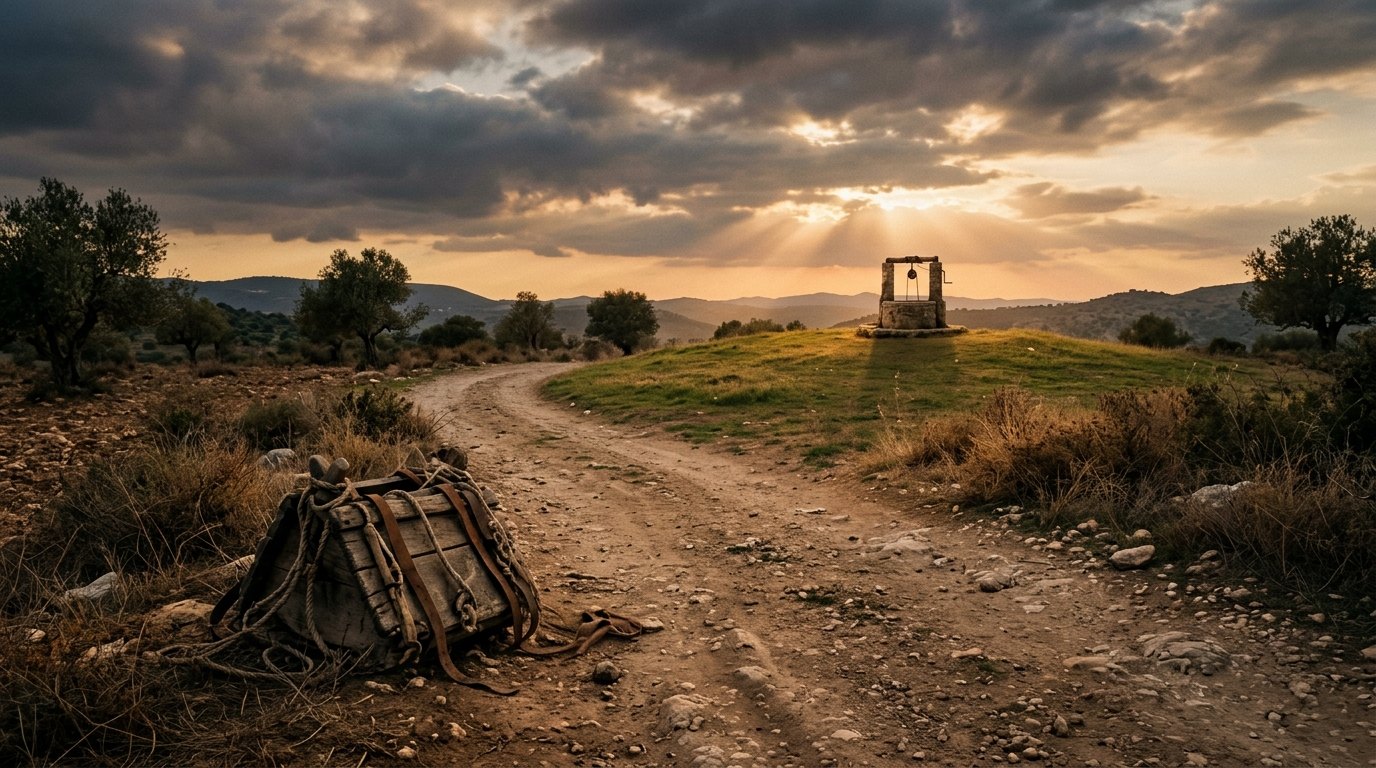
Matthew 11:28-30
28 “Come to me, all you who are weary and burdened, and I will give you rest.
29 Take my yoke upon you and learn from me, for I am gentle and humble in heart, and you will find rest for your souls.
30 For my yoke is easy and my burden is light.”
New International Version (NIV)
The answer
Matthew 11:28 is Jesus’ personal invitation to everyone exhausted and weighed down to come to Him and receive rest. This is above all rest for the soul through trusting Christ—not merely sleep, an easier schedule, or a promise that life will never be hard.
What Jesus invites
- “Come to me”: Rest is found in a person, Jesus Himself. Immediately before this invitation, He says that the Father has delivered all things to Him and that He reveals the Father (Matthew 11:27). Coming to Jesus therefore means turning to Him in faith, rather than trying to carry guilt and burdens alone or earn God’s favour through personal effort.
- “All you who labor and are heavily burdened”: The Greek wording pictures exhausting, continuing toil and people loaded down with a heavy weight (Matthew 11:28). This includes those burdened by sin, guilt, anxiety, suffering, and demands they cannot meet. “All” makes the invitation wide, but each person must respond by coming.
- “I will give you rest”: Rest is Christ’s gift, not a wage earned by greater effort. Jesus Himself is the giver, and He does not reject those who come: “him that cometh to me I will in no wise cast out” (John 6:37).
Why Jesus also mentions a yoke
Jesus explains the invitation in the next verse: “Take my yoke upon you and learn from me, for I am gentle and humble in heart; and you will find rest for your souls” (Matthew 11:29). A yoke joins an animal to a task and its direction. Jesus is therefore not offering a life without obedience or responsibility; He is calling people to become His disciples and submit to His teaching and leadership.
The difference is the Master and the burden. Jesus is gentle and humble, and He declares, “my yoke is easy, and my burden is light” (Matthew 11:30).
So Matthew 11:28 does not teach that believers escape every sorrow, responsibility, or hard day’s work. It promises that those who come to Christ need no longer bear their guilt or seek God by their own strength. Under Christ’s gracious rule, they receive rest for their souls.
Answered from Scripture · reviewed November 11, 2026
In Matthew 11:28, the Lord Jesus issues an unconditional call to all who are exhausted by toil, grief, guilt, and the crushing weight of legalistic religion. Rather than summoning people to redouble their moral efforts, Christ calls sinners directly to Himself to receive the sovereign gift of soul rest. Tracing this invitation across the whole counsel of Scripture reveals that God has always answered human exhaustion by giving Himself as our refuge and peace.
The Personal Summons
Christ Calls the Exhausted Directly to Himself

“Come to me, all you who are weary and burdened, and I will give you rest.
Matthew 11:28 (NIV)
Jesus invites everyone broken under labor and heavy loads to find true rest in His person.
Matthew 11:28 stands as one of the most tender invitations in all of sacred Scripture: "Come to Me, all who labor and are heavy laden, and I will give you rest." Jesus does not point tired souls to an austere philosophy, a more rigorous program of moral self-reformation, or a remote temple ritual; He summons them directly to Himself. This call is rooted in sovereign authority. In Matthew 11:27, the Lord declares that all things have been delivered to Him by the Father, and no one knows the Father except the Son and anyone to whom the Son chooses to reveal Him. The sovereign King of heaven and earth is the very One who stoops to embrace the exhausted. In Matthew 11:25, Jesus rejoices that the Father has hidden these glorious truths from the proud and self-sufficient—the "wise and understanding" in their own eyes—and revealed them to spiritual infants who possess nothing of their own to bargain with.
Because the Lord Jesus Himself is the refuge, the invitation to come is absolute and certain. In John 6:37, He promises without condition that whoever comes to Him will never be driven away or cast out. This divine summons echoes across the whole canon. In Isaiah 55:1, God cries out through the prophet to everyone who is thirsty, bidding the bankrupt to come, buy wine and milk without money and without price. Later, in John 7:37, Jesus stands on the great day of the feast and proclaims that if anyone thirsts, he should come to Him and drink, finding living water to satisfy the dry heart. The canon closes on this identical note in Revelation 22:17, where the Spirit and the Bride say, "Come," welcoming anyone who desires to take the water of life freely. The Savior Himself is the banquet, the water, and the Sabbath for every weary pilgrim.
| Passage | What it says |
|---|---|
| Matthew 11:28 | Jesus commands all who labor and are heavy laden to come to Him for rest. |
| John 6:37 | Jesus promises that whoever comes to Him will never be cast out. |
| John 7:37 | Jesus stands and cries out for any thirsty person to come to Him and drink. |
| Isaiah 55:1 | God invites everyone who thirsts to come buy wine and milk without money or cost. |
| Revelation 22:17 | The Spirit and the Bride invite anyone who is thirsty to take the water of life freely. |
| Matthew 11:27 | Sets Christ's invitation in context: the Father has delivered all things to the Son, who alone reveals Him to whom He chooses. |
| Matthew 11:25 | Jesus thanks the Father for concealing these things from the wise and understanding and revealing them to little children. |
The Crushing Burden
The Heavy Yoke of Self-Effort and Religion

They tie up heavy, cumbersome loads and put them on other people’s shoulders, but they themselves are not willing to lift a finger to move them.
Matthew 23:4 (NIV)
Christ exposes how legalistic religious systems heap intolerable loads on human shoulders without offering help.
The urgent beauty of Christ's call becomes fully apparent only against the bleak backdrop of human exhaustion. In Matthew 23:4, Jesus exposes the cruelty of man-made righteousness, observing that the scribes and Pharisees tie up heavy, cumbersome loads and put them on other people's shoulders, but they themselves are not willing to lift a finger to move them. Legalism demands infinite performance while offering zero divine power, leaving the conscience wounded and trapped. In Luke 11:46, Jesus pronounces a sharp woe on the lawyers for this very reason: they crush ordinary people under endless layers of human fence-laws while remaining callous to the misery they produce. When the Jerusalem council gathered to address the demands of the Judaizers, Peter pointed to this spiritual oppression in Acts 15:10, declaring it an unbearable yoke that neither their fathers nor they had the strength to bear.
Yet the crushing load is far deeper than religious hypocrisy; it is the terminal burden of personal transgression before a holy God. In Psalm 38:4, David laments that his iniquities have overwhelmed him like a flood, standing as a weight too heavy to carry. Human self-effort cannot atone for guilt or conquer the corruption of the flesh. In Romans 7:24, the apostle Paul groans under this internal misery, crying out, "Wretched man that I am! Who will deliver me from this body of death?" Left to ourselves under the demands of the law, every human being faces moral bankruptcy. This is why Galatians 5:1 warns believers so fiercely against submitting again to a yoke of slavery: Christ alone breaks the back of our guilt, setting the captive free from the exhausting treadmill of works-righteousness.
| Passage | What it says |
|---|---|
| Matthew 23:4 | The scribes and Pharisees tie up heavy, unbearable burdens and lay them on people's shoulders. |
| Acts 15:10 | Peter calls the legalistic yoke something neither their fathers nor they were able to bear. |
| Psalms 38:4 | David confesses his iniquities have gone over his head as a burden too heavy to bear. |
| Galatians 5:1 | Paul exhorts believers to stand firm in Christ's freedom and avoid the yoke of bondage. |
| Romans 7:24 | Paul groans under the unbearable dead weight of the body of sin, crying out for deliverance that only Christ brings. |
| Luke 11:46 | Jesus rebukes religious experts for loading people with burdens hard to bear while not lifting a finger to ease them. |
The Easy Yoke
Finding True Soul Rest in the Gentle Savior

Take my yoke upon you and learn from me, for I am gentle and humble in heart, and you will find rest for your souls.
Matthew 11:29 (NIV)
Jesus reveals His gentle, humble heart and promises rest to those who take His yoke upon them.
To those weary of striving, the Savior offers an astonishing exchange. In Matthew 11:29, He directs His followers: "Take My yoke upon you, and learn from Me, for I am gentle and lowly in heart, and you will find rest for your souls." In the ancient world, a yoke bound an ox to a master and often teamed it with another beast to share the labor. To take Christ's yoke is to step into willing discipleship and intimate fellowship with Him. Unlike the harsh taskmasters of legalism, Jesus is meek, tender, and accessible to the broken. In Matthew 11:30, He assures His disciples that His yoke is easy—fitted with grace—and His burden is light, because He bears the load with us and provides the Holy Spirit to empower our obedience. As 1 John 5:3 confirms, love for God means keeping His commandments, and His commandments are not burdensome when fueled by regenerating grace.
This soul rest is the ancient promise of covenant peace. In Jeremiah 6:16, God urged His wayward people to ask for the ancient paths, to walk in the good way and find rest for their souls. Long before, in Exodus 33:14, the Lord pledged to Moses that His very presence would go with the camp to provide rest. This historical rest finds its ultimate fulfillment in Christ's finished work. As Hebrews 4:9–10 explains, a Sabbath rest remains for the people of God, and whoever enters it ceases from his own works just as God did from His. We do not work our way into divine acceptance; we cease our futile self-justification and rest in the righteousness of Christ. Therefore, Hebrews 4:1 warns against falling short of this promise through unbelief, urging every soul to anchor fully in the Savior who alone gives everlasting peace.
| Passage | What it says |
|---|---|
| Matthew 11:29 | Jesus invites disciples to learn from His meek, lowly heart and find rest for their souls. |
| Matthew 11:30 | Jesus declares that His yoke is easy and His burden is light. |
| Jeremiah 6:16 | The Lord instructs people to walk in the good ancient way to find rest for souls. |
| Hebrews 4:9 | Scripture promises that a Sabbath rest remains for the people of God. |
| Hebrews 4:10 | Whoever enters God's rest has ceased from his own works as God did from His. |
| 1 John 5:3 | Assures believers that the love of God is obeying His commands, and His commandments are not burdensome. |
| Exodus 33:14 | The Lord promises Moses that His divine presence will go with him and give him rest. |
| Hebrews 4:1 | Exhorts believers to enter God's rest through faith in Christ, warning against failing to attain it through unbelief. |
Where in the Bible
| Book | Passages |
|---|---|
| Exodus | 1 · Exodus 33:14 |
| Psalms | 1 · Psalms 38:4 |
| Isaiah | 1 · Isaiah 55:1 |
| Jeremiah | 1 · Jeremiah 6:16 |
| Matthew | 6 · Matthew 11:28, Matthew 11:27, Matthew 11:25, Matthew 23:4, Matthew 11:29, Matthew 11:30 |
| Luke | 1 · Luke 11:46 |
| John | 2 · John 6:37, John 7:37 |
| Acts | 1 · Acts 15:10 |
| Romans | 1 · Romans 7:24 |
| Galatians | 1 · Galatians 5:1 |
| Hebrews | 3 · Hebrews 4:9, Hebrews 4:10, Hebrews 4:1 |
| 1 John | 1 · 1 John 5:3 |
| Revelation | 1 · Revelation 22:17 |
The story in order
- God promises rest for the weary (c. 600 BC) · Jeremiah 6:16 · God directs people to an ancient way for soul rest.
- Jesus invites the exhausted to Himself (c. AD 30) · Matthew 11:28 · Christ calls all who labor and are heavy laden to find rest in Him.
- Jesus explains His yoke is easy (c. AD 30) · Matthew 11:29 · Disciples learn from Christ's meek heart to find rest.
- Jesus declares His burden is light (c. AD 30) · Matthew 11:30 · Christ's yoke is easy and His burden is light.
- The apostles warn against legalism (c. AD 49) · Acts 15:10 · The legalistic yoke was too heavy for ancestors and believers.
- Paul exhorts believers to freedom (c. AD 55) · Galatians 5:1 · Believers are called to stand firm in Christ's freedom, not bondage.
- The promise of God's presence (c. 1450 BC) · Exodus 33:14 · God promises His presence will go with Moses and give rest.
- Paul groans under the body of sin (c. AD 57) · Romans 7:24 · Paul cries out for deliverance from the body of sin.
- The Sabbath rest remains (c. AD 65) · Hebrews 4:9 · A Sabbath rest is promised for God's people.
- Entering God's rest (c. AD 65) · Hebrews 4:1 · Believers are urged to enter God's rest through faith.
- Obeying God's commands is not burdensome (c. AD 90) · 1 John 5:3 · God's commands are not burdensome for those who love Him.
- The Spirit and Bride invite all (c. AD 95) · Revelation 22:17 · The Spirit and Bride invite anyone thirsty to take the water of life.
The Heavy Yoke vs. The Easy Yoke
| The Heavy Yoke | The Easy Yoke | Passage |
|---|---|---|
| Burdens laid by scribes and Pharisees | Jesus invites disciples to learn from His meek, lowly heart | |
| A yoke neither fathers nor we could bear | Jesus declares His yoke is easy | |
| Iniquities as a burden too heavy | Jesus' burden is light | |
| The unbearable dead weight of sin | God's commandments are not burdensome | |
| Legalistic yoke of bondage | Christ's freedom | Galatians 5:1 |
Invitation to Come and Receive Rest
| The Invitation | The Source | The Result | Passage |
|---|---|---|---|
| Come to Me, all who labor and are heavy laden | Jesus Christ | You will find rest for your souls | Matthew 11:28 |
| Whoever comes to Me | Jesus Christ | Will never be cast out | John 6:37 |
| Let anyone who is thirsty come and drink | Jesus Christ | He who believes in Me, as the Scripture has said | John 7:37 |
| Everyone who thirsts, come, buy wine and milk | God (through Isaiah) | Without money and without price | Isaiah 55:1 |
| Whoever is thirsty, let him take the water of life freely | The Spirit and the Bride | Take the water of life freely | Revelation 22:17 |
| Walk in the good ancient way | The Lord | You will find rest for your souls | Jeremiah 6:16 |
Key words
- Rest (ἀνάπαυσις (anapausis))
- Cessation from labor or exertion; peace and tranquility. · Matthew 11:28
- Heavy laden (πεφορτισμένοι (pephorismenoi))
- Burdened with great weight, often from sin, toil, or legalistic religion. · Matthew 11:28
- Yoke (ζυγόν (zygon))
- A wooden beam for connecting two oxen; metaphor for burden, servitude, or religious obligation. · Matthew 11:29
- Easy (χρηστός (chrēstos))
- Not difficult; gentle, mild, not harsh. · Matthew 11:30
- Light (ἐλαφρός (elaphros))
- Not heavy; easy to bear or endure. · Matthew 11:30
Matthew 11:28 assures every exhausted soul that relief is not found in harder striving, but in running directly to Christ. He does not turn away any who come, nor does He lay upon us burdens that crush the spirit. Lay down the weight of self-salvation and weariness today, and rest securely in the gentle hands of the Savior.
21 passages, each cited once.
Scripture cited
- Matthew 11:28
- Matthew 11:29
- John 6:37
- Matthew 11:25-30