What does Matthew 18:20 mean?
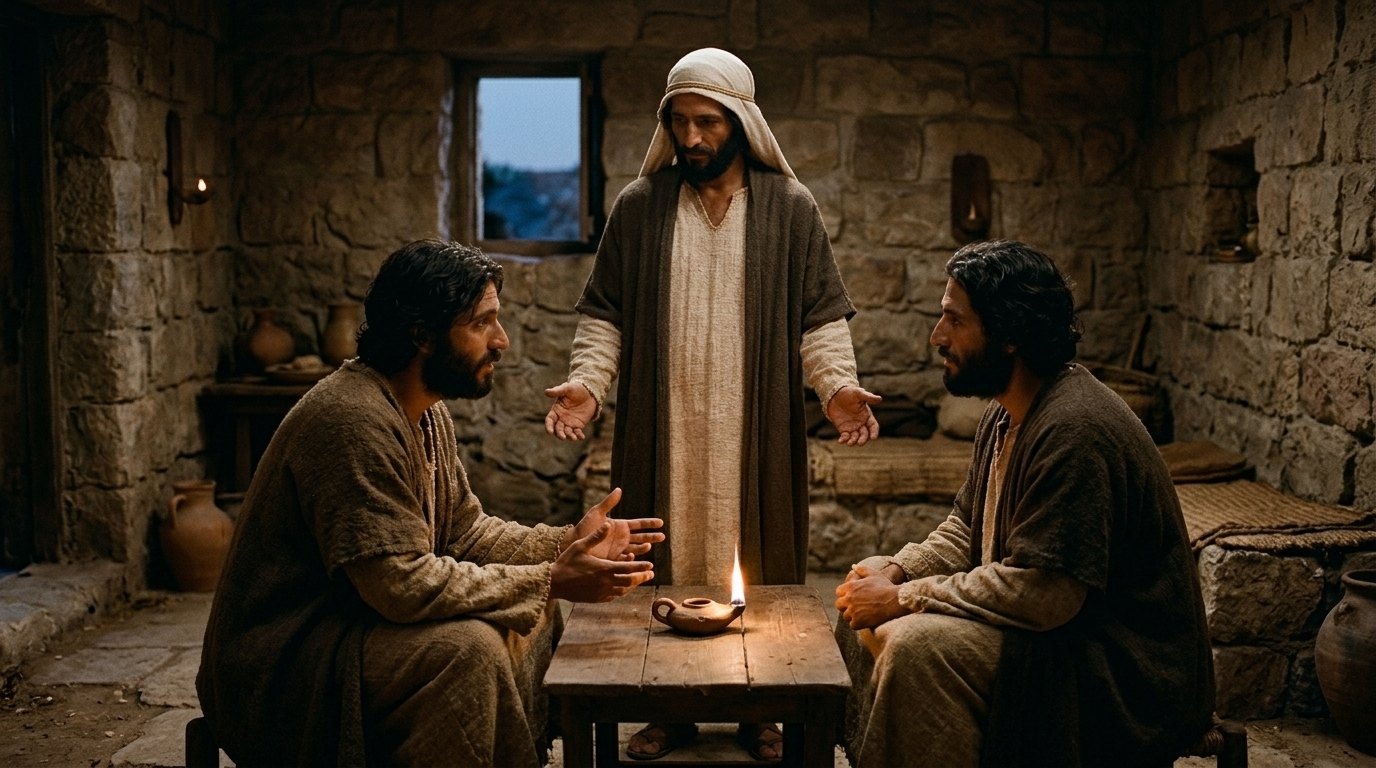
Matthew 18:15-20
15 “If your brother or sister sins, go and point out their fault, just between the two of you. If they listen to you, you have won them over.
16 But if they will not listen, take one or two others along, so that ‘every matter may be established by the testimony of two or three witnesses.’
17 If they still refuse to listen, tell it to the church; and if they refuse to listen even to the church, treat them as you would a pagan or a tax collector.
18 “Truly I tell you, whatever you bind on earth will be bound in heaven, and whatever you loose on earth will be loosed in heaven.
19 “Again, truly I tell you that if two of you on earth agree about anything they ask for, it will be done for them by my Father in heaven.
20 For where two or three gather in my name, there am I with them.”
New International Version (NIV)
The answer
Matthew 18:20 means that whenever believers gather in Jesus' name, He is present in the middle of them — His real presence, not a memory or a symbol. Jesus says exactly that: "For where two or three are gathered together in my name, there I am in the middle of them."
What the verse says
The context is discipline. In Matthew 18:15-19, Jesus tells His disciples how to handle a brother who sins: go and speak to him privately, and if he does not listen, take others along, and if he still refuses, tell the church. Then He speaks these words to the gathered little flock. So the verse is not first a formula for prayer meetings; it is His assurance that His authority stands among the ones who gather to carry out His instruction — and that He is not a spectator waiting for a report.
Note the phrase "in my name." It is not merely "together." It is gathered in His name — by His command, on His word, seeking His will. And the number "two or three" removes any excuse for gathering alone: a company of believers in His name is enough for His presence.
The promise runs through the whole Bible
- Genesis 28:15 — God to Jacob at Bethel: "I am with thee, and will keep thee in all ways."
- Exodus 25:8 — "Let them make me a sanctuary; that I may dwell among them."
- Zechariah 2:5 — "I, saith the LORD, will be unto her a wall of fire round about, and will be the glory in the midst of her."
- John 20:19, 26 — Jesus twice "stood in the midst" of His disciples and said, "Peace be unto you." The same words in this verse appear in the same posture in the same room.
- 1 Corinthians 5:4 — Paul gathers the church in "the name of our Lord Jesus Christ" for discipline, with "the power of our Lord Jesus Christ."
- Matthew 28:20 — "Lo, I am with you alway, even unto the end of the world."
- Revelation 21:3 — "The tabernacle of God is with men, and he will dwell with them."
So Matthew 18:20 is a promise given by a Christ who stands in the middle of His gathered people, backed by a God who has always dwelt among His people, and looking forward to the day when He will dwell with them fully.
What it asks of you
Gather properly. The promise is tied to gathering "in my name" — so worship, teaching, prayer, and the corrective work of Matthew 18:15-19 all happen where His name is named and His word governs.
Expect His presence, not just attendance. "There I am in the middle of them" is a promise to be leaned on. It means you do not pray and deliberate alone; the gathered church is where His authority is.
Do not despise the small gathering. Two or three gathered in His name is not a failing compared to a big meeting; it is the case Jesus names as sufficient.
Let the gathered church speak and act. Discipline in Matthew 18:15-19 is not optional politeness; it is Jesus commanding it, and He promises to be present when the church acts in His name.
One clarifying note, since the word "gathered" can be read two ways: this promise is about believers meeting in Christ's name, and it is not a formula that makes any gathering a guaranteed success, nor a way to manufacture agreement. Christ's presence among His gathered people is a fact of promise, and it brings His holiness and His truthful Word, not merely a pleasant atmosphere.
Answered from Scripture · reviewed November 11, 2026
In Matthew 18:20, the Lord Jesus gives a profound assurance that wherever even two or three assemble in His name, He is personally present in their midst. Far from a mere sentimental quote for small gatherings, this verse guarantees Christ's divine authority and living presence when His church gathers under His Word to govern, pray, and restore.
Context and Authority
Christ's Judicial Authority in the Gathered Assembly
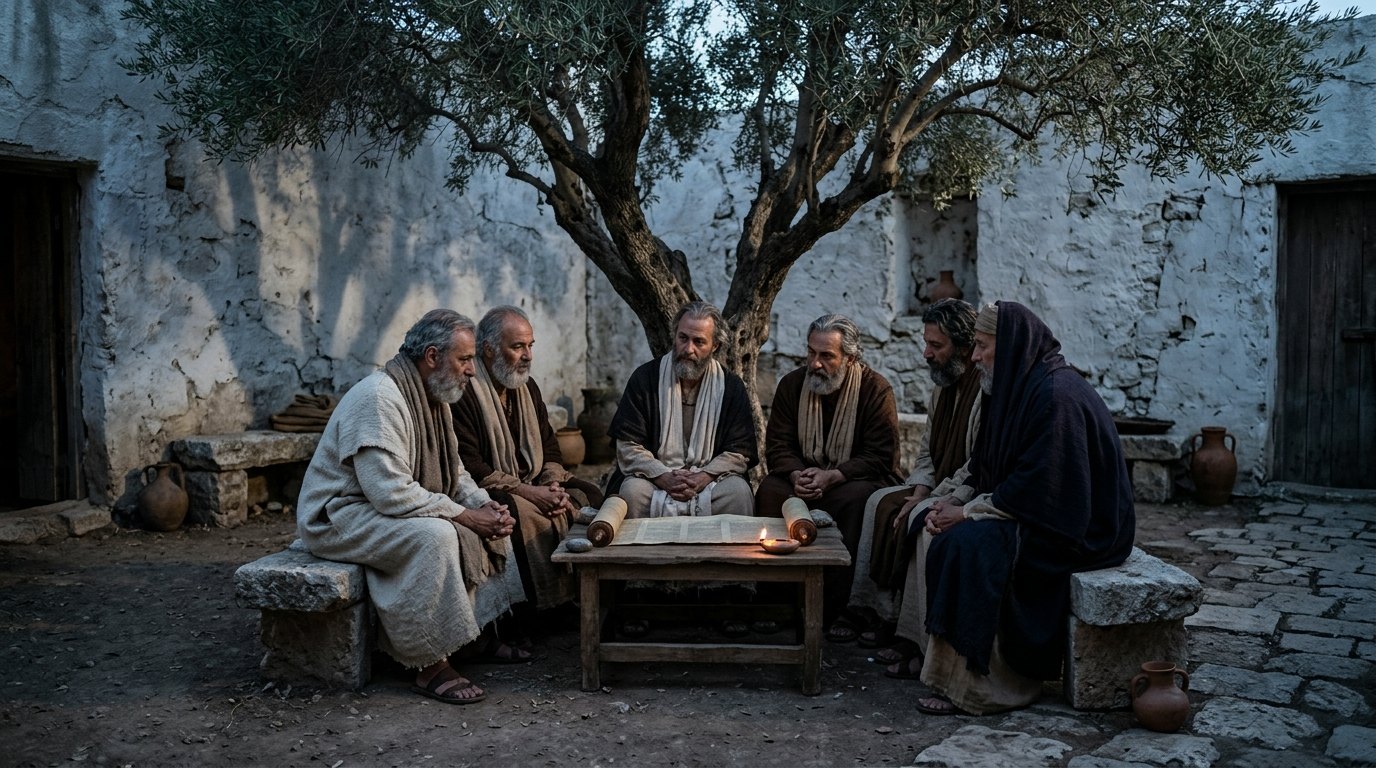
For where two or three gather in my name, there am I with them.”
Matthew 18:20 (NIV)
Jesus explicitly links His personal presence to the assembly gathered in His name to execute His Word.
In Matthew 18:20, the Lord Jesus declares, "For where two or three are gathered together in my name, there am I in the midst of them." Popular piety often reduces this verse to an encouraging proverb for small prayer groups, yet its true context is far more solemn. Christ is speaking of church order, judicial governance, and the restoration of a wandering believer. In Matthew 18:15, Jesus establishes the first step in addressing sin, commanding a private confrontation to win a brother. When that appeal fails, Matthew 18:16 directs that two or three witnesses be brought along, directly fulfilling the ancient judicial requirement of Deuteronomy 19:15 that every matter be established on two or three witnesses. If the unrepentant offender remains obstinate, Matthew 18:17 bids the believer to bring the case before the assembled local church.
It is within this solemn assembly that Christ delegates divine authority. In Matthew 18:18, He declares that whatever the church binds on earth shall be bound in heaven, and whatever it looses shall be loosed in heaven. In Matthew 18:19, He assures His disciples that when even two agree on earth concerning such weighty matters, the Father acts. When Matthew 18:20 follows, Christ pledges His sovereign, authoritative presence to enforce that verdict: He Himself presides where two or three assemble in His name. The Apostle Paul invokes this exact judicial authority in 1 Corinthians 5:4–5, directing the Corinthians to gather in the power and name of the Lord Jesus to deliver an unrepentant transgressor to Satan for the destruction of the flesh. The same legal framework governs the wider pastoral ministry, as seen in 2 Corinthians 13:1 where Paul confirms charges by two or three witnesses, and in 1 Timothy 5:19, which forbids entertaining an accusation against an elder without that same evidentiary threshold.
| Passage | What it says |
|---|---|
| Matthew 18:15 | Jesus outlines the first private step of addressing and reconciling a sinning brother in the church. |
| Matthew 18:16 | A second step requires two or three witnesses to establish every word before the assembly. |
| Matthew 18:17 | The final authority rests with the gathered church to call a persistent sinner to repentance. |
| Matthew 18:18 | Christ grants His gathered church the authority to bind and loose in accordance with heaven's verdict. |
| Matthew 18:19 | Jesus promises that when two agree on earth concerning any petition, heaven acts. |
| Matthew 18:20 | Christ pledges His real, authoritative presence wherever two or three gather in His name. |
| 1 Corinthians 5:4 | Paul instructs the church to gather in Christ's name and power to exercise church discipline. |
| 1 Corinthians 5:5 | The disciplined individual is delivered to Satan for fleshly destruction that his spirit may be saved. |
| Deuteronomy 19:15 | Establishes the legal necessity of two or three witnesses to confirm every matter, providing the judicial foundation for Christ's instructions. |
| 2 Corinthians 13:1 | Applies the principle of two or three witnesses to church discipline and apostolic authority during pastoral oversight. |
| 1 Timothy 5:19 | Forbids receiving an accusation against an elder except on the evidence of two or three witnesses. |
The Divine Pattern
God Dwelling in the Midst of His People
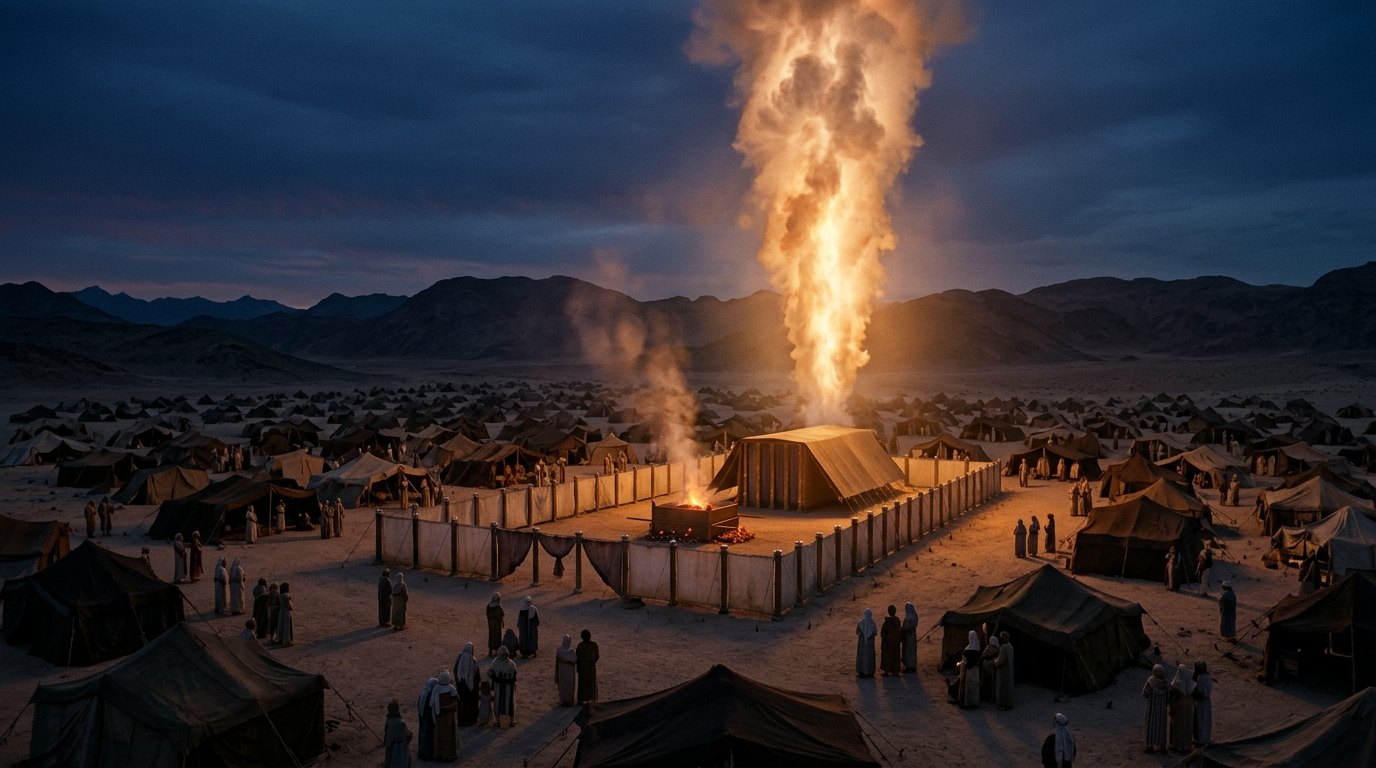
“Then have them make a sanctuary for me, and I will dwell among them.
Exodus 25:8 (NIV)
God commands a sanctuary so that His holy presence may visibly dwell in the midst of Israel.
The pledge of Christ to be in the midst of His people rests on the entire arc of redemptive history. In Exodus 25:8, the Lord commanded Moses, "And let them make me a sanctuary; that I may dwell among them." This was never an architectural conceit but the eternal desire of God to tabernacle with His redeemed inheritance. Long before Sinai, the Lord comforted Jacob at Bethel in Genesis 28:15, promising His abiding presence wherever he went, a promise that finds its ultimate expression in Matthew 28:20 when the risen Christ pledges to remain with His people to the end of the age. In Leviticus 26:12, God bound Himself to Israel by covenant, promising to walk among them and be their God, which 2 Corinthians 6:16 reveals is realized in the New Testament assembly as the living temple of God.
This continuous covenantal design runs through Exodus 29:45, where the Lord reaffirms that He will dwell among the sons of Israel. The prophets sustained this magnificent expectation during times of ruin: Zechariah 2:5 promises that the Lord will be a wall of fire around His people and the glory in their midst, while Zephaniah 3:17 proclaims that the Lord in the midst of Zion is mighty to save, rejoicing over His bride with singing, which found initial fulfilment in the announcement of Christ's incarnation in Luke 1:31–33. In John 1:14, the Word became flesh and tabernacled among us, fulfilling Exodus 25:8. The culmination of this unbroken thread appears in Ezekiel 48:35, where the city of redemption is named Yahweh-Shammah, 'The LORD Is There,' prefiguring the climactic vision of Revelation 21:3 and Revelation 21:23, where God Himself dwells eternally with men and the Lamb is the light in their midst.
| Passage | What it says | Fulfilled |
|---|---|---|
| Genesis 28:15 | God promises Jacob His abiding presence and protection wherever he journeys. | Matthew 28:20 |
| Exodus 25:8 | The Lord commands the building of a sanctuary so He may tabernacle among His redeemed people. | John 1:14, Revelation 21:3 |
| Leviticus 26:12 | God promises to walk among His covenant people and be their God. | 2 Corinthians 6:16 |
| Zephaniah 3:17 | The Lord God in the midst of Jerusalem is mighty to save and rejoices over His own. | Luke 1:31-33 |
| Zechariah 2:5 | The Lord promises to be a wall of fire around Jerusalem and glory within her midst. | Revelation 21:23 |
| Exodus 29:45 | Affirms God's covenantal pledge to dwell among the sons of Israel and be their God. | |
| Ezekiel 48:35 | Declares the name of the holy city as 'The LORD Is There,' securing His permanent presence among His people. |
The Risen Reality
The Resurrected Lord Standing Among His Disciples
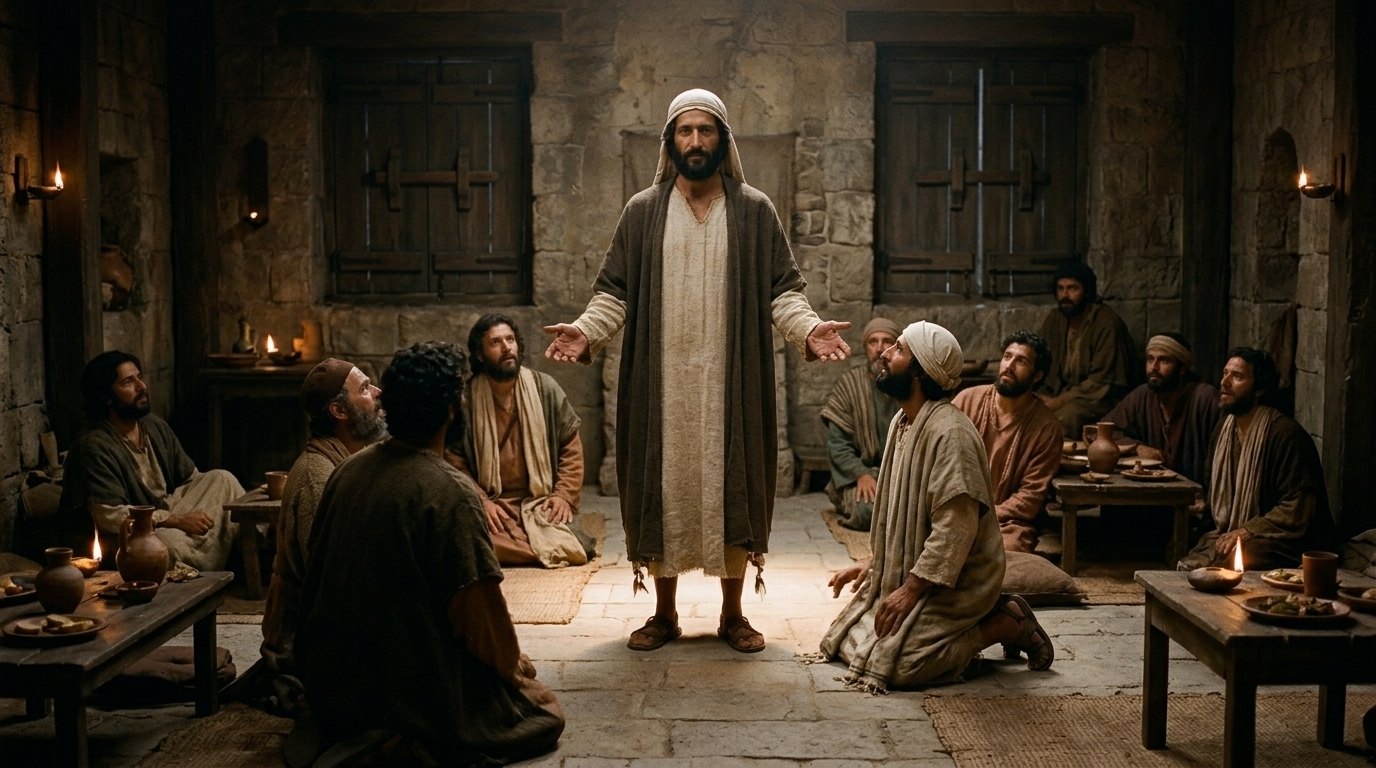
On the evening of that first day of the week, when the disciples were together, with the doors locked for fear of the Jewish leaders, Jesus came and stood among them and said, “Peace be with you!”
John 20:19 (NIV)
The resurrected Christ literally fulfills His promise by standing in the midst of His gathered followers.
What Jesus promised during His earthly ministry became living historical reality on the evening of His resurrection. In John 20:19, "when the doors were shut where the disciples were assembled for fear of the Jews, came Jesus and stood in the midst, and saith unto them, Peace be unto you." He did not knock or ask admittance; He stood bodily in their very midst, validating Matthew 18:20 before their astonished eyes. Luke 24:36 records the parallel wonder in Emmaus and Jerusalem, where the risen Saviour abruptly appeared among them with the greeting of peace. Eight days later, as recounted in John 20:26, Jesus appeared again in their midst behind barred doors to summon Thomas from unbelief into worship.
This immediate presence was not a passing forty-day privilege. In John 14:23, Christ promised that the Father and the Son would make an abiding home with those who keep His word. In Matthew 28:20, He sealed the Great Commission with the definitive assurance that He is with His church always, even unto the end of the world. The Apostle John witnessed the heavenly reality of this ongoing communion in Revelation 1:13 and Revelation 2:1, beholding the glorified Son of Man walking actively in the midst of the seven golden lampstands, closely inspecting and sustaining His local churches. This unbroken communion sweeps forward to the final consummation in Revelation 21:3, where the dwelling place of God is permanently with His people, and tears, death, and separation are wiped away forever.
| Passage | What it says |
|---|---|
| John 20:19 | Jesus appears through locked doors and stands in the midst of His assembled disciples with peace. |
| John 20:26 | Eight days later Jesus again stands in their midst, confirming faith to Thomas. |
| Luke 24:36 | As the disciples discuss His resurrection, Jesus stands in their midst with a greeting of peace. |
| Matthew 28:20 | The Great Commission concludes with Christ's abiding promise to be with His disciples always. |
| Revelation 1:13 | John sees the glorified Son of Man walking in the midst of the seven golden lampstands. |
| Revelation 21:3 | The eternal consummation arrives where the tabernacle of God is fully with men. |
| John 14:23 | Promises that the Father and the Son will make Their dwelling place with anyone who loves Christ and keeps His word. |
| Revelation 2:1 | Portrays Christ as actively walking in the midst of the seven golden lampstands, watching over His gathered assemblies. |
Where in the Bible
| Book | Passages |
|---|---|
| Genesis | 1 · Genesis 28:15 |
| Exodus | 2 · Exodus 25:8, Exodus 29:45 |
| Leviticus | 1 · Leviticus 26:12 |
| Deuteronomy | 1 · Deuteronomy 19:15 |
| Ezekiel | 1 · Ezekiel 48:35 |
| Zephaniah | 1 · Zephaniah 3:17 |
| Zechariah | 1 · Zechariah 2:5 |
| Matthew | 7 · Matthew 18:15, Matthew 18:16, Matthew 18:17, Matthew 18:18, Matthew 18:19, Matthew 18:20, Matthew 28:20 |
| Luke | 1 · Luke 24:36 |
| John | 3 · John 20:19, John 20:26, John 14:23 |
| 1 Corinthians | 2 · 1 Corinthians 5:4, 1 Corinthians 5:5 |
| 2 Corinthians | 1 · 2 Corinthians 13:1 |
| 1 Timothy | 1 · 1 Timothy 5:19 |
| Revelation | 3 · Revelation 1:13, Revelation 21:3, Revelation 2:1 |
The story in order
- God promises to dwell among His people (c. 1445 BC) · Exodus 25:8 · God desires to be present with His redeemed people in a special way.
- God promises His presence and protection (c. 1800 BC) · Genesis 28:15 · God assures Jacob of His constant presence and faithfulness.
- God walks among His covenant people (c. 1445 BC) · Leviticus 26:12 · God pledges to be their God and live in their midst.
- Two or three witnesses required (c. 1400 BC) · Deuteronomy 19:15 · Establishes the legal basis for witness in judicial matters.
- Jesus appears to disciples (AD 30) · John 20:19 · The resurrected Christ stands in their midst, bringing peace.
- Jesus stands in their midst again (AD 30) · John 20:26 · Jesus confirms His presence and reality to doubting disciples.
- Jesus stands among disciples (AD 30) · Luke 24:36 · The disciples are startled but receive His peace.
- Christ's abiding presence promised (AD 30) · Matthew 28:20 · The Great Commission includes the promise of His constant presence.
- Church gathers in Christ's name (c. AD 55) · 1 Corinthians 5:4 · Instruction to gather with Christ's authority for discipline.
- Principle of witnesses applied (c. AD 56) · 2 Corinthians 13:1 · Reinforces the need for witnesses in church matters.
- Christ walks among lampstands (c. AD 95) · Revelation 2:1 · Christ actively oversees and is present with His churches.
- The Lord is there (c. 570 BC) · Ezekiel 48:35 · The name of the city signifies God's permanent presence.
God's Presence with His People
| God's Promise | Location/Context | Significance | Passage |
|---|---|---|---|
| I will dwell among you | Sanctuary in the wilderness | Tabernacle for worship and fellowship | Exodus 25:8 |
| I will walk among you | Among the covenant people | God's intimate relationship and care | Leviticus 26:12 |
| The Lord God in your midst | Jerusalem | Mighty to save and rejoicing | Zephaniah 3:17 |
| I will be a wall of fire | Jerusalem | Protection and glory within | Zechariah 2:5 |
| The Lord is There | The holy city | Permanent divine presence | Ezekiel 48:35 |
| Jesus stands in their midst | Disciples' locked room | Resurrected Lord's authoritative presence | John 20:19 |
| Christ walking in the midst | Seven golden lampstands | Christ's active oversight of churches | Revelation 2:1 |
Authority of the Gathered Church
| Instruction | Basis | Outcome | Passage |
|---|---|---|---|
| Address a sinning brother privately | Love and reconciliation | Restoration of the individual | Matthew 18:15 |
| Establish every word with witnesses | Two or three witnesses | Truth confirmed | Matthew 18:16 |
| The church calls persistent sinner to repentance | Assembly's authority | Judgment according to heaven's verdict | Matthew 18:17 |
| Bind and loose | Heaven's verdict | Church exercises judicial authority | Matthew 18:18 |
| Gather in Christ's name and power | Christ's presence | Discipline for salvation | 1 Corinthians 5:4 |
| Accusations against elders require witnesses | Two or three witnesses | Protection of leadership | 1 Timothy 5:19 |
Key words
- In His name
- Under His authority and by His commission, not for personal gain. · Matthew 18:20
- Presence
- Christ's real, authoritative, and living engagement with His people. · Matthew 18:20
- Bind and Loose
- To declare forbidden or permitted, reflecting heaven's judicial decisions. · Matthew 18:18
- Witnesses
- Two or three are required to establish the truth of a matter. · Deuteronomy 19:15
- Tabernacle
- God dwelling among His people, a place of His special presence. · Exodus 25:8
Believers need never despise the smallest assembly, for Christ Himself ratifies the gathering of His saints. As we come together under His authoritative name to worship, pray, and maintain holiness, we rest in the abiding reality that our risen Lord is actively standing in our midst.
26 passages, each cited once.
Scripture cited
- Matthew 18:20
- 1 Corinthians 5:4
- Revelation 21:3
- Matthew 28:20
- Zechariah 2:5
- John 20:26
- John 20:19