What does Matthew 6:33 mean?
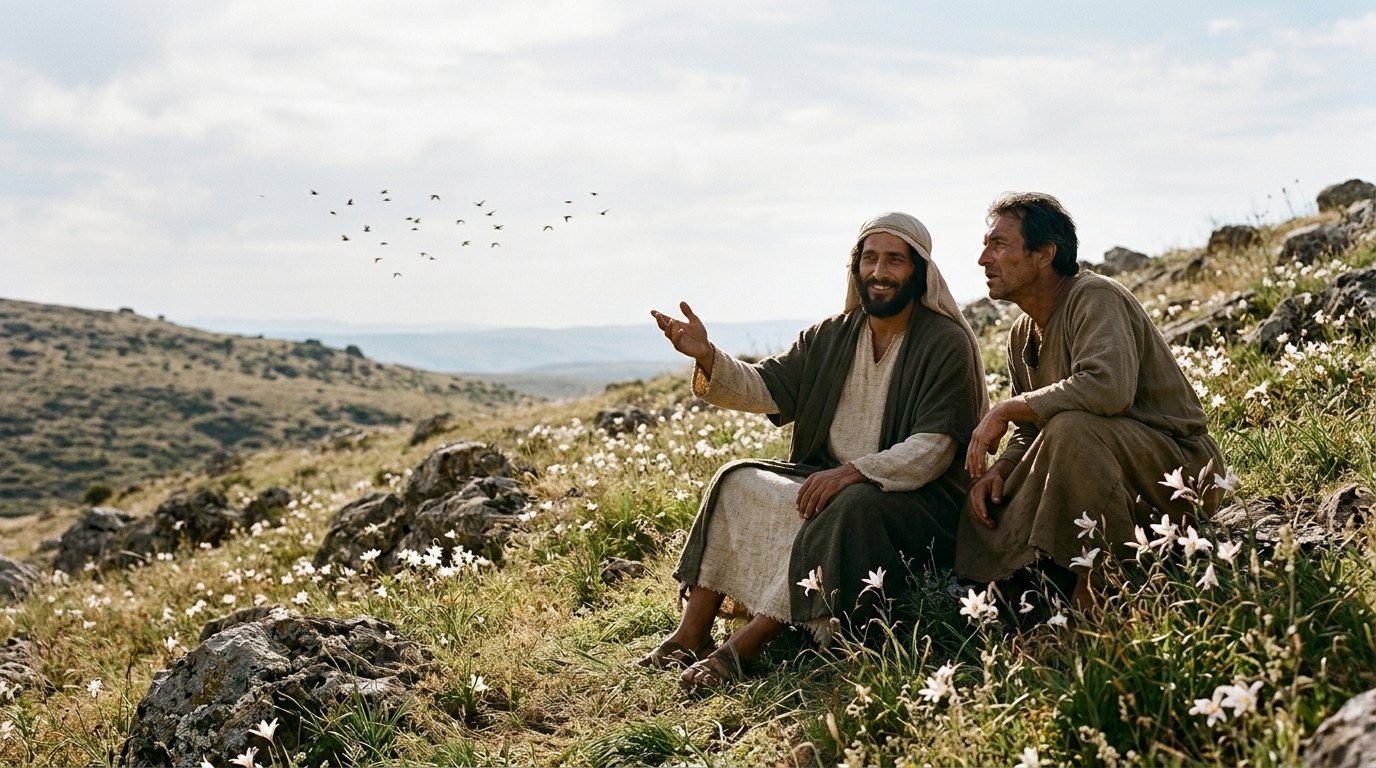
Matthew 6:25-34
25 “Therefore I tell you, do not worry about your life, what you will eat or drink; or about your body, what you will wear. Is not life more than food, and the body more than clothes?
26 Look at the birds of the air; they do not sow or reap or store away in barns, and yet your heavenly Father feeds them. Are you not much more valuable than they?
27 Can any one of you by worrying add a single hour to your life?
28 “And why do you worry about clothes? See how the flowers of the field grow. They do not labor or spin.
29 Yet I tell you that not even Solomon in all his splendor was dressed like one of these.
30 If that is how God clothes the grass of the field, which is here today and tomorrow is thrown into the fire, will he not much more clothe you—you of little faith?
31 So do not worry, saying, ‘What shall we eat?’ or ‘What shall we drink?’ or ‘What shall we wear?’
32 For the pagans run after all these things, and your heavenly Father knows that you need them.
33 But seek first his kingdom and his righteousness, and all these things will be given to you as well.
34 Therefore do not worry about tomorrow, for tomorrow will worry about itself. Each day has enough trouble of its own.
New International Version (NIV)
The answer
Matthew 6:33 teaches that God’s rule and righteousness must have first place in life, while material needs are entrusted to the Father’s care. It is a call to seek God continually, not a formula for obtaining wealth through religious devotion.
Jesus has just addressed anxiety about food, drink, and clothing, pointing to the Father’s care for birds and wildflowers as reasons to trust Him (Matthew 6:25-30). He then says that the heavenly Father knows His children’s needs (Matthew 6:31-32). Verse 33 replaces anxious striving with a better pursuit:
- “Seek first”: The Greek command is in the present tense, describing an ongoing pattern of life. “First” concerns priority, not merely doing something religious before returning to more important concerns.
- “God’s Kingdom”: Seek God’s reign, so that His will and purposes govern life rather than self-rule or the desperate pursuit of security.
- “His righteousness”: Desire the righteousness that belongs to God and live in the obedience that flows from His rule. Jesus has already pronounced blessing on those who hunger and thirst for righteousness, promising that they will be filled (Matthew 5:6).
- “All these things will be given to you as well”: The word translated “given … as well” carries the idea of being added. “These things” refers back to the necessities just named—food, drink, and clothing—not every wish or luxury (Matthew 6:31-33). The promise rests on the Father’s knowledge and care. Psalm 84:11-12 likewise teaches that God withholds no good thing from those who walk uprightly; He, rather than human desire, determines what is good.
This does not forbid ordinary work or planning. It forbids allowing material security to displace God and dominate the heart with anxiety. Matthew 6:34 applies the same trust to tomorrow, directing each day’s attention to its own troubles rather than borrowing tomorrow’s.
In practice, career, spending, and financial decisions must remain subordinate to obedience to God. When a choice arises between obedience and financial security, Matthew 6:33 requires obedience and leaves provision with the Father.
Answered from Scripture · reviewed November 11, 2026
In Matthew 6:33, Jesus commands His followers to reorder their entire lives around God's reign and holiness, promising that daily necessities will be fully provided. He does not forbid prudent labor or legitimate planning, but dismantles the paralyzing anxiety that treats earthly survival as life's supreme objective. By seeking the Father's kingdom first, believers exchange worldly dread for joyful trust in a sovereign Provider.
The Context of Worry
Jesus Confronts the Tyranny of Earthly Anxiety

“Therefore I tell you, do not worry about your life, what you will eat or drink; or about your body, what you will wear. Is not life more than food, and the body more than clothes?
Matthew 6:25 (NIV)
Jesus identifies the root issue of divided allegiance: an obsessive concern over bodily needs that forgets the Father's tender sovereignty.
In Matthew 6:25, Jesus strikes at the root of divided allegiance by commanding His followers to stop fretting over food, drink, and clothing: life is far greater than bodily sustenance. This admonition flows directly from Matthew 6:24, where Christ exposes the impossibility of dual masters, warning that devotion to God and devotion to earthly riches cannot coexist. When believers obsess over physical survival, they behave as though the Creator is indifferent to His own creatures. To dismantle this paralyzing mindset, Jesus points disciples toward the sky in Matthew 6:26, directing them to the birds of the air, which neither sow seed nor gather harvests into storehouses, yet are constantly fed by the heavenly Father. He presses home their true worth by asking whether His blood-bought people are not of vastly greater value than sparrows.
Anxiety, furthermore, is wholly ineffective. In Matthew 6:27, the Lord asks who by taking anxious thought can add a single hour to his life or a single cubit to his stature. He turns next to the open fields in Matthew 6:28, bidding His listeners consider the wild lilies that grow without human labor or spinning. In Matthew 6:29, Christ observes that King Solomon, at the absolute summit of his wealth and majesty, was never arrayed with the effortless glory of a common wild flower. Therefore, as Matthew 6:30 argues from the lesser to the greater, if God so lavishly garbs transient grass destined for the furnace, He will certainly clothe His children—a declaration that exposes worry as a symptom of diminutive faith. Jesus repeats the prohibition in Matthew 6:31 against anxiously debating what to eat or wear, reminding His flock in Matthew 6:32 that such desperate striving marks the Gentiles who know nothing of divine grace. God knows precisely what His people require before they utter a single request.
| Passage | What it says |
|---|---|
| Matthew 6:24 | Jesus warns that no one can serve two masters, establishing the impossibility of loving both God and worldly wealth. |
| Matthew 6:25 | Christ commands disciples not to be anxious about food, drink, or clothing, affirming life is more than sustenance. |
| Matthew 6:26 | Jesus points to the birds of the air, fed without sowing or reaping, proving God's children hold far greater value. |
| Matthew 6:27 | Christ asks who by taking thought can add a single cubit unto his stature, showing worry is utterly powerless. |
| Matthew 6:28 | Jesus directs attention to the lilies of the field, which grow without toil yet display unmatched glory. |
| Matthew 6:29 | Christ notes that even King Solomon in all his regal splendor was not arrayed like one common field flower. |
| Matthew 6:30 | Jesus promises that if God clothes transient grass, He will surely clothe His people, rebuking their little faith. |
| Matthew 6:31 | Christ reiterates the explicit prohibition against anxiously questioning what to eat, drink, or wear. |
| Matthew 6:32 | Jesus observes that the Gentiles chase these necessities, whereas the heavenly Father already knows every need. |
The Supreme Pursuit
Prioritizing God's Royal Reign and Perfect Righteousness
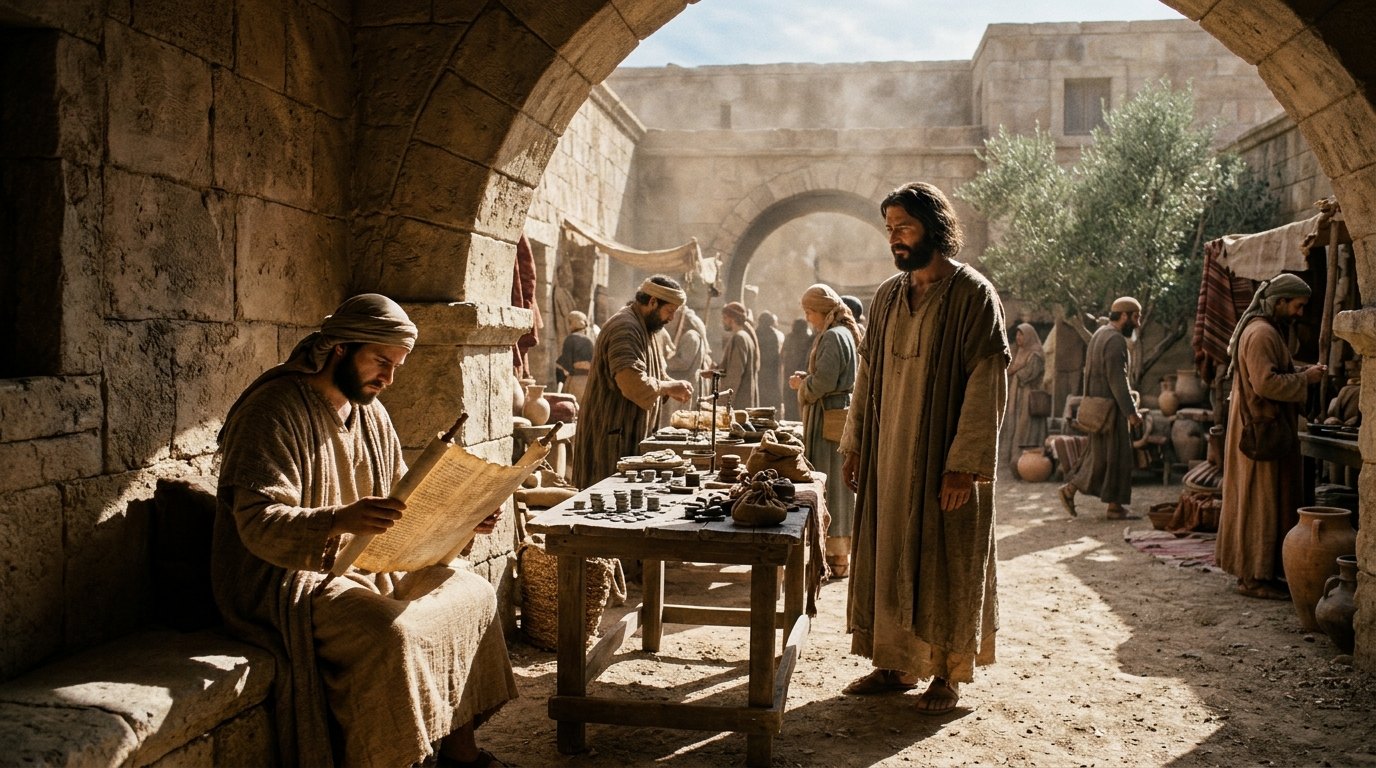
But seek first his kingdom and his righteousness, and all these things will be given to you as well.
Matthew 6:33 (NIV)
This verse serves as the direct command and divine promise, establishing the single governing ambition for Christian life.
In Matthew 6:33, Jesus delivers the definitive command that reorients every human ambition: believers must seek first the kingdom of God and His righteousness, receiving the absolute pledge that all earthly necessities will be provided alongside it. This is not an invitation to relegate God's reign to a weekend hobby or a secondary priority; it requires that Christ's sovereign rule, His redemptive agenda, and His moral holiness govern every decision. Luke 12:31 establishes this exact standard, summoning the disciples away from fearful self-preservation into total absorption with the Father's royal purpose. This inward yearning reflects the beatitude of Matthew 5:6, which pronounces blessed those who hunger and thirst after practical and imputed righteousness, assuring them they shall be thoroughly satisfied.
The nature of this kingdom transcends physical appetites. As Paul explains in Romans 14:17, the kingdom of God does not consist of debates over food and drink, but of righteousness, peace, and joy produced by the Holy Spirit. Christ reinforced this eternal focus in John 6:27, urging the multitudes not to exhaust themselves laboring for food that perishes, but to seek that enduring bread which the Son of Man imparts unto everlasting life. To pursue this kingdom is to echo Paul's confession in Philippians 3:8, counting ancestral pedigree, earthly status, and material gain as worthless refuse compared to the excellency of knowing Christ and being clothed in His perfect righteousness. Believers who are raised with Christ obey Colossians 3:1 by deliberately setting their minds on heavenly realities, fixing their ultimate allegiance upon the exalted Savior reigning at God's right hand.
| Passage | What it says |
|---|---|
| Matthew 6:33 | Christ commands believers to seek first the kingdom of God and His righteousness, assuring all necessary things will be added. |
| Luke 12:31 | Luke records Jesus' parallel exhortation to seek God's kingdom rather than anxious earthly striving. |
| Matthew 5:6 | Jesus blesses those who hunger and thirst after righteousness, promising they shall be completely filled. |
| Romans 14:17 | Paul clarifies that God's kingdom is not meat and drink, but righteousness, peace, and joy in the Holy Spirit. |
| John 6:27 | Jesus tells the crowds not to labor for perishable meat, but for the meat enduring to everlasting life. |
| Philippians 3:8 | Paul counts all worldly status as loss compared to knowing Christ and possessing His imputed righteousness. |
| Colossians 3:1 | Paul instructs believers raised with Christ to set their minds on things above, where Christ sits at God's right hand. |
The Divine Provision
God Faithfully Supplies Every Need of His Faithful
For the LORD God is a sun and shield; the LORD bestows favor and honor; no good thing does he withhold from those whose walk is blameless.
Psalms 84:11 (NIV)
The psalmist declares God's generous character, affirming that no genuine good is withheld from those who walk uprightly.
In Psalms 84:11, Scripture anchors divine provision in the unchanging benevolence of the Lord: no good thing will He withhold from those who walk uprightly. Because God is a protective shield and an unfailing sun, those who pursue His holiness never find themselves abandoned to genuine ruin. David sounds this same note of covenant fidelity in Psalms 34:9, exhorting the saints to fear the Lord, because those who revere Him experience no permanent lack. While even apex predators may falter—as Psalms 34:10 records that young lions grow faint and suffer hunger—the people who seek Jehovah will not be deprived of any truly beneficial gift. This truth is verified by lifelong experience in Psalms 37:25, where the aged psalmist testifies that throughout his entire journey he never witnessed the righteous forsaken nor their offspring left to beg for bread.
Under the New Covenant, this ancient promise finds its ultimate fullness in Christ. Writing from a Roman prison, Paul reassures the believers in Philippians 4:19 that God will bountifully supply all their physical and spiritual needs according to His infinite riches in glory in Christ Jesus. This provision does not insulate the faithful from worldly friction, but it guarantees that sacrifice for the gospel never ends in loss. In Mark 10:29, Jesus acknowledges those who surrender homes, families, or fields for His name's sake. In Mark 10:30, He makes the remarkable promise that such disciples receive a hundredfold return in this present life—even amidst persecutions through the fellowship and shared abundance of the church family—and in the world to come, life everlasting.
| Passage | What it says |
|---|---|
| Psalms 34:9 | David charges saints to fear the Lord, declaring there is no want to those who reverently trust Him. |
| Psalms 34:10 | Scripture notes young lions lack and suffer hunger, yet those seeking the Lord lack no good thing. |
| Psalms 84:11 | The Lord is a sun and shield, giving grace and glory while withholding no good from the upright. |
| Psalms 37:25 | David testifies that from youth to old age he never saw the righteous forsaken nor their seed begging bread. |
| Philippians 4:19 | Paul promises that God will supply all needs according to His riches in glory by Christ Jesus. |
| Mark 10:29 | Jesus addresses those who sacrifice homes, families, or lands for His sake and the gospel's. |
| Mark 10:30 | Christ promises a hundredfold return in this present age alongside persecutions, and eternal life in the age to come. |
Living One Day at a Time
Walking in Daily Obedience Without Borrowing Tomorrow's Sorrows
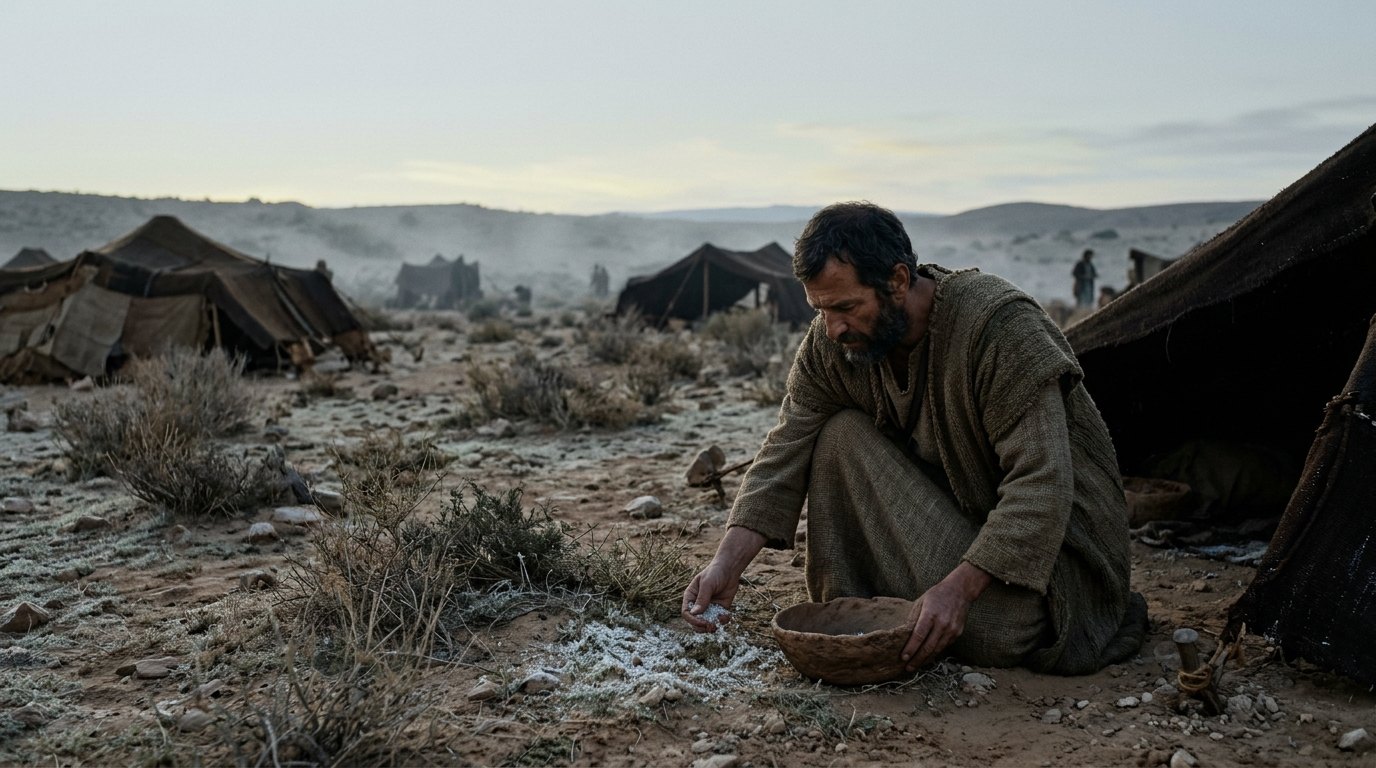
Therefore do not worry about tomorrow, for tomorrow will worry about itself. Each day has enough trouble of its own.
Matthew 6:34 (NIV)
Jesus concludes His teaching on trust by grounding faith in today's duties and forbidding anxiety over tomorrow.
In Matthew 6:34, Jesus draws His instruction to a practical climax by commanding His listeners not to borrow future trouble: do not worry about tomorrow, for tomorrow will worry about itself. Each day brings its own full measure of trial, and God distributes grace in daily rations rather than bulk shipments. This principle was woven into the Lord's Prayer in Matthew 6:11, where Christ taught disciples to ask only for their daily bread, fostering an unceasing posture of childlike trust. It directly recalls Exodus 16:19, where Moses instructed the wilderness wanderers not to hoard manna overnight; those who tried to secure tomorrow's food discovered only rot and worms, because God demanded daily dependence upon His morning mercies.
Human presumption frequently attempts to bypass this reliance by projecting control into an unknown future. In James 4:13, the apostle confronts merchants who arrogantly announce plans to travel to specific cities, trade for a year, and amass guaranteed profits. James 4:14 strips away this illusion, reminding believers that human life is merely a vanishing vapor, entirely dependent upon the sovereign permission of God for every single breath. Trying to bear tomorrow's burdens with today's strength is an act of unbelief that breeds exhaustion. True peace is found instead in obeying 1 Peter 5:7, where the apostle commands believers to cast every single anxious care upon the Lord once and for all, resting in the quiet assurance that He cares deeply and personally for them.
| Passage | What it says |
|---|---|
| Matthew 6:34 | Jesus commands believers not to worry about tomorrow, stating each day possesses sufficient trouble of its own. |
| Matthew 6:11 | Christ instructs disciples to pray for bread day by day, cultivating continual dependence on the Father. |
| Exodus 16:19 | Moses instructs Israel to keep none of the daily manna until morning, training them in daily reliance. |
| James 4:13 | James rebukes boastful merchants who map out future profits without acknowledging God's sovereign will. |
| James 4:14 | Scripture emphasizes life's vapor-like frailty, cautioning against presumptuous control over tomorrow's events. |
| 1 Peter 5:7 | Peter urges believers to cast all their anxieties upon the Lord because He cares deeply for them. |
Where in the Bible
| Book | Passages |
|---|---|
| Exodus | 1 · Exodus 16:19 |
| Psalms | 4 · Psalms 34:9, Psalms 34:10, Psalms 84:11, Psalms 37:25 |
| Matthew | 13 · Matthew 6:24, Matthew 6:25, Matthew 6:26, Matthew 6:27, Matthew 6:28, Matthew 6:29, Matthew 6:30, Matthew 6:31, Matthew 6:32, Matthew 6:33, Matthew 5:6, Matthew 6:34, Matthew 6:11 |
| Mark | 2 · Mark 10:29, Mark 10:30 |
| Luke | 1 · Luke 12:31 |
| John | 1 · John 6:27 |
| Romans | 1 · Romans 14:17 |
| Philippians | 2 · Philippians 3:8, Philippians 4:19 |
| Colossians | 1 · Colossians 3:1 |
| James | 2 · James 4:13, James 4:14 |
| 1 Peter | 1 · 1 Peter 5:7 |
The story in order
- Israel's daily provision (c. 1450 BC) · Exodus 16:19 · God taught daily reliance by providing manna each morning.
- David trusts God's provision (c. 1000 BC) · Psalms 34:9 · Those who fear the Lord lack no good thing.
- Jesus teaches on anxiety (c. AD 30) · Matthew 6:25 · Do not be anxious about daily needs; life is more than food.
- Jesus commands seeking God's kingdom (c. AD 30) · Matthew 6:33 · Seek God's reign and righteousness first; He will provide.
- Jesus blesses righteousness seekers (c. AD 30) · Matthew 5:6 · Those who hunger for righteousness will be filled.
- Jesus promises provision for sacrifice (c. AD 30) · Mark 10:29 · Those who leave all for the gospel receive much in return.
- Paul counts all as loss for Christ (c. AD 60) · Philippians 3:8 · Knowing Christ and His righteousness surpasses all worldly gain.
- Paul promises God's provision (c. AD 60) · Philippians 4:19 · God supplies all needs according to His glorious riches.
- James warns against presumption (c. AD 45) · James 4:13 · Do not boast about tomorrow; life is uncertain.
- Peter urges casting anxieties on God (c. AD 60) · 1 Peter 5:7 · Cast your anxieties on the Lord; He cares for you.
Seeking Earthly vs. Heavenly Treasures
| Earthly Focus | Heavenly Focus | Result | Passage |
|---|---|---|---|
| Serve two masters (God and wealth) | Serve God | Love one, hate the other | Matthew 6:24 |
| Be anxious about food, drink, clothes | Life is more than these | Worry is powerless | |
| Gentiles chase necessities | Father knows your needs | Trust His provision | Matthew 6:32 |
| Labor for perishable food | Labor for food enduring to eternal life | Eternal life | John 6:27 |
| Count worldly status as loss | Gain Christ and His righteousness | Supreme value | Philippians 3:8 |
| Set minds on earthly things | Set minds on things above | Life with Christ | Colossians 3:1 |
God's Provision for the Seeking
| Who Seeks | What They Lack | What They Receive | Passage |
|---|---|---|---|
| Those who fear the Lord | No good thing | No want | Psalms 34:9 |
| Those seeking the Lord | Lack and suffer hunger | Lack no good thing | Psalms 34:10 |
| The upright | Good things | Grace and glory | Psalms 84:11 |
| The righteous | Forsaken or begging bread | Never forsaken | Psalms 37:25 |
| Those who seek God's kingdom | Necessary things | All necessary things will be added | Matthew 6:33 |
| Those who hunger and thirst for righteousness | Righteousness | Completely filled | Matthew 5:6 |
| Those who sacrifice for the gospel | Homes, families, lands | Hundredfold now, eternal life later | Mark 10:29-30 |
| Believers | All needs | According to His riches in glory | Philippians 4:19 |
Key words
- Serve two masters
- It is impossible to give ultimate allegiance to both God and worldly possessions. · Matthew 6:24
- Anxious
- To be troubled with fears or worries; to be in fear or dread of what may happen. · Matthew 6:25
- Seek first the kingdom of God
- Prioritize God's reign and rule in your life above all else. · Matthew 6:33
- Righteousness
- Conformity to God's law and character; imputed by Christ or imparted by the Spirit. · Matthew 5:6
- Labor for the food that endures
- Work for spiritual sustenance and eternal life, not just temporary physical needs. · John 6:27
- Cast all your anxieties
- Completely entrust all your worries and cares to God. · 1 Peter 5:7
Matthew 6:33 invites every believer to step out of the frantic treadmill of worldly self-preservation into the freedom of divine sonship. When Christ's reign and righteousness govern your aims, choices, and resources, the pressure to secure your own life dissolves. Trust the Father who clothes the lilies and feeds the birds; walk faithfully today, and know that every earthly need is safely held in His sovereign hands.
29 passages, each cited once.
Scripture cited
- Matthew 6:33
- Matthew 5:6
- Psalms 84:11-12
- Matthew 6:25-34