What does 'saint' mean in the Bible?
Ephesians 1:1
1 Paul, an apostle of Christ Jesus by the will of God, To God’s holy people in Ephesus, the faithful in Christ Jesus:
New International Version (NIV)
The answer
In the Bible, a saint is a “holy one”—someone set apart for God. In the New Testament, it normally describes all who belong to Christ, not a small group of exceptionally holy or sinless people.
- The word: The Greek word hagios means holy, sacred, or consecrated. The Old Testament uses a similar idea: Psalm 16:3 calls God’s people on earth “the saints” and “the excellent ones in whom is all my delight.”
- The people: Paul addresses whole churches as saints. Romans 1:7 is written “To all that be in Rome, beloved of God, called to be saints,” and Ephesians 1:1 addresses “the saints who are at Ephesus, and the faithful in Christ Jesus.”
- The basis: Christians are saints because God has set them apart in Christ, not because they have achieved moral perfection. First Corinthians 1:2 describes the Corinthian church as “those who are sanctified in Christ Jesus, called saints,” and includes “all who call on the name of our Lord Jesus Christ in every place.”
- The calling: Being holy in Christ leads to living holy lives. First Peter 1:15-16 says, “you yourselves also be holy in all of your behavior, because it is written, ‘You shall be holy, for I am holy.’”
So saint describes both a believer’s position and calling: set apart by God through Christ, and called to reflect His holiness in everyday conduct.
Answered from Scripture · reviewed November 11, 2026
In modern conversation, a 'saint' usually refers to an extraordinary, canonized hero of the faith or someone of superhuman virtue. In Scripture, however, 'saint' is simply God's standard name for every single person who belongs to Jesus Christ, consecrated by His blood and set apart for His glory.
The Old Testament Root
God consecrates a people for his own possession
you will be for me a kingdom of priests and a holy nation.’ These are the words you are to speak to the Israelites.”
Exodus 19:6 (NIV)
It establishes that holiness describes a people entirely set apart to God by covenant rather than an elite individual status.
Long before the New Testament writers picked up their pens, God anchored the identity of his people in the covenantal reality of holiness. At Mount Sinai, the Lord declared in Exodus 19:6 that Israel would be to him a kingdom of priests and a holy nation, establishing that saintliness was never an elite tier of human achievement but an identity bestowed by divine consecration. This was reinforced in Leviticus 19:2, where the command to be holy flowed directly from the holiness of the Lord himself, and in Deuteronomy 7:6, where Moses reminded Israel that their holiness sprang solely from God’s sovereign election. In the Old Testament, the Hebrew terms for 'holy ones' (qadoshim) and 'faithful covenant ones' (hasidim) described ordinary people standing in covenantal relation to the living God.
The Psalms celebrate this corporate heritage with regular affection. David rejoiced in Psalm 16:3 that the saints on earth are the excellent ones in whom is his whole delight, while Psalm 30:4 summons these same saints to sing praise and return thanks to God's holy name. Hannah confessed in 1 Samuel 2:9 that the Lord guards the very feet of his saints, and Psalm 31:23 calls every saint to love him for his faithful preservation. Even in trial, Psalm 34:9 affirms that those who fear the Lord lack nothing, while Psalm 89:7 speaks of God being held in reverence among the assembly of the holy ones. God's tender regard is such that Psalm 116:15 declares the death of his saints precious in his sight, yet their destiny is triumphant: Psalm 149:9 honors them as executors of his righteous judgment. Looking forward to the consummation, Daniel 7:18, Daniel 7:22, and Daniel 7:27 repeatedly promise that the saints of the Most High will receive the everlasting dominion, forever vindicated by the Ancient of Days.
| Passage | What it says |
|---|---|
| Exodus 19:6 | God promises Israel that they shall be unto him a kingdom of priests and a holy nation. |
| Leviticus 19:2 | The Lord commands the entire congregation of Israel to be holy because he is holy. |
| Deuteronomy 7:6 | Israel is declared a special, holy people chosen above all peoples on earth. |
| Psalms 16:3 | David identifies the saints in the earth as the excellent in whom is all his delight. |
| Psalms 30:4 | The psalmist calls all God's saints to sing praise and give thanks to his holy name. |
| Psalms 89:7 | God is described as greatly to be feared in the assembly of the saints. |
| Daniel 7:18 | The saints of the Most High are promised the everlasting kingdom. |
| Daniel 7:22 | Judgment is given to the saints of the Most High when the time comes to possess the kingdom. |
| Daniel 7:27 | The dominion under heaven is given to the people of the saints of the Most High. |
| 1 Samuel 2:9 | Hannah confesses that the Lord guards the feet of his faithful saints. |
| Psalms 31:23 | David calls all the Lord's saints to love him for preserving the faithful. |
| Psalms 34:9 | God's holy people are told to fear the Lord because they lack nothing. |
| Psalms 116:15 | Scripture declares that the death of God's saints is precious in his sight. |
| Psalms 149:9 | Executing God's written judgment stands as an honor for all his saints. |
The Apostolic Greeting
Every believer in the local church is addressed as a saint
Paul, an apostle of Christ Jesus by the will of God, To God’s holy people in Ephesus, the faithful in Christ Jesus:
Ephesians 1:1 (NIV)
Paul places 'saints' in direct apposition with ordinary faithful believers in Christ Jesus.
When the apostles addressed their letters to the early churches, they did not reserve the word 'saint' (hagios) for deceased martyrs or canonized heroes. Instead, in Ephesians 1:1, Paul writes directly to the saints and faithful in Christ Jesus, using the word as a direct synonym for living, ordinary believers. The opening of Romans 1:7 similarly greets every Roman believer as 'called to be saints,' proving that sainthood is not an earned grade of Christian maturity, but the baseline identity of every soul justified by grace. Paul applies this startling title even to the troubled congregation in 1 Corinthians 1:2, addressing believers who wrestled with pride and division as 'sanctified in Christ Jesus, called to be saints.'
This apostolic practice was uniform and deliberate across the Roman world. In 2 Corinthians 1:1, Paul embraces the entire regional body of believers as 'all the saints who are in all Achaia.' When writing to the Philippians in Philippians 1:1, he includes the whole local assembly alongside their overseers and deacons, addressing 'all the saints in Christ Jesus.' Colossians 1:2 likewise brackets 'the saints' with 'faithful brethren in Christ,' demonstrating that every person united to the Savior shares this standing. Far from puffing up believers with personal pride, this high calling produced deep humility: in Ephesians 3:8, the apostle himself confessed that he was 'less than the least of all the saints,' yet he prayed in Ephesians 3:18 that all saints together would have the spiritual strength to comprehend the unfathomable dimensions of Christ’s redeeming love.
| Passage | What it says |
|---|---|
| Ephesians 1:1 | Paul addresses his letter directly to the saints and the faithful in Christ Jesus at Ephesus. |
| Romans 1:7 | Paul greets all believers in Rome as beloved of God and called to be saints. |
| 1 Corinthians 1:2 | The Corinthian church members are addressed as sanctified in Christ Jesus and called to be saints. |
| 2 Corinthians 1:1 | Paul addresses the church of God at Corinth together with all the saints throughout Achaia. |
| Philippians 1:1 | Paul and Timothy address all the saints in Christ Jesus at Philippi, including bishops and deacons. |
| Colossians 1:2 | The epistle is directed to the saints and faithful brethren in Christ who are at Colosse. |
| Ephesians 3:8 | Paul counts himself less than the least of all the saints. |
| Ephesians 3:18 | Paul prays all saints together may comprehend the breadth and length of Christ's love. |
The Church's Daily Life
Saints minister to one another in ordinary community
“Lord,” Ananias answered, “I have heard many reports about this man and all the harm he has done to your holy people in Jerusalem.
Acts 9:13 (NIV)
Ananias uses 'saints' naturally to describe ordinary living disciples who were suffering persecution in Jerusalem.
The book of Acts and the New Testament epistles demonstrate that 'saints' was simply the common, everyday vocabulary for living Christians ministering in local communities. When Ananias hesitated to visit Damascus in Acts 9:13, he protested, 'Lord, I have heard from many about this man, how much evil he has done to your saints at Jerusalem.' Peter routinely traveled among living saints, lodging with believers in Lydda in Acts 9:32, and raising Tabitha to present her alive 'to the saints and widows' in Acts 9:41. Paul similarly recalled in Acts 26:10 that before his conversion he locked up many of the saints in prison. Throughout the early church, saints were people of flesh and blood who ate together, prayed together, and opened their homes to one another.
Because saints formed a tangible family, Scripture repeatedly commands practical, sacrificial care among them. Romans 12:13 charges believers to contribute directly to the necessities of the saints, and in Romans 15:25 Paul travels toward Jerusalem to deliver funds to the impoverished saints there. Phoebe is commended in Romans 16:2 to be received in a manner 'worthy of the saints,' while 1 Corinthians 16:1, 2 Corinthians 8:4, 2 Corinthians 9:1, and 2 Corinthians 9:12 outline generous relief offerings collected to supply the wants of the saints. In local assemblies, order prevailed across 'all the churches of the saints' (1 Corinthians 14:33), and Paul urged believers in 1 Corinthians 6:1-2 to settle disputes internally, noting that 'the saints will judge the world.' Paul sends greetings from household saints in Philippians 4:22 and 2 Corinthians 13:13, celebrates Philemon refreshing the hearts of the saints (Philemon 1:5, 1:7), and commends widows who washed the feet of the saints (1 Timothy 5:10). The writer of Hebrews rejoices in those who served the saints (Hebrews 6:10; Hebrews 13:24), while Paul reveals that spiritual gifts exist precisely to equip the saints for ministry (Ephesians 4:12), urging persistent prayer for all the saints (Ephesians 6:18).
| Passage | What it says |
|---|---|
| Acts 9:13 | Ananias tells the Lord of how much evil Saul has done to his saints at Jerusalem. |
| Acts 9:32 | Peter visits the living believers living at Lydda, referring to them as saints. |
| Acts 9:41 | Peter raises Dorcas and presents her alive to the saints and widows. |
| Acts 26:10 | Paul confesses that prior to conversion he shut up many of the saints in prison. |
| Romans 12:13 | Believers are instructed to distribute to the practical necessities of the saints. |
| Romans 15:25 | Paul journeys to Jerusalem specifically to minister financially to the poor saints there. |
| Romans 16:2 | The Roman church is asked to receive Phoebe as becometh saints. |
| 1 Corinthians 6:1 | Paul admonishes Christians for taking disputes before unbelievers rather than before the saints. |
| 1 Corinthians 6:2 | Paul reminds believers that the saints shall judge the world. |
| 1 Corinthians 16:1 | Paul directs the collection for the saints in Galatia and Corinth. |
| 2 Corinthians 8:4 | The Macedonian churches plead for the fellowship of ministering to the saints. |
| 2 Corinthians 9:1 | Paul notes that writing about financial relief for the saints is superfluous given their zeal. |
| 2 Corinthians 9:12 | The administration of service not only supplies the want of the saints but overflows in thanksgiving. |
| Philippians 4:22 | All the saints send greetings, chief among them those of Caesar's household. |
| 1 Timothy 5:10 | A faithful widow is commended for having washed the feet of the saints. |
| Philemon 1:5 | Paul hears of Philemon's love and faith toward the Lord Jesus and toward all saints. |
| Philemon 1:7 | Paul rejoices that the hearts of the saints are refreshed through Philemon. |
| Hebrews 6:10 | God remembers the love believers showed toward his name in ministering to the saints. |
| Hebrews 13:24 | The author sends greetings to all the leaders and all the saints. |
| 1 Corinthians 14:33 | Paul appeals to God's order established across all the churches of the saints. |
| 2 Corinthians 13:13 | Paul sends greetings to Corinth from all the saints where he writes. |
| Ephesians 4:12 | Gifts are given to equip the saints for the work of ministry. |
| Ephesians 6:18 | Believers are charged to persevere in supplication for all the saints. |
The Moral Calling
Those set apart are summoned to walk in holiness
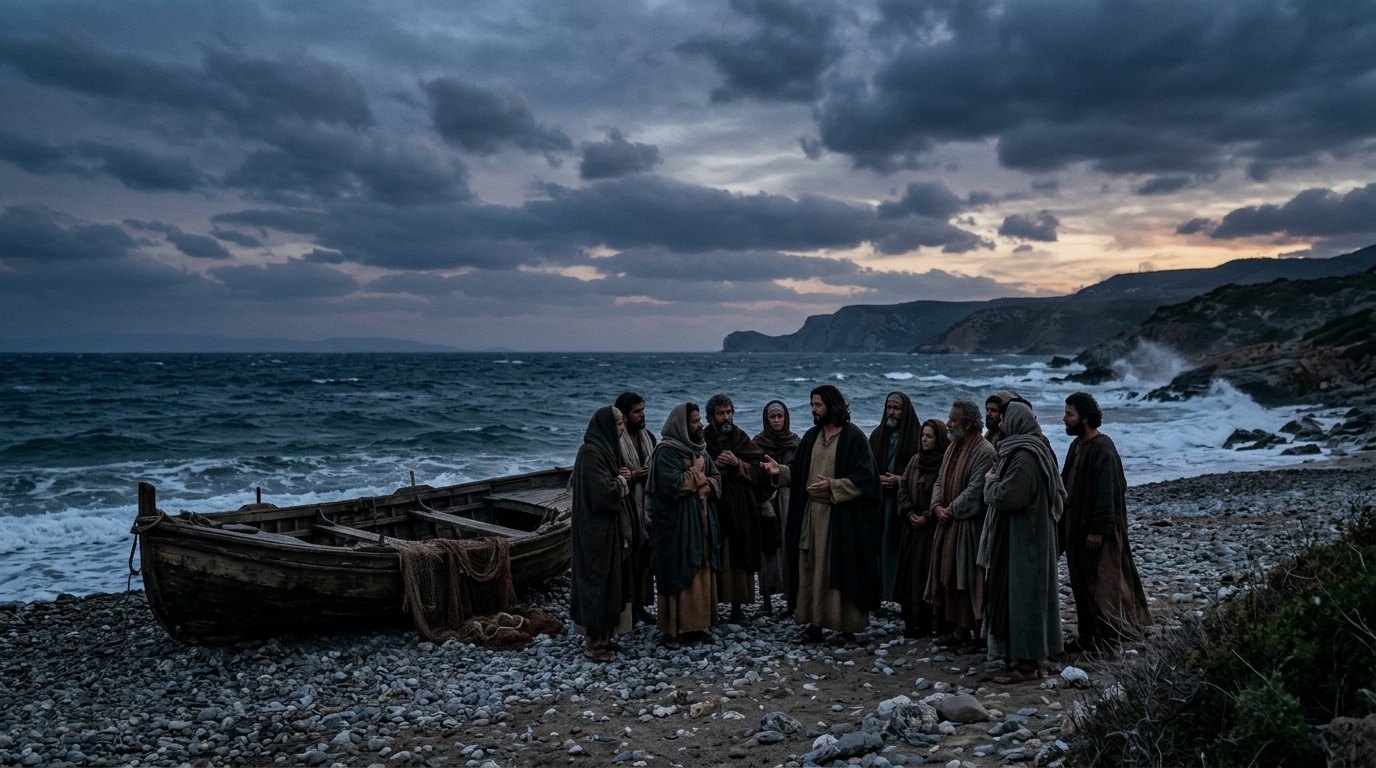
But among you there must not be even a hint of sexual immorality, or of any kind of impurity, or of greed, because these are improper for God’s holy people.
Ephesians 5:3 (NIV)
It shows that saintly identity demands practical purity and ethical distinction from the surrounding world.
Because believers are declared saints by divine grace, Scripture demands that their daily conduct match their consecrated status. In Ephesians 5:3, Paul makes this connection unmistakable: 'But sexual immorality and all impurity or covetousness must not even be named among you, as is proper among saints.' sainthood is not passive; it carries a direct ethical obligation. Romans 6:22 explains that those set free from sin have become servants to God, bearing 'fruit to holiness,' the end of which is eternal life. Sanctification touches every arena of bodily life, so that in 1 Thessalonians 4:3 and 1 Thessalonians 4:7 Paul reminds believers that God has not called them to impurity, but in holiness, expressly warning against sexual sin.
Peter anchors this ethical summons in the character of God himself. In 1 Peter 1:15-16, he cites the ancient wilderness law, declaring that believers must be holy in all conduct because the God who called them is holy. Echoing Exodus, 1 Peter 2:9 proclaims the New Testament church to be 'a chosen race, a royal priesthood, a holy nation, a people for his own possession,' commissioned to proclaim the excellencies of him who called them out of darkness into his marvelous light. This identity also requires guarding the apostolic message itself: Jude 1:3 urgently charges believers to contend earnestly for 'the faith that was once for all delivered to the saints.' Biblical sainthood is never about an aura of mystical detachment, but about steadfast covenant faithfulness, practical purity, and courageous witness within an ungodly world.
| Passage | What it says |
|---|---|
| Ephesians 5:3 | Fornication and all uncleanness must not even be named among believers, as becometh saints. |
| Romans 6:22 | Being made free from sin and enslaved to God results in fruit unto holiness. |
| 1 Thessalonians 4:3 | God's will for believers is their sanctification, specifically abstaining from sexual immorality. |
| 1 Thessalonians 4:7 | God has not called believers unto uncleanness, but unto holiness. |
| 1 Peter 1:15 | As he who called you is holy, believers are to be holy in all manner of conduct. |
| 1 Peter 1:16 | Peter quotes Scripture's command to be holy because the Lord is holy. |
| 1 Peter 2:9 | The church is called a chosen generation, a royal priesthood, a holy nation, and a peculiar people. |
| Jude 1:3 | Believers are exhorted to contend earnestly for the faith once delivered unto the saints. |
The Sole Mediator
Scripture forbids mediating prayer or worship to created beings
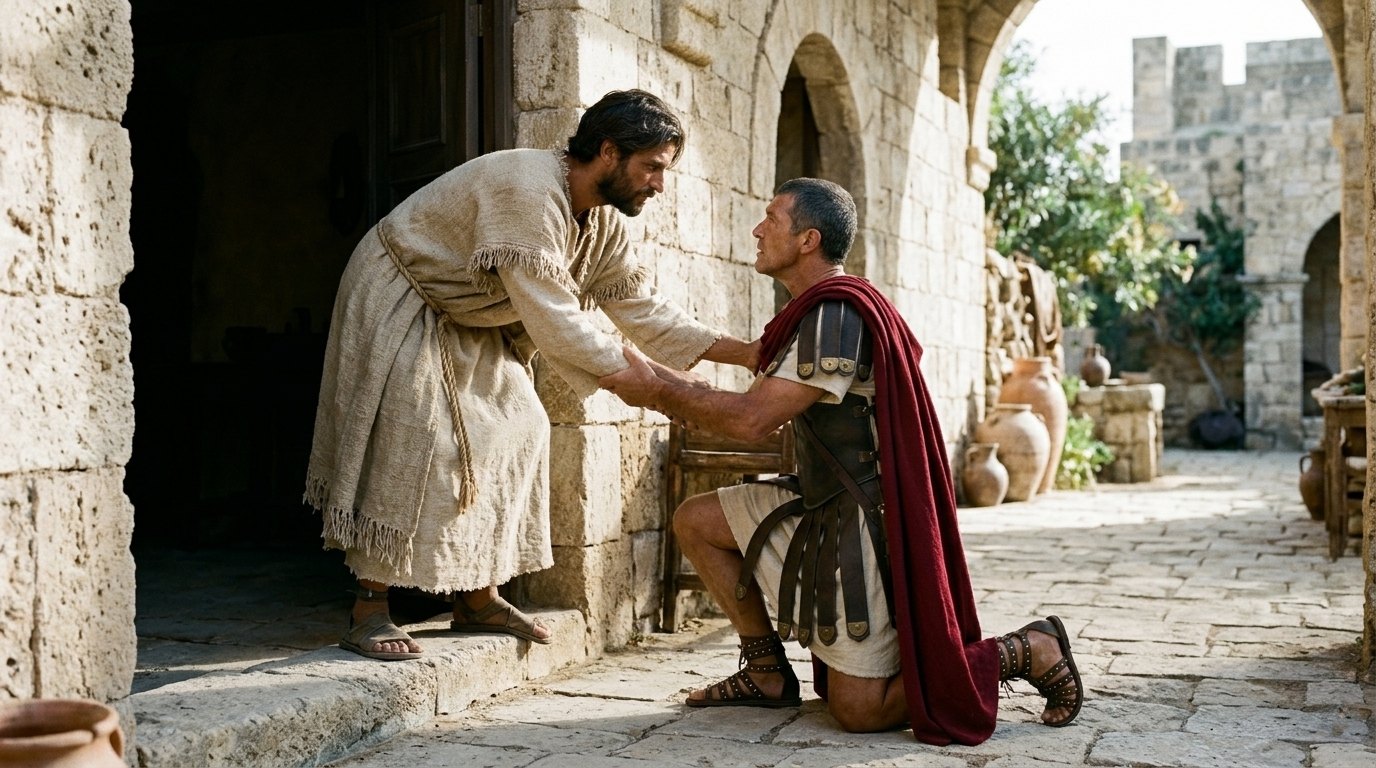
For there is one God and one mediator between God and mankind, the man Christ Jesus,
1 Timothy 2:5 (NIV)
It explicitly restricts the mediatorial role between God and mankind to Jesus Christ alone.
The apostolic Scriptures leave no ambiguity concerning access to the Father: there is one God, and there is one mediator between God and men, the man Christ Jesus (1 Timothy 2:5). Because Christ alone offered Himself as the perfect, unrepeatable ransom for sinners, He alone occupies the office of intercessor between heaven and earth. To seek out other mediators—whether departed saints, angels, or celestial hierarchies—undermines the sufficient advocacy of the Son.
Paul directly confronts the temptation to insert secondary spiritual intermediaries in Colossians 2:18, warning the church against a false humility that delights in the worship of angels or seeks reliance on unseen beings rather than holding fast to the Head. Whenever human beings attempted to direct religious devotion or intercessory veneration toward God's servants, the response of the faithful was swift and decisive. When the Roman centurion fell prostrate before Peter (Acts 10:25), Peter lifted him immediately, commanding, "Stand up; I too am a man" (Acts 10:26). Similarly, when the pagan crowds at Lystra brought oxen and garlands to offer sacrifices to Barnabas and Paul, the apostles tore their robes in horror (Acts 14:14), crying out that they were merely mortal men and urging the people to turn from these vanities to the living God (Acts 14:15).
Heavenly messengers maintain this same absolute boundary. When the apostle John fell down to worship at the feet of the angel who showed him the celestial visions, the messenger halted him instantly: "You must not do that! I am a fellow servant with you and your brothers who hold to the testimony of Jesus. Worship God" (Revelation 19:10). When John faltered once more before the glorious display, the angel repeated the exact rebuke: "I am a fellow servant with you and your brothers the prophets... Worship God" (Revelation 22:8–9). True saints and holy angels refuse all devotion, pointing every prayer, petition, and song solely to the one Mediator.
| Passage | What it says |
|---|---|
| 1 Timothy 2:5 | Paul declares there is one God and one mediator between God and men, the man Christ Jesus. |
| Colossians 2:18 | Paul warns against voluntary humility and the worship of angels or intermediary beings. |
| Acts 10:25 | Cornelius falls down at Peter's feet to worship him upon his arrival. |
| Acts 10:26 | Peter lifts Cornelius up, commanding him to stand because Peter himself is also a man. |
| Acts 14:14 | Barnabas and Paul tear their clothes when the crowd attempts to sacrifice to them. |
| Acts 14:15 | The apostles preach that men should turn from such vanities to the living God alone. |
| Revelation 19:10 | The angel forbids John from worshipping him, commanding him instead to worship God. |
| Revelation 22:8 | John falls down to worship before the feet of the angel who showed him these things. |
| Revelation 22:9 | The angel rebukes John, identifying himself as a fellow servant and commanding worship of God alone. |
The Saints in Glory
God's redeemed people endure and triumph in the end
This calls for patient endurance on the part of the people of God who keep his commands and remain faithful to Jesus.
Revelation 14:12 (NIV)
It defines the saints in the final conflict as those who endure by keeping God's commandments and the faith of Jesus.
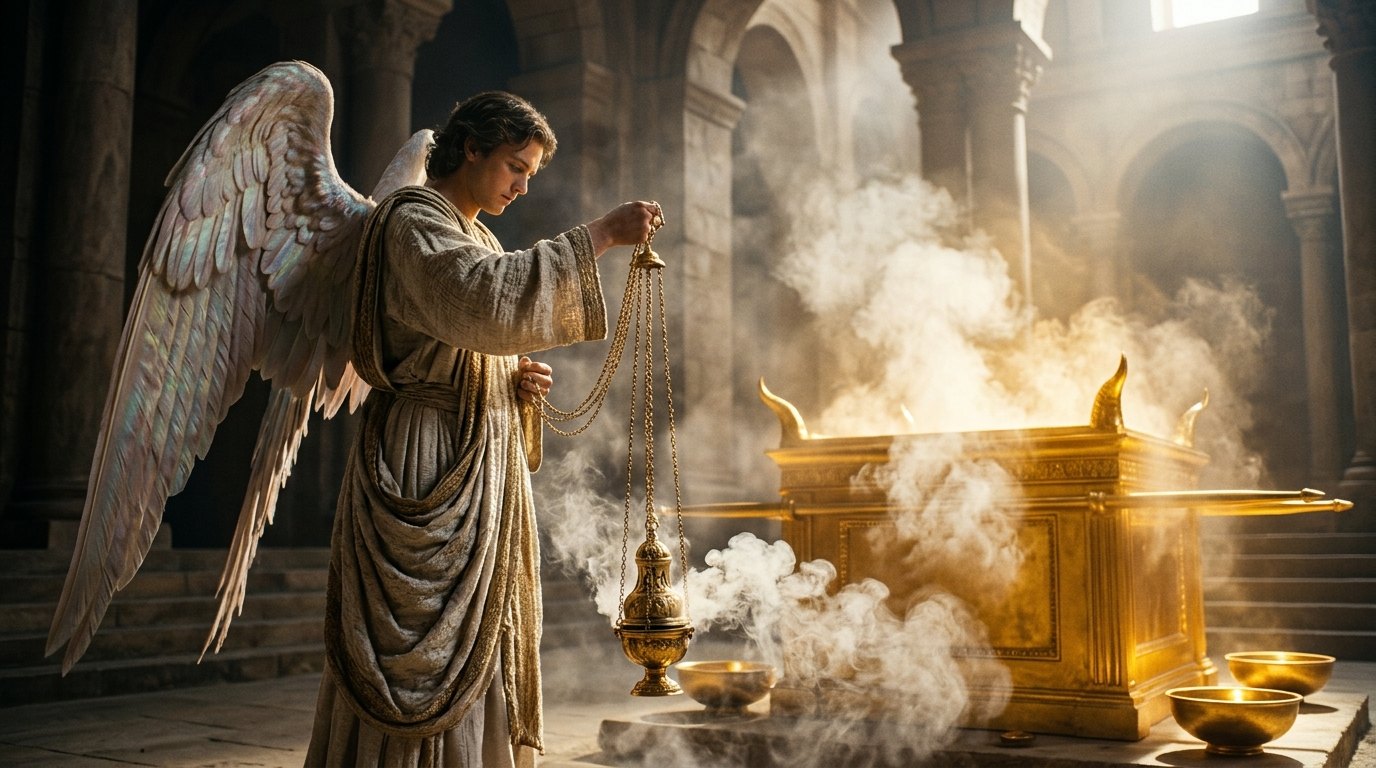
The final book of Scripture pulls back the veil to reveal the ultimate destiny and cosmic significance of God's holy people. Revelation 14:12 anchors the calling of every believer facing persecution: here is a call for the endurance of the saints, those who keep the commandments of God and their faith in Jesus. Far from an elite ecclesiastical tier, these saints are the entire company of the redeemed, whose earthly petitions are never lost. In heaven's courts, the four living creatures and twenty-four elders fall before the Lamb holding golden bowls full of incense, which are the prayers of the saints (Revelation 5:8). An angel standing at the golden altar mingles much incense with these very prayers, sending their fragrant smoke upward directly into the presence of God (Revelation 8:3–4).
Yet this holy standing does not shield believers from earthly tribulation; rather, it marks them as targets for the dragon's wrath. The beast is permitted to wage war against the saints and conquer their mortal bodies (Revelation 13:7), demanding unyielding faith and steadfast patience under trial (Revelation 13:10). The apostate world city, Babylon the Great, is found drunken with the blood of the saints and the martyrs of Jesus (Revelation 17:6; 18:24). God does not overlook their suffering; the vials of divine judgment are poured out precisely because the wicked shed the blood of saints and prophets (Revelation 16:6), culminating in the appointed hour when God rewards all who revere His name (Revelation 11:18).
Their vindication is total. The bride of the Lamb is adorned in fine linen, bright and pure, which represents the righteous deeds of the saints granted through union with Christ (Revelation 19:8). Though the nations gather against the camp of the saints, heaven consumes their foes (Revelation 20:9). When Jesus returns, He comes accompanied by all His saints, established blameless in holiness (1 Thessalonians 3:13), to be glorified and marveled at in all who have believed (2 Thessalonians 1:10).
| Passage | What it says |
|---|---|
| Revelation 5:8 | The golden bowls full of incense held before the Lamb are the prayers of the saints. |
| Revelation 8:3 | An angel offers much incense with the prayers of all saints upon the golden altar. |
| Revelation 8:4 | The smoke of the incense ascends before God with the prayers of the saints. |
| Revelation 11:18 | The time has come to reward God's servants the prophets, the saints, and all who fear his name. |
| Revelation 13:7 | The beast is given authority to make war with the saints and to overcome them. |
| Revelation 13:10 | The perseverance and faith of the saints are called for amid severe tribulation. |
| Revelation 14:12 | Here is the patience of the saints who keep God's commandments and faith in Jesus. |
| Revelation 17:6 | The harlot Babylon is drunken with the blood of the saints and the martyrs of Jesus. |
| Revelation 18:24 | In fallen Babylon was found the blood of prophets and of saints. |
| Revelation 19:8 | The fine linen granted to the bride represents the righteous deeds of the saints. |
| Revelation 20:9 | The nations surround the camp of the saints and the beloved city before divine fire falls. |
| 1 Thessalonians 3:13 | Christ will establish hearts blameless at his coming with all his saints. |
| 2 Thessalonians 1:10 | Christ comes on that day to be glorified in his saints. |
| Revelation 16:6 | The bowl judgment answers Babylon shedding the blood of saints and prophets. |
Where in the Bible
| Book | Passages |
|---|---|
| Exodus | 1 · Exodus 19:6 |
| Leviticus | 1 · Leviticus 19:2 |
| Deuteronomy | 1 · Deuteronomy 7:6 |
| 1 Samuel | 1 · 1 Samuel 2:9 |
| Psalms | 7 · Psalms 16:3, Psalms 30:4, Psalms 89:7, Psalms 31:23, Psalms 34:9, Psalms 116:15, Psalms 149:9 |
| Daniel | 3 · Daniel 7:18, Daniel 7:22, Daniel 7:27 |
| Acts | 8 · Acts 9:13, Acts 9:32, Acts 9:41, Acts 26:10, Acts 10:25, Acts 10:26, Acts 14:14, Acts 14:15 |
| Romans | 5 · Romans 1:7, Romans 12:13, Romans 15:25, Romans 16:2, Romans 6:22 |
| 1 Corinthians | 5 · 1 Corinthians 1:2, 1 Corinthians 6:1, 1 Corinthians 6:2, 1 Corinthians 16:1, 1 Corinthians 14:33 |
| 2 Corinthians | 5 · 2 Corinthians 1:1, 2 Corinthians 8:4, 2 Corinthians 9:1, 2 Corinthians 9:12, 2 Corinthians 13:13 |
| Ephesians | 6 · Ephesians 1:1, Ephesians 3:8, Ephesians 3:18, Ephesians 4:12, Ephesians 6:18, Ephesians 5:3 |
| Philippians | 2 · Philippians 1:1, Philippians 4:22 |
| Colossians | 2 · Colossians 1:2, Colossians 2:18 |
| 1 Thessalonians | 3 · 1 Thessalonians 4:3, 1 Thessalonians 4:7, 1 Thessalonians 3:13 |
| 2 Thessalonians | 1 · 2 Thessalonians 1:10 |
| 1 Timothy | 2 · 1 Timothy 5:10, 1 Timothy 2:5 |
| Philemon | 2 · Philemon 1:5, Philemon 1:7 |
| Hebrews | 2 · Hebrews 6:10, Hebrews 13:24 |
| 1 Peter | 3 · 1 Peter 1:15, 1 Peter 1:16, 1 Peter 2:9 |
| Jude | 1 · Jude 1:3 |
| Revelation | 15 · Revelation 19:10, Revelation 22:8, Revelation 22:9, Revelation 5:8, Revelation 8:3, Revelation 8:4, Revelation 11:18, Revelation 13:7, Revelation 13:10, Revelation 14:12, Revelation 17:6, Revelation 18:24, Revelation 19:8, Revelation 20:9, Revelation 16:6 |
The story in order
- Israel consecrated as holy nation (c. 1446 BC) · Exodus 19:6 · God sets apart Israel to be his special people.
- David delights in the saints (c. 1000 BC) · Psalms 16:3 · The faithful are identified as the excellent ones.
- Saints promised everlasting kingdom (c. 550 BC) · Daniel 7:18 · The saints of the Most High will inherit the kingdom.
- Saul persecutes the saints (c. AD 33) · Acts 9:13 · Saul of Tarsus actively harms believers.
- Paul greets saints in Rome (c. AD 57) · Romans 1:7 · Believers in Rome are called saints.
- Paul addresses saints in Corinth (c. AD 55) · 1 Corinthians 1:2 · Church members are identified as saints.
- Believers equip saints for ministry (c. AD 60) · Ephesians 4:12 · Gifts are given for the saints' ministry.
- Saints called to holiness (c. AD 60) · 1 Peter 1:15 · Believers are commanded to be holy.
- Cornelius worships Peter (c. AD 39) · Acts 10:25 · Peter corrects Cornelius's worship of him.
- Prayers of saints offered to God (c. AD 95) · Revelation 5:8 · Incense bowls represent the prayers of saints.
- Saints endure persecution (c. AD 95) · Revelation 13:7 · The beast makes war with the saints.
- Christ returns for his saints (c. AD 50) · 1 Thessalonians 3:13 · Christ comes to establish believers blameless.
Saints Ministering to One Another
| Action | Recipient | Purpose | Passage |
|---|---|---|---|
| Distribute to necessities | The saints | Practical support | Romans 12:13 |
| Minister financially | Poor saints | Relief and fellowship | |
| Receive in the Lord | Phoebe | Hospitality and welcome | Romans 16:2 |
| Refresh hearts | The saints | Encouragement and comfort | Philemon 1:7 |
| Pray for one another | All the saints | Spiritual support | Ephesians 6:18 |
Worship Directed to God Alone
| Attempted Worship | Corrected Action | Biblical Principle | Passage |
|---|---|---|---|
| Cornelius worships Peter | Peter lifts him up | Peter is a man | Acts 10:25-26 |
| Crowd attempts to worship Barnabas and Paul | Apostles tear clothes | They are men | Acts 14:14-15 |
| John worships the angel | Angel forbids worship | Worship God alone | Revelation 19:10 |
| John worships the angel again | Angel rebukes John | Fellow servant, worship God | Revelation 22:8-9 |
Key words
- Saint (hagios, ἅγιος)
- One set apart by God for Himself, belonging to Christ. · Romans 1:7
- Holy (hagios, ἅγιος)
- Set apart, consecrated to God; morally pure. · Leviticus 19:2
- Sanctified (hagiazo, ἁγιάζω)
- Made holy, set apart for God's purposes. · 1 Corinthians 1:2
- Consecrated (hagiazō, ἁγιάζω)
- Dedicated to a sacred purpose; made holy. · 1 Thessalonians 4:3
- Mediator (mesites, μεσίτης)
- One who stands between two parties; specifically Christ between God and man. · 1 Timothy 2:5
- Faithful (pistos, πιστός)
- Trustworthy, loyal, steadfast in belief and obedience. · Ephesians 1:1
If you are in Christ, Scripture gives you the title of 'saint' not because of personal perfection, but because of God's sanctifying grace. Knowing you are set apart by God reshapes daily life, calling you to live out the holy identity your Lord has already secured for you.
76 passages, each cited once.
How the major Christian traditions read this
All Christian traditions confess that Scripture calls every believer in Christ a saint—one consecrated and set apart by God for His glory (Romans 1:7; 1 Corinthians 1:2).
Catholic
We acknowledge that the New Testament addresses all believers in grace as saints (Ephesians 1:1), but the Church also recognizes a distinct, exalted company of saints reigning in heaven with Christ (Revelation 8:3-4). Having fought the good fight and attained perfection through grace, these souls are canonized for their heroic virtue. Because we share one Mystical Body across heaven and earth in the communion of saints, we venerate their memory, ask for their intercession before the throne of God, and honor their relics as instruments through which God worked marvels (Creed of Trent 8).
Scripture: Ephesians 1:1, Revelation 8:3-4
Orthodox
We recognize that every baptized member of Christ's body is called to be holy and addressed as a saint in the apostolic epistles (Colossians 1:2). At the same time, we honor those departed faithful who have attained theosis—partaking of the divine nature (2 Peter 1:4)—and now dwell in the glory of God. These glorified holy ones, along with the Theotokos, surround the throne and remain alive in Christ (Hebrews 12:1). We ask their prayers as elder brothers and sisters in the faith, knowing Christ alone is our mediator (Confession of Dositheus 8).
Scripture: Colossians 1:2, 2 Peter 1:4, Hebrews 12:1
Lutheran
We define the church as the assembly of all believers, whom the Holy Spirit sanctifies through Word and Sacrament (Augsburg Confession 7; 1 Corinthians 1:2). Every Christian is both saint and sinner (simul justus et peccator), accounted holy solely on account of Christ's imputed righteousness. We honor the departed saints by thanking God for their mercy and imitating their faith in our earthly vocations, but Scripture forbids praying to them or asking their intercession, for Christ alone is our one Mediator and Advocate (1 Timothy 2:5; Augsburg Confession 21).
Scripture: 1 Corinthians 1:2, 1 Timothy 2:5
Reformed & Presbyterian
We hold that 'saint' in Scripture refers to every person effectually called, justified, and sanctified by God's sovereign grace (Romans 8:30; Ephesians 1:1). Sainthood is not an ecclesiastical title awarded for exceptional deeds, but the status of every elect believer united to Christ. God preserves every saint by His immutable decree of election, ensuring none can finally fall from grace (Westminster Confession 17.1-2). Because Christ is our sole intercessor in heaven, invoking departed believers is unscriptural and dishonors His finished work (Hebrews 7:25).
Scripture: Romans 8:30, Ephesians 1:1, Hebrews 7:25
Anglican & Episcopal
We affirm the apostolic truth that all who are baptized into the body of Christ and called by His grace are saints (2 Corinthians 1:1). We remember the departed saints with thanksgiving on holy days, celebrating their godly examples and the communion we share in Christ's mystical body (Apostles' Creed 3). However, we firmly reject the invocation of saints, veneration of relics, or praying to them as having no foundation in the Word of God and contrary to Scripture (Thirty-Nine Articles 22; 1 Timothy 2:5).
Scripture: 2 Corinthians 1:1, 1 Timothy 2:5
Baptist
We hold the clear biblical teaching of the 1689 London Confession: a saint is any sinner saved by grace through faith in Jesus Christ (Romans 1:7; Ephesians 2:8-9). Believers are set apart by the Holy Spirit at the new birth and are commanded to walk in personal holiness (1 Peter 1:15-16). There is no special class or canon of dead believers who act as mediators. Every believer is a priest before God and perseveres to the end through the power of Christ alone (Baptist Confession of 1689 17.1-2).
Scripture: Romans 1:7, Ephesians 2:8-9, 1 Peter 1:15-16
Methodist & Wesleyan
We follow the New Testament witness: saints are all who believe and are being sanctified by the Holy Spirit (Romans 1:7). While all believers are saints by calling, we stress that God's grace empowers us toward entire sanctification—a heart perfected in love in this life (1 Thessalonians 5:23-24). We honor past heroes of faith as examples of holiness, but reject any invocation or veneration of saints as vain human inventions without biblical warrant (Methodist Articles 14; 1 Timothy 2:5).
Scripture: Romans 1:7, 1 Thessalonians 5:23-24, 1 Timothy 2:5
Pentecostal & Charismatic
We confess that every born-again believer is a saint, cleansed by the precious blood of Jesus and separated unto God (1 Corinthians 6:11). The New Testament names the local congregation as saints who are empowered by the Holy Spirit with spiritual gifts for ministry (1 Corinthians 1:2; 12:7). Sainthood is a living reality today, marked by the active power, presence, and fruits of the Spirit, with direct access through Christ alone to the Father without any departed mediators (Hebrews 4:16).
Scripture: 1 Corinthians 6:11, 1 Corinthians 1:2, 1 Corinthians 12:7, Hebrews 4:16
Non-denominational & Evangelical
We take the plain teaching of Scripture: every single Christian is a saint from the moment of faith in Jesus Christ (Colossians 1:2). Sainthood is not an earned reward, a post-mortem title, or a status reserved for a moral elite; it is the spiritual reality of every person who has been born again (Romans 1:7). We reject prayers to the dead or canonization ceremonies, pointing believers directly to Jesus, who is our only High Priest and Mediator (Hebrews 10:19-22).
Scripture: Colossians 1:2, Romans 1:7, Hebrews 10:19-22
Where they differ
Scope of the title saint
- Catholic
- Applies to all believers, but specially to canonized souls in heaven.
- Orthodox
- Belongs to all baptized believers, especially those glorified in heaven.
- Lutheran
- Belongs equally to every believer justified by faith in Christ.
- Reformed & Presbyterian
- Belongs exclusively to all the elect called by sovereign grace.
- Anglican & Episcopal
- Designates all members of the body of Christ, living and departed.
- Baptist
- Refers strictly to all regenerate believers in Jesus Christ.
- Methodist & Wesleyan
- Refers to all believers being renewed into perfect love.
- Pentecostal & Charismatic
- Describes every Spirit-filled believer consecrated to the Lord.
- Non-denominational & Evangelical
- Describes every person who has put saving faith in Jesus.
Scripture: Romans 1:7, 1 Corinthians 1:2
Invocation of departed saints
- Catholic
- Encouraged and commended, asking departed saints to intercede before God.
- Orthodox
- Practiced, seeking their prayers as living members of Christ's body.
- Lutheran
- Forbidden, as Christ alone is our mediator and advocate.
- Reformed & Presbyterian
- Rejected as idolatrous and contrary to Christ's unique intercession.
- Anglican & Episcopal
- Rejected as ungrounded in Scripture and repugnant to God's Word.
- Baptist
- Denied completely; prayer belongs to the Triune God alone.
- Methodist & Wesleyan
- Refused as a human invention lacking any scriptural authority.
- Pentecostal & Charismatic
- Rejected, since believers have direct access through the Holy Spirit.
- Non-denominational & Evangelical
- Rejected as unbiblical, holding prayer is to God alone.
Scripture: 1 Timothy 2:5, Hebrews 7:25, Revelation 8:3-4
Your pastor can tell you where your church stands.
Scripture cited
- Ephesians 1:1
- Romans 1:7
- 1 Corinthians 1:2
- 1 Peter 1:15-16
- Psalms 16:3