What is the difference between Baptist and Methodist?
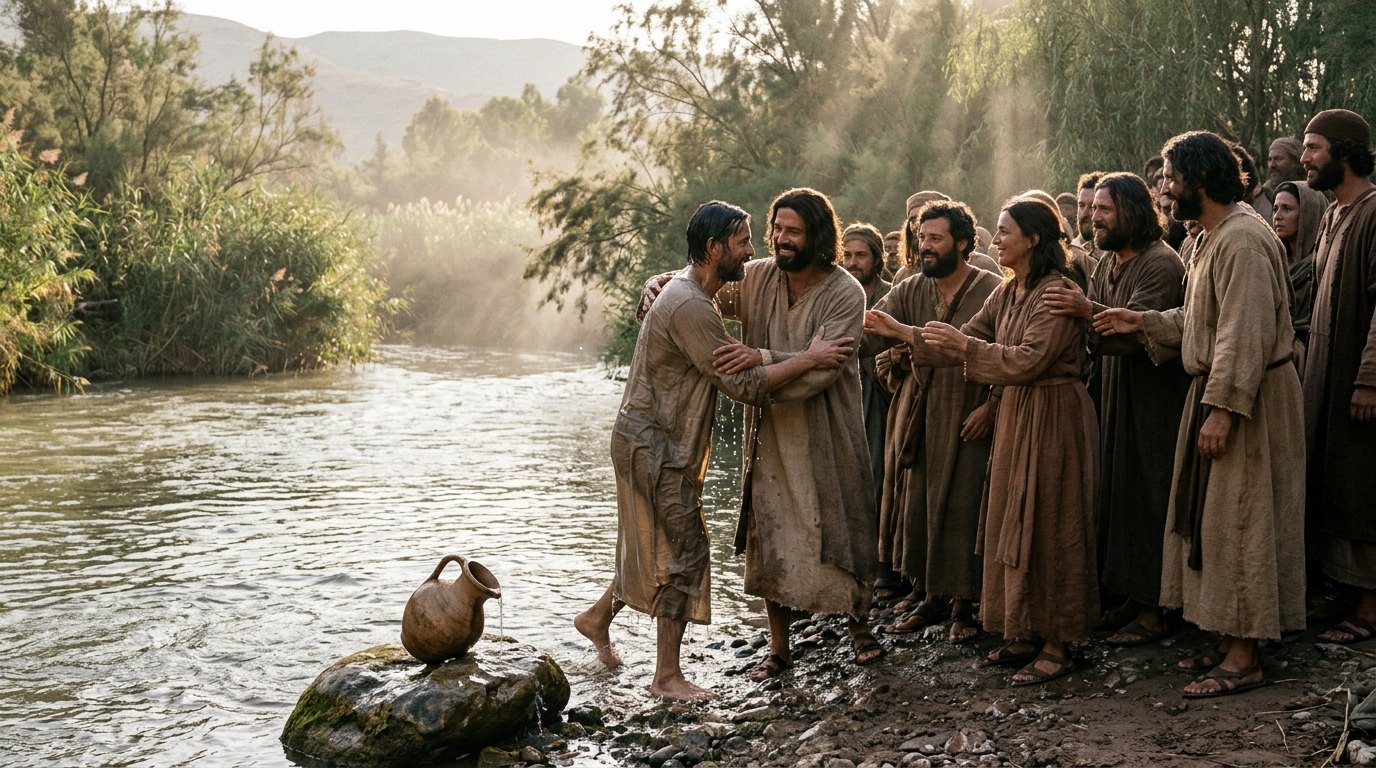
Ephesians 4:4-6
4 There is one body and one Spirit, just as you were called to one hope when you were called;
5 one Lord, one faith, one baptism;
6 one God and Father of all, who is over all and through all and in all.
New International Version (NIV)
The answer
The clearest practical difference is baptism: Baptist churches ordinarily baptize only professing believers by immersion, while Methodist churches commonly baptize infants and may use sprinkling, pouring, or immersion.
That difference exists within a shared Christian framework: one Lord, one faith, one baptism (Ephesians 4:5). Both traditions ordinarily affirm the Trinity, salvation through Christ, the Holy Spirit, and the authority of Scripture. The principal disagreement concerns who may be baptized and how baptism is administered.
What Scripture says about baptism
The New Testament connects baptism with faith, repentance, and a personal response to the gospel:
- Jesus linked faith and baptism when He said, “He who believes and is baptized will be saved” (Mark 16:16).
- Peter commanded, “Repent and be baptized, every one of you” (Acts 2:38), after which those who received the word were baptized (Acts 2:41).
- Paul described baptism into Christ as participation in His death and resurrection: “We were buried therefore with him through baptism into death” (Romans 6:3-4).
These passages describe baptism as a deliberate response to the gospel by the person being baptized. That is the credobaptist reading. Baptism does not create faith, but it is meant to be the believing response of a person to Christ.
The phrase “baptizing them” in the Great Commission (Matthew 28:19) does not specify infants, but the examples of personal faith and repentance connected with baptism support baptism of professing believers. Luke 2:22-38 does not give a Christian example of infant baptism; it narrates the Jewish presentation of Jesus in the temple and the sacrificing of “a pair of turtledoves, or two young pigeons” under Moses’ law (Luke 2:22-24).
Baptist practice
Baptist churches generally hold that:
- Baptism is for those who have already repented and trusted Christ.
- The proper mode is immersion, expressing burial and resurrection with Christ (Romans 6:3-4).
- Baptism is an ordinance of the church, not a means of earning salvation.
This is the Baptist practice represented in the New Testament: personal faith, baptism in the name of Christ, and union with His death and resurrection.
Methodist practice
Methodist churches commonly baptize infants as well as adults and allow sprinkling, pouring, or immersion. Methodists therefore differ from Baptists in both the age of baptismal candidates and the methods used.
The question is not whether Methodist Christians love God, believe in Christ, or read Scripture seriously. The question is which practice best represents the biblical meaning and order of baptism. For that, the passages above—not the authority of any tradition or commentator—must decide.
The shared confession
Baptists and Methodists are not two different religions. Ephesians 4:4-6 binds believers together:
“There is one body and one Spirit… one Lord, one faith, one baptism, one God and Father of all, who is over all and through all and in you all.”
Paul likewise says that believers of every background were baptized “into one body” (1 Corinthians 12:13). Differences in baptismal practice do not make either group less Christian, but they should be discussed honestly rather than blurred together.
Answered from Scripture · reviewed November 11, 2026
While Baptists and Methodists stand united on core historic truths—affirming the Trinity, the authority of Scripture, and salvation through Jesus Christ alone—they differ markedly on church practice and doctrine. The sharpest dividing line appears in baptism, where Baptists insist upon full immersion of professing believers, while Methodists practise infant baptism alongside believer's baptism using immersion, pouring, or sprinkling. Beyond baptism, their historical structures and views on perseverance reflect distinct traditions measured against the standard of God's Word.
Shared Foundation
One Lord, One Faith, One God
one Lord, one faith, one baptism;
Ephesians 4:5 (NIV)
This verse names the singular foundation of Christian unity across denominational boundaries in one Lord, one faith, and one baptism.
In Ephesians 4:5, the apostle Paul anchors genuine Christian unity in three unalterable realities: "one Lord, one faith, one baptism." Before examining the institutional and theological divides between Baptists and Methodists, one must recognize their substantial agreement on the core essentials of biblical Christianity. Both historic traditions vigorously affirm the inerrant authority of Scripture, the triune nature of the Godhead, and the saving message of the gospel. As Paul declares in Ephesians 4:4 and Ephesians 4:6, the church shares one body, one Spirit, and one sovereign God and Father over all, transcending denominational boundaries.
This common bond is wrought by the Holy Spirit. In 1 Corinthians 12:13, Scripture reveals that by one Spirit all true believers were baptized into one body, breaking down human hostility and uniting disparate people under Christ. Local assemblies may order themselves with distinct emphases, yet Romans 12:4-5 reminds us that just as one physical body has many members with different functions, so believers form a single spiritual entity in Christ. Above all, both Baptists and Methodists historically rest upon the foundational truth of John 3:16, that God loved the world by giving His only begotten Son so that whoever believes will not perish. The irreducible core of their preaching remains 1 Corinthians 15:3-4: that Christ died for our sins according to the Scriptures, was buried, and rose again on the third day. Whatever their divergent views on baptism or church governance, both traditions proclaim that redemption is found solely in the crucified and risen Savior.
| Passage | What it says |
|---|---|
| Ephesians 4:4 | Paul affirms that there is one body and one Spirit, into which believers share one unified calling. |
| Ephesians 4:5 | Apostolic unity rests upon one Lord, one faith, and one baptism belonging to the whole body. |
| Ephesians 4:6 | Believers are held in the sovereignty of one God and Father of all, over all and through all. |
| 1 Corinthians 12:13 | By one Spirit all who believe are baptized into one body, whether Jews or Greeks, bond or free. |
| Romans 12:4-5 | Members within the body have distinct gifts and functions, yet form one unified body in Christ. |
| John 3:16 | God so loved the world that He gave His only begotten Son that whoever believes has eternal life. |
| 1 Corinthians 15:3-4 | Christ died for our sins according to the Scriptures, was buried, and rose on the third day. |
The Baptism Divide
Repentance and Faith Precede Baptism
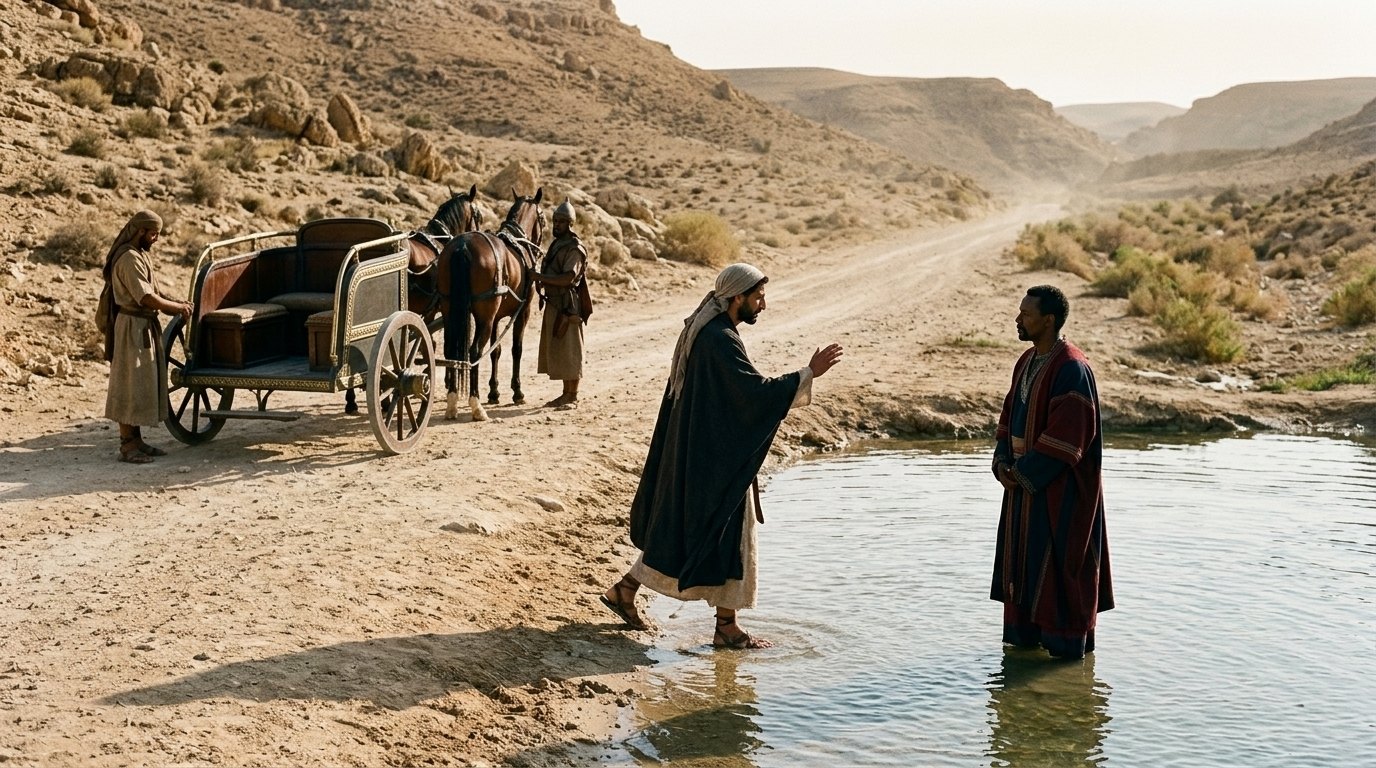
Peter replied, “Repent and be baptized, every one of you, in the name of Jesus Christ for the forgiveness of your sins. And you will receive the gift of the Holy Spirit.
Acts 2:38 (NIV)
Peter commands conscious personal repentance before water baptism, setting the credobaptist pattern observed in Baptist churches.
The sharpest divergence between Baptists and Methodists centers on baptism: who should receive it, and when. In Acts 2:38, the apostle Peter sets the biblical order when he proclaims: "Repent and be baptized every one of you in the name of Jesus Christ." Baptists adhere strictly to credobaptism, maintaining that Scripture nowhere commands or depicts the baptism of an unconscious infant, but instead requires conscious repentance and personal faith as an absolute prerequisite. This sequence matches the words of Christ in Mark 16:16, where believing precedes baptism in the economy of salvation.
Every apostolic narrative reinforces this pattern. In Acts 2:41, the only individuals baptized at Pentecost were those who received Peter's word. The Great Commission in Matthew 28:19 commands the church to make disciples first, and only then baptize them into the triune name. When the Ethiopian official requested baptism along the desert road in Acts 8:36-38, Philip required personal faith in the Lord Jesus before taking him down into the water. Likewise, in Acts 18:8, the household of Crispus and many Corinthians heard the apostolic gospel, believed, and only then were baptized upon their profession. While Methodists permit infant christening as a sign of prevenient grace within the covenant community, Baptists point to 1 Peter 3:21, which emphasizes that baptism is not the outward removal of dirt from the flesh, but the conscious appeal of a good conscience toward God through faith.
| Passage | What it says |
|---|---|
| Mark 16:16 | Jesus places believing before baptism as the deliberate personal response that accompanies salvation. |
| Acts 2:38 | Peter calls every hearer to repent and be baptized in the name of Jesus Christ. |
| Acts 2:41 | Only those who received Peter's word were baptized and added to the Jerusalem church that day. |
| Matthew 28:19 | The Great Commission instructs disciples to go, make disciples of all nations, and baptize them. |
| Acts 8:36-38 | The Ethiopian eunuch confesses faith in Christ before Philip takes him down into the water to baptize him. |
| Acts 18:8 | Crispus and many Corinthians hearing Paul believed and were baptized upon their profession of faith. |
| 1 Peter 3:21 | Baptism corresponds to salvation not by cleansing fleshly dirt, but as an appeal to God for a good conscience. |
Burial and Resurrection
Immersion Depicts Union with Christ
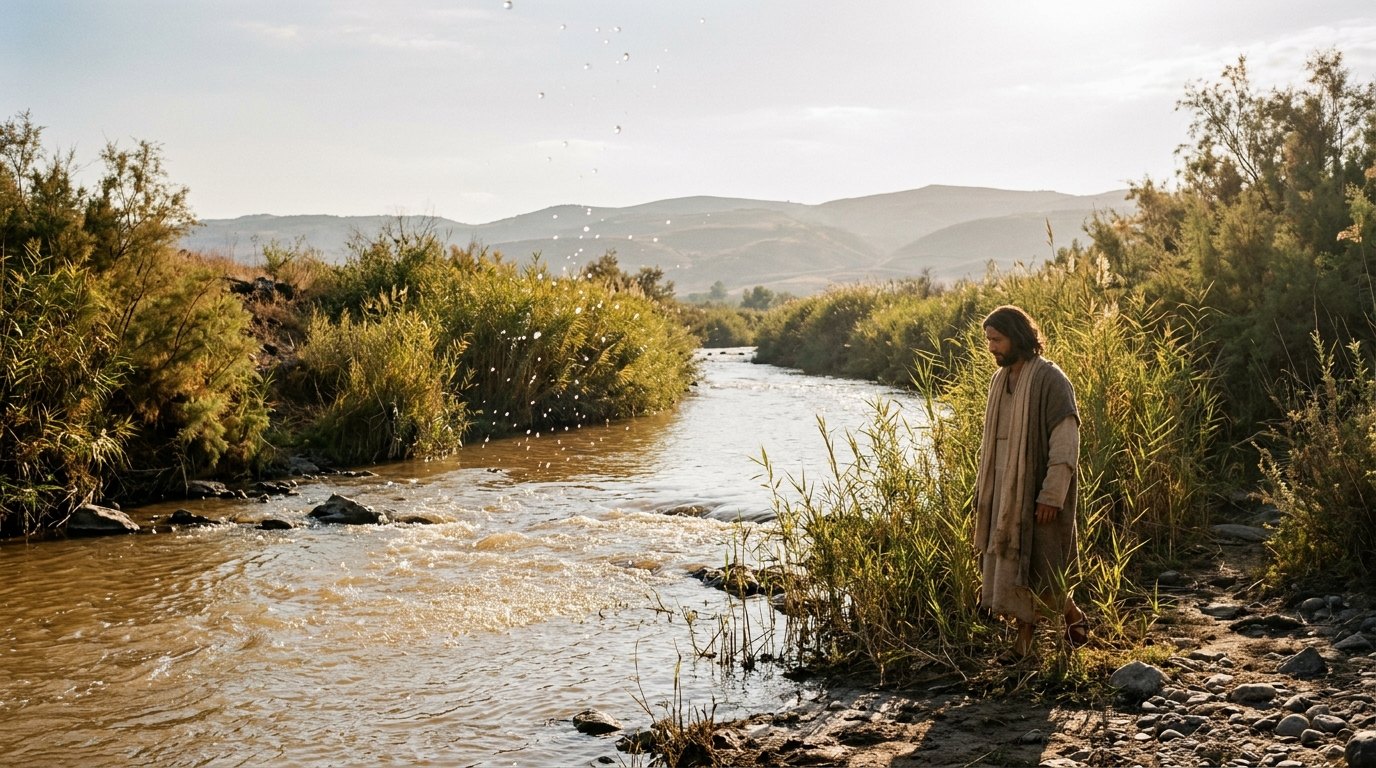
Or don’t you know that all of us who were baptized into Christ Jesus were baptized into his death? We were therefore buried with him through baptism into death in order that, just as Christ was raised from the dead through the glory of the Father, we too may live a new life.
Romans 6:3-4 (NIV)
Paul shows that baptism represents physical burial and rising again, which immersion visibly displays while Methodist practice permits sprinkling or pouring.
Beyond the proper candidate for baptism, Baptists and Methodists historically differ over the physical mode. In Romans 6:3-4, Paul unlocks the profound theological imagery of the ordinance: we were buried therefore with him by baptism into death, in order that, just as Christ was raised from the dead by the glory of the Father, we too might walk in newness of life. Baptists insist that full immersion in water is the only biblically faithful mode, because the Greek word baptizo literally means to immerse, submerge, or plunge, visibly depicting burial and bodily resurrection. Methodists, by contrast, recognize sprinkling (aspersion) and pouring (affusion) alongside immersion, treating the mode as secondary.
The apostolic witness consistently pairs baptism with the imagery of burial and rising. In Colossians 2:12, Scripture describes believers as "buried with him in baptism, in which you were also raised with him through faith." The physical topography of the New Testament bears out this total immersion. In John 3:23, John the Baptist selected Aenon near Salim for his ministry specifically "because there was much water there"—an unnecessary requirement had he simply been sprinkling droplets upon the crowd. Furthermore, when our Lord Himself was baptized to fulfill all righteousness, Mark 1:10 and Matthew 3:16 record that He immediately "came up out of the water" of the Jordan River. Immersion portrays the total death of the old self and the emergence of the new creation in Christ.
| Passage | What it says |
|---|---|
| Romans 6:3-4 | Baptism depicts being buried with Christ into His death and rising to walk in newness of life. |
| Colossians 2:12 | Believers are buried with Christ in baptism and raised with Him through faith in God's powerful working. |
| John 3:23 | John baptized at Aenon near Salim specifically because there was much water available there. |
| Mark 1:10 | Jesus came up out of the water immediately after being baptized by John in the Jordan river. |
| Matthew 3:16 | Jesus came up immediately out of the water after His baptism by John in the Jordan River. |
Covenant and Children
Evaluating Infant Rites in Scripture
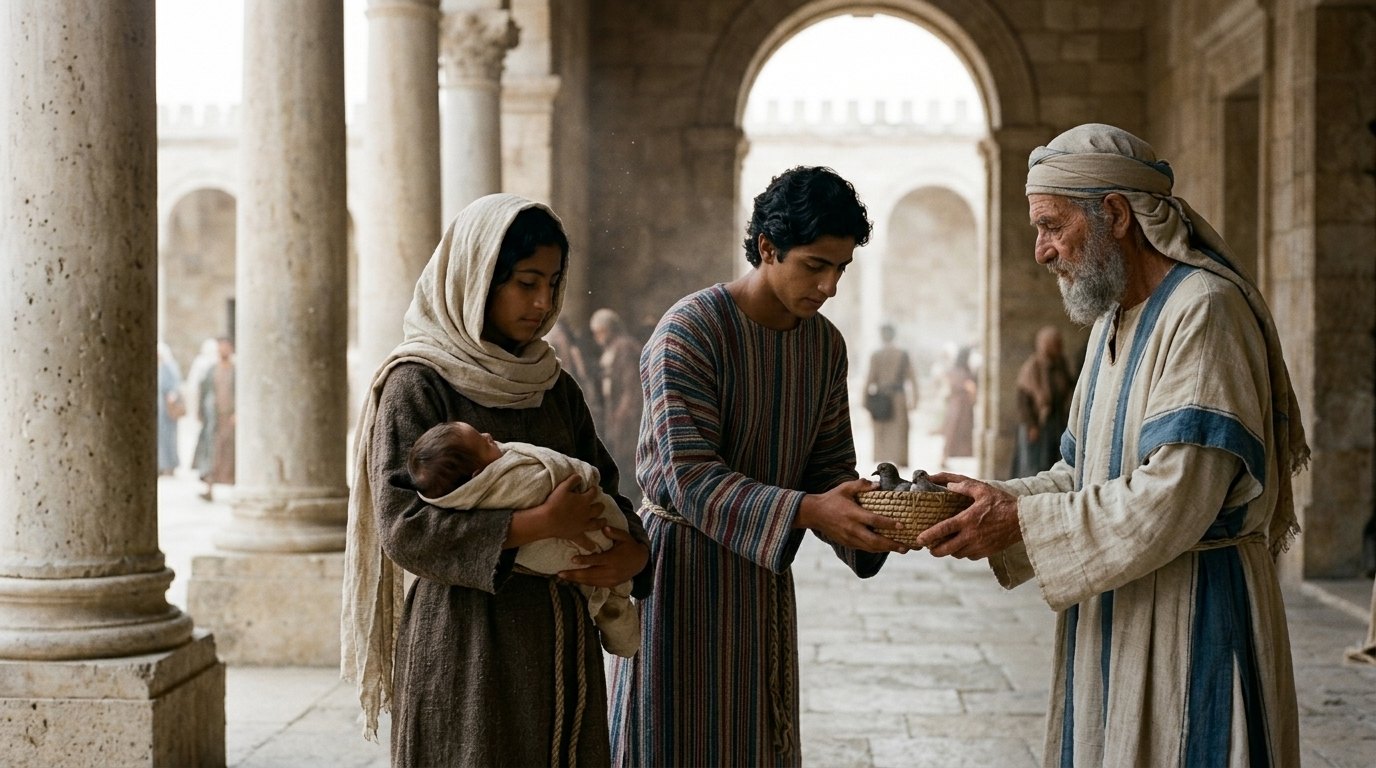
When the time came for the purification rites required by the Law of Moses, Joseph and Mary took him to Jerusalem to present him to the Lord (as it is written in the Law of the Lord, “Every firstborn male is to be consecrated to the Lord”), and to offer a sacrifice in keeping with what is said in the Law of the Lord: “a pair of doves or two young pigeons.”
Luke 2:22-24 (NIV)
This text recounts the Old Covenant temple dedication of Jesus under Moses' law, which does not provide a New Covenant infant baptism model.
Methodist doctrine often defends infant baptism by appealing to the Old Testament covenant sign of circumcision and the inclusion of families in the promise. Yet in Luke 2:22-24, when Joseph and Mary brought the infant Jesus to the temple, they performed an act of Mosaic purification and parental dedication, not New Covenant baptism. Scripture nowhere replaces circumcision with infant water baptism. In Genesis 17:10-12, God commanded Abraham to circumcise male infants on the eighth day as a mark of the physical and geopolitical covenant with Israel, a fleshly sign given to physical offspring rather than the spiritual rebirth required in the New Covenant.
Pedobaptist arguments frequently appeal to household baptisms, such as the Philippian jailer in Acts 16:31-34. However, the text explicitly notes that Paul and Silas "spoke the word of the Lord to him and to all who were in his house," and that he "rejoiced along with his entire household that he had believed in God," proving that the baptized members were old enough to hear, understand, and believe the message. Similarly, in 1 Corinthians 7:14, Paul speaks of children being made "holy" through a believing parent, yet neither mentions baptism nor prescribes an infant rite. When Peter declares in Acts 2:39 that the promise is to "your children," he qualifies it with "everyone whom the Lord our God calls to himself," requiring divine calling and repentance. Finally, when Christ embraced the young in Mark 10:14-16, He blessed them and prayed for them, yet He never baptized them.
| Passage | What it says |
|---|---|
| Luke 2:22-24 | Mary and Joseph bring the infant Jesus to the temple for purification and presentation according to Mosaic law. |
| Genesis 17:10-12 | God commanded Abraham to circumcise male infants on the eighth day as a sign of the physical covenant. |
| Acts 16:31-34 | The Philippian jailer and his household were baptized after the word of the Lord was preached to them all. |
| 1 Corinthians 7:14 | Paul addresses children of a believing parent as set apart, without prescribing baptism for them. |
| Acts 2:39 | Peter proclaims the promise is for you, your children, and all who are far off whom God calls. |
| Mark 10:14-16 | Jesus commands that the little children come to Him, taking them in His arms and blessing them. |
Polity and Perseverance
Local Governance and Preservation of Saints
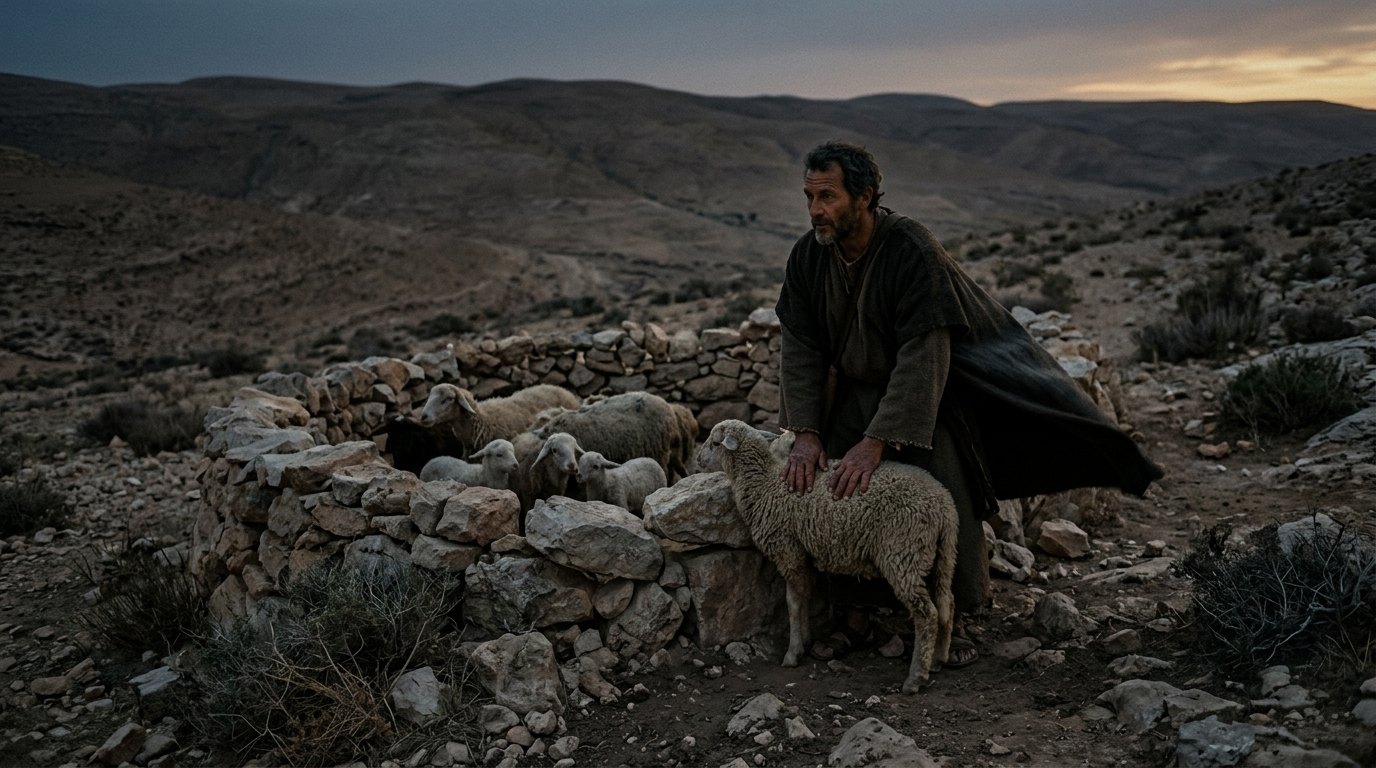
I give them eternal life, and they shall never perish; no one will snatch them out of my hand. My Father, who has given them to me, is greater than all; no one can snatch them out of my Father’s hand.
John 10:28-29 (NIV)
Jesus affirms that His sheep will never perish, anchoring the classic Baptist conviction on preservation contrasted with traditional Methodist Arminianism.
In John 10:28-29, the Lord Jesus declares of His sheep, "I give them eternal life, and they will never perish, and no one will snatch them out of my hand." This absolute promise serves as the cornerstone of the traditional Baptist conviction regarding the eternal security of the believer. Resting upon Christ's sovereign grip, Baptists hold that genuine regeneration guarantees ultimate preservation, echoed powerfully in Romans 8:38-39, where Paul affirms that neither death nor life, nor any created thing, can sever the redeemed from the love of God. Methodists, tracing their theology through the Arminian tradition, look with equal sobriety upon solemn warnings such as Hebrews 6:4-6 and Hebrews 10:26-29, which caution that those who deliberately spurn the truth face terrifying judgment, leading Methodists to teach that real apostasy remains possible if faith is abandoned.
A parallel distinction governs how both communions structure church life. Baptists order themselves congregationally, appealing to Matthew 18:17, where Christ places ultimate earthly church discipline in the hands of the assembled local congregation, and 1 Peter 5:1-3, where elders shepherd the immediate flock among them without external hierarchy. Methodists, by contrast, employ a connectional and episcopal system, noting how the apostolic church appointed leaders across multiple assemblies, as seen when Paul commissioned Titus in Titus 1:5 to set order and ordain elders in every town.
| Passage | What it says |
|---|---|
| John 10:28-29 | Christ gives eternal life to His sheep and declares no one can snatch them out of His hand. |
| Hebrews 6:4-6 | Scripture warns severely against falling away after tasting the heavenly gift, often cited in Methodist theological warnings. |
| Matthew 18:17 | Jesus directs unrepentant disputes to the local congregation, grounding Baptist congregational independence. |
| Titus 1:5 | Paul instructs Titus to appoint elders in every city, illustrating oversight across regional churches akin to connectional polity. |
| Romans 8:38-39 | Paul asserts nothing in creation can separate believers from the love of God in Christ Jesus. |
| Hebrews 10:26-29 | Deliberate ongoing sin after receiving knowledge of truth leaves a terrifying expectation of judgment. |
| 1 Peter 5:1-3 | Elders are instructed to shepherd the flock among them locally, not domineering over those in their charge. |
Sanctification and Holiness
Christian Perfection and Lifelong Growth in Holiness
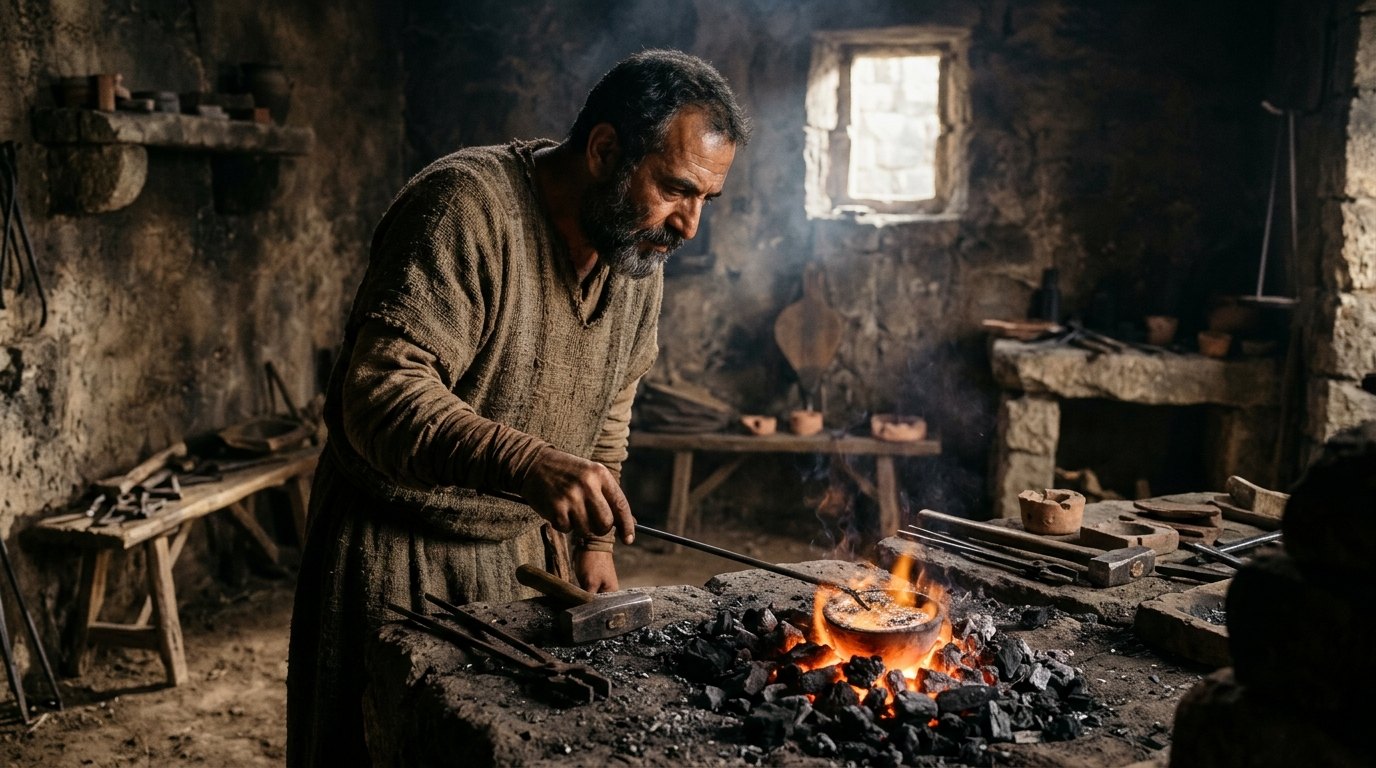
May God himself, the God of peace, sanctify you through and through. May your whole spirit, soul and body be kept blameless at the coming of our Lord Jesus Christ. The one who calls you is faithful, and he will do it.
1 Thessalonians 5:23-24 (NIV)
The passage captures the Methodist pursuit of entire sanctification beside the lifelong discipline emphasized by Baptists.
The apostolic prayer of 1 Thessalonians 5:23-24 sets the horizon for Christian growth: "Now may the God of peace himself sanctify you completely, and may your whole spirit and soul and body be kept blameless at the coming of our Lord Jesus Christ. He who calls you is faithful; he will surely do it." This promise of complete cleansing fuels the historic Methodist doctrine of Christian perfection or entire sanctification, which teaches that a believer may be so filled with God's love in this life as to be delivered from deliberate, willful sin. Methodists pair this high calling with Hebrews 12:14, striving earnestly for the holiness without which no one will see the Lord, alongside 1 John 3:9, which reminds the church that whoever is born of God cannot make a settled practice of sin.
Baptists, while equally affirming that God's undeniable will is our sanctification (1 Thessalonians 4:3), traditionally understand this transformation as an ongoing, lifelong conflict against indwelling corruption. They point to 1 John 1:8, where the apostle warns that claiming absolute freedom from sin deceives the soul and denies the truth. Both traditions agree, however, that God requires actual, practical righteousness: grace never pardons sin in order to leave a believer enslaved to it, but calls every disciple into continual repentance and increasing conformity to Christ.
| Passage | What it says |
|---|---|
| 1 Thessalonians 4:3 | Paul writes that the will of God is our sanctification, abstaining from sexual immorality and walk in holiness. |
| 1 Thessalonians 5:23-24 | Paul prays God sanctify believers completely and keep them blameless at Christ's coming, He who is faithful. |
| Hebrews 12:14 | Pursue peace with all people and the holiness without which no one will see the Lord. |
| 1 John 1:8 | If we say we have no sin, we deceive ourselves, and the truth is not in us. |
| 1 John 3:9 | No one born of God makes a practice of sinning, because God's seed abides in him. |
Grace and Free Will
Grace, Election, and the Extent of Atonement
This is good, and pleases God our Savior, who wants all people to be saved and to come to a knowledge of the truth.
1 Timothy 2:3-4 (NIV)
The explicit declaration of God's universal salvific desire stands at the heart of the Arminian-Calvinist theological divide.
Scripture presents the universal scope of divine compassion in 1 Timothy 2:3-4, proclaiming that God our Savior "desires all people to be saved and to come to the knowledge of the truth." This verse, alongside 2 Peter 3:9—which affirms that the Lord is patient, not wishing that any should perish but that all should reach repentance—lies at the very foundation of Methodist theology. Methodists maintain that through Christ's universal atonement, God provides prevenient grace to all humanity, restoring enough free will for any sinner to accept or resist the gospel invitation heralded in Revelation 22:17: "Let the one who is thirsty come; let the one who desires take the water of life without price."
Baptists, while including many who hold general atonement views, are historically rooted in a robust defense of sovereign election. They direct attention to Ephesians 1:4-5, where God "chose us in him before the foundation of the world, that we should be holy and blameless before him," predestining believers for adoption through Jesus Christ. Furthermore, Romans 8:29-30 presents the golden chain of redemption, establishing that those whom God foreknew and predestined He infallibly calls, justifies, and glorifies. Both sides nevertheless unite in the urgent duty to preach Christ crucified to every creature without exception.
| Passage | What it says |
|---|---|
| Romans 8:29-30 | Those God foreknew He predestined, called, justified, and glorified in an unbroken chain of redemption. |
| Ephesians 1:4-5 | God chose believers in Christ before the foundation of the world, predestining them for adoption as sons. |
| 1 Timothy 2:3-4 | God our Savior desires all people to be saved and to come to the knowledge of the truth. |
| 2 Peter 3:9 | The Lord is patient toward you, not wishing that any should perish, but that all reach repentance. |
| Revelation 22:17 | The Spirit and the Bride say come, and let the one who is thirsty take water of life freely. |
Where in the Bible
| Book | Passages |
|---|---|
| Genesis | 1 · Genesis 17:10-12 |
| Matthew | 3 · Matthew 28:19, Matthew 3:16, Matthew 18:17 |
| Mark | 3 · Mark 16:16, Mark 1:10, Mark 10:14-16 |
| Luke | 1 · Luke 2:22-24 |
| John | 3 · John 3:16, John 3:23, John 10:28-29 |
| Acts | 6 · Acts 2:38, Acts 2:41, Acts 8:36-38, Acts 18:8, Acts 16:31-34, Acts 2:39 |
| Romans | 4 · Romans 12:4-5, Romans 6:3-4, Romans 8:38-39, Romans 8:29-30 |
| 1 Corinthians | 3 · 1 Corinthians 12:13, 1 Corinthians 15:3-4, 1 Corinthians 7:14 |
| Ephesians | 4 · Ephesians 4:4, Ephesians 4:5, Ephesians 4:6, Ephesians 1:4-5 |
| Colossians | 1 · Colossians 2:12 |
| 1 Thessalonians | 2 · 1 Thessalonians 4:3, 1 Thessalonians 5:23-24 |
| 1 Timothy | 1 · 1 Timothy 2:3-4 |
| Titus | 1 · Titus 1:5 |
| Hebrews | 3 · Hebrews 6:4-6, Hebrews 10:26-29, Hebrews 12:14 |
| 1 Peter | 2 · 1 Peter 3:21, 1 Peter 5:1-3 |
| 2 Peter | 1 · 2 Peter 3:9 |
| 1 John | 2 · 1 John 1:8, 1 John 3:9 |
| Revelation | 1 · Revelation 22:17 |
The story in order
- God's covenant with Abraham (c. 2000 BC) · Genesis 17:10-12 · Sign of covenant given to male infants.
- Jesus blesses the children (c. AD 30) · Mark 10:14-16 · Jesus welcomes children, showing their value to God.
- Pentecost: Peter's sermon (AD 30) · Acts 2:38 · Repent and be baptized; promise for children too.
- Pentecost: Jerusalem church formed (AD 30) · Acts 2:41 · Only believers were baptized and added.
- Philip baptizes the eunuch (c. AD 35) · Acts 8:36-38 · Confession of faith precedes baptism.
- Jailer believes and is baptized (c. AD 50) · Acts 16:31-34 · Household baptized after hearing the Word.
- Paul on sanctification (c. AD 50) · 1 Thessalonians 4:3 · God's will is our sanctification.
- Paul on baptism and union with Christ (c. AD 60) · Colossians 2:12 · Buried and raised with Christ in baptism.
- Warning against falling away (c. AD 65) · Hebrews 6:4-6 · Severe warning against apostasy.
- Paul on church polity (c. AD 65) · Titus 1:5 · Appoint elders in every town.
- Paul on perseverance (c. AD 57) · Romans 8:38-39 · Nothing can separate us from God's love.
Baptism: Believer's Profession vs. Infant Rite
| Believer's Baptism | Infant Baptism | Passage |
|---|---|---|
| Jesus places believing before baptism (Mark 16:16). | Jesus welcomes children (Mark 10:14-16). | Mark 16:16 |
| Repent and be baptized (Acts 2:38). | Promise is for your children (Acts 2:39). | Acts 2:38 |
| Those who received the word were baptized (Acts 2:41). | Children of believers are set apart (1 Cor 7:14). | Acts 2:41 |
| Confesses faith before baptism (Acts 8:36-38). | Infant circumcision was a sign of covenant (Gen 17:10-12). | Acts 8:36-38 |
| Believed and were baptized (Acts 18:8). | Infant Jesus presented at temple (Luke 2:22-24). | Acts 18:8 |
| Appeal to God for good conscience (1 Peter 3:21). | Household baptized after hearing (Acts 16:31-34). | 1 Peter 3:21 |
Baptism: Burial and Resurrection with Christ
| Burial with Christ | Resurrection to New Life | Passage |
|---|---|---|
| Buried with Christ into His death (Romans 6:3). | Walk in newness of life (Romans 6:4). | Romans 6:3-4 |
| Buried with Christ in baptism (Colossians 2:12). | Raised with Him through faith (Colossians 2:12). | Colossians 2:12 |
| Much water available for immersion (John 3:23). | Jesus came up out of the water (Matthew 3:16). | John 3:23 |
| Jesus came up out of the water (Mark 1:10). | Symbolizes new life in Christ. | Mark 1:10 |
Perseverance: Security in Christ vs. Warning
| Security in Christ | Warning Against Falling Away | Passage |
|---|---|---|
| No one can snatch them out of His hand (John 10:28-29). | Severe warning against falling away (Hebrews 6:4-6). | John 10:28-29 |
| Nothing can separate us from God's love (Romans 8:38-39). | Deliberate sin after knowledge of truth brings judgment (Hebrews 10:26-29). | Romans 8:38-39 |
| God is faithful to keep them (1 Thessalonians 5:23-24). | Pursue holiness without which no one sees the Lord (Hebrews 12:14). | 1 Thessalonians 5:23-24 |
Key words
- Baptism (baptizo, βαπτίζω)
- A ritual symbolizing cleansing, death to sin, and new life in Christ. · Mark 16:16
- Sanctification (hagiasmos, ἁγιασμός)
- The process of being made holy, set apart for God's purposes. · 1 Thessalonians 4:3
- Covenant (berith, בְּרִית)
- A solemn agreement or promise between God and His people. · Genesis 17:10-12
- Perseverance (hypomonē, ὑπομονή)
- The doctrine that believers will remain in a state of salvation. · Romans 8:38-39
- Polity (politeia, πολιτεία)
- The system of church government and organization. · Titus 1:5
Comparing Baptist and Methodist convictions drives every Christian back to the Scriptures to test tradition against the inspired apostolic standard. Where secondary practices and church polities diverge, all who love the Lord Jesus are commanded to preserve the unity of the Spirit in the bond of peace. Rooting one's faith directly in God's clear Word remains the sure safeguard against relying on human custom or theological consensus.
42 passages, each cited once.
How the major Christian traditions read this
All faithful Christian traditions confess one Lord, one faith, and one baptism into the body of Christ, affirming that salvation is found in Jesus Christ alone through grace (Ephesians 4:4-6).
Catholic
The Church teaches that holy Baptism is the foundational sacrament instituted by Christ, washing away original sin and incorporating the soul into His mystical Body (John 3:5; Matthew 28:19). Because baptism imparts saving grace and regeneration, infants are brought to the font without delay, followed in later years by Confirmation to seal the gifts of the Holy Spirit (Acts 8:14-17). Sanctification is an ongoing infusion of grace cooperating with charity, culminating in final perseverance (Philippians 2:12-13).
Scripture: John 3:5, Matthew 28:19, Acts 8:14-17, Philippians 2:12-13
Orthodox
We confess the holy mystery of Baptism administered by triple immersion for both infants and adults, immediately followed by Chrismation and the holy Eucharist (Acts 2:38-39; Galatians 3:27). The child is fully grafted into the life of the Church from infancy. Salvation is an ongoing journey of theosis—sharing in the divine nature by uncreated grace (2 Peter 1:4). True faith works by love in synergy with God's Spirit throughout life rather than through a single past event or legal decree.
Scripture: Acts 2:38-39, Galatians 3:27, 2 Peter 1:4
Lutheran
We hold that Baptism is a means of grace wherein God's living Word unites with water to work forgiveness of sins, rescue from death, and bestow eternal salvation (Titus 3:5; 1 Peter 3:21). Because children are conceived in sin and need Christ's redemption, infants must be brought to baptism where the Holy Spirit creates faith in them (Matthew 19:14). Sanctification flows entirely from justification: the Christian remains simultaneously justified and a sinner in this earthly life, continually returning to their baptismal promise.
Scripture: Titus 3:5, 1 Peter 3:21, Matthew 19:14
Reformed & Presbyterian
We teach that baptism replaces circumcision as the outward sign and seal of God's covenant of grace, rightly applied to believers and their infant children (Genesis 17:7; Colossians 2:11-12; Acts 2:39). Salvation rests in God's sovereign, unconditional election, and those truly redeemed are preserved eternally by His grace (John 10:28-29; Ephesians 1:4-5). Holiness grows progressively through life as the believer is shaped by the moral law, though complete perfection in love awaits our final glorification in heaven.
Scripture: Genesis 17:7, Colossians 2:11-12, Acts 2:39, John 10:28-29, Ephesians 1:4-5
Anglican & Episcopal
We administer baptism to infants and adults as an effective sign of regeneration and grafting into Christ's Church, using pouring, sprinkling, or immersion (Matthew 28:19; Mark 10:13-16). Our worship reflects our theology: we confess that grace is offered freely in Word and Sacrament. With historic roots shared with both Reformed and Methodist bodies, we affirm that believers may fall into sin after receiving the Spirit yet be restored by God's mercy through repentance and ongoing sanctification (1 John 1:8-9).
Scripture: Matthew 28:19, Mark 10:13-16, 1 John 1:8-9
Baptist
We hold firmly to believer's baptism by immersion alone, following the explicit pattern of the New Testament where personal repentance and faith must precede the ordinance (Mark 16:16; Acts 8:36-38; Romans 6:3-4). Baptism does not save, but serves as a public declaration of one's burial and resurrection with Christ. We also affirm local church autonomy under Christ's rule, and most Baptists hold to the eternal security of the believer—that true saints are kept by the power of God forever (John 10:28).
Scripture: Mark 16:16, Acts 8:36-38, Romans 6:3-4, John 10:28
Methodist & Wesleyan
We baptize infants and adults by sprinkling, pouring, or immersion as an outward sign of the new birth and an entry into the covenant community (Matthew 28:19; Acts 16:33). We teach that God's prevenient grace goes before us, enabling all people freely to respond to the gospel (Titus 2:11). Believers must actively abide in Christ, as one can fall from grace through unbelief (Hebrews 6:4-6). We earnestly preach Christian perfection or entire sanctification—that God's love can cleanse our hearts completely in this life (1 Thessalonians 5:23; 1 John 4:18).
Scripture: Matthew 28:19, Acts 16:33, Titus 2:11, 1 Thessalonians 5:23, 1 John 4:18
Pentecostal & Charismatic
Like Baptists, we practice believer's water baptism by immersion as an ordinance following conscious repentance and faith (Acts 2:38). Distinctively, we emphasize a subsequent baptism in the Holy Spirit evidenced by speaking in tongues, empowering the believer for witness and miraculous ministry (Acts 1:8; Acts 2:4). Regarding salvation and security, most Pentecostals share the Wesleyan-Arminian view that believers must persevere in faith to the end, relying on the Spirit's daily sanctifying fire to live in victory over sin (Hebrews 3:14).
Scripture: Acts 2:38, Acts 1:8, Acts 2:4, Hebrews 3:14
Non-denominational & Evangelical
We emphasize biblical simplicity: baptism is an ordinance for believers who have consciously trusted Jesus Christ as Lord and Savior, typically practiced by full immersion (Romans 6:3-5). We focus on personal relationship with Christ over denominational distinctives or liturgical forms. On questions of salvation and perseverance, views within our churches range from Reformed eternal security to Wesleyan conditional security, but all agree that genuine faith produces practical holiness, discipleship, and evangelism according to the clear teaching of Scripture (Ephesians 2:8-10).
Scripture: Romans 6:3-5, Ephesians 2:8-10
Where they differ
Who should be baptized
- Catholic
- Infants and adult converts alike.
- Orthodox
- Infants and adult converts alike.
- Lutheran
- Infants and adult converts alike.
- Reformed & Presbyterian
- Covenant infants and professing adult converts.
- Anglican & Episcopal
- Infants and professing adult converts.
- Baptist
- Only individuals who have repented and professed faith.
- Methodist & Wesleyan
- Infants and professing adult converts.
- Pentecostal & Charismatic
- Only individuals who have repented and professed faith.
- Non-denominational & Evangelical
- Almost exclusively professing believers after conversion.
Scripture: Acts 2:38-39, Acts 8:36-38, Romans 6:3-4
Whether believers can lose salvation
- Catholic
- Mortal sin separates the soul from justifying grace.
- Orthodox
- A believer can fall away through unrepentant sin.
- Lutheran
- Believers can lose saving faith through persistent rebellion.
- Reformed & Presbyterian
- True believers are eternally preserved by God.
- Anglican & Episcopal
- Grace can be departed from, requiring repentance.
- Baptist
- True believers are once saved, always saved.
- Methodist & Wesleyan
- Believers can fall from grace through apostasy.
- Pentecostal & Charismatic
- Believers can forfeit salvation through persistent unbelief.
- Non-denominational & Evangelical
- Views vary between eternal security and conditional perseverance.
Scripture: John 10:28-29, Hebrews 6:4-6, 1 Corinthians 10:12
Attainability of entire sanctification in life
- Catholic
- Holiness grows through sacraments, fully perfected in heaven.
- Orthodox
- Lifelong theosis continuing into eternity.
- Lutheran
- Believer remains saint and sinner until physical death.
- Reformed & Presbyterian
- Sanctification remains imperfect until heavenly glorification.
- Anglican & Episcopal
- Lifelong growth in grace completed at death.
- Baptist
- Progressive sanctification reaching perfection only in eternity.
- Methodist & Wesleyan
- Entire sanctification in love is attainable here.
- Pentecostal & Charismatic
- Entire sanctification taught by Wesleyan branches, lifelong by others.
- Non-denominational & Evangelical
- Progressive holiness continuing until the Lord's return.
Scripture: 1 Thessalonians 5:23, 1 John 1:8, Romans 7:18-25
Your pastor can tell you where your church stands.
Scripture cited
- Ephesians 4:4-6
- Ephesians 2:18
- Romans 6:3-4
- Acts 2:38-41
- Matthew 28:19-20
- Mark 16:16
- Romans 10:9-13
- 1 Corinthians 12:13
- Luke 2:22-38
- John 3:22-23