What is the difference between Catholics and Protestants?
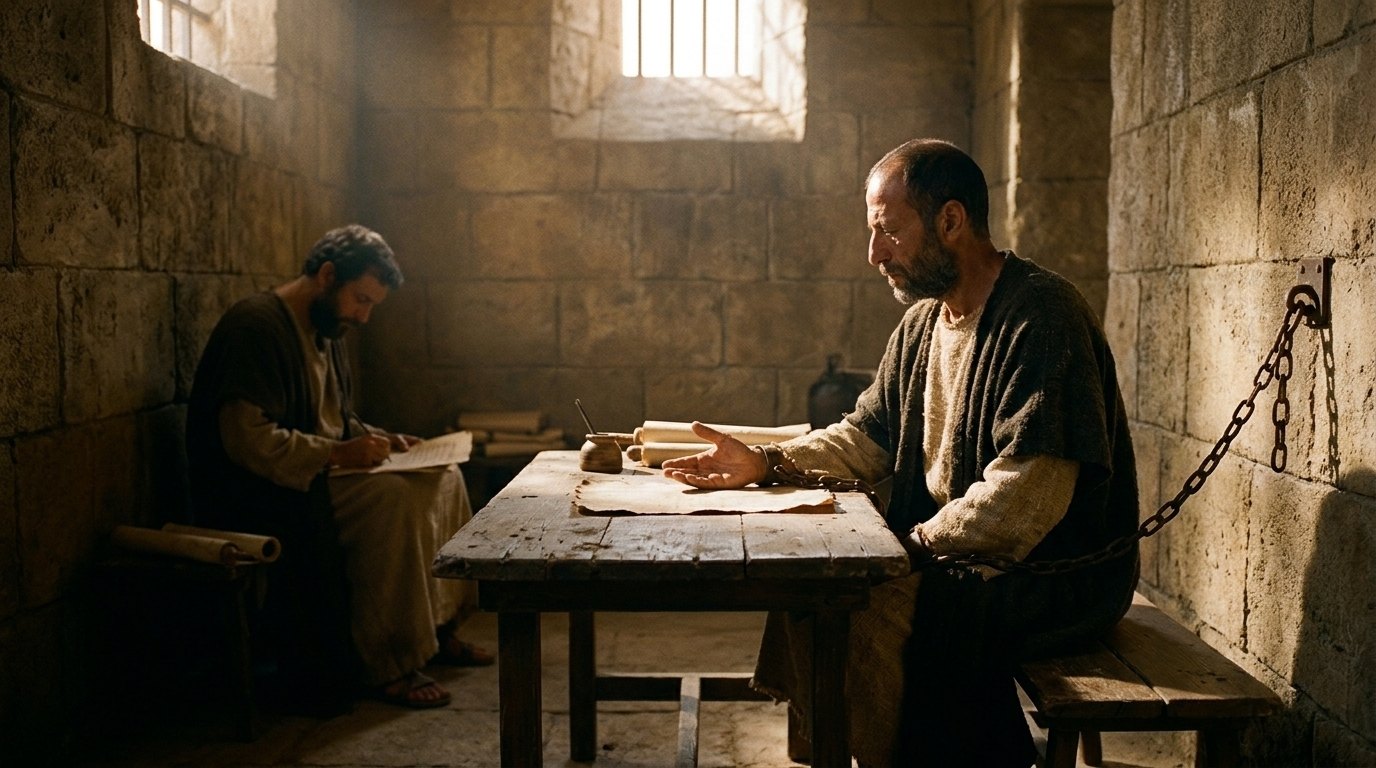
Ephesians 2:8-9
8 For it is by grace you have been saved, through faith—and this is not from yourselves, it is the gift of God—
9 not by works, so that no one can boast.
New International Version (NIV)
The answer
The deepest differences concern final authority and how a sinner is justified before God. The Catholic Church recognizes Scripture and Sacred Tradition, authoritatively interpreted by its teaching office. Protestant churches regard Scripture as the final, infallible authority, with creeds, traditions, and church leaders remaining accountable to it. The Reformation also sharpened disagreements over salvation, sacraments, the pope, Mary, and the saints.
- Issue — Catholic teaching — Broad Protestant teaching
- Final authority — Scripture and Sacred Tradition transmit divine revelation; the pope and bishops in communion with him authoritatively interpret them. — Scripture alone is the final, infallible rule of faith and practice; councils and traditions have subordinate authority.
- Justification — God’s grace makes a person righteous, ordinarily beginning in baptism and continuing through faith, love, and the sacramental life. — God declares the believing sinner righteous because of Christ, through faith alone; good works follow as salvation’s fruit, not its purchase price.
- Sacraments — Seven: baptism, confirmation, Eucharist, penance, anointing of the sick, holy orders, and matrimony. — Usually two sacraments or ordinances: baptism and the Lord’s Supper. Some traditions prefer the word ordinances.
- The Lord’s Supper — Through transubstantiation, the bread and wine become Christ’s body and blood; the Mass makes his one sacrifice sacramentally present. — Interpretations range from memorial to spiritual presence; Lutherans confess Christ’s bodily presence without adopting transubstantiation. Most reject the Catholic understanding of the Mass.
- Church leadership — The pope is Peter’s successor and has universal jurisdiction; bishops succeed the apostles. — No universal earthly head is recognized. Governance varies among episcopal, presbyterian, and congregational churches.
- Mary and the saints — Mary and the saints are venerated and asked to intercede, while worship in its fullest sense belongs to God alone. — Mary is honoured as Jesus’ mother, but prayer is normally directed to God alone, without seeking the saints’ intercession.
It is inaccurate to reduce this to Catholics believing in grace while Protestants believe in faith—or to say Catholics simply teach salvation by human effort. Catholic teaching insists that grace initiates and enables salvation. The actual dispute concerns justification itself: whether it includes an ongoing, sacramentally nourished transformation and cooperation with grace, or whether God’s declaration of righteousness is received through faith alone, with transformation necessarily following.
There is also substantial common ground. Both traditions formally confess the Trinity, Jesus Christ as truly God and truly man, his virgin birth, atoning death, bodily resurrection, and return. Both affirm that salvation comes through Christ and by grace, and both call believers to holiness. Protestantism is not one denomination, however: Lutheran, Anglican, Reformed, Baptist, Methodist, Pentecostal, and other churches differ among themselves on baptism, Communion, church government, and other matters.
Scripture settles the essential basis of salvation. Ephesians 2:8 says that salvation is by grace through faith and is God’s gift; Ephesians 2:9 adds that it is not by works, leaving no ground for boasting. Consequently, religious status, ceremonies, or moral performance cannot become a human achievement that earns salvation. Romans 10:9-10 also makes the personal response plain: confessing Jesus as Lord and believing in his resurrection. Neither the Catholic nor the Protestant label can substitute for personally trusting Christ, and no church practice should obscure God’s grace as the foundation of salvation.
Answered from Scripture · reviewed November 11, 2026
While both Roman Catholics and Protestants confess the historic ecumenical creeds, the core divide centers on how a sinner is justified before God and where final authority rests. Scripture declares that salvation is entirely by God's grace received through faith alone in the finished work of Christ, while Catholic dogma teaches that justification involves human cooperation, merit, and the sacramental system.
Justification by Faith
Righteousness Is Imputed Through Faith Alone
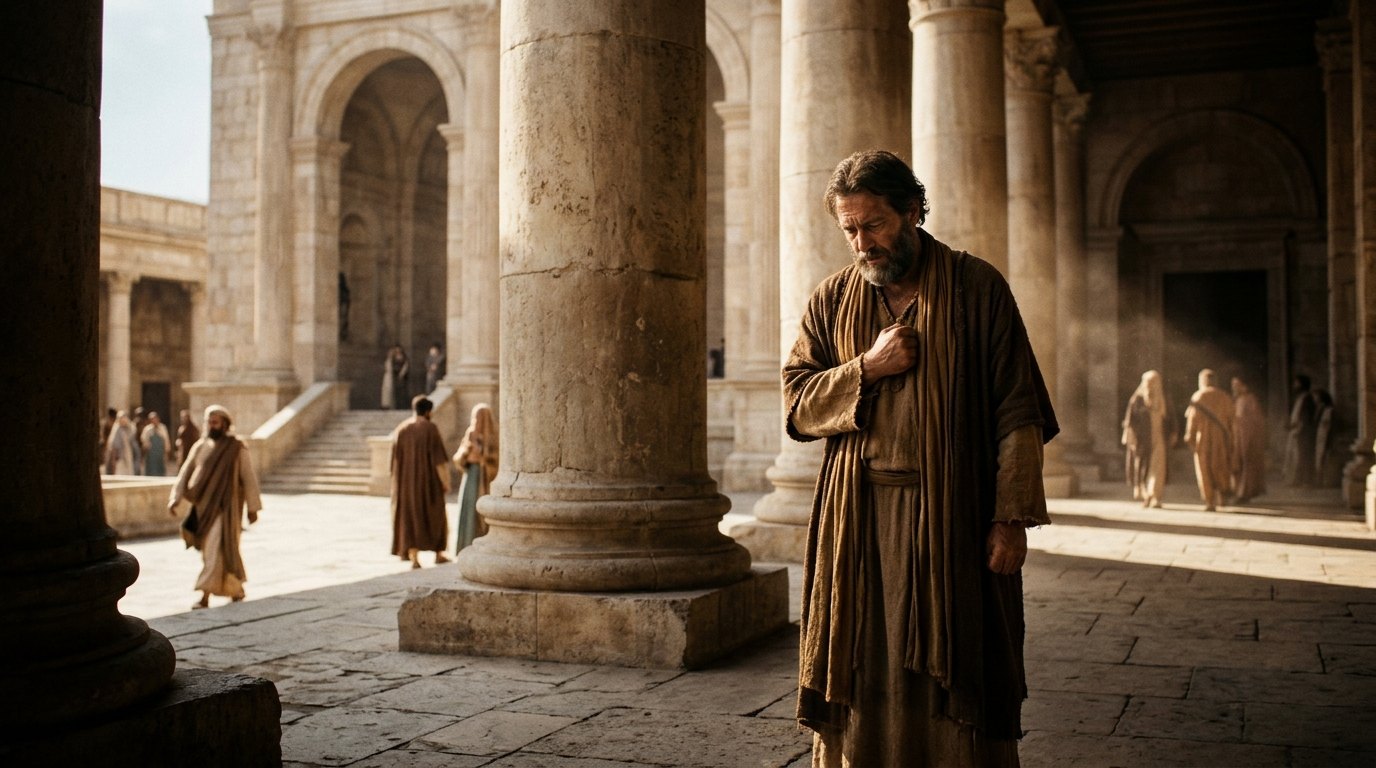
For it is by grace you have been saved, through faith—and this is not from yourselves, it is the gift of God— not by works, so that no one can boast.
Ephesians 2:8-9 (NIV)
It explicitly identifies salvation as an unearned gift of grace through faith alone, entirely excluding human works to prevent boasting.
Ephesians 2:8-9 declares the foundational truth of the gospel: salvation is an entirely unearned gift of grace through faith alone, shutting out any human boasting. Where Catholic doctrine defines justification as an ongoing process initiated in baptism and maintained through sacramental grace, penance, and meritorious works, Scripture presents justification as God's legal verdict declaring the ungodly righteous solely through faith. In Romans 3:21-26, the apostle Paul proclaims that God justifies sinners freely by His grace through the redemption that came by Jesus Christ.
This declaration stands apart from human merit. Romans 3:28 insists that a person is justified by faith apart from the works of the law. Abraham serves as the supreme biblical pattern in Romans 4:4-5: to the one who works, wages are not counted as a gift but as debt, yet to the one who does not work but trusts God who justifies the ungodly, faith is counted as righteousness. This settled reality yields profound fruit: Romans 5:1 promises that having been justified by faith, we have peace with God through our Lord Jesus Christ.
Paul repeats this antithesis throughout his letters. Galatians 2:16 warns that no flesh will be justified by works of the law. In Philippians 3:8-9, Paul discards all personal merit to gain Christ and be found possessing a righteousness derived from God by faith. Titus 3:5 affirms that He saved us, not on the basis of deeds done in righteousness, but according to His mercy. Mixing grace with human merit destroys the nature of grace itself, for as Romans 11:6 establishes, if salvation is by works, grace is no longer grace.
| Passage | What it says |
|---|---|
| Romans 3:21-26 | God justifies the ungodly freely by His grace through faith in the atoning blood of Jesus Christ. |
| Romans 3:28 | A person is justified by faith apart from the deeds or works of the law. |
| Romans 4:4-5 | To the one who does not work but believes, faith is counted as righteousness, not debt. |
| Romans 5:1 | Having been justified by faith, believers possess permanent peace with God through Jesus Christ. |
| Galatians 2:16 | No person is justified by works of the law, but only through faith in Jesus Christ. |
| Philippians 3:8-9 | Paul counts all self-righteousness loss to gain the righteousness from God based on faith. |
| Titus 3:5 | God saved us not by righteous deeds we have done, but according to His mercy. |
| Romans 11:6 | Grace and works are mutually exclusive grounds for salvation; if grace is mixed with works, grace ceases to be grace. |
| Ephesians 2:8-9 | Salvation is by grace through faith apart from human works, leaving no room for human boasting. |
The One Mediator
Christ's Finished Work Needs No Priesthood

For there is one God and one mediator between God and mankind, the man Christ Jesus, who gave himself as a ransom for all people. This has now been witnessed to at the proper time.
1 Timothy 2:5-6 (NIV)
It establishes that there is only one God and one mediator between God and humanity: the man Christ Jesus.
First Timothy 2:5-6 establishes the unassailable architecture of redemption: there is one God and one mediator between God and men, the man Christ Jesus. While Catholic theology introduces a ministerial priesthood to offer the Mass as an ongoing propitiatory sacrifice, along with the intercession of Mary and the saints, Scripture reveals that Jesus Christ has fulfilled and ended the Levitical priesthood forever. As Hebrews 7:24-25 makes clear, because Jesus lives forever, He holds a permanent, unchangeable priesthood and is able to save completely those who come to God through Him.
The finished sufficiency of His sacrifice renders all earthly altars obsolete. Hebrews 9:11-12 declares that Christ entered the holy places once for all by His own blood, obtaining eternal redemption. In Hebrews 10:10-14, Scripture directly contrasts the repetitive sacrifices of old with Christ's definitive work: by one offering He has perfected for all time those who are being sanctified. When Jesus proclaimed His identity in John 14:6 as the way, the truth, and the life, He excluded all alternate mediators.
Because of this singular atonement, every believer now possesses direct, unfiltered access to God. Under the new covenant, 1 Peter 2:9 announces that the entire body of believers forms a royal priesthood. There is no longer a human sacerdotal barrier; as Hebrews 4:14-16 commands, we may draw near with confidence to the throne of grace through our great high priest who has passed through the heavens.
| Passage | What it says |
|---|---|
| Hebrews 7:24-25 | Jesus holds a permanent, unchangeable priesthood and saves completely those who draw near through Him. |
| Hebrews 9:11-12 | Christ entered the holy place once for all with His own blood, securing eternal redemption. |
| Hebrews 10:10-14 | By a single offering, Jesus has perfected for all time those who are being sanctified. |
| 1 Peter 2:9 | All believers in Christ form a royal priesthood, offering spiritual sacrifices directly to God. |
| John 14:6 | Jesus alone is the way, truth, and life, and no one comes to the Father except through Him. |
| 1 Timothy 2:5 | There is strictly one God and one mediator between God and humanity, the man Christ Jesus. |
| Hebrews 4:14-16 | Believers are invited to come directly and boldly to the throne of grace through Jesus, our great high priest. |
Supreme Authority
God's Word Judges Every Human Tradition

All Scripture is God-breathed and is useful for teaching, rebuking, correcting and training in righteousness, so that the servant of Godmay be thoroughly equipped for every good work.
2 Timothy 3:16-17 (NIV)
It proves that all Scripture is God-breathed and fully sufficient to equip the believer for every good work.
Second Timothy 3:16-17 provides the bedrock standard for all Christian doctrine: all Scripture is breathed out by God and sufficient to equip the believer for every good work. Catholic teaching holds that authority resides in a threefold cord of sacred Scripture, sacred tradition, and the infallible teaching office of the Magisterium. In contrast, the biblical witness establishes that God's written Word sits as the supreme judge over every human institution, council, and tradition.
Our Lord Jesus directly confronted the elevation of tradition above Scripture in Mark 7:6-9, rebuking the Pharisees for leaving the commandment of God to hold fast to human tradition, thereby making void the Word of God. Paul echoes this solemn warning in Colossians 2:8, urging believers not to be taken captive through human philosophies and traditions rather than Christ. When evaluating doctrine, the written Word is the only infallible rule: in Acts 17:11, the Bereans were commended as noble because they examined the Scriptures daily to see if these teachings were true, holding even apostolic preaching to the test of the text.
The sufficiency and clarity of Scripture shine throughout both Testaments. Psalm 119:105 calls God's word a lamp unto our feet and a light unto our path. Isaiah 8:20 gives a decisive rule of discernment: if teachers do not speak according to this word, there is no light in them. The canon concludes with the dire warning of Revelation 22:18-19 against anyone who dares to add to or take away from the words of God's prophecy.
| Passage | What it says |
|---|---|
| Mark 7:6-9 | Jesus rebukes religious leaders for setting aside God's commandment to uphold human traditions. |
| Colossians 2:8 | Believers are warned against being captured by human philosophy and tradition rather than Christ. |
| Acts 17:11 | The Bereans were commended for testing apostolic teaching daily against the written Scriptures. |
| Revelation 22:18-19 | A solemn curse is pronounced on anyone who adds to or takes away from God's words. |
| Psalms 119:105 | The written Word of the Lord is a lamp unto the feet and a light unto the path. |
| 2 Timothy 3:16-17 | All Scripture is breathed out by God, fully equipping the believer for every good work without need of supplementary tradition. |
| Isaiah 8:20 | Every teaching must be evaluated by God's law and testimony; if it contradicts them, it possesses no light. |
The Believer at Death
Believers Enter the Lord's Presence Immediately at Death
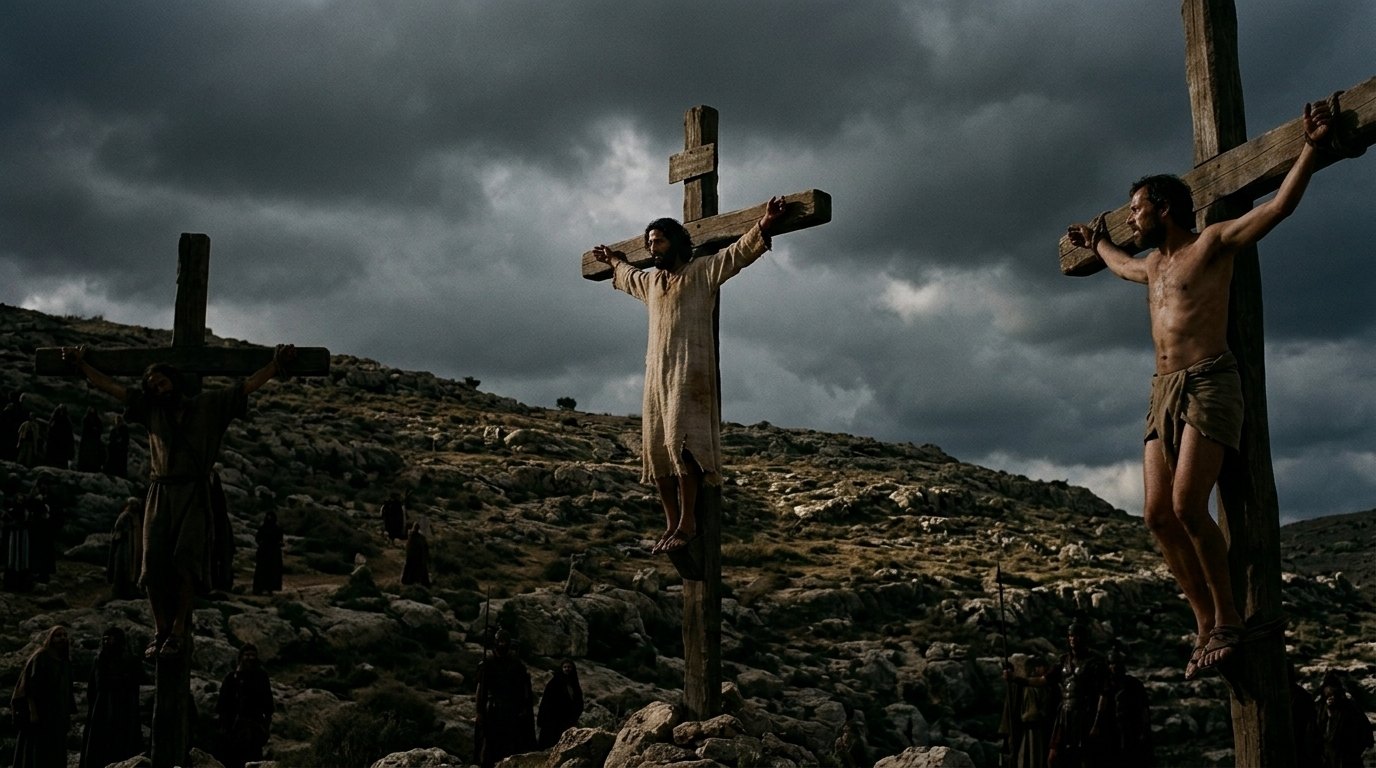
We are confident, I say, and would prefer to be away from the body and at home with the Lord.
2 Corinthians 5:8 (NIV)
It shows that at physical death the believer transitions immediately into Christ's presence rather than an intermediate purging.
Second Corinthians 5:8 settles the believer's destination beyond the grave with joyful certainty: to be absent from the body is to be at home with the Lord. Roman Catholic doctrine posits the existence of purgatory, an intermediate realm where justified souls undergo temporal punishment and cleansing fire to expiate remaining venial sins before entering heaven. Scripture, however, knows nothing of an intermediate state of punitive cleansing for the believer in Christ.
The promise of the cross guarantees full pardon and immediate reception into glory. When the dying thief pleaded for mercy on Calvary, Jesus responded in Luke 23:43 with absolute assurance: "Truly I say to you, today you will be with Me in paradise." Even a lifetime of sin was completely blotted out by the atoning work of the Lamb, requiring no post-mortem purging. Paul harbored no fear of intermediate torments; in Philippians 1:21-23, he confessed that to live is Christ and to die is gain, expressing his eager desire to depart and be with Christ, which is far better.
The entire doctrine of purgatorial suffering misunderstands the totality of Christ's cleansing power. First John 1:7 proclaims that the blood of Jesus His Son cleanses us from all sin. If the atoning blood cleanses from all sin, no unpaid guilt or residual penalty remains for the believer to expiate. In Christ, the debt has been paid in full, and the believer passes straight from physical death into the unfiltered glory of His presence.
| Passage | What it says |
|---|---|
| Luke 23:43 | Jesus promises the repentant thief immediate entry into paradise that very day, without any intermediate state of cleansing. |
| 2 Corinthians 5:8 | To be absent from the mortal physical body is to be present at home with the Lord immediately. |
| Philippians 1:21-23 | Paul affirms that to depart this life is to be immediately with Christ, which is far better. |
| 1 John 1:7 | The blood of Jesus cleanses believers from all sin entirely, leaving no residual penalty to be expiated. |
The Lord's Supper
The Lord's Supper Is a Memorial of His Finished Sacrifice
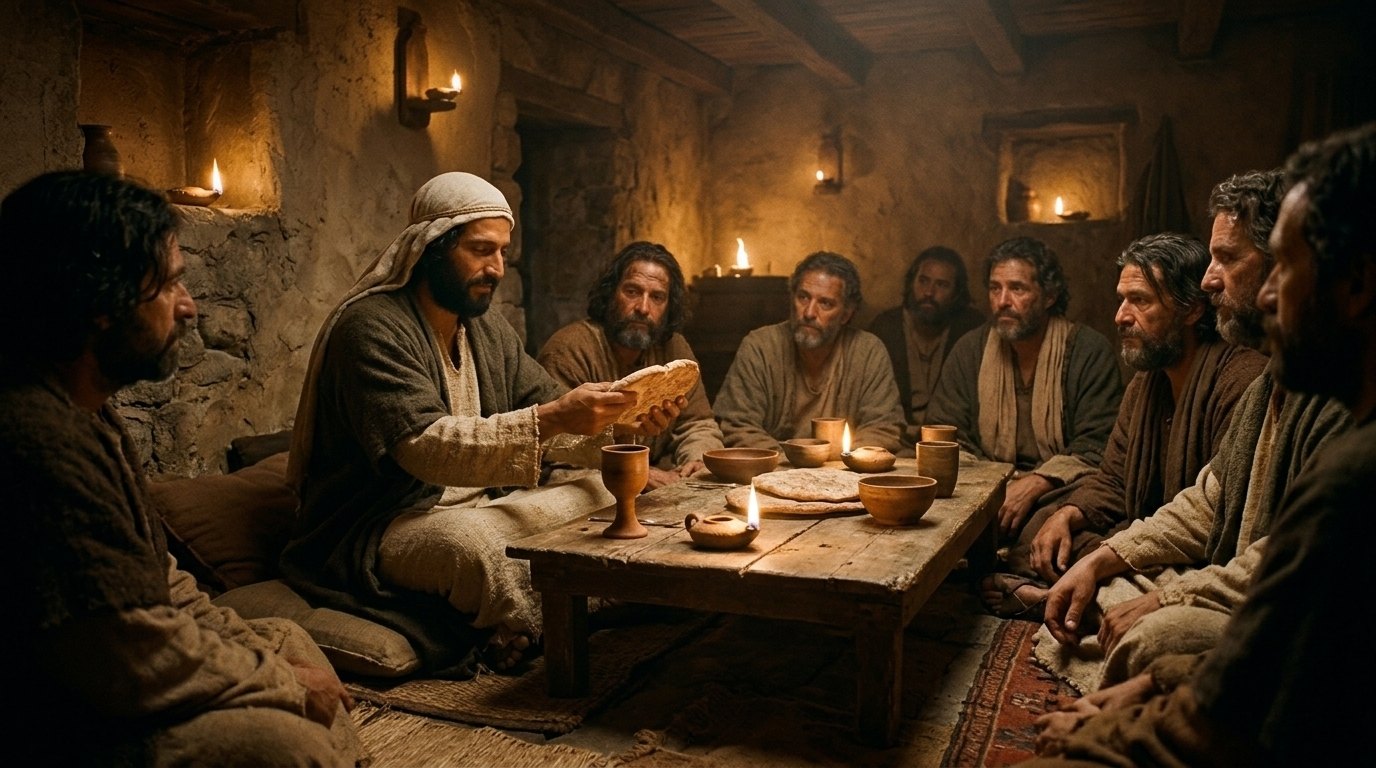
For whenever you eat this bread and drink this cup, you proclaim the Lord’s death until he comes.
1 Corinthians 11:26 (NIV)
It defines the communion meal as an ongoing proclamation of Christ's completed historical death until His return.
The highlighted verse, 1 Corinthians 11:26, declares that "as often as you eat this bread and drink the cup, you proclaim the Lord's death until he comes." Here Scripture defines the Lord's Supper not as an altar where Christ is re-offered or immolated afresh, but as an ongoing proclamation and memorial feast rooted in a sacrifice already accomplished. In 1 Corinthians 11:23-26, the apostle Paul recounts the words of Jesus on the night He was betrayed, where Christ gave the bread and cup with the plain charge, "do this in remembrance of me." Believers look back to the historical cross with thanksgiving and look forward in living hope to His return.
This stands in stark contrast to Rome's dogma that the Eucharist is a propitiatory sacrifice that re-presents and applies Christ's suffering through the hands of a sacrificing priesthood. Scripture expressly dismantles the need for any ongoing sacrificial offering. As Hebrews 10:18 proclaims, "Where there is forgiveness of these, there is no longer any offering for sin." Christ’s one offering on Calvary fully cleansed and perfected for all time those who are being sanctified. To suggest that a priest must continually offer Christ on an earthly altar denies the total sufficiency of His finished cross.
Furthermore, while Catholic dogma insists on transubstantiation—that bread and wine transform physically into the actual flesh, blood, soul, and divinity of Jesus—Christ Himself clarified how His imagery must be understood. Addressing the disciples in John 6:63 after speaking of eating His flesh, the Lord said: "It is the Spirit who gives life; the flesh is no help at all. The words that I have spoken to you are spirit and life." Spiritual union and feeding on Christ occur through genuine, saving faith, not through physical ingestion, honoring the true substance of the Lord's Table.
| Passage | What it says |
|---|---|
| 1 Corinthians 11:23-26 | The Lord's Supper is a solemn proclamation and remembrance of Christ's once-for-all death until He comes. |
| Hebrews 10:18 | Where full forgiveness of sins has been obtained, there is no longer any offering or sacrifice for sin. |
| John 6:63 | Jesus explains that His words are spirit and life, and that the physical flesh profits nothing. |
Where in the Bible
| Book | Passages |
|---|---|
| Psalms | 1 · Psalms 119:105 |
| Isaiah | 1 · Isaiah 8:20 |
| Mark | 1 · Mark 7:6-9 |
| Luke | 1 · Luke 23:43 |
| John | 2 · John 14:6, John 6:63 |
| Acts | 1 · Acts 17:11 |
| Romans | 5 · Romans 3:21-26, Romans 3:28, Romans 4:4-5, Romans 5:1, Romans 11:6 |
| 1 Corinthians | 1 · 1 Corinthians 11:23-26 |
| 2 Corinthians | 1 · 2 Corinthians 5:8 |
| Galatians | 1 · Galatians 2:16 |
| Ephesians | 1 · Ephesians 2:8-9 |
| Philippians | 2 · Philippians 3:8-9, Philippians 1:21-23 |
| Colossians | 1 · Colossians 2:8 |
| 1 Timothy | 1 · 1 Timothy 2:5 |
| 2 Timothy | 1 · 2 Timothy 3:16-17 |
| Titus | 1 · Titus 3:5 |
| Hebrews | 5 · Hebrews 7:24-25, Hebrews 9:11-12, Hebrews 10:10-14, Hebrews 4:14-16, Hebrews 10:18 |
| 1 Peter | 1 · 1 Peter 2:9 |
| 1 John | 1 · 1 John 1:7 |
| Revelation | 1 · Revelation 22:18-19 |
The story in order
- Abraham called (c. 2000 BC) · Genesis 12:1-3 · God's promise of blessing through Abraham's seed.
- Exodus from Egypt (c. 1446 BC) · Exodus 12:1-14 · God's redemptive act, foreshadowing Christ's sacrifice.
- Davidic Kingdom established (c. 1000 BC) · 2 Samuel 7:12-16 · Promise of an eternal king from David's line.
- Prophets warn of judgment (c. 740 BC) · Isaiah 8:20 · God's law and testimony are the ultimate standard.
- Exile and return (c. 586 BC) · Jeremiah 29:10-14 · God's faithfulness to His people despite sin.
- Jesus begins ministry (AD 27) · Luke 3:21-22 · The Son of God inaugurates His saving work.
- Jesus' atoning sacrifice (AD 30) · Hebrews 9:11-12 · Christ's blood secures eternal redemption.
- Resurrection and ascension (AD 30) · Acts 1:9-11 · Christ's victory over death and sin.
- Paul's ministry and writings (AD 48-67) · Romans 3:28 · Justification by faith apart from works is taught.
- Bereans test teaching (c. AD 50) · Acts 17:11 · Scripture is the final authority for truth.
- Apostolic fathers write (c. AD 95) · 1 John 1:7 · Christ's blood cleanses from all sin.
- Revelation written (c. AD 95) · Revelation 22:18-19 · Warning against altering God's Word.
Key words
- Justification (dikaiō, δικαιόω)
- Being declared righteous by God, not by personal merit, but by faith in Christ's atoning work. · Romans 3:28
- Faith (pistis, πίστις)
- Trust and reliance on God and His promises, particularly in Jesus Christ for salvation. · Romans 4:4-5
- Grace (charis, χάρις)
- God's unmerited favor and divine assistance given freely to sinners. · Ephesians 2:8-9
- Mediator (mesitēs, μεσίτης)
- One who stands between God and humanity, reconciling them through Christ's intercession and sacrifice. · 1 Timothy 2:5
- Authority (exousia, ἐξουσία)
- The right and power to command or give final decisions, resting solely in God's Word. · Mark 7:6-9
- Sacrifice (thusia, θυσία)
- An offering made to God, especially Christ's atoning death which fully satisfies divine justice. · Hebrews 10:10-14
These differences are not mere semantic disputes; they define the gospel of Jesus Christ and how an eternal soul is reconciled to God. Turning away from human merit to trust fully in Christ's once-for-all sacrifice gives the believer complete assurance, peace with God, and a life devoted to good works out of gratitude.
30 passages, each cited once.
How the major Christian traditions read this
All Christian traditions confess that Jesus Christ is true God and true man, through whose death and resurrection alone sinners are redeemed by God's grace (Ephesians 2:8-9; Romans 3:24).
Catholic
We confess that divine revelation comes through Sacred Scripture and Sacred Tradition, authoritatively safeguarded by the Magisterium united with Peter's successor (Matthew 16:18; 2 Thessalonians 2:15). Justification is an infused righteousness beginning in baptism, where God truly makes us just and calls us to persevere in faith working through love (Galatians 5:6; James 2:24). Christ instituted seven sacraments that confer real grace, preeminently the Eucharist, wherein bread and wine become His body, blood, soul, and divinity in the propitiatory sacrifice of the Mass. We also seek the intercession of the Blessed Virgin Mary and the saints, who pray for the pilgrim Church before the throne of God (Revelation 5:8).
Scripture: Matthew 16:18, 2 Thessalonians 2:15, Galatians 5:6, James 2:24, Revelation 5:8
Orthodox
While not Protestant, we stand apart from papal supremacy, holding the apostolic faith preserved unchanged in Holy Tradition and ecumenical conciliarity (2 Thessalonians 2:15; Jude 1:3). Salvation is theosis—union with God and partaking of the divine nature through grace (2 Peter 1:4). We reject the Roman claims of papal universal jurisdiction and original sin as inherited guilt, confessing that Christ alone is the head of the Church. Through the Holy Mysteries, especially the true Body and Blood in the Eucharist, God transforms believers into His likeness. We venerate the Mother of God and the saints, joining our prayers with the whole heavenly communion.
Scripture: 2 Thessalonians 2:15, Jude 1:3, 2 Peter 1:4
Lutheran
We confess that Scripture alone is the infallible source and norm of doctrine (2 Timothy 3:16). A sinner is justified freely for Christ's sake through faith alone (sola fide), wholly apart from works, when God credits Christ's righteousness to the believer (Romans 3:28; Ephesians 2:8-9). We reject the papacy's authority over conscience, the sacrifice of the Mass, and prayers to departed saints, holding that Christ is our sole mediator (1 Timothy 2:5). Yet we confess that baptism regenerates (Titus 3:5) and that Christ's true body and blood are genuinely given in the bread and wine for the forgiveness of sins, received by all who partake.
Scripture: 2 Timothy 3:16, Romans 3:28, Ephesians 2:8-9, 1 Timothy 2:5, Titus 3:5
Reformed & Presbyterian
We hold that God's written Word alone rules faith and worship (2 Timothy 3:16-17). Justification is God's sovereign, forensic declaration that a sinner is righteous solely through the imputed righteousness of Christ received by faith alone (Romans 4:5; Romans 5:1). Rome's additions—purgatory, merit, the papacy, and the veneration of images or saints—undermine Christ's complete, once-for-all atonement on the cross (Hebrews 10:12-14). We observe only the two sacraments instituted by Christ: baptism and the Lord's Supper. In communion, believers spiritually feast upon Christ in heaven by the Holy Spirit, rejecting bodily presence in the elements and the re-presentation of Christ's sacrifice.
Scripture: 2 Timothy 3:16-17, Romans 4:5, Romans 5:1, Hebrews 10:12-14
Anglican & Episcopal
We stand in historic continuity with the ancient church while embracing the Reformation's biblical truths. Holy Scripture contains all things necessary to salvation, serving as the supreme rule of faith alongside the historic creeds and episcopal order (2 Timothy 3:15-17). We are accounted righteous before God only for the merit of our Lord Jesus Christ by faith, not for our own works (Romans 3:24). We retain two Gospel sacraments—Baptism and Holy Communion—in which grace is genuinely conveyed to the faithful (1 Corinthians 10:16). We reject the claims of universal papal jurisdiction, purgatory, and the invocation of saints as ungrounded in Scripture, pointing to Christ alone as our advocate (1 John 2:1).
Scripture: 2 Timothy 3:15-17, Romans 3:24, 1 Corinthians 10:16, 1 John 2:1
Baptist
We affirm the supreme authority of Scripture alone over every church and believer (2 Timothy 3:16). A person is justified by grace alone through personal faith in Jesus Christ, whose penal substitutionary sacrifice fully paid for our sins (Romans 3:24-26; Ephesians 2:8-9). We reject papal authority, the sacramental system, and prayers to saints. We hold to the autonomy of the local congregation governed under Christ's lordship, recognizing no earthly hierarchy. The ordinances are two: believer's baptism by immersion following a conscious confession of faith, and the Lord's Supper observed in remembrance of Christ's finished work on the cross (Matthew 28:19; 1 Corinthians 11:24-26).
Scripture: 2 Timothy 3:16, Romans 3:24-26, Ephesians 2:8-9, Matthew 28:19, 1 Corinthians 11:24-26
Methodist & Wesleyan
We confess with the Protestant Reformers that Scripture is the supreme rule of faith and that justification is by faith alone in Christ's redeeming blood (Romans 5:1; Ephesians 2:8-9). God's prevenient grace goes before all human response, enabling but not forcing free repentance and belief (John 1:9). We reject the Roman dogmas of papal supremacy, purgatory, and the merit of good works. At the same time, we emphasize that saving faith necessarily issues in holiness of heart and life, as God's sanctifying grace conforms us to the image of Christ in perfect love (1 Thessalonians 5:23; 1 John 4:17-18). We observe baptism and communion as true means of grace.
Scripture: Romans 5:1, Ephesians 2:8-9, John 1:9, 1 Thessalonians 5:23, 1 John 4:17-18
Pentecostal & Charismatic
We hold to the absolute truth of Scripture and proclaim justification by faith in Jesus Christ alone (Romans 5:1). Salvation is by grace through faith, completely apart from human merit, rituals, or priestly mediation (Ephesians 2:8-9). We reject papal claims, the veneration of Mary and saints, and sacramental salvation. We emphasize a living encounter with the risen Lord: every believer is called to experience the baptism in the Holy Spirit with power for witness and gifts for ministry (Acts 1:8; Acts 2:4). Water baptism and the Lord's Supper are observed as sacred ordinances testifying to Christ's death, resurrection, and promised return.
Scripture: Romans 5:1, Ephesians 2:8-9, Acts 1:8, Acts 2:4
Non-denominational & Evangelical
We look to the Bible alone as God's inerrant Word and our sole guide for life and practice (2 Timothy 3:16-17). Salvation is a free gift received by personal faith in Jesus Christ, who died on the cross for our sins and rose bodily from the dead (John 3:16; Ephesians 2:8-9). We reject human traditions, the papacy, purgatory, and praying to saints because Scripture points solely to Jesus as mediator (1 Timothy 2:5). The Church is the universal body of all true believers in Jesus, organized in self-governing local bodies that practice baptism and the Lord's Supper as outward signs of inward faith.
Scripture: 2 Timothy 3:16-17, John 3:16, Ephesians 2:8-9, 1 Timothy 2:5
Where they differ
The supreme authority for doctrine
- Catholic
- Scripture and Sacred Tradition interpreted by the Magisterium.
- Orthodox
- Scripture interpreted within the ancient Holy Tradition and councils.
- Lutheran
- Scripture alone as the sole rule and norm of doctrine.
- Reformed & Presbyterian
- Scripture alone as the final infallible authority.
- Anglican & Episcopal
- Scripture alone as supreme, guided by creeds and historic order.
- Baptist
- Scripture alone as the sole and sufficient rule.
- Methodist & Wesleyan
- Scripture alone as supreme, interpreted through tradition, reason, and experience.
- Pentecostal & Charismatic
- Scripture alone as the final, inspired authority.
- Non-denominational & Evangelical
- The Bible alone as the complete and final truth.
Scripture: 2 Timothy 3:16-17, 2 Thessalonians 2:15, Mark 7:7-9
The nature of justification
- Catholic
- Infused righteousness through grace and sacraments, enabling merit.
- Orthodox
- Ongoing theosis and healing through participation in God's uncreated energies.
- Lutheran
- Forensic declaration of righteousness by grace alone through faith alone.
- Reformed & Presbyterian
- Forensic imputation of Christ's perfect righteousness through faith alone.
- Anglican & Episcopal
- Accounted righteous solely through Christ's merit by faith alone.
- Baptist
- Imputed righteousness through personal trust in Christ alone.
- Methodist & Wesleyan
- Pardoned and declared righteous by faith, yielding inward holiness.
- Pentecostal & Charismatic
- Declared righteous solely through faith in Christ's shed blood.
- Non-denominational & Evangelical
- Declared righteous by God as a gift through faith alone.
Scripture: Romans 3:24-28, Romans 4:5, James 2:24
The number and role of sacraments
- Catholic
- Seven sacraments that confer grace by their administration.
- Orthodox
- Seven or more Holy Mysteries conveying divine grace.
- Lutheran
- Two gospel sacraments that truly offer and give forgiveness.
- Reformed & Presbyterian
- Two sacraments as covenantal signs and seals of grace.
- Anglican & Episcopal
- Two gospel sacraments as effectual signs of grace.
- Baptist
- Two symbolic ordinances observed in obedience to Christ.
- Methodist & Wesleyan
- Two sacraments as ordained outward means of inward grace.
- Pentecostal & Charismatic
- Two ordinances testifying outwardly to an inward reality.
- Non-denominational & Evangelical
- Two symbolic ordinances remembering and professing faith.
Scripture: Matthew 28:19, 1 Corinthians 11:23-26
Your pastor can tell you where your church stands.
Scripture cited
- Romans 10:9-10