What is the difference between the Old and New Testaments?

Hebrews 8:6-13
6 But in fact the ministry Jesus has received is as superior to theirs as the covenant of which he is mediator is superior to the old one, since the new covenant is established on better promises.
7 For if there had been nothing wrong with that first covenant, no place would have been sought for another.
8 But God found fault with the people and said: “The days are coming, declares the Lord, when I will make a new covenant with the people of Israel and with the people of Judah.
9 It will not be like the covenant I made with their ancestors when I took them by the hand to lead them out of Egypt, because they did not remain faithful to my covenant, and I turned away from them, declares the Lord.
10 This is the covenant I will establish with the people of Israel after that time, declares the Lord. I will put my laws in their minds and write them on their hearts. I will be their God, and they will be my people.
11 No longer will they teach their neighbor, or say to one another, ‘Know the Lord,’ because they will all know me, from the least of them to the greatest.
12 For I will forgive their wickedness and will remember their sins no more.”
13 By calling this covenant “new,” he has made the first one obsolete; and what is obsolete and outdated will soon disappear.
New International Version (NIV)
The answer
The Old Testament records God’s work before Christ and points forward to him; the New Testament reveals Christ’s coming and the new covenant he established through his death. They do not present different Gods or unrelated purposes: both are God’s Word, with the Old preparing for Christ and the New announcing God’s fulfillment in him.
The word testament is closely connected with covenant, so there are two related comparisons to make.
As parts of the Bible
- The Old Testament includes creation, Israel’s history, the law, wisdom, prophecy and God’s promises. It is not simply identical with the old covenant: Jeremiah 31:31-34 already looks beyond that covenant by promising a new one.
- The New Testament centers on Jesus Christ, his saving work and the life of his people. Its covenant language comes directly from Jesus: in Luke 22:20, he said of the cup, “This cup is the new testament in my blood, which is shed for you.”
As covenants
- The old covenant was given to Israel after the exodus. Hebrews 8:9 identifies it as the covenant made when God led their fathers out of Egypt. Galatians 3:19-24 explains that the law was added because of transgressions and served as a tutor to bring people to Christ. It was not opposed to God’s promises, but it could not itself give life.
- Its repeated sacrifices could not remove sin. Hebrews 10:1-4 calls the law a shadow of coming good things and says that the blood of bulls and goats could not take away sins.
- The new covenant is established through Jesus’ death. Hebrews 9:15 says that he mediates this covenant because a death has occurred for redemption, including redemption from transgressions committed under the first covenant. Hebrews 8:6 therefore calls him the mediator of a better covenant based on better promises.
- The new covenant promises inward transformation and full forgiveness. Hebrews 8:10-12 promises God’s laws written on the mind and heart, a people who know him, and this assurance: “I will remember their sins and lawless deeds no more.” Hebrews 8:13 says that calling this covenant “new” made the first obsolete.
What fulfillment does not mean
The New Testament does not authorize discarding the Old Testament or treating God’s truth as evil. Jesus said in Matthew 5:17, “I didn’t come to destroy, but to fulfill.” Nor does either Testament make human law-keeping the ground of justification: Galatians 3:22-24 says that God’s promise is given through faith in Jesus Christ and that believers are justified by faith.
A useful approach when reading either Testament is to ask what the passage reveals about God and sin, how it relates to Christ, and what difference his new covenant makes.
Answered from Scripture · reviewed November 11, 2026
The Old and New Testaments tell one unfolding story of redemption, but they govern God's people under two distinct administrations. Where the first covenant provided earthly shadows, external demands on stone, and animal sacrifices pointing forward, the New Covenant brings the permanent substance: sins fully remitted, the law written upon the heart, and an eternal Mediator in Jesus Christ.
Shadow and Substance
The earthly pattern yields to the heavenly reality

They serve at a sanctuary that is a copy and shadow of what is in heaven. This is why Moses was warned when he was about to build the tabernacle: “See to it that you make everything according to the pattern shown you on the mountain.”
Hebrews 8:5 (NIV)
Moses was warned to construct the tabernacle according to the heavenly blueprint because earthly worship was a preliminary shadow of Christ's true ministry.
In Hebrews 8:5, the author reveals that earthly priests served in a sanctuary that was merely a copy and shadow of heavenly realities. When the Lord ordered the sanctuary at Sinai, He commanded in Exodus 25:40 that Moses construct everything strictly according to the heavenly blueprint shown him on the mount. This earthly architecture was deliberate, didactic, and preliminary. It taught Israel that God dwelt among them, but it also placed curtains, walls, and ceremonial boundaries between a holy God and a fallen people. The earthly tabernacle pointed upward and forward to the true sanctuary, which the Lord pitched and not man.
The Apostle Paul picks up this exact distinction in Colossians 2:16-17, insisting that dietary restrictions, festive calendars, new moons, and ceremonial Sabbaths functioned as prophetic outlines whose tangible body belongs solely to Christ. The physical forms of the Mosaic order were never designed to be the terminal destination. According to Hebrews 10:1, the Mosaic law carried only a dim shadow of good things to come, unable ever to clear the worshiper's conscience through recurring animal slaughter, a limitation permanently resolved when Christ offered Himself once for all time (Hebrews 10:11-14).
Because the old order dealt with copies, its ceremonies could never supply true perfection. In Hebrews 9:23-24, Scripture declares that while the earthly copies demanded cleansing with animal blood, heaven itself required superior sacrifices. Christ did not enter a manufactured holy place made with hands, but entered the uncreated presence of God on our behalf. The transition from the Old Testament to the New is therefore not a clash of opposing deities, but the glorious arrival of the true substance displacing its preparatory shadow.
| Passage | What it says | Fulfilled |
|---|---|---|
| Exodus 25:40 | Moses is commanded to build all tabernacle furniture strictly according to the pattern shown on Mount Sinai. | Hebrews 8:5 |
| Colossians 2:16-17 | Paul explains that Jewish dietary laws, feasts, and Sabbaths were shadows, but the substance belongs to Christ. | |
| Hebrews 10:1 | The law possesses only a shadow of coming good things, never able by repeated sacrifices to perfect the worshipers. | Hebrews 10:11-14 |
| Hebrews 8:5 | Describes the earthly priests serving a copy and shadow of the heavenly sanctuary revealed to Moses. | |
| Hebrews 9:23-24 | States Christ entered heaven itself rather than an earthly copy made with hands. |
A Better Mediator
Jesus guarantees a covenant superior to Moses' administration

But in fact the ministry Jesus has received is as superior to theirs as the covenant of which he is mediator is superior to the old one, since the new covenant is established on better promises.
Hebrews 8:6 (NIV)
Christ’s high priestly ministry is declared superior because He serves as the guarantor and mediator of a covenant founded on better promises.
Hebrews 8:6 establishes the core theological difference between the two covenants: Jesus has obtained a ministry as much more excellent than the old as the covenant He mediates is better. Under the Mosaic economy, Moses acted as an earthly go-between. In Exodus 24:7-8, Moses read the book of the covenant to the assembled congregation and sprinkled animal blood upon the altar and the people, formally sealing an arrangement mediated by a mortal man, later fulfilled and superseded in Hebrews 9:18-20 when Christ dedicated the New Covenant with His own blood.
Moses was faithful as a servant within God's house, yet he remained a fallible, dying sinner. By contrast, Jesus guarantees an everlasting covenant because He lives by the power of an endless life. In Hebrews 7:22, Jesus stands as the sworn surety of a far better testament, securing its terms eternally through His own person. The believer does not approach a mountain burning with dreadful fire, but comes in Hebrews 12:24 to Jesus, the mediator of the new covenant, whose sprinkled blood speaks a better word of redemption and reconciliation than the blood of Abel.
Scripture leaves no room for multiple intermediaries. First Timothy 2:5 affirms that there is one God and one mediator between God and men, the man Christ Jesus. Moses brought righteous requirements etched upon tablets, exposing human rebellion and helplessness; but John 1:17 declares that while the law came through Moses, grace and truth were fully realized through Jesus Christ. The Old Covenant possessed a human administrator pointing to righteousness, but the New Covenant provides an omnipotent, sinless King-Priest who accomplishes everything He requires.
| Passage | What it says | Fulfilled |
|---|---|---|
| Exodus 24:7-8 | Moses reads the book of the covenant and sprinkles sacrificial blood on the people to ratify the Sinai covenant. | Hebrews 9:18-20 |
| Hebrews 7:22 | Jesus has become the surety and permanent guarantor of a far better testament by an indestructible life. | |
| Hebrews 12:24 | Believers come to Jesus, the mediator of the new covenant, whose sprinkled blood speaks better than Abel's. | |
| 1 Timothy 2:5 | Scripture affirms there is one God and one mediator between God and men, the man Christ Jesus. | |
| Hebrews 8:6 | Affirms Jesus is mediator of a better covenant enacted on better promises. | |
| John 1:17 | Contrasts the law given through Moses with grace and truth realized through Jesus Christ. |
Heart Versus Stone
The law is written within by the Spirit

This is the covenant I will establish with the people of Israel after that time, declares the Lord. I will put my laws in their minds and write them on their hearts. I will be their God, and they will be my people.
Hebrews 8:10 (NIV)
The definitive mark of the new administration is God etching His holy commandments directly into the mind and heart of the believer.
The definitive transformation of the New Covenant is unveiled in Hebrews 8:10: God writes His holy commandments directly upon the minds and hearts of His people. The Old Covenant was written externally upon slabs of cold stone, demanding comprehensive obedience from fallen human beings who lacked the moral power to perform it. Through Jeremiah 31:31-33, the Lord foretold a coming day when He would make a new covenant unlike Sinai, promising to implant His law within Israel's inward parts, a promise formally realized in Hebrews 8:8-10.
This interior regeneration is the hallmark of the Spirit's administration. In Ezekiel 36:26-27, God promised to remove the stubborn heart of stone, bestow a tender heart of flesh, and put His own Spirit within His people to cause them to walk in His statutes, fulfilled in 2 Corinthians 3:3 where Paul describes believers as living epistles written not with ink but with the Spirit of the living God. The law inscribed on exterior stone could only diagnose guilt and condemn the transgressor. In 2 Corinthians 3:6-8, Paul contrasts the lethal letter of the old ministry with the life-giving glory of the Spirit.
The Sinai covenant demanded righteousness from flesh that was utterly depraved and incapable of pleasing God. Romans 8:3-4 explains that what the law could not do because it was weakened by the sinful nature, God accomplished by sending His own Son in the likeness of sinful flesh as an offering for sin. Believers are freed from the letter that kills so that, as Romans 7:6 proclaims, we now serve in the new way of the Spirit rather than the old way of the written code.
| Passage | What it says | Fulfilled |
|---|---|---|
| Jeremiah 31:31-33 | The Lord foretells a new covenant unlike Sinai, promising to put His law within Israel's inward parts. | Hebrews 8:8-10 |
| Ezekiel 36:26-27 | God promises to replace the stony heart with a heart of flesh and impart His Spirit to cause obedience. | 2 Corinthians 3:3 |
| 2 Corinthians 3:6-8 | Paul contrasts the lethal letter of the old ministry etched on stone with the life-giving glory of the Spirit. | |
| Romans 8:3-4 | What the law was powerless to do through the flesh, God accomplished by sending His Son for sin. | |
| 2 Corinthians 3:3 | Contrasts tablets of stone with human hearts written upon by the Spirit of God. | |
| Romans 7:6 | Contrasts serving in the new way of the Spirit with the old way of the written code. |
Atonement and Pardon
Final forgiveness replaces endless animal blood

For I will forgive their wickedness and will remember their sins no more.”
Hebrews 8:12 (NIV)
Unlike the continuous annual reminder of sin in the Levitical system, God promises never again to remember our lawless deeds.
Hebrews 8:12 declares the glorious summit of the New Covenant: 'I will be merciful toward their iniquities, and I will remember their sins no more.' Under the Mosaic administration, sin was never completely abolished. Leviticus 16:34 instituted the Day of Atonement as an enduring annual statute, yet that solemn day served as an inescapable reminder of unpaid guilt, fulfilled only when Christ entered the heavenly holy place once for all with His own blood (Hebrews 9:7-12). Animal blood provided ceremonial purification for the flesh, but it could never cancel sin's moral debt.
Hebrews 10:4 states with absolute finality that it is impossible for the blood of bulls and goats to take away sins. The Levitical priests stood daily at the altar, offering identical sacrifices repeatedly because their work was never done (Hebrews 10:11-12). In stark contrast, when Jesus sat down at the right hand of the Majesty on high, He signified that the work of atonement was finished forever by His singular offering. At the Last Supper in Luke 22:20, Christ poured the cup, declaring it the new covenant ratified in His poured-out blood.
Because Jesus offered Himself through the eternal Spirit without blemish, Hebrews 9:13-14 promises that His blood purges the human conscience from dead works to serve the living God. The repetition of the Old Testament system has ceased forever. Hebrews 10:17-18 concludes that where God grants full remission of sins and lawless deeds, there is no longer any offering required for sin. The Old Testament anticipated atonement through recurring figures; the New Testament delivers final, irreversible forgiveness in the slain and risen Lamb.
| Passage | What it says | Fulfilled |
|---|---|---|
| Leviticus 16:34 | The Day of Atonement provided an annual statutory reminder of sin for the whole congregation of Israel. | Hebrews 9:7-12 |
| Luke 22:20 | At the Last Supper, Jesus inaugurates the new covenant through the shedding of His own sacrificial blood. | |
| Hebrews 9:13-14 | If animal blood cleansed outward ceremonial defilement, Christ’s unblemished blood purifies the conscience to serve God. | |
| Hebrews 10:17-18 | Where complete remission and pardon of sins have been accomplished, no further offering for sin is required. | |
| Hebrews 10:4 | Declares it impossible for the blood of bulls and goats to take away sins. | |
| Hebrews 10:11-12 | Contrasts daily repeated animal sacrifices with Christ's single, final offering for sins. |
Universal Knowledge
Direct fellowship without intermediary priests

No longer will they teach their neighbor, or say to one another, ‘Know the Lord,’ because they will all know me, from the least of them to the greatest.
Hebrews 8:11 (NIV)
Every participant in the New Covenant personally knows the Lord, eliminating reliance on a segregated Levitical class.
In the New Covenant, every participant enjoys unmediated, personal fellowship with God, fulfilling the promise in Hebrews 8:11 that no member needs to be urged by a neighbor to know the Lord, for all know Him directly from the least to the greatest. Under the Sinai administration, a segregated Levitical priesthood mediated between a distant people and a holy God, requiring ordinary Israelites to rely on priests and prophets for knowledge of the divine will. The prophet Jeremiah foretold a complete transformation of this dynamic in Jeremiah 31:34, declaring that a day was coming when God would implant His truth so intimately that every member of the covenant community would possess direct relational knowledge of Him. Jesus confirmed this reality in John 6:45, citing the prophets to prove that everyone who has heard and learned from the Father comes willingly to the Son.
This universal privilege redefines the nature of spiritual authority and community life in Christ. Rather than reserving priestly standing for a single genealogical line, 1 Peter 2:9 announces that the entire body of believers has been constituted as a chosen race, a royal priesthood, and a holy nation summoned to declare the excellencies of the One who called them out of darkness. The Holy Spirit Himself secures this interior instruction, as 1 John 2:27 explains that the anointing received from Him abides within each believer, grounding them in the truth of Christ so that they do not depend on esoteric human teachers. The veil of separation has been torn, establishing direct and constant communion for every child of God.
| Passage | What it says |
|---|---|
| Jeremiah 31:34 | Prophecy announces that all under the coming covenant will know God directly, from the least to the greatest. |
| John 6:45 | Jesus declares that everyone who hears and learns from the Father comes directly to the Son. |
| 1 Peter 2:9 | All redeemed believers constitute a royal priesthood and holy nation to proclaim the praises of God. |
| 1 John 2:27 | The internal anointing received from the Holy Spirit abides within believers, teaching them regarding all essential truth. |
Passing Versus Permanent
The provisional order yields to an everlasting kingdom
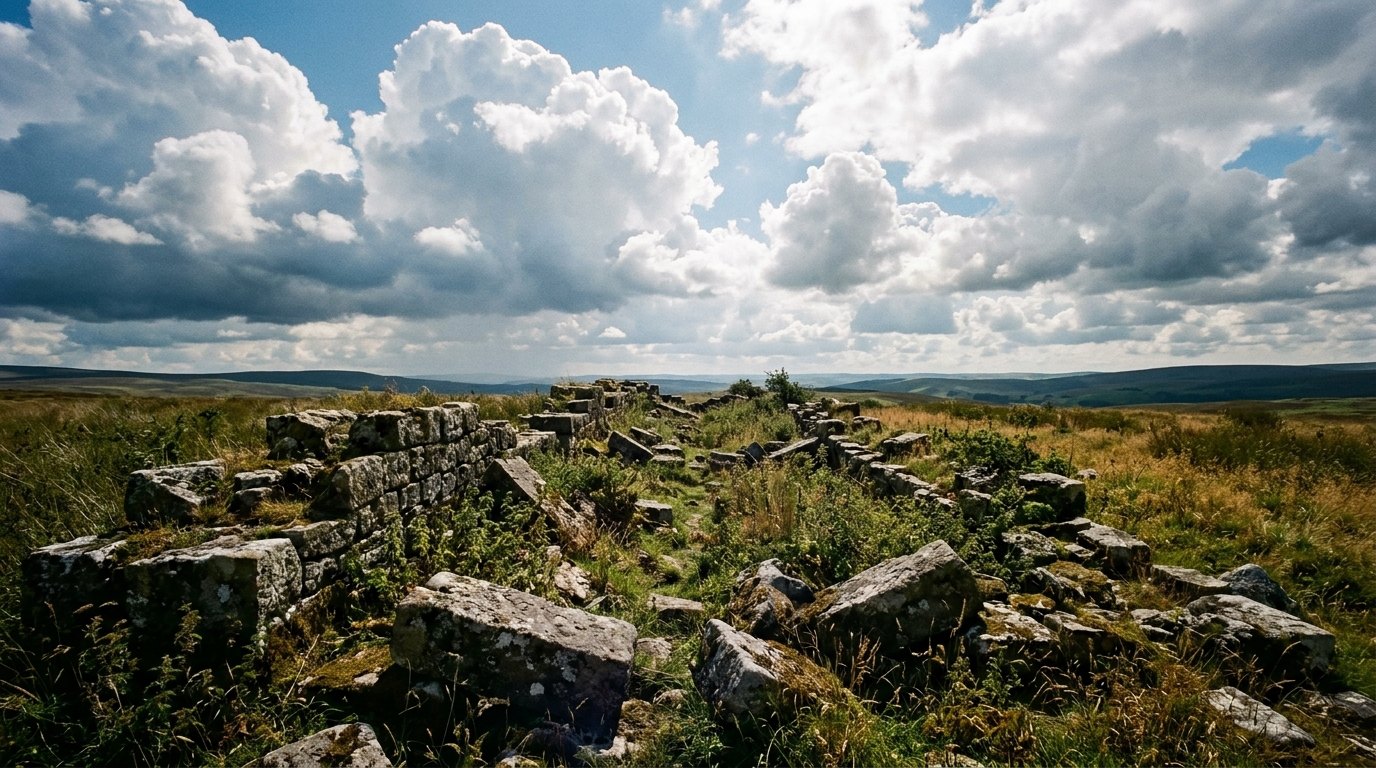
By calling this covenant “new,” he has made the first one obsolete; and what is obsolete and outdated will soon disappear.
Hebrews 8:13 (NIV)
By declaring the new arrangement present, Scripture pronounces the Sinai framework obsolete, making way for that which endures forever.
The Mosaic system was never designed to be the final word in redemptive history, because the provisional shadows of Sinai have yielded to an unshakable and everlasting kingdom. In Hebrews 8:13, the author underscores that by calling this covenant new, God pronounced the first arrangement obsolete, and what is becoming obsolete and growing old is ready to vanish away. The apostle Paul explains the pedagogical intent of that previous administration in Galatians 3:19-25, showing that the Mosaic law functioned as a temporary guardian added because of transgressions until the Seed should come to whom the promise had been made. Once faith came in the person of Jesus Christ, believers were no longer under the custody of that temporary schoolmaster.
Scripture makes plain that this transition was necessary because the Levitical order could not bring ultimate perfection. As Hebrews 7:18-19 states, a setting aside of a former commandment occurred on account of its weakness and uselessness, for the law made nothing perfect, while the introduction of a better hope brings real access to God. Paul similarly contrasts the two eras in 2 Corinthians 3:11, noting that if that which faded away came through glory, much more that which remains abides in glory. The cosmic scope of this transition is declared in Hebrews 12:27-28, where the shaking of created, temporary forms leaves behind a kingdom that cannot be shaken. This eternal order rests securely upon the blood of the everlasting covenant, through which God brought back from the dead our Lord Jesus Christ (Hebrews 13:20).
| Passage | What it says |
|---|---|
| Galatians 3:19-25 | Paul details that the Mosaic law acted as a temporary guardian until the promised Seed arrived. |
| Hebrews 7:18-19 | The former ceremonial commandment was set aside for its weakness, while a better hope brings direct access. |
| Hebrews 12:27-28 | The shaking and removal of temporary created forms leaves behind an unshakeable, eternal kingdom for the church. |
| Hebrews 13:20 | God brought again from the dead our Lord Jesus through the blood of the everlasting covenant. |
| Hebrews 8:13 | Declares that by speaking of a new covenant, God makes the first obsolete and vanishing. |
| 2 Corinthians 3:11 | Contrasts the fading glory of the old ministry with the permanent glory of the new. |
National Versus Global
The covenant family extends across every nation and tongue

For he himself is our peace, who has made the two groups one and has destroyed the barrier, the dividing wall of hostility,
Ephesians 2:14 (NIV)
It declares Christ to be our peace by tearing down the barrier dividing Jew and Gentile.
While the Old Covenant focused its legal and ceremonial life upon a single geopolitical nation, the New Covenant unites a redeemed multitude gathered from every tribe and tongue into one global family. Under the ancient order, God uniquely set apart ethnic Israel as His treasured possession, declaring in Deuteronomy 7:6 that they were a holy people chosen out of all the peoples on the face of the earth. That deliberate national boundary preserved the messianic line and foreshadowed divine holiness, but it also maintained a severe separation between the circumcised Hebrew and the surrounding Gentile nations.
Christ dismantled that ancient division through His sacrificial death on the cross. Ephesians 2:14 announces that Jesus Himself is our peace, having broken down the dividing wall of hostility that kept Jew and Gentile apart. Through His flesh, as Ephesians 2:13-16 demonstrates, He abolished the law of commandments expressed in ordinances, reconciling both groups to God in one body and creating in Himself one new man. This global expansion forms the heart of the Great Commission in Matthew 28:19, where the risen King commands His apostles to make disciples of all nations, baptizing them in the name of the Father, Son, and Holy Spirit. Therefore, as Galatians 3:28-29 declares, earthly distinctions no longer define spiritual status; all who belong to Christ are Abraham's true offspring and heirs according to promise. This worldwide scope reaches its glorious consummation in Revelation 5:9, where the hosts of heaven praise the Lamb who was slain to purchase people for God from every tribe, language, people, and nation.
| Passage | What it says |
|---|---|
| Deuteronomy 7:6 | Identifies ethnic Israel as the chosen holy people set apart from all earth's nations. |
| Matthew 28:19 | Commissions the disciples to make disciples of all nations, baptizing and teaching them. |
| Ephesians 2:13-16 | Proclaims Christ broke down the dividing wall between Jew and Gentile to make one new man. |
| Galatians 3:28-29 | Declares that all united to Christ are Abraham's offspring and heirs according to promise. |
| Revelation 5:9 | Puts on display Christ ransoming people for God from every tribe, language, people, and nation. |
Where in the Bible
| Book | Passages |
|---|---|
| Exodus | 2 · Exodus 25:40, Exodus 24:7-8 |
| Leviticus | 1 · Leviticus 16:34 |
| Deuteronomy | 1 · Deuteronomy 7:6 |
| Jeremiah | 2 · Jeremiah 31:31-33, Jeremiah 31:34 |
| Ezekiel | 1 · Ezekiel 36:26-27 |
| Matthew | 1 · Matthew 28:19 |
| Luke | 1 · Luke 22:20 |
| John | 2 · John 1:17, John 6:45 |
| Romans | 2 · Romans 8:3-4, Romans 7:6 |
| 2 Corinthians | 3 · 2 Corinthians 3:6-8, 2 Corinthians 3:3, 2 Corinthians 3:11 |
| Galatians | 2 · Galatians 3:19-25, Galatians 3:28-29 |
| Ephesians | 1 · Ephesians 2:13-16 |
| Colossians | 1 · Colossians 2:16-17 |
| 1 Timothy | 1 · 1 Timothy 2:5 |
| Hebrews | 14 · Hebrews 10:1, Hebrews 8:5, Hebrews 9:23-24, Hebrews 7:22, Hebrews 12:24, Hebrews 8:6, Hebrews 9:13-14, Hebrews 10:17-18, Hebrews 10:4, Hebrews 10:11-12, Hebrews 7:18-19, Hebrews 12:27-28, Hebrews 13:20, Hebrews 8:13 |
| 1 Peter | 1 · 1 Peter 2:9 |
| 1 John | 1 · 1 John 2:27 |
| Revelation | 1 · Revelation 5:9 |
The story in order
- Creation and Fall (c. 4000 BC) · Genesis 1:1 · God establishes His creation and the first covenant with humanity.
- The Flood (c. 2400 BC) · Genesis 6:11-13 · Humanity's sin necessitates judgment, but God preserves a remnant.
- Abrahamic Covenant (c. 2000 BC) · Genesis 12:1-3 · God promises a people and a land through Abraham.
- Exodus and Sinai Covenant (c. 1446 BC) · Exodus 19:1-6 · God delivers Israel and establishes the Mosaic Law.
- Tabernacle Construction (c. 1445 BC) · Exodus 25:40 · The earthly sanctuary is built as a shadow of heavenly realities.
- Conquest of Canaan (c. 1406 BC) · Joshua 1:1-9 · Israel enters the promised land under Joshua's leadership.
- Davidic Kingdom (c. 1000 BC) · 2 Samuel 7:11-16 · God promises an everlasting dynasty through David.
- Prophetic Warnings (c. 600 BC) · Jeremiah 31:31-33 · The promise of a New Covenant is foretold.
- Babylonian Exile (586 BC) · 2 Kings 25:1-12 · Israel's disobedience leads to judgment and exile.
- Jesus' Ministry Begins (AD 27) · Luke 3:21-22 · The promised Messiah inaugurates the New Covenant.
- Pentecost and the Church (AD 30) · Acts 2:1-4 · The Holy Spirit empowers the church to spread the gospel.
- Apostolic Ministry (AD 40-90) · Ephesians 2:20 · The apostles establish the church and write the New Testament.
Old Testament Shadows and New Testament Substance
| Shadow (Old Testament) | Substance (New Testament) | Passage |
|---|---|---|
| Tabernacle pattern | Heavenly sanctuary | |
| Dietary laws, feasts, Sabbaths | Christ as the reality | Colossians 2:16-17 |
| Animal sacrifices | Christ's one sacrifice | |
| Law on stone tablets | Law written on hearts | |
| Mediator Moses | Mediator Jesus Christ |
The New Covenant Promises
| Promise | Fulfilment | Passage |
|---|---|---|
| God's law within Israel | Law written on hearts by the Spirit | |
| Direct knowledge of God | All believers know God directly | |
| Complete remission of sins | No further offering for sin needed | Hebrews 10:17-18 |
| An everlasting kingdom | An unshakeable, eternal kingdom |
Contrast: Old Ministry vs. New Ministry
| Old Ministry (Law) | New Ministry (Spirit) | Passage |
|---|---|---|
| Ministry of condemnation | Ministry of righteousness | 2 Corinthians 3:7-9 |
| Letter etched on stone | Spirit writing on hearts | |
| Fading glory | Permanent glory | 2 Corinthians 3:11 |
| Law given through Moses | Grace and truth through Jesus | John 1:17 |
Key words
- Covenant (berit, בְּרִית)
- A binding agreement or treaty between two parties, often ratified by a sign or sacrifice. · Genesis 9:9
- Law (torah, תּוֹרָה)
- God's revealed will and commands, given at Sinai and written on the heart in the New Covenant. · John 1:17
- Sacrifice (zebach, זֶבַח)
- An offering made to God, typically an animal, to atone for sin or express devotion. · Hebrews 10:11
- Mediator (mesitēs, μεσίτης)
- One who stands between two parties to reconcile them or facilitate communication. · 1 Timothy 2:5
- Remission (aphesis, ἄφεσις)
- The forgiveness or cancellation of a debt, sin, or penalty. · Hebrews 10:18
- Spirit (pneuma, πνεῦμα)
- The third person of the Trinity, who empowers believers and writes God's law on their hearts. · Ezekiel 36:27
Understanding the divide between the Testaments guards us against seeking righteousness by external ceremonies or despairing under the weight of the law. In Jesus Christ, every shadow has given way to substance, offering the believer an unshakable peace, direct access to the Father, and an eternal inheritance that will never fade away.
38 passages, each cited once.
Scripture cited
- Hebrews 8:6-13
- Luke 22:20
- Jeremiah 31:31-34
- Galatians 3:19-25
- Hebrews 9:15
- Hebrews 10:1-4
- Matthew 5:17-18