Was Jesus a copy of pagan myths?
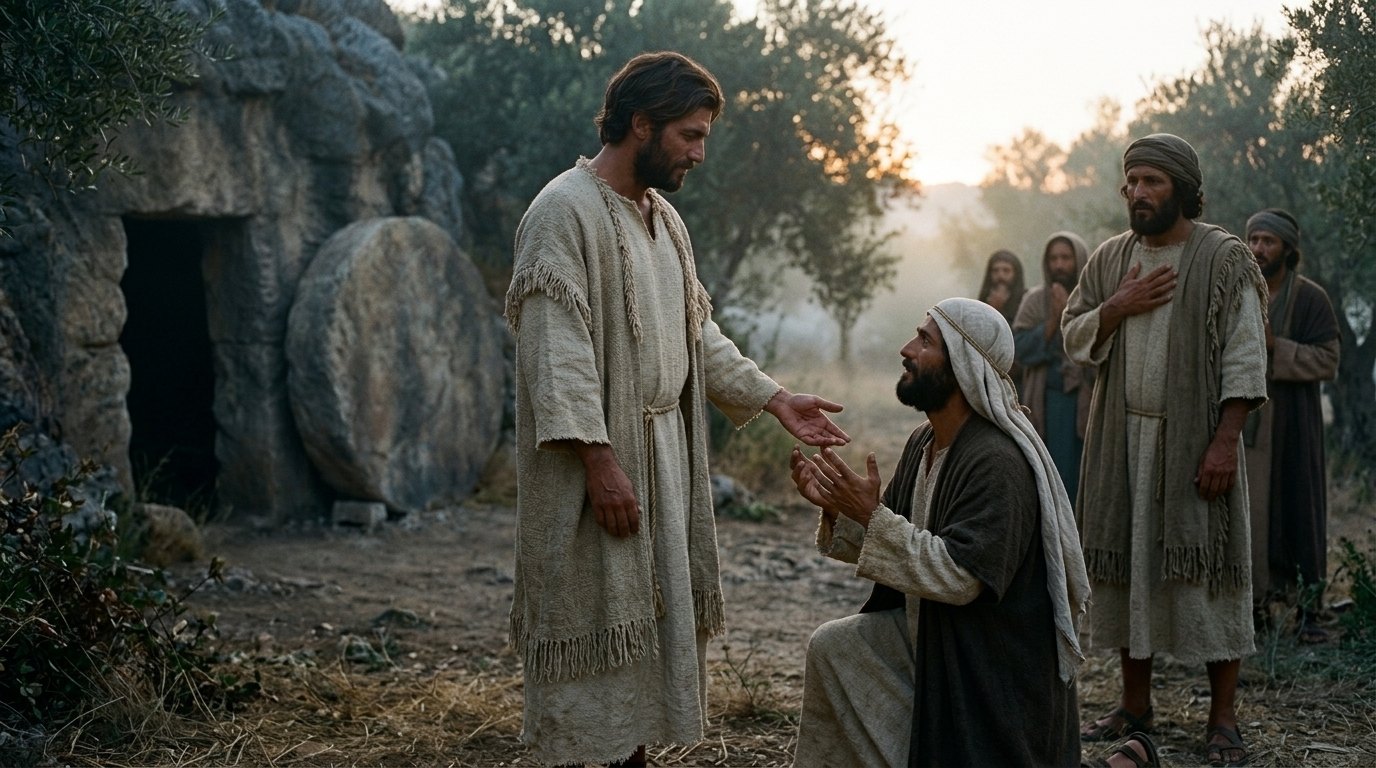
1 Corinthians 15:3-8
3 For what I received I passed on to you as of first importance: that Christ died for our sins according to the Scriptures,
4 that he was buried, that he was raised on the third day according to the Scriptures,
5 and that he appeared to Cephas, and then to the Twelve.
6 After that, he appeared to more than five hundred of the brothers and sisters at the same time, most of whom are still living, though some have fallen asleep.
7 Then he appeared to James, then to all the apostles,
8 and last of all he appeared to me also, as to one abnormally born.
New International Version (NIV)
The answer
No. Jesus is not a copy of pagan myths. The New Testament presents His death, burial, resurrection, and appearances as real events, witnessed by named people and large groups, and as the fulfilment of what God had already spoken through the Scriptures.
The heart of the Christian message is stated plainly in 1 Corinthians 15:3-4: “Christ died for our sins according to the Scriptures,” “he was buried,” and “he was raised on the third day according to the Scriptures.” This is not the language of a borrowed legend. It is a message about God’s saving act in history, foretold beforehand and then accomplished in Jesus.
Several things set Jesus apart from the pagan-myth comparison:
- His death has a saving purpose. Jesus did not merely die as a symbol of nature, seasons, or fertility. He died “for our sins” (1 Corinthians 15:3). 1 Peter 2:24 says He “bare our sins in his own body on the tree,” and Galatians 1:4 says He “gave himself for our sins, that he might deliver us from this present evil world.” The cross is about atonement, guilt, forgiveness, and deliverance.
- His coming was foretold in Israel’s Scriptures. Isaiah 53 speaks of the suffering servant who bears the sins of others, and Daniel 9:24-26 speaks of the finishing of transgression, reconciliation for iniquity, and everlasting righteousness. Jesus’ death and resurrection fit God’s promises, not a pagan pattern imposed afterward.
- His resurrection was publicly witnessed. 1 Corinthians 15:5-8 names Cephas, the twelve, more than five hundred brothers at once, James, all the apostles, and finally Paul. Paul even notes that most of the five hundred were still alive when he wrote. That is an appeal to testimony that could be checked, not to an anonymous myth.
- His work is unique. 1 John 2:2 calls Him “the propitiation for our sins,” meaning the One who turns away God’s righteous wrath against sin. No pagan deity dies as the holy substitute for sinners in this way, and none rises again as the Lord who saves His people.
Similarities between stories do not prove copying. A story about a god dying, or about life returning after death, is not the same as the historical claim that Jesus of Nazareth was crucified, buried, raised bodily, and seen by witnesses. The Christian claim is also rooted in the Old Testament expectation of a Messiah who would suffer and save, not in the worship of pagan gods.
The resurrection is therefore not a decorative myth added to Jesus’ life. It is God’s confirmation that Jesus’ saving work is real. Because He died for sins and rose again, the call is to turn from sin and trust in Him for forgiveness and new life.
Answered from Scripture · reviewed November 12, 2026
Jesus Christ is not a retelling of pagan mystery cults or mythological dying-and-rising nature deities. Scripture presents His incarnation, crucifixion, bodily resurrection, and appearances as sober historical realities foretold by the prophets and attested by living eyewitnesses. Examining the biblical record reveals a singular, unrepeatable work of divine redemption anchored entirely in God's eternal covenant.
Historical Attestation
Eyewitness Testimony Replaces Pagan Fables
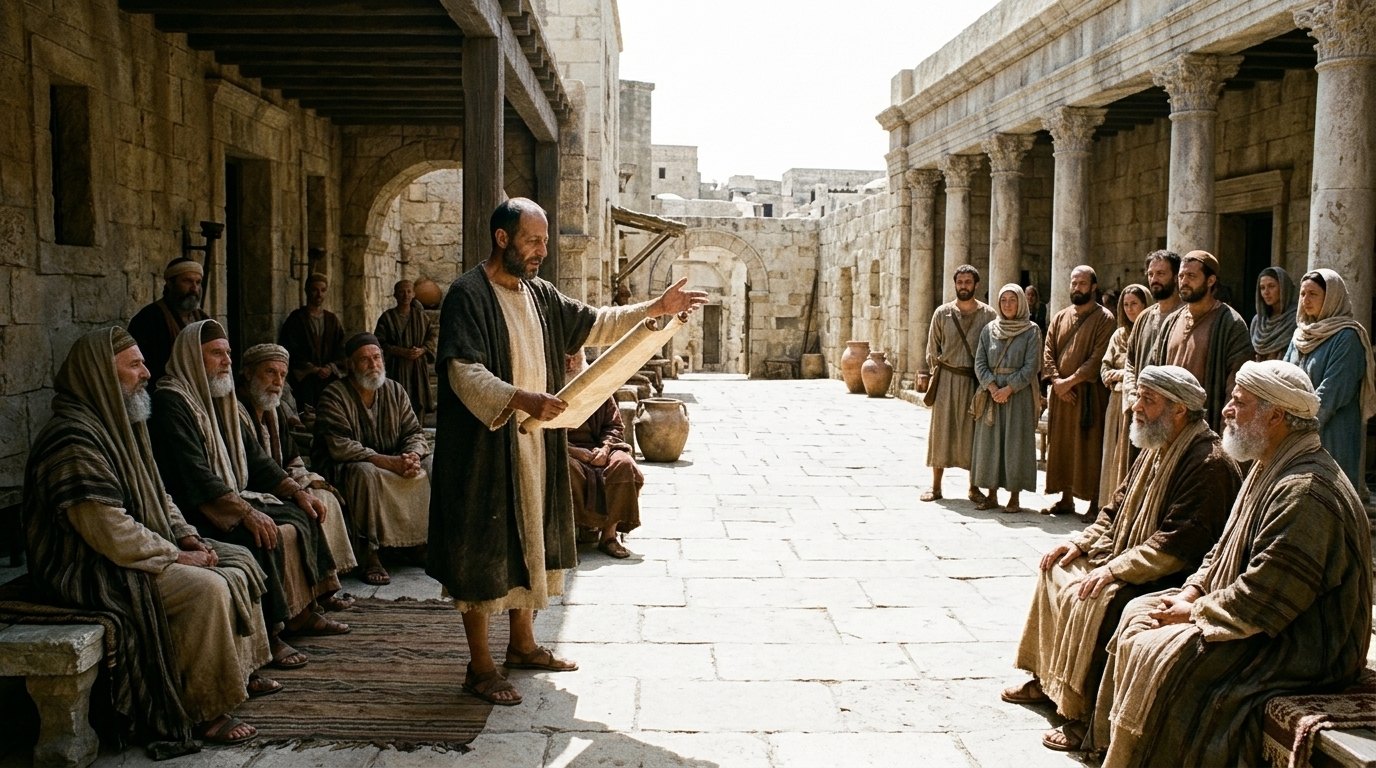
After that, he appeared to more than five hundred of the brothers and sisters at the same time, most of whom are still living, though some have fallen asleep.
1 Corinthians 15:6 (NIV)
Paul explicitly appeals to hundreds of living eyewitnesses who could verify the bodily resurrection of Jesus Christ.
The bedrock of Christian faith is not allegorical speculation or recurring folklore, but verifiable history attested by living eyewitnesses. In 1 Corinthians 15:6, Paul emphasizes that the risen Christ appeared to more than five hundred brethren at one time, noting candidly that the majority remained alive to be cross-examined. This public testimony anchors the resurrection in real time and space. Paul begins that foundational chapter by declaring that Christ died for our sins, was physically buried, and rose on the third day according to the Scriptures (1 Corinthians 15:3-4). He details a chronological sequence of bodily encounters: Jesus appeared to Cephas, then to the twelve (1 Corinthians 15:5), later to James, to all the apostles together (1 Corinthians 15:7), and finally to Paul himself on the Damascus road (1 Corinthians 15:8).
The apostles vigorously repudiated the very notion of mythological invention. Peter affirms that we did not follow cunningly devised fables when making known the power and coming of our Lord Jesus Christ, but were eyewitnesses of His majesty (2 Peter 1:16). John similarly insists on tangible physical observation: that which was heard, seen with human eyes, looked upon, and handled with human hands concerning the Word of life (1 John 1:1). Luke opens his Gospel by establishing that his narrative rests upon the testimonies of original eyewitnesses and ministers of the word, compiled through exhaustive investigation so that the reader might know exact historical certainty (Luke 1:1-4). When defending the faith before King Agrippa and Festus, Paul boldly insists that these events were not done in a corner, but occurred in plain public view (Acts 26:26). Consequently, the pastoral epistles repeatedly command believers to reject profane fables and endless genealogies (1 Timothy 1:4; 1 Timothy 4:7), warning against the carnal urge to turn away from objective truth unto fabricated myths (2 Timothy 4:3-4; Titus 1:14).
| Passage | What it says |
|---|---|
| 1 Corinthians 15:3 | Christ died for our sins according to the Scriptures, demonstrating a purposeful, prophesied event rather than myth. |
| 1 Corinthians 15:4 | Jesus was physically buried and raised on the third day in accordance with the prophetic Old Testament Scriptures. |
| 1 Corinthians 15:5 | The risen Lord personally appeared to Cephas and then to the twelve apostles as verifiable historical proof. |
| 1 Corinthians 15:6 | Over five hundred brethren saw the resurrected Christ simultaneously, with most still living to confirm the report. |
| 1 Corinthians 15:7 | The risen Christ appeared specifically to James and then to all the apostles together. |
| 1 Corinthians 15:8 | Paul recounts Christ's direct and visible post-ascension appearance to him as a final, living witness. |
| 2 Peter 1:16 | The apostles did not follow cunningly devised fables but were literal eyewitnesses of His divine majesty. |
| 1 John 1:1 | The apostles heard, saw with their eyes, looked upon, and handled the Word of life in bodily form. |
| Luke 1:1-4 | Luke bases his account on eyewitnesses and careful historical investigation so that readers may know certainty, refuting mythic speculation. |
| Acts 26:26 | Paul tells Festus and Agrippa that the events of Christ occurred openly before all, not hidden away in a corner. |
| 1 Timothy 1:4 | Paul commands Timothy to charge people not to occupy themselves with fables and endless genealogies that foster speculation rather than faith. |
| 1 Timothy 4:7 | Timothy is told to reject irreverent, silly fables and instead train himself for godliness. |
| 2 Timothy 4:3-4 | Paul warns that people will turn away from hearing the truth and wander off into myths. |
| Titus 1:14 | Believers are instructed not to devote themselves to myths and commandments of people who turn away from the truth. |
Prophetic Promise
Rooted in Israel's Scriptures Not Pagan Mystery
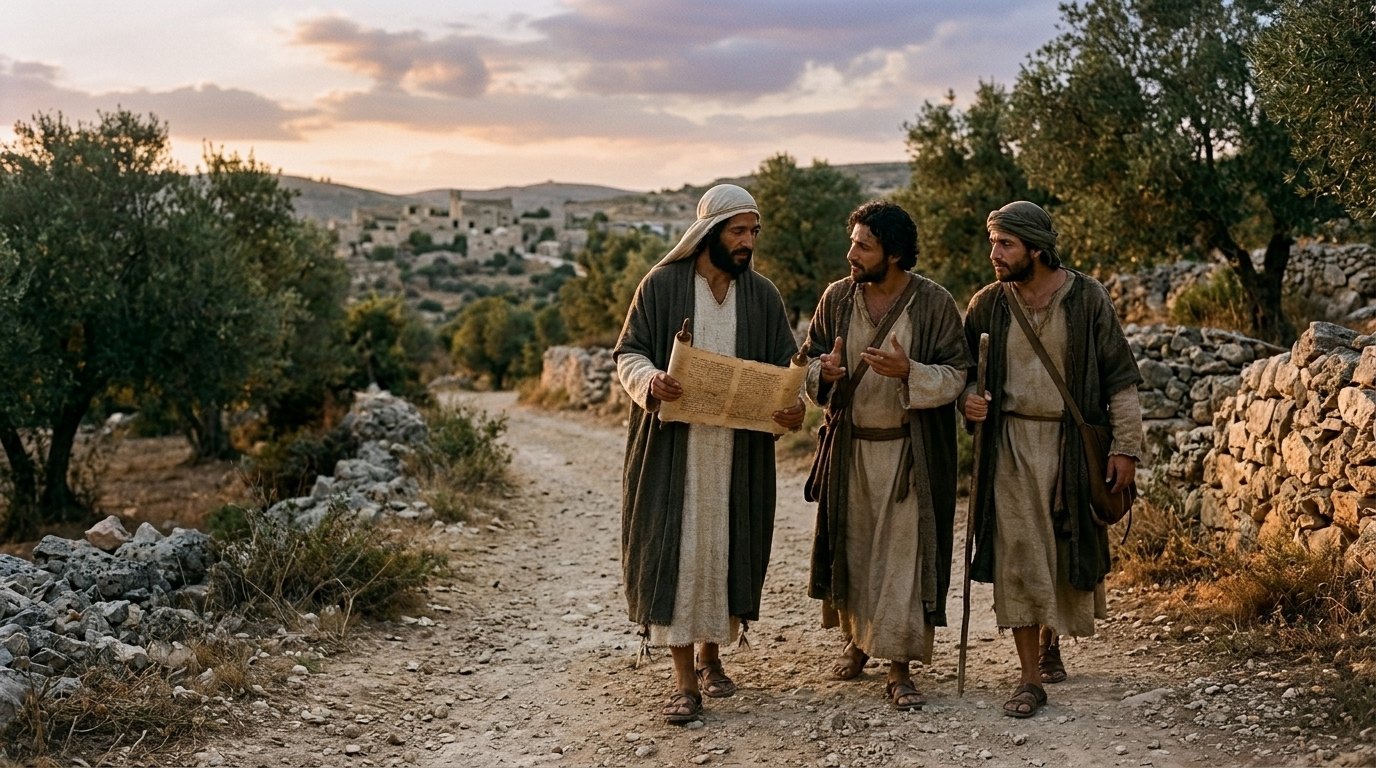
But he was pierced for our transgressions, he was crushed for our iniquities; the punishment that brought us peace was on him, and by his wounds we are healed.
Isaiah 53:5 (NIV)
Centuries before Roman crucifixion, God revealed that the Messiah would be wounded specifically for our transgressions.
Far from mimicking Mediterranean mystery cults, Christ’s earthly mission fulfilled the explicit prophetic promises given to Israel across centuries. In Isaiah 53:5, God foretold through His prophet that the Servant would be wounded for our transgressions and bruised for our iniquities, centuries prior to the Roman adoption of crucifixion. Isaiah 53:1-12 details the Messiah pouring out His soul unto death as a guilt offering, an exact substitution fulfilled when Christ bore our infirmities and sins (Matthew 8:17; 1 Peter 2:24). Centuries before the first century, Daniel predicted the exact calendar era when the Anointed One would be cut off to make reconciliation for iniquity (Daniel 9:24-26; Romans 5:6). David likewise prophesied that God’s Holy One would not suffer bodily corruption in Sheol (Psalms 16:10), a divine pledge directly realized in the third-day resurrection (Acts 2:31; Acts 13:35-37).
This unbroken redemptive tapestry stretches back to the dawn of human history. In Genesis 3:15, the seed of the woman was promised to crush the serpent's head, which Christ accomplished at Calvary (Galatians 4:4; Hebrews 2:14). His birthplace was fixed in historical Bethlehem Ephrathah (Micah 5:2; Matthew 2:1, 5-6). On the road to Emmaus, Jesus rebuked His followers for being slow of heart, opening the Law of Moses, the Prophets, and the Psalms to show that the Christ must suffer and enter His glory (Luke 24:25-27, 44-47). He confronted the Jewish rulers by declaring that the Hebrew Scriptures testify of Him (John 5:39-40, 46-47). The early church maintained this singular apologetic: Peter preached that all the prophets bear witness to Christ (Acts 10:43), while Paul and Apollos reasoned daily from the Hebrew Scriptures to demonstrate that Jesus is the prophesied Messiah (Acts 17:2-3; Acts 18:28; Acts 26:22-23; Acts 28:23; Romans 1:1-3).
| Passage | What it says | Fulfilled |
|---|---|---|
| Isaiah 53:1-12 | The prophet foretells the suffering Servant who pours out His soul unto death as a guilt offering for sinners. | Matthew 8:17, 1 Peter 2:24 |
| Daniel 9:24-26 | Daniel foretells the exact timing for Messiah to be cut off to make reconciliation for iniquity. | Romans 5:6 |
| Psalms 16:10 | David prophesies that God would not abandon His Holy One to Sheol or allow His flesh to see corruption. | Acts 2:31, Acts 13:35-37 |
| Acts 26:22-23 | Paul testifies that his message contains nothing except what Moses and the prophets said would happen. | |
| Genesis 3:15 | The seed of the woman is promised to crush the serpent's head, anchoring Christ's coming in the opening chapters of divine history. | Galatians 4:4, Hebrews 2:14 |
| Micah 5:2 | The ruler from of old is prophesied to be born in historical Bethlehem Ephrathah, not in a mythical realm. | Matthew 2:1, Matthew 2:5-6 |
| Luke 24:25-27 | Jesus explains to the disciples on the Emmaus road how all the Law and Prophets speak concerning Himself. | |
| Luke 24:44-47 | The Lord declares that everything written about Him in the Law of Moses, Prophets, and Psalms must be fulfilled. | |
| John 5:39-40 | Jesus tells the religious leaders that the Old Testament Scriptures bear witness to Him as the source of life. | |
| John 5:46-47 | Jesus affirms that Moses wrote directly about Him, showing the historic continuity of God's revelation. | |
| Acts 10:43 | Peter preaches that all the prophets bear witness that everyone who believes in Christ receives forgiveness through His name. | |
| Acts 17:2-3 | Paul reasons from the ancient Jewish Scriptures in Thessalonica, proving Christ had to suffer and rise again. | |
| Acts 18:28 | Apollos powerfully refutes opponents in public debate, demonstrating from the Hebrew Scriptures that Jesus is the Christ. | |
| Acts 28:23 | Paul testifies from morning to evening, convincing listeners about Jesus from the Law of Moses and the Prophets. | |
| Romans 1:1-3 | The gospel was promised beforehand through God's prophets in the Holy Scriptures concerning His Son born of David's seed. |
Atoning Purpose
Moral Redemption Transcends Seasonal Myth
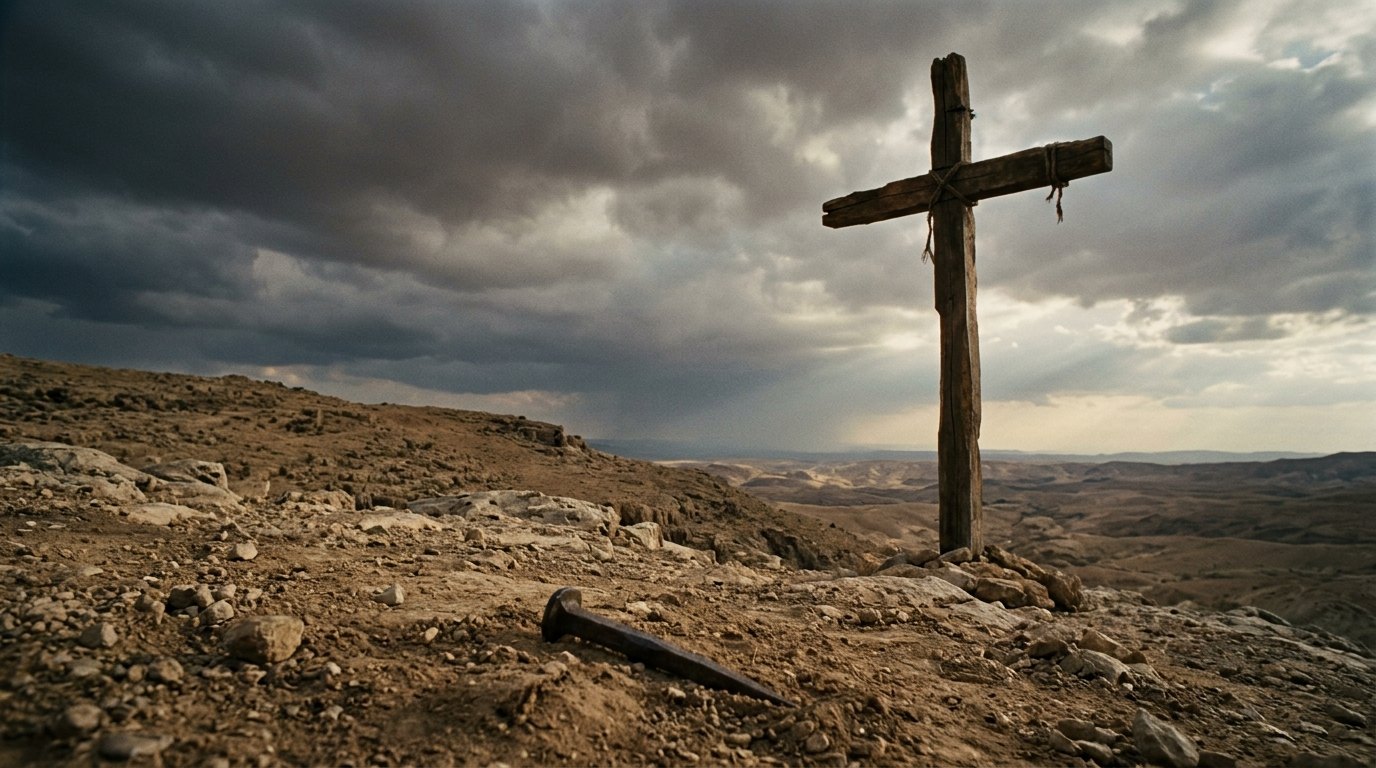
He is the atoning sacrifice for our sins, and not only for ours but also for the sins of the whole world.
1 John 2:2 (NIV)
Christ's sacrificial death satisfies God's holy wrath against human moral guilt, a reality foreign to pagan myths.
Pagan fertility gods were bound to cyclical nature rites, dying and rising every autumn and spring to explain crops and seasons. By contrast, Jesus Christ secured an unrepeatable moral redemption satisfying God's holy justice. John declares that Jesus Christ the righteous is the propitiation for our sins, turning away the Father's righteous wrath through His voluntary sacrifice (1 John 2:2). Rather than an allegory for agricultural rejuvenation, Christ bore our actual moral guilt: He Himself bore our sins in His own body on the tree, so that we might die to sin and live to righteousness (1 Peter 2:24). He gave Himself for our sins to rescue us out of this present evil age according to the will of God the Father (Galatians 1:4).
The foundational contrast between Christ and pagan mythology is the finality of His cross. Knowing that Christ, being raised from the dead, dies no more; death no longer has dominion over Him (Romans 6:9-10). The death He died, He died to sin once for all. The epistle to the Hebrews repeatedly hammers this glorious finality: Jesus entered the holy place once for all, having obtained eternal redemption, not by the blood of goats and calves, but by His own blood (Hebrews 9:12). He does not need to offer Himself repeatedly, but has appeared once at the consummation of the ages to put away sin by the sacrifice of Himself (Hebrews 7:27; Hebrews 9:26-28). By one single offering He has perfected forever those who are being sanctified (Hebrews 10:10-14). Christ suffered once for sins, the just for the unjust, that He might bring us to God (1 Peter 3:18).
| Passage | What it says |
|---|---|
| 1 Peter 2:24 | Jesus personally bore our sins in His own body on the tree that we might live unto righteousness. |
| Galatians 1:4 | Christ gave Himself for our sins to rescue us from the present evil age according to the Father's will. |
| 1 John 2:2 | Jesus is the propitiation for our sins, turning away the righteous wrath of God against sinners. |
| Hebrews 9:12 | Christ entered the holy place once for all by His own blood, obtaining eternal moral redemption. |
| Romans 6:9-10 | Christ died to sin once for all and lives to God, contrasting sharply with recurring cyclical seasonal dying gods. |
| Hebrews 7:27 | Jesus offered up sacrifice once for all when He offered up Himself, distinct from ongoing mythical cycles. |
| Hebrews 9:26-28 | Christ appeared once at the end of the ages to put away sin and bear the sins of many. |
| Hebrews 10:10-14 | By a single offering Christ has perfected forever those who are being sanctified, abolishing repetitive rituals. |
| 1 Peter 3:18 | Christ suffered once for sins, the righteous for the unrighteous, to bring us to God. |
Apostolic Confrontation
The Gospel Exposes and Condemns Pagan Idols
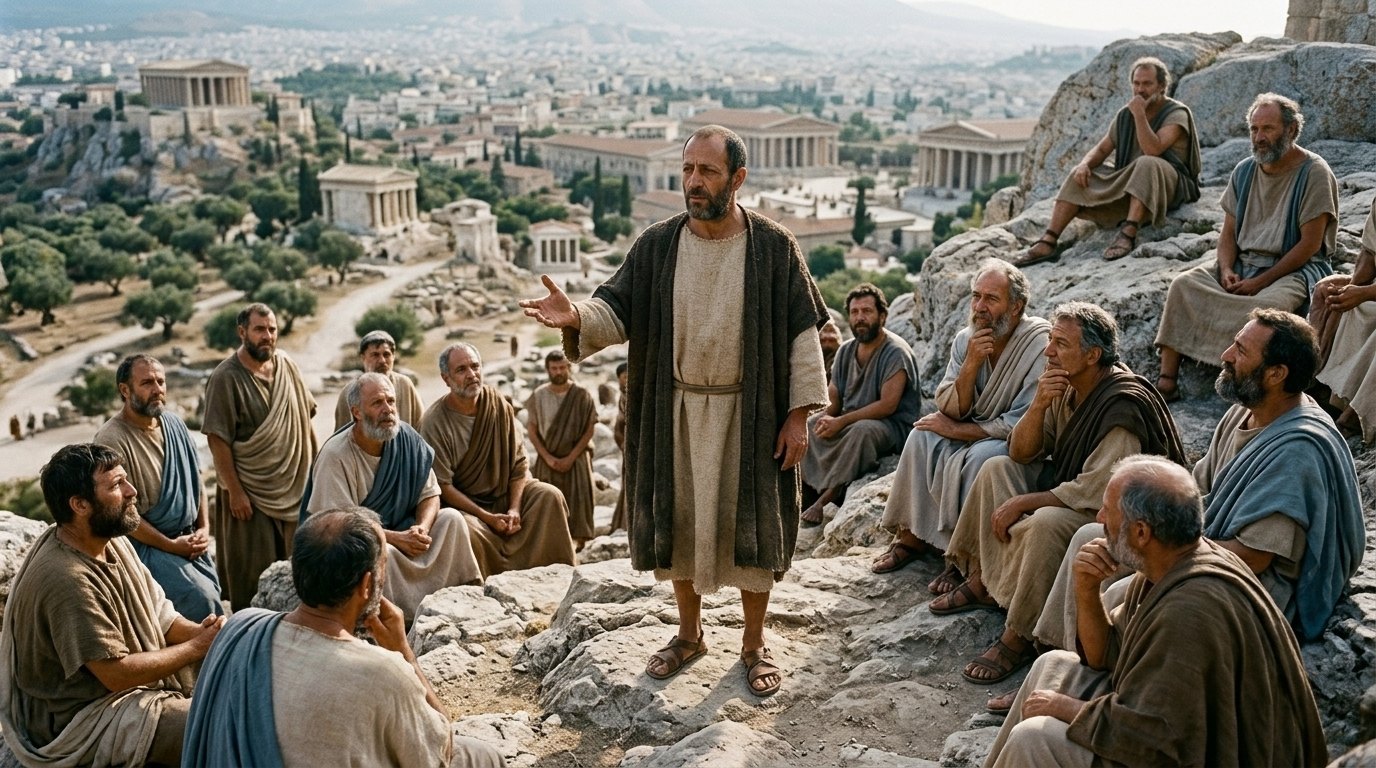
“Therefore since we are God’s offspring, we should not think that the divine being is like gold or silver or stone—an image made by human design and skill. In the past God overlooked such ignorance, but now he commands all people everywhere to repent. For he has set a day when he will judge the world with justice by the man he has appointed. He has given proof of this to everyone by raising him from the dead.”
Acts 17:29-31 (NIV)
Paul directly demands that the Greek philosophers abandon pagan notions of deity because God has fixed a day of judgment through the risen Christ.
If the early Christians had derived their message from pagan mysteries, they would have embraced syncretism. Instead, the apostles waged an uncompromising assault against pagan idolatry. Standing in the Areopagus before Athenian philosophers, Paul pointed to their altar to the unknown god, declaring that God commands all people everywhere to repent (Acts 17:22-31). He proclaimed that God has fixed a day on which He will judge the world in righteousness by a Man whom He has appointed, having provided proof to all by raising Him from the dead (Acts 17:29-31). When the citizens of Lystra attempted to sacrifice oxen to Barnabas and Paul as Zeus and Hermes, the apostles violently tore their robes and cried out against these vain pagan superstitions, urging them to turn to the living God who made heaven and earth (Acts 14:11-15).
This fierce opposition to pagan religion provoked public riots across the Roman Empire. In Ephesus, Demetrius the silversmith incited a mob precisely because Paul persuaded masses that gods made with human hands are no gods at all, directly threatening the cult of Artemis (Acts 19:26-27). Paul instructed the Corinthians that while an idol has no real existence in the world, the sacrifices offered by pagans are offered to demons and not to God (1 Corinthians 8:4-6; 1 Corinthians 10:19-21). Believers cannot drink the cup of the Lord and the cup of demons. Writing to the Galatians, he reminded them that before knowing Christ they were enslaved to beings that by nature are no gods (Galatians 4:8). The mark of genuine conversion was that believers turned to God from lifeless idols to serve the living and true God, eagerly waiting for His Son from heaven (1 Thessalonians 1:9).
| Passage | What it says |
|---|---|
| Acts 17:22-31 | Paul confronts Athenian idolaters, proclaiming the unknown God who commands repentance and will judge by the man He raised. |
| Acts 14:11-15 | Paul and Barnabas violently tear their robes and reject being identified as Greek deities Hermes and Zeus. |
| Acts 19:26-27 | Demetrius complains that Paul persuaded multitudes that gods made with hands are no gods at all. |
| 1 Corinthians 8:4-6 | An idol has no real existence, for there is one God the Father and one Lord Jesus Christ. |
| 1 Corinthians 10:19-21 | Pagan sacrifices are offered to demons and not to God, forbidding believers from sharing the table of demons. |
| Galatians 4:8 | Before coming to Christ the Galatians were enslaved to beings that by nature are not gods. |
| 1 Thessalonians 1:9 | Believers turned to God from lifeless idols to serve the living and true God and await His Son. |
Historical Reality
The Incarnation Occurred in Verifiable Secular History
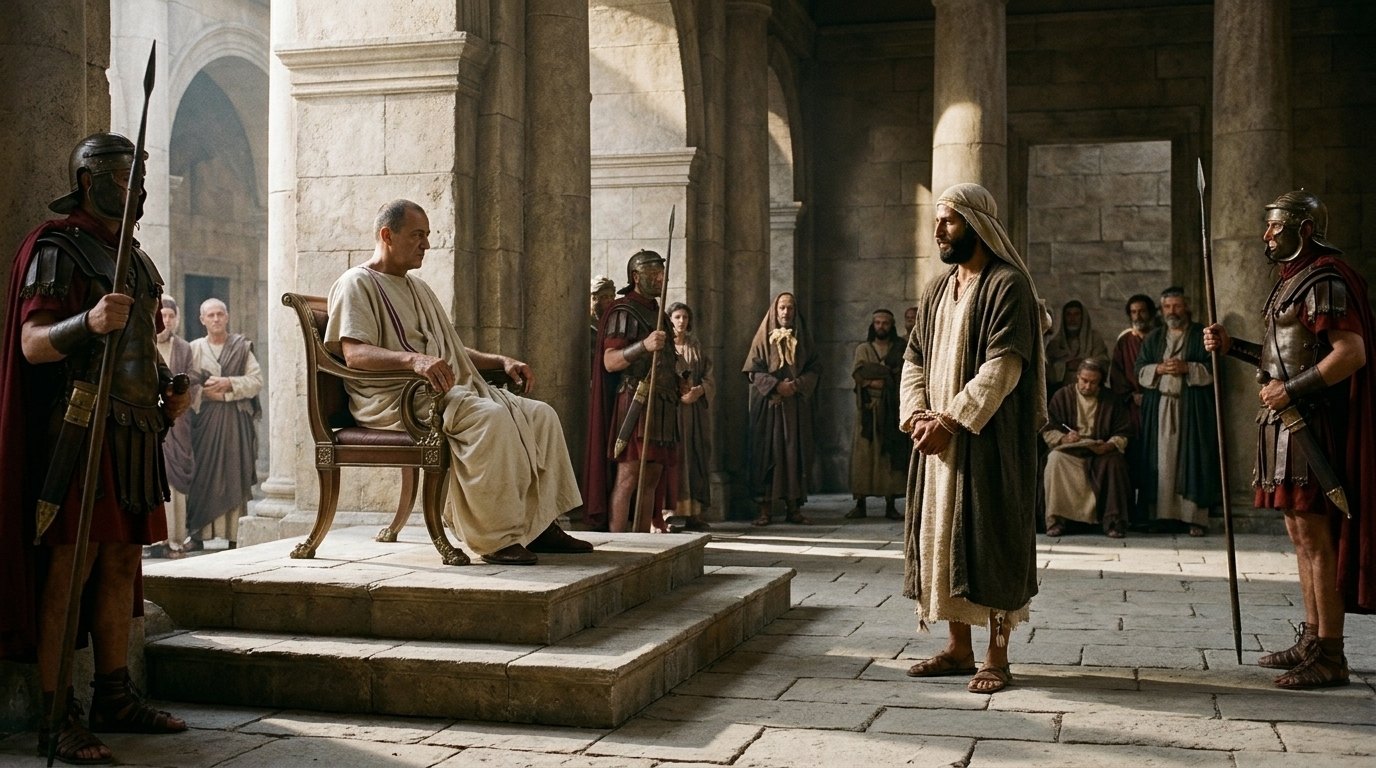
In the fifteenth year of the reign of Tiberius Caesar—when Pontius Pilate was governor of Judea, Herod tetrarch of Galilee, his brother Philip tetrarch of Iturea and Traconitis, and Lysanias tetrarch of Abilene— during the high-priesthood of Annas and Caiaphas, the word of God came to John son of Zechariah in the wilderness.
Luke 3:1-2 (NIV)
Luke anchors the gospel events to a dense matrix of real Roman rulers and Judean magistrates, refuting mythic timelessness.
Luke sets the gospel narrative not in an ambiguous, mythic past, but in the fifteenth year of the reign of Tiberius Caesar (Luke 3:1-2). Unlike pagan legends that exist outside documented space and time, the biblical witness relentlessly anchors redemption in verifiable secular history. Luke names Pontius Pilate governing Judea, Herod ruling as tetrarch of Galilee, Philip ruling over Iturea and Trachonitis, Lysanias presiding over Abilene, and Annas and Caiaphas serving in the high priesthood. Every name represents an actual magistrate in an interlocking political matrix that pagan myths never attempted to fabricate.
This historical concreteness begins at the Nativity. Luke records that Jesus was born after a decree from Caesar Augustus, while Quirinius was governing Syria (Luke 2:1-2). The gospel does not tell of an ethereal spirit inhabiting an allegory; rather, the Word became flesh and dwelt among us (John 1:14), entering real time where human eyes beheld His glory and human hands touched His flesh. His life intersected the apparatus of the Roman Empire, resulting in a public legal process recorded by the early church: Herod and Pontius Pilate, with the Gentiles and the peoples of Israel, gathered together against God's holy Servant Jesus (Acts 4:27).
Paul likewise anchors the Christian confession to this undeniable historical courtroom, reminding Timothy that Christ Jesus made the good confession before Pontius Pilate (1 Timothy 6:13). The resurrection of Jesus is not an agricultural myth reflecting seasonal cycles or allegorical philosophy, but the sovereign intervention of the living God in human history, testified by magistrates, emperors, and eyewitnesses alike.
| Passage | What it says |
|---|---|
| Luke 2:1-2 | Jesus' birth is situated under a decree of Caesar Augustus while Quirinius governed Syria. |
| Luke 3:1-2 | John the Baptist's ministry begins in the exact fifteenth year of Tiberius Caesar under listed governors and high priests. |
| John 1:14 | The eternal Word became flesh and dwelt among us, an actual person seen and touched in space and time. |
| Acts 4:27 | The church names specific historical rulers Pontius Pilate and Herod Antipas who conspired against Jesus in Jerusalem. |
| 1 Timothy 6:13 | Christ Jesus made the good confession under the historical Roman authority of Pontius Pilate. |
Where in the Bible
| Book | Passages |
|---|---|
| Genesis | 1 · Genesis 3:15 |
| Psalms | 1 · Psalms 16:10 |
| Isaiah | 1 · Isaiah 53:1-12 |
| Daniel | 1 · Daniel 9:24-26 |
| Micah | 1 · Micah 5:2 |
| Luke | 5 · Luke 1:1-4, Luke 24:25-27, Luke 24:44-47, Luke 2:1-2, Luke 3:1-2 |
| John | 3 · John 5:39-40, John 5:46-47, John 1:14 |
| Acts | 10 · Acts 26:26, Acts 26:22-23, Acts 10:43, Acts 17:2-3, Acts 18:28, Acts 28:23, Acts 17:22-31, Acts 14:11-15, Acts 19:26-27, Acts 4:27 |
| Romans | 2 · Romans 1:1-3, Romans 6:9-10 |
| 1 Corinthians | 8 · 1 Corinthians 15:3, 1 Corinthians 15:4, 1 Corinthians 15:5, 1 Corinthians 15:6, 1 Corinthians 15:7, 1 Corinthians 15:8, 1 Corinthians 8:4-6, 1 Corinthians 10:19-21 |
| Galatians | 2 · Galatians 1:4, Galatians 4:8 |
| 1 Thessalonians | 1 · 1 Thessalonians 1:9 |
| 1 Timothy | 3 · 1 Timothy 1:4, 1 Timothy 4:7, 1 Timothy 6:13 |
| 2 Timothy | 1 · 2 Timothy 4:3-4 |
| Titus | 1 · Titus 1:14 |
| Hebrews | 4 · Hebrews 9:12, Hebrews 7:27, Hebrews 9:26-28, Hebrews 10:10-14 |
| 1 Peter | 2 · 1 Peter 2:24, 1 Peter 3:18 |
| 2 Peter | 1 · 2 Peter 1:16 |
| 1 John | 2 · 1 John 1:1, 1 John 2:2 |
The story in order
- Seed of the woman promised (c. 4000 BC) · Genesis 3:15 · Anchors Christ's coming in divine history, not myth.
- Prophecy of the Suffering Servant (c. 700 BC) · Isaiah 53:1-12 · Foretells the atoning death of a Servant for sinners.
- Messiah's precise timing foretold (c. 500 BC) · Daniel 9:24-26 · Daniel predicts Messiah's cutting off for reconciliation.
- Prophecy of Messiah's birthplace (c. 700 BC) · Micah 5:2 · Messiah to be born in historical Bethlehem.
- David's prophecy of resurrection (c. 1000 BC) · Psalms 16:10 · David prophesies God would not abandon His Holy One to Sheol.
- Jesus explains the Scriptures (AD 30) · Luke 24:25-27 · Jesus shows how Law and Prophets speak concerning Himself.
- Jesus declares OT testifies to Him (c. AD 30) · John 5:39-40 · Old Testament Scriptures bear witness to Jesus.
- Birth of Jesus recorded (c. 4 BC) · Luke 2:1-2 · Jesus' birth situated under historical Roman authority.
- John the Baptist's ministry begins (c. AD 27) · Luke 3:1-2 · John's ministry begins in the fifteenth year of Tiberius Caesar.
- Word became flesh (c. AD 30) · John 1:14 · The eternal Word became flesh, an actual person.
- Christ's crucifixion and burial (AD 30) · 1 Corinthians 15:3-4 · Christ died and was buried according to the Scriptures.
- Jesus' bodily resurrection (AD 30) · 1 Corinthians 15:4 · Jesus was physically raised on the third day.
- Eyewitness appearances of Christ (AD 30-33) · 1 Corinthians 15:5-8 · The risen Lord appeared to many verifiable witnesses.
- Paul confronts Athenian idolaters (c. AD 50) · Acts 17:22-31 · Paul proclaims the true God, not pagan deities.
Key words
- Fables (μῦθος (muthos))
- Stories or myths, often unfounded or speculative, that distract from the truth. · 1 Timothy 1:4
- Eyewitness (αὐτόπτης (autoptēs))
- Someone who saw an event or person directly with their own eyes. · 2 Peter 1:16
- Propitiation (ἱλασμός (hilasmos))
- An atoning sacrifice that turns away God's wrath. · 1 John 2:2
- Redemption (λύτρωσις (lutrōsis))
- The act of buying back or setting free, especially from sin and its consequences. · Hebrews 9:12
- Idol (εἴδωλον (eidōlon))
- An image or representation of a god used as an object of worship; something false. · 1 Corinthians 8:4
The gospel does not offer a comforting seasonal fable, but the living Lord who conquered death to deliver us from our sins. Because Christ is risen indeed, we are called to abandon empty human speculations, turn from sin, and place our full trust in the only Savior of the world.
50 passages, each cited once.
Scripture cited
- 1 Peter 2:24
- Galatians 1:4
- Isaiah 53:1-12
- 1 John 2:2
- Daniel 9:24-26