What is the New Age movement?
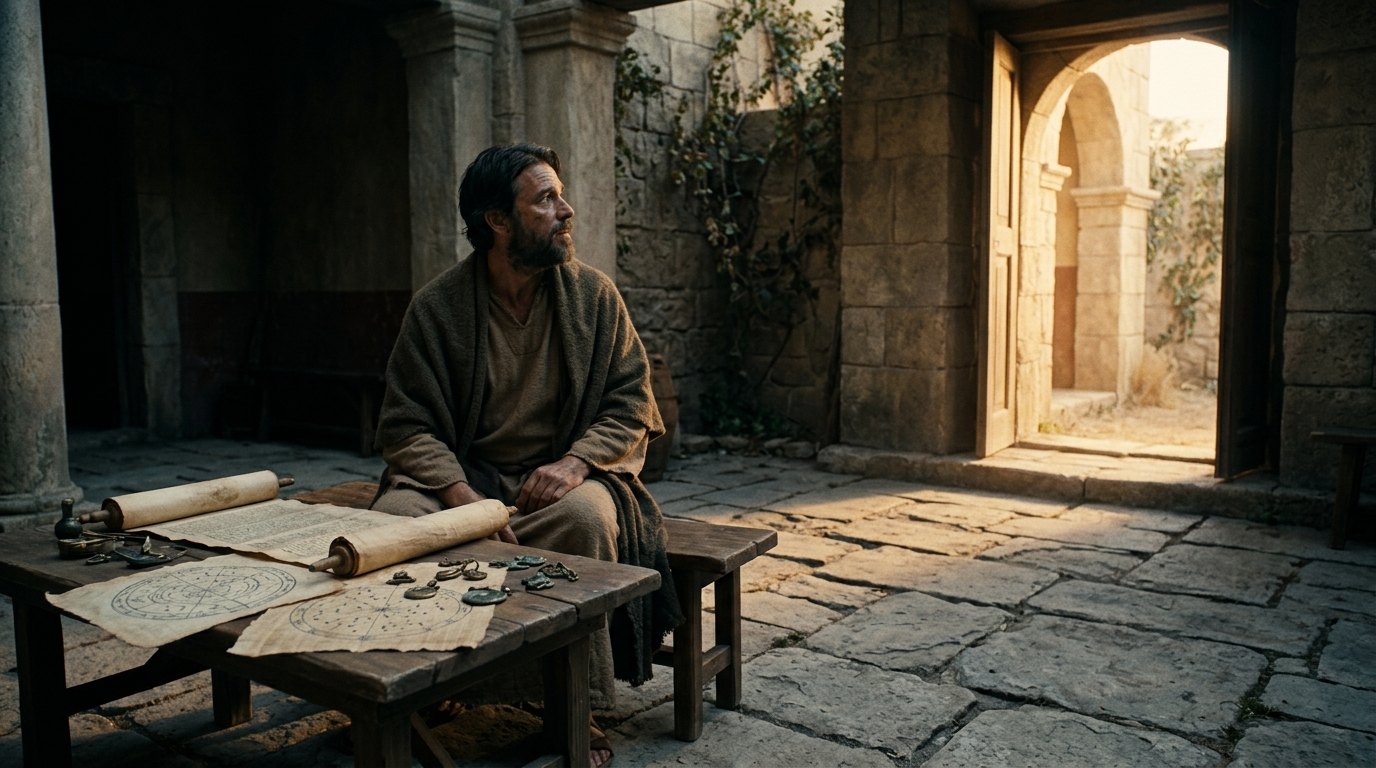
Colossians 2:8-10
8 See to it that no one takes you captive through hollow and deceptive philosophy, which depends on human tradition and the elemental spiritual forces of this world rather than on Christ.
9 For in Christ all the fullness of the Deity lives in bodily form,
10 and in Christ you have been brought to fullness. He is the head over every power and authority.
New International Version (NIV)
The answer
The New Age movement is a loose, decentralized collection of spiritual beliefs and practices, not a single church with one creed. It often combines elements of Eastern religions, occult or esoteric traditions, mysticism, and self-transformation. Where it seeks spiritual fullness through the self, universal consciousness, hidden knowledge, or spiritual powers rather than through Christ, Scripture identifies it as deception that must not be followed (Colossians 2:8-10).
Common New Age ideas
Beliefs vary widely, but recurring themes include:
- The divine within: salvation or transformation is understood as awakening one’s inner divinity or higher self.
- Universal oneness: God may be described as impersonal energy or consciousness, with all things ultimately sharing one divine essence.
- Spiritual evolution: humanity is thought to be progressing toward a higher consciousness or a new spiritual era.
- Many valid paths: Jesus may be honored as an enlightened teacher while being denied His unique identity and sufficiency as Lord.
- Hidden knowledge and spiritual techniques: some adherents pursue channeling, astrology, divination, crystal work, energy healing, reincarnation, or specially styled meditation. No individual necessarily accepts all of these.
Not everyone interested in meditation, alternative health, or spirituality belongs to the New Age movement. Each belief and practice should be assessed by what it actually teaches and involves, not merely by its label.
Scripture’s verdict
Colossians 2:8 warns: “Be careful that you don’t let anyone rob you through his philosophy and vain deceit, after the tradition of men, after the elemental spirits of the world, and not after Christ.” Spiritual language, impressive experiences, ancient traditions, or claims of secret knowledge do not establish truth. First Timothy 6:20 similarly warns against empty speech and knowledge falsely so called, while Matthew 7:15 warns that false prophets can appear harmless and attractive.
The centered truth is Christ Himself: “For in him all the fullness of the Deity dwells bodily” (Colossians 2:9), and believers are “made full” in Him, “who is the head of all principality and power” (Colossians 2:10). Fullness is not discovered by awakening a divine self or mastering spiritual forces; it is found in the incarnate Christ. Turning instead to the “weak and beggarly elements” is a return to bondage (Galatians 4:9).
A New Age teaching that replaces Christ’s uniqueness and sufficiency with self-divinization, spiritual techniques, or other spiritual mediators is therefore incompatible with Christianity. Romans 1:21-22 describes the underlying exchange: failing to glorify God leads to futile thinking, darkened hearts, and supposed wisdom that is actually foolishness.
Answered from Scripture · reviewed November 12, 2026
Scripture cited
- Colossians 2:8-10
- 1 Timothy 6:20
- Matthew 7:15
- Galatians 4:9
- Romans 1:21-22