What is the Reformation?
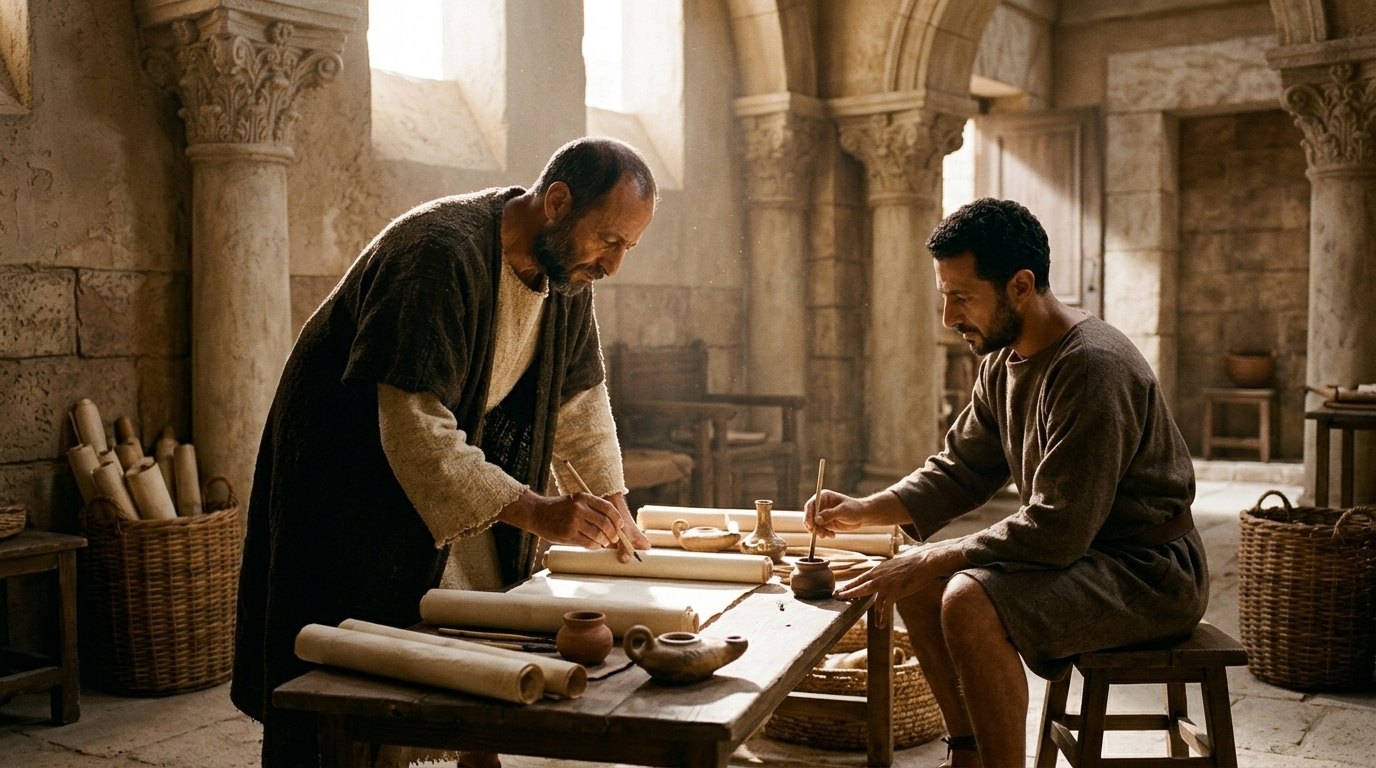
Romans 3:28
28 For we maintain that a person is justified by faith apart from the works of the law.
New International Version (NIV)
The answer
The Reformation was the sixteenth-century movement that called the Western church back to Scripture and to justification by God’s grace through faith in Jesus Christ, not by works of the law. On that central question, Scripture’s verdict is plain: Romans 3:28 says, “We maintain therefore that a man is justified by faith apart from the works of the law.”
How it began
The Reformation is usually dated from 1517, when Martin Luther, a German monk and theology professor, issued his Ninety-Five Theses, challenging the preaching of indulgences. Luther was not initially trying to establish a new church. He was protesting claims and practices that obscured repentance, forgiveness and God’s grace.
The controversy expanded to include papal authority, the sacraments, the Mass and the nature of justification. Other reformers, including Huldrych Zwingli and John Calvin, took up related concerns, and the movement spread through much of Europe.
Its central convictions
- Scripture is the church’s final authority. The Reformers tested teachings, traditions and church decrees against God’s written Word. Second Timothy 3:16 declares, “Every Scripture is God-breathed and profitable for teaching, for reproof, for correction, and for instruction in righteousness.”
- Justification is by grace through faith. Salvation is not a wage earned through religious performance. Ephesians 2:8-9 teaches that salvation is God’s gift, “not of works, that no one would boast.” Good works must never be made the price by which sinners purchase salvation.
- Salvation is found in Jesus Christ alone. Acts 4:12 says, “There is salvation in no one else, for there is no other name under heaven that is given among men, by which we must be saved!” Forgiveness therefore cannot be bought through indulgences or secured by position within a church.
The disagreement was not simply that one side valued grace and the other did not. It concerned how justification is received, how faith and works relate to it, and where final doctrinal authority rests.
What resulted
The Reformation divided Western Christianity and gave rise to Lutheran, Reformed, Anglican and other Protestant traditions. These movements did not agree on everything: they differed over such matters as baptism, the Lord’s Supper and church government. The Roman Catholic Church rejected central Protestant positions, particularly at the Council of Trent, while also pursuing internal reforms.
The Reformation’s enduring importance is therefore not merely institutional or political. Its central demand remains the testing of every church teaching by Scripture and the confession that guilty sinners receive salvation through God’s grace in Christ, not through human merit.
Answered from Scripture · reviewed November 11, 2026
The Protestant Reformation was the sixteenth-century recovery across Europe of the biblical gospel: that guilty sinners are justified before a holy God by grace alone, through faith alone, in Christ alone. It stripped away human merit and sacramental systems to return the church to the clear, authoritative teaching of Scripture.
The Heart of Justification
Righteousness Counted Apart from Human Works
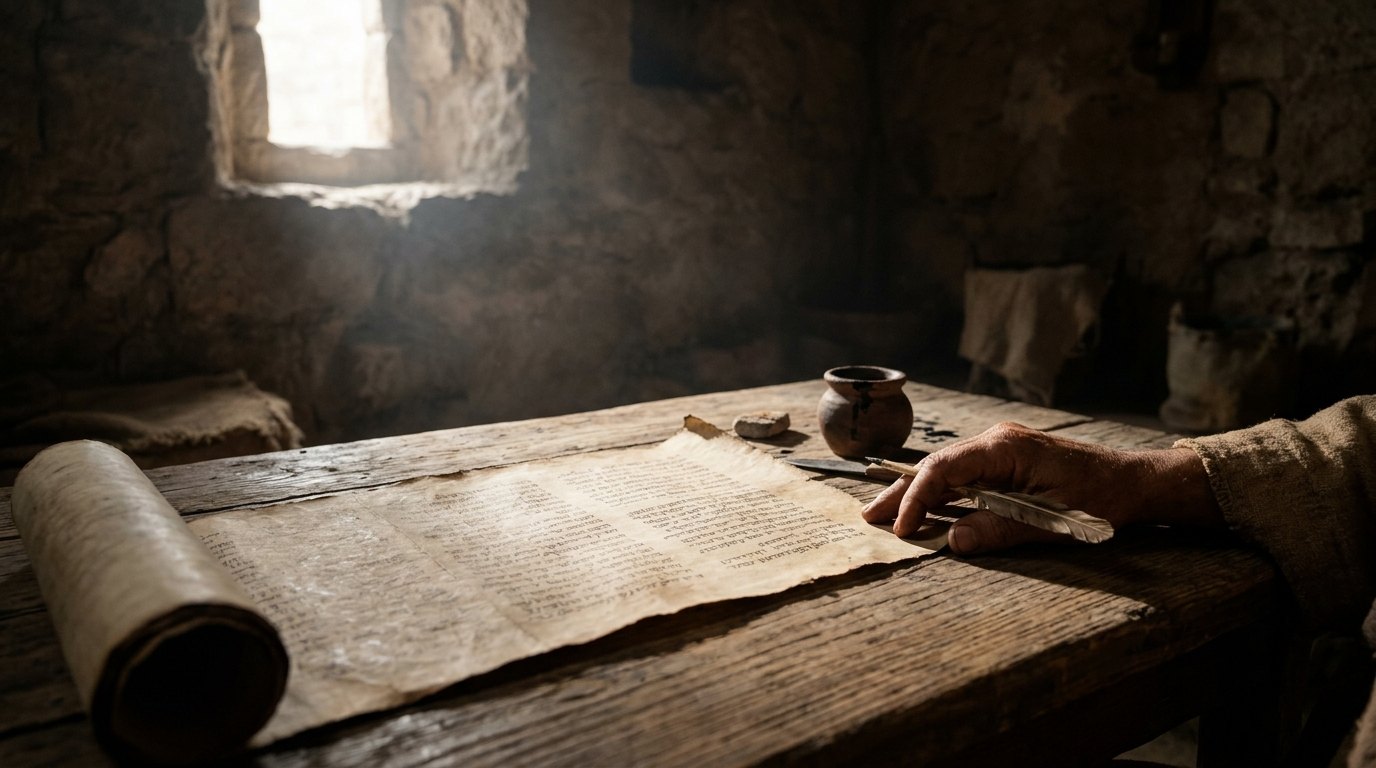
For we maintain that a person is justified by faith apart from the works of the law.
Romans 3:28 (NIV)
It defines justification as received by faith entirely apart from the works of the law.
The breakthrough that renewed the church rests on the truth of Romans 3:28: a person is justified by faith apart from the deeds of the law. Scripture reveals that God's righteousness cannot be manufactured through human obedience; instead, it is revealed apart from the law through faith in Jesus Christ for everyone who believes, as Romans 3:21-22 declares. At the cross, God demonstrated His perfect justice, proving Himself to be just while justifying the one who relies on Jesus (Romans 3:26).
This justification is not a reward given to the righteous, but a legal declaration pronounced over the bankrupt. As Romans 4:5 insists, God justifies the ungodly who do not work but believe, counting their faith as righteousness. This gives the believer immediate and lasting peace with God through our Lord Jesus Christ (Romans 5:1). This was never a novel doctrine; Habakkuk 2:4 established long before that the righteous shall live by his faith. Paul shows this ancient pattern in Genesis 15:6 and Romans 4:1-3, pointing to Abraham who believed God and had it counted to him as righteousness, settling forever that human boasting is completely excluded from God's court of justice.
| Passage | What it says |
|---|---|
| Romans 3:21-22 | God reveals His righteousness apart from the law through faith in Jesus Christ for all who believe. |
| Romans 3:26 | God proves Himself to be just while justifying anyone who places faith in Jesus. |
| Romans 3:28 | A person is justified by faith apart from the deeds or works of the law. |
| Romans 4:5 | God justifies the ungodly who do not work but believe, counting their faith as righteousness. |
| Romans 5:1 | Being justified through faith gives the believer peace with God through our Lord Jesus Christ. |
| Habakkuk 2:4 | The righteous person shall live by his faith, the prophetic foundation for the doctrine of justification. |
| Genesis 15:6 | Abram believed the Lord, and it was credited to him as righteousness, proving justification apart from works. |
| Romans 4:1-3 | Paul cites Abraham to demonstrate that righteousness is counted by faith rather than earned through the flesh. |
The Law and the Promise
The Law Shuts Every Mouth and Points to Christ
So the law was our guardian until Christ came that we might be justified by faith.
Galatians 3:24 (NIV)
It explains that the law serves as a guardian driving sinners to justification in Christ.
The law of God was never given as a ladder for sinners to climb into heaven, but as a mirror to expose their desperate guilt. In Galatians 3:24, Paul explains that the law was our guardian until Christ came, shutting every mouth and revealing the universal guilt of the world so that no flesh could ever be justified by keeping it (Romans 3:19-20). Believers recognize with Galatians 2:16 that a person is justified solely through faith in Jesus Christ, not by legal striving.
Scripture made this clear from the beginning, preaching the gospel beforehand to Abraham that God justifies the nations by faith (Galatians 3:8). Trying to earn standing before God through commandment-keeping only brings a curse, because anyone who fails in a single point remains under condemnation (Galatians 3:10-11). For this reason, Romans 10:4 proclaims that Christ is the end of the law for righteousness to everyone who believes. To attempt to secure justification by personal works is to sever oneself from Christ and fall away from the realm of free grace (Galatians 5:4). The law diagnoses the deadly disease, driving the convicted soul straight to the only Physician who can heal.
| Passage | What it says |
|---|---|
| Romans 3:19-20 | The law stops every mouth and reveals guilt, since no flesh is justified by keeping it. |
| Galatians 2:16 | Believers know that no human being is justified by works of the law but through faith. |
| Galatians 3:8 | Scripture preached the gospel beforehand to Abraham, declaring that God justifies the nations by faith. |
| Galatians 3:10-11 | Relying on the law brings a curse, because the righteous shall live by faith. |
| Galatians 3:24 | The law acted as a tutor leading to Christ so we might be justified by faith. |
| Romans 10:4 | Christ is the end of the law for righteousness to everyone who believes. |
| Galatians 5:4 | Seeking justification by the law severs one from Christ and falls away from grace. |
Grace Alone and Christ Alone
Salvation Stands Solely on the Savior's Merit

For it is by grace you have been saved, through faith—and this is not from yourselves, it is the gift of God— not by works, so that no one can boast.
Ephesians 2:8-9 (NIV)
It rules out human boasting by declaring salvation a gift of pure grace through faith.
The recovery of the biblical gospel restored the pure solace of Ephesians 2:8-9: by grace you have been saved through faith, and this is not your own doing; it is the gift of God. If salvation were based in any degree on human performance, grace would cease to be grace (Romans 11:6). God saved us not because of righteous deeds we have done, but entirely according to His own boundless mercy through the washing of regeneration and renewal of the Holy Spirit (Titus 3:5-7).
Because salvation is completely God's work, it is centered in Christ alone. As 1 Timothy 2:5 states, there is one God, and there is one mediator between God and men, the man Christ Jesus. His single offering on the cross finished what no earthly priesthood could ever accomplish: by one sacrifice He perfected for all time those who are being sanctified (Hebrews 10:11-14). Therefore, Jesus alone holds an unchangeable priesthood and saves to the uttermost those who draw near to God through Him (Hebrews 7:25). As Acts 4:12 and John 14:6 proclaim, there is salvation in no other name under heaven, for Christ alone is the way, the truth, and the life.
| Passage | What it says |
|---|---|
| Ephesians 2:8-9 | Grace saves through faith as God's gift, explicitly excluding works so no one may boast. |
| Titus 3:5-7 | God saved us not by our righteous deeds but according to His mercy, making us heirs. |
| 1 Timothy 2:5 | There is one mediator between God and men, the man Christ Jesus. |
| Hebrews 10:11-14 | Christ offered one single sacrifice for sins forever, perfecting for all time those being sanctified. |
| Acts 4:12 | Salvation is found in no other name under heaven given among men except Jesus Christ. |
| John 14:6 | Jesus declares He is the way, the truth, and the life, and no one comes to the Father except through Him. |
| Romans 11:6 | If grace is by grace, it is no longer on the basis of works; otherwise grace is no longer grace. |
| Hebrews 7:25 | Christ holds an unchangeable priesthood, able to save to the uttermost those who draw near to God through Him. |
The Authority of Scripture
The Final Rule of Faith and Obedience

All Scripture is God-breathed and is useful for teaching, rebuking, correcting and training in righteousness, so that the servant of Godmay be thoroughly equipped for every good work.
2 Timothy 3:16-17 (NIV)
It affirms that God-breathed Scripture is entirely sufficient to equip the believer for every good work.
Every biblical reformation begins by bowing before the supreme authority of God's Word, captured in 2 Timothy 3:16-17: all Scripture is breathed out by God and profitable for teaching, for reproof, for correction, and for training in righteousness. The Bible is not a product of human origin or imagination, for holy men of God spoke as they were carried along by the Holy Spirit (2 Peter 1:20-21). Because it is divine revelation, it serves as an unfailing lamp to our feet and a light to our path (Psalm 119:105).
When human traditions conflict with holy Scripture, the traditions must fall. Jesus severely rebuked the religious leaders of His day for setting aside the commandment of God to uphold human customs (Mark 7:6-9; Matthew 15:1-3). Isaiah 8:20 sets the standard: to the teaching and to the testimony; if they do not speak according to this word, there is no dawn for them. As the Lord prayed in John 17:17, God's Word is absolute truth that sanctifies His people. Believers must follow the example of the Bereans in Acts 17:11, who examined the Scriptures daily to see if these things were so, submitting every human teacher to the voice of God.
| Passage | What it says |
|---|---|
| 2 Timothy 3:16-17 | All Scripture is breathed out by God and profitable to equip the believer fully. |
| 2 Peter 1:20-21 | Prophecy came not from human will, but men spoke from God moved by the Holy Spirit. |
| Mark 7:6-9 | Jesus condemns setting aside the commandment of God to hold fast to human tradition. |
| Psalms 119:105 | God's word is declared to be a lamp to the feet and a light to the path. |
| Isaiah 8:20 | To the teaching and the testimony; if they do not speak according to this word, there is no dawn for them. |
| Matthew 15:1-3 | Jesus rebukes tradition that transgresses or invalidates the commandment of God. |
| John 17:17 | Jesus prays to sanctify believers in the truth, declaring that God's word is truth. |
| Acts 17:11 | The Bereans examined the Scriptures daily to verify whether Paul's teaching was true. |
Priesthood of Believers
Every Believer Has Direct Access to God
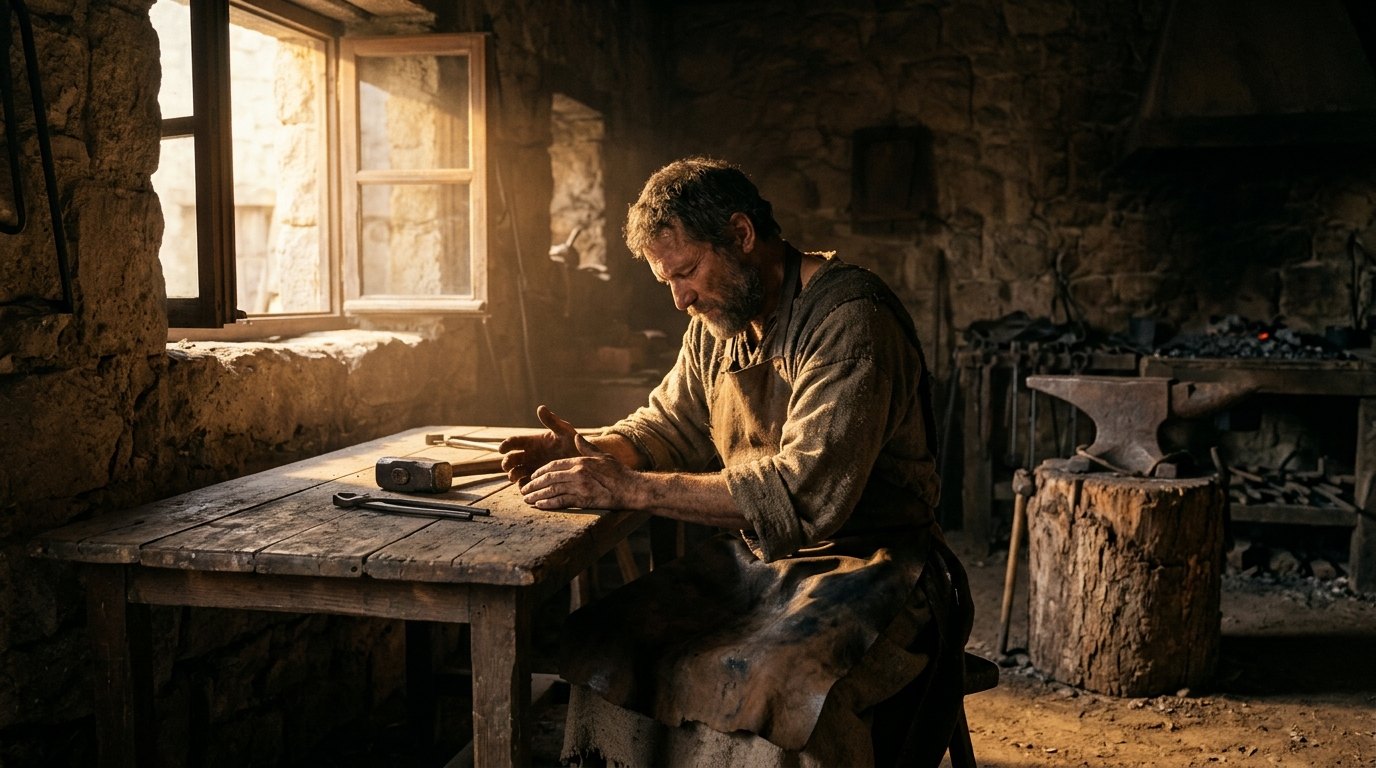
But you are a chosen people, a royal priesthood, a holy nation, God’s special possession, that you may declare the praises of him who called you out of darkness into his wonderful light.
1 Peter 2:9 (NIV)
It establishes the priesthood of all believers, eliminating any human mediator between God and man other than Christ.
The highlighted words of 1 Peter 2:9 declare that believers are 'a chosen race, a royal priesthood, a holy nation, a people for his own possession.' This bedrock truth of the Reformation dismantled the medieval wall between a professional sacerdotal caste and ordinary Christians. Under the New Covenant, no human mediator stands between the believer and the Father except the one Mediator, Jesus Christ. Every redeemed soul possesses direct access to the throne of grace, possessing the dignity, authority, and duty to bring spiritual sacrifices directly to God.
This universal priesthood is anchored in the redemption Christ accomplished on the cross. In Revelation 1:5-6, John praises Him who loves us, freed us from our sins by His blood, and made us a kingdom of priests serving His God and Father. Because sin's debt is entirely wiped away, believers no longer rely on earthly altars, repetitive sacrifices, or earthly priests to secure pardon or intercession. Instead, as Romans 12:1 commands, every believer presents their very life as a living sacrifice, holy and acceptable to God, which is our spiritual worship. Every calling, whether preaching the Word, raising children, or laboring in the field, becomes a holy, priestly offering to God.
| Passage | What it says |
|---|---|
| 1 Peter 2:9 | Believers are a royal priesthood and holy nation called to declare the praises of Him who called them. |
| Revelation 1:5-6 | Jesus has freed believers from sins and made them a kingdom, priests to His God and Father. |
| Romans 12:1 | Every believer is called to present their body as a living sacrifice, holy and acceptable to God. |
The Glory of God Alone
All Salvation and Honor Belong Exclusively to God
For from him and through him and for him are all things. To him be the glory forever! Amen.
Romans 11:36 (NIV)
It attributes every aspect of creation, redemption, and consummation to God alone, establishing Soli Deo Gloria.
The monumental doxology of Romans 11:36 anchors the Reformation principle of Soli Deo Gloria: 'For from him and through him and to him are all things. To him be glory forever.' Because God is the sole source, the active sustainer, and the ultimate end of all creation and salvation, no creature can share in the credit for redemption. The recovery of the biblical gospel shattered any notion of human merit, penance, or cooperation that could divide the praise between God and man. From election before time began to final glorification, the entire work of redemption is sovereignly accomplished so that God alone receives every ounce of praise.
This all-encompassing glory directs how Christians live every moment of their earthly lives. As Paul writes in 1 Corinthians 10:31, whether we eat or drink, or whatever we do, all must be done to the glory of God. Mundane, daily existence is transformed into a sanctuary of praise when conducted in humble obedience to Him. The Lord does not compromise on this sovereignty, as He declares in Isaiah 42:8: 'I am the Lord; that is my name; my glory I give to no other, nor my praise to carved idols.' By driving out self-righteousness, the Reformation called believers to marvel at the unshared majesty of God.
| Passage | What it says |
|---|---|
| Romans 11:36 | All things are from Him, through Him, and to Him, to whom belongs the glory forever. |
| 1 Corinthians 10:31 | Whatever believers eat, drink, or do is to be done entirely to the glory of God alone. |
| Isaiah 42:8 | The Lord will not share His glory with another, nor His praise to carved idols. |
Where in the Bible
| Book | Passages |
|---|---|
| Genesis | 1 · Genesis 15:6 |
| Psalms | 1 · Psalms 119:105 |
| Isaiah | 2 · Isaiah 8:20, Isaiah 42:8 |
| Habakkuk | 1 · Habakkuk 2:4 |
| Matthew | 1 · Matthew 15:1-3 |
| Mark | 1 · Mark 7:6-9 |
| John | 2 · John 14:6, John 17:17 |
| Acts | 2 · Acts 4:12, Acts 17:11 |
| Romans | 11 · Romans 3:21-22, Romans 3:26, Romans 3:28, Romans 4:5, Romans 5:1, Romans 4:1-3, Romans 3:19-20, Romans 10:4, Romans 11:6, Romans 12:1, Romans 11:36 |
| 1 Corinthians | 1 · 1 Corinthians 10:31 |
| Galatians | 5 · Galatians 2:16, Galatians 3:8, Galatians 3:10-11, Galatians 3:24, Galatians 5:4 |
| Ephesians | 1 · Ephesians 2:8-9 |
| 1 Timothy | 1 · 1 Timothy 2:5 |
| 2 Timothy | 1 · 2 Timothy 3:16-17 |
| Titus | 1 · Titus 3:5-7 |
| Hebrews | 2 · Hebrews 10:11-14, Hebrews 7:25 |
| 1 Peter | 1 · 1 Peter 2:9 |
| 2 Peter | 1 · 2 Peter 1:20-21 |
| Revelation | 1 · Revelation 1:5-6 |
The story in order
- Abram justified by faith (c. 2000 BC) · Genesis 15:6 · Foundation for justification by faith apart from works.
- Law reveals sin and guilt (c. 1450 BC) · Romans 3:19-20 · The Law's purpose is to show sin, not justify.
- Righteousness by faith prophesied (c. 600 BC) · Habakkuk 2:4 · Prophetic foundation for the doctrine of justification.
- Jesus is the way, truth, life (AD 30) · John 14:6 · Jesus is the exclusive mediator to God.
- Christ is the end of the law (AD 50) · Romans 10:4 · Christ fulfills the law for righteousness for believers.
- Justification by faith apart from works (AD 50) · Romans 3:28 · Paul's clear statement on justification by faith alone.
- Law as tutor to Christ (AD 55) · Galatians 3:24 · The Law's role was to lead people to Christ.
- Salvation by grace through faith (AD 60) · Ephesians 2:8-9 · Salvation is God's gift, excluding human boasting.
- Scripture is God-breathed (AD 67) · 2 Timothy 3:16-17 · The Bible's divine origin and sufficiency for equipping.
- Christ's sacrifice perfects believers (AD 67) · Hebrews 10:11-14 · Christ's one sacrifice is sufficient for eternal perfection.
- Bereans examine Scripture (AD 50) · Acts 17:11 · The importance of testing teaching against the Bible.
- Believers are royal priests (AD 65) · 1 Peter 2:9 · Every believer has direct access to God.
The Path to Righteousness
| Means | Result | Passage |
|---|---|---|
| Keeping the Law | No one justified; reveals sin | Romans 3:20 |
| Faith in Jesus Christ | Righteousness counted; peace with God | |
| God's Grace | Salvation as a gift, not by works | Ephesians 2:8-9 |
Scripture's Sufficiency
| Source | Purpose | Passage |
|---|---|---|
| God breathed | Profitable for teaching, equipping | 2 Timothy 3:16 |
| Holy Spirit moved men | Accurate prophecy, not human will | 2 Peter 1:20-21 |
| God's Word | Lamp to path, light for life | Psalms 119:105 |
Key words
- Justification (dikaiosunē, δικαιοσύνη (righteousness); dikaioō, δικαιόω…)
- Declared righteous by God, not by personal merit but by faith in Christ's work. · Romans 3:28
- Faith (pistis, πίστις)
- Trust and reliance on God and His promises, especially in Jesus Christ. · Romans 4:5
- Grace (charis, χάρις)
- God's unmerited favor and divine assistance given freely to sinners. · Ephesians 2:8
- Law (nomos, νόμος)
- God's revealed commands and standards, which reveal sin and point to Christ. · Romans 3:19-20
- Scripture (graphē, γραφή)
- The inspired, authoritative Word of God, profitable for all aspects of faith and life. · 2 Timothy 3:16
- Christ (Christos, Χριστός)
- The unique Son of God, the mediator, through whom salvation is obtained. · 1 Timothy 2:5
The Reformation matters today because it anchors our assurance entirely outside ourselves in the finished work of the Lord Jesus Christ. When we understand that God justifies the ungodly through faith apart from human works, our souls find true rest in His sovereign grace.
37 passages, each cited once.
How the major Christian traditions read this
All Christians confess that salvation rests entirely in the grace of God through our Lord Jesus Christ, who died for our sins and rose for our justification (Romans 3:24; Titus 3:7).
Catholic
We see the sixteenth-century events as a painful rupture of the unity Christ willed for His body (John 17:21). While acknowledging the genuine need for moral and pastoral renewal at that time—which the Council of Trent addressed—we maintain that the Reformers departed from the apostolic fullness. Christ built His Church upon Peter and the apostles, giving an enduring authority to teach and govern (Matthew 16:18-19). Justification is not a legal imputation alone, but an interior renewal through grace and the sacraments, producing faith working through love (Galatians 5:6; James 2:24). Separating Scripture from the living Sacred Tradition and the Magisterium fractures the communion that preserves revealed truth.
Scripture: John 17:21, Matthew 16:18-19, Galatians 5:6, James 2:24
Orthodox
We view the Reformation as a Western dispute arising from Latin scholasticism that both sides shared. While the Reformers rightly objected to papal claims and medieval innovations, they erred by reacting into individualism and casting off holy Tradition. The Church has preserved the undivided faith once delivered to the saints through the ecumenical councils and apostolic succession (Jude 1:3; 2 Thessalonians 2:15). Scripture is rightly interpreted only within the life of the Church (2 Peter 1:20-21). Furthermore, salvation is not merely forensic acquittal, but theosis—partaking of the divine nature through union with Christ in the mysteries of the Church (2 Peter 1:4).
Scripture: Jude 1:3, 2 Thessalonians 2:15, 2 Peter 1:20-21, 2 Peter 1:4
Lutheran
We confess that the Reformation was a necessary recovery of the gospel itself: that a sinner is justified freely, for Christ's sake, through faith alone apart from the works of the law (Romans 3:28). Martin Luther sought not a new church, but to purify the church of man-made merits and false assurances like indulgences. The article of justification is the chief point on which the church stands or falls. Scripture alone is the norma normans (the ruling rule) of all doctrine (2 Timothy 3:16). God delivers His justifying grace through Word and Sacraments, which awaken and sustain saving faith in the hearer (Romans 10:17).
Scripture: Romans 3:28, 2 Timothy 3:16, Romans 10:17
Reformed & Presbyterian
We hold the Reformation to be a thorough return to the sovereign grace of God and the pure worship commanded in His Word. Justification is an act of God's free grace, wherein He pardons all our sins and accepts us as righteous only for the righteousness of Christ imputed to us and received by faith alone (Romans 4:5-6; 2 Corinthians 5:21). Scripture is our sole infallible rule for faith and practice, and whatever is not commanded in biblical worship must not be imposed (Deuteronomy 12:32). The Reformation rightfully reclaimed the supreme sovereignty of God in election, covenant, and every realm of human life (Ephesians 1:4-6).
Scripture: Romans 4:5-6, 2 Corinthians 5:21, Deuteronomy 12:32, Ephesians 1:4-6
Anglican & Episcopal
We receive the Reformation as the renewal of the historic, apostolic church in England, purging medieval corruptions while retaining the ancient creeds, threefold order of ministry (bishops, priests, deacons), and liturgical heritage. Scripture contains all things necessary to salvation, so that whatever is not read therein nor proved thereby is not to be required as an article of faith (Thirty-Nine Articles VI; 2 Timothy 3:15-17). We affirm justification by faith alone through Christ's merit (Romans 5:1), worshiping God in the vernacular through common prayer, rooted in both Catholic antiquity and Reformed biblical theology.
Scripture: 2 Timothy 3:15-17, Romans 5:1
Baptist
We trace our convictions to the Reformation's call back to Scripture alone, though we believe the magisterial Reformers did not carry the biblical principle far enough. We stand firmly on justification by grace through faith alone (Ephesians 2:8-9) and Christ as our sole mediator (1 Timothy 2:5). Yet we hold that the New Testament pattern requires a regenerate church membership: only those who profess personal faith in Jesus Christ are to be baptized by immersion and gathered into local, autonomous churches (Acts 2:41; Matthew 28:19). For us, the Reformation established the supremacy of God's Word over all human traditions and state churches.
Scripture: Ephesians 2:8-9, 1 Timothy 2:5, Acts 2:41, Matthew 28:19
Methodist & Wesleyan
We look to the Reformation for the indispensable truth of justification by grace through faith alone in Jesus Christ (Romans 3:28). John Wesley called this the doctrine with which the church stands or falls. Yet we balance this truth with the call to holiness and sanctifying grace: the same Spirit who justifies also renews our hearts in love (Titus 3:5; 1 Thessalonians 4:3). For us, the Reformation rightly dismantled salvation by works, opening the way to preach free grace for all and the possibility of real transformation into the image of God through faith working by love (Galatians 5:6).
Scripture: Romans 3:28, Titus 3:5, 1 Thessalonians 4:3, Galatians 5:6
Pentecostal & Charismatic
We see the Reformation as the essential first stage of the Holy Spirit restoring the apostolic faith to the church. The Reformers restored the foundational message of justification by faith alone and the ultimate authority of God's Word (Romans 1:17; 2 Timothy 3:16). Building upon that firm foundation of grace and the cross, we believe God has continued to pour out His Spirit in full apostolic power, giving spiritual gifts, signs, and the baptism in the Holy Spirit to empower believers for world evangelization (Acts 1:8; Acts 2:38-39). The Reformation recovered the gospel; Pentecostalism seeks the fullness of the Spirit's power to live it.
Scripture: Romans 1:17, 2 Timothy 3:16, Acts 1:8, Acts 2:38-39
Non-denominational & Evangelical
We honor the Reformation for restoring the Bible to everyday believers and re-establishing the simple gospel message: salvation is by grace alone through faith alone in Christ alone (Ephesians 2:8-9). The Reformation stripped away unbiblical traditions, clerical hierarchies, and ritualism, calling every Christian directly to Christ, who is our only High Priest (Hebrews 4:14-16). For us, the enduring legacy of the Reformation is a direct relationship with God through personal faith, absolute trust in the inerrant Scriptures as our final guide, and the priesthood of all believers serving the Lord (1 Peter 2:9).
Scripture: Ephesians 2:8-9, Hebrews 4:14-16, 1 Peter 2:9
Where they differ
Final authority for doctrine
- Catholic
- Scripture and Sacred Tradition interpreted by the Church's Magisterium.
- Orthodox
- Holy Scripture preserved and rightly interpreted within Holy Tradition.
- Lutheran
- Scripture alone as the sole rule and norm of doctrine.
- Reformed & Presbyterian
- Scripture alone as the supreme infallible authority for faith and worship.
- Anglican & Episcopal
- Scripture supreme, witnessed by historic tradition and godly reason.
- Baptist
- Scripture alone as the complete and sufficient guide for the church.
- Methodist & Wesleyan
- Scripture primary, illuminated by tradition, reason, and Christian experience.
- Pentecostal & Charismatic
- Scripture alone as inerrant truth, illumined and empowered by the Spirit.
- Non-denominational & Evangelical
- The Bible alone as our sole authority over human tradition.
Scripture: 2 Timothy 3:16-17, 2 Thessalonians 2:15
The nature of justification
- Catholic
- Internal transformation and renewal through grace and faith formed by charity.
- Orthodox
- Ongoing deification and communion with God rather than legal acquittal.
- Lutheran
- Forensic declaration of righteousness solely by Christ's merit received through faith.
- Reformed & Presbyterian
- God's legal imputation of Christ's perfect righteousness received by faith alone.
- Anglican & Episcopal
- Accounted righteous before God only for Christ's merit by faith.
- Baptist
- Declared righteous by God solely through faith in Christ's shed blood.
- Methodist & Wesleyan
- Pardoned freely by faith in Christ, leading necessarily to holy living.
- Pentecostal & Charismatic
- Instant forgiveness and legal righteousness granted to the believer through faith.
- Non-denominational & Evangelical
- Righteous standing given purely as a gift through faith in Jesus.
Scripture: Romans 3:28, Romans 4:5, James 2:24
The continuity of church structure
- Catholic
- Essential continuity through the papacy and apostolic succession of bishops.
- Orthodox
- Unbroken succession of bishops holding the historic Orthodox faith.
- Lutheran
- True continuity rests in the pure gospel preached and sacraments rightly administered.
- Reformed & Presbyterian
- Spiritual continuity where the Word of God is purely preached and practiced.
- Anglican & Episcopal
- Historic episcopate maintained alongside reformed biblical doctrine.
- Baptist
- Direct conformity to the New Testament gathered, local church pattern.
- Methodist & Wesleyan
- Connectional fellowship focused on gospel proclamation and vital piety.
- Pentecostal & Charismatic
- Living alignment with the apostolic pattern of Spirit baptism and power.
- Non-denominational & Evangelical
- Independent local assemblies answering directly to Jesus Christ as Head.
Scripture: Matthew 16:18, 1 Timothy 3:15
Your pastor can tell you where your church stands.
Scripture cited
- Romans 3:28
- Ephesians 2:8-9
- 2 Timothy 3:16-17
- Acts 4:12