What does the Bible say about yoga?
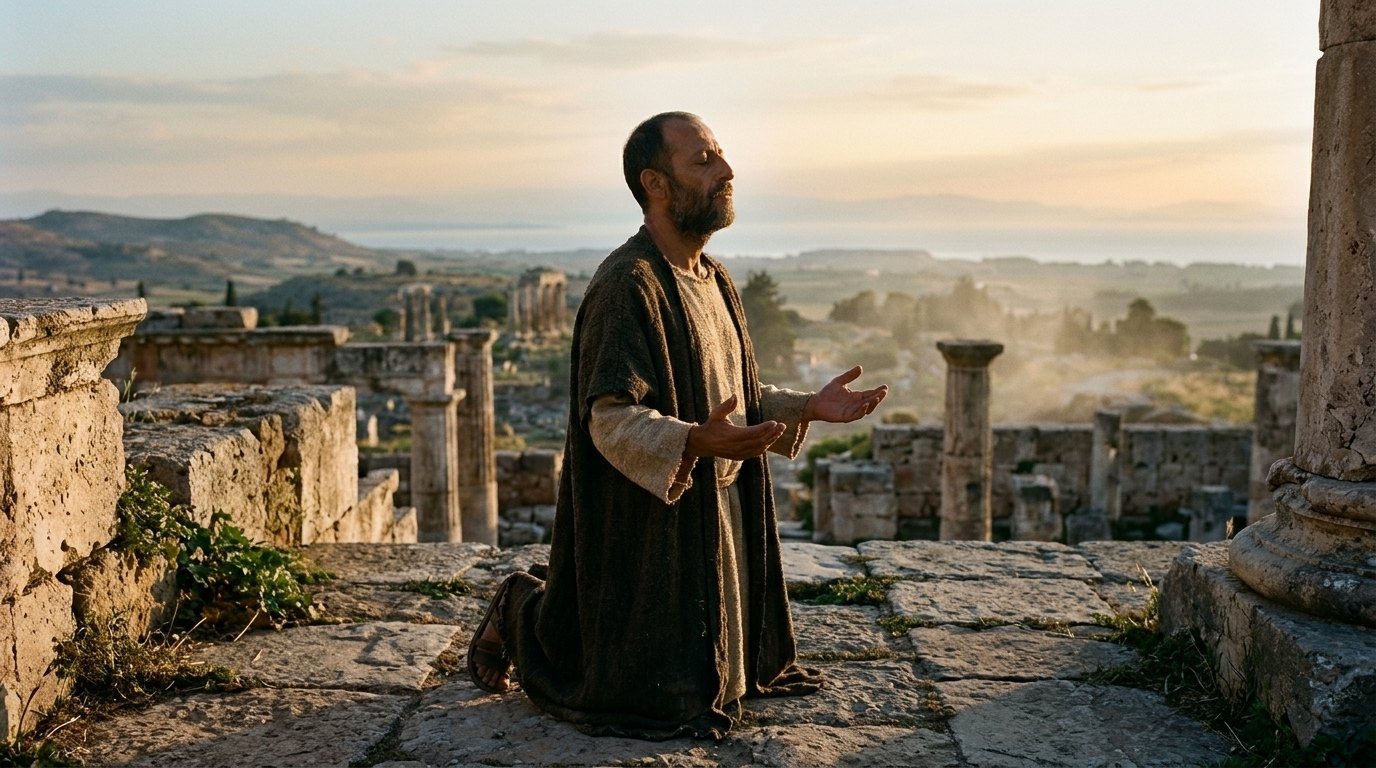
Romans 12:1-2
1 Therefore, I urge you, brothers and sisters, in view of God’s mercy, to offer your bodies as a living sacrifice, holy and pleasing to God—this is your true and proper worship.
2 Do not conform to the pattern of this world, but be transformed by the renewing of your mind. Then you will be able to test and approve what God’s will is—his good, pleasing and perfect will.
New International Version (NIV)
The answer
Yoga is sinful when it involves idolatrous worship or pagan spiritual practice; stretching, balance, and ordinary breathing done simply as physical exercise are not sinful merely because they are called yoga. The governing question is whether the activity offers the body, mind, or worship to another god or spiritual power.
Romans 12:1 says believers are to present their bodies “a living sacrifice, holy, acceptable to God.” Romans 6:13 and Romans 6:19 likewise require believers to yield their bodily members to righteousness, not unrighteousness. Participating in deity worship, devotional mantras, religious salutations, or a spiritual discipline seeking union with a deity or ultimate reality apart from Christ is therefore not neutral exercise. It gives another spiritual allegiance what belongs to God. First Corinthians 10:14 and 1 Corinthians 10:20-21 command Christians to flee idolatry and forbid sharing in both the Lord’s worship and the worship of demons.
Historic yoga traditions include religious and spiritual disciplines, while some contemporary classes use yoga movements solely for fitness. The label alone does not settle what is happening:
- Reject religious participation: Do not join prayers or chants addressed to deities, acts of worship, or rituals intended to produce spiritual union, enlightenment, or liberation through a non-Christian system. Good intentions or an exercise goal do not make an act of idolatry acceptable.
- Distinguish movement from worship: A stretch, posture, or breathing technique is not inherently evil. When used only for mobility, strength, relaxation, or health, without religious devotion or occult practice, it is ordinary physical activity.
- Judge the actual setting: If a class leads everyone in religious acts, a Christian should not join those acts. Choosing a straightforward exercise setting avoids pretending that worship becomes harmless because it accompanies fitness.
- Give the mind to God’s truth: Romans 12:2 commands, “Don’t be conformed to this world, but be transformed by the renewing of your mind.” Christian meditation is not an attempt to merge with an impersonal divine reality; it directs the mind toward God, his word, prayer, and thanksgiving.
Spiritual life is not attained through a yoga technique. First Peter 2:5 says acceptable spiritual sacrifices are offered “by Jesus Christ,” and Hebrews 13:15 directs believers to offer praise through him. Anyone who has participated in idolatrous forms of yoga should repent and turn to Christ rather than continue or defend them. First John 1:9 promises God’s forgiveness and cleansing to those who confess their sins; freedom and new life are found in Jesus, not in a spiritual technique.
Answered from Scripture · reviewed November 11, 2026
Scripture does not mention yoga by name, but it gives clear and binding boundaries for how believers use their bodies, guard their worship, and steward their minds. While physical exercise and stretching are not forbidden, God forbids sharing devotion with other spiritual powers, emptying the mind, or adopting practices tied to pagan deities. Believers are called to present their bodies as holy temples to Christ alone, testing every practice against God's revealed truth.
Bodily Stewardship
Physical discipline holds value when God receives the glory.
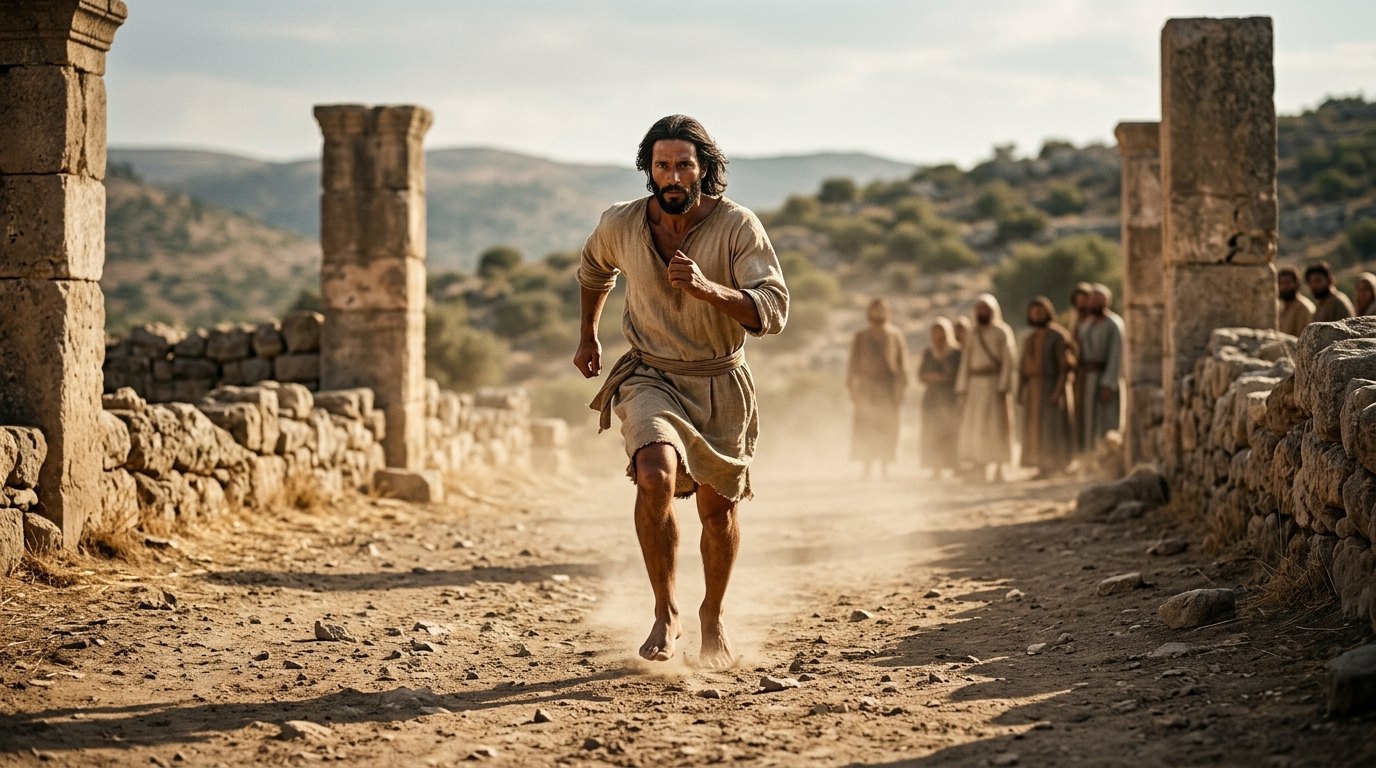
For physical training is of some value, but godliness has value for all things, holding promise for both the present life and the life to come.
1 Timothy 4:8 (NIV)
Paul places physical training in its proper secondary place while prioritizing godliness.
In 1 Timothy 4:8, the apostle Paul establishes a clear hierarchy for physical effort: "bodily exercise profiteth little: but godliness is profitable unto all things." Scripture does not condemn movement, strength, or physical discipline. Instead, 1 Timothy 4:7 charges the believer to "refuse profane and old wives' fables, and exercise thyself rather unto godliness." Physical movement has genuine temporal value, but its usefulness remains limited compared to eternal holiness.
Discipline of the physical frame must always serve an intentional, righteous purpose. Paul describes this focus in 1 Corinthians 9:26, writing that he does not "run, not as uncertainly" or "fight, not as one that beateth the air." True Christian discipline is never an aimless search for spiritual energy, inner stillness, or mystical alignment. Rather, as 1 Corinthians 9:27 states, the Christian brings the body into subjection so that the flesh does not master the soul, ensuring that every physical faculty remains an obedient servant to the gospel of Jesus Christ.
| Passage | What it says |
|---|---|
| 1 Timothy 4:7 | Rejects profane myths and instructs believers to exercise themselves toward godliness. |
| 1 Timothy 4:8 | Affirms bodily exercise has some value, but godliness holds promise for present and future life. |
| 1 Corinthians 9:26 | Describes living and running with clear intention rather than uncertainty. |
| 1 Corinthians 9:27 | Paul disciplines his body to bring it into subjection for the sake of the gospel. |
Holy Vessels
The believer's body is a blood-bought temple for God.

Do you not know that your bodies are temples of the Holy Spirit, who is in you, whom you have received from God? You are not your own;
1 Corinthians 6:19 (NIV)
Establishes that the Christian's physical body is the dwelling place of the Holy Spirit.
The decisive command regarding our flesh appears in 1 Corinthians 6:19, which declares: "What? know ye not that your body is the temple of the Holy Ghost which is in you, which ye have of God, and ye are not your own?" The physical frame is not an empty shell or a tool for self-deification; it is a purchased sanctuary where God the Spirit dwells. Because of this, 1 Corinthians 6:20 adds that believers are "bought with a price: therefore glorify God in your body, and in your spirit, which are God's."
This bodily consecration requires total surrender to God's holy standard. In Romans 12:1, believers are exhorted to "present your bodies a living sacrifice, holy, acceptable unto God, which is your reasonable service." This leaves no room for offering physical limbs to rituals or spiritual traditions rooted outside of Christ. Romans 6:13 explicitly forbids yielding members as "instruments of unrighteousness unto sin," commanding believers instead to yield their bodily members as "instruments of righteousness unto God." As Romans 6:19 reinforces, our bodily parts must become servants to righteousness unto holiness, set apart exclusively for the Lord who redeemed them.
| Passage | What it says |
|---|---|
| Romans 12:1 | Exhorts believers to present their physical bodies as living, holy sacrifices acceptable to God. |
| Romans 6:13 | Commands believers to present their bodily members to God as instruments of righteousness. |
| Romans 6:19 | Calls believers to yield bodily members as servants to righteousness resulting in sanctification. |
| 1 Corinthians 6:19 | Declares that the believer's body is a temple of the indwelling Holy Spirit. |
| 1 Corinthians 6:20 | Reminds believers they were bought with a price and must glorify God in body and spirit. |
Exclusive Worship
God forbids joining in pagan rituals or spiritual invocations.

“You shall have no other gods before me.
Exodus 20:3 (NIV)
Establishes the absolute first commandment that no other gods may be honored.
At the heart of the moral law stands Exodus 20:3: "Thou shalt have no other gods before me." The Lord permits no syncretism and no borrowing of religious postures or spiritual philosophies from outside His covenant. God gave strict warnings in Deuteronomy 12:30 not to inquire "how did these nations serve their gods? even so will I do likewise," commanding in Deuteronomy 12:31, "Thou shalt not do so unto the Lord thy God." Israel was repeatedly judged when they violated this command; Leviticus 18:3 commanded them not to walk in pagan ordinances, yet 2 Kings 17:15 records that "they followed vanity, and became vain, and went after the heathen that were round about them, concerning whom the Lord had charged them, that they should not do like them."
While 1 Corinthians 8:4 and 1 Corinthians 8:6 affirm that an idol has no real divine existence and that there is only "one God, the Father" and "one Lord Jesus Christ," pagan devotions are not harmless neutral customs. In 1 Corinthians 10:20, Paul unmasks the reality behind foreign worship: "the things which the Gentiles sacrifice, they sacrifice to devils, and not to God: and I would not that ye should have fellowship with devils." A Christian cannot mix holy worship with demonic origins, for as 1 Corinthians 10:21 warns, "Ye cannot drink the cup of the Lord, and the cup of devils." Therefore, 2 Corinthians 6:14 and 2 Corinthians 6:16 demand total separation from spiritual compromise, asking plainly, "what agreement hath the temple of God with idols?"
| Passage | What it says |
|---|---|
| Exodus 20:3 | Commands that God's people shall have no other gods before Him. |
| Deuteronomy 12:30 | Warns Israel not to inquire into or copy how pagan nations served their gods. |
| Deuteronomy 12:31 | Forbids worshipping the Lord using the religious practices of pagan nations. |
| 1 Corinthians 8:4 | Affirms that an idol has no real existence and there is no God but one. |
| 1 Corinthians 8:5 | Acknowledges that although many are called gods or lords in the world. |
| 1 Corinthians 8:6 | Declares there is one God the Father and one Lord Jesus Christ through whom all exists. |
| 1 Corinthians 10:20 | States pagan sacrifices are offered to demons, forbidding fellowship with demonic spiritual forces. |
| 1 Corinthians 10:21 | Warns that one cannot drink the cup of the Lord and the cup of demons. |
| 2 Corinthians 6:14 | Prohibits being unequally yoked with unbelievers or partnering righteousness with lawlessness. |
| 2 Corinthians 6:16 | Asks what agreement the temple of God can have with idols. |
| 2 Kings 17:15 | Israel followed worthless idols, imitated the nations around them, and rejected the Lord's clear commands. |
| Leviticus 18:3 | God commanded Israel not to practice the customs or walk in the statutes of the surrounding pagan nations. |
Mind Renewal
Scriptural meditation fills the mind with God's Word.
Do not conform to the pattern of this world, but be transformed by the renewing of your mind. Then you will be able to test and approve what God’s will is—his good, pleasing and perfect will.
Romans 12:2 (NIV)
Contrasts worldly conformity with the spiritual transformation that comes through a renewed mind.
Eastern traditions teach practitioners to quiet, detach, or empty the mind, but biblical meditation does the exact opposite: it actively fills the mind with God's revealed truth. In Romans 12:2, Scripture commands: "And be not conformed to this world: but be ye transformed by the renewing of your mind, that ye may prove what is that good, and acceptable, and perfect, will of God." The mind is not emptied into a void; it is saturated with the living Word of God.
From the Old Testament onward, God directs His people to anchor their thoughts upon His law. In Joshua 1:8, the servant of God is commanded to "meditate therein day and night," and Psalms 1:2 pronounces blessed the man whose "delight is in the law of the Lord; and in his law doth he meditate day and night." The psalmist demonstrates this intentional mental focus, crying out in Psalms 119:15, "I will meditate in thy precepts, and have respect unto thy ways," and declaring in Psalms 119:97, "O how love I thy law! it is my meditation all the day." Believers pray with Psalms 19:14 that the "meditation of my heart, be acceptable in thy sight." Under the New Covenant, this discipline continues as Colossians 3:2 instructs us to "set your affection on things above," while Philippians 4:8 commands the mind to focus actively on whatever is true, honest, just, pure, and lovely.
| Passage | What it says |
|---|---|
| Romans 12:2 | Commands believers not to conform to this world, but to be transformed by mind renewal. |
| Joshua 1:8 | Instructs meditation upon the Book of the Law day and night to obey it. |
| Psalms 1:2 | Delights in the law of the Lord and meditates on His word continually. |
| Psalms 19:14 | Prays that the words of the mouth and meditations of the heart please God. |
| Philippians 4:8 | Directs thoughts toward whatever is true, honorable, just, pure, lovely, and commendable. |
| Colossians 3:2 | Commands believers to set their minds on things above, not on earthly things. |
| Psalms 119:15 | The psalmist actively meditates upon God's precepts and fixes his eyes on His ways, not emptying the mind. |
| Psalms 119:97 | A posture of deep love for God's revealed law results in active meditation upon it all the day. |
Spiritual Vigilance
Believers must test every spirit and avoid deceptive philosophies.

See to it that no one takes you captive through hollow and deceptive philosophy, which depends on human tradition and the elemental spiritual forces of this world rather than on Christ.
Colossians 2:8 (NIV)
Warns explicitly against spiritual captivity through human traditions and elemental spirits.
Paul issues a direct command in Colossians 2:8, warning believers: “See to it that no one takes you captive by philosophy and empty deceit, according to human tradition, according to the elemental spirits of the world, and not according to Christ.” Scripture never treats religious worldviews as neutral cultural artifacts; instead, spiritual practices detached from the living God carry genuine spiritual danger. Yoga originates not merely as stretching, but as an ancient spiritual discipline designed to yoke the practitioner to pantheistic realities and Hindu deities. Therefore, the Christian must exercise rigorous discernment rather than assuming every pleasant or soothing practice is harmless.
God calls His people to constant alertness. In 1 Thessalonians 5:21, believers are told to “test all things; hold fast what is good,” immediately followed by the sobering boundary in 1 Thessalonians 5:22 to abstain from every form of evil. Similarly, 1 John 4:1 warns not to believe every spirit, but to “test the spirits to see whether they are from God.” spiritual deception rarely presents itself as overt wickedness; as 2 Corinthians 11:14 reminds us, “even Satan disguises himself as an angel of light.” Practices that market inner peace, enlightenment, and bodily alignment can easily mask unbiblical philosophies about the soul and the cosmos.
Because of this reality, Scripture demands active separation. In Ephesians 5:11, Paul writes, “Take no part in the unfruitful works of darkness, but instead expose them.” The disciple of Jesus Christ cannot adopt meditative systems that empty the mind or invoke spiritual forces foreign to the cross. 1 Peter 5:8 commands believers to “be sober-minded; be watchful,” because the devil prowls like a roaring lion seeking someone to devour. Where an exercise routine blurs into eastern mysticism, human philosophy, or spiritualized energy work, the follower of Christ must refuse captivity and remain rooted wholly in Jesus.
| Passage | What it says |
|---|---|
| Colossians 2:8 | Warns against being taken captive through hollow philosophy, human tradition, and worldly spirits. |
| 1 Thessalonians 5:21 | Instructs believers to test all things and hold fast to what is good. |
| 1 Thessalonians 5:22 | Commands believers to abstain from every form or appearance of evil. |
| 1 John 4:1 | Exhorts believers not to believe every spirit, but to test whether spirits are from God. |
| Ephesians 5:11 | Directs Christians to have no fellowship with unfruitful works of darkness, but expose them. |
| 2 Corinthians 11:14 | Satan disguises himself as an angel of light, warning believers that deceit often appears benign or spiritual. |
| 1 Peter 5:8 | Believers must remain sober and vigilant because the devil prowls like a roaring lion seeking someone to devour. |
Conscience and Witness
Liberty must never cause another to stumble into paganism.
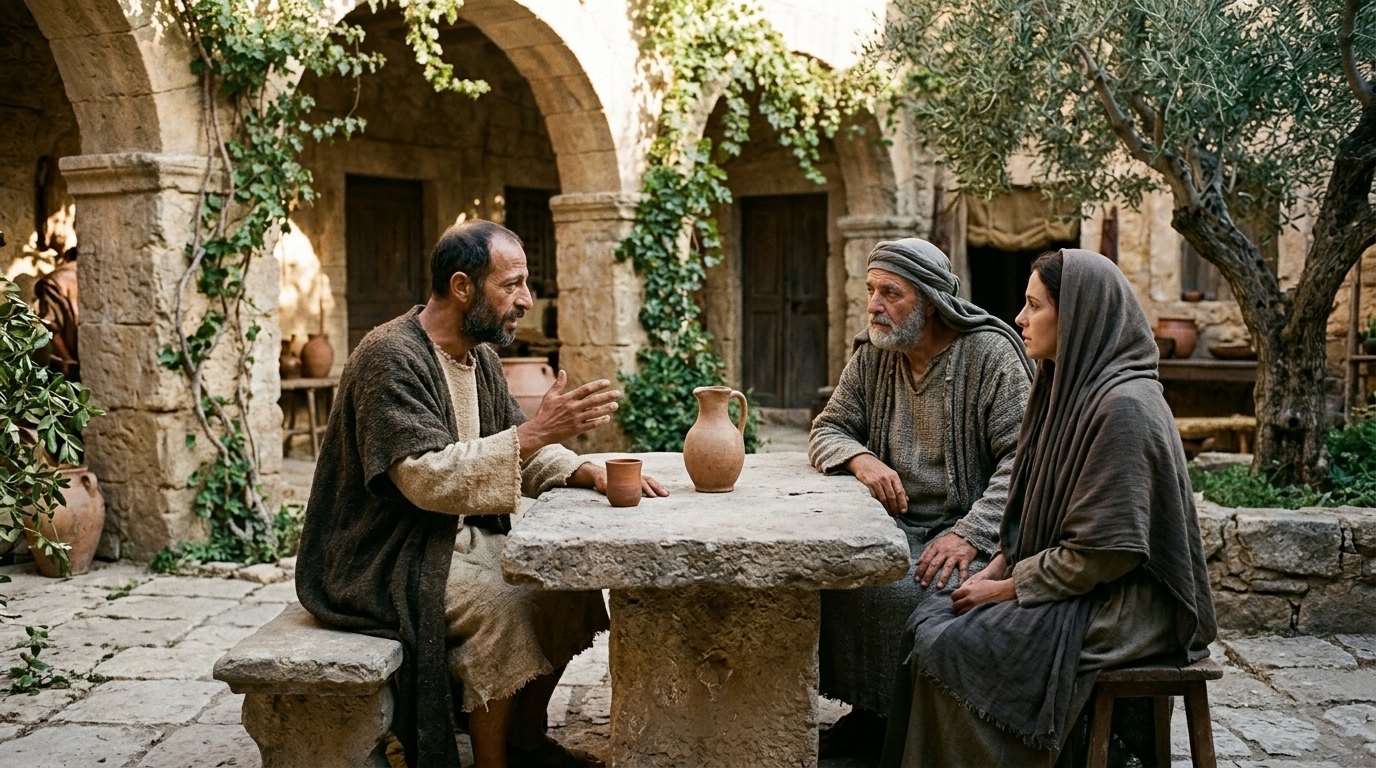
So whether you eat or drink or whatever you do, do it all for the glory of God.
1 Corinthians 10:31 (NIV)
It establishes that every single bodily action and physical pursuit must be aimed entirely at God's glory.
The governing aim of the entire Christian life is stated unreservedly in 1 Corinthians 10:31: “So, whether you eat or drink, or whatever you do, do all to the glory of God.” Every pursuit of the believer—including physical fitness, exercise, and bodily wellness—must be consciously subjected to the Lordship of Jesus Christ and conducted in a manner that honors Him. Physical stretching and bodily strengthening are not inherently sinful, for the body is God's creation. Yet the believer must ask whether participating in a practice with explicit idolatrous and spiritual roots can truly be offered as an act of pure worship to the God of the Bible.
Even where a Christian might attempt to strip a yoga class of its spiritual vocabulary, chants, and meditative postures, God calls us to weigh our public witness and brotherly love. In 1 Corinthians 8:9, Paul warns: “Take care that this right of yours does not somehow become a stumbling block to the weak.” If a weaker believer or an onlooker from an eastern religious background sees a Christian adopting yoga, they may be emboldened to engage with pagan spirituality, believing Christ condones it. Furthermore, 1 Corinthians 10:23 declares that “‘All things are lawful,’ but not all things build up.” Liberty is never an excuse for self-indulgence or spiritual compromise; it must be wielded for the spiritual health of the church.
Finally, the heart's posture before God must be entirely free from doubt. As Romans 14:23 plainly concludes, “whatever does not proceed from faith is sin.” If a believer cannot step onto a mat or participate in a routine with complete confidence that it honors Christ and avoids spiritual syncretism, engaging in it violates the conscience. Believers are called to walk in holy freedom, pursuing physical health through ways that leave zero ambiguity regarding their undivided allegiance to Jesus.
| Passage | What it says |
|---|---|
| 1 Corinthians 8:9 | Paul cautions believers to take care that their freedom never becomes a stumbling block to the weak. |
| 1 Corinthians 10:23 | All physical things may be lawful, but not all things are helpful or edifying to the body of Christ. |
| 1 Corinthians 10:31 | Whether eating, drinking, or engaging in bodily actions, everything must be done expressly for the glory of God. |
| Romans 14:23 | Whatever practice or action does not proceed from settled faith and a clean conscience is sin. |
Where in the Bible
| Book | Passages |
|---|---|
| Exodus | 1 · Exodus 20:3 |
| Leviticus | 1 · Leviticus 18:3 |
| Deuteronomy | 2 · Deuteronomy 12:30, Deuteronomy 12:31 |
| Joshua | 1 · Joshua 1:8 |
| 2 Kings | 1 · 2 Kings 17:15 |
| Psalms | 4 · Psalms 1:2, Psalms 19:14, Psalms 119:15, Psalms 119:97 |
| Romans | 5 · Romans 12:1, Romans 6:13, Romans 6:19, Romans 12:2, Romans 14:23 |
| 1 Corinthians | 12 · 1 Corinthians 9:26, 1 Corinthians 9:27, 1 Corinthians 6:19, 1 Corinthians 6:20, 1 Corinthians 8:4, 1 Corinthians 8:5, 1 Corinthians 8:6, 1 Corinthians 10:20, 1 Corinthians 10:21, 1 Corinthians 8:9, 1 Corinthians 10:23, 1 Corinthians 10:31 |
| 2 Corinthians | 3 · 2 Corinthians 6:14, 2 Corinthians 6:16, 2 Corinthians 11:14 |
| Ephesians | 1 · Ephesians 5:11 |
| Philippians | 1 · Philippians 4:8 |
| Colossians | 2 · Colossians 3:2, Colossians 2:8 |
| 1 Thessalonians | 2 · 1 Thessalonians 5:21, 1 Thessalonians 5:22 |
| 1 Timothy | 2 · 1 Timothy 4:7, 1 Timothy 4:8 |
| 1 Peter | 1 · 1 Peter 5:8 |
| 1 John | 1 · 1 John 4:1 |
The story in order
- God gives the Law (c. 1446 BC) · Exodus 20:3 · Commands exclusive worship, forbidding other gods and their practices.
- Israel warned against pagan customs (c. 1445 BC) · Leviticus 18:3 · Prohibits adopting the practices of surrounding pagan nations.
- Israel adopts pagan practices (c. 722 BC) · 2 Kings 17:15 · Shows the danger of following worthless idols and imitating nations.
- David meditates on God's law (c. 1000 BC) · Psalms 1:2 · Delights in and meditates on God's word, a contrast to pagan practices.
- Paul disciplines his body (c. AD 55) · 1 Corinthians 9:27 · Illustrates intentional self-discipline for the gospel's sake.
- Present bodies as living sacrifices (c. AD 57) · Romans 12:1 · Exhorts believers to offer their bodies to God, not pagan deities.
- Body as temple of the Spirit (c. AD 55) · 1 Corinthians 6:19 · Highlights the body's sacredness as God's dwelling place.
- Warning against hollow philosophy (c. AD 62) · Colossians 2:8 · Guards against deceptive human traditions and worldly spirits.
- Test all things (c. AD 51) · 1 Thessalonians 5:21 · Instructs believers to evaluate all practices and hold to good.
- Avoid appearance of evil (c. AD 51) · 1 Thessalonians 5:22 · Commands abstaining from anything that looks like or leads to evil.
- Do not stumble the weak (c. AD 55) · 1 Corinthians 8:9 · Cautioning that freedom must not lead others into sin.
- Everything for God's glory (c. AD 55) · 1 Corinthians 10:31 · All actions, including bodily ones, must glorify God.
Key words
- Exercise (gymnasia, γυμνασία)
- Physical training or discipline. · 1 Timothy 4:8
- Godliness (eusebeia, εὐσέβεια)
- Devotion and reverence to God. · 1 Timothy 4:7
- Temple (naos, ναός)
- A place of worship, here referring to the believer's body. · 1 Corinthians 6:19
- Idol (eidolon, εἴδωλον)
- An image or object worshipped as a god. · 1 Corinthians 8:4
- Meditation (higgayon, הִגָּיוֹן)
- Deep contemplation or reflection, especially on God's Word. · Psalms 1:2
- Philosophy (philosophia, φιλοσοφία)
- A system of thought, here referring to deceptive human reasoning. · Colossians 2:8
- Test (dokimazō, δοκιμάζω)
- To examine or evaluate critically. · 1 Thessalonians 5:21
While physical discipline and stretching can be pursued in ways that honor God, believers must firmly reject any spiritual chanting, eastern meditation, or religious rituals rooted in false philosophies. Our bodies belong entirely to Jesus Christ, bought with His precious blood to glorify Him alone. In every pursuit, the Christian must seek holiness, discernment, and wholehearted devotion to the one true God.
40 passages, each cited once.
How the major Christian traditions read this
All major Christian traditions agree that worship belongs to the God of the Bible alone, that believers must guard their hearts and bodies against idolatry, and that our physical lives are to be offered in holiness to Jesus Christ (Exodus 20:3; Romans 12:1-2; 1 Corinthians 10:20-21).
Catholic
The Church warns that physical postures and eastern meditative practices originating in non-Christian religions cannot be treated as merely neutral exercise without careful discernment. As our pastoral guidance cautions, bodily methods linked to eastern traditions often carry philosophical premises about human deification or cosmic union that contradict Christian prayer (1 Corinthians 10:20-21). While simple stretching and physical discipline have value (1 Timothy 4:8), authentic Christian contemplation is a personal relationship with the Triune God, not a technique to empty the mind or merge with an impersonal force. Believers must ensure that bodily discipline never opens the soul to spiritual error or idolatrous practices (Romans 12:1-2).
Scripture: Exodus 20:3, Romans 12:1-2, 1 Corinthians 10:20-21, 1 Timothy 4:8
Orthodox
The Holy Orthodox Church approaches yoga with great wariness because body and soul form an inseparable unity. In Orthodox asceticism, the postures of prayer—such as prostrations and the Jesus Prayer—unite body and spirit in genuine repentance before the personal God (1 Corinthians 6:19-20). Eastern meditative systems, including yoga, fundamentally aim at liberation through self-deification and pantheistic concepts that deny the fallenness of creation and our need for Christ. Because physical asanas were historically devised to advance Hindu spirituality, our synods generally caution the faithful to avoid yoga entirely, urging us instead to seek bodily discipline and inner peace through the Church's ancient hesychastic prayer and liturgical life (Colossians 2:8).
Scripture: 1 Corinthians 6:19-20, Colossians 2:8, Romans 12:1-2
Lutheran
We evaluate practices like yoga through the lens of God's holy law and Christian freedom. The First Commandment forbids worshiping any god other than the Lord (Exodus 20:3), and anything that incorporates mantras, invocations, or pantheistic spirituality is idolatrous and must be rejected (1 Corinthians 10:14). However, bodily exercise itself is a temporal matter of earthly life, and physical training possesses some value (1 Timothy 4:8). If stretching and breathing are entirely detached from false religion, a Christian may exercise without sinning, provided they do not wound a weaker brother's conscience (1 Corinthians 8:9). Nevertheless, because spiritual dangers are real, pastors urge vigilance and clear discernment against non-Christian spiritual teachings.
Scripture: Exodus 20:3, 1 Corinthians 8:9, 1 Corinthians 10:14, 1 Timothy 4:8
Reformed & Presbyterian
Scripture demands absolute purity of worship and wholehearted devotion to the Triune God (Deuteronomy 12:30-32). We reject any practice that mingles eastern mysticism, pagan spirituality, or false theology with the life of a Christian (2 Corinthians 6:14-17). Because yoga originated as a religious discipline to achieve spiritual union apart from Christ, many of our elders and teachers counsel against it, warning that the physical forms cannot easily be severed from their underlying worldview. Where someone participates purely in secular stretching or calisthenics, Christian liberty permits bodily exercise (1 Timothy 4:8), but the believer must ensure no pagan concepts, mantras, or mental emptying are tolerated (Colossians 2:8).
Scripture: Deuteronomy 12:30-32, 1 Corinthians 10:21, 2 Corinthians 6:14-17, Colossians 2:8, 1 Timothy 4:8
Anglican & Episcopal
Anglican pastoral theology approaches this question through the classic balance of Scripture, reason, and tradition. Scripture strictly forbids idolatry and the worship of false gods (Exodus 20:3; 1 Corinthians 10:19-20). We affirm that bodily health and disciplined movement are good gifts from God (1 Timothy 4:8), and many Anglicans distinguish between the bodily stretching practiced in modern fitness studios and the Hindu spirituality that gave birth to it. Where yoga is accompanied by chanting, religious mantras, or meditative philosophies contrary to the Gospel, a Christian must abstain. But where it is simply physical exercise, Christian conscience guided by the Holy Spirit may receive it with thanksgiving (Romans 14:14).
Scripture: Exodus 20:3, Romans 14:14, 1 Corinthians 10:19-20, 1 Timothy 4:8
Baptist
We look strictly to the sufficiency and authority of Scripture for all matters of faith and practice. God's Word commands believers to be separate from pagan idolatry and false religions (2 Corinthians 6:14-17). While physical exercise has some earthly benefit (1 Timothy 4:8), many Baptist pastors warn that yoga's roots are inextricably tied to Hindu devotion, making it dangerous for believers seeking to guard their witness and protect their minds from spiritual deception (1 Peter 5:8). Believers must never participate in chanting, meditation aimed at emptying the mind, or anything associated with false gods. Conscientious Christians often substitute neutral stretching programs to avoid compromising their testimony or stumbling others (1 Corinthians 10:31-32).
Scripture: 1 Corinthians 10:31-32, 2 Corinthians 6:14-17, 1 Timothy 4:8, 1 Peter 5:8
Methodist & Wesleyan
In our pursuit of holiness of heart and life, we are called to present our bodies as living sacrifices holy and pleasing to God (Romans 12:1-2). John Wesley emphasized caring for bodily health as a stewardship of God's creation, and physical exercise is beneficial (1 Timothy 4:8). However, we must guard our affections against any spiritual devotion that detracts from Christ. If yoga involves eastern religious rituals, pantheism, or invocations of foreign deities, it violates God's law and harms the soul (Exodus 20:3). If stripped entirely of religious elements and practiced solely for health, mobility, and stress relief, it falls under Christian prudence and personal discernment (1 Corinthians 6:12).
Scripture: Exodus 20:3, Romans 12:1-2, 1 Corinthians 6:12, 1 Timothy 4:8
Pentecostal & Charismatic
We take spiritual warfare and demonic influence very seriously, knowing our struggle is against spiritual forces of darkness (Ephesians 6:12). Scripture forbids any communion between the table of the Lord and the table of demons (1 Corinthians 10:20-21). Because traditional yoga was created as an act of worship to Hindu deities, many Pentecostal and Charismatic leaders teach that yoga postures and breathing techniques can open spiritual doors to demonic oppression, regardless of a person's intent. Therefore, believers are strongly urged to avoid yoga classes entirely. We should instead pursue physical health through secular exercises and dedicate our meditation solely to God's Word and the Holy Spirit (Psalm 1:2; Philippians 4:8).
Scripture: Psalms 1:2, 1 Corinthians 10:20-21, Ephesians 6:12, Philippians 4:8
Non-denominational & Evangelical
We believe the Bible is our ultimate authority for everyday life, calling us to test everything and hold fast to what is good (1 Thessalonians 5:21). Scripture makes clear that God alone must be worshiped and that our bodies are temples of the Holy Spirit (1 Corinthians 6:19-20). In non-denominational churches, perspectives range from cautious liberty to strict avoidance. Many pastors advise believers that if a class is merely physical stretching without spiritual teachings, it may be practiced with discernment; however, if it introduces eastern spirituality, chanting, or meditation that empties the mind rather than filling it with Scripture, Christians must flee from it (Colossians 2:8; 2 Timothy 2:22).
Scripture: 1 Corinthians 6:19-20, Colossians 2:8, 1 Thessalonians 5:21, 2 Timothy 2:22
Where they differ
Whether physical poses can be separated from eastern spirituality
- Catholic
- Separation is difficult because eastern bodily methods inherently carry non-Christian theological presuppositions.
- Orthodox
- The body and soul cannot be divided, so traditional poses remain spiritually compromised.
- Lutheran
- Pure physical exercise can be separated from false doctrine under Christian freedom.
- Reformed & Presbyterian
- Exercise can be separated in theory, but pagan origins demand extreme spiritual caution.
- Anglican & Episcopal
- Physical stretching can generally be practiced apart from Hindu religious philosophies.
- Baptist
- Separation is highly doubtful because poses originated as acts of Hindu devotion.
- Methodist & Wesleyan
- Physical benefits can be retained if all eastern religious context is removed.
- Pentecostal & Charismatic
- Poses cannot be safely separated because they invite spiritual and demonic influences.
- Non-denominational & Evangelical
- Poses can be neutral exercise if completely stripped of eastern spiritual teachings.
Scripture: 1 Corinthians 10:20-21, Colossians 2:8, 1 Timothy 4:8
The spiritual danger of yoga to the Christian believer
- Catholic
- Risks distorting authentic Christian prayer and introducing pantheistic concepts of deification.
- Orthodox
- Risks spiritual delusion by substituting pagan asceticism for genuine repentance and hesychasm.
- Lutheran
- Risks violating the First Commandment if idolatrous philosophies or mantras are embraced.
- Reformed & Presbyterian
- Risks violating the purity of worship and compromising biblical separation from idolatry.
- Anglican & Episcopal
- Risks syncretism and harming weaker consciences if pagan elements are tolerated.
- Baptist
- Risks compromising Christian witness and opening believers to non-biblical spiritual deception.
- Methodist & Wesleyan
- Risks hindering holiness of heart by entangling the mind in foreign devotions.
- Pentecostal & Charismatic
- Presents an immediate danger of demonic oppression through pagan spiritual gateways.
- Non-denominational & Evangelical
- Risks conforming to worldly deception rather than being transformed by God's Word.
Scripture: Exodus 20:3, Romans 12:2, 2 Corinthians 6:14-17, Ephesians 6:12
Your pastor can tell you where your church stands.
Scripture cited
- 1 Peter 2:5
- Romans 6:13
- Romans 6:19
- Hebrews 13:15-16
- Romans 12:2
- 1 Corinthians 10:14-22