What was the Babylonian exile?
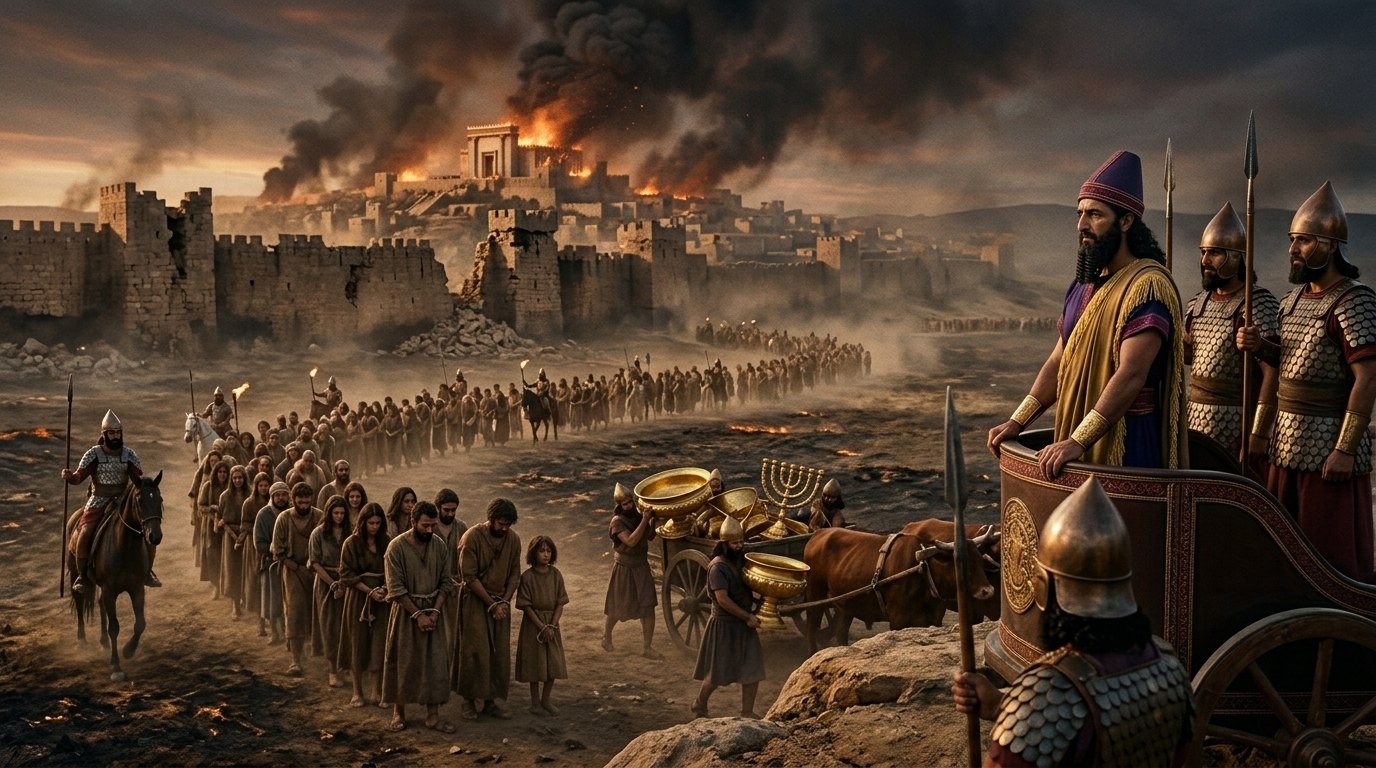
2 Chronicles 36:15-21
15 The LORD, the God of their ancestors, sent word to them through his messengers again and again, because he had pity on his people and on his dwelling place.
16 But they mocked God’s messengers, despised his words and scoffed at his prophets until the wrath of the LORD was aroused against his people and there was no remedy.
17 He brought up against them the king of the Babylonians, who killed their young men with the sword in the sanctuary, and did not spare young men or young women, the elderly or the infirm. God gave them all into the hands of Nebuchadnezzar.
18 He carried to Babylon all the articles from the temple of God, both large and small, and the treasures of the LORD’s temple and the treasures of the king and his officials.
19 They set fire to God’s temple and broke down the wall of Jerusalem; they burned all the palaces and destroyed everything of value there.
20 He carried into exile to Babylon the remnant, who escaped from the sword, and they became servants to him and his successors until the kingdom of Persia came to power.
21 The land enjoyed its sabbath rests; all the time of its desolation it rested, until the seventy years were completed in fulfillment of the word of the LORD spoken by Jeremiah.
New International Version (NIV)
The answer
The Babylonian exile was God's judgment on Judah: the Chaldeans under Nebuchadnezzar destroyed Jerusalem and Solomon's temple in 586 BC and carried the people of Judah off to Babylon, where they remained for seventy years to fulfill the word spoken by Jeremiah.
Why it happened
Yahweh had "compassion on his people" (2 Chronicles 36:15) and kept sending prophets to warn them, "rising up early and sending" messenger after messenger. They refused to listen. They "mocked the messengers of God, despised his words, and scoffed at his prophets" until His wrath "arose against his people, until there was no remedy" (2 Chronicles 36:16). The same pattern runs through Jeremiah: "I spake unto you, rising up early and speaking, but ye heard not" (Jeremiah 7:13; Jeremiah 25:3-4; Jeremiah 35:15; Jeremiah 7:25). The exile was not a military accident; it was the fruit of long-standing idolatry and contempt for God's word, the same sin that had earlier brought wrath "upon Judah and Jerusalem" in the days of Joash (2 Chronicles 24:18-21).
What happened
Nebuchadnezzar "killed their young men with the sword in the house of their sanctuary, and had no compassion on young man or virgin, old man or infirm" (2 Chronicles 36:17). He took "all the vessels of God's house, great and small, and the treasures of Yahweh's house, and the treasures of the king and of his princes" to Babylon (2 Chronicles 36:18). His army "burned God's house, broke down the wall of Jerusalem, burned all its palaces with fire" (2 Chronicles 36:19). The survivors "were servants to him and his sons until the reign of the kingdom of Persia" (2 Chronicles 36:20).
The seventy years
The land itself was made to "enjoy its Sabbaths" (2 Chronicles 36:21). For 490 years the land had lain untended every seventh year, an unpaid debt. Leviticus 26:34-35 had warned that if Israel disobeyed, the land would keep the Sabbaths it had missed. Jeremiah had said the exile would last seventy years (Jeremiah 29:10). 2 Chronicles 36:21 names him as the prophet whose word was being fulfilled while the land "lay desolate, it kept Sabbath, to fulfill seventy years."
In short: the Babylonian exile was the fulfillment, in judgment and in time, of God's word through Jeremiah, the consequence of a people who would not hear the messengers He kept sending.
Answered from Scripture · reviewed November 7, 2026
The Babylonian exile was the devastating judgment of God upon Judah, wherein King Nebuchadnezzar conquered Jerusalem, razed Solomon's temple, and carried the survivors captive to Babylon for seventy years. Far from a mere geopolitical collision, this catastrophe fulfilled precise prophetic warnings following centuries of persistent idolatry, covenant betrayal, and mockery of God's messengers. Tracing this history reveals both the absolute certainty of God's holy wrath against unrepentant sin and His unwavering faithfulness to preserve a remnant for redemption.
The Provocation
Persistent Idolatry and the Rejection of God's Warning Prophets
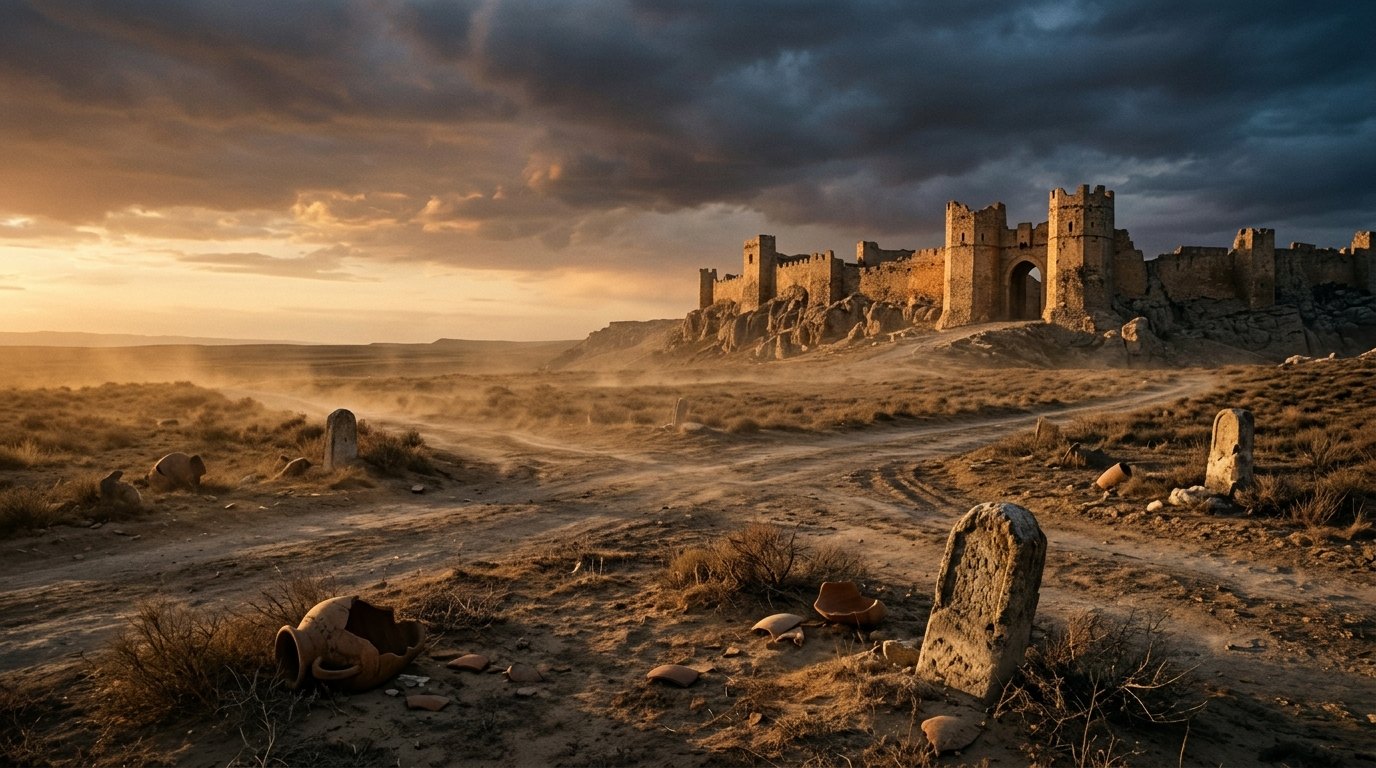
But they mocked God’s messengers, despised his words and scoffed at his prophets until the wrath of the LORD was aroused against his people and there was no remedy.
2 Chronicles 36:16 (NIV)
This verse marks the tragic turning point where persistent contempt for God's prophetic warnings exhausted divine patience until no remedy remained.
The chronicler records the tragic turning point of Judah's history in 2 Chronicles 36:16, declaring that the people mocked God's messengers, despised His words, and scoffed at His prophets until the wrath of the Lord arose against His people, till there was no remedy. This catastrophic exile did not happen without warning; rather, Yahweh persistently sent warnings by His messengers because He possessed steadfast compassion on His people and His dwelling place (2 Chronicles 36:15). God had spoken persistently from early morning, yet the nation refused to listen or incline their ear (Jeremiah 7:13; Jeremiah 25:3-4). From the day their fathers came out of Egypt onward, the Lord daily sent His servants the prophets, yet Judah hardened their neck and did worse than their fathers (Jeremiah 7:25; Jeremiah 35:15).
Centuries of entrenched covenant unfaithfulness brought this severe judgment. The people repeatedly abandoned the Lord's house to serve carved images, even stoning the prophet Zechariah when he confronted their transgression (2 Chronicles 24:18-21). Though the Lord had historically grieved over Israel's misery whenever they turned from foreign gods (Judges 10:16), Judah's prolonged rebellion under King Manasseh filled Jerusalem with innocent blood and abominations that the Lord would not pardon (2 Kings 21:10-15; 2 Kings 24:1-4). This tragic outcome was the exact curse anciently spoken by Moses, who warned that forsaking the covenant would cause them to be plucked off the land and scattered among all peoples (Deuteronomy 28:63-68).
| Passage | What it says |
|---|---|
| 2 Chronicles 36:15 | Yahweh persistently sent warnings by His messengers because He possessed steadfast compassion on His people and His dwelling place. |
| 2 Chronicles 36:16 | The people mocked God's messengers, despised His words, and scoffed at His prophets until divine wrath arose without remedy. |
| Jeremiah 7:13 | The Lord spoke persistently to the people from early morning, yet they refused to listen or answer His calls. |
| Jeremiah 7:25 | God sent all His servants the prophets daily from the exodus onward, yet the nation repeatedly hardened their hearts. |
| Jeremiah 25:3-4 | For twenty-three years Jeremiah urged repentance alongside other messengers, yet the people refused to incline their ear. |
| Jeremiah 35:15 | God continually sent prophets commanding every man to turn from his evil way, yet Judah stubbornly declined to listen. |
| 2 Chronicles 24:18-21 | Judah repeatedly abandoned the Lord's house for idols, culminating in the murder of Zechariah for confronting their transgression. |
| Judges 10:16 | The Lord's soul grieved for the misery of Israel whenever they put away strange gods to serve Him. |
| 2 Kings 21:10-15 | The Lord declares Jerusalem's destruction due to King Manasseh's egregious idolatry and bloodshed. |
| 2 Kings 24:1-4 | Babylonian raids begin against Judah because of the sins of Manasseh, which the Lord would not pardon. |
| Deuteronomy 28:63-68 | Moses warns that unfaithfulness to God's covenant will result in exile and scattering among the nations. |
The Destruction
The Fall of Jerusalem and the Deportation to Babylon
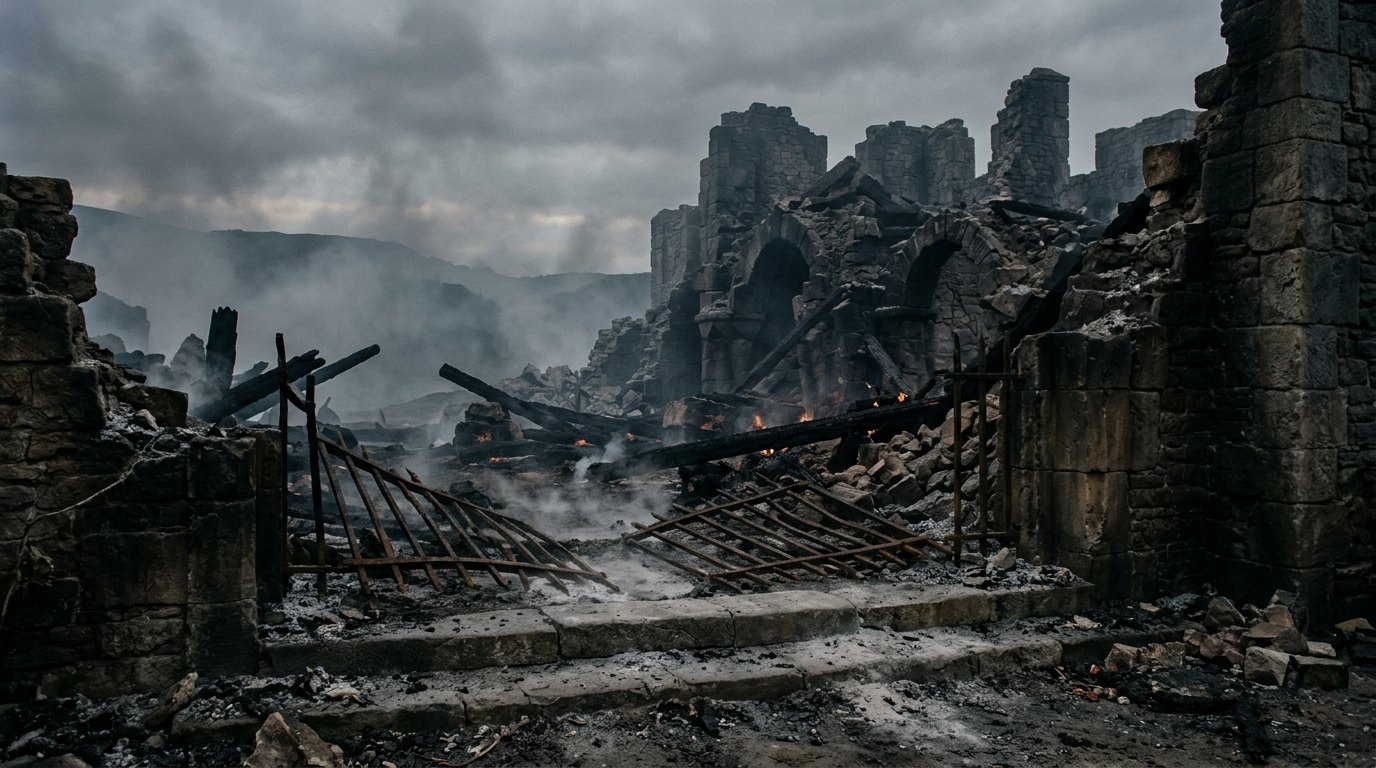
They set fire to God’s temple and broke down the wall of Jerusalem; they burned all the palaces and destroyed everything of value there.
2 Chronicles 36:19 (NIV)
It records the complete physical ruin of God's temple, Jerusalem's fortified walls, and the palaces of Judah by Babylonian fire.
The terrible climax of divine judgment arrived when the Chaldean army breached the walls, fulfilling the dread sentence in 2 Chronicles 36:19, which records that they burned the house of God, broke down the wall of Jerusalem, and consumed all its palaces with fire. Nebuchadnezzar showed no compassion on young man or maiden, old man or aged, slaughtering even within the sanctuary itself (2 Chronicles 36:17). The invaders seized all the golden vessels and treasures of the Lord's house, carrying them away as plunder into pagan storehouses (2 Chronicles 36:18). Those who escaped the sword were carried captive to Babylon as servants (2 Chronicles 36:20).
This devastation unfolded across successive, agonizing deportations. Nebuchadnezzar first besieged Jerusalem during the reign of Jehoiachin, carrying away the royal court, the mighty men of valor, and the skilled craftsmen (2 Kings 24:10-16). When King Zedekiah rebelled, the final siege starved the city, culminating in Zedekiah's capture, the slaughter of his sons before his eyes, his blinding, and the leveling of the city walls (2 Kings 25:1-11). Nebuzaradan stripped the great bronze pillars and left only the poorest of the land to till the soil, executing the chief priests at Riblah (2 Kings 25:12-21). Jeremiah preserved the sobering tally of the thousands marched away into exile across these distinct military sweeps (Jeremiah 52:28-30).
| Passage | What it says |
|---|---|
| 2 Chronicles 36:17 | God delivered Judah to the Chaldeans, who mercilessly slaughtered the young, the virgin, and the infirm in the sanctuary. |
| 2 Chronicles 36:18 | Nebuchadnezzar seized all the vessels and treasures of the Lord's house, the king, and the princes, transporting them to Babylon. |
| 2 Chronicles 36:19 | The invading Chaldean army burned the temple of God, broke down Jerusalem's walls, and consumed all its palaces with fire. |
| 2 Chronicles 36:20 | The survivors of the sword were carried captive to Babylon, serving as vassals until the kingdom of Persia arose. |
| 2 Kings 24:10-16 | Nebuchadnezzar besieges Jerusalem and carries King Jehoiachin, nobles, warriors, and craftsmen into the first major deportation. |
| 2 Kings 25:1-11 | Jerusalem falls after a long siege; the temple and city walls are burned, and Zedekiah is captured and blinded. |
| 2 Kings 25:12-21 | The Babylonians loot the temple bronze, execute Judah's chief priests, and leave only the poorest behind. |
| Jeremiah 52:28-30 | Jeremiah records the exact tallies of Jewish exiles deported to Babylon across three distinct waves. |
The Appointed Term
Seventy Years of Desolation and Sabbath Rest

The land enjoyed its sabbath rests; all the time of its desolation it rested, until the seventy years were completed in fulfillment of the word of the LORD spoken by Jeremiah.
2 Chronicles 36:21 (NIV)
This verse establishes that the duration of the exile was precise divine retribution, fulfilling Jeremiah's prophecy while the land kept its missed Sabbaths.
The duration of the exile was neither arbitrary nor unending; it was governed by holy decree, as 2 Chronicles 36:21 explains that the land lay desolate to fulfill the word of the Lord by the mouth of Jeremiah, until the land had enjoyed her Sabbaths. For centuries, the kings and people had greedily disregarded the sabbatical rest commanded by the Mosaic law. Moses had prophesied that if Israel refused to honor God's ordinances, the land would lie desolate and enjoy its Sabbaths while the people lived in the land of their enemies (Leviticus 26:34-35). Every neglected sabbatical year was accounted for and demanded by divine justice.
Yet this strict boundary also established an inviolable limit to the judgment. The prophet Jeremiah had announced that the whole land would become a ruin and a waste, serving the king of Babylon for precisely seventy years before Babylon itself would be judged (Jeremiah 25:11-12). Through Jeremiah, the Lord promised that after seventy years were completed, He would visit His people and fulfill His good promise to bring them back to their home (Jeremiah 29:10). Decades later, Daniel searched the sacred scrolls and understood from the word of the Lord to Jeremiah that the desolation of Jerusalem would last seventy years, moving him to plead for the appointed restoration (Daniel 9:1-2).
| Passage | What it says |
|---|---|
| 2 Chronicles 36:21 | The land lay desolate for seventy years to fulfill Jeremiah's prophecy and enjoy the Sabbath rests previously denied it. |
| Jeremiah 29:10 | The Lord pledged that once seventy full years were completed for Babylon, He would visit His people and bring them home. |
| Leviticus 26:34-35 | The law decreed that exile would force the desolate land to rest and enjoy the Sabbaths Israel had broken. |
| Jeremiah 25:11-12 | Jeremiah prophesies that the land will serve Babylon for seventy years before Babylon itself is judged. |
| Daniel 9:1-2 | Daniel discerns from Jeremiah's writings that the desolations of Jerusalem must last seventy years. |
Life in Exile
Life and Faith in the Heart of Babylon
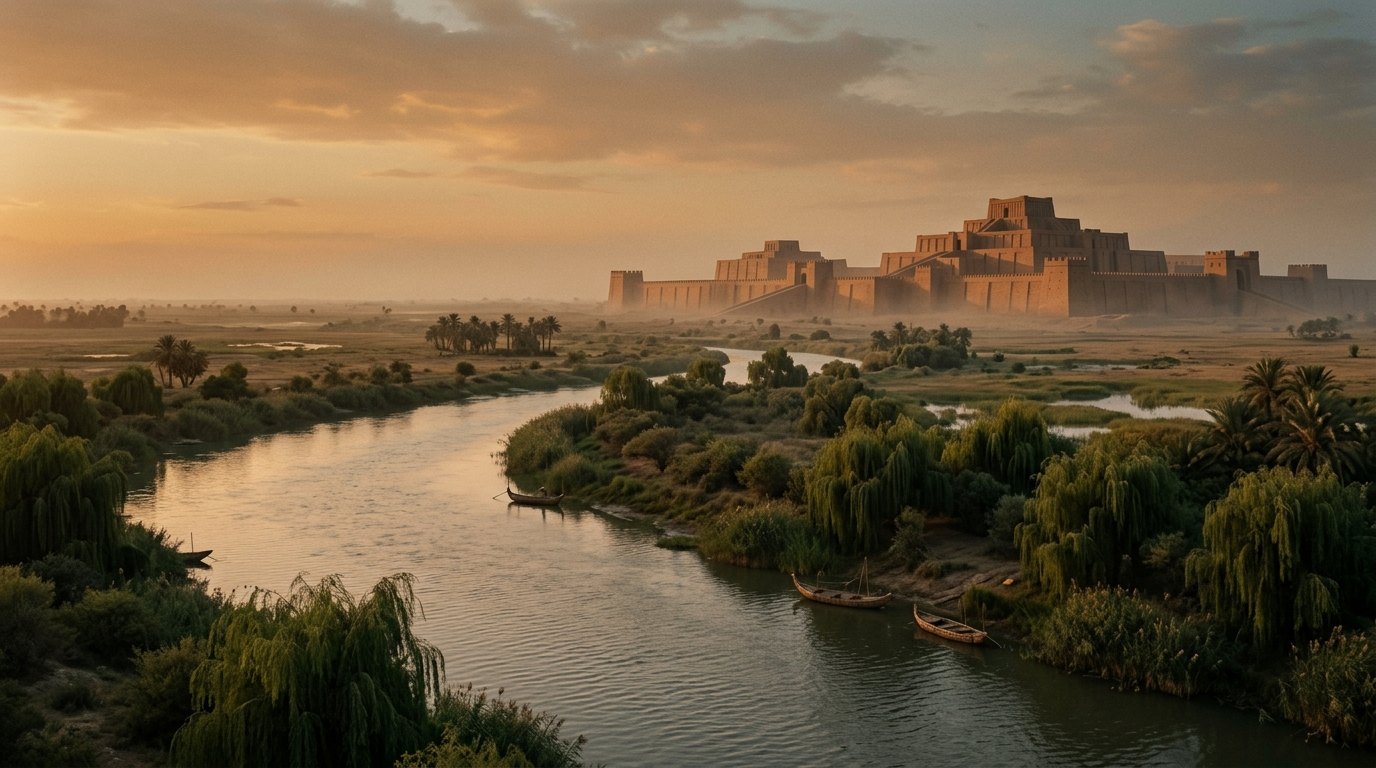
By the rivers of Babylon we sat and wept when we remembered Zion.
Psalms 137:1 (NIV)
It captures the grief, dislocation, and steadfast memory of Zion that defined the exile.
Exile forged a people stripped of temple and land, captured movingly in Psalms 137:1, where the captives wept beside the rivers of Babylon when they remembered Zion. Their captors demanded songs of mirth, but the exiles hung their lyres upon the poplars, swearing that their right hands should wither and their tongues cling to the roof of their mouths before they forgot Jerusalem (Psalms 137:2-6). Yet far from abandoning His people in a foreign empire, God sent word through Jeremiah commanding them to build houses, plant gardens, marry, and seek the peace of the city where they were exiled, praying for its welfare (Jeremiah 29:4-7).
Even in exile, God revealed His glory and sustained His covenant line. By the Chebar Canal, Ezekiel witnessed breathtaking visions of the divine chariot-throne, proving that the Lord's presence was not confined to Jerusalem (Ezekiel 1:1-3). In the royal court, Daniel and his companions resolved not to defile themselves with the king's delicacies, standing faithful in the midst of pagan pressures and receiving wisdom from God (Daniel 1:1-7). Even King Jehoiachin, after decades in a Babylonian dungeon, was lifted up by Evil-merodach, given royal garments, and granted a seat at the king's table (2 Kings 25:27-30)—a visible sign that the Davidic line remained alive under God's sovereign care.
| Passage | What it says |
|---|---|
| Psalms 137:1-6 | The exiles weep by the rivers of Babylon, hanging up their harps and refusing to forget Jerusalem. |
| Jeremiah 29:4-7 | God commands the exiles to build houses, plant gardens, marry, and seek the welfare of Babylon. |
| Ezekiel 1:1-3 | Ezekiel sees heavenly visions while dwelling among the Jewish exiles by the Chebar Canal. |
| Daniel 1:1-7 | Daniel and his companions are carried to Babylon and trained in the royal court while maintaining covenant purity. |
| 2 Kings 25:27-30 | Evil-merodach releases Jehoiachin from prison and gives him a seat of honor at the Babylonian table. |
The Restoration
The Persian Decree and the Road Home

In the first year of Cyrus king of Persia, in order to fulfill the word of the LORD spoken by Jeremiah, the LORD moved the heart of Cyrus king of Persia to make a proclamation throughout his realm and also to put it in writing:
Ezra 1:1 (NIV)
It shows God sovereignly fulfilling His word through the Persian empire to end the exile.
The conclusion of the Babylonian captivity stands as an astonishing monument to divine sovereignty, pivoting entirely on Ezra 1:1, where the Lord stirred the heart of Cyrus king of Persia to fulfill the prophetic word spoken through Jeremiah. God proved that earthly empires rise and fall entirely at His bidding, turning the mightiest monarch of the ancient world into an instrument of grace toward His covenant people.
Centuries before Cyrus ascended the Persian throne, God had already declared his exact role and identity. In Isaiah 44:28, the Lord named Cyrus as His shepherd who would perform His pleasure, commanding Jerusalem to be rebuilt and the temple foundations laid. The prophet amplified this decree in Isaiah 45:1-4, designating Cyrus as His anointed instrument whom God took by the right hand to subdue nations and dismantle kingdoms, specifically so that Israel, God's chosen servant, would be released from captivity.
The historical realization of these ancient promises is recorded with precise detail at the close of the Hebrew canon and the opening of the restoration books. As documented in 2 Chronicles 36:22-23, Cyrus published a royal herald across his entire realm, declaring that the God of heaven had charged him to build a house in Jerusalem and authorizing any of God's people to journey home. This monumental decree is restated in Ezra 1:1-4, complete with provisions for neighboring peoples to support the departing remnant with silver, gold, goods, and freewill offerings. Obedient to this imperial charter and divine summons, a consecrated company stepped forward in Ezra 2:1-2, led by Zerubbabel and Jeshua, turning their faces away from the rivers of Babylon to march back across the desert toward Judah, restoring worship in the land of promise.
| Passage | What it says |
|---|---|
| 2 Chronicles 36:22-23 | Cyrus of Persia issues a royal proclamation permitting the Jewish exiles to return and rebuild the temple. |
| Ezra 1:1-4 | The decree of Cyrus fulfills Jeremiah's prophecy and authorizes the return to Jerusalem. |
| Ezra 2:1-2 | Zerubbabel and Jeshua lead the first company of exiles back to Judah and Jerusalem. |
| Isaiah 44:28 | God names Cyrus in advance as His shepherd who will order Jerusalem and the temple rebuilt. |
| Isaiah 45:1-4 | The Lord anoints Cyrus to subdue nations and release God's exiled people without price or reward. |
Where in the Bible
| Book | Passages |
|---|---|
| Leviticus | 1 · Leviticus 26:34-35 |
| Deuteronomy | 1 · Deuteronomy 28:63-68 |
| Judges | 1 · Judges 10:16 |
| 2 Kings | 6 · 2 Kings 21:10-15, 2 Kings 24:1-4, 2 Kings 24:10-16, 2 Kings 25:1-11, 2 Kings 25:12-21, 2 Kings 25:27-30 |
| 2 Chronicles | 9 · 2 Chronicles 36:15, 2 Chronicles 36:16, 2 Chronicles 24:18-21, 2 Chronicles 36:17, 2 Chronicles 36:18, 2 Chronicles 36:19, 2 Chronicles 36:20, 2 Chronicles 36:21, 2 Chronicles 36:22-23 |
| Ezra | 2 · Ezra 1:1-4, Ezra 2:1-2 |
| Psalms | 1 · Psalms 137:1-6 |
| Isaiah | 2 · Isaiah 44:28, Isaiah 45:1-4 |
| Jeremiah | 8 · Jeremiah 7:13, Jeremiah 7:25, Jeremiah 25:3-4, Jeremiah 35:15, Jeremiah 52:28-30, Jeremiah 29:10, Jeremiah 25:11-12, Jeremiah 29:4-7 |
| Ezekiel | 1 · Ezekiel 1:1-3 |
| Daniel | 2 · Daniel 9:1-2, Daniel 1:1-7 |
The story in order
- God sends prophets to warn Judah (c. 700-586 BC) · 2 Chronicles 36:15 · God's persistent warnings show His compassion despite Judah's sin.
- Judah rejects God's messengers (c. 700-586 BC) · 2 Chronicles 36:16 · Mockery and scoffing led to God's irremediable wrath.
- Manasseh's idolatry and bloodshed (c. 686-642 BC) · 2 Kings 21:10-15 · Egregious sin led to God's declaration of Jerusalem's destruction.
- Moses warns of covenant unfaithfulness (c. 1400 BC) · Deuteronomy 28:63-68 · Prophecy of exile and scattering for breaking God's covenant.
- First Babylonian raids begin (c. 605 BC) · 2 Kings 24:1-4 · Judah's sins, especially Manasseh's, led to Babylonian incursions.
- First deportation of exiles (c. 597 BC) · 2 Kings 24:10-16 · Nebuchadnezzar besieges Jerusalem and deports King Jehoiachin and others.
- Jerusalem falls and is destroyed (c. 586 BC) · 2 Kings 25:1-11 · Temple and city walls burned, King Zedekiah blinded and captured.
- Survivors carried captive to Babylon (c. 586 BC) · 2 Chronicles 36:20 · The remaining people served as vassals in Babylon.
- Seventy years of desolation begin (c. 586-516 BC) · 2 Chronicles 36:21 · The land rested to fulfill prophecy and enjoy denied Sabbaths.
- Ezekiel receives visions in exile (c. 593 BC) · Ezekiel 1:1-3 · God's glory is revealed even to the exiles by the Chebar Canal.
- Daniel and companions in Babylon (c. 605 BC) · Daniel 1:1-7 · Exiles trained in the royal court, maintaining covenant purity.
- Jerusalem's desolation period ends (c. 538 BC) · Jeremiah 29:10 · God promises to visit His people after seventy years.
- Cyrus decrees the temple rebuilt (c. 538 BC) · 2 Chronicles 36:22-23 · Fulfillment of prophecy, allowing the exiles to return.
- First exiles return to Jerusalem (c. 537 BC) · Ezra 2:1-2 · Zerubbabel and Jeshua lead the first wave of returnees.
God's Judgment and Faithfulness
| Sin and Warning | Judgment and Exile | Faithfulness and Restoration | Passage |
|---|---|---|---|
| Persistent idolatry and rejection of prophets | Divine wrath arises without remedy | God's compassion and sending of messengers | 2 Chronicles 36:15-16 |
| Manasseh's egregious idolatry and bloodshed | Jerusalem's destruction and deportation | God preserves a remnant for redemption | |
| Breaking covenant leads to exile | Seventy years of land desolation | God's promise to bring them home |
Key words
- Exile (גָּלוּת (galut))
- The state of being forcibly removed from one's native land. · 2 Chronicles 36:20
- Idolatry (עֲבוֹדָה זָרָה (avodah zarah))
- Worship of idols or false gods. · 2 Kings 21:10-15
- Prophets (נָבִיא (navi))
- Messengers sent by God to speak His word. · 2 Chronicles 36:15
- Wrath (חֵמָה (ḥemah))
- Divine anger against sin, leading to judgment. · 2 Chronicles 36:16
- Remnant (שְׁאֵרִית (she'erit))
- A small surviving group after a disaster. · 2 Kings 25:12
- Sabbath (שַׁבָּת (shabbat))
- A day of rest commanded by God; here, the land's rest. · Leviticus 26:34-35
The history of the Babylonian exile stands as a sobering monument to the holiness of God and the peril of persistent disobedience. Yet even in wrath, God remembered mercy, setting an exact bound of seventy years and preserving the lineage through which the promised Savior would come. Believers today are reminded to hear God's voice without delay, trusting entirely in His steadfast promises and sovereign rule over all history.
34 passages, each cited once.
Scripture cited
- 2 Chronicles 36:15-21
- Jeremiah 7:13
- Jeremiah 35:15
- Jeremiah 25:3-4
- Judges 10:16
- 2 Chronicles 24:18-21
- Jeremiah 7:25