Who was Peter?

Matthew 16:13-19
13 When Jesus came to the region of Caesarea Philippi, he asked his disciples, “Who do people say the Son of Man is?”
14 They replied, “Some say John the Baptist; others say Elijah; and still others, Jeremiah or one of the prophets.”
15 “But what about you?” he asked. “Who do you say I am?”
16 Simon Peter answered, “You are the Messiah, the Son of the living God.”
17 Jesus replied, “Blessed are you, Simon son of Jonah, for this was not revealed to you by flesh and blood, but by my Father in heaven.
18 And I tell you that you are Peter, and on this rock I will build my church, and the gates of Hades will not overcome it.
19 I will give you the keys of the kingdom of heaven; whatever you bind on earth will be bound in heaven, and whatever you loose on earth will be loosed in heaven.”
New International Version (NIV)
The answer
Peter was Simon, a Galilean fisherman whom Jesus called, renamed, and appointed as one of the twelve apostles. He became a prominent witness of Jesus’ resurrection, a leading preacher in the early church, and the writer of the two New Testament letters bearing his name.
- His name and calling: Andrew brought his brother Simon to Jesus, who told him that he would be called Cephas, interpreted as Peter (John 1:40-42). Jesus later called Simon and Andrew while they were fishing, saying, “Come after me, and I will make you fishers for men.” They immediately left their nets and followed Him (Matthew 4:18-20).
- His place among the apostles: The list of the twelve begins with “Simon, who is called Peter” (Matthew 10:2). At Caesarea Philippi, Peter confessed to Jesus, “You are the Christ, the Son of the living God” (Matthew 16:16). Jesus said that the Father had revealed this truth to him, then spoke of building His assembly and giving Peter the keys of the Kingdom of Heaven (Matthew 16:17-19).
- His commission and ministry: After His resurrection, Jesus three times commissioned Peter to feed or tend His sheep, concluding with the command, “Follow me” (John 21:15-19). At Pentecost, Peter stood with the other apostles and proclaimed that Jesus had been crucified and raised from the dead. He called the crowd to repent and be baptized, and about three thousand people were added that day (Acts 2:14-41). Paul later described Peter’s apostleship as directed especially to the Jewish people and named Cephas among the “pillars” of the church (Galatians 2:7-9).
- His writings: First Peter opens by identifying its writer as “Peter, an apostle of Jesus Christ” (1 Peter 1:1), while Second Peter begins, “Simon Peter, a servant and apostle of Jesus Christ” (2 Peter 1:1).
Peter therefore was not merely one of Jesus’ followers: he was a personally called apostle, a confessor of Jesus’ identity as Christ and Son of God, and a shepherd and preacher entrusted with proclaiming the gospel.
Answered from Scripture · reviewed November 11, 2026
Simon Peter was a Galilean fisherman called by Jesus Christ to lead His apostles and serve as the foremost spokesman of the early church. From his bold confession at Caesarea Philippi to his bitter denial and tender restoration, Peter exemplifies God's transforming grace working through a fragile human vessel. His life traces the journey of a passionate disciple forged into an unyielding pillar of the new covenant community.
The Galilean Fisherman
Called from Nets to Follow the Master

As Jesus was walking beside the Sea of Galilee, he saw two brothers, Simon called Peter and his brother Andrew. They were casting a net into the lake, for they were fishermen. “Come, follow me,” Jesus said, “and I will send you out to fish for people.” At once they left their nets and followed him.
Matthew 4:18-20 (NIV)
It captures the immediate, life-altering call of Simon and Andrew as they abandon their livelihood to follow Jesus.
In Matthew 4:18-20, Simon Peter's life is reoriented forever by a single authoritative summons from Jesus Christ: "Follow me, and I will make you fishers of men." Peter was a working fisherman from Bethsaida, laboring out of Capernaum on the Sea of Galilee. John 1:40-42 records his initial introduction to Jesus through his brother Andrew, where the Lord looked upon him and declared, "You shall be called Cephas" (which is translated Peter, or rock). Yet it was beside the Galilean waters that Christ formally called him into full-time discipleship, as described in both Matthew 4:18-20 and Mark 1:16-18, where the brothers immediately left their nets behind.
The radical nature of this call unfolds vividly in Luke 5:1-11. After an exhausting and fruitless night of fishing, Jesus commanded Peter to let down his nets into the deep. The resulting haul was so immense that their nets began to break, compelling Peter to fall at Jesus' knees in holy terror, exclaiming, "Depart from me, for I am a sinful man, O Lord." Instead of departing, Jesus calmed his fears and called him into a greater harvest: catching living souls for the kingdom of God.
This calling quickly entered Peter's household. In Matthew 8:14-15 and Mark 1:29-31, Jesus entered Peter's home in Capernaum and healed his mother-in-law of a debilitating fever, touching her hand so that she immediately rose to serve them. Through these early encounters, Peter witnessed Christ's divine authority over nature, illness, and human vocations, binding his heart to the Master whose call demanded everything.
| Passage | What it says |
|---|---|
| John 1:40-42 | Andrew brings his brother Simon to Jesus, who gives him the name Cephas, meaning Peter or rock. |
| Matthew 4:18-20 | Jesus calls Peter and Andrew while casting their nets in Galilee, promising to make them fishers of men. |
| Luke 5:1-11 | After a miraculous catch of fish, Peter confesses his sinfulness, and Jesus calls him to catch men. |
| Matthew 8:14-15 | Jesus enters Peter's home in Capernaum and heals his mother-in-law of a severe fever. |
| Mark 1:16-18 | Mark's account of Jesus calling Simon and Andrew beside the Sea of Galilee to become fishers of men. |
| Mark 1:29-31 | Jesus enters Simon Peter's home in Capernaum and immediately heals Simon's mother-in-law of her fever. |
The Apostolic Leader
First Among the Twelve and Inner Circle

These are the names of the twelve apostles: first, Simon (who is called Peter) and his brother Andrew; James son of Zebedee, and his brother John;
Matthew 10:2 (NIV)
It explicitly names Peter as the first among the twelve apostles chosen by the Lord.
Matthew 10:2 names Peter explicitly as the first among the twelve: "first, Simon, who is called Peter." Across the apostolic lists found in Mark 3:16 and Luke 6:14, Peter consistently stands at the head, functioning as the natural leader and spokesman for the band of disciples. Christ drew him into an intimate inner circle alongside the brothers James and John. Only this select trio was permitted to enter the home of Jairus to witness the raising of his daughter from the dead (Mark 5:37), and they alone climbed the holy mountain to behold the radiant glory of Christ's Transfiguration (Matthew 17:1-4).
Peter's relationship with Christ was marked by impulsive daring matched with profound human frailty. When Jesus walked toward the disciples upon the storm-tossed Sea of Galilee, Peter boldly stepped out onto the water at the Master's invitation, only to sink beneath the waves the moment he fixed his eyes upon the fierce wind (Matthew 14:28-31). In domestic and communal matters, Peter frequently acted as the bridge between Christ and the community: inquiring about the temple tax and catching the fish that miraculously held the coin (Matthew 17:24-27), asking how often he must extend forgiveness to an offending brother (Matthew 18:21-22), and privately questioning Jesus on the Mount of Olives concerning the end of the age (Mark 13:3-4). Even in the garden of Gethsemane, when Jesus grieved unto death, He specifically singled out Simon, urging him to watch and pray lest he enter into temptation (Mark 14:37-38).
| Passage | What it says |
|---|---|
| Matthew 10:2 | Peter is listed first among the twelve apostles appointed by Jesus Christ. |
| Mark 5:37 | Peter, James, and John are the only disciples permitted to witness the raising of Jairus's daughter. |
| Matthew 17:1-4 | Peter accompanies Jesus on the Mount of Transfiguration and witnesses His radiant divine glory. |
| Matthew 14:28-31 | Peter steps out of the boat to walk on water toward Jesus before sinking in fear. |
| Mark 3:16 | Jesus appoints the twelve apostles and explicitly gives Simon the surname Peter. |
| Luke 6:14 | Luke places Simon, whom Jesus named Peter, first in the list of the twelve apostles. |
| Matthew 17:24-27 | Peter is approached about the temple tax, and Jesus instructs him to catch a fish containing the exact coin. |
| Matthew 18:21-22 | Peter asks how often he should forgive a brother, prompting Jesus' teaching on seventy-sevenfold forgiveness. |
| Mark 13:3-4 | Peter sits on the Mount of Olives with James, John, and Andrew asking Jesus concerning the end of the age. |
| Mark 14:37-38 | Jesus finds Simon sleeping in Gethsemane and addresses him directly, urging him to watch and pray. |
The Great Confession
The Rock and Keys of the Kingdom

Simon Peter answered, “You are the Messiah, the Son of the living God.” Jesus replied, “Blessed are you, Simon son of Jonah, for this was not revealed to you by flesh and blood, but by my Father in heaven. And I tell you that you are Peter, and on this rock I will build my church, and the gates of Hades will not overcome it. I will give you the keys of the kingdom of heaven; whatever you bind on earth will be bound in heaven, and whatever you loose on earth will be loosed in heaven.”
Matthew 16:16-19 (NIV)
It records Peter's landmark confession of Christ and Jesus' foundational declaration regarding the church.
At Caesarea Philippi, Peter made the confession upon which the identity of the church rests, recorded in Matthew 16:16-19: "You are the Christ, the Son of the living God." While popular opinion vacillated between John the Baptist, Elijah, or Jeremiah, Peter spoke with absolute clarity by divine illumination. Jesus declared him blessed, affirming that flesh and blood had not revealed this truth to him, but the Father in heaven. Bestowing upon him the name Peter—the rock—Jesus promised, "On this rock I will build my church, and the gates of hell shall not prevail against it," entrusting him with the keys of the kingdom of heaven.
Mark 8:27-30 and Luke 9:18-21 preserve this same crucial confession, illustrating that Peter understood the singular Messianic identity of Jesus of Nazareth. Earlier, when crowds abandoned Christ after His hard discourse on the bread of life, Peter served as the voice of enduring faith in John 6:68-69: "Lord, to whom shall we go? You have the words of eternal life, and we have believed, and have come to know, that you are the Holy One of God."
Yet Peter's understanding remained incomplete until the cross. Immediately after his great confession, Jesus began showing His disciples that He must suffer, be killed, and be raised. Horrified, Peter rebuked the Lord, prompting Christ's stinging reprimand in Matthew 16:21-23: "Get behind me, Satan! You are a hindrance to me. For you are not setting your mind on the things of God, but on the things of man." The rock had stumbled over the necessity of the cross.
| Passage | What it says |
|---|---|
| Matthew 16:13-16 | Peter confesses Jesus as the Christ, the Son of the living God, at Caesarea Philippi. |
| Matthew 16:17-19 | Jesus blesses Peter, calls him the rock, and promises him the keys of the kingdom of heaven. |
| Matthew 16:21-23 | Peter rebukes Jesus concerning His impending death, drawing a sharp rebuke from the Lord. |
| John 6:68-69 | Peter declares that Jesus alone has the words of eternal life when other followers turn back. |
| Mark 8:27-30 | Mark's record of Peter declaring Jesus to be the Christ at Caesarea Philippi. |
| Luke 9:18-21 | Luke's record of Peter confessing Jesus as the Christ of God. |
Fall and Restoration
Broken by Denial, Restored by Grace

When they had finished eating, Jesus said to Simon Peter, “Simon son of John, do you love me more than these?” “Yes, Lord,” he said, “you know that I love you.” Jesus said, “Feed my lambs.” Again Jesus said, “Simon son of John, do you love me?” He answered, “Yes, Lord, you know that I love you.” Jesus said, “Take care of my sheep.” The third time he said to him, “Simon son of John, do you love me?” Peter was hurt because Jesus asked him the third time, “Do you love me?” He said, “Lord, you know all things; you know that I love you.” Jesus said, “Feed my sheep.
John 21:15-17 (NIV)
It shows the risen Christ three times asking Peter of his love and restoring him to shepherd the flock.
In John 21:15-17, the risen Savior lovingly mended the heart of His broken apostle, asking him three times, "Simon, son of John, do you love me?" Peter had fallen precipitously on the night of the betrayal. In the upper room, he had first resisted Christ's servant ministry before demanding that his hands and head be washed as well (John 13:6-10). Despite Jesus warning that Satan had demanded to sift him like wheat, Peter proudly boasted that he would die rather than deny Him (Matthew 26:33-35; Luke 22:31-34). In Gethsemane, he rashly drew a sword and struck the high priest's servant (John 18:10-11). Yet hours later, in the high priest's courtyard, he cursed and swore that he did not know the man, breaking down into bitter weeping the moment the rooster crowed and the Lord turned to look upon him (Matthew 26:69-75; Luke 22:61-62).
Grace, however, had the final word. At the empty tomb, the angel specifically commanded the women to tell "his disciples and Peter" that Jesus went before them to Galilee (Mark 16:7). Peter outran the other disciple to enter the empty sepulcher, beholding the neatly folded linen wrappings (John 20:3-10). The risen Christ granted Peter a private appearance before revealing Himself to the Twelve (Luke 24:34; 1 Corinthians 15:5).
Beside the Sea of Tiberias, before a charcoal fire matching the courtyard of his denial, Jesus matched Peter's three denials with three commissions: "Feed my lambs," "Tend my sheep," and "Feed my sheep" (John 21:15-17). Foretelling that Peter would eventually stretch out his hands in martyrdom to glorify God, Christ concluded with the identical summons that began his journey: "Follow me" (John 21:18-19).
| Passage | What it says |
|---|---|
| Matthew 26:33-35 | Peter adamantly boasts that he will never fall away or deny Jesus, even unto death. |
| John 18:10-11 | Peter draws his sword in Gethsemane and cuts off the ear of the high priest's servant. |
| Matthew 26:69-75 | Peter denies knowing Jesus three times before weeping bitterly when the rooster crows. |
| Luke 24:34 | The disciples testify that the risen Lord appeared privately to Simon Peter. |
| John 21:15-17 | Jesus restores Peter beside the Sea of Tiberias, commissioning him to feed and tend His sheep. |
| Luke 22:31-34 | Jesus reveals Satan demanded to sift Peter like wheat, but Jesus prayed that his faith would not fail. |
| John 13:6-10 | Peter initially objects to Jesus washing his feet before pleading for his hands and head to be washed too. |
| Luke 22:61-62 | The Lord turns and looks at Peter immediately after the rooster crows, and Peter weeps bitterly. |
| John 20:3-10 | Peter runs with the other disciple to the empty tomb, enters it, and observes the linen wrappings. |
| Mark 16:7 | The angel at the tomb specifically instructs the women to tell Jesus' disciples 'and Peter' that He goes before them. |
| 1 Corinthians 15:5 | Paul records that the risen Christ appeared specifically to Cephas before appearing to the Twelve. |
| John 21:18-19 | Jesus foretells by what kind of death Peter would glorify God, then commands him to follow Him. |
Apostle to the Nations
Opening Gospel Doors to the World
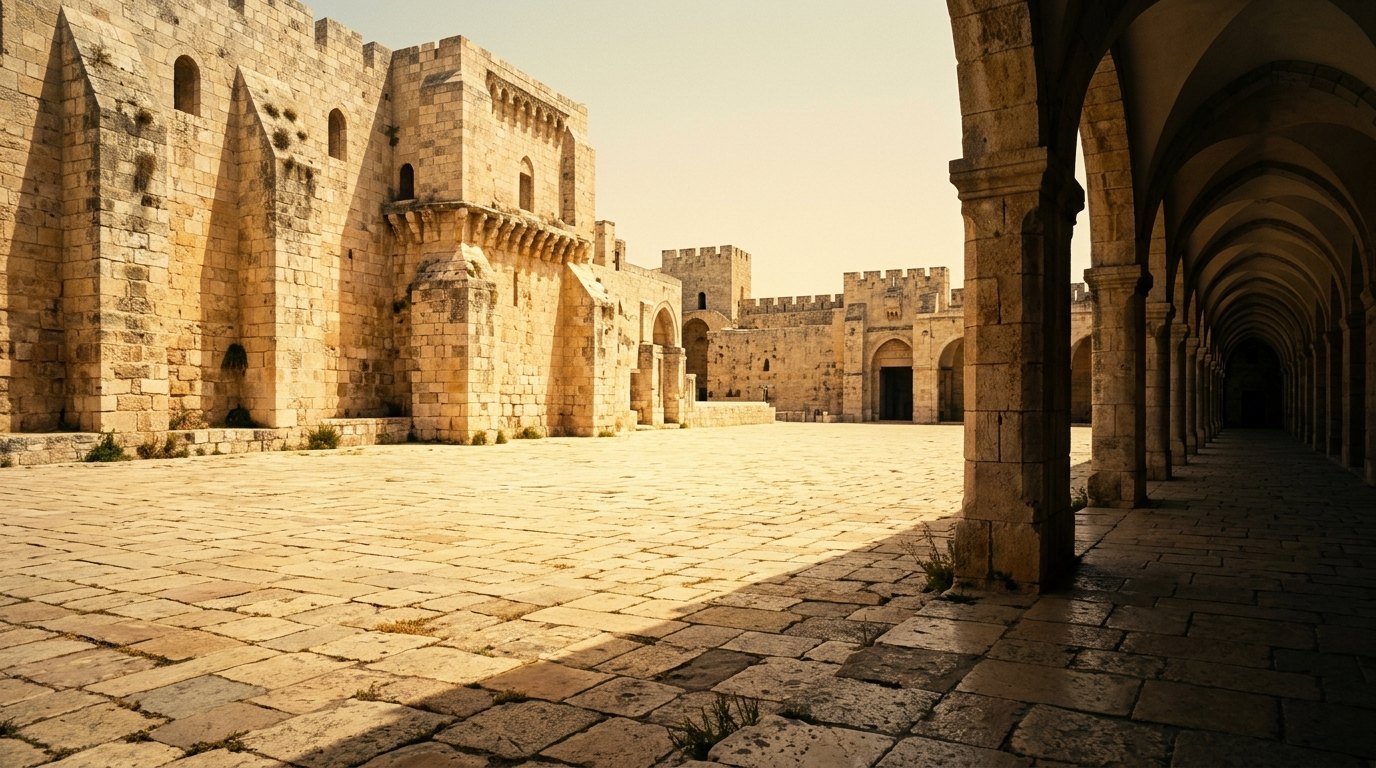
Then Peter stood up with the Eleven, raised his voice and addressed the crowd: “Fellow Jews and all of you who live in Jerusalem, let me explain this to you; listen carefully to what I say. These people are not drunk, as you suppose. It’s only nine in the morning! No, this is what was spoken by the prophet Joel: “ ‘In the last days, God says, I will pour out my Spirit on all people. Your sons and daughters will prophesy, your young men will see visions, your old men will dream dreams. Even on my servants, both men and women, I will pour out my Spirit in those days, and they will prophesy. I will show wonders in the heavens above and signs on the earth below, blood and fire and billows of…
Acts 2:14-41 (NIV)
It exhibits Peter using the keys of the kingdom at Pentecost to preach Christ and inaugurate the church.
On the day of Pentecost, Acts 2:14-41 reveals Peter using the keys of the kingdom to proclaim the risen Christ, seeing three thousand souls baptized into the newly born church. This pivotal sermon fulfilled the mandate Christ had given him, marking the moment the once-fearful disciple stepped forward as the emboldened herald of the new covenant. Even prior to this outpouring, Peter had taken the lead among the disciples in Acts 1:15-26, guiding the community in selecting Matthias to replace Judas Iscariot. Power accompanied his preaching; in Acts 3:1-10, he commanded a lifelong beggar at the temple gate Beautiful to walk in the name of Jesus Christ of Nazareth. When arrested for this miracle, Acts 4:8-13 shows Peter confronting the Sanhedrin with unyielding courage, leaving the rulers stunned that uneducated fishermen could speak with such authority.
Peter’s leadership safeguarded the purity and supernatural power of the early assembly. In Acts 5:1-11, he confronted the lethal deceit of Ananias and Sapphira, preserving the holiness of the congregation, while Acts 5:15 records that believers placed the sick along the streets that his shadow might touch them. His ministry quickly expanded beyond Jerusalem. In Acts 8:14-25, Peter and John traveled to Samaria so that new converts might receive the Holy Spirit, sternly rebuking Simon the sorcerer for attempting to purchase God’s gift. In Lydda and Joppa, Acts 9:32-43 shows him healing paralyzed Aeneas and raising faithful Tabitha from death. God then sent him to Caesarea in Acts 10:34-48, where Peter opened the doors of faith to the Roman centurion Cornelius and his household as the Spirit fell on the Gentiles. Though Herod Agrippa later imprisoned him under heavy guard, Acts 12:1-19 recounts his miraculous deliverance by an angel while the church prayed fervently. Finally, at the Jerusalem Council in Acts 15:7-11, Peter stood to defend Gentile liberty, insisting that all are saved solely by grace. He carried this humble pastoral heart into his later years, exhorting fellow elders in 1 Peter 5:1-4 to shepherd God’s flock eagerly rather than domineering over them.
| Passage | What it says |
|---|---|
| Acts 1:15-26 | Peter stands among the believers to direct the selection of a successor to Judas Iscariot. |
| Acts 2:14-41 | Peter preaches the gospel boldly at Pentecost, resulting in three thousand souls being saved. |
| Acts 3:1-10 | Peter heals a lame beggar at the temple gate Beautiful in the name of Jesus. |
| Acts 10:34-48 | Peter preaches to Cornelius's household, opening the kingdom to Gentiles as the Holy Spirit falls. |
| Acts 15:7-11 | Peter defends the salvation of Gentiles by faith without legalistic burdens at the Jerusalem council. |
| 1 Peter 5:1-4 | Peter writes as a fellow elder exhorting shepherds to tend God's flock eagerly and humbly. |
| Acts 4:8-13 | Filled with the Holy Spirit, Peter boldly testifies before the Sanhedrin, who marvel at his unlearned courage. |
| Acts 5:1-11 | Peter exposes the deceit of Ananias and Sapphira concerning their property gift to the church. |
| Acts 5:15 | The sick are brought into the streets so that at least Peter's shadow might fall on some of them. |
| Acts 8:14-25 | Peter and John lay hands on Samaritans to receive the Holy Spirit, and Peter rebukes Simon the sorcerer. |
| Acts 9:32-43 | Peter heals the paralyzed Aeneas in Lydda and raises Tabitha from the dead in Joppa. |
| Acts 12:1-19 | Herod imprisons Peter, but an angel miraculously delivers him from prison while the church prays. |
Epistles and Final Testimony
His Epistles, Final Witness, and Intersecting Ministry with Paul
For we did not follow cleverly devised stories when we told you about the coming of our Lord Jesus Christ in power, but we were eyewitnesses of his majesty.
2 Peter 1:16 (NIV)
Peter anchors his apostolic authority not in myths but in having been an eyewitness of Christ's majesty.
In 2 Peter 1:16, Peter anchors his apostolic authority in having been an eyewitness of Christ’s majesty, declaring that the apostles did not follow cleverly devised myths when making known the power and coming of the Lord. Writing from the vantage of mature reflection and impending martyrdom, he reminded believers that the gospel rests upon historical reality witnessed with human eyes. This authority was recognized early by the wider church, as recorded in Galatians 1:18-19, when Paul visited Jerusalem to spend fifteen days with Cephas. Later, in Galatians 2:7-9, the pillars of the Jerusalem church—James, Cephas, and John—formally recognized Peter's entrusted mission to the circumcised, extending the right hand of fellowship to Paul’s ministry among the Gentiles. Yet Peter remained a fallible human being; Galatians 2:11-14 records that when Peter shrank back from eating with Gentile believers in Antioch out of fear of the circumcision party, Paul opposed him to his face, demonstrating that even the chief apostle was subject to the truth of the gospel.
Peter’s own letters reflect this deepened humility and unshakeable conviction. In 1 Peter 1:1-2, he addresses elect exiles scattered throughout Asia Minor, pointing suffering believers to a living hope and an imperishable inheritance kept in heaven. Opening his second letter in 2 Peter 1:1-2, he writes as a servant and apostle to those who have obtained a faith equal in value to his own through God's righteousness. Facing his approaching departure in 2 Peter 1:14-18, he recalls hearing the Father’s own voice on the holy mount of Transfiguration, assuring his readers that prophetic Scripture is fully reliable. In a remarkable testimony of unity in 2 Peter 3:15-16, he commends his beloved brother Paul, placing Paul's letters on par with the rest of inspired Scripture and leaving a legacy grounded entirely in God's sovereign truth.
| Passage | What it says |
|---|---|
| Galatians 1:18-19 | Paul recounts visiting Cephas in Jerusalem three years after his conversion, staying with him fifteen days. |
| Galatians 2:7-9 | James, Cephas, and John recognize Peter's apostleship to the circumcised and extend fellowship to Paul. |
| Galatians 2:11-14 | Paul opposes Cephas to his face in Antioch for withdrawing from Gentile fellowship out of fear. |
| 1 Peter 1:1-2 | Peter addresses his first epistle as an apostle of Jesus Christ to elect exiles dispersed throughout Asia Minor. |
| 2 Peter 1:1-2 | Symeon Peter writes as a servant and apostle of Jesus Christ to those who have obtained equal precious faith. |
| 2 Peter 1:14-18 | Peter anticipates his impending death and recounts witnessing Christ's majesty on the holy mountain. |
| 2 Peter 3:15-16 | Peter commends his beloved brother Paul, recognizing Paul's epistles alongside the rest of Scripture. |
Where in the Bible
| Book | Passages |
|---|---|
| Matthew | 12 · Matthew 4:18-20, Matthew 8:14-15, Matthew 10:2, Matthew 17:1-4, Matthew 14:28-31, Matthew 17:24-27, Matthew 18:21-22, Matthew 16:13-16, Matthew 16:17-19, Matthew 16:21-23, Matthew 26:33-35, Matthew 26:69-75 |
| Mark | 8 · Mark 1:16-18, Mark 1:29-31, Mark 5:37, Mark 3:16, Mark 13:3-4, Mark 14:37-38, Mark 8:27-30, Mark 16:7 |
| Luke | 6 · Luke 5:1-11, Luke 6:14, Luke 9:18-21, Luke 24:34, Luke 22:31-34, Luke 22:61-62 |
| John | 7 · John 1:40-42, John 6:68-69, John 18:10-11, John 21:15-17, John 13:6-10, John 20:3-10, John 21:18-19 |
| Acts | 11 · Acts 1:15-26, Acts 2:14-41, Acts 3:1-10, Acts 10:34-48, Acts 15:7-11, Acts 4:8-13, Acts 5:1-11, Acts 5:15, Acts 8:14-25, Acts 9:32-43, Acts 12:1-19 |
| 1 Corinthians | 1 · 1 Corinthians 15:5 |
| Galatians | 3 · Galatians 1:18-19, Galatians 2:7-9, Galatians 2:11-14 |
| 1 Peter | 2 · 1 Peter 5:1-4, 1 Peter 1:1-2 |
| 2 Peter | 3 · 2 Peter 1:1-2, 2 Peter 1:14-18, 2 Peter 3:15-16 |
The story in order
- Jesus calls Peter (c. AD 26) · Matthew 4:18-20 · Jesus calls Peter and Andrew to be his disciples.
- Peter's mother-in-law healed (c. AD 27) · Matthew 8:14-15 · Jesus heals Peter's mother-in-law in Capernaum.
- Peter walks on water (c. AD 29) · Matthew 14:28-31 · Peter steps out to walk on water but sinks in fear.
- Peter's great confession (c. AD 29) · Matthew 16:13-16 · Peter confesses Jesus as the Christ, the Son of God.
- Jesus predicts Peter's denial (c. AD 30) · Luke 22:31-34 · Jesus warns Peter that Satan will sift him.
- Peter denies Jesus (AD 30) · Matthew 26:69-75 · Peter denies Jesus three times before the rooster crows.
- Resurrected Jesus appears to Peter (AD 30) · Luke 24:34 · The risen Christ appears privately to Peter.
- Jesus restores Peter (AD 30) · John 21:15-17 · Jesus commissions Peter to 'feed my sheep'.
- Peter preaches at Pentecost (AD 30) · Acts 2:14-41 · Peter boldly preaches, leading to 3,000 conversions.
- Peter heals lame beggar (AD 30) · Acts 3:1-10 · Peter heals a beggar at the temple gate.
- Peter opens gospel to Gentiles (c. AD 33) · Acts 10:34-48 · Peter preaches to Cornelius, welcoming Gentiles.
- Peter at Jerusalem Council (c. AD 49) · Acts 15:7-11 · Peter defends Gentile salvation by faith.
- Peter writes First Epistle (c. AD 62-64) · 1 Peter 1:1-2 · Peter addresses scattered believers in Asia Minor.
- Peter writes Second Epistle (c. AD 65-67) · 2 Peter 1:1-2 · Peter anticipates his death and affirms Scripture.
Key words
- Cephas (kephas, Κηφᾶς)
- Aramaic for 'rock', the name Jesus gave to Simon. · John 1:42
- Peter (petros, πέτρος)
- Greek for 'rock', the translation of Cephas. · Matthew 16:18
- Apostle (apostolos, ἀπόστολος)
- One who is sent out, especially one of the twelve chosen by Jesus. · Matthew 10:2
- Disciple (mathētēs, μαθητής)
- A follower or learner, one who adheres to the teachings of a master. · Matthew 4:20
- Shepherd (poimēn, ποιμήν)
- One who tends, feeds, and guards sheep; metaphor for spiritual leader. · John 21:16
Peter's journey assures believers that profound failure is never the final word for those who belong to Christ. The same Savior who called an impulsive fisherman beside the Sea of Galilee restored him by grace and built His church through his faithful witness. In Peter, the church sees both the fragility of human nature and the supreme power of Christ to redeem, strengthen, and commission His servants.
53 passages, each cited once.
How the major Christian traditions read this
All Christian traditions confess that Simon Peter was a primary apostle of Jesus Christ, the first to confess Him as the Messiah and Son of the living God, and a foundational leader and author of Scripture in the early church (Matthew 16:16-18; Acts 2:14; 1 Peter 1:1).
Catholic
We revere Saint Peter as the prince of the apostles and the visible head of the Church on earth. Christ personally singled out Simon, renaming him Peter, declaring, "on this rock I will build my church," and bestowing upon him alone the keys of the kingdom of heaven (Matthew 16:18-19). Entrusted with Christ's flock after the resurrection ("Feed my sheep," John 21:15-17), Peter exercised a unique primacy of jurisdiction. This apostolic office did not perish with his martyrdom in Rome but continues through his legitimate successors, the Bishops of Rome, who shepherd the universal Church in Christ's name.
Scripture: Matthew 16:18-19, Luke 22:31-32, John 21:15-17
Orthodox
We venerate Saint Peter as the foremost apostle and the first among equals (primus inter pares), not a monarch over the Church. At Caesarea Philippi, Christ built His Church upon the solid rock of Peter's confession that Jesus is the Son of God, not upon his mortal person (Matthew 16:16-18). The power of binding and loosing given to Peter in Matthew 16:19 was equally given to all the apostles in Matthew 18:18. At the Jerusalem Council, James presided rather than Peter (Acts 15:13-19), and Paul withstood Peter to his face (Galatians 2:11), proving Peter possessed no supreme universal jurisdiction.
Scripture: Matthew 16:16-18, Matthew 18:18, Acts 15:13-19, Galatians 2:11, Matthew 16:19
Lutheran
We confess Peter as a chosen apostle and leader among the twelve, but reject the claim that he held supreme authority or transmitted a papal office. When Christ said, "on this rock I will build my church" (Matthew 16:18), He referred to the confession Peter had just uttered—that Jesus is the Christ. Christ alone is the Church's true rock and foundation (1 Corinthians 3:11). The office of the keys belongs to the entire Church of believers (Matthew 18:18; 1 Peter 2:9). Peter was a fellow elder (1 Peter 5:1) who fell, repented, and was restored purely by grace.
Scripture: Matthew 16:18, Matthew 18:18, 1 Corinthians 3:11, 1 Peter 5:1, 1 Peter 2:9
Reformed & Presbyterian
We honor Peter as an eminent apostle and pillar of the early church (Galatians 2:9), while upholding Jesus Christ as the sole Head and only foundation of the Church (Ephesians 1:22; 1 Corinthians 3:11). The "rock" in Matthew 16:18 is Peter's confession of Christ's divinity, or Christ Himself, not Peter's person or an enduring papal hierarchy. The authority of binding and loosing was delivered to the whole company of apostles and ministerial officers (Matthew 18:18; John 20:23). Scripture demonstrates apostolic parity, showing Peter sent by other apostles (Acts 8:14) and corrected by Paul (Galatians 2:11).
Scripture: Matthew 16:18, Acts 8:14, 1 Corinthians 3:11, Galatians 2:9-11, Ephesians 1:22
Anglican & Episcopal
We acknowledge Peter as a preeminent apostle and a historic leader who witnessed the resurrection and helped establish the church. Christ commended Peter's inspired confession of faith (Matthew 16:16-18), but apostolic ministry was shared collegially among all the apostles (John 20:21-23). While honoring Peter's pastoral charge (John 21:15-17), we hold that no single bishop possesses supreme universal jurisdiction by divine right, pointing to the conciliar leadership shown at Jerusalem (Acts 15:6-22). Peter exemplifies apostolic courage and human frailty, redeemed to shepherd the flock as a fellow elder (1 Peter 5:1-4).
Scripture: Matthew 16:16-18, Acts 15:6-22, John 20:21-23, 1 Peter 5:1-4, John 21:15-17
Baptist
We view Peter as a faithful apostle, preacher, and writer of Scripture, but not the sovereign head of the church. Jesus Christ is the sole Lord and Head of every local congregation (Colossians 1:18). In Matthew 16:18, the Church is founded on the rock of Peter's confession that Jesus is the Christ, as Scripture explicitly identifies Jesus as the chief cornerstone (1 Peter 2:4-7). Peter possessed no authority superior to the other apostles, and he claimed none for himself, describing himself simply as an apostle and fellow elder (1 Peter 1:1; 1 Peter 5:1).
Scripture: Matthew 16:16-18, Colossians 1:18, 1 Peter 1:1, 1 Peter 2:4-7, 1 Peter 5:1
Methodist & Wesleyan
We see Peter as a foremost disciple whose journey illustrates the transforming power of divine grace. From his bold confession (Matthew 16:16) to his tragic denial and subsequent restoration (John 21:15-17), Peter's life demonstrates sanctifying grace. Christ built His Church upon the truth of who He is—the Christ, the Son of the living God—not upon an earthly dynastic office. Peter served as a leading preacher among the apostles at Pentecost (Acts 2:14-41), calling all people to repentance, holiness, and active faith in the risen Savior.
Scripture: Matthew 16:16-18, Luke 22:31-34, John 21:15-17, Acts 2:14-41, Matthew 16:16
Pentecostal & Charismatic
We recognize Peter as an apostle powerfully anointed by the Holy Spirit to proclaim the gospel of the kingdom. At Pentecost, Peter stood filled with the Holy Ghost to explain the prophetic fulfillment of Joel's promise, calling the crowds to repent, receive baptism, and receive the gift of the Holy Spirit (Acts 2:1-39). The "rock" of Matthew 16:18 is divine revelation given by the Father and the confession of Jesus as the Messiah. Peter was a Spirit-filled vessel who operated in signs and wonders (Acts 3:1-10; 5:12-16) while pointing all glory to Jesus.
Scripture: Matthew 16:17-18, Acts 2:1-39, Acts 3:1-10, Acts 5:12-16, Matthew 16:18
Non-denominational & Evangelical
We understand Peter as a key apostle, foundational New Testament leader, and inspired author, whose life displays God's grace to flawed believers. Jesus renamed Simon to show his role, yet Jesus Christ Himself remains the only foundation and cornerstone of the Church (1 Corinthians 3:11; Ephesians 2:20). The rock in Matthew 16:18 is Peter's confession that Jesus is the Messiah and Son of the living God. Peter preached the gospel boldly at Pentecost (Acts 2), led believers to follow Christ, and directed everyone's allegiance strictly to the Lord Jesus.
Scripture: Matthew 16:16-18, Acts 2:14-38, 1 Corinthians 3:11, Ephesians 2:20, Matthew 16:18
Where they differ
The rock in Matthew 16:18
- Catholic
- Peter's person and the enduring papal office established upon him.
- Orthodox
- Peter's confession of faith in Christ, shared by the apostles.
- Lutheran
- Peter's confession that Jesus is the Christ, the true rock.
- Reformed & Presbyterian
- The confession of Christ's identity, with Christ as the sole foundation.
- Anglican & Episcopal
- Peter's confession of Christ, though honoring his personal prominence.
- Baptist
- Peter's confession of Christ as Messiah; Christ alone is cornerstone.
- Methodist & Wesleyan
- The revealed truth that Jesus is the Christ, the Son of God.
- Pentecostal & Charismatic
- Divine revelation of Jesus Christ as Lord and Savior.
- Non-denominational & Evangelical
- The truth that Jesus is the Christ, Son of the living God.
Scripture: Matthew 16:16-18, 1 Corinthians 3:11, Ephesians 2:20, 1 Peter 2:4-6
Peter's authority and jurisdiction
- Catholic
- Supreme universal jurisdiction over the entire Church transmitted to his successors.
- Orthodox
- Primacy of honor as first among equals without universal jurisdiction.
- Lutheran
- Equal apostolic authority with the others; the keys belong to the Church.
- Reformed & Presbyterian
- Strict parity among all apostles; Christ alone holds universal rule.
- Anglican & Episcopal
- A collegial first among equals without supreme monarchical authority.
- Baptist
- An apostle without supremacy; Christ is the sole Head of churches.
- Methodist & Wesleyan
- Leading apostle and preacher, not a supreme monarchical ruler.
- Pentecostal & Charismatic
- Anointed apostolic preacher with equal authority alongside other apostles.
- Non-denominational & Evangelical
- Prominent servant and fellow elder without hierarchical supremacy over churches.
Scripture: Matthew 16:19, Matthew 18:18, Acts 15:13-19, Galatians 2:11
Your pastor can tell you where your church stands.
Scripture cited
- Matthew 16:13-19
- John 1:35-42
- Matthew 4:18-20
- Matthew 10:1-4
- John 21:15-19
- Acts 2:14-41
- Galatians 2:7-9
- 1 Peter 1:1-2
- 2 Peter 1:1