Are miracles still possible today?

Hebrews 13:8
8 Jesus Christ is the same yesterday and today and forever.
New International Version (NIV)
The answer
Yes—miracles are still possible today because God has not changed. Hebrews 13:8 says, “Jesus Christ is the same yesterday, today, and forever.” Scripture never promises that miraculous signs would cease after the apostles died.
What Scripture shows
- The risen Christ gave believers authority to perform signs in his name: casting out demons, speaking with new languages, handling serpents, and healing the sick (Mark 16:17-18). He promised that the Lord would work with them and confirm the word by the signs that followed (Mark 16:20).
- The Holy Spirit empowered the church in Acts 2:1-4. At Pentecost, the disciples spoke in other languages as the Spirit gave them the ability to speak.
- The church is instructed to pray for healing in Jesus’ name (James 5:14-16). The passage does not confine this instruction to the apostles’ lifetimes.
- The Spirit distributes spiritual gifts as he desires, including gifts of healing and workings of miracles (1 Corinthians 12:10-11). The church is given gifts for the profit of all (1 Corinthians 12:7).
What that does not mean
Miracles are not formulas we command at will. They are gifts of God, and the same Spirit distributes them as he desires (1 Corinthians 12:11). Faith, prayer, dependence on God, and discernment of the Spirit remain essential; no one should manufacture a miracle or claim power they have not been given.
So the biblical answer is not “miracles have permanently stopped,” but neither is it “every believer can demand spectacular signs.” God remains sovereign to work miracles in the present age, and his people should pray, expect his power, and test every claim by Scripture.
Answered from Scripture · reviewed November 11, 2026
Scripture nowhere declares that God has withdrawn His supernatural power or that the age of miracles ended with the apostles. Because Jesus Christ remains the same yesterday, today, and forever, the living God continues to heal, deliver, and work wonders according to His sovereign will.
God's Unchanging Nature
The Living God Does Not Change His Power
Jesus Christ is the same yesterday and today and forever.
Hebrews 13:8 (NIV)
This verse anchors the reality of ongoing miracles in the immutable person and power of Jesus Christ.
The unchanging person of Christ settles the question of His miraculous working: Jesus Christ is the same yesterday, today, and forever (Hebrews 13:8). The Lord does not diminish in might, nor does He alter His sovereign disposition toward His people. As God declared through the prophet, "For I am the Lord, I change not" (Malachi 3:6), an eternal reality echoed in James 1:17, which reminds us that every good and perfect gift comes down from the Father of lights, with whom there is no variableness or shadow of turning.
Because God's foundational character remains unaltered throughout all generations, His arm is never shortened. The psalmist contrasted the passing created order with the permanent majesty of the Lord, proclaiming, "But thou art the same, and thy years shall have no end" (Psalms 102:27). When Jeremiah faced impossible circumstances, he turned to the living God: "Ah Lord God! behold, thou hast made the heaven and the earth by thy great power and stretched out arm, and there is nothing too hard for thee" (Jeremiah 32:17). The Lord answered him directly with the same standard: "Behold, I am the Lord, the God of all flesh: is there any thing too hard for me?" (Jeremiah 32:27).
This boundless authority defines God's intervention across human history. When the angel Gabriel announced the virgin conception of the Messiah, he established the universal principle that governs God's kingdom: "For with God nothing shall be impossible" (Luke 1:37). To claim that God no longer works wonders is to impose an artificial limit upon the Almighty that Scripture nowhere sanctions. Miracles remain possible because the God who performs them is eternally the same.
| Passage | What it says |
|---|---|
| Hebrews 13:8 | Affirms that Jesus Christ remains identical in character, power, and nature through yesterday, today, and forever. |
| Malachi 3:6 | Declares that the LORD does not change, guaranteeing the endurance of His covenant faithfulness and power. |
| James 1:17 | States that every good and perfect gift descends from the unchanging Father of lights. |
| Psalms 102:27 | Celebrates the eternal stability and unchanging nature of the Creator amid a transient world. |
| Jeremiah 32:17 | Declares that nothing is too hard for the Lord, who created the heavens and the earth. |
| Jeremiah 32:27 | Reiterates God's unlimited sovereign power as the God of all flesh. |
| Luke 1:37 | States explicitly that with God nothing shall be impossible. |
The Great Commission
Signs Accompany the Proclamation of the Gospel
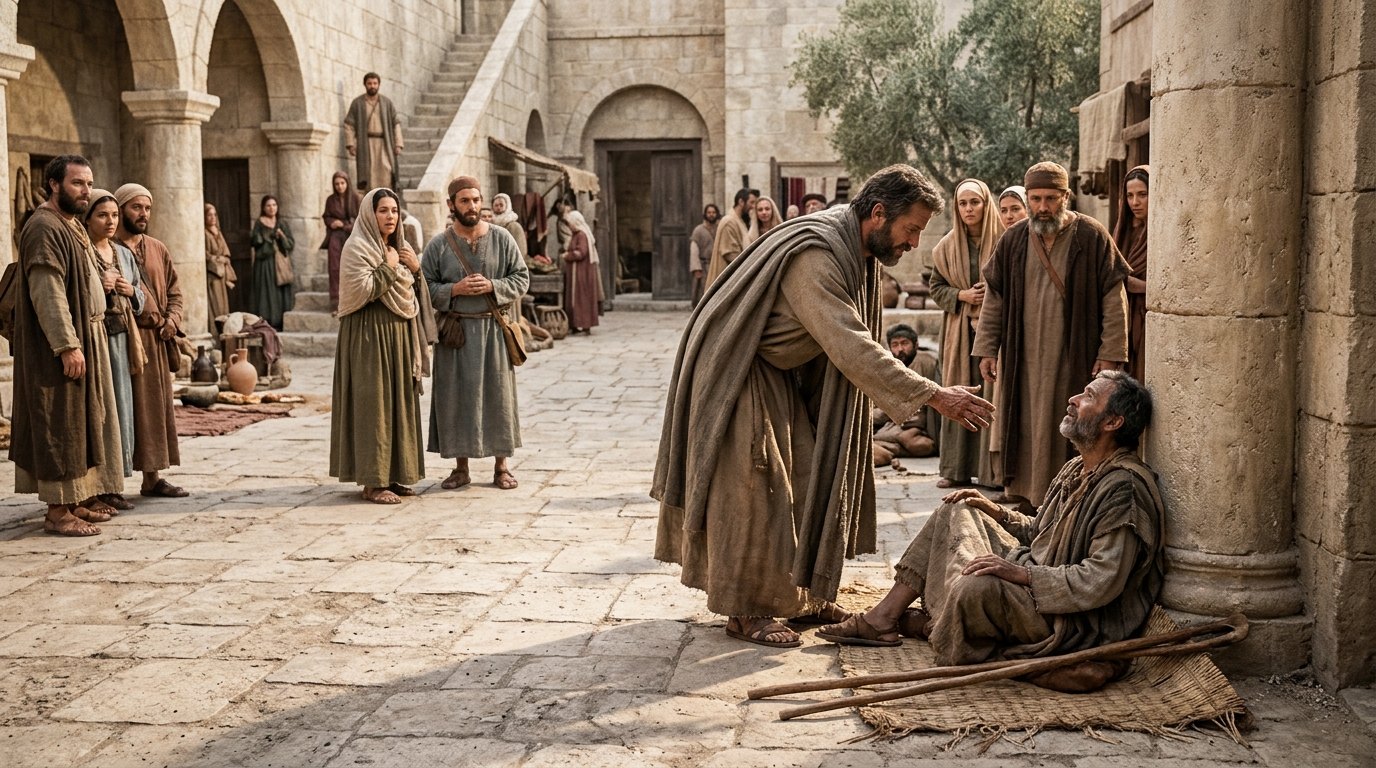
And these signs will accompany those who believe: In my name they will drive out demons; they will speak in new tongues; they will pick up snakes with their hands; and when they drink deadly poison, it will not hurt them at all; they will place their hands on sick people, and they will get well.”
Mark 16:17-18 (NIV)
Christ explicitly promises that signs such as deliverance and healing will accompany those who believe.
The risen Lord commissioned His followers to proclaim the gospel, promising that His supernatural presence would accompany their witness: "And these signs shall follow them that believe; In my name shall they cast out devils; they shall speak with new tongues... they shall lay hands on the sick, and they shall recover" (Mark 16:17-18). Christ never tied supernatural confirmation merely to a single generation; rather, His disciples "went forth, and preached every where, the Lord working with them, and confirming the word with signs following" (Mark 16:20).
Before His passion, Jesus gave this staggering assurance: "Verily, verily, I say unto you, He that believeth on me, the works that I do shall he do also; and greater works than these shall he do; because I go unto my father" (John 14:12). This commission rests upon His universal reign, for Jesus declared that all power in heaven and earth had been delivered unto Him, commanding them to disciple all nations with the promise, "lo, I am with you alway, even unto the end of the world" (Matthew 28:18-20).
God bears witness to the message of salvation "both with signs and wonders, and with divers miracles, and gifts of the Holy Ghost, according to his own will" (Hebrews 2:4). Before His ascension, Jesus commanded the disciples to wait for the empowerment of the Holy Spirit to be His witnesses unto the uttermost parts of the earth (Acts 1:8). The apostle Paul bore testimony to this exact dynamic, explaining that his ministry among the Gentiles was fulfilled through Christ "by deed, through mighty signs and wonders, by the power of the Spirit of God" (Romans 15:18-19). Where the authentic gospel is proclaimed in faith, the Lord continues to attest to His truth.
| Passage | What it says |
|---|---|
| Mark 16:17-18 | Promises that miraculous signs, including casting out demons and laying hands on the sick for recovery, will accompany believers. |
| Mark 16:20 | Records that the disciples preached everywhere while the Lord worked with them, confirming the message through accompanying signs. |
| John 14:12 | Jesus promises that whoever believes in Him will perform the works He does, and even greater works. |
| Matthew 28:18-20 | Jesus claims all authority in heaven and earth and promises His abiding presence until the end of the age. |
| Hebrews 2:4 | Affirms God bearing witness with signs, wonders, various miracles, and gifts of the Holy Spirit. |
| Acts 1:8 | Promises power when the Holy Spirit comes upon believers to be His witnesses. |
| Romans 15:18-19 | Speaks of Christ working through Paul in mighty signs and wonders by the Spirit's power. |
The Spirit's Gifts
Spiritual Gifts Are Distributed for the Church
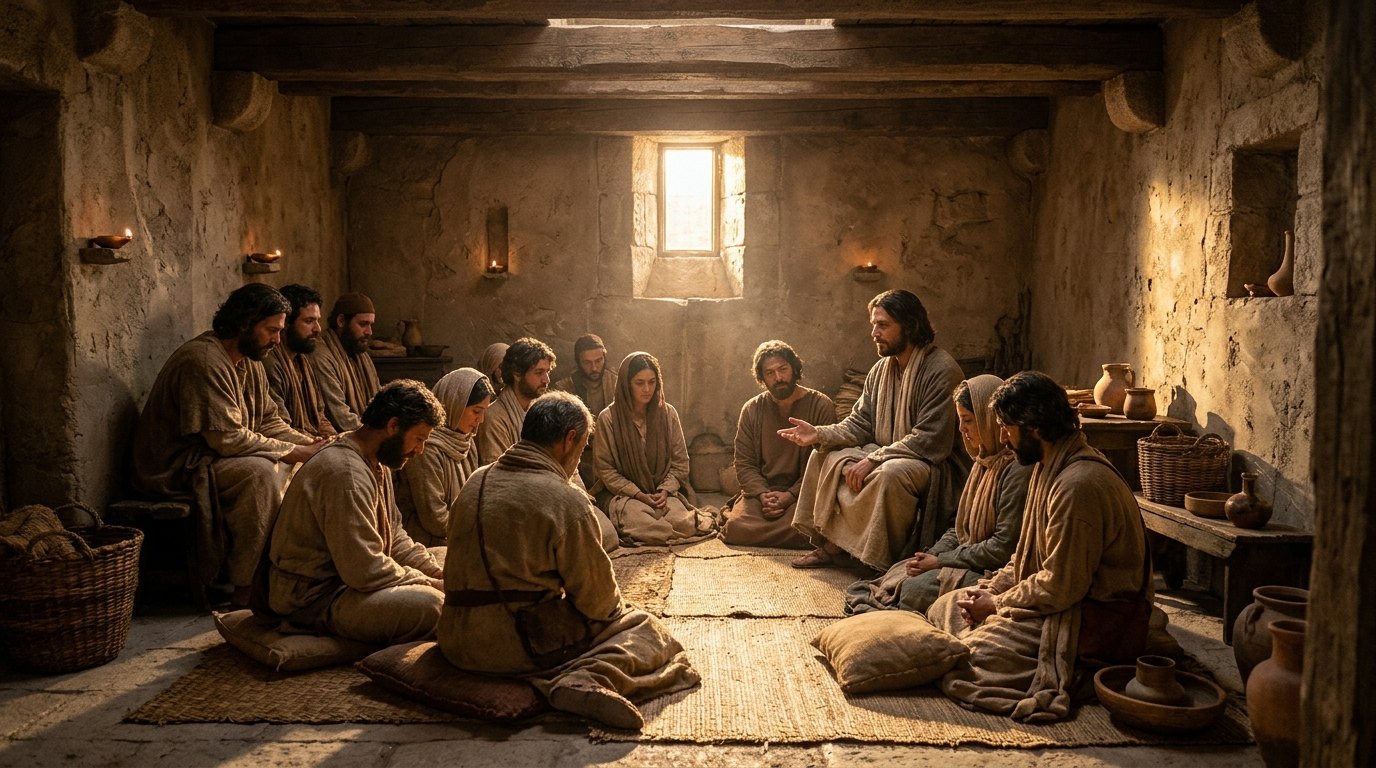
Now to each one the manifestation of the Spirit is given for the common good. To one there is given through the Spirit a message of wisdom, to another a message of knowledge by means of the same Spirit, to another faith by the same Spirit, to another gifts of healing by that one Spirit, to another miraculous powers, to another prophecy, to another distinguishing between spirits, to another speaking in different kinds of tongues, and to still another the interpretation of tongues. All these are the work of one and the same Spirit, and he distributes them to each one, just as he determines.
1 Corinthians 12:7-11 (NIV)
The Holy Spirit actively and sovereignly grants gifts of healing and the working of miracles for the common good.
The manifestation of the Spirit is given to the body of Christ for the benefit of all: "For to one is given by the Spirit the word of wisdom... to another faith by the same Spirit; to another the gifts of healing by the same Spirit; to another the working of miracles" (1 Corinthians 12:7-11). Scripture nowhere teaches that these gifts were rescinded upon the death of the apostles or the completion of the canon. Instead, God has permanently set within the church "miracles, then gifts of healings, helps, governments, diversities of tongues" (1 Corinthians 12:28).
Paul charged the church: "Follow after charity, and desire spiritual gifts" (1 Corinthians 14:1). When rebuking legalism, he asked, "He therefore that ministereth to you the Spirit, and worketh miracles among you, doeth he it by the works of the law, or by the hearing of faith?" (Galatians 3:5), proving that supernatural workings flow from faith in Christ rather than external rites. In 1 Corinthians 13:8-12, the cessation of partial knowledge occurs only "when that which is perfect is come," describing the day when believers see the Lord "face to face" at His return, not the closure of the apostolic era.
Until that glorious day, the church is exhorted to come behind in no gift while waiting for the coming of our Lord Jesus Christ (1 Corinthians 1:7). The apostle reiterates this clear command: "covet to prophesy, and forbid not to speak with tongues" (1 Corinthians 14:39). Each believer must faithfully exercise the measure of grace received (Romans 12:6), trusting the Holy Spirit to distribute His power sovereignly as He wills for the edification of the saints.
| Passage | What it says |
|---|---|
| 1 Corinthians 12:7-11 | Lists gifts including faith, healings, and miracles, distributed to each person individually as the Spirit wills. |
| 1 Corinthians 12:28 | Designates workers of miracles and gifts of healings as God's intentional appointments within the body of Christ. |
| 1 Corinthians 14:1 | Commands believers to pursue love and earnestly desire spiritual gifts. |
| Galatians 3:5 | Points out that God supplies the Spirit and works miracles through the hearing of faith, not the law. |
| 1 Corinthians 13:8-12 | Describes gifts ceasing only when the perfect arrives and we see face to face. |
| 1 Corinthians 1:7 | Exhorts the church to come behind in no gift while waiting for Christ's revelation. |
| 1 Corinthians 14:39 | Commands believers to desire earnestly spiritual gifts and not forbid them. |
| Romans 12:6 | Instructs the body of Christ to exercise the varied gifts given according to grace. |
Prayer for Healing
The Church Is Instructed to Pray in Faith
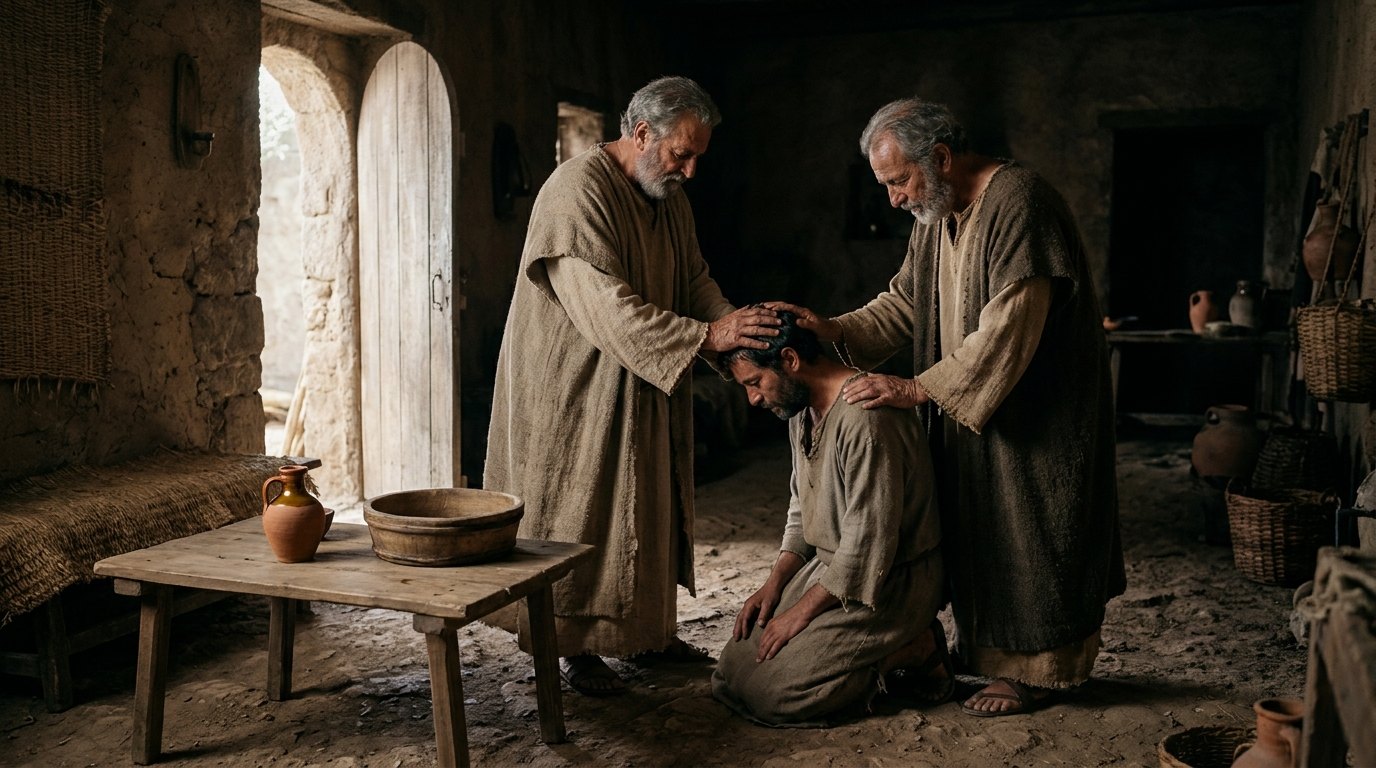
Is anyone among you sick? Let them call the elders of the church to pray over them and anoint them with oil in the name of the Lord. And the prayer offered in faith will make the sick person well; the Lord will raise them up. If they have sinned, they will be forgiven. Therefore confess your sins to each other and pray for each other so that you may be healed. The prayer of a righteous person is powerful and effective.
James 5:14-16 (NIV)
Gives an enduring ordinance to the local church to anoint the sick and pray for bodily healing.
Scripture gives explicit, lasting instructions to the local church regarding the sick: "Is any sick among you? let him call for the elders of the church; and let them pray over him, anointing him with oil in the name of the Lord: And the prayer of faith shall save the sick, and the Lord shall raise him up" (James 5:14-15). This pastoral practice is not presented as a temporary phenomenon, but as a standard ordinance for the household of faith. James adds: "Confess your faults one to another, and pray one for another, that ye may be healed. The effectual fervent prayer of a righteous man availeth much" (James 5:16).
When early believers faced threats, they did not pray for the supernatural to cease; they pleaded with boldness, "grant unto thy servants, that with all boldness they may speak thy word, By stretching forth thine hand to heal; and that signs and wonders may be done by the name of thy holy child Jesus" (Acts 4:29-30). Peter explicitly declared at Pentecost that the promise of the Holy Spirit "is unto you, and to your children, and to all that are afar off, even as many as the Lord our God shall call" (Acts 2:38-39).
Jesus repeatedly called His disciples to unrelenting faith, saying, "Have faith in God... whosoever shall say unto this mountain, Be thou removed, and be thou cast into the sea; and shall not doubt in his heart... he shall have whatsoever he saith" (Mark 11:22-24). Even faith as small as a grain of mustard seed can move mountains (Matthew 17:20). When believers approach God in alignment with His revealed will, they possess this confidence: "if we ask any thing according to his will, he heareth us: And if we know that he hear us... we know that we have the petitions that we desired of him" (1 John 5:14-15). Miracles remain God's living answer to the prayer of faith.
| Passage | What it says |
|---|---|
| James 5:14-15 | Instructs the sick to call for the church elders to pray and anoint with oil, promising the prayer of faith will save the sick. |
| James 5:16 | Urges confessing faults and praying for one another to be healed, asserting the power of righteous prayer. |
| Acts 4:29-30 | The early congregation petitions God to extend His hand to heal and perform signs and wonders through Jesus' name. |
| Acts 2:38-39 | Declares that the promise of the Holy Spirit extends to all generations whom the Lord calls. |
| Mark 11:22-24 | Teaches faith in God to move mountains and receive what is asked in prayer. |
| Matthew 17:20 | Affirms that faith even as a grain of mustard seed can accomplish the impossible. |
| 1 John 5:14-15 | Assures believers that God hears and grants petitions asked according to His will. |
Where in the Bible
| Book | Passages |
|---|---|
| Psalms | 1 · Psalms 102:27 |
| Jeremiah | 2 · Jeremiah 32:17, Jeremiah 32:27 |
| Malachi | 1 · Malachi 3:6 |
| Matthew | 2 · Matthew 28:18-20, Matthew 17:20 |
| Mark | 3 · Mark 16:17-18, Mark 16:20, Mark 11:22-24 |
| Luke | 1 · Luke 1:37 |
| John | 1 · John 14:12 |
| Acts | 3 · Acts 1:8, Acts 4:29-30, Acts 2:38-39 |
| Romans | 2 · Romans 15:18-19, Romans 12:6 |
| 1 Corinthians | 6 · 1 Corinthians 12:7-11, 1 Corinthians 12:28, 1 Corinthians 14:1, 1 Corinthians 13:8-12, 1 Corinthians 1:7, 1 Corinthians 14:39 |
| Galatians | 1 · Galatians 3:5 |
| Hebrews | 2 · Hebrews 13:8, Hebrews 2:4 |
| James | 3 · James 1:17, James 5:14-15, James 5:16 |
| 1 John | 1 · 1 John 5:14-15 |
The story in order
- God's unchanging nature (c. 400 BC) · Malachi 3:6 · God's character and power do not change.
- Jesus promises greater works (AD 30) · John 14:12 · Believers will do works Jesus did.
- The Great Commission (AD 30) · Matthew 28:18-20 · Jesus gives authority and promises presence.
- Signs accompany the gospel (AD 30) · Mark 16:17-18 · Believers will cast out demons and heal.
- Spirit empowers witnesses (AD 30) · Acts 1:8 · The Holy Spirit gives power to witness.
- God confirms the message (c. AD 60) · Hebrews 2:4 · God bears witness with signs and miracles.
- Gifts distributed by the Spirit (c. AD 55) · 1 Corinthians 12:7-11 · The Spirit gives gifts like healings and miracles.
- Church prays for healing (c. AD 45) · James 5:14-15 · Elders pray for the sick; faith saves.
- Prayer of faith avails (c. AD 45) · James 5:16 · The prayer of a righteous person is powerful.
- Jesus is the same forever (c. AD 65) · Hebrews 13:8 · Christ's nature and power are unchanging.
Spiritual Gifts for the Church
| Gift | Source | Purpose | Passage |
|---|---|---|---|
| Healings, miracles, faith | The Holy Spirit | For the common good | 1 Corinthians 12:7-11 |
| Workers of miracles | God | Appointed in the church | 1 Corinthians 12:28 |
| Earnestly desire gifts | Commanded by God | To edify the church | |
| Miracles through faith | God supplying the Spirit | To confirm the gospel | Galatians 3:5 |
| Gifts remain until perfection | The Spirit's will | Until Christ's return | 1 Corinthians 13:8-12 |
The Promise and Practice of Prayer for Healing
| Instruction | Action | Promise | Passage |
|---|---|---|---|
| Call for elders | Pray and anoint with oil | The sick will be saved | James 5:14-15 |
| Pray for one another | Confess faults | Be healed | James 5:16 |
| Petition God | Extend His hand to heal | Signs and wonders | Acts 4:29-30 |
| Have faith | Ask in prayer | Receive what is asked | Mark 11:22-24 |
| Believe God hears | Ask according to His will | Petitions granted | 1 John 5:14-15 |
Key words
- Miracles (σημεῖον (sēmeion))
- Supernatural acts of God that go beyond the natural order. · Mark 16:17
- Healings (θεραπεία (therapeia))
- The act of restoring health or soundness, often supernaturally. · 1 Corinthians 12:28
- Holy Spirit (πνεῦμα ἅγιον (pneuma hagion))
- The third person of the Trinity, active in the world and in believers. · Acts 1:8
- Faith (πίστις (pistis))
- Trust and belief in God and His promises, enabling action. · James 5:15
- Unchanging (ἄτρεπτος (atreptos))
- Not subject to change; constant and eternal. · Hebrews 13:8
Believers are summoned neither to manufacture counterfeit signs nor to doubt the living God who answers prayer. We are called to seek the Lord earnestly, pray in faith for the sick, and trust His sovereign power to glorify Christ in our day.
29 passages, each cited once.
Scripture cited
- Hebrews 13:8
- Mark 16:17-20
- Acts 2:1-4
- James 5:14-16
- 1 Corinthians 12:7-11
- Romans 12:3-6