Can I pray for healing?

James 5:14-15
14 Is anyone among you sick? Let them call the elders of the church to pray over them and anoint them with oil in the name of the Lord.
15 And the prayer offered in faith will make the sick person well; the Lord will raise them up. If they have sinned, they will be forgiven.
New International Version (NIV)
The answer
Yes. Pray for healing—for yourself and for others—with confidence in God’s power and humble trust in His will. Scripture directly commands this kind of prayer and teaches that the Lord heals in response to it.
James 5:13 says that anyone suffering should pray. James 5:16 adds, “Confess your sins to one another and pray for one another, that you may be healed.” This is not restricted to apostles or especially gifted Christians: ordinary believers are to pray for one another.
For serious illness, call for the elders of the church. James 5:14 instructs the sick person to call them so they can pray over him and anoint him with oil in the Lord’s name. James 5:15 then promises, “the prayer of faith will heal him who is sick, and the Lord will raise him up.” The healing power belongs to the Lord—not to the oil, a particular formula, or the spiritual strength of the person praying.
When praying:
- Ask plainly and specifically: Philippians 4:6 says to let every request be made known to God with prayer, petition and thanksgiving.
- Pray in faith, seeking God’s will: 1 John 5:14-15 assures believers that God listens when they ask according to His will. Trusting His will is not doubting His power; it is entrusting the outcome to His wisdom and goodness.
- Pray with others and deal openly with sin: James 5:14-16 joins the elders’ prayer, mutual confession and prayer for one another. It also promises forgiveness where sins have been committed.
- Persevere without pretending to control God: James 5:17-18 points to Elijah, a man with the same human nature, whose earnest prayers God answered powerfully.
Faithful prayer does not always produce immediate removal of the affliction. Paul begged the Lord three times for his thorn in the flesh to depart, yet the Lord answered, “My grace is sufficient for you, for my power is made perfect in weakness” (2 Corinthians 12:8-9). Paul’s unanswered request was not evidence of defective faith. In the same way, continued illness is not grounds to condemn a sick person as unbelieving. God remains able to heal, and He also supplies sustaining grace while His people wait.
Prayer and medical care are not enemies: continue appropriate treatment while asking the Lord to heal, and receive His peace as you wait, as Philippians 4:7 describes.
Answered from Scripture · reviewed November 11, 2026
Scripture does not merely permit believers to pray for healing; it explicitly commands and encourages it across both testaments. From the patriarchs and prophets to Christ, His apostles, and the gathered local church, God invites His children to bring bodily suffering directly before His throne of grace.
The Apostolic Command
The Church Is Instructed to Pray for the Sick

Is anyone among you sick? Let them call the elders of the church to pray over them and anoint them with oil in the name of the Lord. And the prayer offered in faith will make the sick person well; the Lord will raise them up. If they have sinned, they will be forgiven.
James 5:14-15 (NIV)
It provides the definitive New Testament command for the sick to call for church elders to pray and anoint with oil.
James 5:14-15 stands as the definitive apostolic pattern for the local congregation when bodily suffering strikes: call for the church elders to pray and anoint with oil. James does not treat physical frailty as an afterthought or a spiritual failure, but as a normal reality within the body of Christ that calls for corporate care. The afflicted believer is instructed in James 5:14 to summon the overseers of the church, who gather to intercede and symbolically set the sufferer apart under Christ's authority with oil. In James 5:15, Scripture assures us that the prayer offered in faith brings restoration, for the Lord Himself raises up the sick, while extending gracious pardon for any sins committed. James 5:16 immediately widens this circle of intercession beyond church officers to the entire fellowship, commanding believers to confess their faults to one another and pray mutually that they may be healed. In this passage, God anchors the practice of healing prayer in the persistent, righteous intercession of ordinary saints. This shared labor fulfills the broader ethical command of Galatians 6:2, where the church bears the heavy burdens of sickness, grief, and exhaustion, thereby walking out the law of Christ.
| Passage | What it says |
|---|---|
| James 5:14 | Calls the sick believer to summon church elders to pray over them and anoint them with oil in the Lord's name. |
| James 5:15 | Promises that the prayer of faith will restore the sick person, the Lord will raise them, and sins are forgiven. |
| James 5:16 | Exhorts believers to confess sins mutually and pray for one another that they may experience healing, noting prayer's great power. |
| Galatians 6:2 | Believers are commanded to bear one another's burdens in trials and weakness, fulfilling the law of Christ through mutual intercession. |
The Apostolic Ministry
The Early Church Prayed and Laid Hands on Sufferers

His father was sick in bed, suffering from fever and dysentery. Paul went in to see him and, after prayer, placed his hands on him and healed him.
Acts 28:8 (NIV)
Paul unites earnest prayer with the laying on of hands when ministering to Publius's sick father.
Acts 28:8 captures the characteristic rhythm of apostolic healing: Paul enters the sickroom, falls to his knees in prayer, and lays hands on the afflicted man. The miracle on Malta was not an isolated display, but the continuation of Christ's earthly commission. Mark 6:13 notes that during the initial missionary journeys, the twelve disciples anointed many who were sick with oil and healed them. In Mark 16:18, Christ declared that believers would lay hands on the infirm and see them recover, a pattern observed when Peter knelt beside Tabitha in Acts 9:40, prayed, and saw life restored. Similarly, in Acts 3:6, Peter looked upon a lifelong cripple at the temple gate and invoked the sovereign name of Jesus Christ of Nazareth to grant immediate strength. When persecution arose, the gathered church in Acts 4:29-30 did not retreat into silence; they corporately begged God to stretch forth His hand to heal through the holy name of His servant Jesus. The Holy Spirit continues this distributing work within the gathered church, granting gifts of healing as detailed in 1 Corinthians 12:9 according to His divine discretion.
| Passage | What it says |
|---|---|
| Mark 6:13 | Records that the twelve disciples anointed many sick individuals with oil and healed them during their earthly mission. |
| Mark 16:18 | Proclaims that believers will lay hands on the sick and they will recover. |
| Acts 9:40 | Shows Peter kneeling in prayer beside the deceased Tabitha before calling her to arise. |
| Acts 28:8 | Describes Paul visiting the feverish, dysentery-stricken father of Publius, praying, laying hands on him, and healing him. |
| Acts 3:6 | Peter commands a lame man to walk in the authority and name of Jesus Christ of Nazareth. |
| Acts 4:29-30 | The gathered Jerusalem church prays that God will stretch out His hand to heal through Jesus' holy name. |
| 1 Corinthians 12:9 | The Holy Spirit imparts gifts of healing to members within the body of Christ according to His will. |
The Prophets and Kings
Old Testament Saints Cried Out for Physical Recovery

He went in, shut the door on the two of them and prayed to the LORD.
2 Kings 4:33 (NIV)
Elisha responds to death and severe illness by shutting the door and praying earnestly to the Lord.
2 Kings 4:33 reveals the ancient reflex of God's servants facing sudden physical calamity: Elisha shut the door upon the lifeless boy and prayed unto Yahweh. Throughout the Old Testament, physical distress consistently drove the faithful to their knees. In Genesis 20:17, Abraham interceded for Abimelech's household, and God restored their ability to bear children. When Miriam was struck with severe leprosy, Moses made no prolonged defense but cried directly to God in Numbers 12:13, begging for her swift healing. Elijah followed this same path in 1 Kings 17:21-22, pleading over a widow's dead son until God revived his breath. Naaman rightly anticipated in 2 Kings 5:11 that a prophet of Yahweh would call upon His divine name for bodily restoration. In 2 Kings 20:2-5, King Hezekiah turned his face to the wall and wept, receiving the immediate divine word that his prayer was heard and fifteen years added to his life. David celebrates this covenantal character in Exodus 15:26 and Psalms 103:2-3, exalting the Lord who pardons sins and heals diseases. Whether in the sorrow of Psalms 6:2, the thanksgiving of Psalms 30:2, the contrition of Psalms 41:3-4, the rescue of Psalms 107:19-20, or Jeremiah's desperate cry in Jeremiah 17:14, the covenant people knew God alone as their physician.
| Passage | What it says |
|---|---|
| Genesis 20:17 | Abraham prays to God, and God heals Abimelech, his wife, and his female slaves so they can bear children. |
| Numbers 12:13 | Moses cries out to the Lord on behalf of Miriam, pleading directly for her leprosy to be healed. |
| 1 Kings 17:21-22 | Elijah cries to the Lord for the widow's son, and the Lord hears his voice and revives the child. |
| 2 Kings 4:33 | Elisha shuts the door and prays unto the Lord over the lifeless Shunammite boy. |
| 2 Kings 5:11 | Naaman expects the prophet of God to stand, invoke the name of Yahweh, and strike his hand to heal leprosy. |
| 2 Kings 20:2-5 | Hezekiah weeps and prays on his sickbed, and the Lord declares He has heard his prayer and will heal him. |
| Psalms 103:2-3 | David blesses the Lord who pardons iniquities and heals all diseases. |
| Exodus 15:26 | Yahweh reveals Himself to Israel as their healer, conditioning blessing and preservation on obedience to His voice. |
| Psalms 6:2 | David begs the Lord for grace and healing in deep bodily and spiritual agony. |
| Psalms 30:2 | David praises God for answering his desperate cry for help and healing his sickness. |
| Psalms 41:3-4 | The psalmist prays for mercy and physical recovery from sickness while acknowledging his own sin before God. |
| Psalms 107:19-20 | Afflicted sufferers cry to the Lord in distress, and He sends His word to heal and deliver them. |
| Jeremiah 17:14 | The prophet cries out to Yahweh alone for true healing and salvation, making Him his praise. |
Faith and God's Will
How Believers Bring Sickness Before the Sovereign Lord

Three times I pleaded with the Lord to take it away from me. But he said to me, “My grace is sufficient for you, for my power is made perfect in weakness.” Therefore I will boast all the more gladly about my weaknesses, so that Christ’s power may rest on me.
2 Corinthians 12:8-9 (NIV)
It shows that unanswered petitions for physical relief are met with God's sufficient grace and perfected power.
2 Corinthians 12:8-9 teaches believers how to submit bodily suffering to divine sovereignty: when physical deliverance is withheld, God provides all-sufficient grace that perfects His power in our weakness. Scripture never treats prayer as an exercise in demanding one's own way, but as an act of humble surrender. When the leper approached Jesus in Matthew 8:2-3, he voiced the proper balance between faith and submission, asking for cleansing if Christ were willing, to which the Lord readily responded with healing. Jesus invites bold supplication in John 14:13-14, promising to act when we ask in His name to the Father's glory. 1 John 5:14-15 confirms that our confidence rests in asking according to God's wise will, knowing that He hears and answers our petitions. In Matthew 7:7-8, the Lord commands disciples to keep asking, seeking, and knocking, while Philippians 4:6 urges believers to present every burden without anxiety. Hebrews 4:16 bids us come boldly before the throne of grace to find mercy in our hour of need, just as the apostle John in 3 John 1:2 offered an explicit, affectionate prayer that Gaius would enjoy physical health matching his spiritual prosperity.
| Passage | What it says |
|---|---|
| Matthew 8:2-3 | A leper worships Jesus asking for cleansing if He is willing, and Jesus touches and heals him immediately. |
| John 14:13-14 | Jesus instructs His disciples to ask anything in His name, promising that He will do it to glorify the Father. |
| 2 Corinthians 12:8-9 | Paul pleads three times for his thorn's removal, receiving the assurance that God's grace is sufficient in weakness. |
| 1 John 5:14-15 | Affirms believers have confidence that if they ask anything according to God's will, He hears and grants their petitions. |
| Matthew 7:7-8 | Jesus invites disciples to ask, seek, and knock with confidence in the Father's responsiveness to prayer. |
| Philippians 4:6 | Paul exhorts believers to bring every request, including physical trials, to God with prayer and thanksgiving. |
| Hebrews 4:16 | Believers are summoned to approach God's throne of grace boldly for mercy and help in time of need. |
| 3 John 1:2 | The apostle John prays specifically that Gaius may enjoy good physical health just as his soul prospers. |
The Compassion of Jesus
Christ Graciously Received All Who Pleaded for Bodily Relief
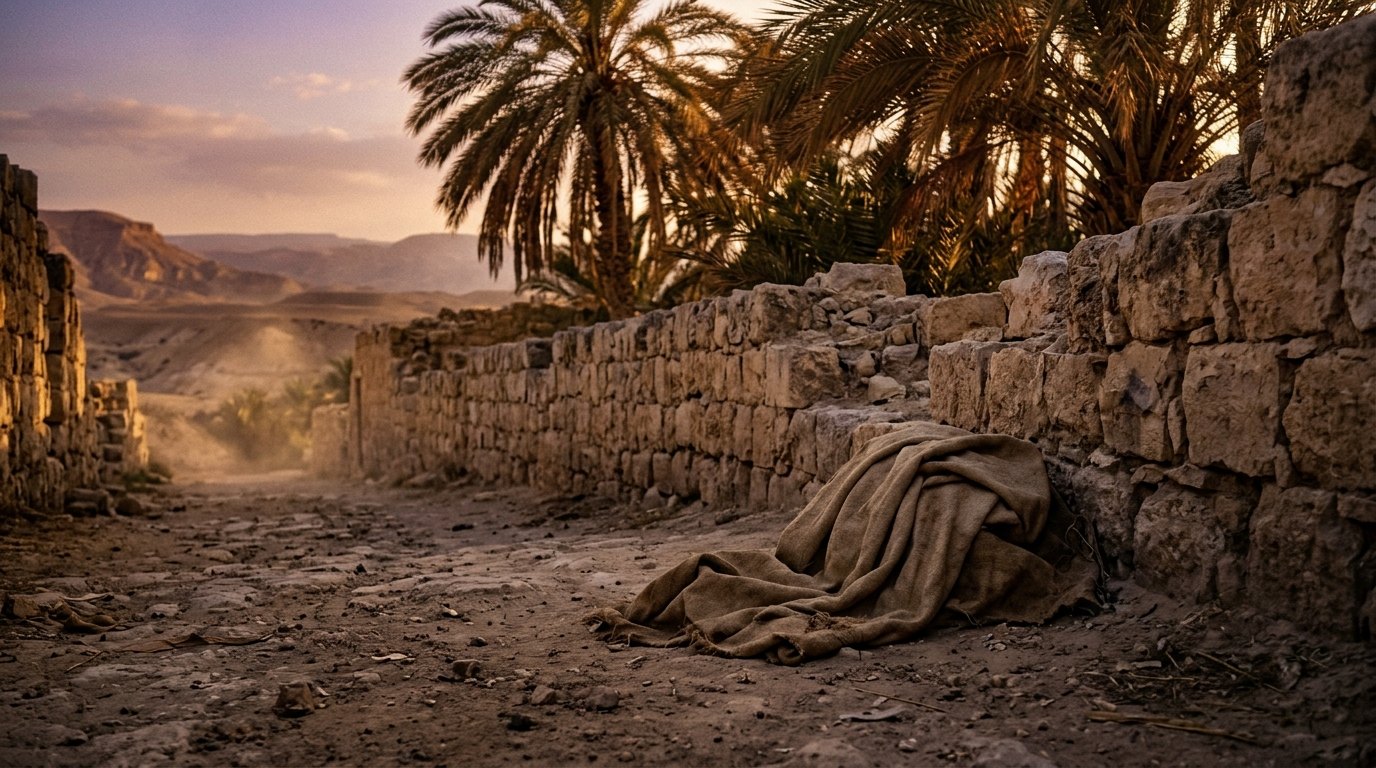
When evening came, many who were demon-possessed were brought to him, and he drove out the spirits with a word and healed all the sick. This was to fulfill what was spoken through the prophet Isaiah: “He took up our infirmities and bore our diseases.”
Matthew 8:16-17 (NIV)
This passage directly connects Jesus' active healing of petitioners to Isaiah's prophetic picture of the suffering Servant bearing our infirmities.
In Matthew 8:16-17, the Gospel writer captures the evening crush around Christ, recording that Jesus cast out the spirits with a word and healed all who were sick. Matthew explains that this gracious ministry was not incidental, but the direct fulfilment of Isaiah's promise that He took our infirmities and bore our sicknesses. Whenever sufferers approached Jesus with their physical brokenness, He never chided them for asking, nor did He treat their bodies as inconsequential to the kingdom of God.
This heart of mercy defined His entire public ministry from the moment He unrolled the scroll in the synagogue at Nazareth. Citing the prophet Isaiah in Luke 4:18-19, Jesus announced that the Spirit of the Lord had anointed Him to proclaim liberty to the captives and recovery of sight to the blind. Physical relief was an inseparable sign of the messianic age breaking into a fallen creation, demonstrating God's sovereign hatred of bodily decay and His authority to reverse it.
The Gospels record countless ordinary individuals who took Jesus at His word and pleaded boldly for physical deliverance. In Luke 18:38-42, a blind beggar outside Jericho cries out through the noisy crowd, refused to be silenced, and pleads, "Son of David, have mercy on me!" When Jesus asks what he desires, the man answers simply, "Lord, let me receive my sight." Christ immediately grants his plea, affirming that bold, earnest faith directed to the Son of David finds an open ear and compassionate power.
| Passage | What it says |
|---|---|
| Matthew 8:16-17 | Jesus heals all who are sick, fulfilling Isaiah's prophecy that the Messiah took our infirmities and carried our diseases. |
| Luke 4:18-19 | Jesus declares He is anointed by the Spirit to bring recovery of sight to the blind and liberty to the oppressed. |
| Luke 18:38-42 | A blind beggar cries out persistently to Jesus for mercy, and his petition for sight is immediately granted by faith. |
Where in the Bible
| Book | Passages |
|---|---|
| Genesis | 1 · Genesis 20:17 |
| Exodus | 1 · Exodus 15:26 |
| Numbers | 1 · Numbers 12:13 |
| 1 Kings | 1 · 1 Kings 17:21-22 |
| 2 Kings | 3 · 2 Kings 4:33, 2 Kings 5:11, 2 Kings 20:2-5 |
| Psalms | 5 · Psalms 103:2-3, Psalms 6:2, Psalms 30:2, Psalms 41:3-4, Psalms 107:19-20 |
| Jeremiah | 1 · Jeremiah 17:14 |
| Matthew | 3 · Matthew 8:2-3, Matthew 7:7-8, Matthew 8:16-17 |
| Mark | 2 · Mark 6:13, Mark 16:18 |
| Luke | 2 · Luke 4:18-19, Luke 18:38-42 |
| John | 1 · John 14:13-14 |
| Acts | 4 · Acts 9:40, Acts 28:8, Acts 3:6, Acts 4:29-30 |
| 1 Corinthians | 1 · 1 Corinthians 12:9 |
| 2 Corinthians | 1 · 2 Corinthians 12:8-9 |
| Galatians | 1 · Galatians 6:2 |
| Philippians | 1 · Philippians 4:6 |
| Hebrews | 1 · Hebrews 4:16 |
| James | 3 · James 5:14, James 5:15, James 5:16 |
| 1 John | 1 · 1 John 5:14-15 |
| 3 John | 1 · 3 John 1:2 |
The story in order
- God reveals Himself as Healer (c. 1450 BC) · Exodus 15:26 · Yahweh promises healing to the obedient Israelites.
- Miriam is healed of leprosy (c. 1450 BC) · Numbers 12:13 · Moses intercedes for his sister's healing.
- Elijah revives a widow's son (c. 870 BC) · 1 Kings 17:21-22 · God answers Elijah's prayer to restore life.
- Elisha prays over a dead boy (c. 840 BC) · 2 Kings 4:33 · The Shunammite boy is revived through prayer.
- Hezekiah's prayer for healing (c. 700 BC) · 2 Kings 20:2-5 · God hears Hezekiah's weeping and grants healing.
- David cries to the Lord for healing (c. 980 BC) · Psalms 6:2 · A plea for mercy and physical recovery.
- Jesus heals the sick (c. AD 30) · Matthew 8:16-17 · Jesus fulfills prophecy by healing many.
- Jesus sends out the twelve (c. AD 30) · Mark 6:13 · Disciples anoint and heal the sick.
- Jesus heals a blind beggar (c. AD 32) · Luke 18:38-42 · Jesus grants sight to the persistent beggar.
- Peter heals a lame man (c. AD 33) · Acts 3:6 · Healing is done in Jesus' name and authority.
- The church prays for boldness (c. AD 33) · Acts 4:29-30 · Believers pray for God's healing hand.
- Paul heals Publius' father (c. AD 60) · Acts 28:8 · Paul lays hands and heals a sick man.
- James instructs the church (c. AD 45) · James 5:14 · Elders are to pray for the sick.
- John prays for physical health (c. AD 90) · 3 John 1:2 · A prayer for good health alongside spiritual prosperity.
Prayer for Healing in Scripture
| Situation | Action | Result | Passage |
|---|---|---|---|
| Abimelech's household is afflicted | Abraham prays | God heals them | Genesis 20:17 |
| Miriam has leprosy | Moses cries to the Lord | Miriam is healed | Numbers 12:13 |
| Widow's son dies | Elijah prays | The boy is revived | 1 Kings 17:21-22 |
| Hezekiah is near death | Hezekiah weeps and prays | God adds 15 years to his life | 2 Kings 20:2-5 |
| A leper asks Jesus for cleansing | Jesus touches and heals him | The leper is cleansed | Matthew 8:2-3 |
| Tabitha dies | Peter prays | Tabitha is raised to life | Acts 9:40 |
| Paul's 'thorn in the flesh' | Paul pleads three times | God's grace is sufficient | 2 Corinthians 12:8-9 |
| A sick believer | Church elders pray and anoint with oil | The Lord raises them up | James 5:14-15 |
Jesus' Ministry of Healing
| Condition | Jesus' Action | Outcome | Passage |
|---|---|---|---|
| All who were sick | Jesus heals them | Fulfills Isaiah 53 | Matthew 8:16-17 |
| Blind beggar | Jesus has compassion, touches, heals | He receives sight | Luke 18:38-42 |
| Sick people | Disciples anoint with oil and heal | Many were healed | Mark 6:13 |
| Feverish and dysentery-stricken father | Paul prays and lays hands | He was healed | Acts 28:8 |
| Blindness and oppression | Jesus declares His anointing | Liberty and recovery of sight | Luke 4:18-19 |
Key words
- Heal (rapha (Hebrew))
- To restore to health, to make whole, to deliver from sickness or distress. · Exodus 15:26
- Prayer of Faith (Tē prayer tēs pisteōs (Greek))
- Believing prayer offered with confidence in God's willingness and power to answer. · James 5:15
- Lay Hands (Epitihein cheiras (Greek))
- A gesture of prayer, blessing, commissioning, or imparting spiritual gifts or healing. · Acts 28:8
- Throne of Grace (Thronos tēs charitos (Greek))
- The place where God's mercy and help are found through Jesus Christ. · Hebrews 4:16
- Ask, Seek, Knock (Aiteō, zēteō, krouō (Greek))
- Progressive actions of persistent prayer, assured of the Father's responsiveness. · Matthew 7:7-8
Believers may approach God in prayer for bodily healing with boldness, humility, and complete trust. Knowing that the Lord hears every cry, Christians bring their afflictions to Him in faith, resting peacefully within His perfect timing, sovereign wisdom, and sufficient grace.
35 passages, each cited once.
Scripture cited
- James 5:13-18
- 1 John 5:14-15
- 2 Corinthians 12:7-10
- Philippians 4:6-7